




















Why Go Back to DSLRs: The Practical Reasons Behind the Switch
Nov 5, 2025
Darlene Lleno
Darlene Lleno brings a unique perspective to DIY Photography as someone who grew up surrounded by camera gear but chose words over lenses. With five years of writing experience, she specializes in photography content that’s both technically informed and genuinely passionate. Growing up with a photographer twin brother meant camera talk was everyday conversation in her household. While he mastered capturing moments, Darlene discovered she preferred being the subject and the storyteller behind the scenes. As a travel enthusiast and mother of two, she understands the importance of preserving life’s precious moments. When not exploring new destinations or writing for DIY Photography, you’ll find her reading or tending to her garden. Her approach to photography writing is refreshingly authentic, she may not be behind the camera, but she knows exactly what it takes to help others capture the shots that matter most.
Share:
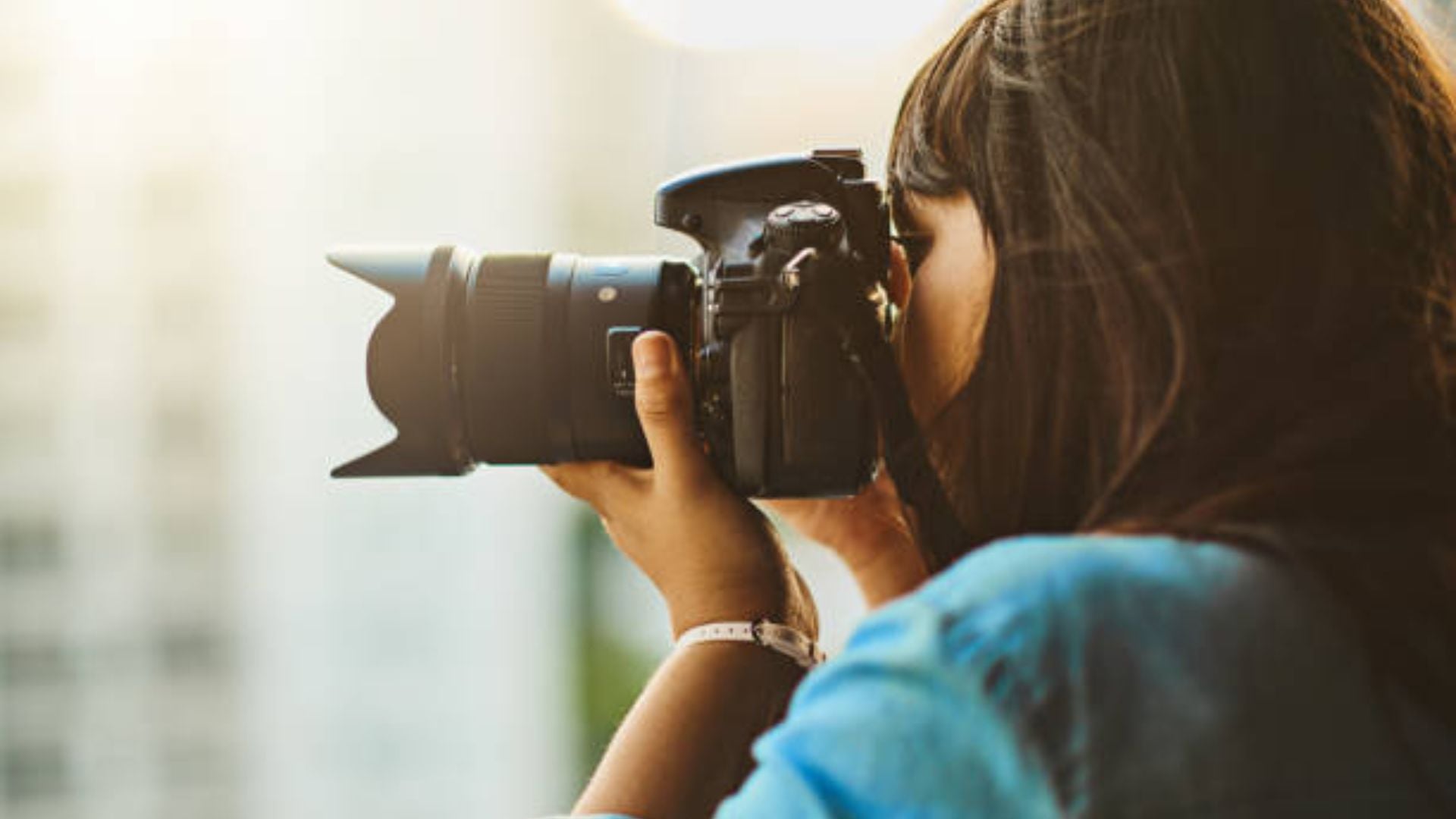
Why go back to DSLRs when mirrorless dominates every photography forum? This question sounds backward at first. Yet more photographers are rediscovering their old DSLRs or buying used models. The answer has nothing to do with nostalgia. It’s about practical advantages that still matter today.
The industry spent years declaring DSLRs dead. Manufacturers pushed mirrorless systems aggressively. Marketing campaigns made it seem like you had no choice. But something interesting happened along the way. Photographers who switched started missing their DSLRs for very specific reasons.
Why Battery Life Makes DSLRs Worth Reconsidering
Battery performance stands out as the top reason photographers return to DSLRs. The numbers tell a clear story about why this matters so much.
A basic entry-level DSLR shoots around 1,000 images per charge. The Nikon D850 delivers close to 1,900 shots. Most mirrorless cameras average just 350 to 650 shots per battery.
The physics are simple. Mirrorless cameras power their electronic viewfinders constantly, according to Digital Camera World. DSLRs use optical viewfinders needing zero power. Your camera only uses electricity when you click the shutter.
How This Plays Out in Real Shooting
Wedding photographers shooting all day with a DSLR use one battery. The same shooter with mirrorless needs three or four batteries. Event photographers in remote locations face constant battery stress with mirrorless bodies.
Here’s why the battery difference matters for real work:
- DSLRs let you shoot multi-day events without charging
- No need to carry multiple spare batteries
- Cold weather doesn’t kill your shooting session
- You focus on photography instead of battery management
This explains why many professionals choose DSLRs for extended shoots. Battery anxiety disappears when you know your camera lasts all day.
Why the Optical Viewfinder Still Matters
Electronic viewfinders got way better over recent years. Modern EVFs show sharp images with minimal lag. But they still can’t match looking through a DSLR viewfinder directly.
An optical viewfinder shows the actual scene. Light travels through your lens, bounces off mirrors, and reaches your eye. No processing happens. No battery drains. The view stays constant no matter your camera settings.
Your eye doesn’t adjust to an artificial screen. The image doesn’t wash out in bright sunlight. Zero lag exists between reality and what you see.
Why Different Photographers Value This Feature
Night photographers especially love optical viewfinders. Your eyes adapt to darkness naturally. An EVF blasts light into your adapted eyes. This ruins your night vision between shots and makes composition harder.
Wildlife photographers tracking fast subjects value the zero-lag view. Sports shooters still prefer DSLRs for this exact reason. An optical viewfinder shows movement as it happens.
The mirror slap provides confirmation you captured the shot. The mechanical nature feels more connected to the moment of exposure.
Why DSLRs Make Financial Sense Now
The used camera market changed completely over five years. Canon and Nikon flooded the market with professional DSLRs. Photographers switched to mirrorless and sold their gear.
This created incredible value for smart buyers. The price drops are significant and worth examining closely.
The Current Price Reality
Check out these real-world price comparisons:
- Nikon D850: Was $3,300 new, now $2,000 used
- Canon 5D Mark IV: Was $3,500 new, now $2,500 used
- Nikon D750: Under $1,000 with lens included
- Sony A7 IV: Still $2,500 new
- Canon R6 Mark II: Still $2,700 new
The lens situation favors DSLRs even more dramatically. Decades of EF-mount and F-mount production means options flood the used market. You can build a complete professional system for half what mirrorless costs.
Why Budget Matters More Than Features
A photographer starting fresh could buy these items used:
- Nikon D850 body
- 24-70mm f/2.8 lens
- 85mm f/1.8 prime lens
- Total cost: under $3,000
The same setup in Nikon’s Z-mount mirrorless system costs over $5,000. That $2,000 difference buys better lenses, lighting equipment, or valuable education.
Budget matters for most photographers. Professional work needs reliable gear, not the newest technology. A D850 or 5D Mark IV produces images that match current cameras.
Landscape photographers especially benefit from this value. Resolution, dynamic range, and color depth from the D850 match or beat many current mirrorless models.

Why Reliability Still Wins in Tough Conditions
DSLRs earned their reputation as workhorses through decades of professional use. The mechanical design provides real durability. Weather sealing on professional DSLRs beats many mirrorless options.
The simpler electronic setup of DSLRs means fewer failure points. No electronic viewfinder to break. No processor-intensive autofocus vulnerable to overheating. Just proven technology that keeps working.
Real-World Durability That Counts
Professional photographers in extreme conditions still trust DSLRs. Rain, dust, heat, and cold affect them less. Documentary shooters, outdoor specialists, and travel photographers value this reliability.
Imagine shooting a once-in-a-lifetime event in bad weather. Your camera gets soaked by rain or snow. With a professional DSLR like the Pentax K-1 or Nikon D850, you keep shooting confidently.
Cold weather creates similar problems with mirrorless. Batteries drain faster even in moderate cold. In freezing conditions, the difference becomes critical. DSLRs just keep working regardless of temperature.
Why the Lens Selection Can’t Be Beaten
Canon’s EF mount and Nikon’s F mount represent decades of optical engineering. Hundreds of lenses exist for these systems, notes Photography Life.
Third-party makers like Sigma, Tamron, and Tokina produced countless excellent options. This huge lens library means choices for every situation and budget.

What This Means for Your Photography
Need an ultra-wide for architecture? Dozens exist at various price points. Want a fast portrait lens? Multiple excellent options await your choice.
Mirrorless systems still catch up in lens selection. RF and Z-mount lenses tend toward expensive pricing. The selection keeps growing but lacks decades of development.
DSLR systems also let you use vintage manual focus lenses easily. Those old manual lenses provide character modern designs sometimes lack. Rangefinder lenses, medium format glass, and classic designs all adapt with simple adapters.
Why Simpler Operation Helps You Shoot Better
Modern mirrorless cameras pack incredible features. AI-powered autofocus, in-body stabilization, computational photography tricks. These features look impressive on paper. But they also create complexity.
DSLRs force you to focus on fundamentals. Proper exposure, composition, and timing matter more. Technology doesn’t compensate for mistakes as much.
Why Constraints Lead to Better Photography
Menu systems on DSLRs lean toward simplicity. Fewer options mean less time tweaking settings. More time goes to actual shooting and capturing moments.
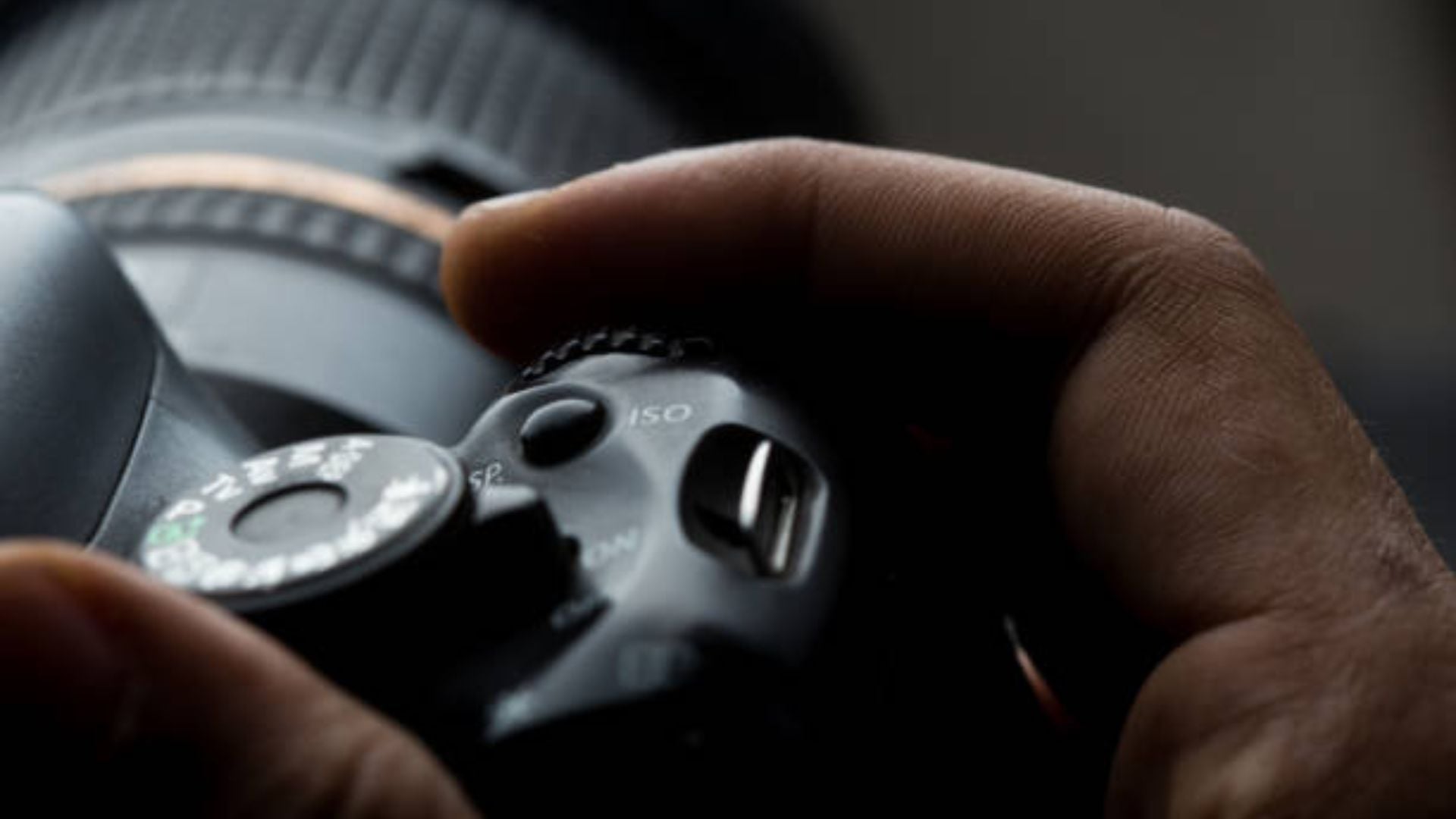
The constraints of DSLR technology push you toward intentional shooting. No electronic viewfinder shows a preview of your exposure. You need to understand how aperture, shutter speed, and ISO work together.
This sounds negative until you realize it forces better technique. Photographers who learned on DSLRs often show stronger fundamentals.
Why Certain Photographers Benefit Most
Why go back to DSLRs makes sense for specific photographer types. Let’s break down who gains the most from making this switch.
Event and Wedding Shooters
Event shooters who need all-day battery life benefit enormously. Wedding photographers appreciate the reliability and exceptional battery performance during long days.
Landscape and Nature Photographers
Landscape shooters gain little from mirrorless advantages like fast autofocus. They value resolution, dynamic range, and color where DSLRs remain highly competitive.
Wildlife photographers using telephoto lenses often prefer the optical viewfinder. The weight difference matters less when you’re already carrying a 500mm lens.
Budget-Conscious Shooters
Anyone working within tight budgets should seriously consider DSLRs. The value remains unbeatable in 2025 for professional quality gear.
Students, hobbyists upgrading from smartphones, and photographers building first systems all benefit tremendously. The money saved buys better lenses or education instead of depreciating camera bodies.
Why You Should Know the Trade-Offs
Honesty matters when discussing why go back to DSLRs. DSLRs sacrifice certain advantages mirrorless systems provide.
What You Give Up
Video capabilities lag significantly behind mirrorless options. Autofocus performance in challenging conditions can’t match modern mirrorless systems.
Face detection and eye autofocus found in mirrorless cameras help portrait shooters tremendously. These features either don’t exist or work poorly in DSLRs.
Fast continuous shooting speeds favor mirrorless designs. The technology gap will keep growing over time.
Making the Right Choice
The decision comes down to your shooting style. Here’s what to consider:
Stay with mirrorless if you need:
- Cutting-edge autofocus for fast action
- Serious video capabilities alongside photos
- Compact size and light weight
- Latest features and technology
Go back to DSLRs if you prioritize:
- All-day battery life without stress
- Lower cost for professional quality
- Proven reliability in tough conditions
- Simple operation and fewer menus
Consider your actual shooting needs rather than following trends. A landscape photographer on a tripod doesn’t need 20fps burst modes. An event photographer working 12-hour days needs exceptional battery life.
Why the Future Doesn’t Change Everything
Camera makers clearly committed to mirrorless technology. New lens releases focus exclusively on RF and Z mounts. Software updates prioritize mirrorless bodies.
Yet DSLRs won’t disappear overnight from professional use. Millions of working photographers own DSLR systems meeting their needs perfectly. These cameras will keep functioning for years with proper care.
Professional repair services still support popular DSLR models. Third-party battery makers produce compatible power sources. The ecosystem remains healthy enough to sustain DSLR use.
Photography ultimately comes down to capturing moments. The camera matters far less than the eye behind it. A skilled photographer with a DSLR outperforms a novice with the latest mirrorless.
Making Your DSLR Decision With Confidence
Why go back to DSLRs comes down to practical benefits that matter for your work. Battery life that lasts all day changes how you shoot. Lower costs let you invest in better glass. Proven reliability means fewer worries in the field.
The best camera remains the one you actually use. If a DSLR better fits your shooting style, budget, or preferences, it’s the right choice. Don’t let marketing or forum discussions convince you otherwise.
Your images tell the story that matters. Nobody asks what camera you used when they see a powerful photograph. They respond to composition, moment, light, and emotion. DSLRs remain perfectly capable of capturing all those elements in 2025 and beyond.
See more from DIYPhotography.net on Google
Add DIYPhotography.net as a trusted source. This makes
our stories more likely to appear in your Google Search results.
 Add as a preferred source on Google

Darlene Lleno
Darlene Lleno brings a unique perspective to DIY Photography as someone who grew up surrounded by camera gear but chose words over lenses. With five years of writing experience, she specializes in photography content that’s both technically informed and genuinely passionate. Growing up with a photographer twin brother meant camera talk was everyday conversation in her household. While he mastered capturing moments, Darlene discovered she preferred being the subject and the storyteller behind the scenes. As a travel enthusiast and mother of two, she understands the importance of preserving life’s precious moments. When not exploring new destinations or writing for DIY Photography, you’ll find her reading or tending to her garden. Her approach to photography writing is refreshingly authentic, she may not be behind the camera, but she knows exactly what it takes to help others capture the shots that matter most.


Join the Discussion
DIYP Comment Policy
Be nice, be on-topic, no personal information or flames.
3 responses to “Why Go Back to DSLRs: The Practical Reasons Behind the Switch”
Agreed. I have both mirrorless (FUJI XT’s) and DSLR’s (Nikon D4/D850) here. For theatrical shooting a go to the DSLR’s every time simply because of better battery life, which is an important consideration when on average I make 1500 images during a fast-moving 3-hour performance. Also ergonomics for back button focusing, which with my hands, is unreachable on the FUJI’s.
I am old with crappy close up vision. The only way I can use a camera is with a viewfinder.
I never will go back, in fact as soon as I moved to a dslr from my at that time high end point and shoot (Canon G10) I saw how much better mirrorless was. No, the G10 was not as good as a 5D, but the benefits of the sensor and its supporting computing chips always having the image in the pipeline were obvious. Now my 62 megapixels, killer glass, and their AI chip control allows me to shot action at the beach with 1/5000 sec @ f1.4 and get great bokeh, water drops frozen in the air, and 80% hits on perfectly focused eyes. No way a dslr can do that.
As for the batteries, buy a spare or three. And regarding the lenses I would recommend investing only in camera ecosystems that will let you migrate to mirrorless down the road. The best glass is today’s glass, sooner or later it will probably be on one of today’s cameras.
Landscape or astrophotography only? Okay, let’s say you’ve bought a dedicated used kit at a good price. Now you just have to buy another kit for the rest of your needs. Two kits!
All that said what’s most important is shooting. Use what you have, what you can afford, and/or what’s in your hand. Capturing those moments is the highest priority. But long term sometimes saving up, waiting, and then buying big saves you money down the road.
As a side note the best gear is expensive. Most people don’t need it. I do but most can get by with less. Just shoot.