



















Eight Reasons You Need Photographer Friends
May 17, 2026
Dunja Đuđić Kalinin
Dunja Djudjic is a multi-talented artist based in Novi Sad, Serbia. With 15 years of experience as a photographer, she specializes in capturing the beauty of nature, travel, concerts, and fine art. In addition to her photography, Dunja also expresses her creativity through writing, embroidery, and jewelry making.
Share:
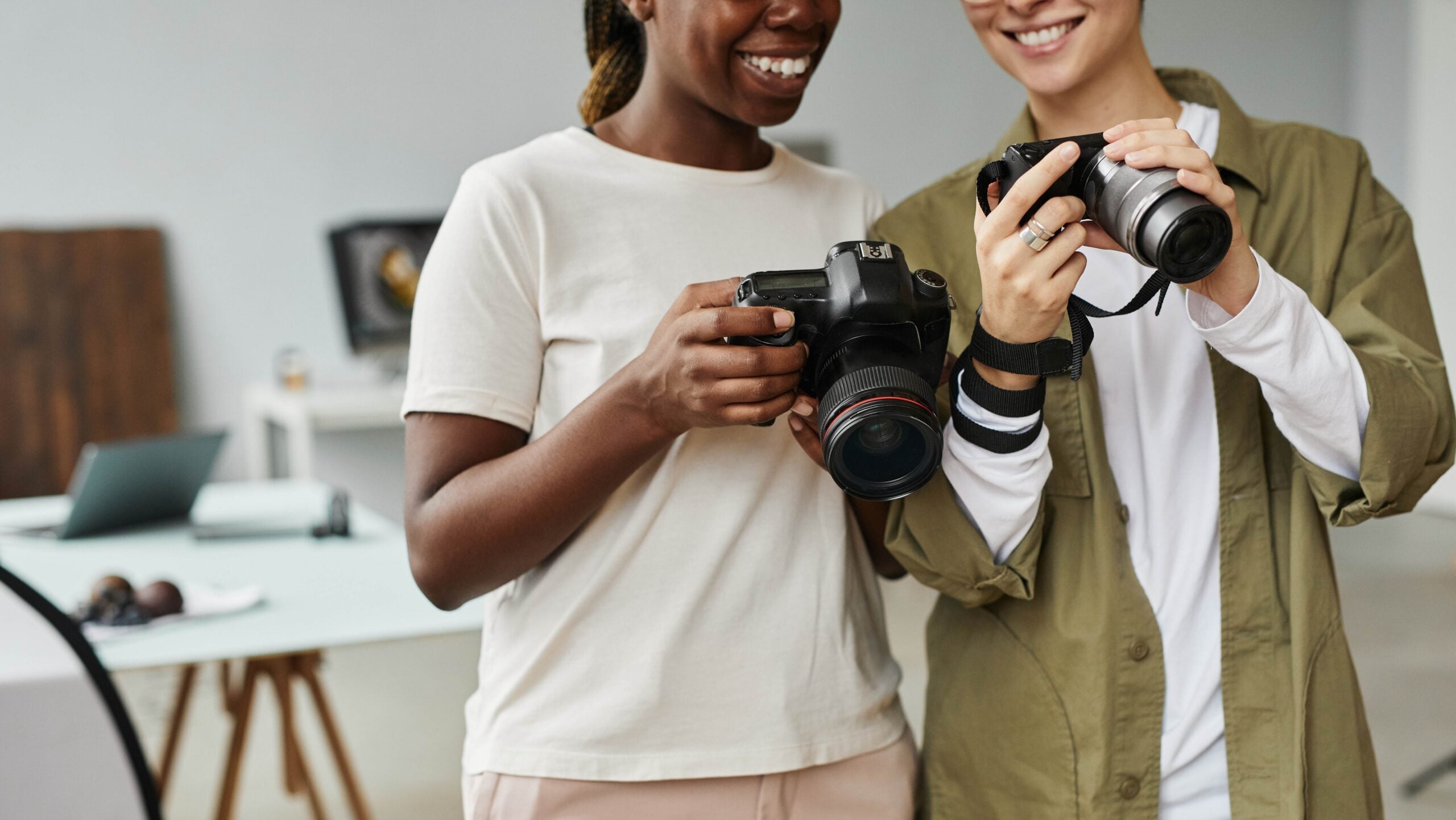
A lot of photographers prefer to work solo, and there’s nothing wrong with that. But building real friendships with other photographers can open up opportunities that are genuinely hard to find anywhere else.
In a recent video, Katja Feldmeier gives us plenty of ways in which our photographer friends and we can help each other. And from my own experience, it’s more than wonderful having a few close people who share your passion.
Having a few close photographer friends has made a real difference in my own work, too. I shoot concerts with one of them regularly, we collaborate on coverage where one of us writes the concert report, and we pool our photos. We’ve also done interviews with musicians together, and it’s been a precious experience for me.
On the other hand, you may have a feeling that the photography community is closed and that photographers are vain, especially if you’re a beginner. This may push you further away from even trying to get close to anyone in the industry. However, Katja gives several good reasons for reaching out, as well as ways in which photographers can help each other.
1. Helping Each Other With Marketing
Many photographers are not particularly great at marketing themselves. One of the biggest gaps tends to be professional photos of themselves. You need updated headshots and personal branding images for your website and social media, and Katja suggests getting together with a photographer friend and shooting portraits of each other.
This ties in with this article Alex wrote a while ago, where she explored the experience of getting in front of someone else’s lens. That kind of mutual exchange builds trust, gives both photographers a walk in the model’s shoes, and each ends up with great photos they can use when marketing themselves and their business. An added bonus is that the whole experience is also a lot more enjoyable than wrestling with a tripod and a self-timer.
2. Referring Clients to Each Other
There’s a tendency in the photography world to see other photographers as competitors. Katja thinks this framing does more harm than good, and I agree. I believe there’s room for everyone in every creative community, and I’d personally rather have photographer friends than enemies. One of the perks of having a network of photographer friends is that you can refer clients to each other when you’re booked out or when a request doesn’t fit your specialty.
For example, Katja focuses mostly on portraiture and doesn’t shoot weddings or events. So when those requests come in, she passes them along to photographers in her network who do. There’s no formal expectation or obligation, but when you respect someone’s work and trust them, recommending them to a client feels natural. And ideally, they’ll do the same for you.
3. Talking Through Pricing and Client Problems
Pricing is one of the trickiest parts of running a photography business. Every brief is different, and it’s easy to second-guess yourself, especially when you’ve never encountered that exact type of request before. Katja’s go-to move when she’s unsure is to call a photographer friend and talk it through.
The insight she shares here is genuinely useful: when you’re not the one in the hot seat, you can often see a situation more clearly. You’re not feeling the pressure of wanting to win the job, so you can give calmer, more objective advice.
The same goes for client conflicts. When you’re emotionally wrapped up in a difficult situation with a client, having a trusted friend who can step back and say “here’s how I’d handle it” is invaluable.
4. Co-working and Sharing Spaces
A lot of photography work is solitary editing, sorting images, retouching, and managing the business side of things from your desk. I know many people who find it very solitary and even difficult. In addition, some people benefit from a so-called “body double” to get things done.
One solution Katja suggests is arranging co-working sessions with photographer friends. You can meet at a café or a shared space and working on your own projects side by side. It breaks up the monotony, gives you a chance to swap stories, or just enjoy the company of each other in silence.
She also mentions the practical benefit of sharing studio spaces or swapping location lists. It’s cheaper, and , gives each of you access to more options than you’d find on your own.
5. Portfolio Reviews and Honest Feedback
It’s hard to evaluate your own work objectively. You get attached to certain images, you develop blind spots, and you can miss gaps in your portfolio that would be obvious to someone else. On the other hand, random people on the internet are either too polite when commenting on your work, or, more commonly, unnecessary mean. This is why Katja recommends setting aside time with photographer friends to review each other’s portfolios and give honest, critical feedback.
6. Assisting Each Other on Shoots
Katja is realistic about this one: not every photographer would make a great assistant, and not every photographer would want to assist. But there are moments when an assistant cancels last minute and you need someone you trust to step in. Having a network of photographers you can call on in that situation is extremely useful.
She also points out that assisting can work as a paid arrangement, with photographers paying each other rather than going through an agency, which benefits both sides.
7. Lending Gear
Camera gear is expensive, and most of us don’t need every piece of gear all the time. If a friend has a lens or a second body sitting unused, it makes more sense to borrow it from them than to rent it from a shop at full price. You can pay them for it, or you can lend them your gear next time – whatever works. I remember John and I swapping lenses at The Photography Show because we both shoot Nikon and there was no need for each of us to carry a bunch of stuff from home.
Of course, not everyone is comfortable lending their gear, and that’s fair. But for photographers who do have that level of trust with each other, it’s a practical way to save money and help each other out.
8. Building Something Together
What Katja’s really describing is a shift in mindset: from seeing other photographers as competition to seeing them as collaborators and allies. This is how I treat my photographer friends and acquaintances. I’ve collaborated with them on so many shoots, we’ve become closer, I’ve had so much fun, and gathered inspiration.
Whether it’s shooting together, referring clients, talking through a tricky pricing situation, or just editing side by side over coffee, these connections make your business stronger, but above all – they make your world richer.
[How Photographers Can Help Each Other | Katja Feldmeier]
See more from DIYPhotography.net on Google
Add DIYPhotography.net as a trusted source. This makes
our stories more likely to appear in your Google Search results.
 Add as a preferred source on Google

Dunja Đuđić Kalinin
Dunja Djudjic is a multi-talented artist based in Novi Sad, Serbia. With 15 years of experience as a photographer, she specializes in capturing the beauty of nature, travel, concerts, and fine art. In addition to her photography, Dunja also expresses her creativity through writing, embroidery, and jewelry making.
Related Posts
 Photographer Reveals Microscopic Beauty In Photos Of His Friends’ Tears
 Friends invited photographer out for shooting – but they brought guns instead of cameras
 Photographer travels the world to photograph all 626 of her Facebook friends
 Photographer creates goofy and emotional portraits of his friends in quarantine
Join the Discussion
DIYP Comment Policy
Be nice, be on-topic, no personal information or flames.