


























Hubble Reveals Messier 88: A Spiral Galaxy in the Virgo Cluster
Jun 1, 2026
Soumyadeep Mukherjee
Soumyadeep Mukherjee is an award-winning astrophotographer from India. He has a doctorate degree in Linguistics. His work extends to the sub-genres of nightscape, deep sky, solar, lunar and optical phenomenon photography. He is also a photography educator and has conducted numerous workshops. His works have appeared in over 40 books & magazines including Astronomy, BBC Sky at Night, Sky & Telescope among others, and in various websites including National Geographic, NASA, Forbes. He was the first Indian to win “Astronomy Photographer of the Year” award in a major category.
Share:
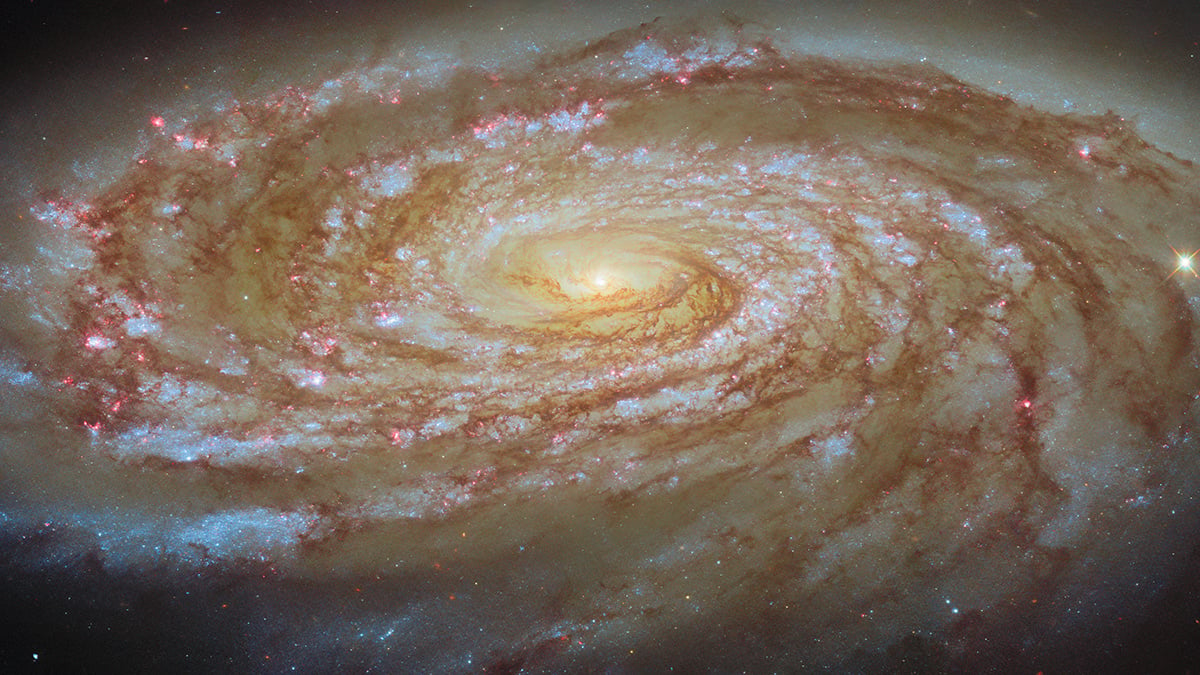
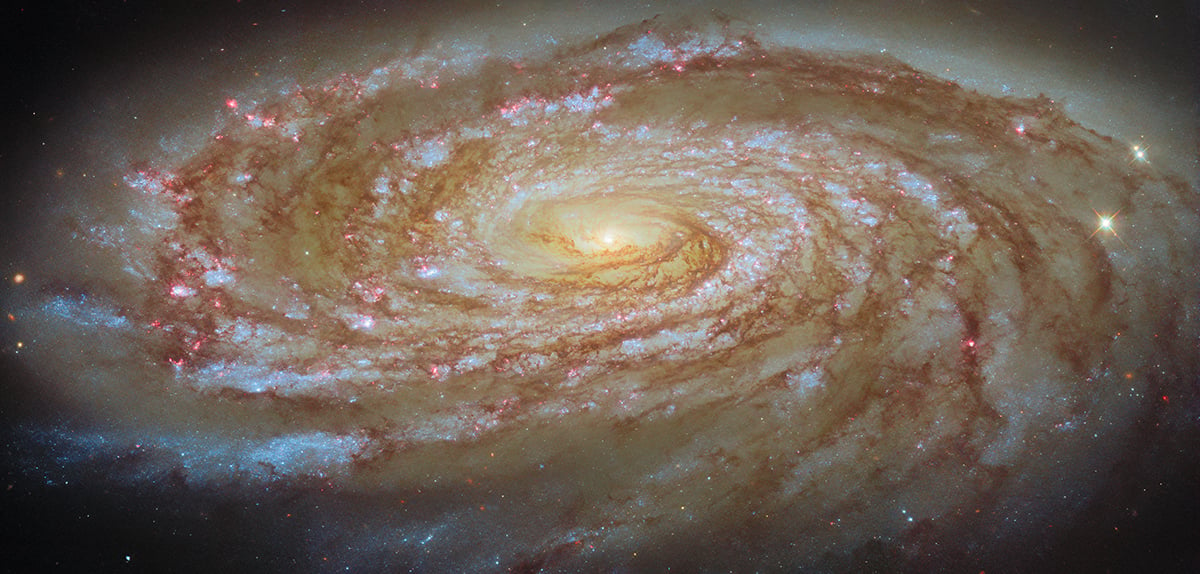
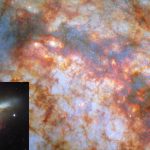
The Hubble Space Telescope has produced a new high-resolution image of Messier 88, a massive spiral galaxy located within the Virgo Cluster, approximately 63 million light-years away from Earth. The observation captures the galaxy during an active phase of environmental interaction as it moves through the dense intracluster medium surrounding the cluster core. Astronomers utilized Hubble’s optical imaging capability to resolve fine dust structures, compact star-forming regions, and asymmetries across the galactic disk, which indicate ongoing external pressure effects.
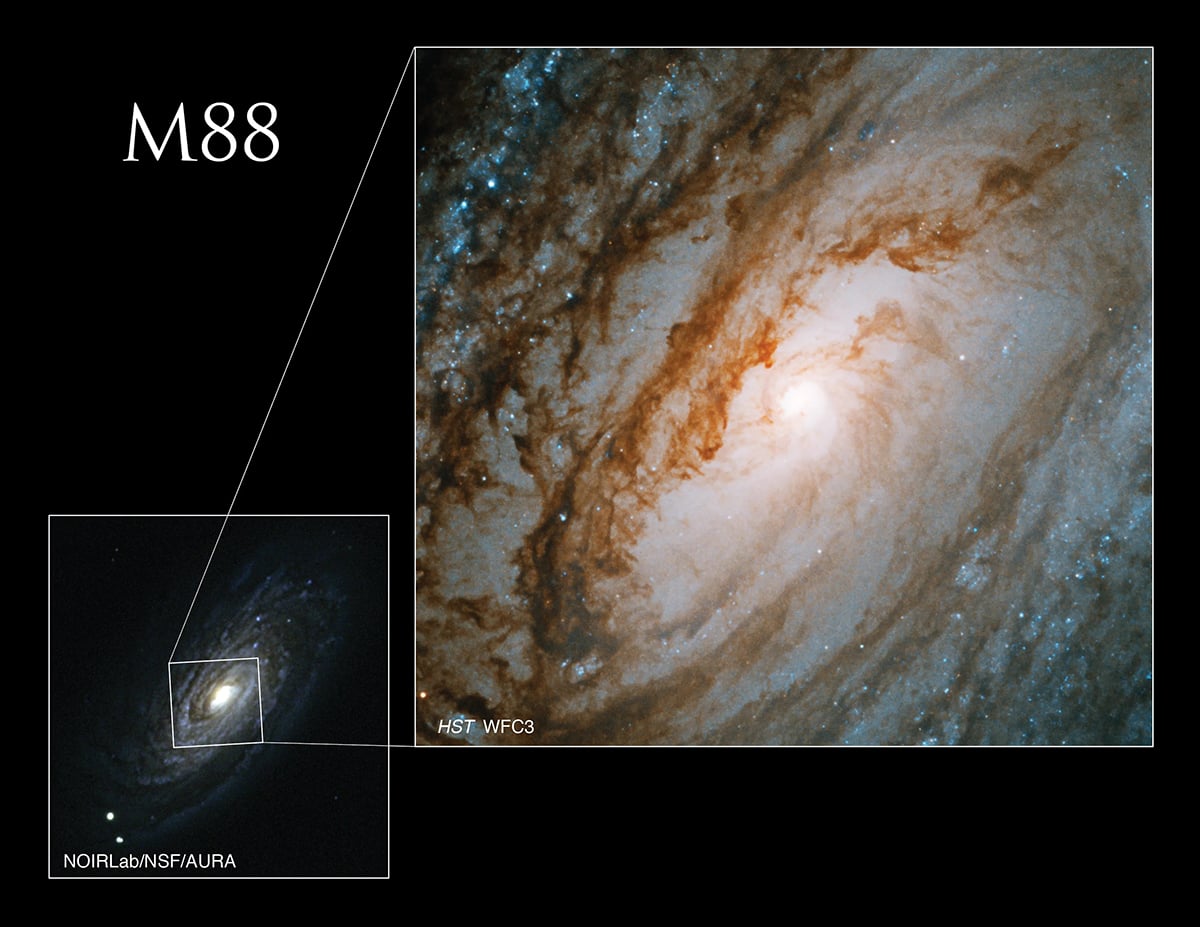
M88, also cataloged as NGC 4501, remains one of the brightest spiral galaxies in the Virgo Cluster. The system has become an important target for understanding how galaxy clusters influence spiral galaxies over long timescales. The latest Hubble observation highlights the physical processes acting on galaxies inside crowded cosmic environments.
Messier 88: One of the most active spiral galaxies in Virgo
Charles Messier first recorded M88 in 1781 while surveying the night sky for comet-like objects. More than two centuries later, the galaxy still attracts attention from professional observatories because of its structure, activity, and location inside the Virgo Cluster.
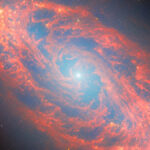
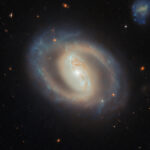
The galaxy spans nearly 130,000 light-years, making it slightly larger than the Milky Way. Astronomers classify it as an intermediate spiral galaxy with an active galactic nucleus. The system contains tightly wrapped spiral arms lined with dust clouds and young stellar populations. At optical wavelengths, the galaxy displays a strong contrast between dark dust lanes and bright star-forming regions spread throughout the disk.
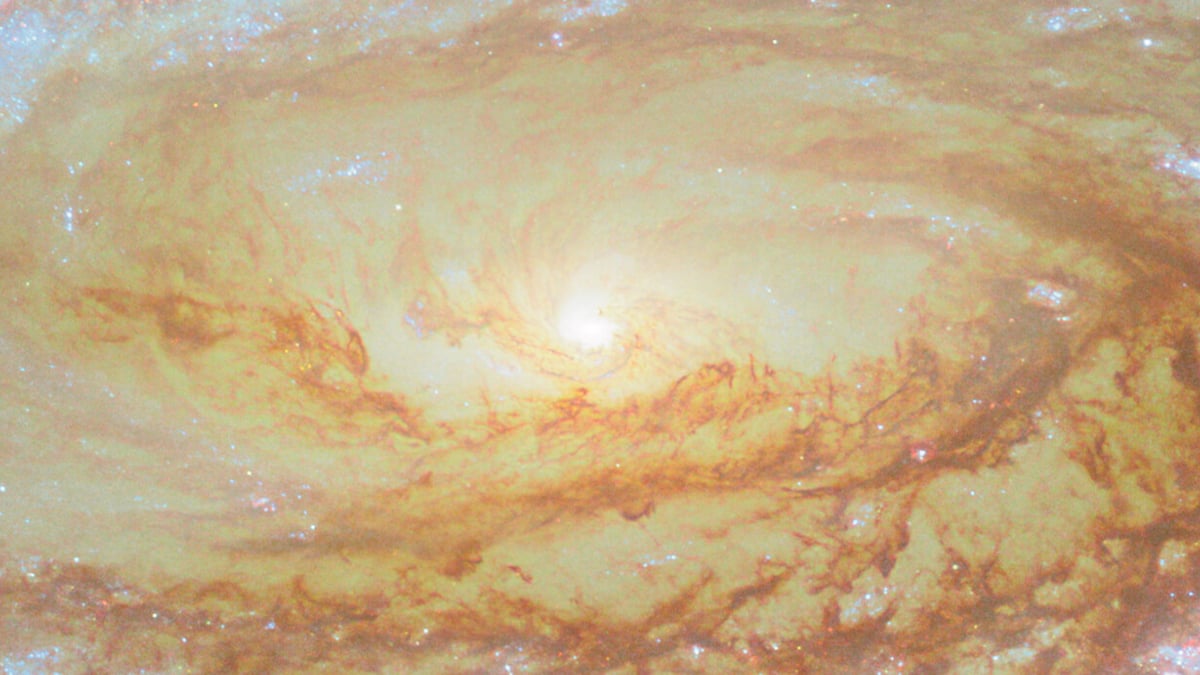
The latest Hubble image resolves many of those structures. Thin dust filaments stretch across the inner spiral arms, while compact blue star clusters appear scattered throughout the disk. Several pink emission regions also stand out clearly. These glowing hydrogen clouds trace areas where massive young stars continue ionizing the surrounding gas.
The central bulge appears dense and luminous. Older yellow stars dominate that region and surround the galaxy’s active core. Astronomers estimate that a supermassive black hole nearly 100 million times the mass of the Sun occupies the nucleus. Material falling toward the black hole releases large amounts of energy and produces measurable nuclear activity across multiple wavelengths.
Inside the Virgo cluster: A hostile environment
M88 exists inside one of the nearest major galaxy clusters to the Milky Way. The Virgo Cluster contains more than a thousand known galaxies distributed across millions of light-years. In addition to galaxies, the cluster holds enormous quantities of dark matter and extremely hot gas filling the space between member systems.
That hot gas plays a major role in shaping galaxies inside the cluster. Temperatures within the intracluster medium reach millions of degrees, causing the gas to emit strongly in X-rays. Galaxies traveling through this environment experience continuous interaction with the surrounding medium.
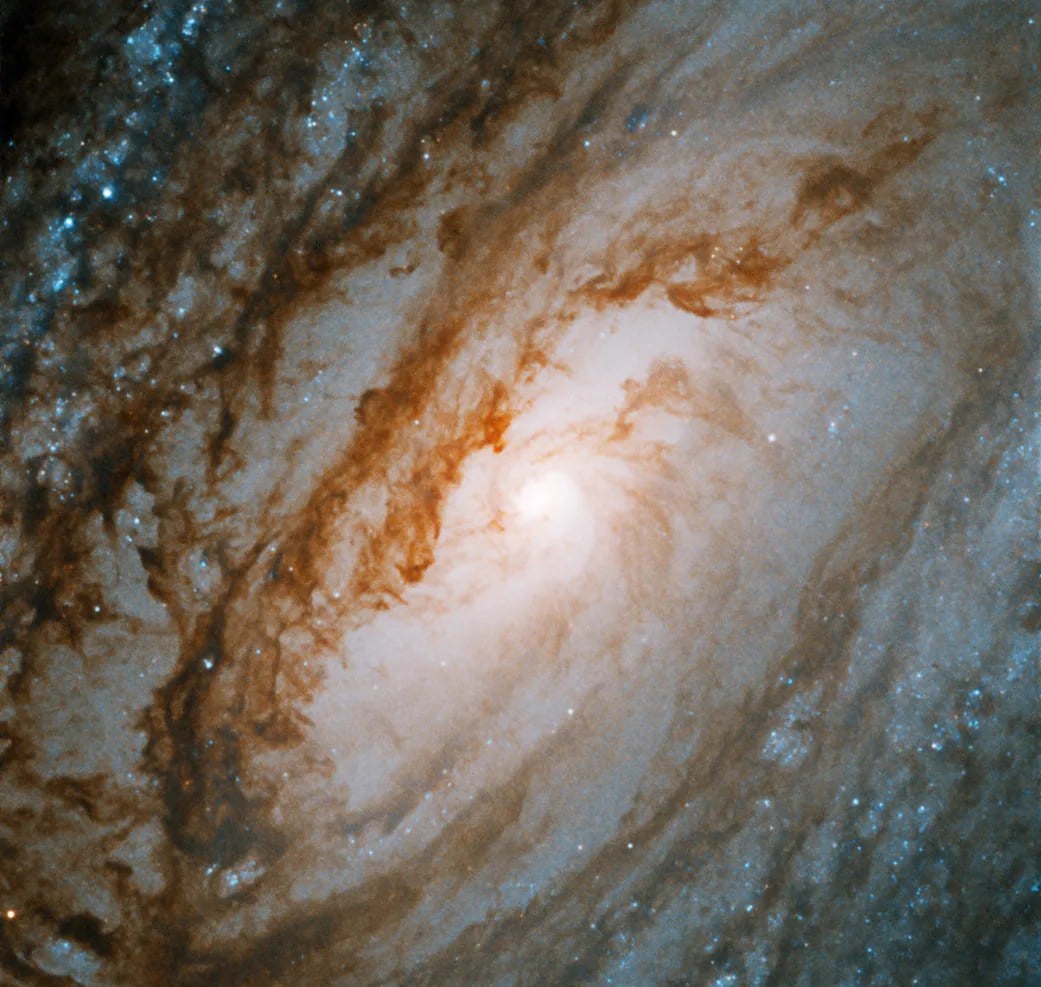
Astronomers believe M88 currently moves toward the denser central region of the Virgo Cluster at a very high speed. During that motion, the galaxy encounters resistance from the hot intracluster gas. Researchers describe this interaction as ram pressure stripping. The process removes cold hydrogen gas from the outer parts of the galaxy over time.
Cold hydrogen remains essential for star formation because stars form from dense molecular clouds that develop within cold gas reservoirs. Once galaxies lose enough gas, star formation rates decline steadily. Over billions of years, spiral galaxies can evolve into quieter systems with little remaining stellar activity.
Studying galaxy transformation with M88
Galaxy clusters function as large-scale laboratories for studying galactic evolution. Astronomers know that galaxies inside dense clusters behave differently from isolated systems, yet many details of that transformation remain under investigation.
M88 provides a useful case because the galaxy still preserves strong spiral structure and active star formation while also showing clear environmental disruption. Researchers can observe both processes at the same time. That combination allows scientists to test theoretical models describing how galaxies evolve inside clusters.
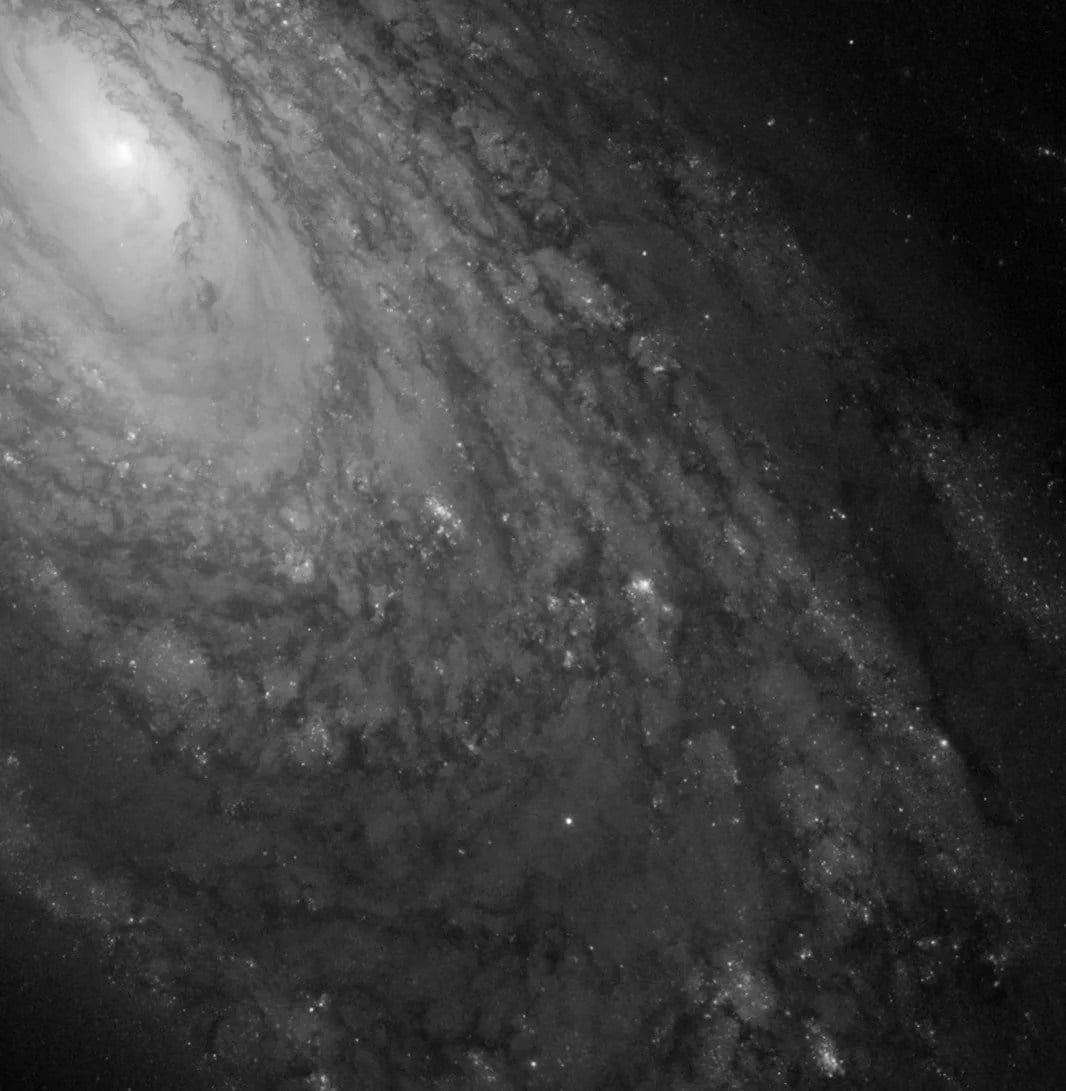
Astronomers compare galaxies like M88 with more heavily stripped Virgo Cluster systems to reconstruct different stages of cluster-driven evolution. Some Virgo galaxies have already lost most of their cold gas and now contain little active star formation. Others still retain large gas reservoirs and appear relatively undisturbed. M88 occupies an intermediate stage between those extremes.
The Virgo Cluster itself also holds special importance because of its proximity. Distant galaxy clusters often appear too small for detailed structural studies. Virgo sits close enough for telescopes like Hubble to resolve star-forming regions, dust structures, and gas asymmetries inside individual galaxies.
Clear skies!
See more from DIYPhotography.net on Google
Add DIYPhotography.net as a trusted source. This makes
our stories more likely to appear in your Google Search results.
 Add as a preferred source on Google

Soumyadeep Mukherjee
Soumyadeep Mukherjee is an award-winning astrophotographer from India. He has a doctorate degree in Linguistics. His work extends to the sub-genres of nightscape, deep sky, solar, lunar and optical phenomenon photography. He is also a photography educator and has conducted numerous workshops. His works have appeared in over 40 books & magazines including Astronomy, BBC Sky at Night, Sky & Telescope among others, and in various websites including National Geographic, NASA, Forbes. He was the first Indian to win “Astronomy Photographer of the Year” award in a major category.
Join the Discussion
DIYP Comment Policy
Be nice, be on-topic, no personal information or flames.