





















Today is Worldwide Pinhole Photography Day 2026; Here’s a Modern Way to Take Your Photograph
Apr 26, 2026
David Prochnow
Our resident “how-to” project editor, David Prochnow, lives on the Gulf Coast of the United States in Ocean Springs, Mississippi. He brings his expertise at making our photography projects accessible to everyone, from a lengthy stint acting as the Contributing How-To Editor with Popular Science magazine. While you don’t have to actually build each of his projects, reading about these adventures will contribute to your continued overall appreciation of do-it-yourself photography. A collection of David’s best Popular Science projects can be found in the book, “The Big Book of Hacks,” Edited by Doug Cantor.
Share:
Lensless lovers of the world rejoice, today is Worldwide Pinhole Photography Day 2026 (WPPD). Yes, this is the day where you leave your cameras and lenses behind and venture forth armed with a box, a pinhole, and your preferred light-sensitive emulsion.
No matter what your level of pinhole photographic expertise, WPPD has got you covered. There are tips and resources that can help guide you toward that perfect pinhole pic for WPPD 2026.
[Related Reading: The comprehensive tech guide to pinhole photography]
Plus there’s plenty of inspiration that can be found right here on DIYP. In a nutshell, the guiding premise for WPPD is for recording your day (today) with a pinhole photograph. When you’ve developed your pinhole glimpse into your world, you can upload the result to the WPPD gallery and join thousands of other people who share a similar interest in lensless photography.
[Related Reading: Get Ready for Worldwide Pinhole Photography Day: Convert a Panoramic Camera into a Pinhole Camera]
Modernize Your Contribution
If you lack access to a darkroom, that doesn’t mean that your ability to participate in WPPD is diminished. Rather, you just have to modernize your workflow and introduce instant film into your pinhole system.
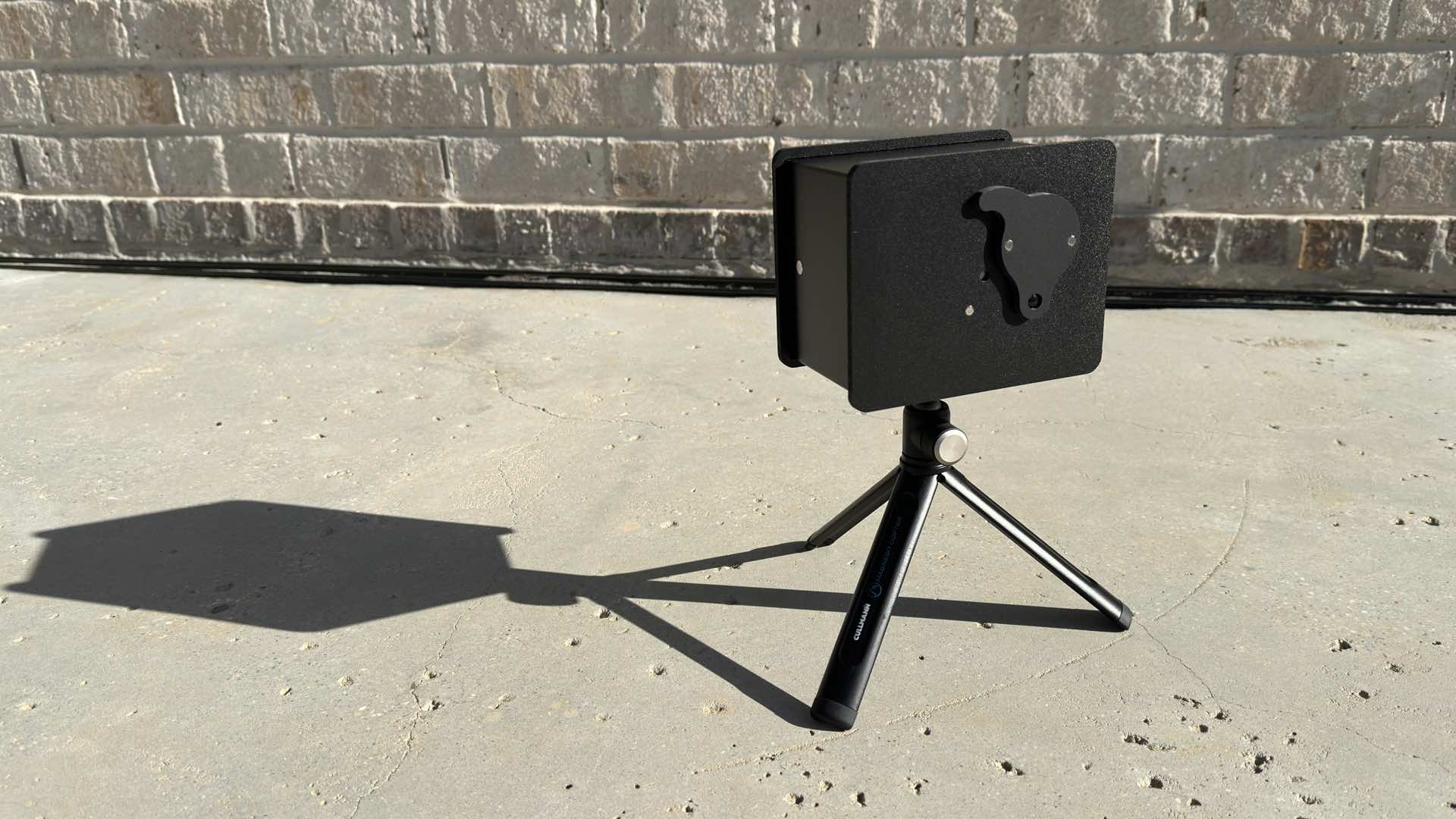
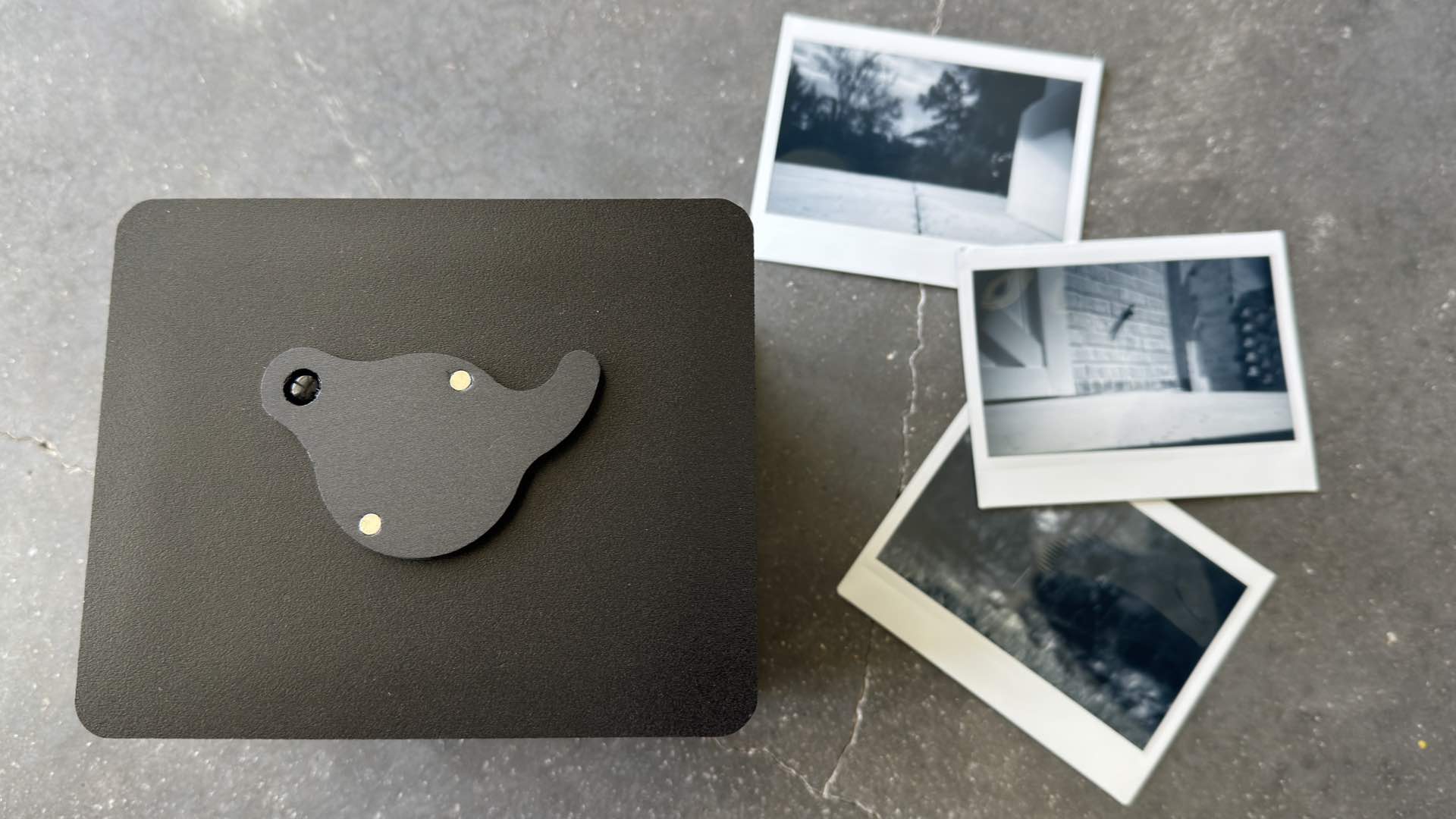
The ideal formula for creating this instant pinhole introduction is by combining the Ilford/Harman Obscura Pinhole Kit with Fujifilm instax WIDE film. From its light-tight sliding assembly to its beautifully formed f/290 pinhole, the Ilford Obscura is the perfect camera for adding an instax WIDE film pack into the film plane.
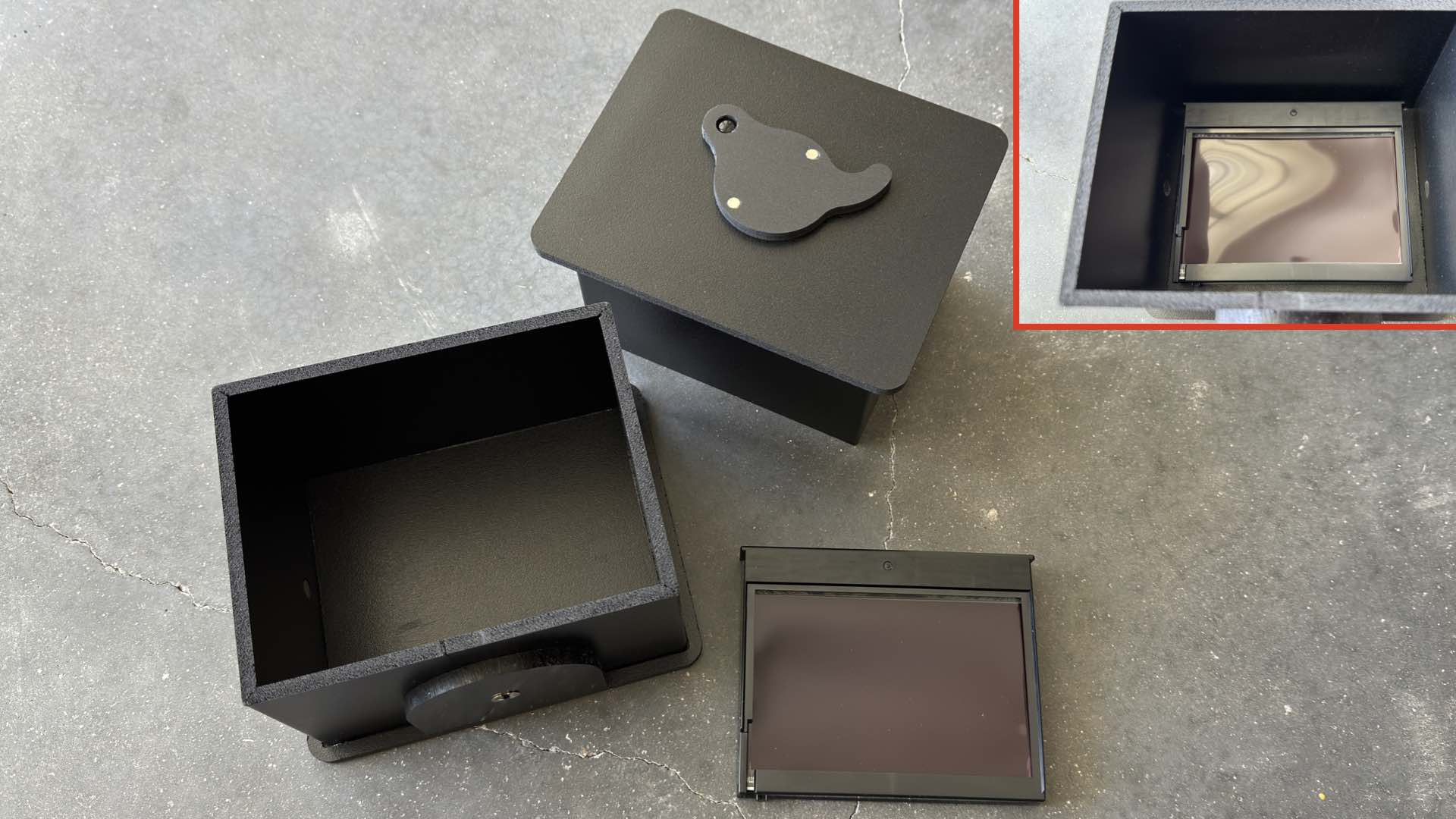
Naturally, you’ll also need an instax Wide Camera or printer for “developing” your instant prints, but the actual photographic process couldn’t be easier. Simply, insert the instax Wide pack into an instax camera or printer for automatically ejecting the black, protective cover sheet.
Next, take the Obscura and the instax camera or printer into a light-tight dark room. Open the instax camera or printer, remove the film pack, drop it, face/film up, into the bottom portion (i.e., the piece with the tripod mount) of the Ilford camera, and slide the pinhole lid portion into place.
The lid will not sit flush with the bottom of the Obscura. It will stand proud due to the height of the instax film pack on the inside of the pinhole camera. That’s OK.
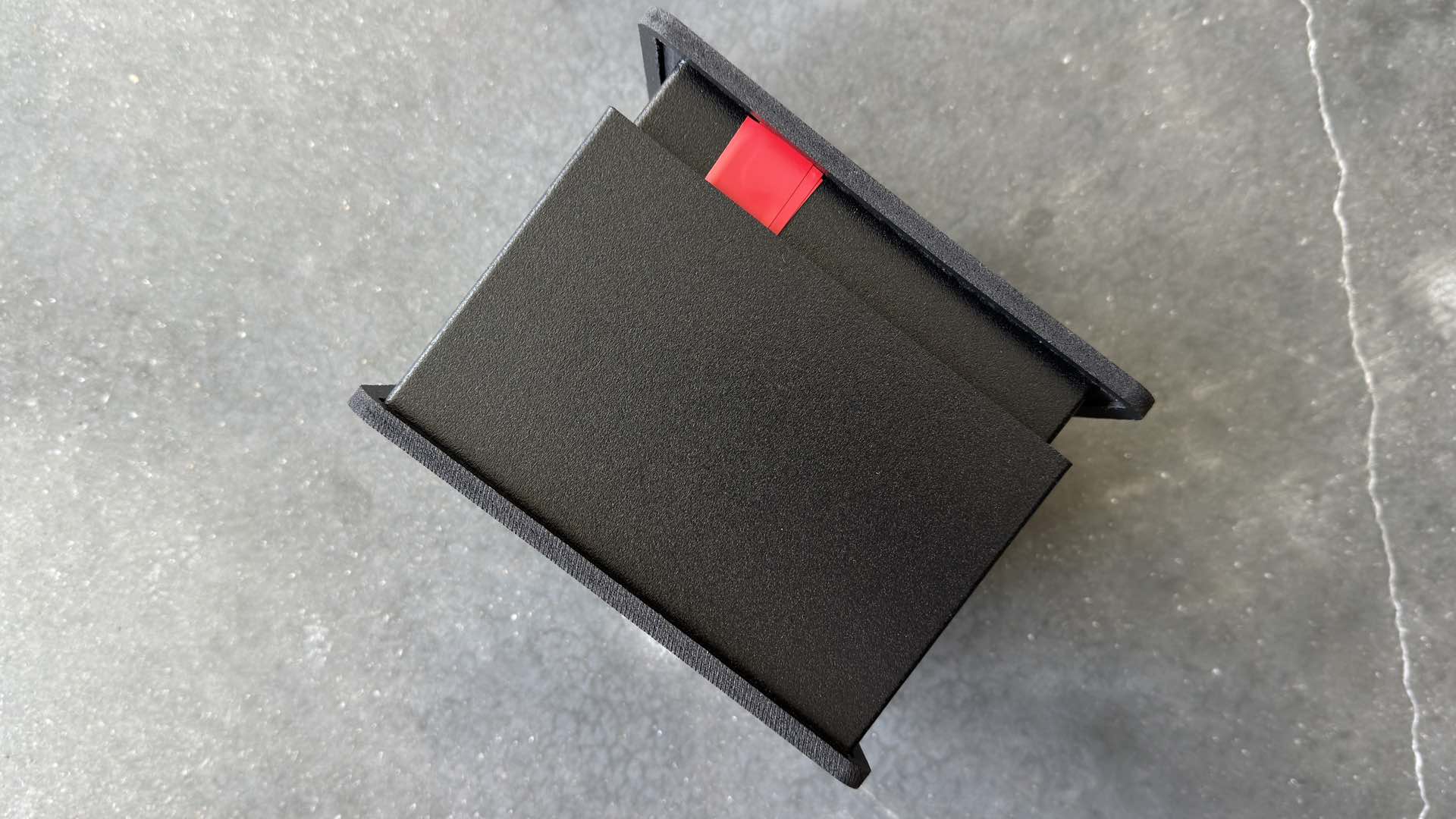
Make sure that you orient the instax WIDE film pack with the “wide” chemical pod area at the “top” of your selected pinhole subject. This upside-down orientation is due to the projected image being upside-down and backwards inside the camera.
Now run outside into bright sunlight and take your photograph. Instax film is roughly ISO 800. Therefore, your exposure should be approximately 1/3 second. You can accomplish this shutter speed by “flicking” the pivoting pinhole cover on the Obscura open-close…very briefly.
Return to your light-tight dark room, slide the Obscura apart, drop the film pack back into the instax camera or printer, and close the Fujifilm product’s lid. Your photograph should emerge and begin development.
Always ensure that the “wide” chemical pod area of the pack is at the TOP of the instax device for proper development. Furthermore, the film of the cassette should face towards the instax camera or printer front.
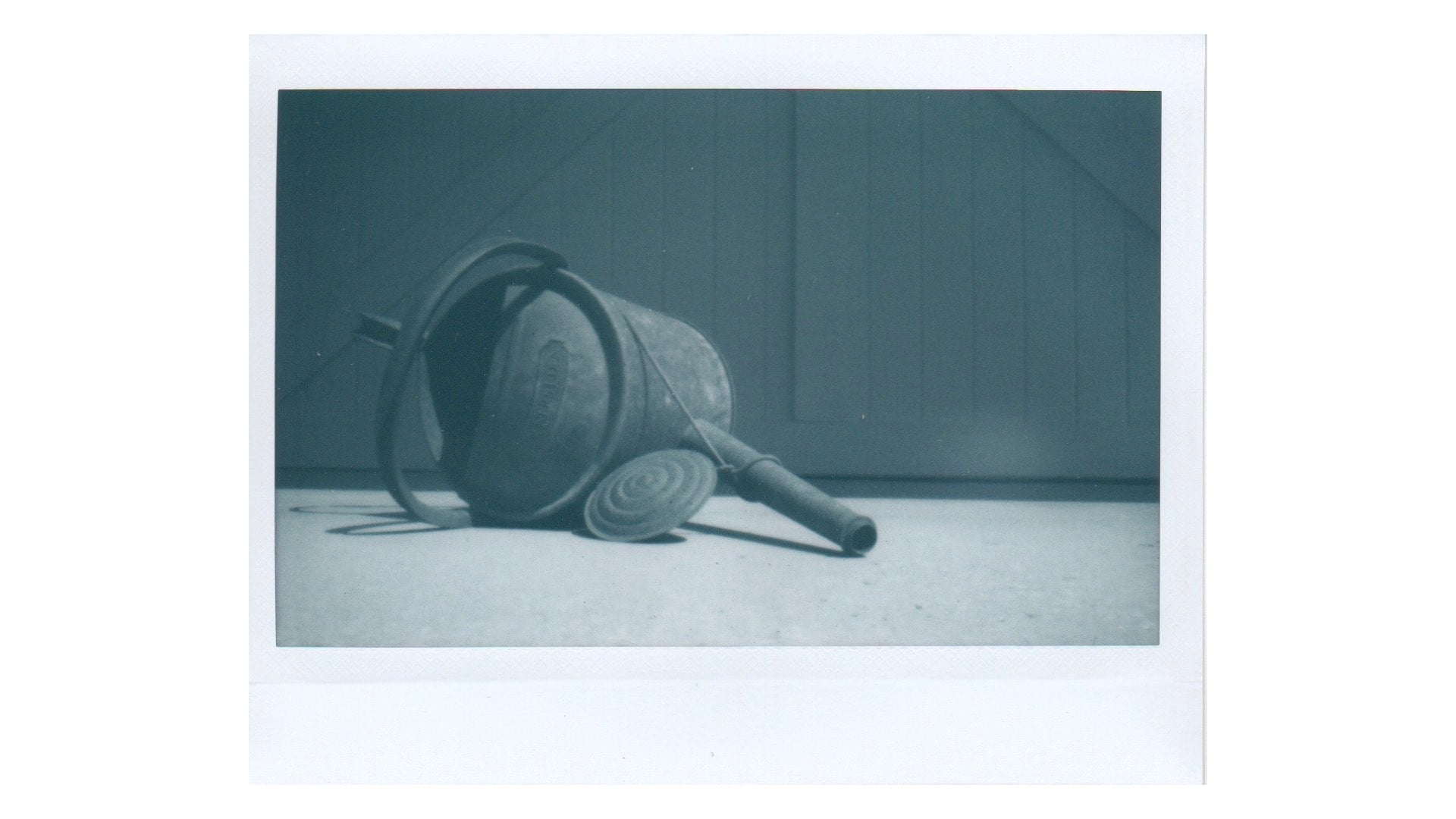
As you become more adept with this modernized pinhole photography process, you can easily expose an entire instax Wide film pack in less than one hour. Just find the ideal subject and you’ll be on your way to participating in WPPD 2026…today!
Enjoy.
See more from DIYPhotography.net on Google
Add DIYPhotography.net as a trusted source. This makes
our stories more likely to appear in your Google Search results.
 Add as a preferred source on Google
Filed Under:
Tagged With:

David Prochnow
Our resident “how-to” project editor, David Prochnow, lives on the Gulf Coast of the United States in Ocean Springs, Mississippi. He brings his expertise at making our photography projects accessible to everyone, from a lengthy stint acting as the Contributing How-To Editor with Popular Science magazine. While you don’t have to actually build each of his projects, reading about these adventures will contribute to your continued overall appreciation of do-it-yourself photography. A collection of David’s best Popular Science projects can be found in the book, “The Big Book of Hacks,” Edited by Doug Cantor.
Related Posts
 Get Ready for Worldwide Pinhole Photography Day: Convert a Panoramic Camera into a Pinhole Camera
 Today is Worldwide Pinhole Photography Day…Hooray for f/180!
 It’s Time to Get Your Mirrorless Camera Ready for Worldwide Pinhole Photography Day 2025
 Jollylook is back with the Jollylook Pinhole – Their new DIY instant film pinhole camera kit
Join the Discussion
DIYP Comment Policy
Be nice, be on-topic, no personal information or flames.