






















Why Re-Shooting the Same Scene Is the Fastest Way to Improve Your Photography
Jan 14, 2026
Alysa Gavilan
Alysa Gavilan has spent years exploring photography through photojournalism and street scenes. She enjoys working with both film and mirrorless cameras, and her fascination with the craft has grown over the decades. Inspired by Vivian Maier, she is drawn to capturing everyday moments that often go unnoticed.
Share:
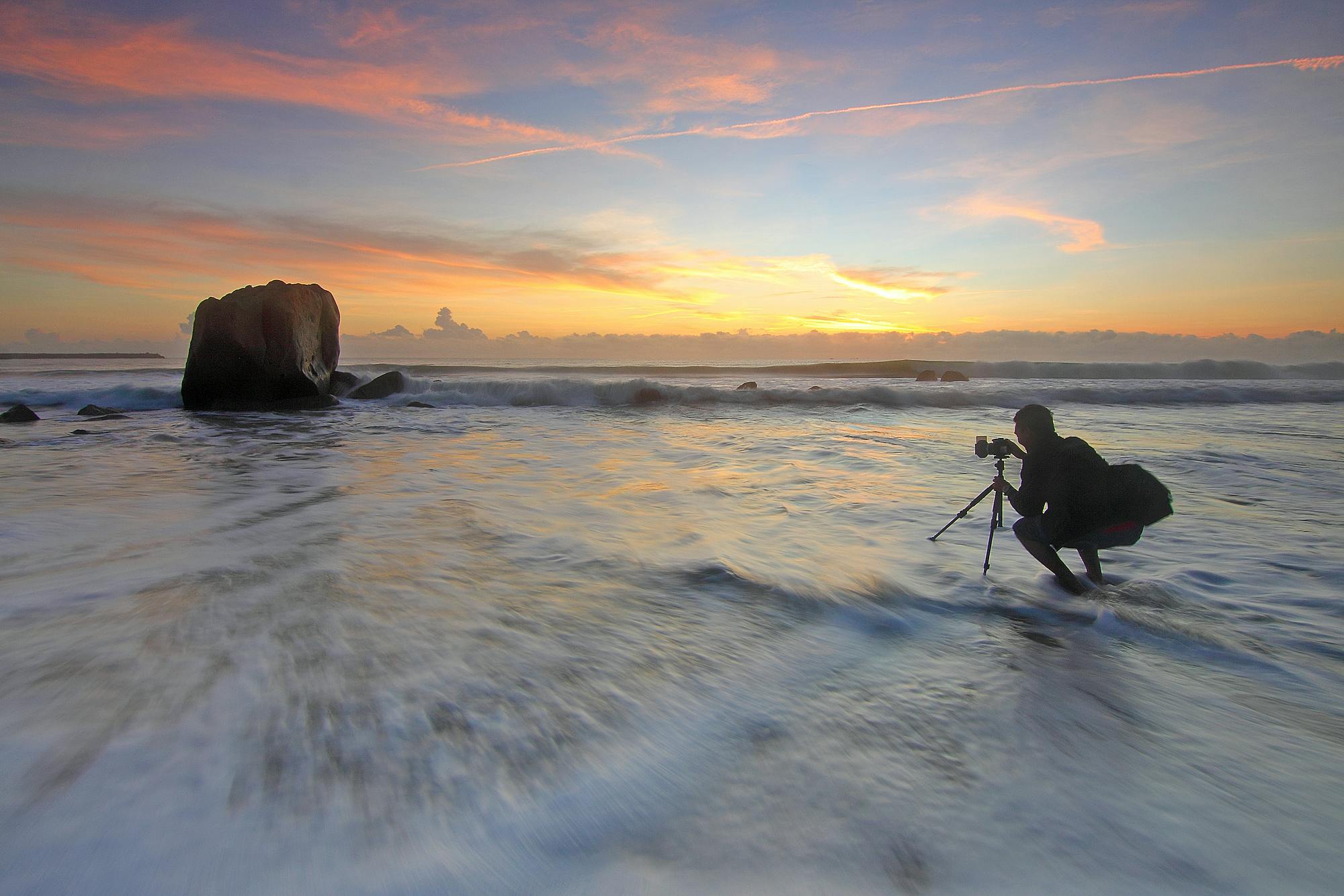
Re-shooting the same scene is often described as the fastest way to improve your photography, yet it is one of the least practiced habits among photographers.
Many of us are driven by novelty. We chase new locations, new subjects, and new gear, hoping each fresh frame will lead to better results. In reality, returning to the same scene again and again can teach you more about light, composition, and timing than constantly moving on. When you slow down and repeat the process, you begin to see why your images succeed or fail.
Improvement does not always come from shooting more, but from seeing more clearly. Re-shooting forces you to confront your decisions and refine them.
Why Repetition Works in Photography
When you photograph a scene for the first time, you are reacting. You respond to what catches your eye, often under time pressure. On a return visit, that urgency fades. You already know the layout, the background distractions, and the obvious compositions.
This familiarity frees your attention. Instead of asking where to stand, you can focus on how the light falls or how small adjustments change the frame. Each repeat becomes less about discovery and more about intention.
Repetition also removes excuses. If an image does not work the first time, you can no longer blame the location. You have to examine your choices.

Learning to See Subtle Changes in Light
Light is rarely the same twice, even in the same place. Re-shooting a scene at different times of day or under different weather conditions trains you to notice how light shapes mood.
Morning light might reveal texture and calm tones, while afternoon light adds contrast and depth. Overcast conditions soften edges, while direct sun introduces strong shadows. When you return to the same scene, these changes become obvious.
You begin to anticipate when the light will work best instead of hoping it does. This skill transfers directly to new locations, making you faster and more confident when it matters.
Composition Improves Through Comparison
One of the most valuable lessons from re-shooting is learning how small compositional changes affect an image. A step to the left, a lower angle, or a tighter crop can transform the same subject.
When you photograph a scene repeatedly, you can compare your results honestly. You start to see which frames feel balanced and which feel cluttered. Over time, your eye becomes better at predicting strong compositions before you raise the camera.
This process also reveals habits you may not notice otherwise. You might realize you default to the same framing or avoid certain angles. Re-shooting exposes patterns and gives you the chance to break them.
Removing Pressure Leads to Better Decisions
The pressure to get a shot right the first time can be limiting. When you know you will return to the same scene, that pressure disappears. You allow yourself to experiment.
You might try a risky exposure, a different focal length, or an unconventional framing. Some attempts will fail, but those failures are informative. Because the subject remains constant, you can clearly see what worked and what did not.
This mindset encourages learning instead of performance. You stop chasing perfect images and start building understanding.
How Re-shooting Builds Technical Confidence
Technical skills improve quickly through repetition. Metering, focusing, and exposure decisions become more intuitive when you practice them in familiar conditions.
For example, re-shooting a scene with strong contrast helps you understand how your camera handles highlights and shadows. Shooting the same subject with different lenses teaches you how focal length affects perspective.
Because variables are controlled, lessons become clearer. You are not overwhelmed by too many unknowns at once.

Turning a Single Scene Into a Long-Term Project
You can take this practice further by treating one location as an ongoing project. Photograph it weekly, monthly, or seasonally. Over time, the scene becomes a record of your growth.
Looking back at earlier images can be revealing. You may notice improvements in framing, timing, or light awareness that felt invisible day to day. This long-term comparison is one of the most honest ways to measure progress.
Projects like this also build discipline. You learn to work within limitations, which strengthens creativity rather than restricting it.
Common Mistakes When Re-shooting
Re-shooting only works if you stay intentional. One common mistake is repeating the same shot without reflection. Simply standing in the same spot and pressing the shutter again does not lead to improvement.
Another mistake is chasing perfection instead of learning. The goal is not to outdo yourself every time but to understand why an image feels stronger or weaker. Taking notes can help. Even brief mental notes about light direction or composition choices reinforce learning.
No matter your experience, the process teaches patience and awareness. It reminds you that photography is not only about seeing new things, but about seeing familiar things better.
See more from DIYPhotography.net on Google
Add DIYPhotography.net as a trusted source. This makes
our stories more likely to appear in your Google Search results.
 Add as a preferred source on Google

Alysa Gavilan
Alysa Gavilan has spent years exploring photography through photojournalism and street scenes. She enjoys working with both film and mirrorless cameras, and her fascination with the craft has grown over the decades. Inspired by Vivian Maier, she is drawn to capturing everyday moments that often go unnoticed.
Related Posts
 6 Excuses Why You Don’t Improve In Photography And Why They Are Wrong
 Improve your landscape photography by shooting with a telephoto lens
 The Sony A7RIII is the fastest camera out there for tethered shooting, moving photos in under a second
 This is why intention is the most important part of your photography if you want to improve
Join the Discussion
DIYP Comment Policy
Be nice, be on-topic, no personal information or flames.