


















Overcast vs Sunny Days: Which is Better for Portrait Photography
Dec 3, 2025
Darlene Lleno
Darlene Lleno brings a unique perspective to DIY Photography as someone who grew up surrounded by camera gear but chose words over lenses. With five years of writing experience, she specializes in photography content that’s both technically informed and genuinely passionate. Growing up with a photographer twin brother meant camera talk was everyday conversation in her household. While he mastered capturing moments, Darlene discovered she preferred being the subject and the storyteller behind the scenes. As a travel enthusiast and mother of two, she understands the importance of preserving life’s precious moments. When not exploring new destinations or writing for DIY Photography, you’ll find her reading or tending to her garden. Her approach to photography writing is refreshingly authentic, she may not be behind the camera, but she knows exactly what it takes to help others capture the shots that matter most.
Share:

Overcast vs sunny days can make or break your portrait photos. The lighting changes everything from how skin looks to shadow placement. Most people think sunny weather gives the best results. That’s not always true though.
Weather affects more than your comfort during a shoot. It changes how light hits your subject’s face completely. You need different camera settings for each condition. Some photographers love cloudy skies while others only shoot during golden hour.
This guide shows you the real differences between both types of weather. You’ll learn when to use each one for better portraits. We’ll cover practical tips you can use no matter what the forecast says.
Why Light Quality Changes Everything
The type of light you work with affects your final image quality. Soft light versus hard light creates totally different looks. Soft light wraps around faces smoothly. Hard light makes sharp shadows and defined edges.
Pro photographers spend thousands on gear to control light. But you get two free lighting setups from nature. Learning to use both saves money and gets better results.
Where the sun sits in the sky changes your contrast levels. Clouds turn the whole sky into a giant light diffuser. Direct sun acts like a spotlight on your subject. Each situation needs its own approach to camera settings and positioning.
Shooting Portraits on Overcast Days
Overcast vs sunny days creates two completely different setups. Cloud cover turns the sky into one massive softbox. Light comes at your subject from all directions. You get even lighting without any harsh shadows.
Diffused light from clouds makes most faces look better naturally. Skin problems and wrinkles show up less. Cloudy conditions stop people from squinting too. Your subjects can keep their eyes open comfortably the whole time.
Why Cloudy Days Work So Well
Cloud cover gives you way more flexibility than sun does. You can shoot anytime without worrying about bad overhead light. Even midday works because clouds eliminate the raccoon eye shadows.
Your camera handles exposure way easier under clouds. The sensor captures details in bright and dark areas better. Less contrast means you spend less time fixing photos later.
Check out what cloudy weather does for your portraits:
- Skin looks smooth without tons of editing work
- You can place subjects anywhere since shadows won’t mess things up
- Shooting windows last all day instead of just morning and evening
- Colors pop more because there’s less glare washing them out
- You fix way fewer problems when editing afterward
The soft light looks like a pro studio setup outdoors. Fashion photographers pick cloudy days for this exact reason. Your shots get that expensive magazine look automatically.
Problems You’ll Run Into
Overcast vs sunny days brings some technical challenges with clouds. Less light means adjusting your settings carefully. You’ll need to raise your ISO to keep fast enough shutter speeds.
Darker conditions can make your photos grainy. Start at ISO 400 and go higher if you need to. Different cameras handle high ISO differently. Test yours before the actual shoot.
White balance gets really important on cloudy days. Clouds add blue tones to everything. Switch your white balance to Cloudy or Shade mode. This fixes the cool color problem.
Flat lighting sometimes makes images look boring. Put your subject near the brightest part of the sky. Some direction still exists even on overcast days. Look for small differences in how bright the clouds are.
A reflector bounces light back onto faces. This fills shadows under chins and noses. Silver reflectors add more contrast. White ones give gentler fill light.
Taking Portraits on Sunny Days
Sunny days give you dramatic lighting but need good planning. Strong directional light creates depth in your shots. Shadows become something you can use creatively.
Direct sun makes colors really vibrant and details super crisp. The contrast between bright and dark spots adds visual punch. Your portraits can have a bold look that grabs attention.
Golden Hour Makes Everything Better
The overcast vs sunny days comparison totally changes during golden hour. This happens right after sunrise and before sunset. The sun sits low and casts warm golden light everywhere.
Golden hour lighting softens harsh shadows naturally. Light hits faces at a flattering angle. Skin gets a warm glow you can’t fake in editing.
Backlighting during golden hour creates amazing rim light. Put your subject between you and the sun. Light makes a halo around their hair and shoulders. This adds depth and separates them from the background.
Side lighting at this time adds shape to faces. Half the face gets golden light while the other shows soft shadows. The contrast stays nice instead of being too harsh.
Dealing With Midday Sun
Midday sun creates the worst lighting for portrait photography. Overhead light makes ugly shadows under eyes and noses. You’ll spend forever fixing these in editing.
Big contrast between bright and dark areas challenges your camera. You lose details in either the highlights or shadows. Getting proper exposure becomes really tricky.
Your subjects squint when facing bright sun directly. This makes weird expressions and closed eyes. Moving into open shade fixes most midday issues.
Shade under trees or buildings gives relief from harsh light. The shaded spot works like a natural diffuser. Put your subject at the shade’s edge where light bounces in.
Buildings and walls reflect light that fills shadows naturally. Light colored surfaces work best for this. Position subjects a few feet from the reflective wall.
Camera Settings for Different Weather
Overcast vs sunny days needs totally different approaches to settings. Light levels change dramatically between both. Your exposure triangle needs adjustment for each one.
Settings for Cloudy Days
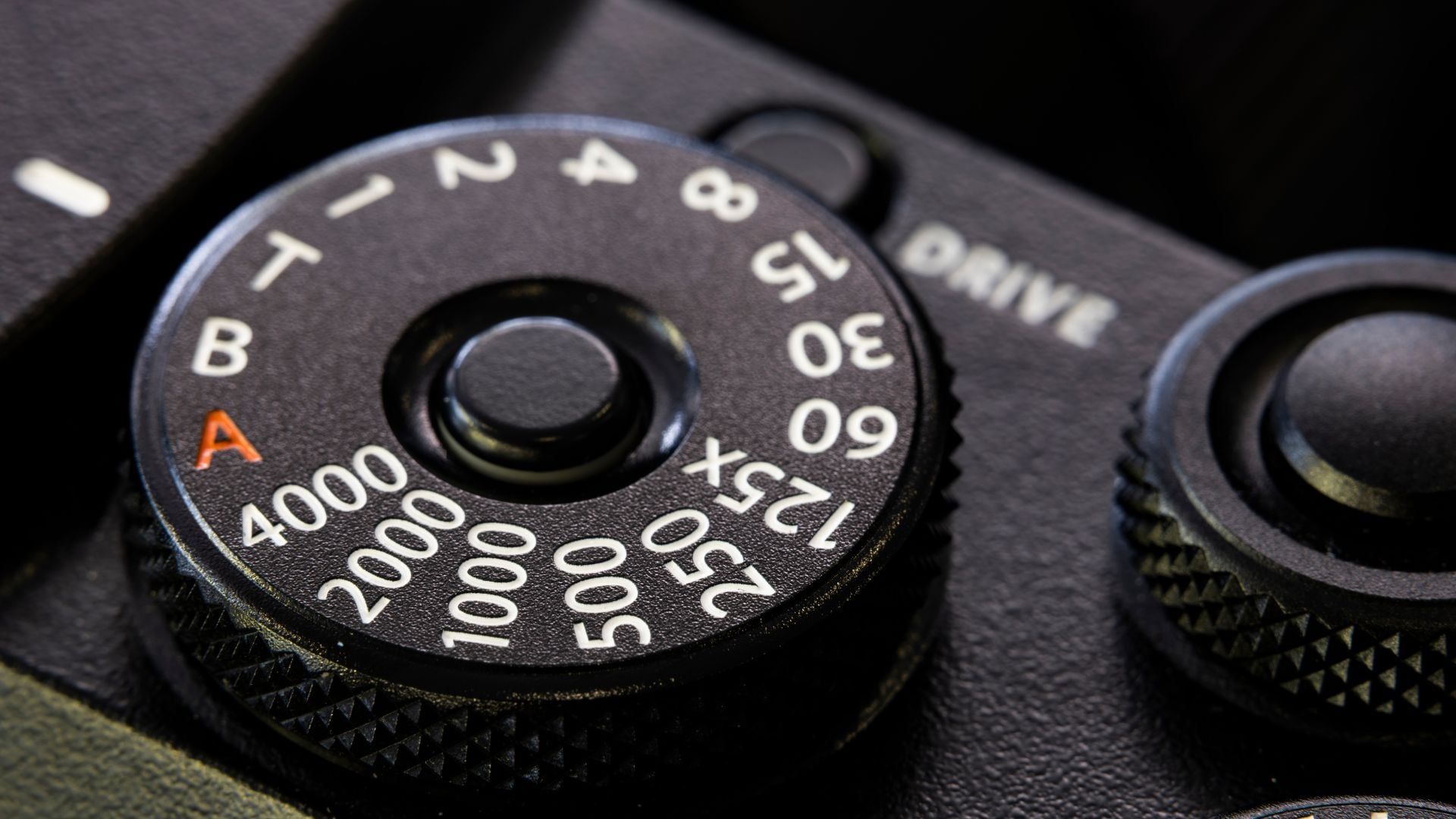
Cloudy shooting needs you to make up for less light. Start at ISO 400 and bump it up if needed. Shutter speed has to stay above 1/125 for handheld shots.
Pick your aperture based on what look you want. Wide ones like f/2.8 let in more light and blur backgrounds. Narrower settings around f/5.6 keep more stuff sharp.
Try these settings for clouds:
- ISO: 400 to 800 depending on cloud thickness
- Shutter Speed: 1/125 minimum to keep things sharp
- Aperture: f/2.8 to f/5.6 for nice depth
- White Balance: Cloudy setting or 5500 to 6500K
Check your histogram after test shots. The graph should look balanced. Tweak exposure compensation if you need to.
Settings for Sunny Conditions
Sunny weather gives you tons of light. Your ISO can drop to 100. This cuts grain and gives maximum quality.
You can use faster shutter speeds now. Bright light lets you shoot at 1/500 or higher. This freezes action and makes everything sharp.
Use these settings during golden hour:
- ISO: 100 to 400 as light gets dimmer
- Shutter Speed: 1/250 to 1/1000 for freezing motion
- Aperture: f/1.8 to f/4 to separate subject from background
- White Balance: Daylight or around 5200K
Backlit shots need exposure compensation of plus 1 to 2 stops. This keeps your subject from turning into a silhouette.
Using Reflectors and Light Control
The overcast vs sunny days comparison extends to how you modify light. Each condition responds differently to control tools. Reflectors become super useful in both situations.
Reflectors bounce light back at your subject. They work differently under clouds than in sun.
Cloudy days have soft light that reflectors enhance gently. Position reflectors close to subjects for best impact. Silver reflectors add contrast to flat lighting. Gold reflectors warm up cool tones from clouds.
White reflectors give the most natural fill light. Put the reflector below your subject’s face at chest height. This fills shadows under chins and noses.
Direct sun needs stronger light control. Big diffusion panels soften direct sun well. Put them between the sun and your subject.
Reflectors fill harsh shadows during golden hour. A gold reflector boosts the warm tones already there. Silver adds punch and contrast to side lit portraits.
Scrims and diffusers work like portable cloud cover. They turn harsh midday light into flattering illumination.
Fixing Color Temperature Issues
Overcast vs sunny days creates different color problems. The color of light changes a lot between conditions. Your camera’s white balance setting fixes these shifts.
Color temperature gets measured in Kelvin degrees. Lower numbers look blue while higher numbers look orange. Understanding this helps you make better white balance choices.
Cloudy skies produce light around 6500 to 8000K. This cool blue cast makes skin look gray. The Cloudy white balance preset adds warmth to fix it.
Sunny days measure about 5200 to 5500K during midday. Golden hour drops to 3000 to 4000K with warm orange tones. These warmer temperatures usually need less fixing.
Auto white balance works okay in both situations. Your camera reads the scene and adjusts. Manual white balance presets often give better results though.
Pick the Cloudy preset when shooting under overcast skies. This adds warmth that makes skin tones look good. The blue cast goes away from your photos.
Golden hour portraits look best with Daylight white balance. This keeps the warm golden tones natural. Shade preset might add too much warmth.
Custom white balance gives the most accurate results. Use a gray card in your shooting spot. Photograph the card then set your camera to match it.
Shooting in RAW format gives flexibility when editing. You can adjust white balance without losing quality. This safety net helps when conditions change fast.
Creative Ideas for Both Weather Types
The overcast vs sunny days discussion opens up creative options. Each lighting setup enables different artistic approaches. Learning both expands what you can do.
Overcast conditions work great for creating moody portraits. The flat light emphasizes emotion. Dark clothes against gray skies look striking.
Put your subject in open areas for maximum cloud coverage. Skip partially shaded spots that create uneven lighting. Convert cloudy day portraits to black and white for extra drama.
Underexpose a bit for moodier results in cloudy weather. This makes shadows deeper. Pull back exposure by half to one stop.
Golden hour lets you do dramatic backlit portraits with glowing edges. Put your subject with the sun behind them. Meter for their face to avoid silhouettes.
Lens flare becomes a creative tool during golden hour. Shoot toward the sun on purpose for warm effects. Long shadows add dimension during low angle sunshine.
Silhouettes work beautifully against colorful golden hour skies. Expose for the bright background instead of your subject.
Mistakes That Ruin Your Shots
Overcast vs sunny days brings different problems. Knowing these mistakes helps you avoid them. Many beginners repeat the same errors.
Common Cloudy Day Errors
Using only flat light creates boring photos. Add interest through composition and positioning. Look for directional light even on cloudy days.
Ignoring white balance makes cold unfriendly skin tones. The blue cast makes subjects look gray or sick. Always switch to Cloudy preset.
Forgetting to raise ISO causes motion blur. Your shutter speed drops too low for sharp shots. Check your settings before starting.
Including boring gray skies ruins good portraits. Compose to cut out dull sky areas. Focus on your subject instead.
Sunny Day Problems
Shooting during midday creates the worst lighting. Overhead light makes deep shadows under eyes. Schedule for golden hour instead.
Not using shade wastes natural diffusion chances. Open shade gives soft light like cloudy days. Position subjects right within shaded spots.
Forgetting about squinting makes unusable photos. Turn subjects away from direct sunlight. Nobody looks good with eyes closed tight.
Blowing out highlights loses detail forever. Bright sun beats your camera’s range. Expose for highlights and fix shadows later.
Choosing the Right Conditions
The overcast vs sunny days choice depends totally on your goals. Neither one is always better. Each serves different purposes and gives different results.
Think about your subject’s comfort during the session. Long shoots in bright sun tire people out fast. Cloudy days let you work longer without problems.
Client expectations matter when scheduling sessions. Some want bright sunny vibes with warm colors. Others prefer moody atmospheric results from clouds.
When Clouds Work Best
Pick cloudy days when you need consistently good results. The forgiving light works well for less experienced photographers. Beauty and headshot photos benefit from easy even exposure.
Extended family sessions work better on cloudy days. Multiple people get even lighting. Nobody ends up in ugly harsh shadows.
Midday shooting needs make clouds your friend. Any time works without planning around golden hour.
When Sun Works Best
Choose sunshine for vibrant colors and drama. The contrast adds visual impact clouds can’t match. Golden hour portraits become truly spectacular.
Outdoor adventure and lifestyle portraits need sunny conditions. The bright light matches active subjects. Warmer tones fit these styles naturally.
Creative dramatic lighting requires directional sunlight. Backlighting and rim lighting need the sun’s position.
Your Weather Doesn’t Have to Limit You
The overcast vs sunny days debate misses an important point. Good photographers make excellent results in any weather. Understanding both conditions makes you way more versatile and valuable.
Stop canceling sessions because of clouds or waiting for sun. Each type of day offers unique creative chances. Your ability to adapt separates you from amateur photographers.
Practice in different conditions to build your skills. Shoot the same spot under different skies when you can. Compare your results and learn from what you see.
Weather forecasts become less stressful when you master both scenarios. Any condition works with the right technique and planning. Your confidence grows along with your technical abilities.
The best portrait photographers work with whatever nature gives them. They get how light acts in all situations. This knowledge lets them create beautiful images no matter what.
See more from DIYPhotography.net on Google
Add DIYPhotography.net as a trusted source. This makes
our stories more likely to appear in your Google Search results.
 Add as a preferred source on Google

Darlene Lleno
Darlene Lleno brings a unique perspective to DIY Photography as someone who grew up surrounded by camera gear but chose words over lenses. With five years of writing experience, she specializes in photography content that’s both technically informed and genuinely passionate. Growing up with a photographer twin brother meant camera talk was everyday conversation in her household. While he mastered capturing moments, Darlene discovered she preferred being the subject and the storyteller behind the scenes. As a travel enthusiast and mother of two, she understands the importance of preserving life’s precious moments. When not exploring new destinations or writing for DIY Photography, you’ll find her reading or tending to her garden. Her approach to photography writing is refreshingly authentic, she may not be behind the camera, but she knows exactly what it takes to help others capture the shots that matter most.


Join the Discussion
DIYP Comment Policy
Be nice, be on-topic, no personal information or flames.