



















Jill Freedman: The Challenge, Responsibility, and Perks of Getting Close with Your Subject
May 1, 2026
Dunja Đuđić Kalinin
Dunja Djudjic is a multi-talented artist based in Novi Sad, Serbia. With 15 years of experience as a photographer, she specializes in capturing the beauty of nature, travel, concerts, and fine art. In addition to her photography, Dunja also expresses her creativity through writing, embroidery, and jewelry making.
Share:
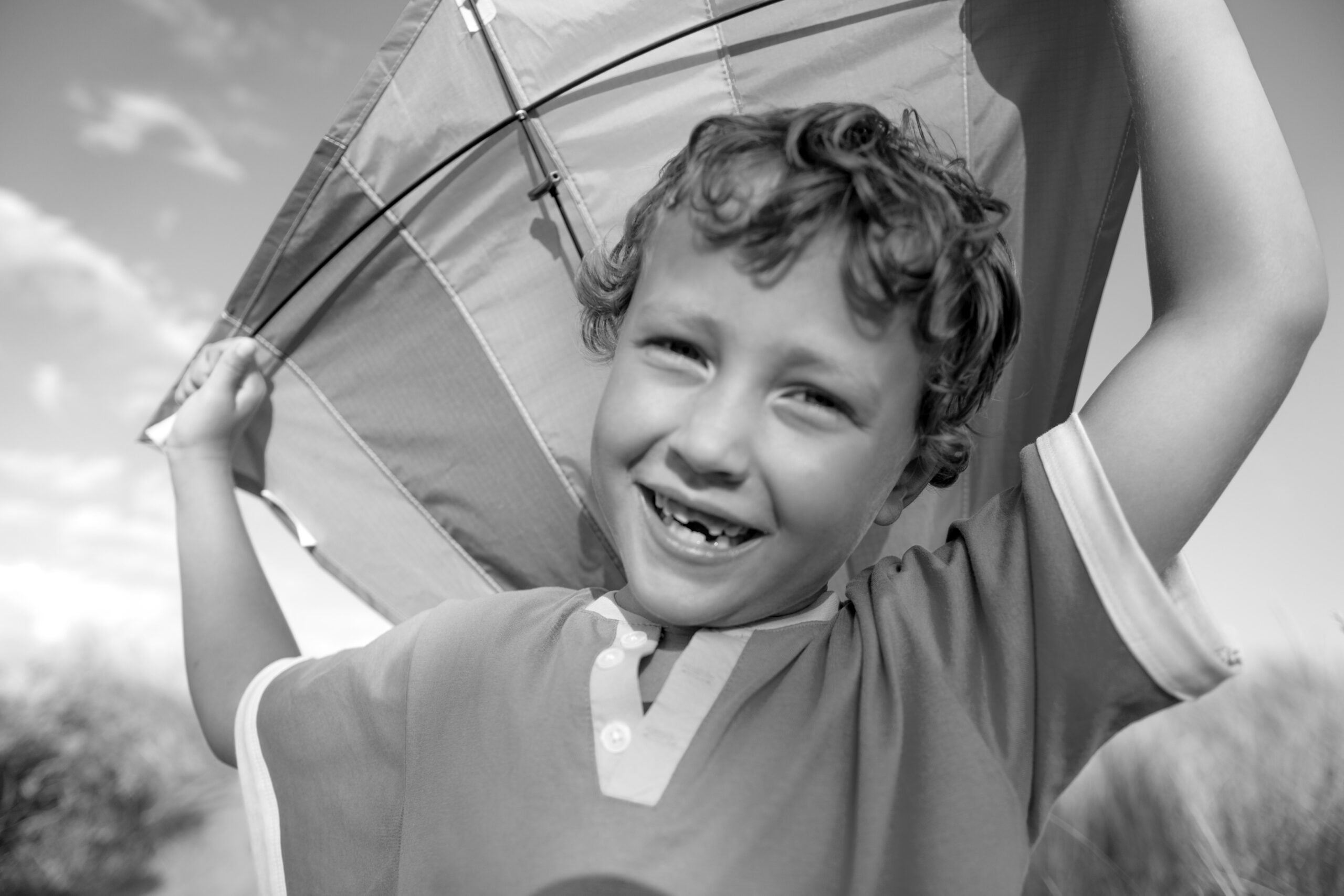
When you are a documentary photographer, how close to your subjects is close enough? Not physically, but relationally. In a recent video from Tatiana Hopper, she explores this topic through the fantastic work of Jill Freedman, a photographer who immersed herself in the lives of her subjects. In the video, you won’t only see plenty of Jill’s brilliant photos, but there’s a lot of food for thought about the importance or the problem with closeness in photography.
Who was Jill Freedman?
Most documentary photographers arrive, observe, capture, and move on. There’s nothing wrong with that. But it does create a kind of distance, even when the camera is physically only inches from a face. Jill Freedman did something quite the opposite and created closeness that is obvious in her work.
Born in Pittsburgh in the late 1930s, Jill’s path into photography wasn’t a straight line. She studied sociology and spent time working across different environments. That background makes perfect sense, as it greatly shaped her photography and hear approach.
She wasn’t interested in photography as a craft to master or a career to build. She was interested in people, and this is something that deeply resonates with the future psychotherapist side of me. Jill was eager to explore the systems people lived within, and in what it actually meant to exist inside a particular context. Photography just became her extension of this interest and the way of engaging with it.
The work that brought Jill Freedman real recognition came from her time with New York firefighters in the early 1970s. Tatiana describes how she didn’t simply photograph them on assignment. She embedded herself in their world, riding along on calls, sleeping in firehouses, and sitting through the long, quiet stretches between emergencies. She experienced the same rhythm of unpredictability that shaped their lives every single day. What came out of that time were photos that show exhaustion, humor, and tension, but also the in-between moments that usually go unnoticed.
Jill carried this approach throughout her entire career. After the firehouses came cops, circus performers, and later, people living on the streets. All the time while listening to Tatiana talk about Jill Hopper, I had the movie Gajo Dilo in mind, as an example of emerging oneself fully within a community totally different from them. But I digress.
Why Getting This Close Works?
There’s a practical reason why Jill’s method produces the images it does, and Tatiana explains it perfectly. Generally, when a photographer arrives somewhere new, people notice the camera. This creates a kind of awareness, even awkwardness, resulting in a subtle shift in behavior, even if nobody is being deliberately performative. It’s just human nature.
But when you stay for long enough, the camera stops being an intrusion over time. You’re no longer the stranger who showed up with a lens, but a part of the environment, one of the guys, even. And when that happens, what unfolds in front of the camera becomes genuinely more natural.
Tatiana notes that Jill’s work reflects this shift, and I couldn’t agree more. There’s less urgency around finding the perfect frame or timing a single decisive moment. Instead, the approach is about being present long enough for something real to emerge on its own. That requires patience, and Tatiana once again explains it reallywell: it’s not the kind of patience of waiting for a scene to develop and capture the “decisive moment.” It’s the patience required to build an actual relationship. And if you ask me, that’s a way more challenging part – especially for us impatient ones.
[Related Reading: A Wildlife Photographer in a Tesco Car Park]
Presence as Responsibility
Tatiana also raises something important that’s easy to overlook. Getting close comes with responsibility. The more time you spend with people, the more you see them as they really are, and not every moment is meant to be shown. Some things require a deeper understanding of context, a sense of empathy, and a willingness to ask whether something belongs in the story you’re telling.
Knowing when not to photograph is just as important as knowing when to press the shutter. Jill Freedman’s work, as Tatiana says, teaches us that each image we see is only a small part of a larger, more complex relationship between photographer and subject.
What (Else) Do We Get by Getting Close?
This is the question Tatiana leaves us with, and it made me think about this topic for a while. Today’s photography culture is built around speed. Like everything else, after all. “Hustle and grind” is a lifestyle for many of us. As a photographer, you can arrive somewhere, shoot hundreds of frames, review them immediately, and move on within hours. Don’t get me wrong, it’s not a bad thing: it’s efficient and accessible. For certain kinds of documentary work, that kind of objectivity has real value (I have photojournalism in mind).
However, if you seek a deeper human connection or at least want to show it in your work, you have to connect with people. There’s no shortcut to this, and it seems that we don’t have either patience or time in this “instant” era. If you want to take photos like Jill Freedman does, you need to give yourself and your subjects time, you have to give more of yourself than just your photographic skill. In return, you’ll also get a lot more than amazing, genuine, honest photos.
Even though this approach isn’t for everyone (and I totally get it), maybe it’s worth asking yourself, when you next pick up a camera, how much time and yourself you’re actually willing to give. Maybe you don’t have to love with your subjects for months, but just being more present, more genuine, and more interested in them is a great start.
[The Problem With Getting Close (In Photography) | Tatiana Hopper]
See more from DIYPhotography.net on Google
Add DIYPhotography.net as a trusted source. This makes
our stories more likely to appear in your Google Search results.
 Add as a preferred source on Google

Dunja Đuđić Kalinin
Dunja Djudjic is a multi-talented artist based in Novi Sad, Serbia. With 15 years of experience as a photographer, she specializes in capturing the beauty of nature, travel, concerts, and fine art. In addition to her photography, Dunja also expresses her creativity through writing, embroidery, and jewelry making.
Related Posts
 Fairy-like Danube mayflies win Close-up Photographer of the Year’s “Minimal” challenge
 A newt eating frogspawn wins the Close-up Photographer of the Year Water challenge
 With Photography Comes Responsibility: Why Recent Paparazzi Activities Are Dangerous for Photographers and Their Rights
 Dodge & Burn – With Great Power Comes Great Responsibility
Join the Discussion
DIYP Comment Policy
Be nice, be on-topic, no personal information or flames.