






















AstrHori AF 85mm F1.8 Mark II Full-frame Lens for L: Reach Out and Touch Something
Apr 28, 2026
David Prochnow
Our resident “how-to” project editor, David Prochnow, lives on the Gulf Coast of the United States in Ocean Springs, Mississippi. He brings his expertise at making our photography projects accessible to everyone, from a lengthy stint acting as the Contributing How-To Editor with Popular Science magazine. While you don’t have to actually build each of his projects, reading about these adventures will contribute to your continued overall appreciation of do-it-yourself photography. A collection of David’s best Popular Science projects can be found in the book, “The Big Book of Hacks,” Edited by Doug Cantor.
Share:
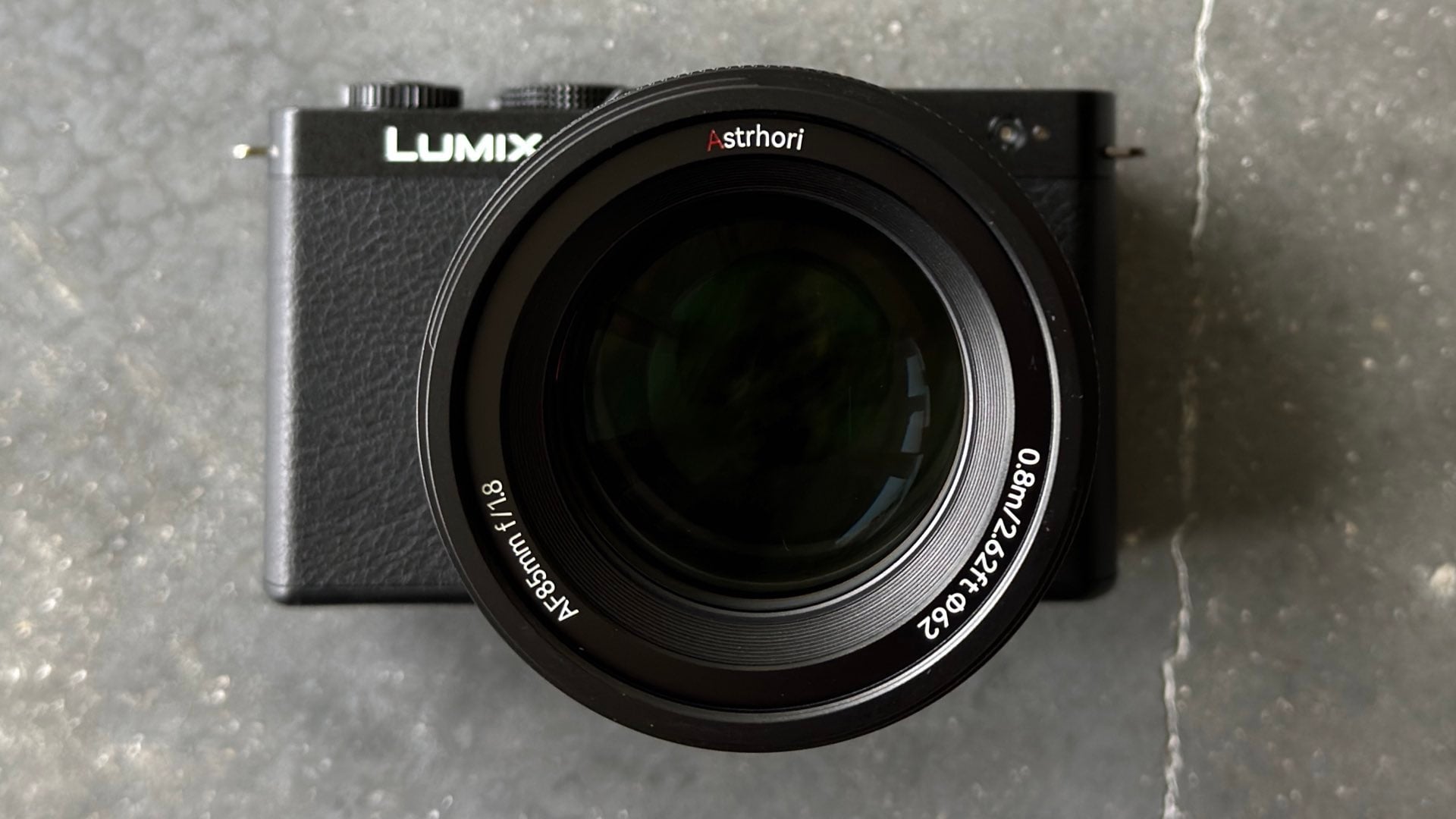
Are you looking for a fixed telephoto lens for your full-frame L-Mount camera? Have you considered something from the crowded 75mm to 90mm field (which accounts for roughly two-thirds of the current L-Mount telephoto lens market)?
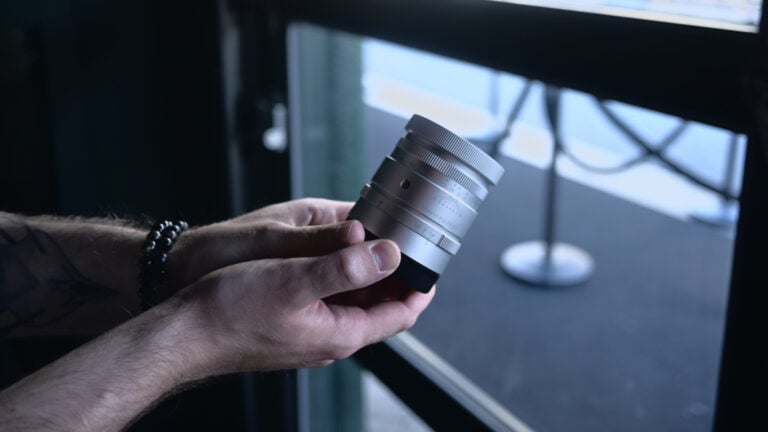
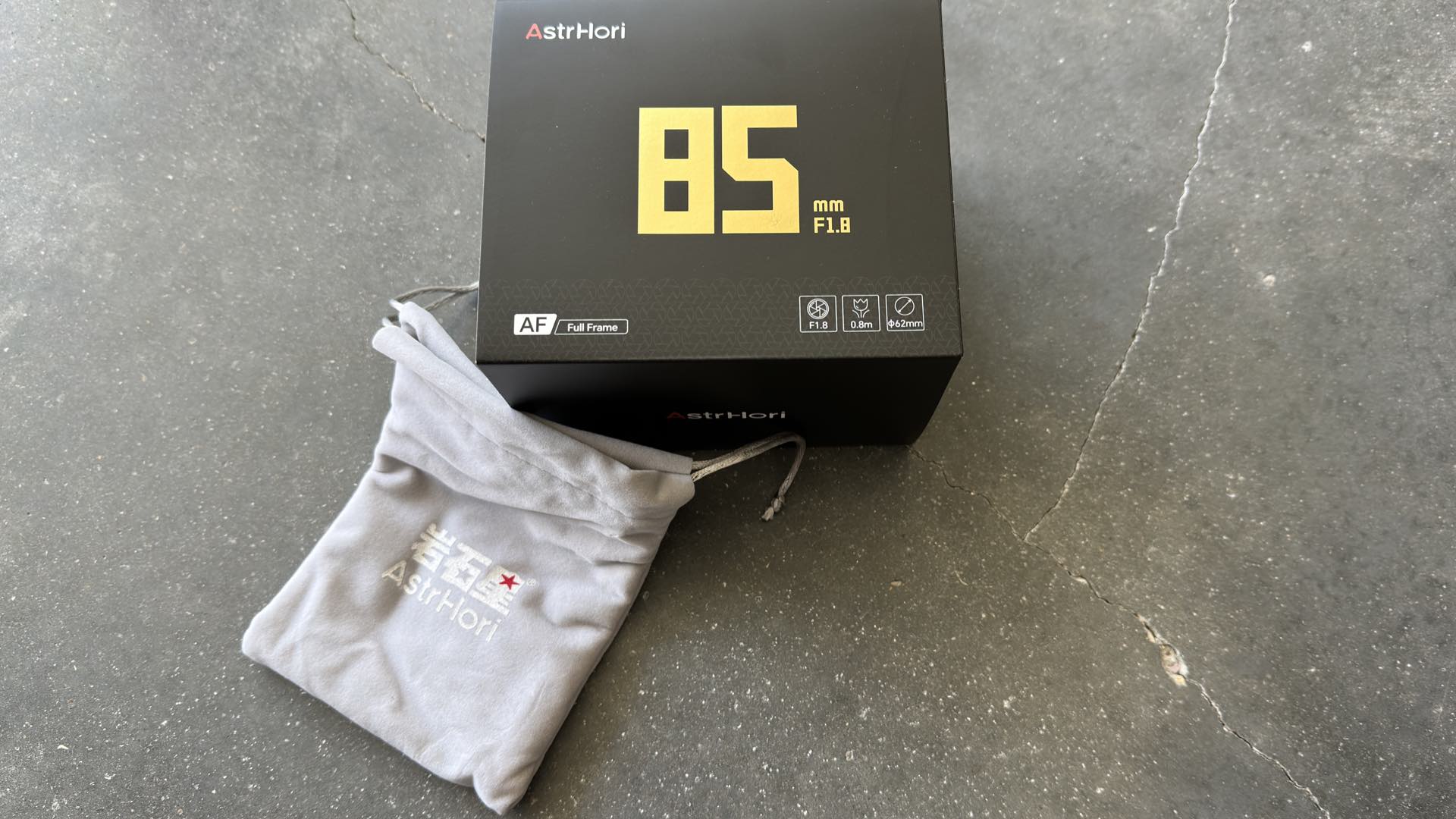
While not the best lens in the world, the AstrHori AF 85mm F1.8 Mark II Full-frame Lens L Mount is a low-cost offering that ticks several of the prime telephoto lens required boxes. This makes it stand out among the rest of the crowd.
Chief among those prerequisites is an elegant metal finish that features smooth operation of both the aperture dial and the focusing ring. Accompanied by the obligatory AF/MF focusing selection switch and a camera-programmable function momentary pushbutton, the AstrHori 85mm f/1.8 does have three traits that could be offsetting to some photographers.
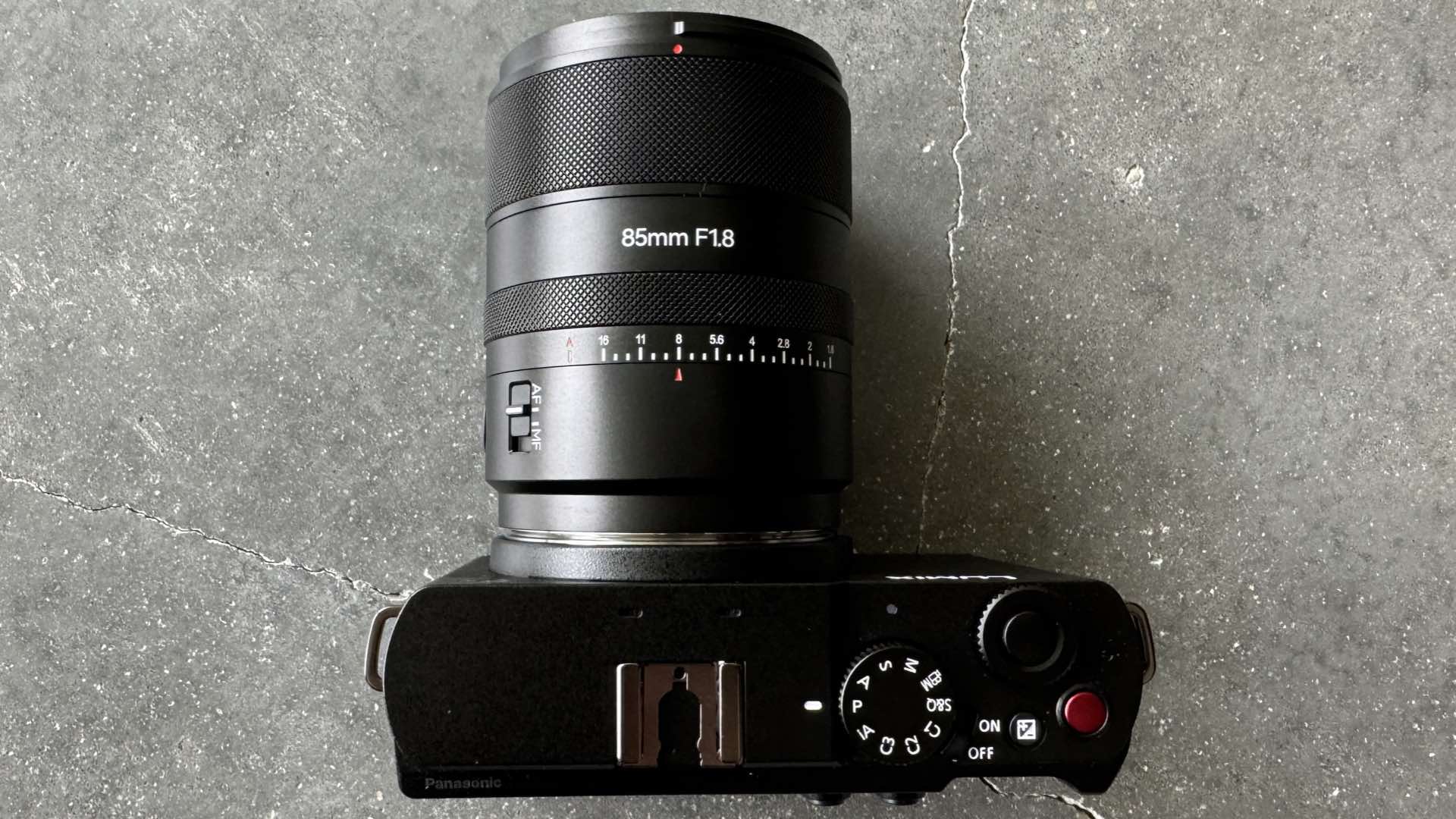
First, and foremost, is the mandatory design choice of incorporating a “click-less” aperture dial into the lens. Although not a real deal breaker for a telephoto lens, being unable to “sense” your current f-stop by “feel” is a disappointment.
More Fixed Telephoto Lenses, Please
Next up on the “gotcha” list are the little noises that the lens makes during operation. From the startup hum, to the teensy micro “whirr” sound during focusing, the AstrHori 85mm isn’t a stealth operator. Furthermore, annoying aperture noises can be heard, for example, when using the onboard function button assigned with a “depth-of-field” aperture preview option.
Finally, the supplied scalloped plastic lens hood is of dubious worth. Rather than threading into the lens’s filter ring, this hood uses the “push-and-twist” attachment method.
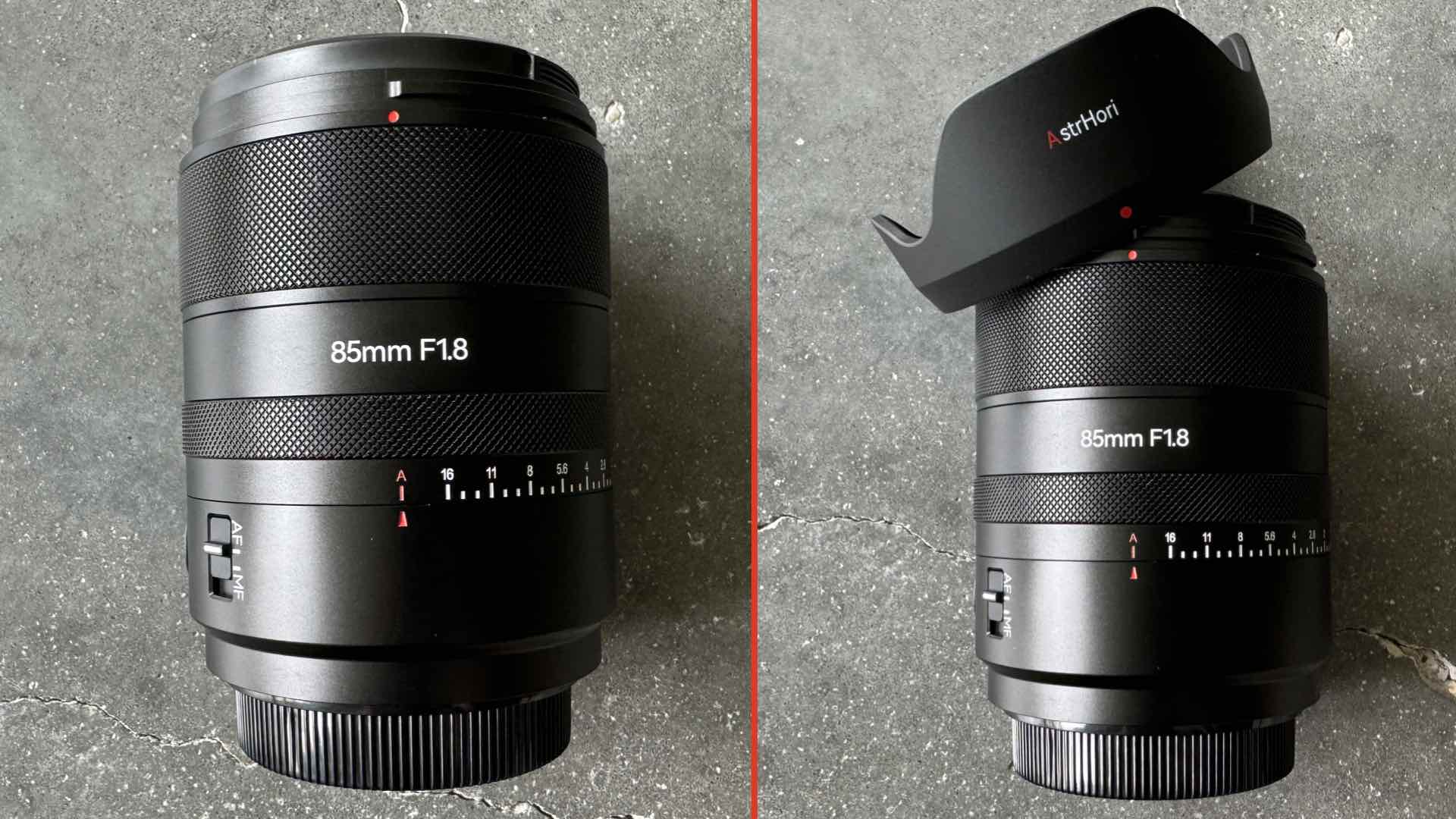
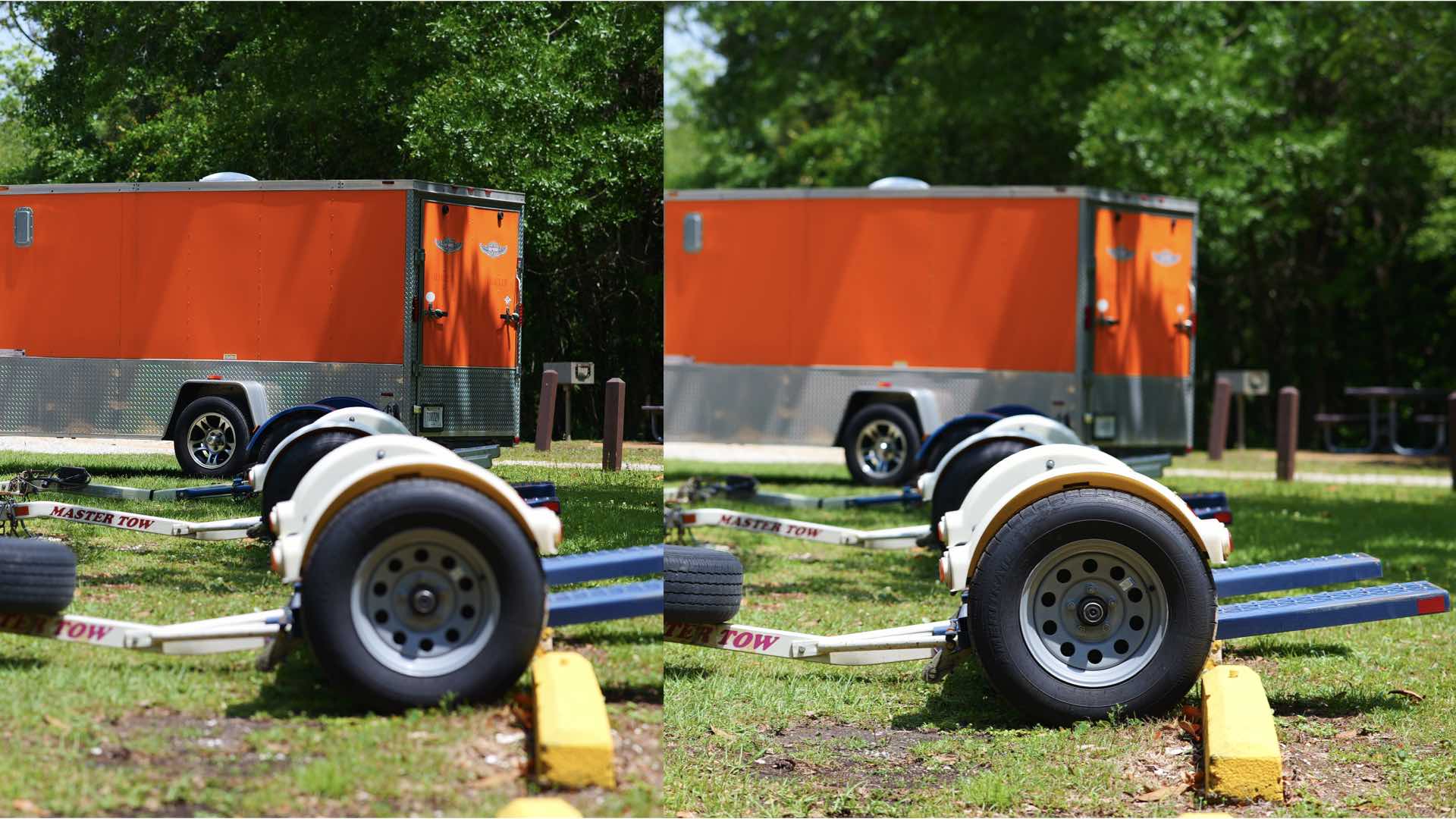
Granted, none of these three objections are true showstoppers for this telephoto lens, but the real test is in the quality of the photographs that it takes. Please consider these sample images and judge for yourself:
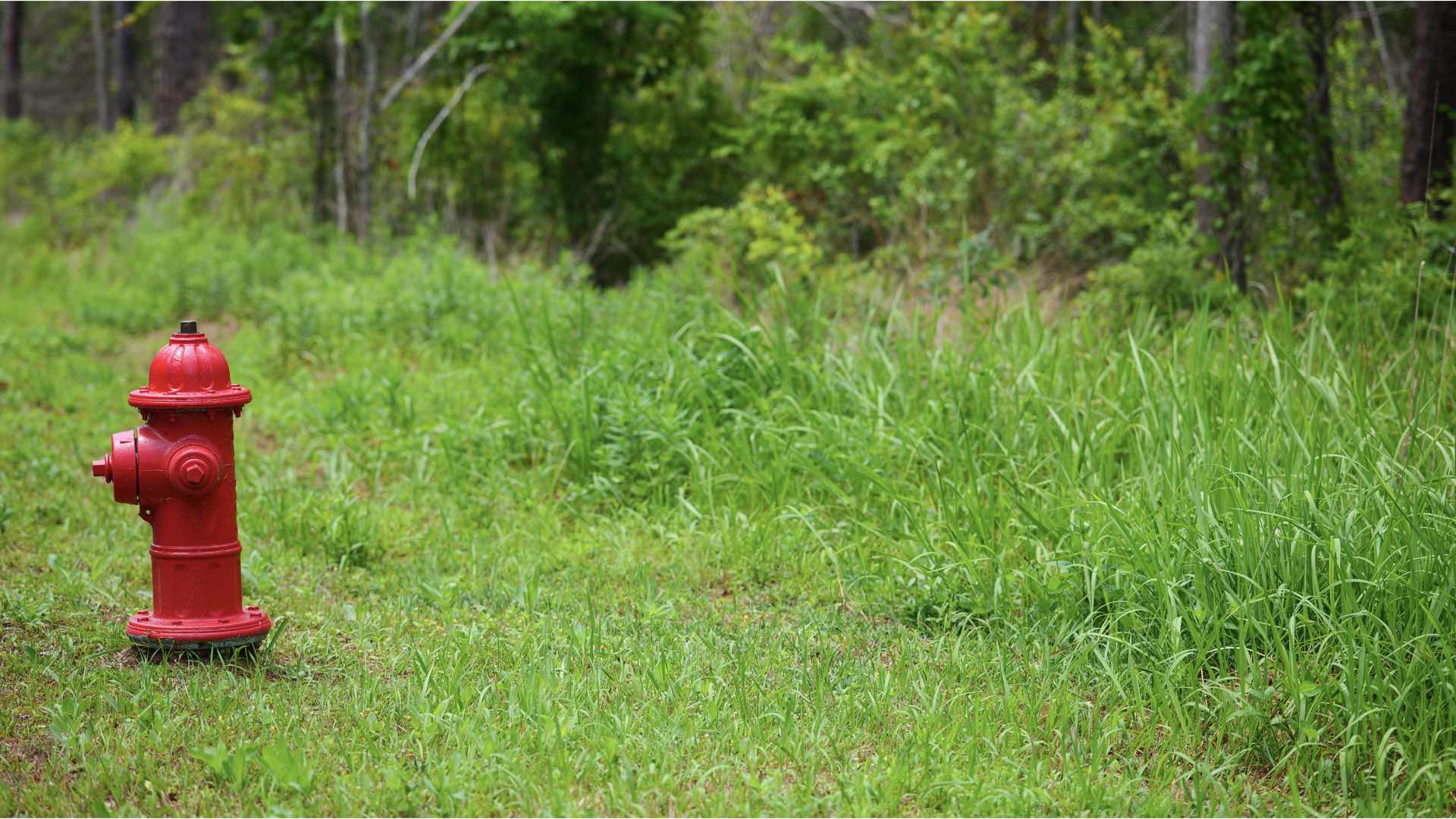
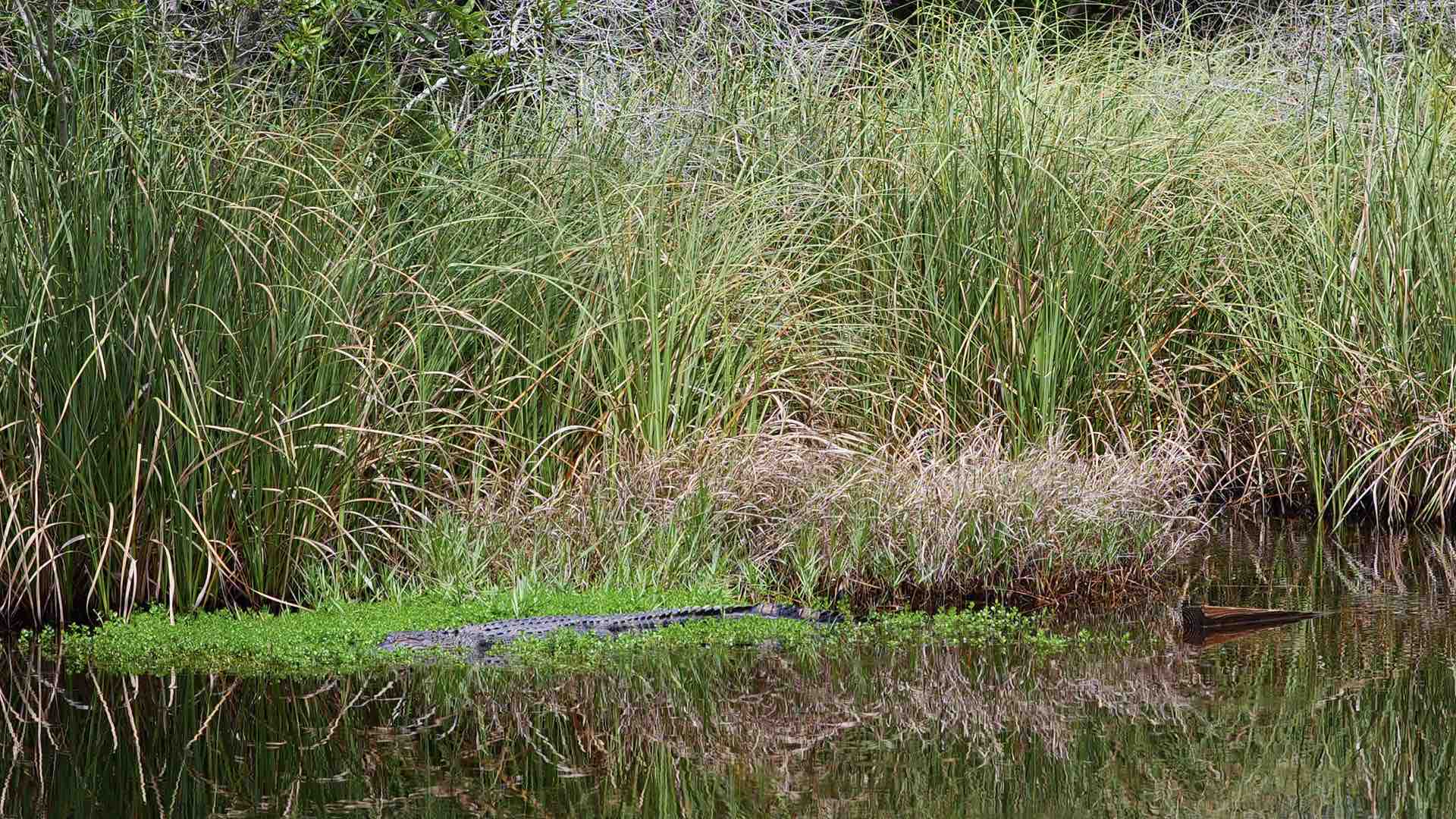
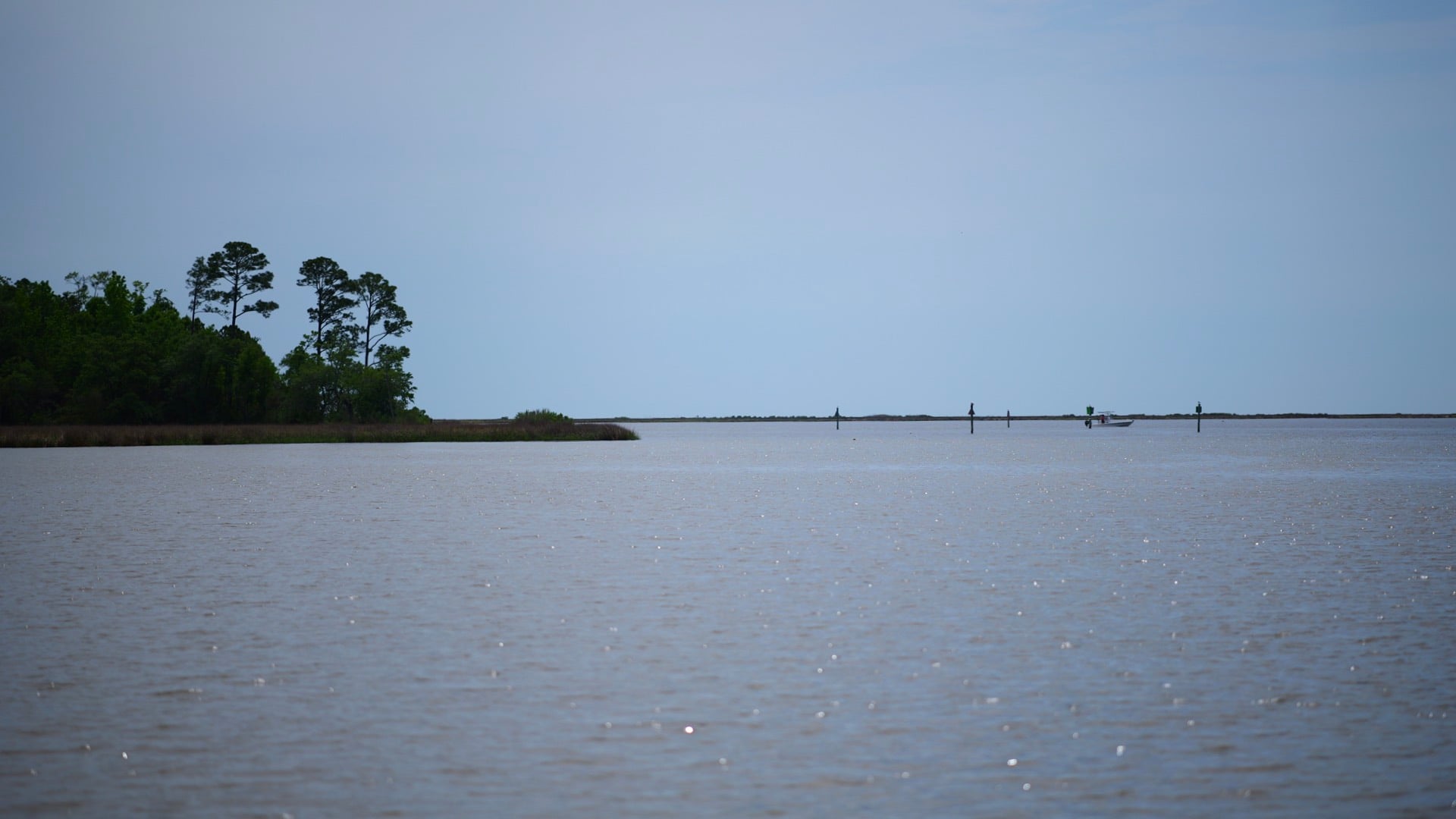


Vital Statistics for the Discriminating Photographer:
- Aperture: f/1.8 – f/16
- Aperture Blade Count: 11 pcs
- Focus Range: 0.8m – Infinity
- Lens Design: 10 Elements in 7 Groups
- Angle of View: 28.5-degrees
- Filter Size: 62mm
- Price: $263.20
While remarkably compact and portable, the AstrHori 85mm lens is adept at being a modest focal length telephoto for permanent use on your camera. Even better, its speedy autofocus system and large/bright f/1.8 aperture will ensure that you’ll be able to get up close and personal to any subject.
Enjoy.

See more from DIYPhotography.net on Google
Add DIYPhotography.net as a trusted source. This makes
our stories more likely to appear in your Google Search results.
 Add as a preferred source on Google
Filed Under:
Tagged With:

David Prochnow
Our resident “how-to” project editor, David Prochnow, lives on the Gulf Coast of the United States in Ocean Springs, Mississippi. He brings his expertise at making our photography projects accessible to everyone, from a lengthy stint acting as the Contributing How-To Editor with Popular Science magazine. While you don’t have to actually build each of his projects, reading about these adventures will contribute to your continued overall appreciation of do-it-yourself photography. A collection of David’s best Popular Science projects can be found in the book, “The Big Book of Hacks,” Edited by Doug Cantor.
Related Posts
 AstrHori announces 12mm f/2.8 Fisheye, 18mm f/8 Shift and 85mm f/1.4 AF lenses for full-frame mirrorless
 AstrHori’s new 25mm f/2.8 full-frame lens offers 2-5x macro zoom
 Pentax To Release A Full Frame DSLR And Two Full Frame Zoom Lenses
 Comparing Samyang’s new 85mm f/1.4 FE II against the Sony 85mm f/1.4 GM and Sigma 85mm f/1.4 DG DN Art
Join the Discussion
DIYP Comment Policy
Be nice, be on-topic, no personal information or flames.