




















Window Light Photography at Different Times of Day
Dec 3, 2025
Darlene Lleno
Darlene Lleno brings a unique perspective to DIY Photography as someone who grew up surrounded by camera gear but chose words over lenses. With five years of writing experience, she specializes in photography content that’s both technically informed and genuinely passionate. Growing up with a photographer twin brother meant camera talk was everyday conversation in her household. While he mastered capturing moments, Darlene discovered she preferred being the subject and the storyteller behind the scenes. As a travel enthusiast and mother of two, she understands the importance of preserving life’s precious moments. When not exploring new destinations or writing for DIY Photography, you’ll find her reading or tending to her garden. Her approach to photography writing is refreshingly authentic, she may not be behind the camera, but she knows exactly what it takes to help others capture the shots that matter most.
Share:
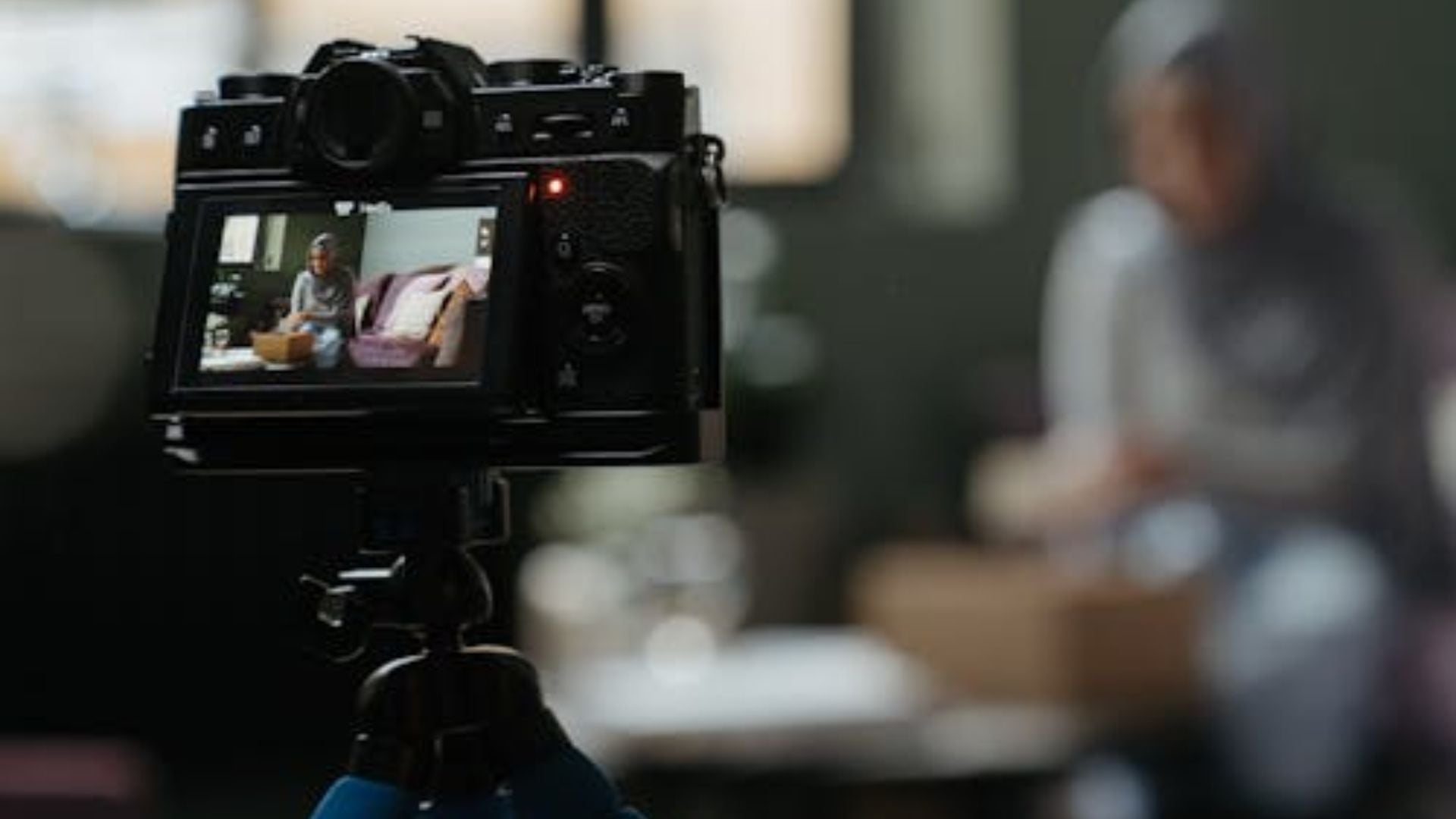
Window light photography gives you free, gorgeous light that changes all day long. The light coming through your windows shifts constantly from sunrise to sunset. Every hour creates new options for your portraits and indoor shots.
Windows work like giant softboxes. They turn harsh outdoor light into soft, flattering glow. But here’s the thing: that same window looks totally different at 8 AM than at 6 PM. The light changes dramatically throughout the day.
Which way your window faces makes a huge difference. An east window gets blasted with direct sun at dawn. By afternoon, that same window stays gentle and indirect. North windows keep consistent, soft light from morning until night. Learning these patterns changes how you shoot indoors.
This guide shows you what happens with window light photography at different times. You’ll learn which windows work best and when. Plus, you’ll get the camera settings you need for each situation.
Morning Light Through Windows (Sunrise to Mid-Morning)
Morning light comes through your windows with a cooler, bluer tone. The sun sits low after sunrise, creating crisp, fresh light. This light works great for serious, professional-looking portraits.
Morning color temperature usually sits between 3500K and 5000K right after sunrise. Your camera’s auto white balance might make everything too blue. Switch your white balance to Cloudy mode. This adds warmth back and stops that blue cast. Understanding color temperature helps you get accurate skin tones.
East-Facing Windows in the Morning
East windows catch direct sunlight during early morning. Hard, directional light streams across your room in bright beams. The sun gets stronger fast between 7 AM and 10 AM.
This direct morning sun creates dramatic options. You can put your subject in those bright streaks for high-contrast shots. The hard shadows add mood and depth to your work.
But direct window light can be too harsh for regular portraits. Hang sheer curtains over the window to soften it. This turns harsh sun into soft, directional light. It looks like expensive studio lighting but costs nothing.

Other Windows in Morning Hours
North, south, and west windows stay softer in the morning. They get indirect light instead of direct sun. This gives you even, gentle light that’s perfect for portrait work.
North windows stay consistent all day long. Morning light through north windows gives you beautiful, soft quality. You don’t worry about harsh sun angles. Place your subject close to a north window for flattering light.
South and west windows in the morning work similarly. The light stays manageable and easy to work with. You won’t fight the extreme contrast that east windows create.
Morning Camera Settings
Morning window light photography needs white balance adjustments. Set your camera to Cloudy mode, around 6000K. This warms up skin tones and makes photos feel better.
Your exposure settings depend on how much light comes in. East windows might need faster shutter speeds to handle bright light. Start with ISO 400 and f/2.8 to f/4. Then adjust your shutter speed for good exposure.
Shoot in RAW format for the best flexibility. Morning light changes fast as the sun rises. RAW files let you fix white balance later without losing quality.
Midday Window Light (11 AM to 2 PM)
Midday gets a bad reputation for outdoor shooting. But it’s actually great for window light photography. The sun climbs high, creating super consistent light through most windows. This makes midday perfect for controlled portrait work.
Color temperature at midday sits around 5500K to 5800K. This neutral quality means less white balance fiddling. Your camera’s auto usually handles midday light well.
The overhead sun fills everything outside with bright, bounced light. Even windows not facing the sun get lots of illumination. This light wraps around from different directions and reduces harsh shadows.
North and South Windows at Midday
North windows really shine during midday. The high sun never hits them directly. They keep soft, even light for hours. You can work without adjusting your setup constantly.
Pros love north light for product photos and beauty shots. The light works like a huge softbox. It creates minimal shadows and smooth transitions. Put your subject within three feet of the window for best results.
South windows at midday also give great indirect light. The overhead sun angle means light bounces in gently. You get similar soft results as north windows.
East and West Windows at Midday
Be careful with east and west windows during midday. They can still get overly bright even without direct sun. The strong light outside creates tough contrast to manage.
Move your subject back from these windows at midday. This brings down the intensity and balances the light better. Three to six feet back works better than close up.
Heavy diffusion helps control bright windows. Use multiple layers of sheer fabric over the window. This knocks down the light and gives you more control.
Creating Drama at Midday
Midday’s strong light creates great drama opportunities. Put your subject very close to any window. Turn their face toward the light. The other side falls into deep shadow.
This works great for moody, editorial portraits. The strong contrast creates bold images. You can bounce light back with a reflector or leave shadows dark.
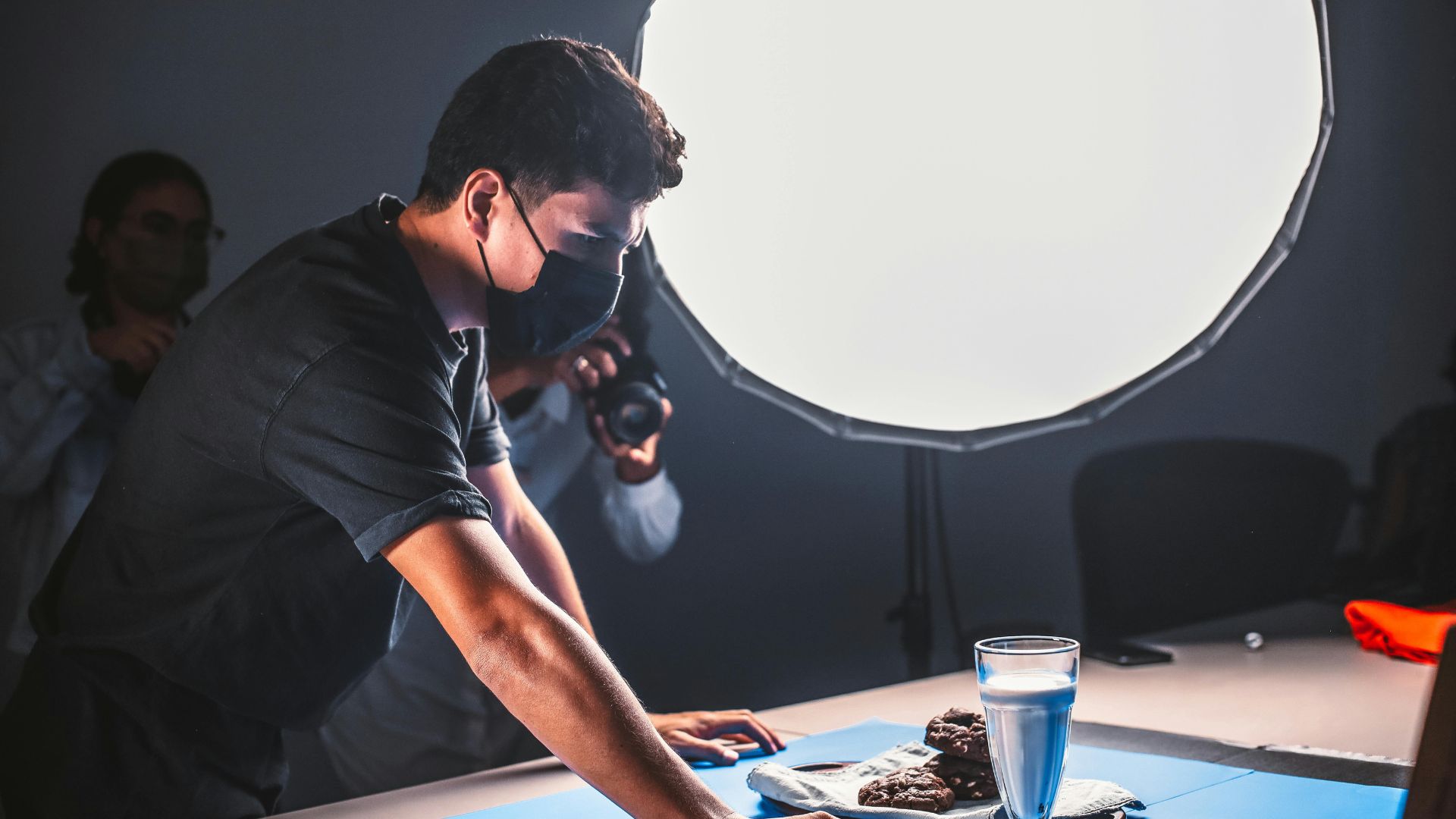
Here’s how to control the drama:
- Place a white foam board opposite the window to fill shadows
- Move the reflector closer for lighter shadows
- Pull it back for darker, more dramatic shadows
- Experiment with different distances to find your look
Afternoon Light Through Windows (Mid-Afternoon to Sunset)
Afternoon brings the warmest, prettiest window light of the whole day. The sun drops toward the horizon and the light turns golden. This warm glow peaks during the hour before sunset. It’s that magic light photographers dream about.
Color temperature in late afternoon drops from neutral to really golden. It ranges from 3500K down to 2500K near sunset. This golden quality makes portraits look amazing. Skin tones look healthy and the light feels romantic.
Light gets softer through the afternoon too. Shadows become gentler and more gradual. The switch between bright and dark areas smooths out. This creates easier, more forgiving light than morning.
West-Facing Windows in Late Afternoon
West windows become stars during late afternoon and sunset. Direct, warm sunlight pours through them as the sun drops. This golden light offers amazing options for backlit portraits and dramatic shots.
Put your subject with their back to a west window during golden hour. The sun creates gorgeous rim light around their hair and shoulders. This separates them from the background and adds professional polish.
Expose for your subject’s face when shooting backlit. The background will blow out to pure white. That’s totally fine and actually looks great. The glowing edges and warm rim light create stunning results.
You can also play with shadow patterns from west windows. Venetian blinds or shutters create striped light across your subject. These dramatic shadows add a cinematic, moody feel to your portraits.
North, South, and East Windows in Afternoon
Windows not facing west still give beautiful light during afternoon. They get gentle, indirect light with that warm golden color. The quality stays soft while picking up warmth from the setting sun.
This is often the easiest time for flattering, natural-looking portraits. The light has enough power to shoot handheld. But it stays soft enough to be forgiving. Skin tones look their absolute best in this warm, diffused light.
North windows keep their consistent, soft character but add afternoon warmth. The mix of gentle quality and warm color creates universally flattering conditions. It’s really hard to make someone look bad in this light.
Afternoon Camera Settings
As afternoon light dims, you need to adjust your camera settings. Here’s what to do:
- Open your aperture to f/2.8 or f/1.8 to let in more light
- Bump ISO to 800 or 1600 to keep shutter speeds fast enough
- Watch your shutter speed carefully as light drops
- Don’t be afraid to push ISO to 3200 if needed
Your shutter speed matters a lot in late afternoon. Dropping below 1/125 second risks motion blur. Use your lens’s widest aperture and increase ISO to keep things sharp.
White balance gets creative during afternoon. The warm golden cast looks beautiful, so use Daylight setting at 5500K. Skip Auto white balance because it might remove the warmth you want.
For dramatic backlit shots through west windows, try manual exposure mode. Meter off your subject’s face and let the window blow out. This creates that professional glow around your subject.
Understanding Window Direction
Knowing which way your windows face helps you plan better photo sessions. Each direction gives different light at different times. This makes scheduling way easier.
Here’s what each window direction offers:
- North windows: Consistent soft light all day, never gets direct sun
- East windows: Bright direct light in morning, soft by afternoon
- West windows: Gentle until late afternoon, then golden and dramatic
- South windows: Varies by season and location, generally reliable
North windows work great for predictable, controlled shooting. Pros choose north light when they need consistency. East and west windows offer drama at specific times. Plan your shoots around when each window looks best.
Common Challenges and Solutions
Window light photography comes with a few typical problems. Here’s how to fix them.
Managing High Contrast
The difference between bright and dark sides can be extreme. A white reflector opposite the window fixes this. It bounces light back and fills shadows naturally.
Dealing with Mixed Color Temperature
Overhead lights plus window light creates conflicting colors. Turn off all artificial lights when using windows. This keeps your color temperature clean and consistent.
Window Size and Position Issues
Different windows create different light quality:
- Large, tall windows produce softer, more even light
- Small windows create harder, more directional light
- Low windows give dramatic, angled light
- High windows spread light evenly across the room
Essential Gear for Window Light Photography
You don’t need tons of expensive gear for window light photography. But a few simple tools make things way easier.
A large white foam board or collapsible reflector fills shadows beautifully. These cost $20 to $40 and instantly improve your results. They soften contrast and add light to dark areas.
Sheer white curtains help control harsh direct sunlight. These spread the light and reduce hot spots. You can grab suitable fabric at any fabric store for a few bucks per yard.
A fast prime lens like f/1.8 or f/1.4 helps in lower light. The wide aperture lets in more light for faster shutter speeds. A 50mm f/1.8 costs under $200 and works great for window portraits.
Quick Tips for Better Results
These simple tips will instantly improve your window light photography.
Subject Position and Angle
Don’t put your subject straight on to the window. Angle them instead. This creates more depth and dimension. The light wraps around their face naturally while keeping some shadow definition.
Background Considerations
Pay attention to what’s behind your subject. Cluttered stuff distracts from the main focus. Move your subject away from walls to blur backgrounds better. Use shallow depth of field to separate them even more.
Watch for Color Bounce
Objects near your window can add color casts. A red wall bounces red light onto your subject. Stick with white or neutral walls near windows for cleaner light.
Time Your Sessions Right
Pick your shooting time based on the look you want:
- Morning window light: Crisp, serious, professional portraits
- Midday light: Controlled, even studio-style work
- Afternoon/sunset: Warm, romantic, flattering images
Start Your Window Light Photography Journey
Window light photography at different times of day gives you endless options. Morning brings cool, fresh light that works great for professional shots. Midday provides consistent, neutral light perfect for controlled work. Afternoon delivers warm, flattering light that makes everyone look amazing.
Learning how window direction and time work together helps you plan better. East windows shine in morning. West windows look best during sunset. North windows stay reliable all day. Each combo creates unique moods and styles.The best part about window light photography is how accessible it is. You don’t need expensive flash equipment or complicated setups. Just a window, basic camera knowledge, and attention to how light shifts. Start playing with your own windows and watch the light transform hour by hour.
See more from DIYPhotography.net on Google
Add DIYPhotography.net as a trusted source. This makes
our stories more likely to appear in your Google Search results.
 Add as a preferred source on Google

Darlene Lleno
Darlene Lleno brings a unique perspective to DIY Photography as someone who grew up surrounded by camera gear but chose words over lenses. With five years of writing experience, she specializes in photography content that’s both technically informed and genuinely passionate. Growing up with a photographer twin brother meant camera talk was everyday conversation in her household. While he mastered capturing moments, Darlene discovered she preferred being the subject and the storyteller behind the scenes. As a travel enthusiast and mother of two, she understands the importance of preserving life’s precious moments. When not exploring new destinations or writing for DIY Photography, you’ll find her reading or tending to her garden. Her approach to photography writing is refreshingly authentic, she may not be behind the camera, but she knows exactly what it takes to help others capture the shots that matter most.
Related Posts
 Turn one light into many and create fake window light sources using mirrors and gaffer tape
 How to recreate natural window light with strobes for food photography
 How to create fake window light for still life and food photography
 How to create natural looking window light on set with artificial lights
Join the Discussion
DIYP Comment Policy
Be nice, be on-topic, no personal information or flames.