


















I shoot portraits for living, these are my best tips for buying a speedlight
Oct 10, 2024
Ian Pack

Alex Baker is a portrait and lifestyle driven photographer based in Valencia, Spain. She works on a range of projects from commercial to fine art and has had work featured in publications such as The Daily Mail, Conde Nast Traveller and El Mundo, and has exhibited work across Europe
Share:

If you have a pop-up flash on your camera it’s likely that you’ll be disappointed with the results from the direct, small, hard and under powered light source. The next step from the in-built flash on your camera should be a Speedlite.
Speedlites or hot shoe flashes are the most popular, low-cost (mostly) and portable flashes and normally are the first flash photographers buy. For some photographers Speedlites are the only flashes they ever buy and use. Here are a few points to consider when buying a Speedlite or hot shoe flash.
Output
Output is expressed as a Guide Number (GN) or power Watt seconds (Ws). These numbers will vary depending on the zoom setting when tested.
Watt seconds (Ws) is the measure of the ability to store energy, not emit light. Some flashes are better at converting the stored energy into flash than others.
Guide Number (GN) is based upon how much light travels a certain distance at a specific aperture and is expressed as ƒ/stop x distance = GN normally at 100 ISO to give a correct 18% grey exposure. Therefore, a GN of 60m = ƒ/1 or GN15m ƒ/4. It’s wise to check the unit of measurement used as sometimes a GN is expressed in feet to look better than the flash is in reality. Also, the flash tube design, zoom setting and reflector used will affect output.
Zoom setting
The light source in a Speedlite is a linear xenon flash tube behind a fresnel lens, which focuses the light emitted into a beam. Most Speedlites when attached to a camera hot shoe or via a remote trigger will adjust the zoom setting according the zoom setting of the zoom on the camera. Most Speedlites allow the automatic zoom setting to be overridden and set manually.
Manual exposure
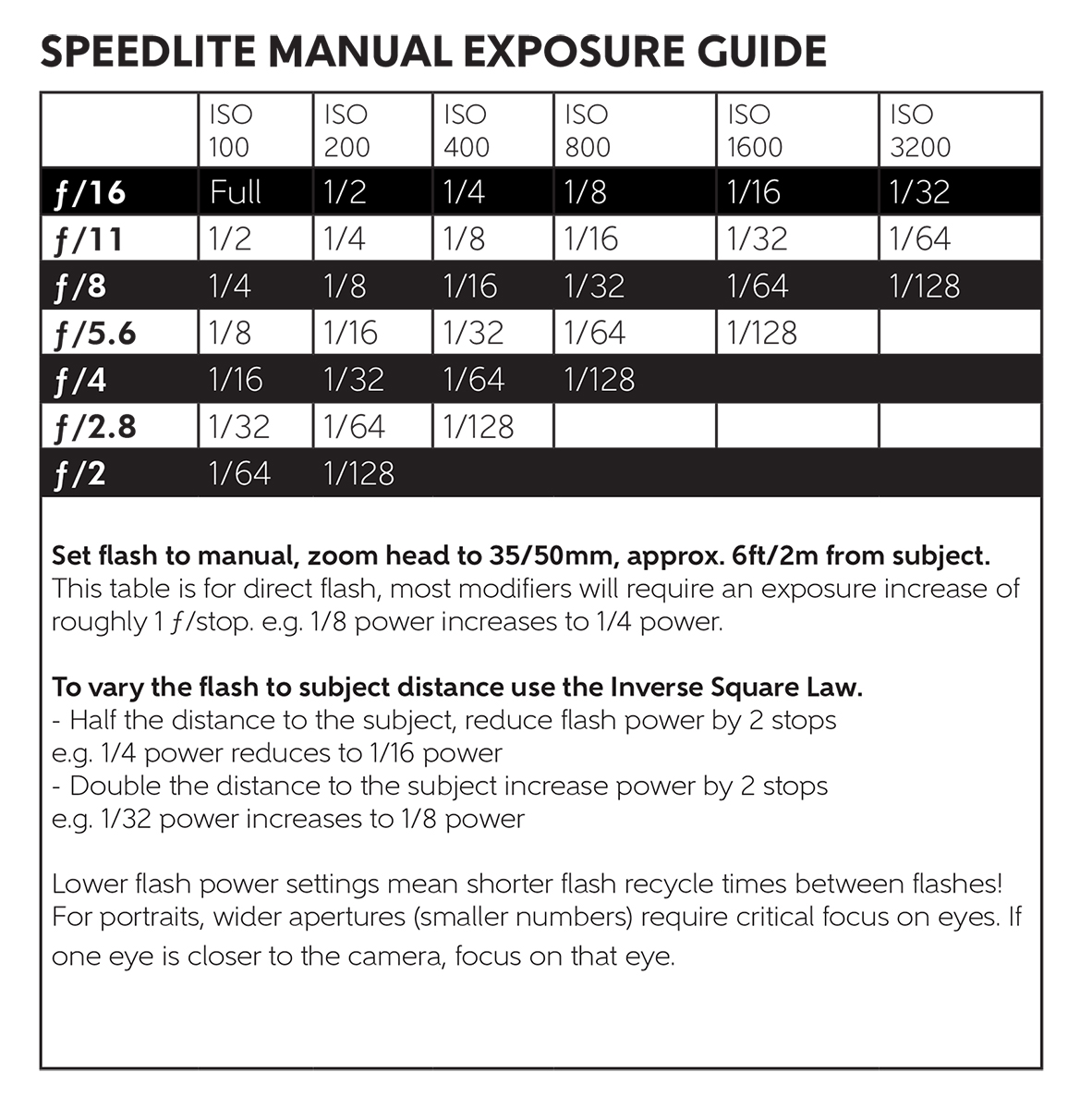
Basic Speedlites will be manual exposure only. This means the photographer needs to calculate the exposure by using the camera histogram, a flash capable exposure meter, guesswork based on a table of estimated settings.
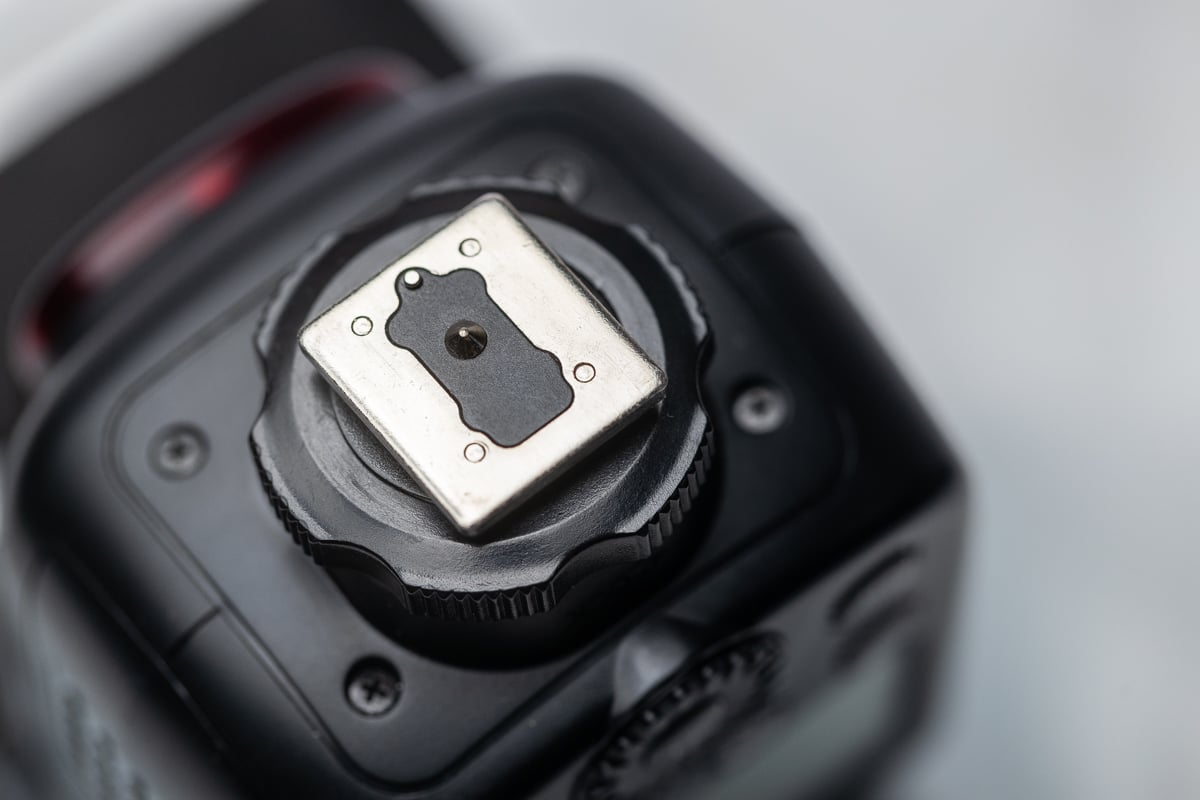
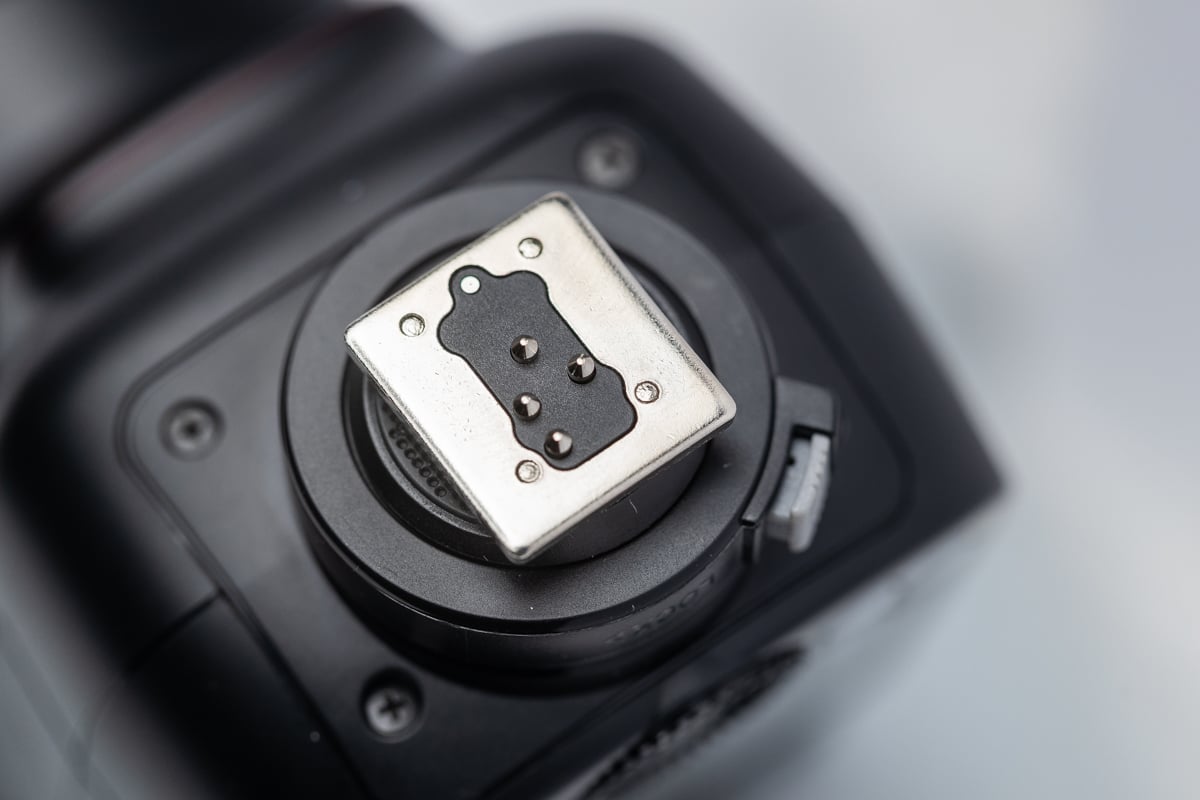
Speedlites attach to a camera by means of a hot shoe. The hot shoe is equipped with electrical connections which transmit a firing signal from the camera to the flash. Manual Speedlites have two connections which only transmit a firing signal and no exposure information.
The main advantage of manual exposure is that it not affected by the tonality of reflected light TTL auto exposure. If you only plan to use your Speedlites indoors, then manual will be the best option for you.
As manual flash units are not dedicated to the camera exposure system they can be used with any camera with a ISO 518:2006 standard hot shoe. There is one exception: (some) Sony mirrorless cameras use the Sony proprietary Multi Interface Shoe.
One of the most cost-effective manual Speedlites on the market is the Godox TT600. It has the capabilities of lithium-ion powered Speedlites more than three times the price but powered by 4 x AA alkaline or rechargeable batteries. At around £57.00 it’s a great Speedlite and ideal for many situations where TTL auto exposure is not needed. As part of the Godox system and can be used on or off-camera independently or as a slave or master flash, but is not replacement for a dedicated wireless flash trigger.
TTL auto exposure
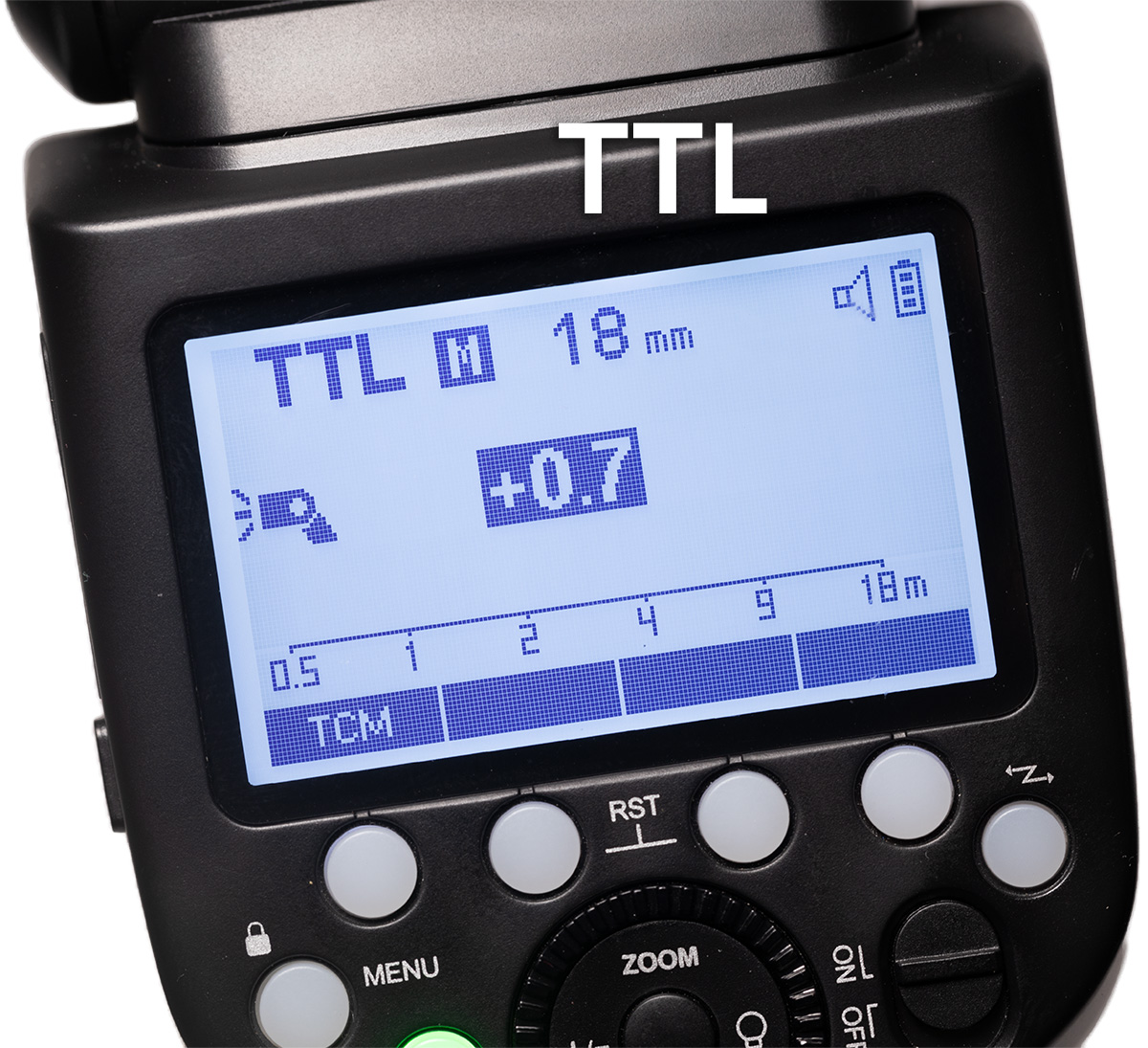
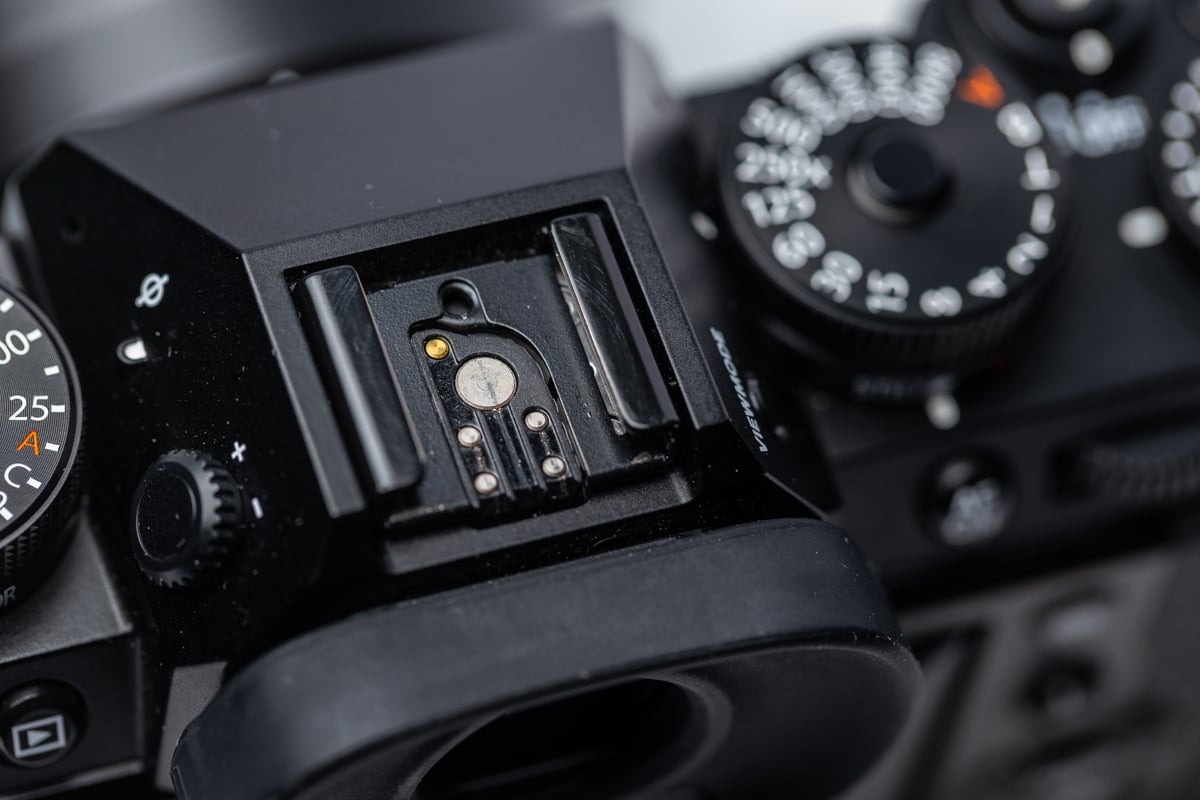
TTL auto exposure flashes have additional contacts on the hot shoe to communicate with the camera. There is no standard and the connections vary between all the major camera brands.
When you depress the camera shutter button, it will assess the frame for what it considers to be the appropriate exposure. If the scene is predominantly light or dark, the camera will under or overexpose, creating a brighter or darker frame. It’s possible to adjust the TTL flash output to obtain a pleasing exposure. The only issue is this needs to be translated to manual settings if you don’t want it to change. Some flash systems now have a button which takes the flash auto exposure settings and transfers them to manual in order to lock the exposure.
High-Speed Sync HSS
Cameras with focal plane shutters have an optimum shutter speed at which the flash synchronises. This varies between camera brands and types, usually it’s in the range 1/125th – 1/250th second.
Below the camera sync speed ambient will begin to affect the frame. Above the sync shutter speed you may see a dark band across the frame as the shutter speed is too short for correct synchronisation. It is possible to photograph using shorter/faster shutter speeds using a technology referred to as High Speed Sync or HSS. This is ideal for photographers who work outdoors photographing lifestyle, personal branding, press/PR, portraits and weddings. Most Speedlites have the HSS facility, but check before you buy if you know that you’ll be photographing outdoors.
Multi-flash
Multi-flash uses variable flash power and frequency to create multiple images on one frame during a long exposure. This a creative technique which needs practice and a dark backdrop and dark conditions.
First and second curtain sync
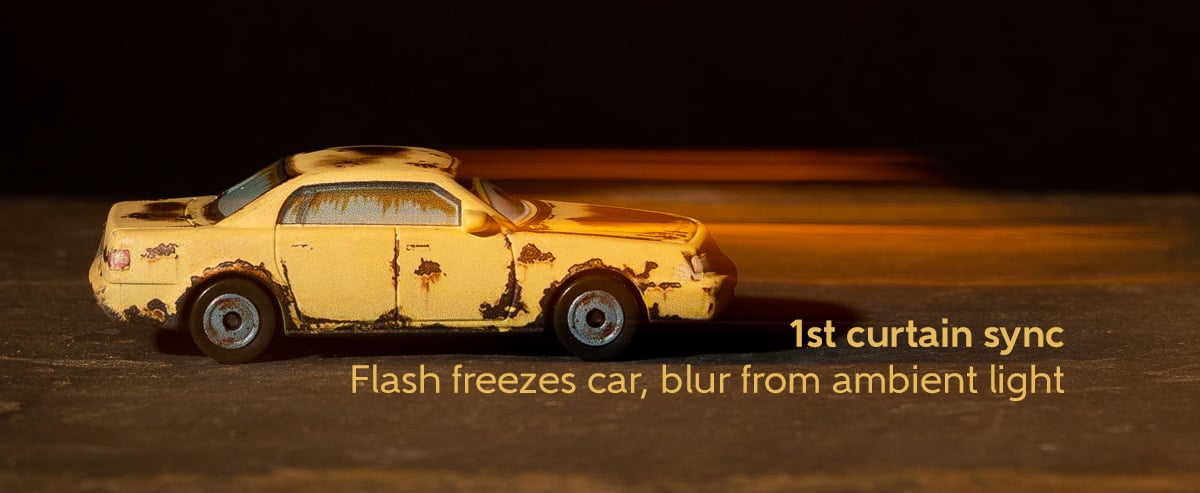
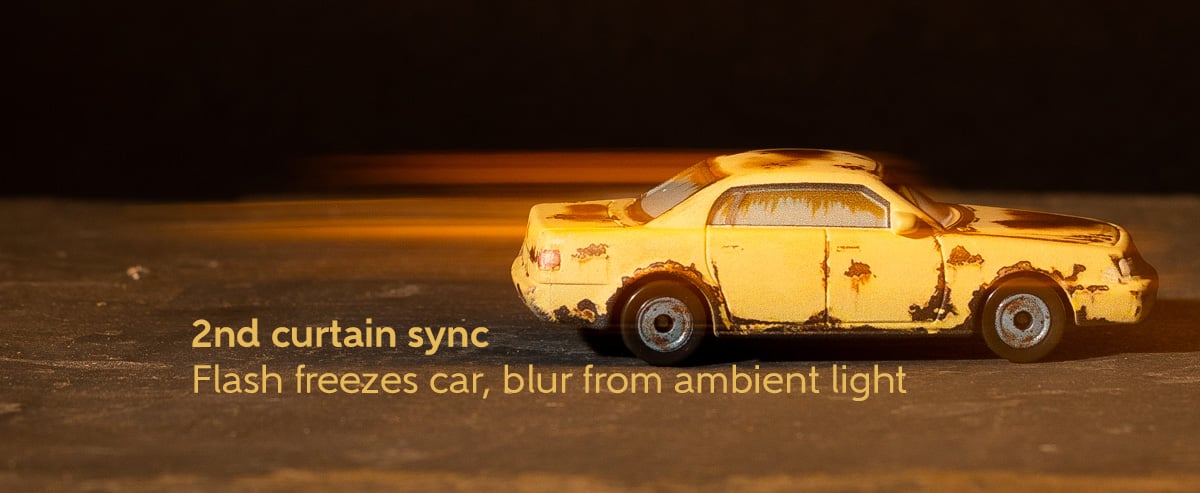
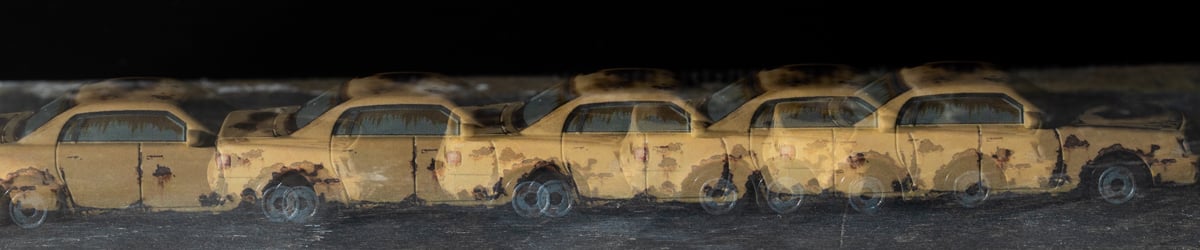
This is used when firing the flash with a slowish shutter speeds for motion blur effects. By setting first or second curtain sync, you control when the flash is triggered during the exposure cycle. First curtain sync will fire the flash at the beginning of the exposure cycle, second curtain sync at the end. Second curtain sync gives a natural effect with movement as the ambient light is recorded in the frame before the flash is fired. With first curtain sync it looks as if the car is going backwards.
Batteries
Speedlites are powered by either readily available AA cells or dedicated Lithium Ion or Lithium Polymer battery packs. Speedlites powered by AA cells generally will not have a fast flash recycle time, that is the time between the flash firing and being ready for the next flash.
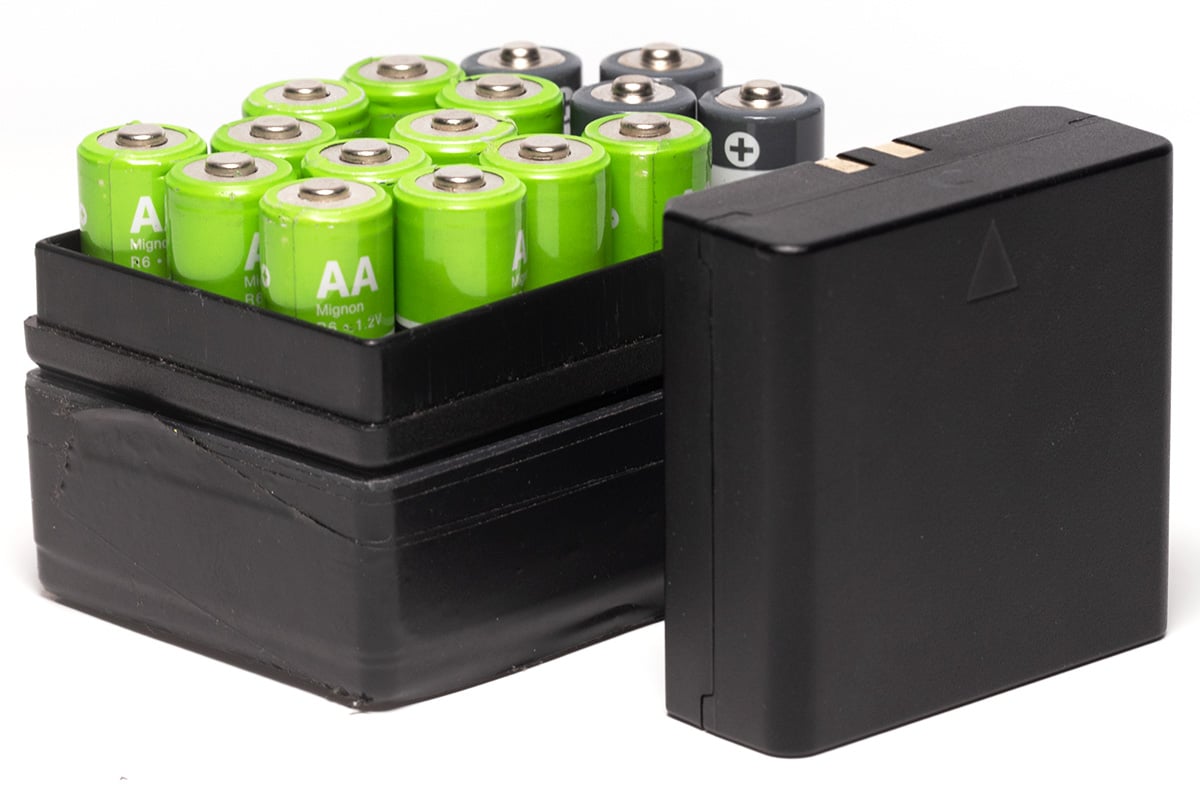
Dedicated battery packs generally give many more flashes from a single charge than AA cells, normally between 400 – 500 full power flashes. AA cells can be as low as 200 full power flashes from a single set of alkaline use once batteries, possibly more with high specification rechargeable Nickel Metal Hydride cells such as Enelope from Panasonic.
Most people will choose a flash with a dedicated power pack instead of AA batteries. 16 x AA batteries weigh approximately 465g/16oz and are more than four times the volume. Whereas a single dedicated battery weighs just 120g/4oz.
In my experience, we rarely work with the flash at full power, consequently battery life will be longer. Nowadays, I find two freshly charged dedicated batteries are sufficient for a day’s flash photography.
Flash recycle times
The two main factors that directly affect flash recycle time are battery charge, especially with AA cells and the flash power setting. Lower flash power settings use shorter flash durations to control the flash output. Higher flash power settings use longer flash durations to control output/exposure, requiring more electrical energy to charge the control circuits.
If you have a low-power flash and need more power, all you need to do is increase the ISO sensitivity on your camera. For example, if you have ISO 100 set and need more power, set a higher ISO to increase the camera sensitivity. This will also allow you to use lower power, shorter duration flashes with a shorter recycle time between flashes, which is ideal for freezing motion and faster-moving subjects or photographing portraits where long flash recycle time means lost frames.
Off-camera capability

More photographers are using their Speedlite hot shoe flashes off-camera as they give a much better quality of light. There are two ways to use your flash off-camera, the most common being dedicated radio remote triggers. These can vary in range which can be affected by local conditions including distance to the flash from the camera, walls, buildings, plants etc. It’s also possible to use a dedicated off-camera lead, but these are less common than wireless remote flash triggers.
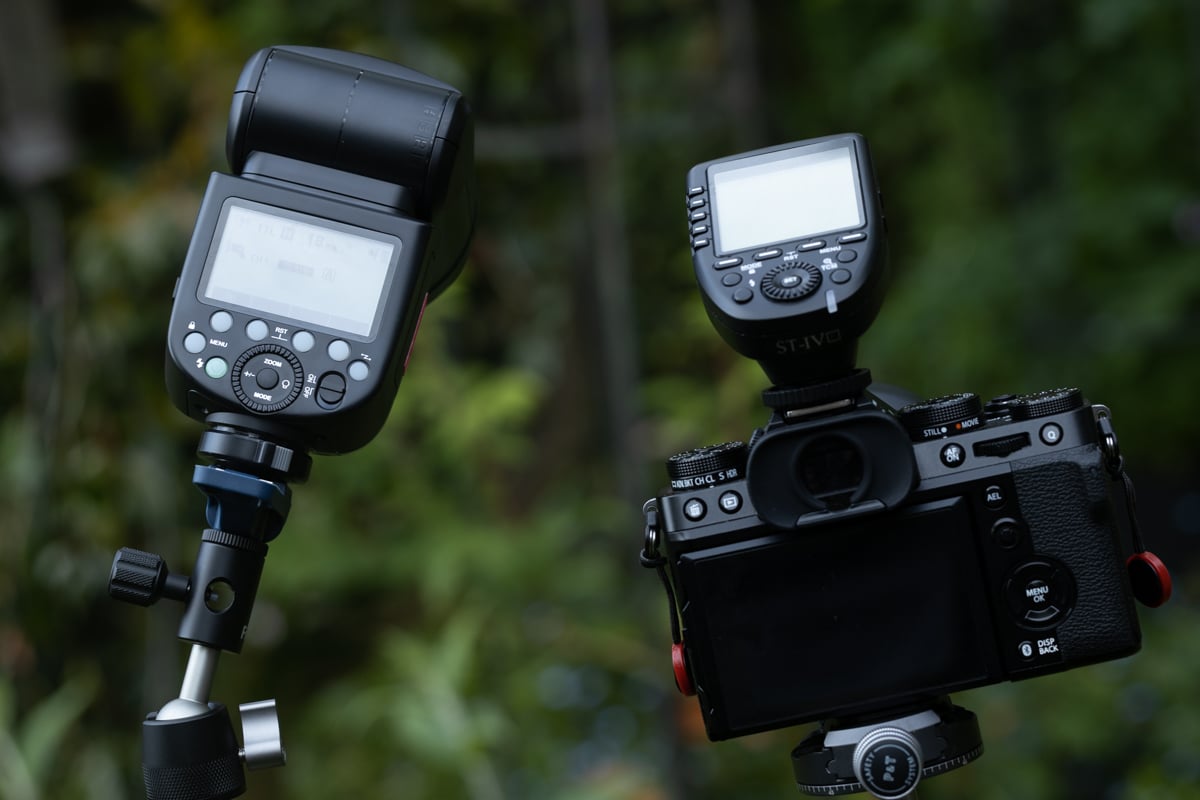
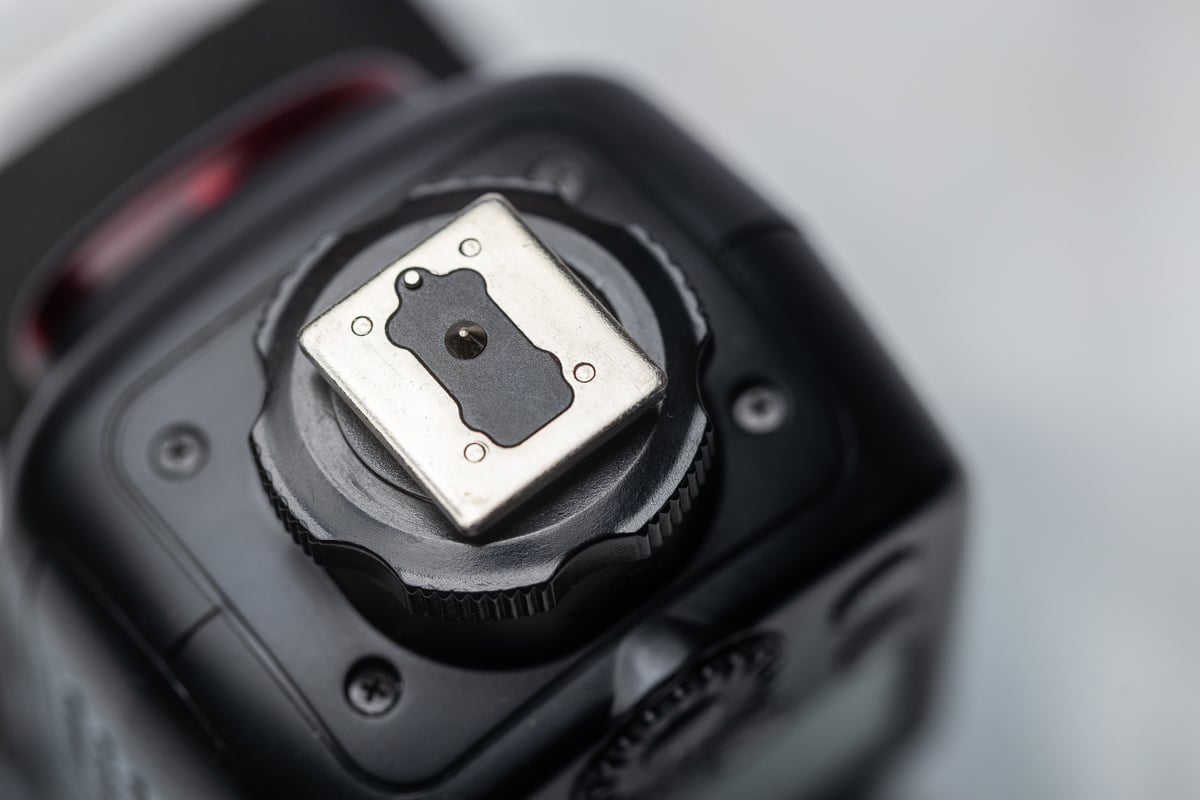
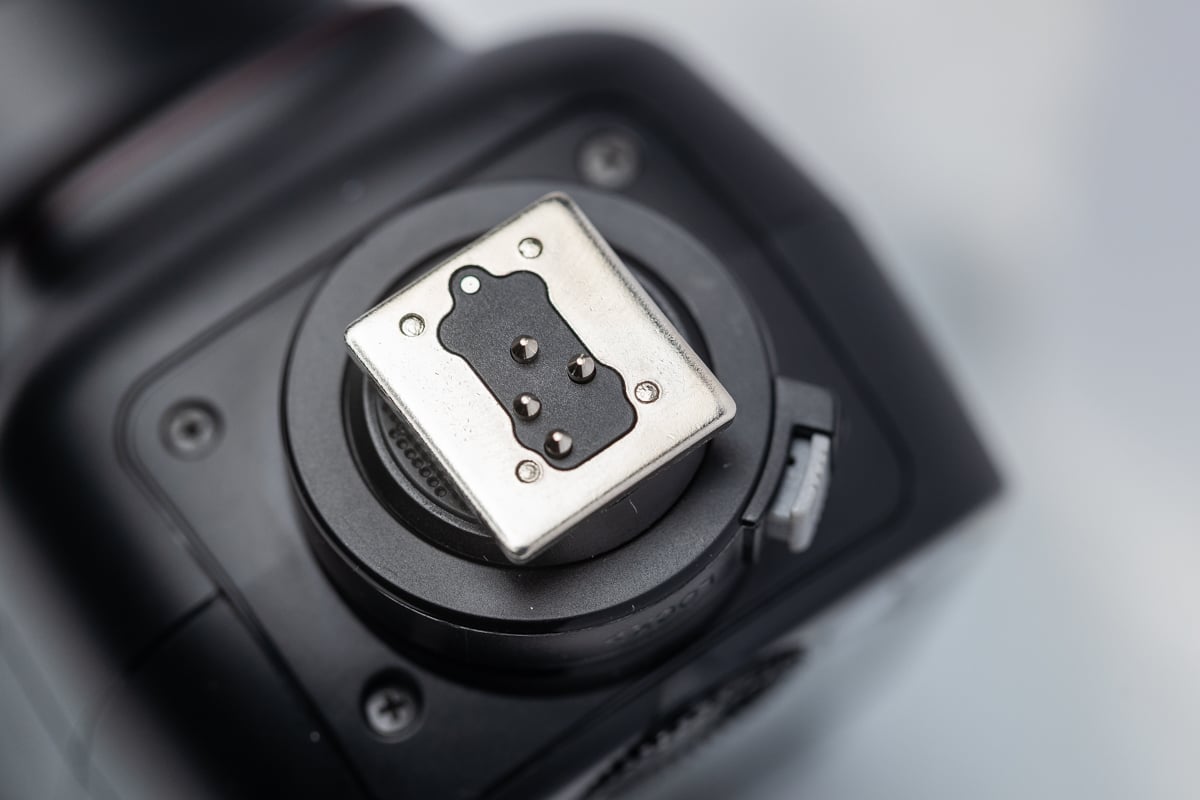
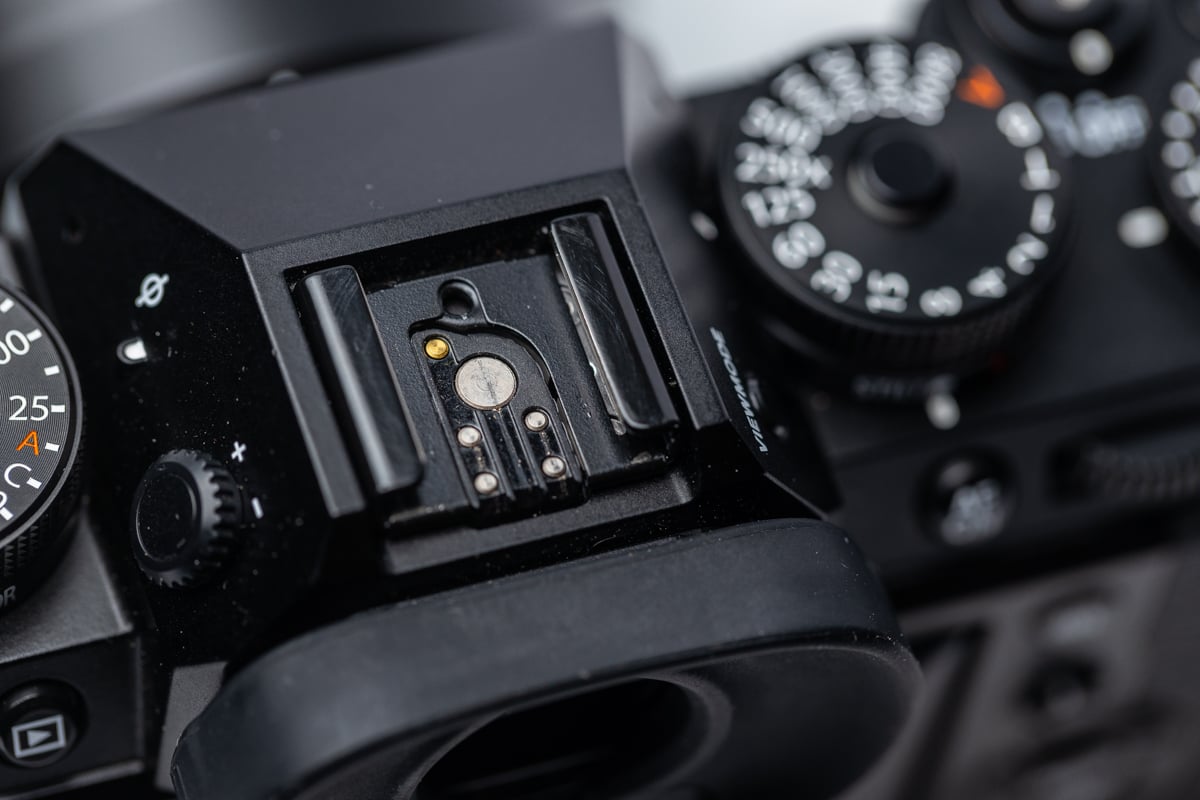
Remember when buying an off-camera radio trigger to select the correct one for your camera brand. Manual Speedlites will have a centre pin on the hot shoe, with the metal shoe providing the other contact. Dedicated TTL Speedlites have multiple pins to carry the exposure data.
Third-party flash triggers
There are a number of third-party flash triggers available, including Godox, Phottix, Nissin, Hahnel and Yong Nuo.
Round or rectangular head?
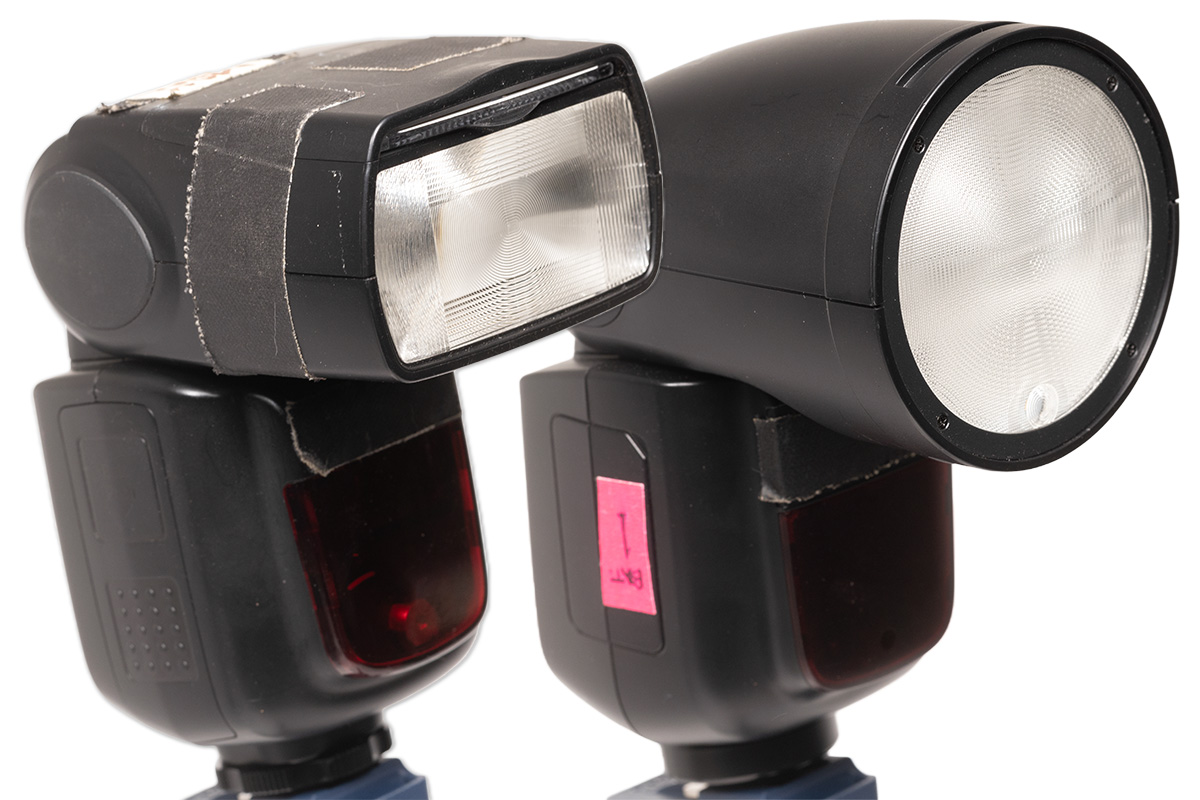
The choice is yours. I prefer rectangular head Speedlites so I can orientate the head for narrow or wider coverage, which is not possible with round head units. Round head Speedlites do give a more even coverage than most Speedlites, but this will vary from brand t o brand and sometimes between models.
As far as I know, only Profoto and Godox supply Speedlites with round heads. Generally, rectangular head Speedlites are less expensive.
Channels and groups
Channels and groups are used when working with multiple flash set-ups. For example, if photographing a studio portrait with three point lighting, Group A could be the key light, Group B the fill light and Group C the kicker or background light. By setting the groups you can make power adjustments without leaving the camera position.
Groups are useful when working with other photographers or multiple set-ups so where each set-up would be assigned a particular Channel to avoid triggering the other flashes.
Master/Slave capability

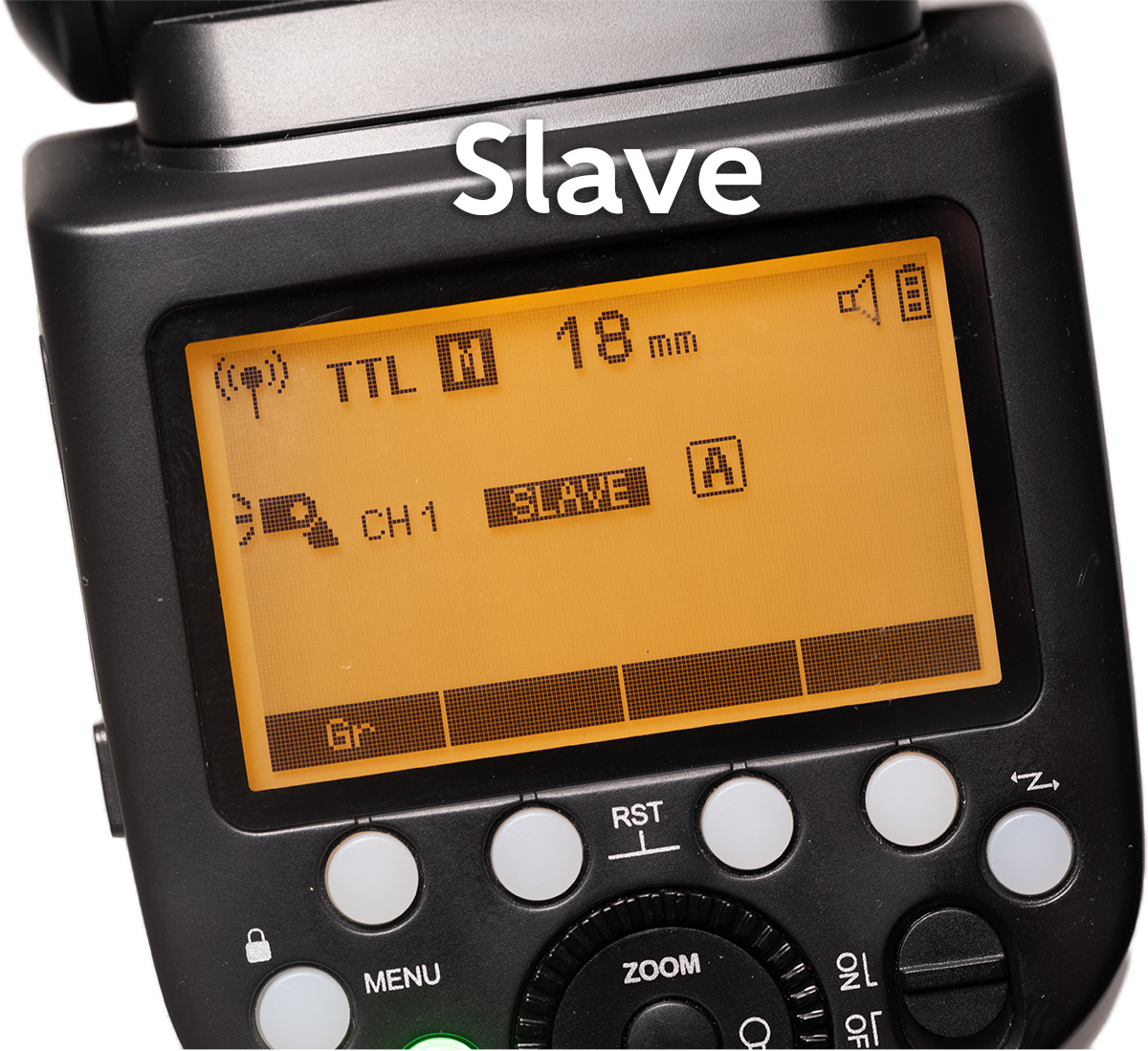
Some Speedlites have the ability to act as a trigger in Master mode or as a Slave, which is triggered by another flash or trigger. Personally, I prefer to use a separate trigger for my flashes. Some prefer to use one of their flashes as a trigger, but that means that particular flash needs to be attached to the camera hot shoe.
Zoom
With manual Speedlites the flash zoom setting will need adjusting via the flash controls. With TTL Speedlites and lens focal length or zoom, data is sent to the camera, and the flash tube will move relative to the fresnel lens. This can be overridden and set to manual if necessary via the flash controls.
Weather sealing
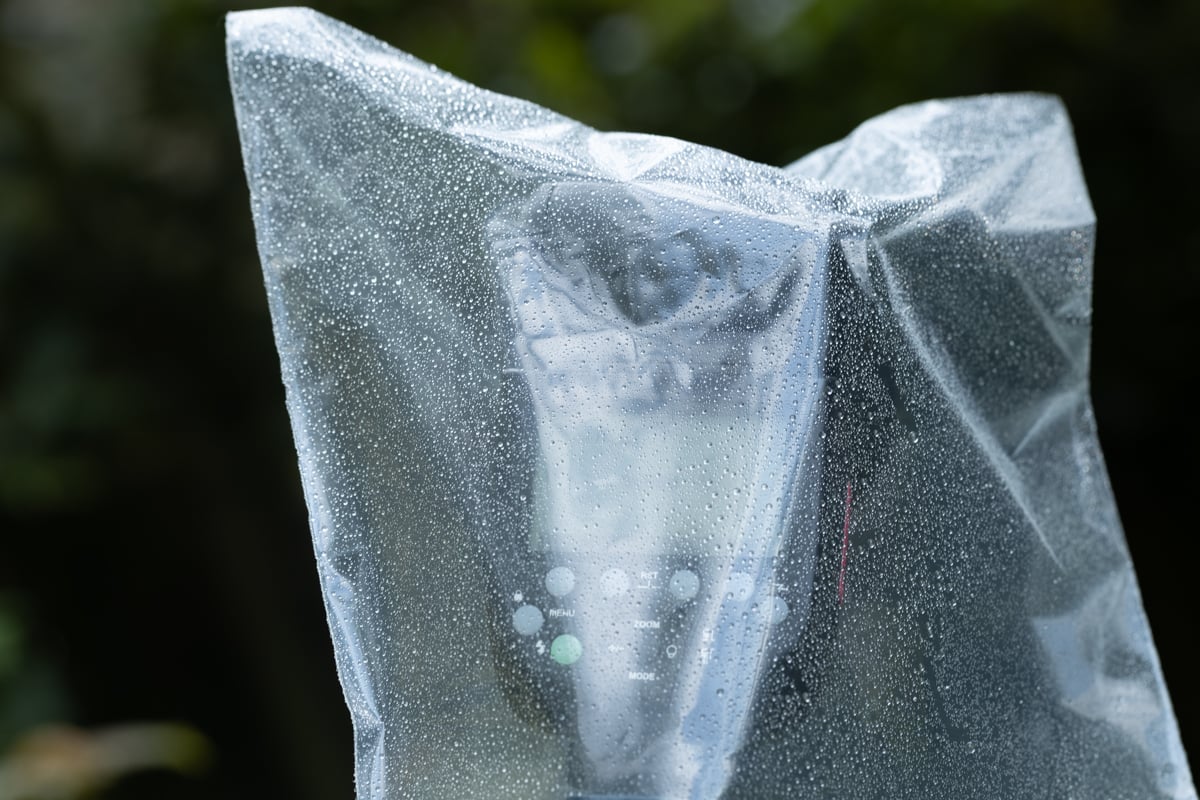
Some Speedlites are weather-sealed but not waterproof. These are mainly from the camera brands. If the weather turns wet or a sand storm blows in, use a clear zip-lock polythene bag as protection. Each of my Speedlites has a C4 zip lock bag as part of its’ kit.
Accessories and light modifiers
There are literally hundreds of accessories and light modifiers available for Speedlites; from basic white diffuser boxes and domes to grids and snoots for creating narrow beams, effects projectors, coloured effect and correction gels, softboxes which attach directly to accessories which mount off-camera Speedlites to light stands and other surfaces to take diffusion and reflective umbrellas to soft boxes. As with most things photographic, prices vary as does quality. You’ll need to attach your Speedlite to a light stand or convenient surface.
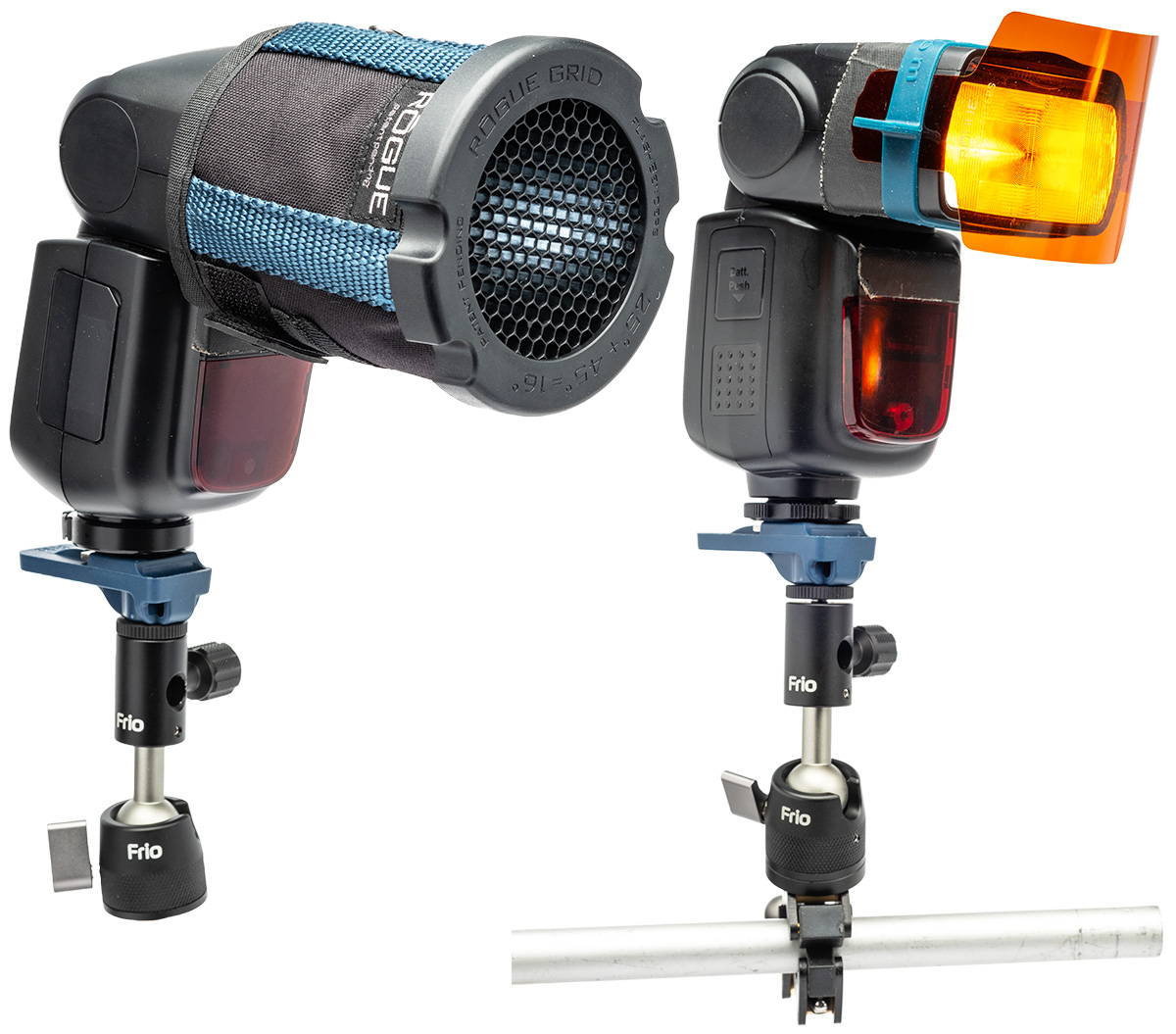
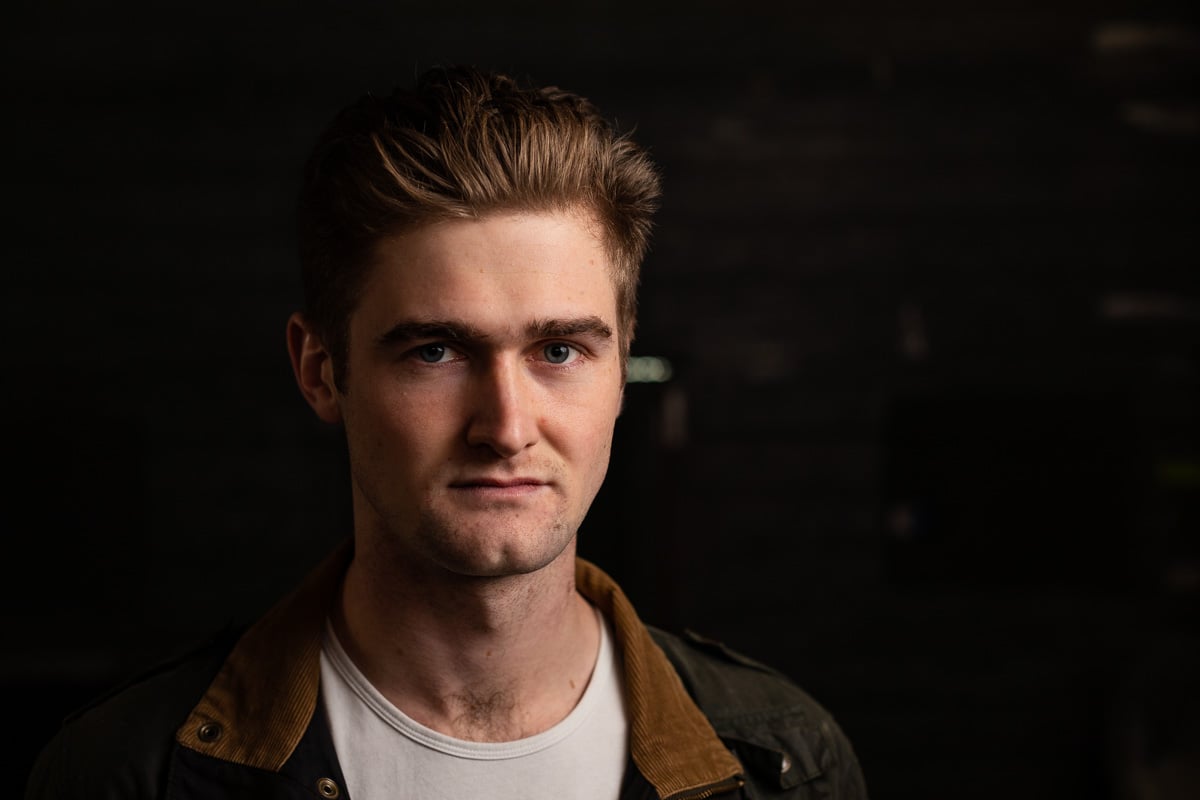
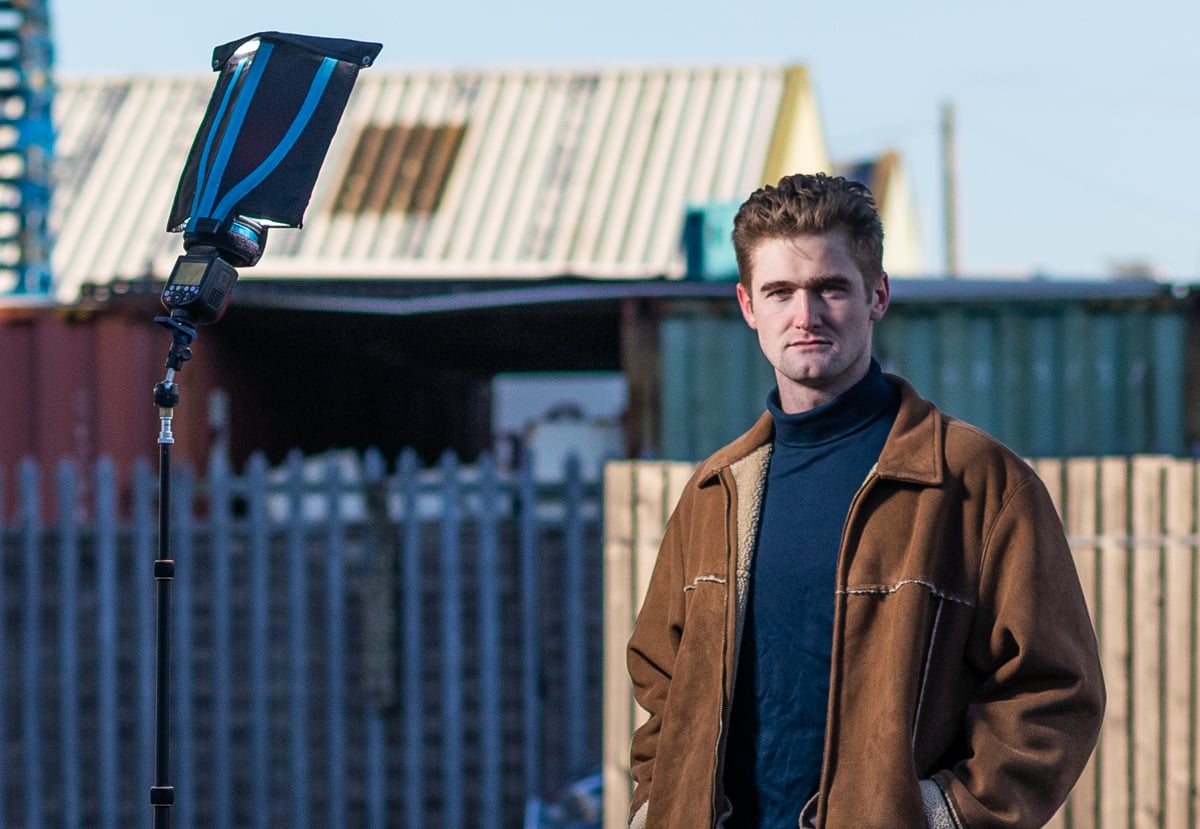
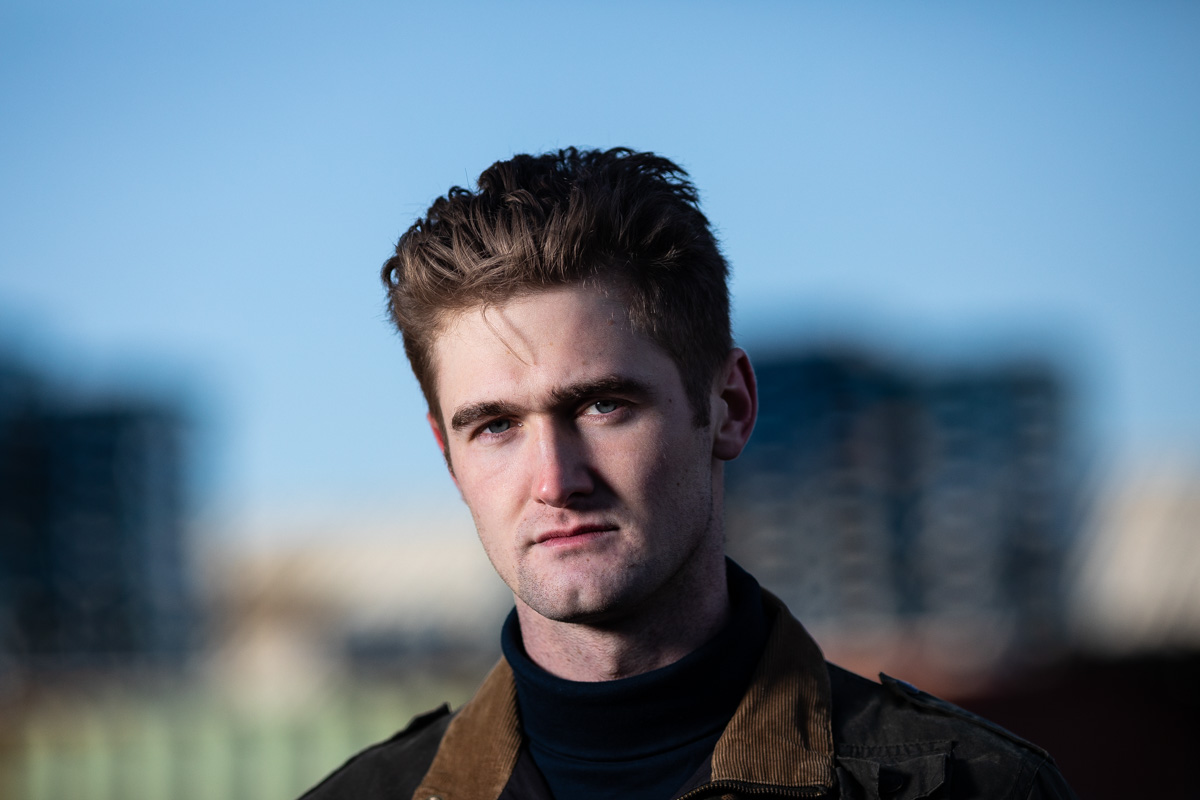
The flash modifiers here are from Rogue Flash. Rogue Grids create a narrow beam for controlled lighting effects and Rogue Gels, which fit in front of the flash tube for creative colour or colour correction. Rogue Flash also supply magnetic modifiers for round-head flashes, including gels, grids, a snoot and a dome diffuser.
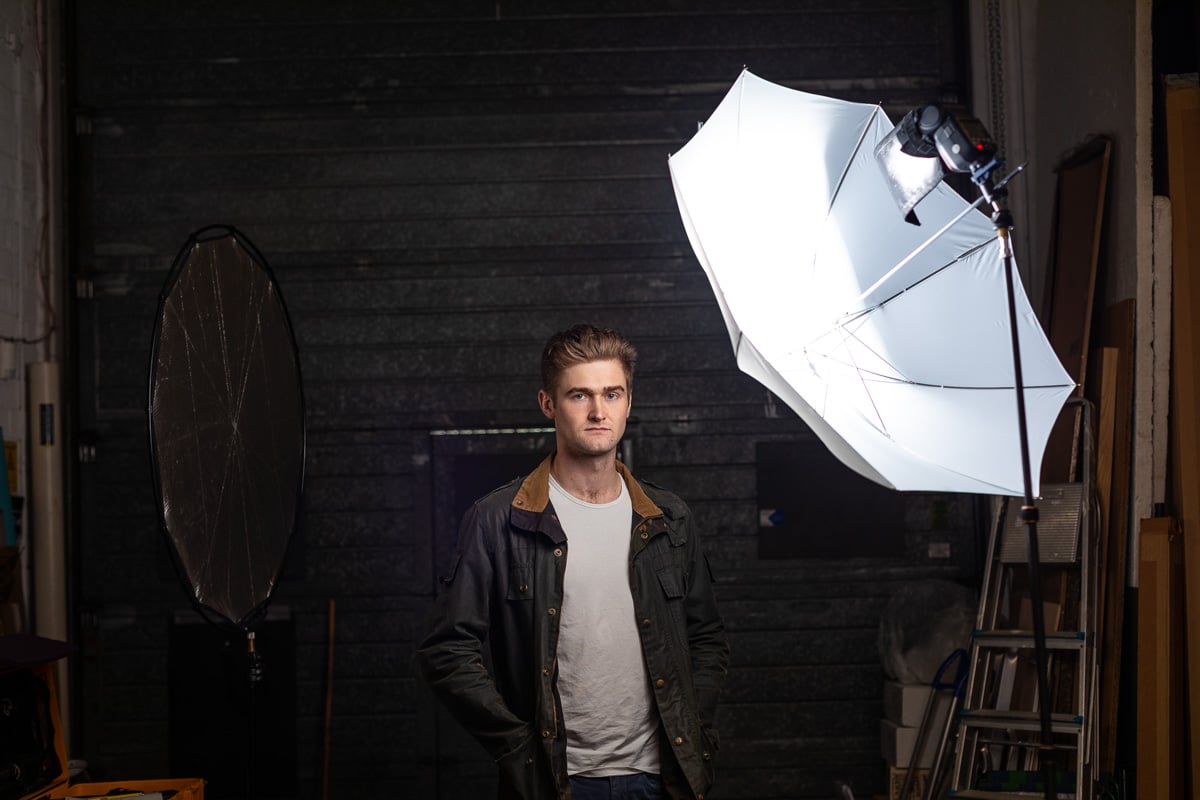
Speedlites are small, hard light sources which can be modified to create a relatively larger light source, such as an umbrella or bounce card.
Speedlite and hot shoe flash brands
- Godox, also rebranded in US as Flashpoint and UK as Pixapro. The majority of Godox flashes from basic Speedlites to 1200Ws outdoor battery flash are all compatible with the X Series trigger system, as are Flashpoint and Pixapro rebranded products. In the UK Pixapro offer repairs to Godox products.
- Hahnel
- Kenro
- Neewer
- Nissin
- Phottix
- Yongnuo
Used equipment
There are plenty of used Speedlites and flashes available from established retailers and online sources. When buying used gear, exercise caution when considering older flash units such as Metz hammerhead flashes or Vivitar 283 or 285 units. Many older flash units were designed to trigger via a PC cord plugged directly into a mechanical camera and may have high trigger voltages – sometimes hundreds of Volts – which could damage modern electronic circuits, rendering the camera useless.
See more from DIYPhotography.net on Google
Add DIYPhotography.net as a trusted source. This makes
our stories more likely to appear in your Google Search results.
 Add as a preferred source on Google

About Ian Pack
Ian Pack is a creative commercial product and portrait photographer based in Sussex. He likes working with small and developing businesses, establishing their brand images, empowering staff to create content for websites and social media along with advising on the best gear and establishing in-house studios. Ian has broad experience in the media business, having worked in corporate video production, print and design. His work is widely published in print and online and heÔÇÖs a regular contributor to Amateur Photographer magazine in print and online. You can see more of IanÔÇÖs work on his website or follow Ian on Instagram.
We love it when our readers get in touch with us to share their stories. This article was contributed to DIYP by a member of our community. If you would like to contribute an article, please contact us here.
Related Posts
 I take celebrity portraits for a living, this is how I make eye catching photographs [Mildly NSFW]
 Here Is How I Made A Fake Snow Shoot In My Living Room With Almost Zero Budget
 I photograph wildlife for a living and these are my tips for taking award-winning images
 I Photograph Weddings for a Living, These Are My Tips For Capturing Authentic Unique Moments
Join the Discussion
DIYP Comment Policy
Be nice, be on-topic, no personal information or flames.