
















The Cold Supermoon of December 2025: Here’s How to See and Photograph It
Dec 2, 2025
Soumyadeep Mukherjee
Soumyadeep Mukherjee is an award-winning astrophotographer from India. He has a doctorate degree in Linguistics. His work extends to the sub-genres of nightscape, deep sky, solar, lunar and optical phenomenon photography. He is also a photography educator and has conducted numerous workshops. His works have appeared in over 40 books & magazines including Astronomy, BBC Sky at Night, Sky & Telescope among others, and in various websites including National Geographic, NASA, Forbes. He was the first Indian to win “Astronomy Photographer of the Year” award in a major category.
Share:

December always carries a quiet kind of magic. The nights stretch longer, the air turns sharper, and the landscape settles into a slower rhythm. This year, the season brings something extra to look forward to: the Cold Supermoon of December 2025. It rises on the night of December 4 and promises a brighter, slightly larger full moon that will stand out even in city skies.
Cold winter evenings often make the Moon feel closer. The air is clear, sounds feel softer, and the Moon’s glow seems to rest gently on rooftops, fields, and snow-dusted terrain. The upcoming supermoon taps perfectly into that mood. It’s the last supermoon of the year, and also the final full moon before winter deepens across the Northern Hemisphere. Whether you’re stepping outside with your phone, your camera, or simply your sense of wonder, this is a night worth marking on the calendar.
Rituals, Myths, and the Origin of the “Cold Moon”
Many cultures named full moons to reflect the character of the season. The name “Cold Moon” comes from Native American lunar traditions, including those of the Mohawk people. December marked the arrival of biting cold, frozen rivers, and long nights. Their lunar names weren’t poetic choices; they were rather echoes of seasonal rhythms that dictated how communities prepared for the hardest months of the year.
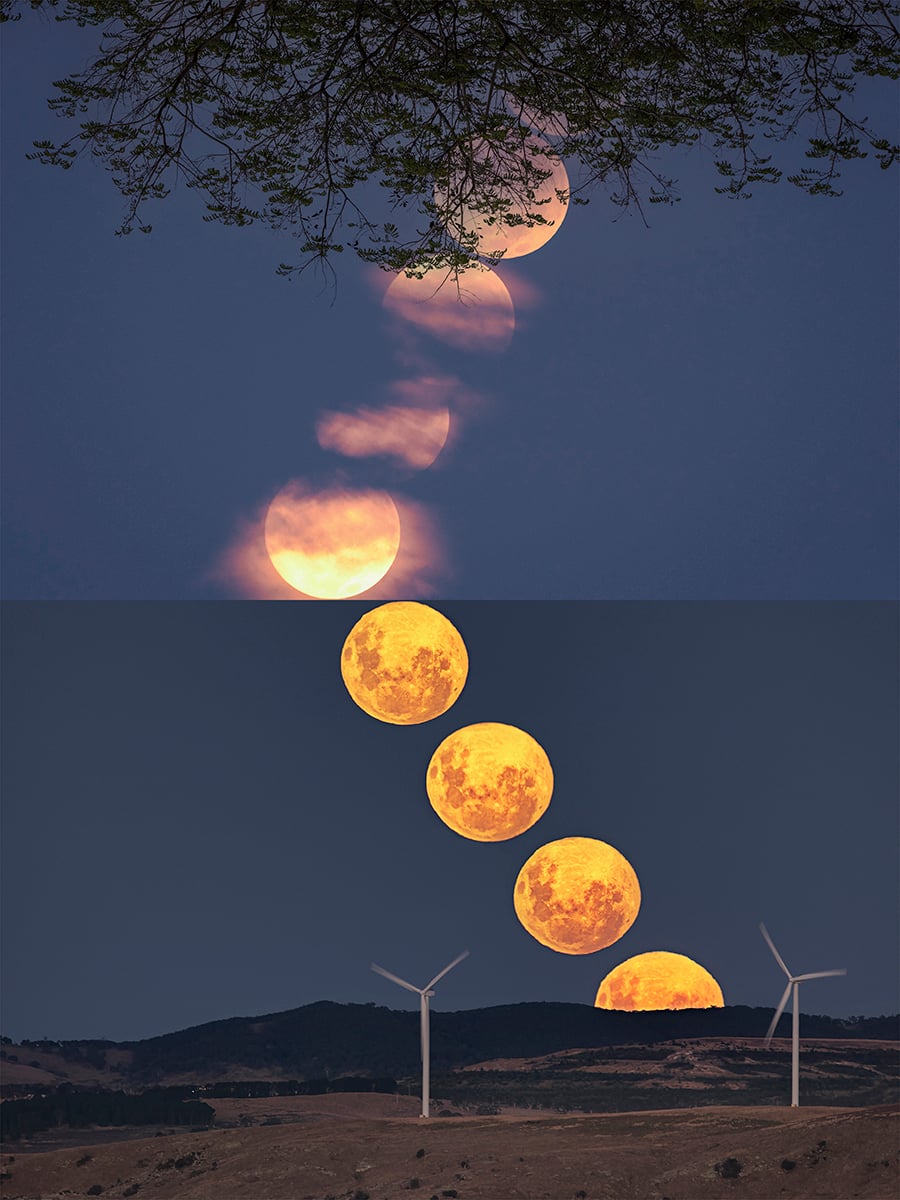
Over time, the Cold Moon gathered layers of meaning beyond the practical. In folklore, this moon symbolized endurance, rest, and introspection. Long nights encouraged people to gather around firelight, share stories, and slow down after the labor-heavy months of harvest. Some traditions also saw the Cold Moon as a moment of cleansing, a time to release what the year carried and step into winter with a quiet mind.
Even today, the name carries a certain emotional weight. It reminds us of stillness, of breath hanging in cold air, of quiet evenings when the Moon feels like a companion. Modern rituals may not look the same as ancestral ones, but people still use the December full moon as a chance to reflect, reset, or simply enjoy the peace that winter offers.

What exactly is a Supermoon?
A supermoon happens when the full moon coincides with the Moon’s closest point to Earth in its elliptical orbit. This position, called perigee, makes the Moon look slightly larger and brighter than usual. The difference isn’t extreme; you won’t see a giant moon filling half the sky, but the enhancement is real enough for the eye to catch.
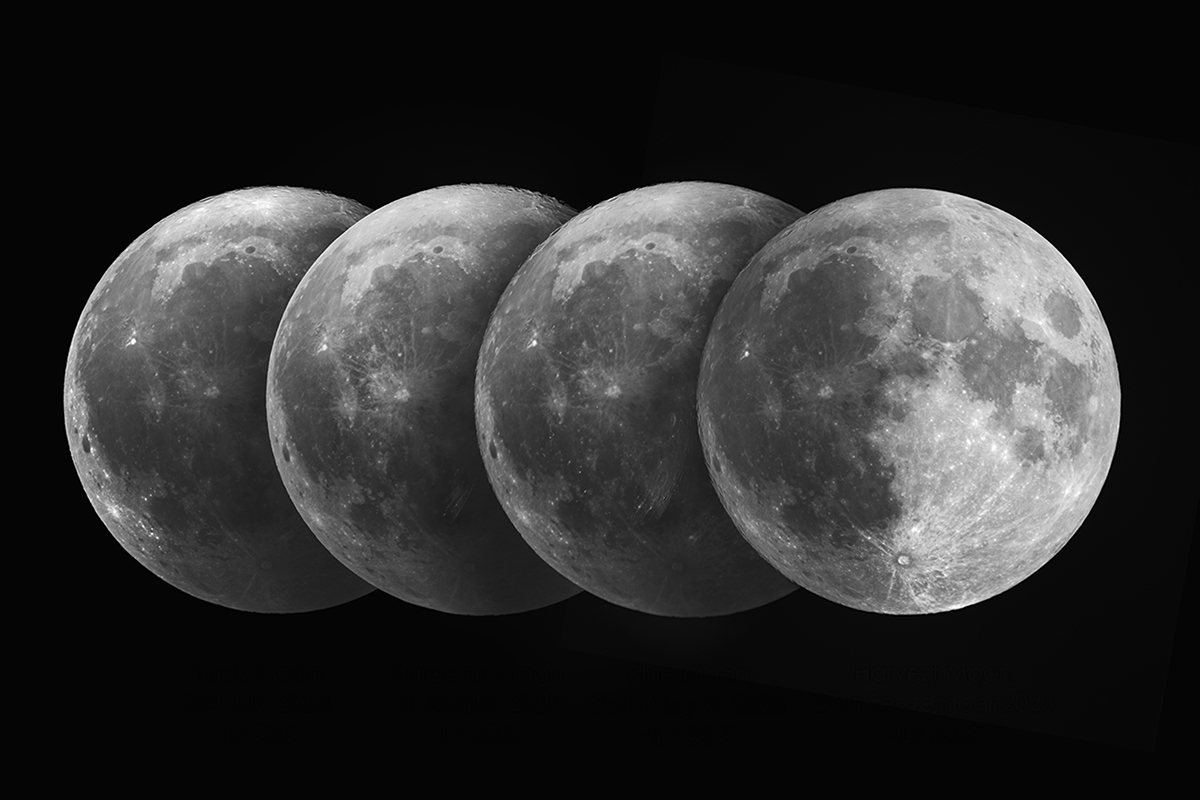
You may notice the effect most when the Moon rises near the horizon. Partly because it’s actually closer, and partly because of the well-known “moon illusion,” the lunar disc appears impressively large as it lifts above buildings, hills, or treetops.
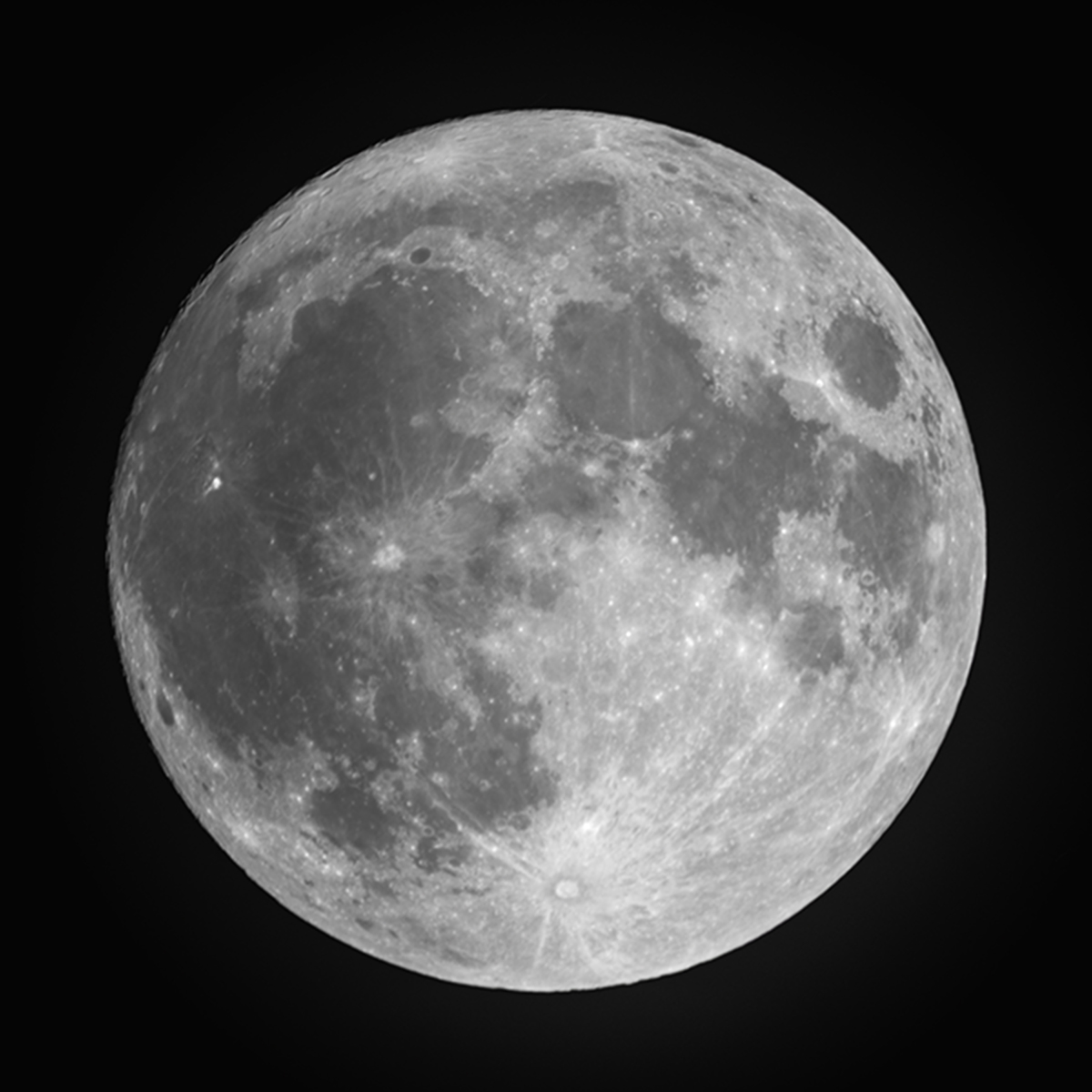
Supermoons are also great for photography. The extra brightness can bring out sharp crater shadows and highlight the texture of lunar maria. Even casual observers sense something different; the Moon looks crisp, bold, and commanding. The December Cold Moon combines this visual boost with the stillness of early winter, creating a perfect atmosphere for moon-watching.

Where the Cold Supermoon will be most visible in the USA
The Cold Supermoon of December 2025 will be visible across the entire United States. According to visibility patterns described by Action Network, the clearest and most striking views often occur in regions with dry air and minimal cloud cover, a combination that favors much of the American Southwest. Cities in Arizona, New Mexico, Utah, and Nevada often enjoy crisp winter skies, making the supermoon appear especially sharp.
According to the Action Network, here are the top states for viewing the Cold Supermoon:
- New Mexico
- Arizona
- Colorado
- Nevada
- Wyoming
- California
- Kansas
- Hawaii
- Texas
- Utah
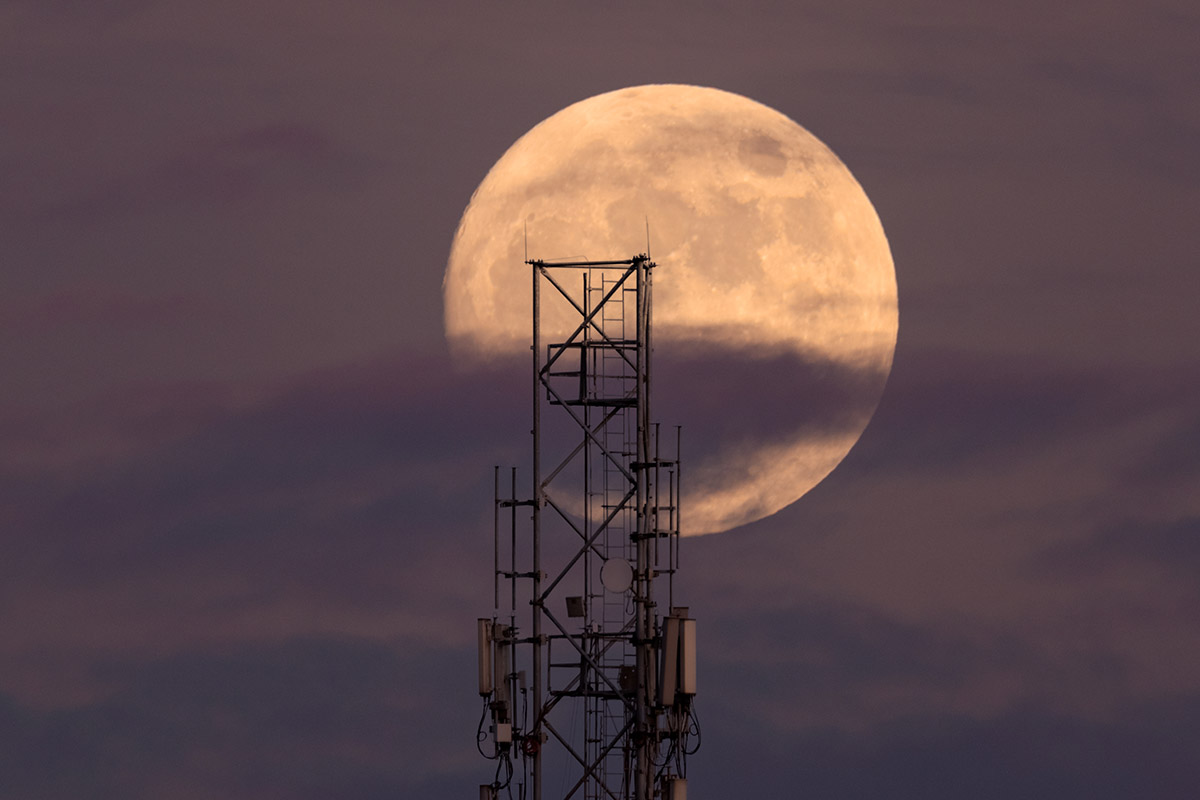
Moonrise will be the showstopper moment. As the full moon climbs just after sunset, it frames itself against the horizon and looks larger than later in the night. On the East Coast, major cities like New York, Boston, and Washington, D.C. will see the moon rise roughly 20–40 minutes after sunset. In the Midwest and Southern states, the view will be just as impressive, with wide open landscapes and long sightlines offering dramatic foregrounds.
West Coast observers, from Seattle to Los Angeles, will also get a clean, bright view, with the moon appearing over the Pacific or rising over coastal hills, depending on location.
Wherever you are, an open spot facing east is all you need: a park, a rooftop, a lakeside, or even the end of your street. Light pollution won’t hide a full supermoon. As long as the horizon is clear, the Cold Moon will dominate the sky.
How to photograph the Cold Supermoon
The best part of a supermoon is that you don’t need advanced gear to capture it well. But if you enjoy photography, especially astrophotography, this is an excellent opportunity to create memorable images. Here’s a practical guide that balances beginner-friendly advice with techniques that experienced photographers appreciate.
Choose the right gear
A telephoto lens is ideal. Focal lengths between 300 mm and 600 mm give you detailed, high-contrast shots of the lunar surface. If you own a telescope with a camera adapter, even better. Pair it with a DSLR or a mirrorless camera.
A sturdy tripod is essential. The Moon is bright, but even slight movement will blur fine details. Use a remote shutter or a 2-second timer to prevent vibrations.
Start with simple, reliable settings
The full moon behaves almost like a daylight subject, incredibly bright. A good baseline exposure is:
These settings give you sharp, textured surface detail without blowing out the highlights. However, note that these settings are only indicative. You are the one who will decide the perfect shutter speed and ISO in the field. Keep an eye on the histogram.
Focus with care
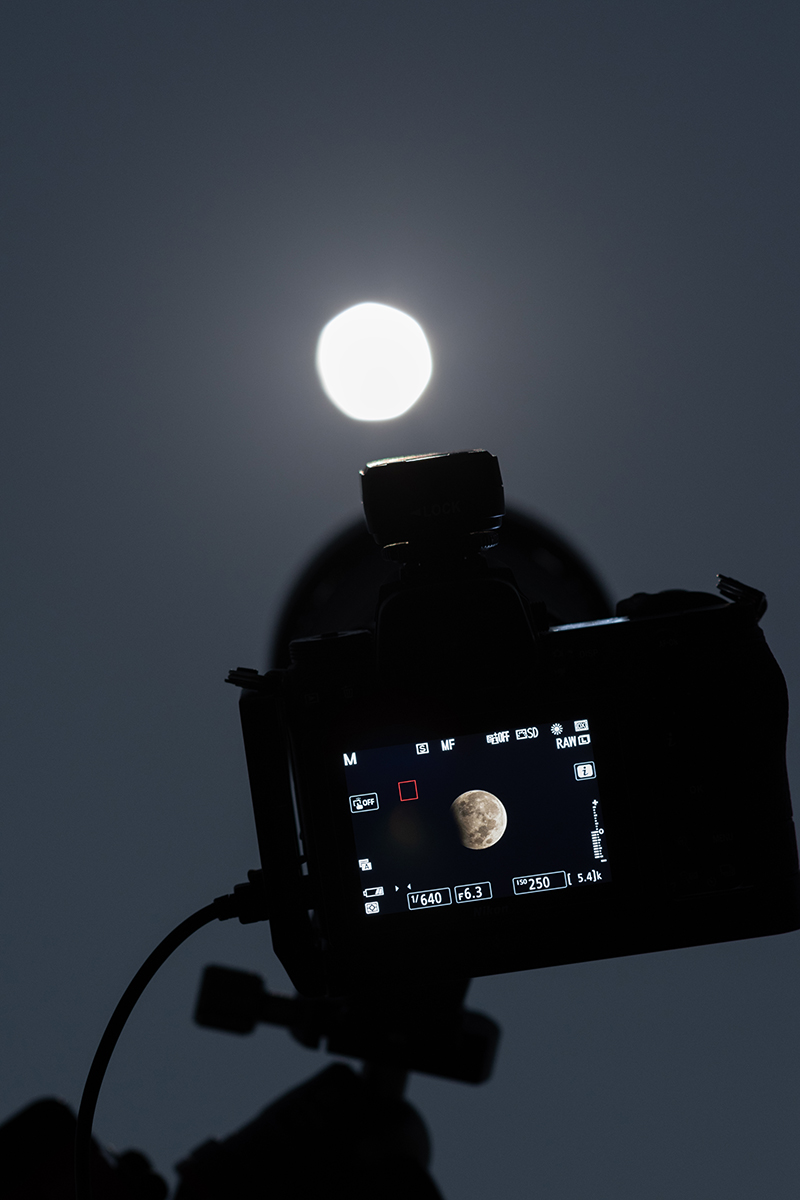
Switch to manual focus. Use Live View and zoom in on the lunar terminator (the edge where light meets shadow). When the craters snap into crisp contrast, you’re in the right spot.
Plan your composition
Some of the best supermoon photos include a foreground. Think of:
- a skyline
- a mountain ridge
- a lighthouse
- a temple or church spire
- a tree line or a water body
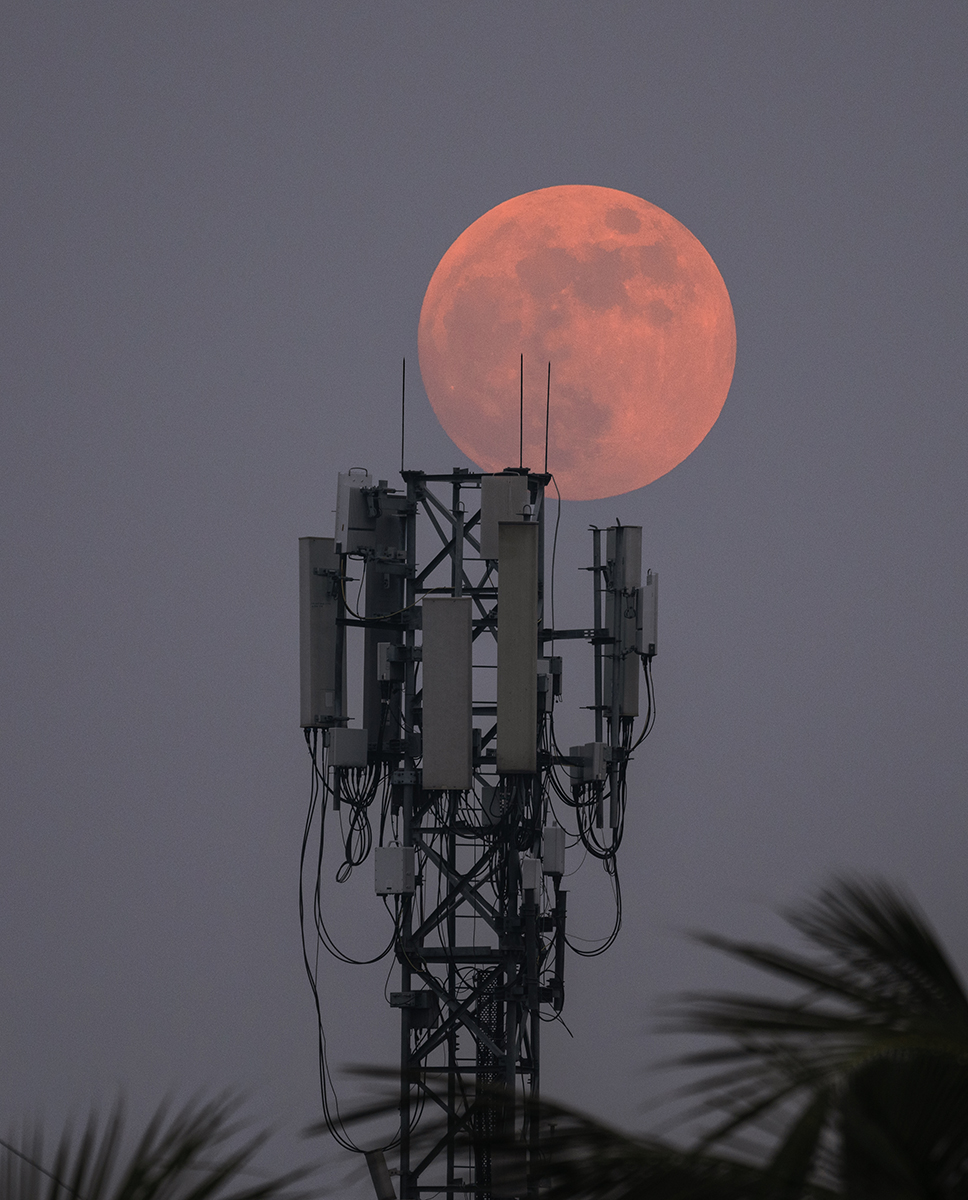
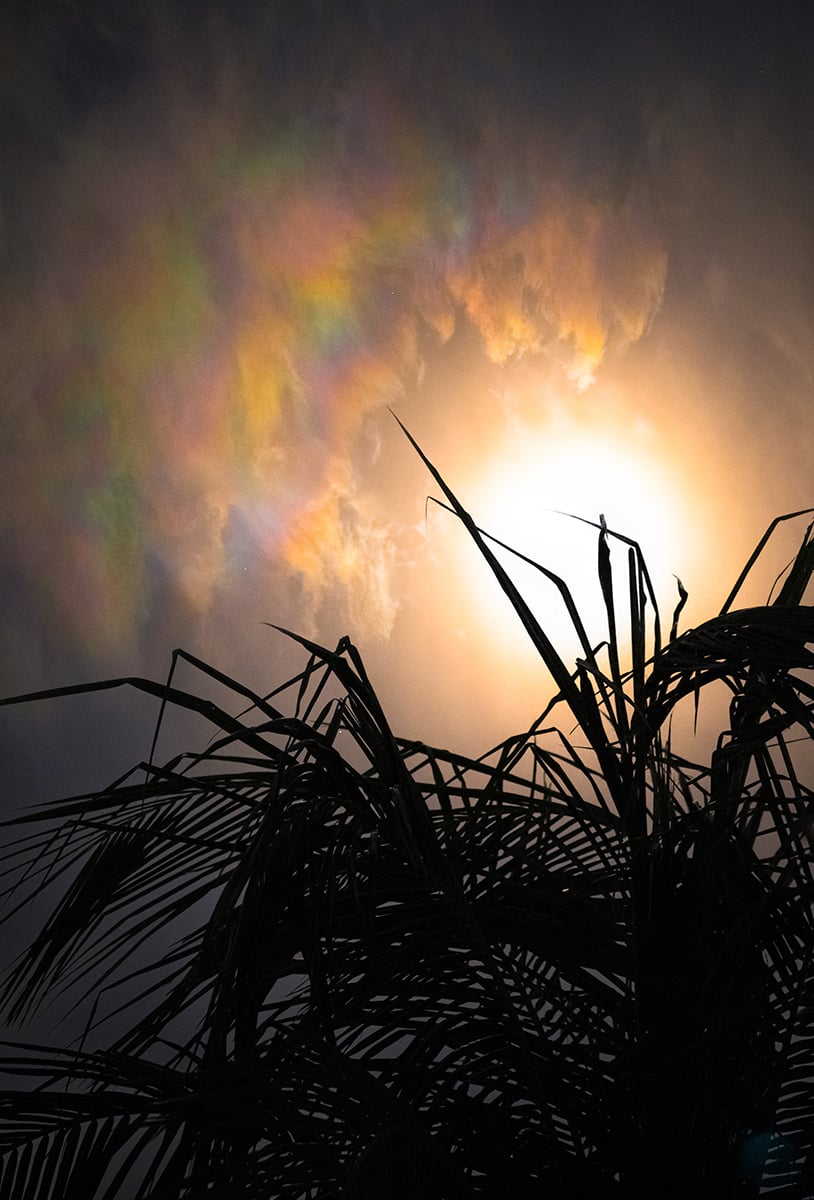
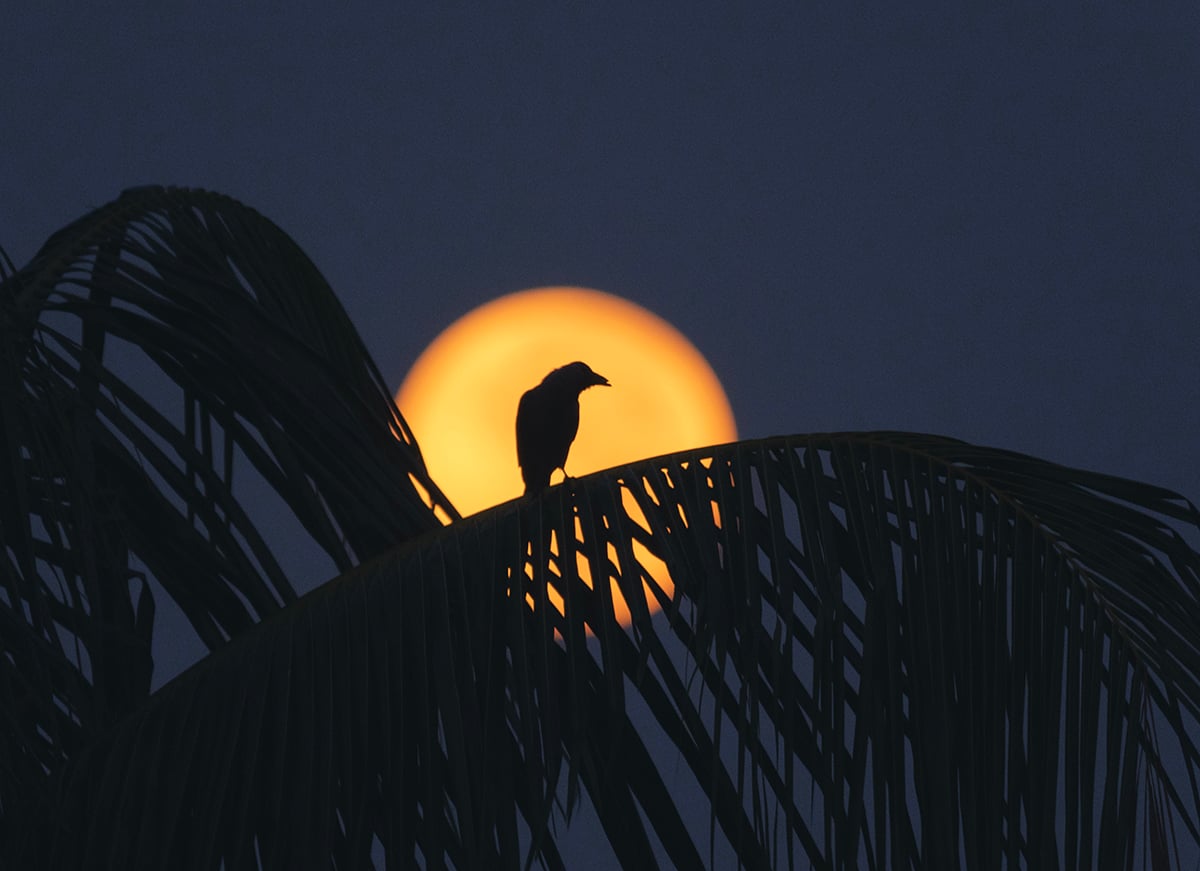
This adds scale and emotion. Without a foreground, a moon photo can look clinical, and with a foreground, it becomes a story. Use apps like PhotoPills to plan exactly where the moon will rise relative to your chosen location.
Try stacking for maximum detail
If you want an extra level of sharpness, take several images and stack them later. Stacking reduces noise and enhances fine texture, especially around crater walls and highland regions. Software like AutoStakkert, RegiStax, or even Photoshop works for this. Preprocess your images before stacking them to make the process faster and easier.
Finish with gentle processing
Here are a few notes on processing your moon images in Lightroom or Photoshop:
- Import your RAW or stacked file and lower the highlights slightly.
- Increase contrast and clarity, but avoid over-sharpening.
- A natural moon photo has a fine, delicate texture, not crunchy edges.
- If you included foreground elements, adjust their exposure separately to keep the scene balanced.
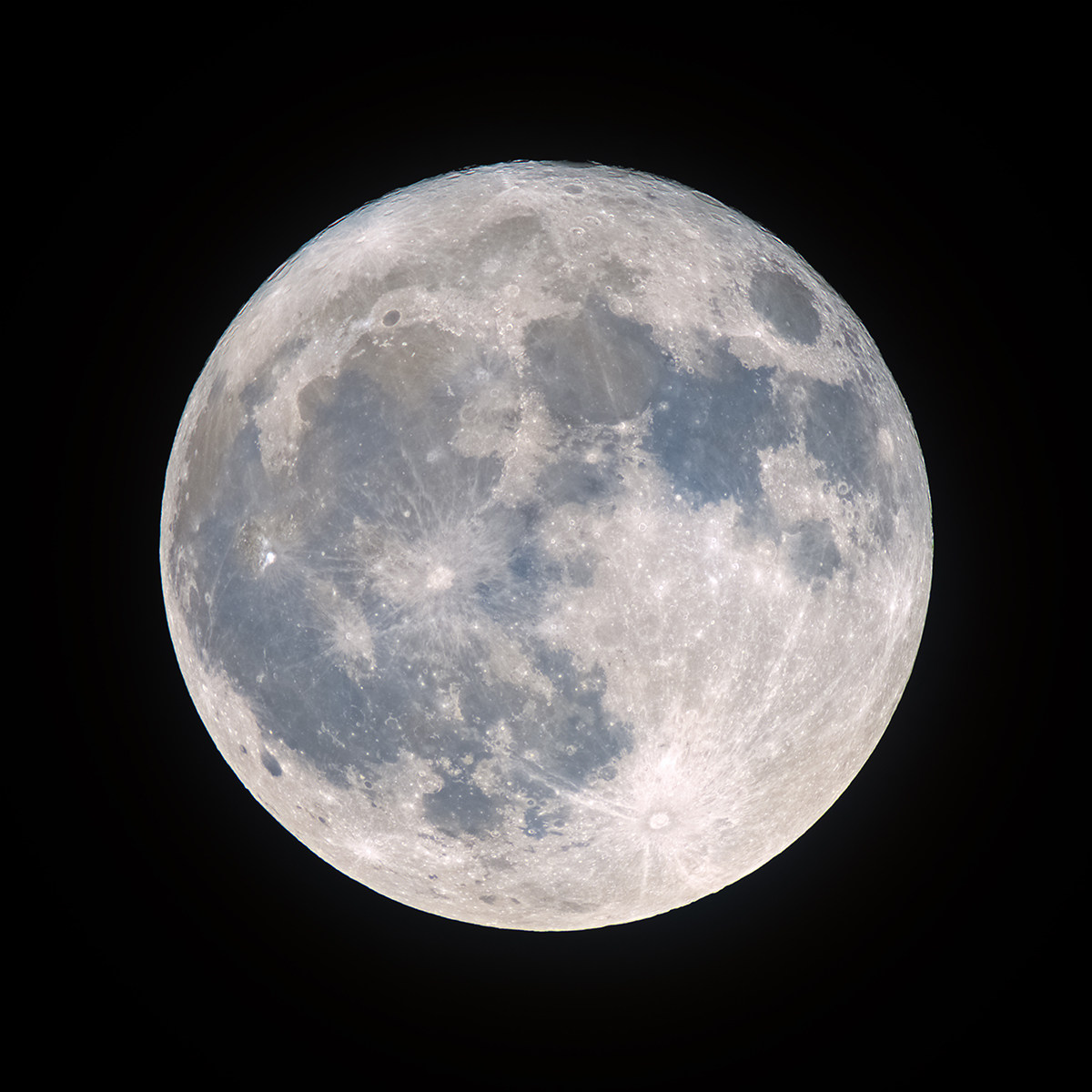
- If you are planning for a “mineral moon”, increase the vibrance and saturation in small steps, while maintaining the colour balance.
Go out and enjoy the Cold Supermoon
The Cold Supermoon of December 2025 arrives at the perfect time of year. Winter stretches in, nights grow deeper, and the world slows down. This supermoon brings light to that quiet, a bright, steady beacon rising above rooftops and hills. It is the final full moon of the year and a moment that invites you to step outside, breathe the cold air, and look up for a few minutes.
Whether you’re watching from a downtown balcony, a quiet field, or your backyard, the Cold Moon has a way of grounding the moment. And if you choose to photograph it, the long winter sky gives you a canvas that feels calm and wide open.
Mark the evening on your calendar. Charge your camera if you plan to shoot. Or just wrap yourself in a warm jacket and step outside after sunset. The Cold Supermoon doesn’t ask for much, only that you look up and enjoy its gentle winter glow.
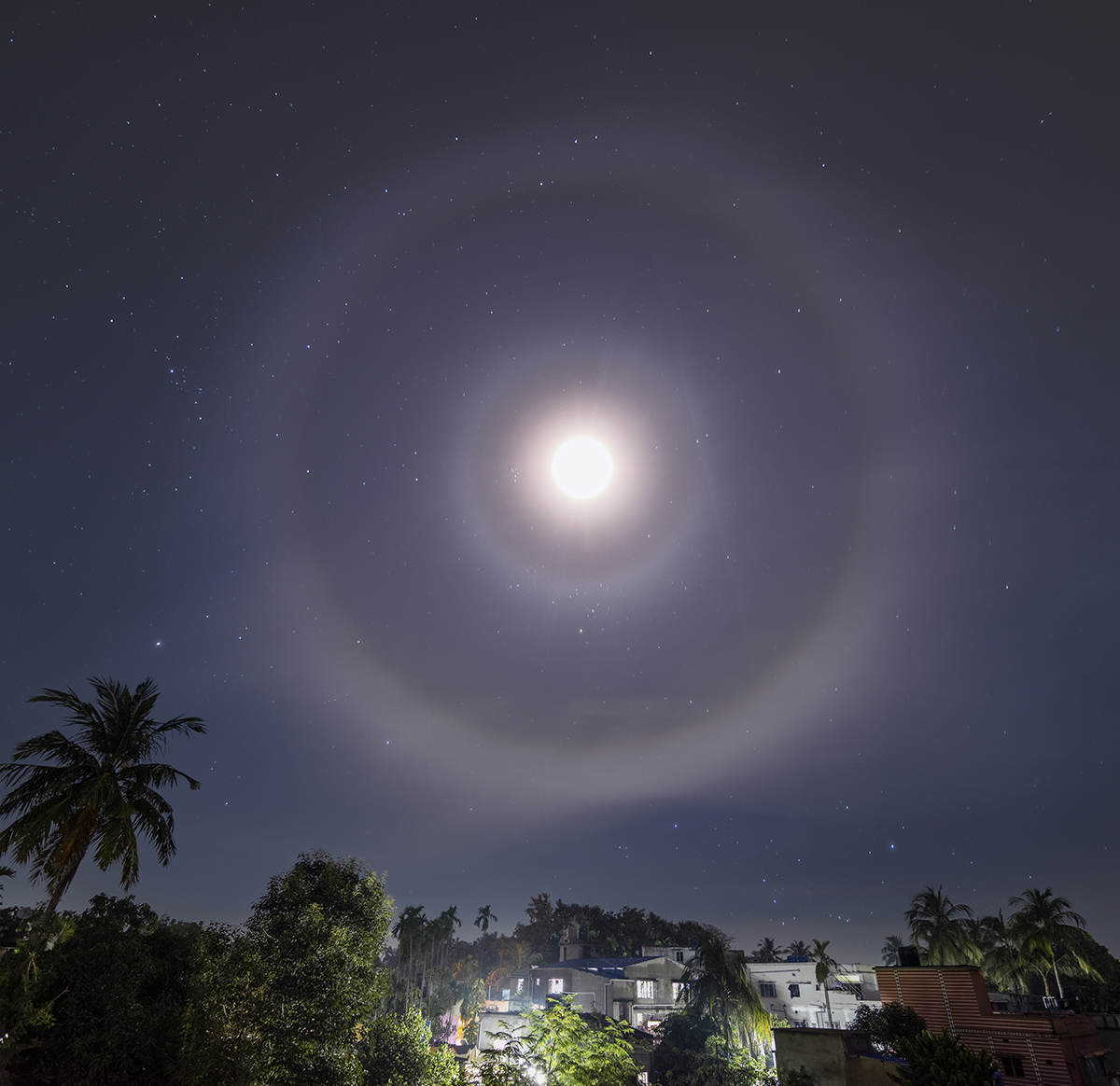
Further readings
Here at DIY Photography, we have a large selection of articles on full moons, lunar photography, and astrophotography. If you love the Moon, here are some of them for you to take a peek:
- Blood Moon Photos: The Total Lunar Eclipse of September 2025
- Buzz Aldrin’s Famous Moon Portrait Just Sold for $32,000
- Photographer Captures the Aurora and Lunar Eclipse in a Once-in-a-Lifetime Photo
- Earth’s shadow cover the moon: Top images of the lunar eclipse
- This Extremely Detailed Moon Image Took over 81,000 Photos and Four Days
- How I created these images: Favourites of 2024 (Part II)
- This is the best time to capture beautiful moon photographs
- What are solar and lunar halos and how to photograph them
- This is why you need to pre-process moon images – a complete guide to using PIPP software
- Urban Astrophotography: 5 things you can photograph from a light-polluted city
- Don’t miss the Supermoon coming up this week: here are our top tips for a successful photo
- It took two months to create this stunning lunar analemma photo
- Super Moon Is Coming June 23rd, Get Your Cameras Ready
- This Amazing Slow Moon Rise Is Not A Timelapse
- Awesome Photo of the International Space Station Over a Full Moon
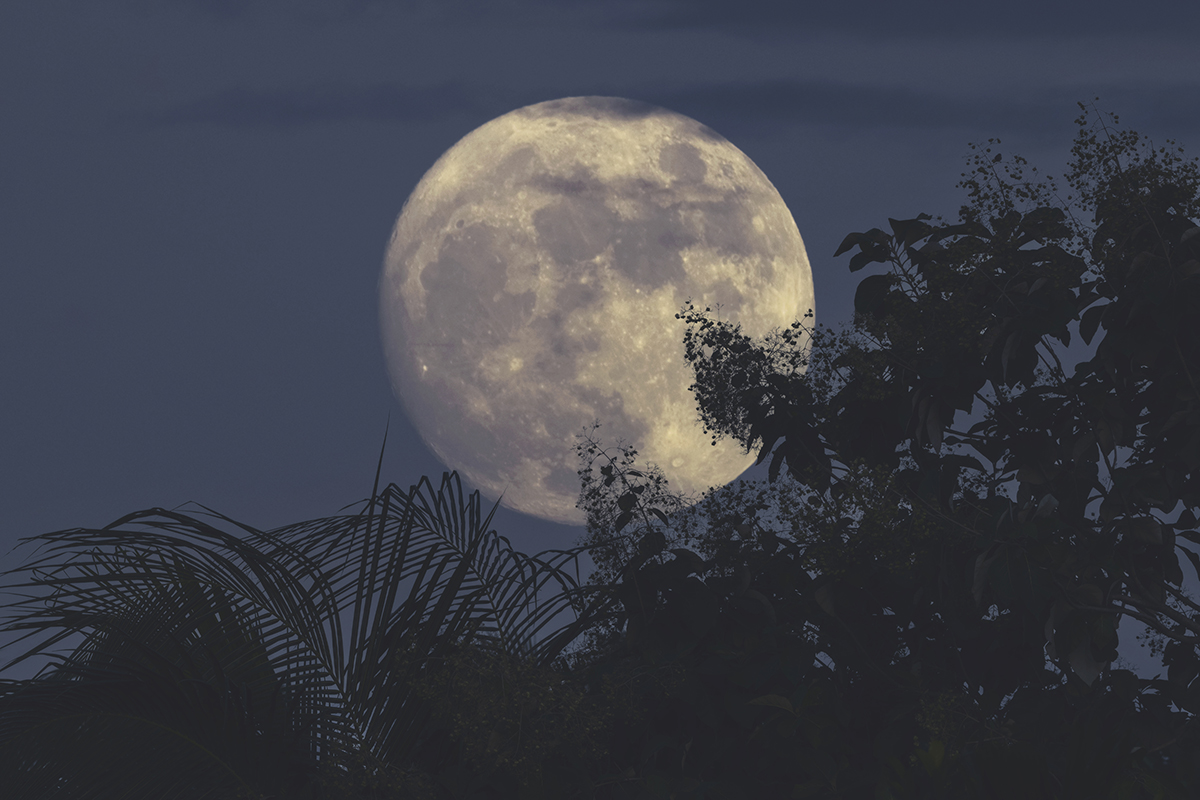
Clear skies!
See more from DIYPhotography.net on Google
Add DIYPhotography.net as a trusted source. This makes
our stories more likely to appear in your Google Search results.
 Add as a preferred source on Google

Soumyadeep Mukherjee
Soumyadeep Mukherjee is an award-winning astrophotographer from India. He has a doctorate degree in Linguistics. His work extends to the sub-genres of nightscape, deep sky, solar, lunar and optical phenomenon photography. He is also a photography educator and has conducted numerous workshops. His works have appeared in over 40 books & magazines including Astronomy, BBC Sky at Night, Sky & Telescope among others, and in various websites including National Geographic, NASA, Forbes. He was the first Indian to win “Astronomy Photographer of the Year” award in a major category.


Join the Discussion
DIYP Comment Policy
Be nice, be on-topic, no personal information or flames.