

























Hubble Captures Two Ancient Star Clusters of the Milky Way
Jul 18, 2026
Soumyadeep Mukherjee
Soumyadeep Mukherjee is an award-winning astrophotographer from India. He has a doctorate degree in Linguistics. His work extends to the sub-genres of nightscape, deep sky, solar, lunar and optical phenomenon photography. He is also a photography educator and has conducted numerous workshops. His works have appeared in over 40 books & magazines including Astronomy, BBC Sky at Night, Sky & Telescope among others, and in various websites including National Geographic, NASA, Forbes. He was the first Indian to win “Astronomy Photographer of the Year” award in a major category.
Share:
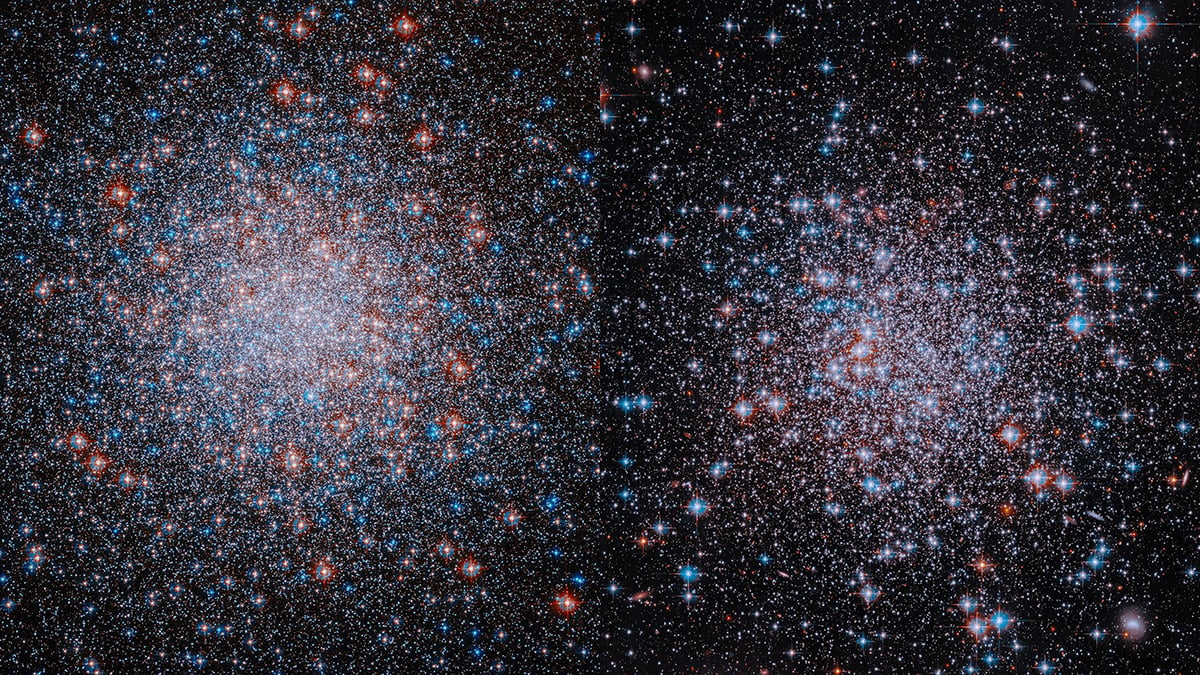
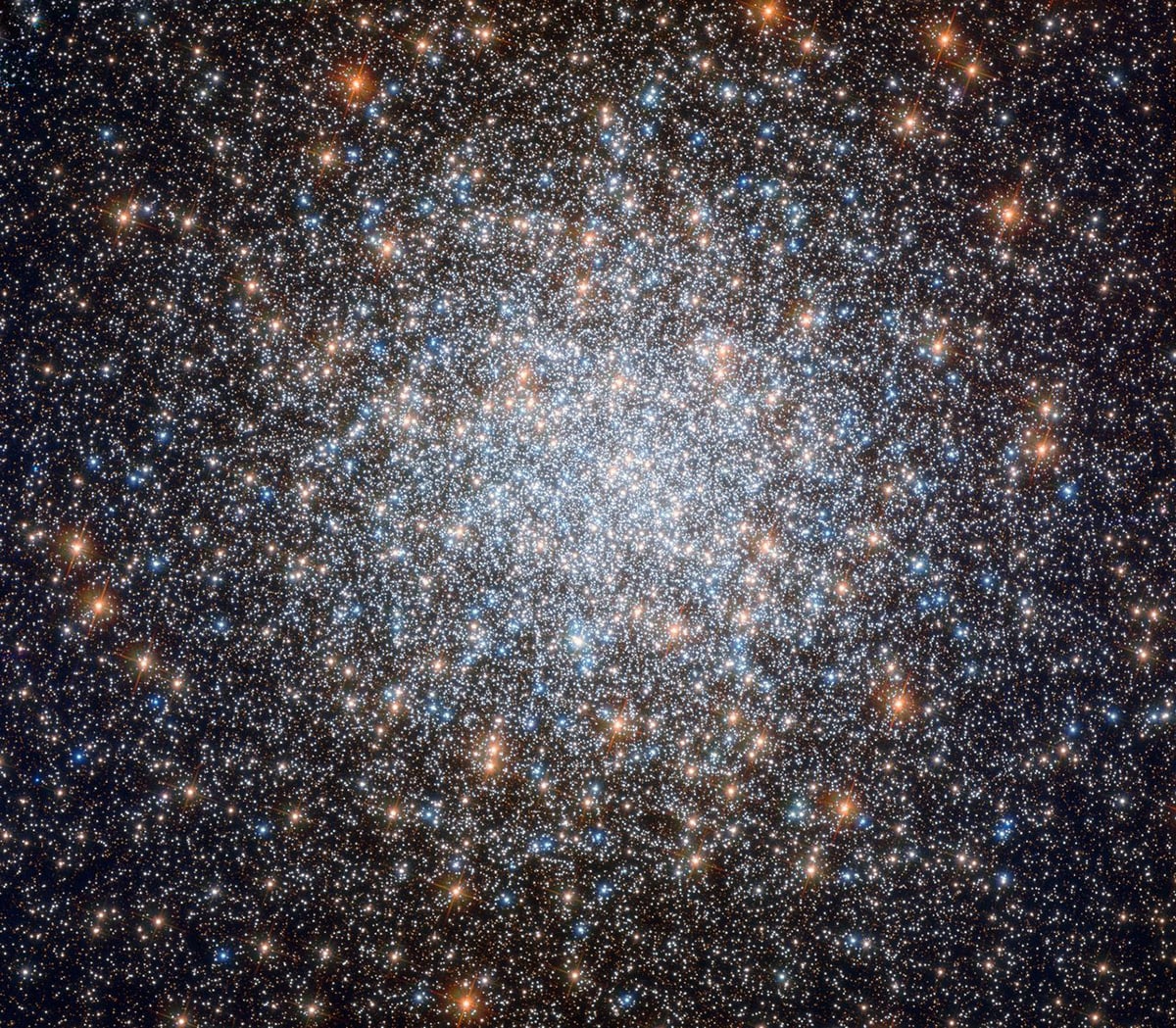
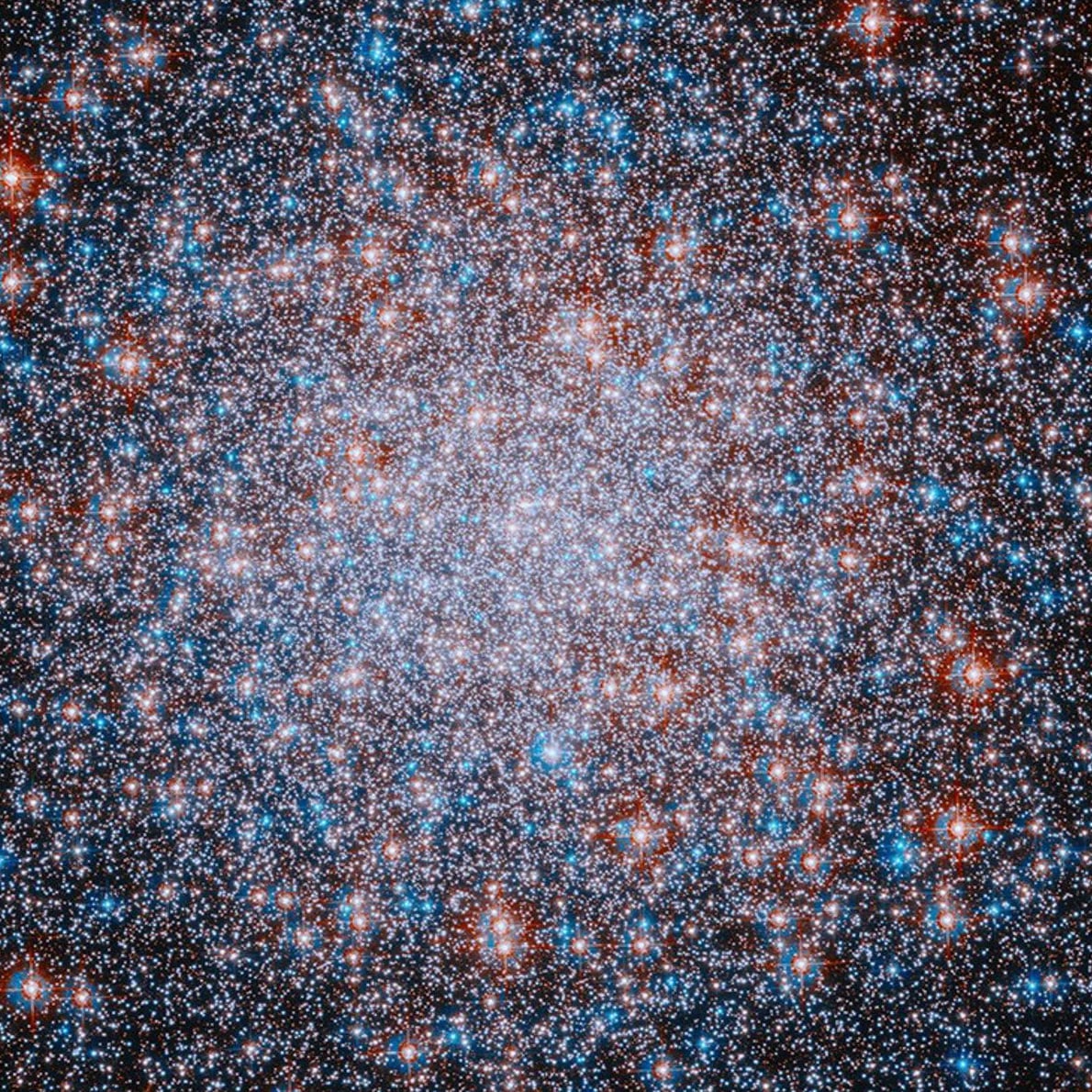
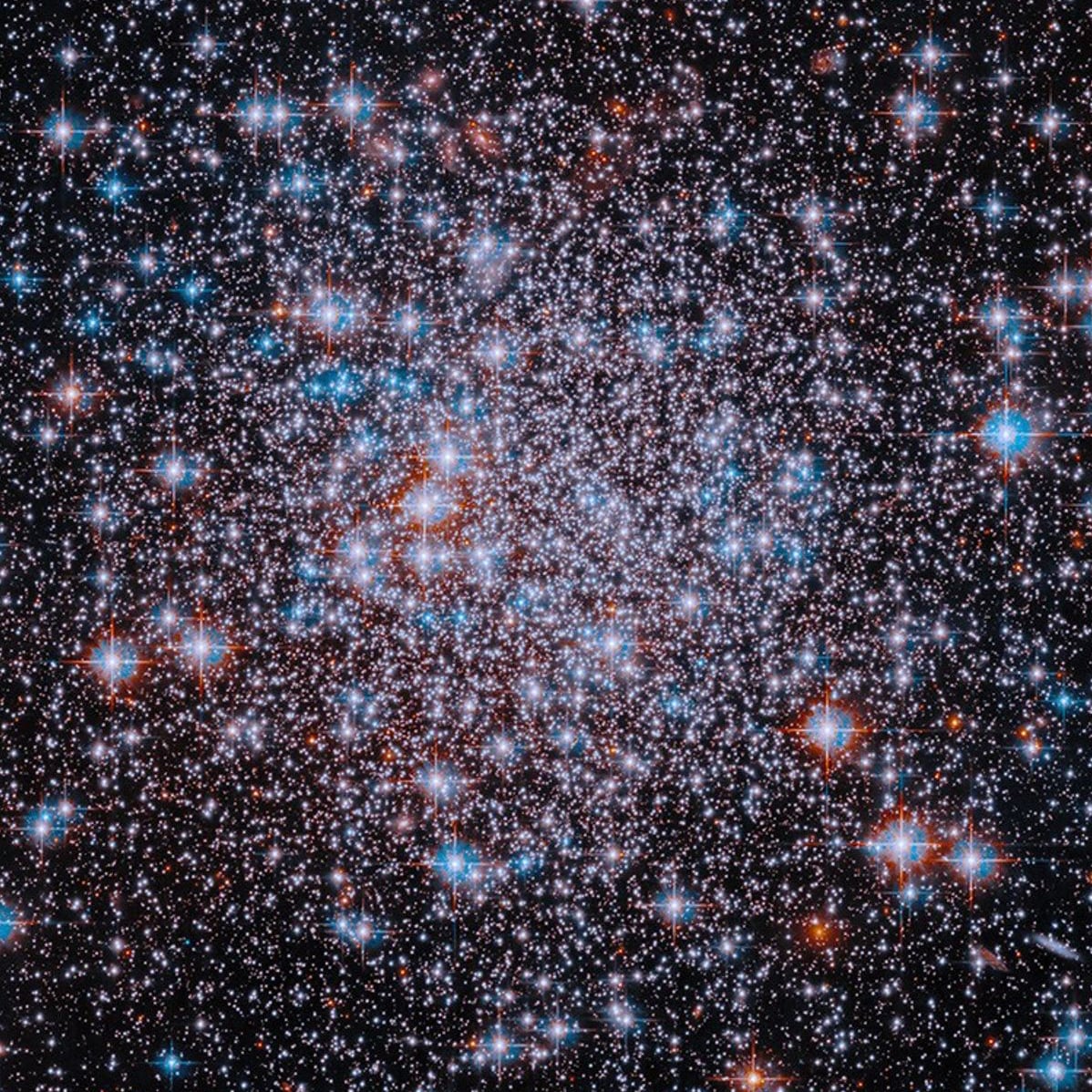
The Hubble Space Telescope has photographed countless wonders over the past three decades, from towering nebulae to distant galaxies billions of light-years away. Yet some of its most fascinating targets lie much closer to home. Earlier this month, NASA released two spectacular Hubble images featuring ancient globular clusters within the Milky Way. Their brilliant red, white, and blue stars resemble fireworks, making them a fitting choice for the Fourth of July celebrations.
The two images showcase Messier 3 (M3) and NGC 6426, two globular clusters that have survived since the earliest days of our galaxy. Packed with hundreds of thousands of stars, these stellar systems are among the oldest known objects in the Milky Way. Astronomers study them as they preserve valuable clues about how our galaxy formed, how its earliest stars evolved, and how the young universe changed over time.
Two images, one story
The first image features Messier 3, commonly referred to as M3. Located in the constellation Canes Venatici, this globular cluster has captivated astronomers for over two centuries. It ranks among the brightest globular clusters visible from Earth and contains an extraordinary number of stars packed into a relatively compact volume of space.
The second image features NGC 6426 in the constellation Ophiuchus. Although far less familiar outside professional astronomy, this cluster has attracted increasing scientific interest because of its extreme age and unusual chemical properties. It resides in the Milky Way‘s outer halo, far from the bright stellar disk that dominates the night sky.
Despite their different histories, both clusters share one defining characteristic. They formed during the earliest stages of the Milky Way’s evolution. Their stars have remained together ever since, surviving repeated journeys around the galaxy while preserving evidence of conditions that disappeared billions of years ago.
Messier 3: A popular stellar city
Among all the globular clusters orbiting the Milky Way, Messier 3 remains one of the best studied. French astronomer Charles Messier discovered it in 1764 while compiling his famous catalogue of objects that could be mistaken for comets. More than 260 years later, astronomers still consider it one of the finest examples of a globular cluster.
Messier 3 lies about 34,000 light-years from Earth. It contains more than 500,000 stars concentrated within a region only a few hundred light-years across. The stellar density increases dramatically toward the centre, where neighbouring stars lie far closer together than those in our own region of the galaxy.
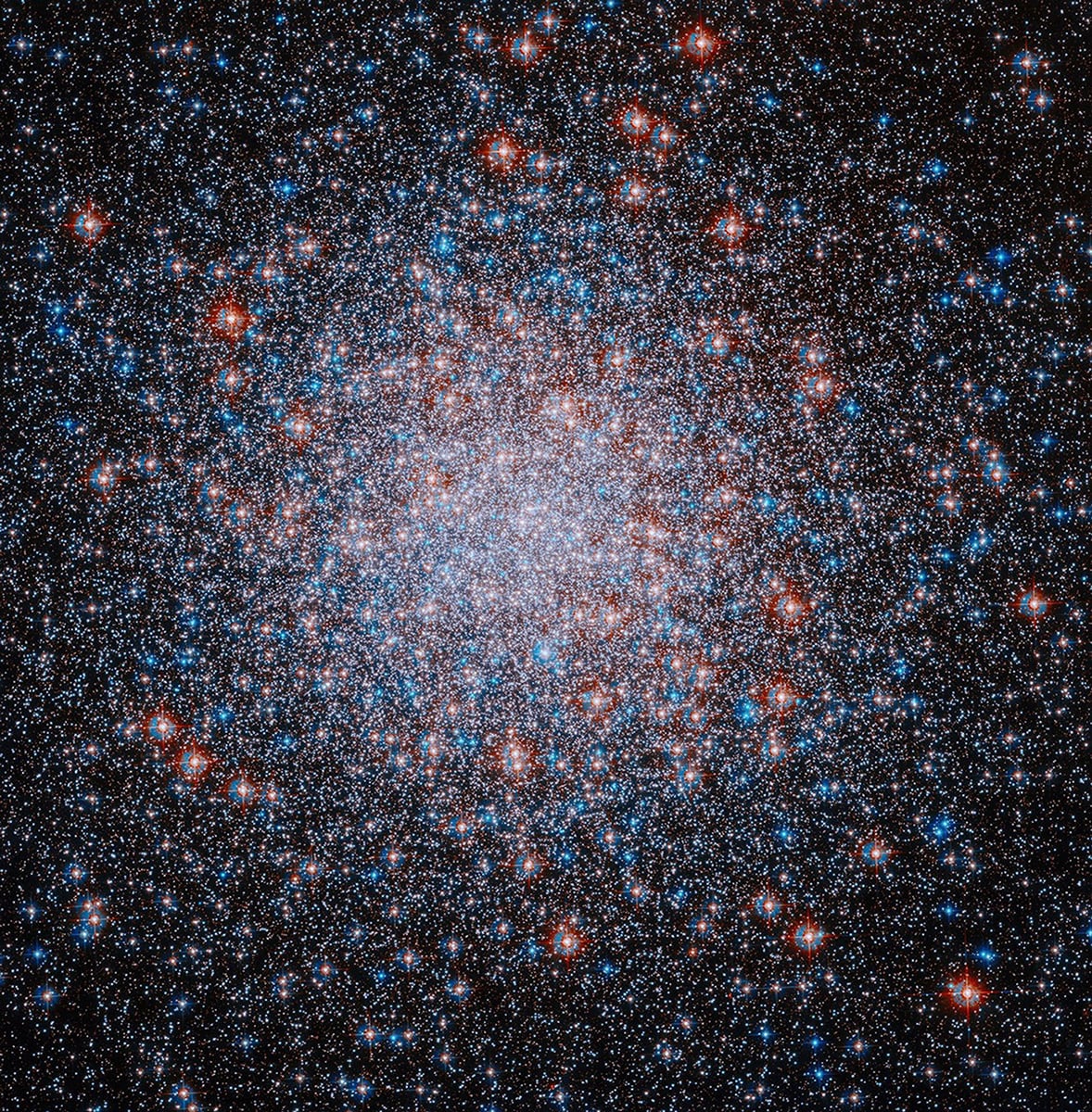
Messier 3 has earned particular fame for its remarkable collection of variable stars. Astronomers have identified more than 270 variable stars within the cluster, including one of the largest known populations of RR Lyrae variables.
Recent studies have added another layer to Messier 3’s history. Some researchers now suggest that the cluster may have formed through the merger of two smaller globular clusters early in its evolution. Although astronomers continue to investigate this possibility, the idea illustrates how even seemingly simple stellar systems can have surprisingly complex histories.
NGC 6426: One of the Milky Way’s oldest residents
NGC 6426 lies about 67,000 light-years from Earth in the constellation Ophiuchus. It orbits in the Milky Way‘s outer halo, far beyond the bright spiral disk where the Sun resides. This region contains some of the galaxy’s oldest stars and star clusters. Many of them formed before the Milky Way settled into the structure we see today.
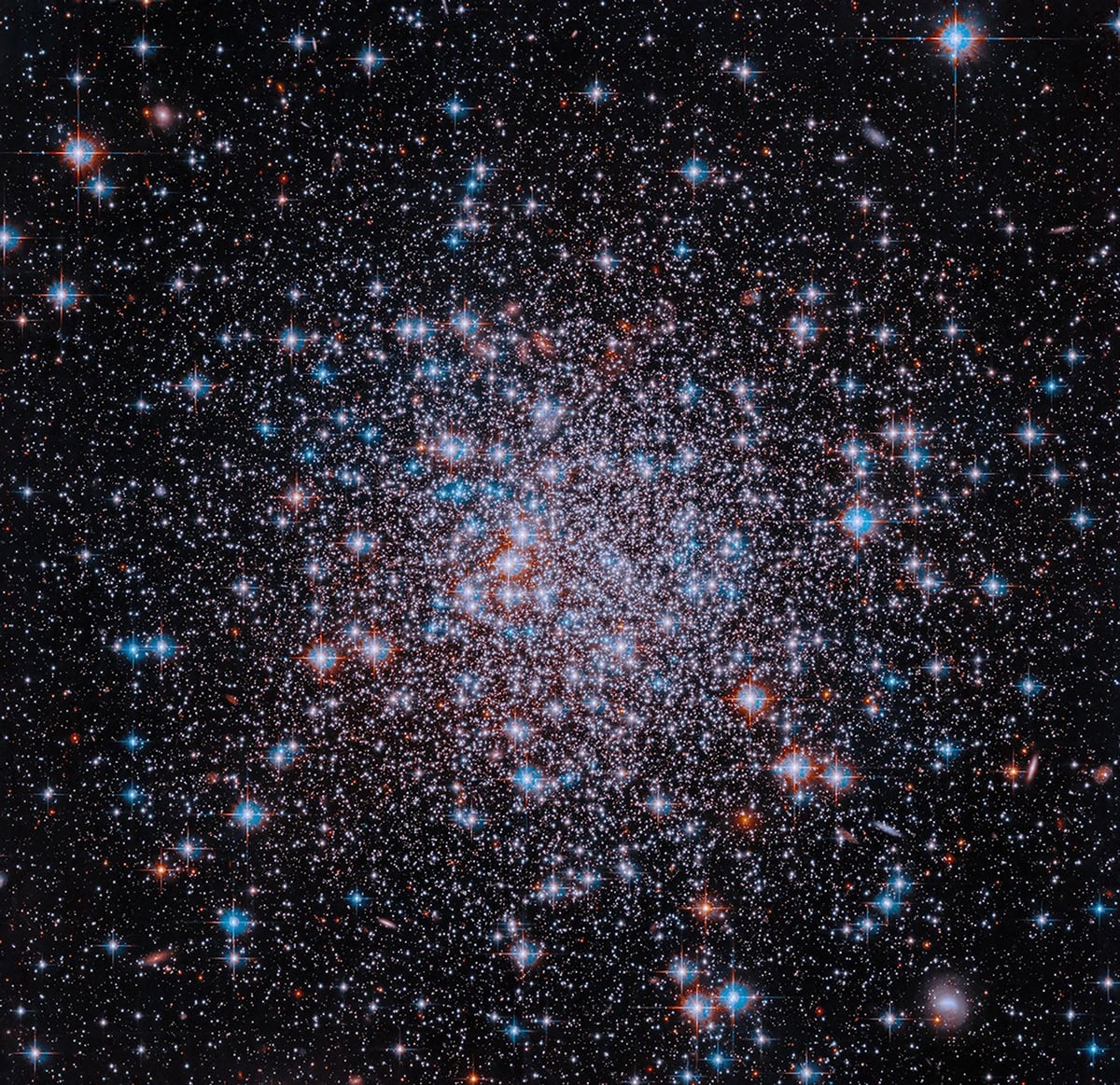
Astronomers estimate that NGC 6426 formed nearly 13 billion years ago. At that time, the universe itself was still very young. Galaxies were only beginning to take shape, and the first generations of stars had started enriching space with heavier elements. Because so few stellar systems from that period have survived, every ancient globular cluster becomes an important record of cosmic history.
NASA observed NGC 6426 as part of a long-term Hubble programme designed to measure the ages of globular clusters in the Milky Way’s halo. These observations help researchers place individual clusters on a timeline and compare them with theoretical models of galaxy formation. As astronomers improve those age estimates, they also refine their understanding of when different parts of the Milky Way assembled.
Clear skies!
See more from DIYPhotography.net on Google
Add DIYPhotography.net as a trusted source. This makes
our stories more likely to appear in your Google Search results.
 Add as a preferred source on Google

Soumyadeep Mukherjee
Soumyadeep Mukherjee is an award-winning astrophotographer from India. He has a doctorate degree in Linguistics. His work extends to the sub-genres of nightscape, deep sky, solar, lunar and optical phenomenon photography. He is also a photography educator and has conducted numerous workshops. His works have appeared in over 40 books & magazines including Astronomy, BBC Sky at Night, Sky & Telescope among others, and in various websites including National Geographic, NASA, Forbes. He was the first Indian to win “Astronomy Photographer of the Year” award in a major category.


Join the Discussion
DIYP Comment Policy
Be nice, be on-topic, no personal information or flames.