


















Telephoto Lens Explained: What Telephoto Actually Means for Long Exposure
Nov 13, 2025
Darlene Lleno
Darlene Lleno brings a unique perspective to DIY Photography as someone who grew up surrounded by camera gear but chose words over lenses. With five years of writing experience, she specializes in photography content that’s both technically informed and genuinely passionate. Growing up with a photographer twin brother meant camera talk was everyday conversation in her household. While he mastered capturing moments, Darlene discovered she preferred being the subject and the storyteller behind the scenes. As a travel enthusiast and mother of two, she understands the importance of preserving life’s precious moments. When not exploring new destinations or writing for DIY Photography, you’ll find her reading or tending to her garden. Her approach to photography writing is refreshingly authentic, she may not be behind the camera, but she knows exactly what it takes to help others capture the shots that matter most.
Share:

A telephoto lens brings distant subjects closer through longer focal lengths. Most photographers associate these lenses with wildlife or sports photography. But telephoto lens use extends far beyond action shots. These lenses create unique long exposure images that wide-angle glass simply cannot match.
The telephoto lens definition includes any lens with a focal length above 70mm. These optics compress perspective and magnify distant elements. Combine this with slow shutter speeds and remarkable effects emerge. Moving clouds streak differently. Water patterns transform. Light trails become more dramatic.
What Makes a Telephoto Lens Different
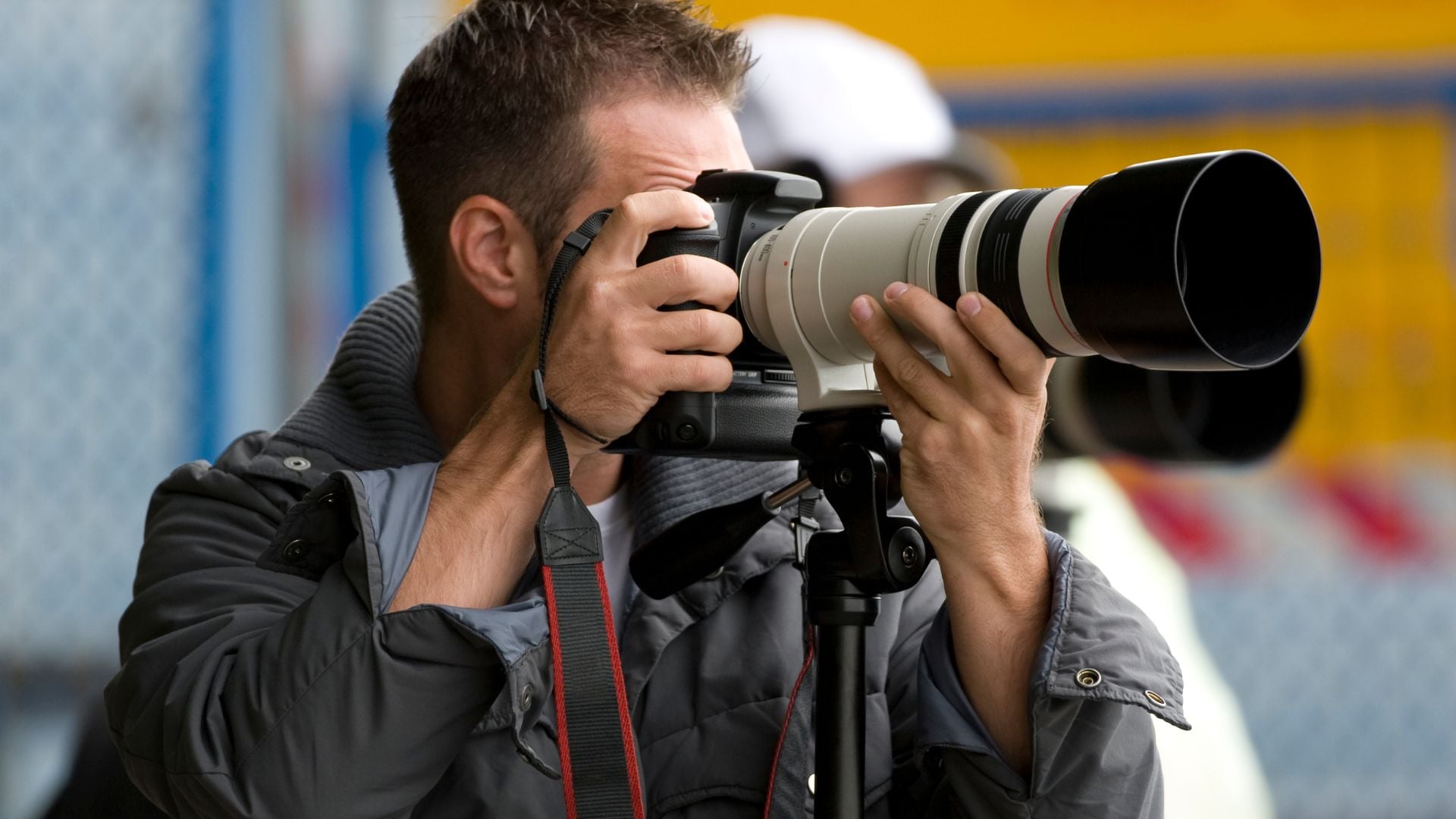
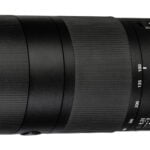
Understanding telephoto lens characteristics helps you use them effectively. The physical construction differs from standard lenses. An internal telephoto group extends the light path. This design makes the lens shorter than its focal length suggests.
A 400mm telephoto lens measures less than 400mm long. The optical center sits in front of the physical construction. This engineering breakthrough allows manageable lens sizes. Without it, long focal length lenses would become impossibly unwieldy.
Focal Length Ranges Explained
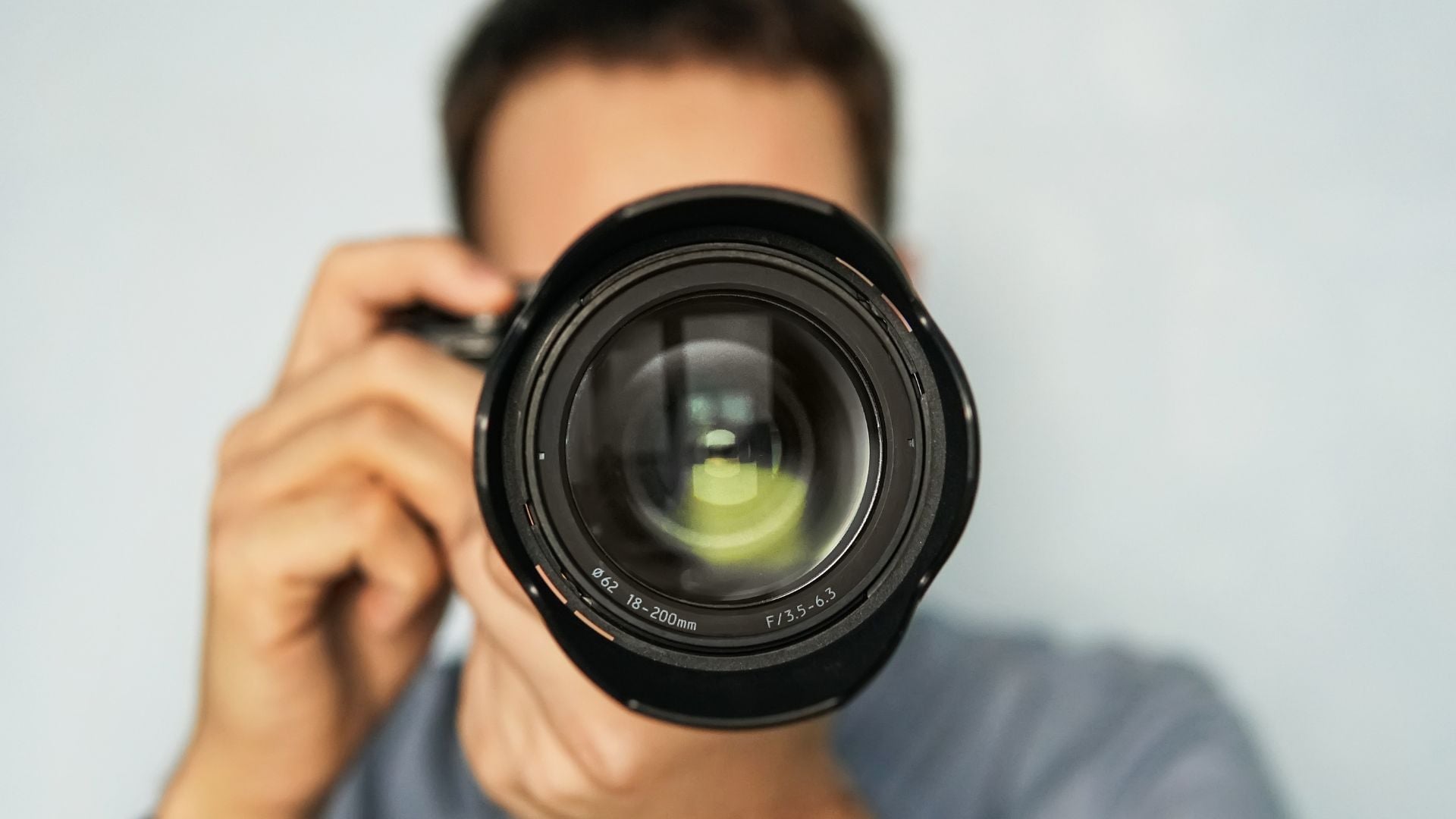
Short telephoto lenses start around 70mm and extend to 135mm. These work well for portraits and everyday shooting. Medium telephotos span 135mm to 300mm. Wildlife and sports photographers prefer these focal lengths. Super telephotos reach 300mm and beyond. They capture extreme distances with incredible detail.
Each range offers distinct characteristics. Shorter telephoto lenses remain relatively compact and affordable. Longer focal lengths demand larger elements and more robust construction. Weight, size, and price increase dramatically as focal length extends. Choose based on your actual shooting needs.
Compression Effect Basics
Telephoto lenses flatten perspective noticeably. Objects at different distances appear closer together. This compression creates striking visual effects. Mountains seem stacked upon each other. City buildings crowd together dramatically. Waves appear denser and more powerful.
The effect intensifies with longer focal lengths. A 200mm lens shows some compression. A 500mm lens exaggerates it significantly. This characteristic separates telephoto images from wide-angle shots. Use compression creatively to emphasize patterns and density in your scenes.
Why Use Telephoto Lenses for Long Exposure
Combining telephoto focal lengths with long exposure photography creates distinct advantages. The narrow field of view isolates specific elements. You eliminate distracting foregrounds and backgrounds. Moving elements within the compressed frame produce dramatic effects.

Isolating Distant Details
Wide-angle lenses capture entire scenes. Telephoto lenses extract specific moments from those scenes. A distant waterfall becomes your entire frame. Cloud formations above the horizon fill your composition. Waves crashing against rocks dominate the image without shoreline distractions.
This isolation strengthens your compositions significantly. Unnecessary elements disappear. Visual impact increases. The viewer focuses exactly where you intend. Landscape photography transforms when you stop trying to include everything.
Creating Unique Motion Blur
Movement appears differently through telephoto lenses during long exposures. Compressed perspective changes how blur renders. Clouds racing overhead create denser streaks. Water flows gain intensity through compression. Light trails overlap and interweave more dramatically.
Fog moving through distant valleys becomes ethereal with telephoto long exposures. The compression makes wisps appear layered and textured. These effects remain impossible to replicate with wider focal lengths. The telephoto lens changes the fundamental character of motion blur.
Working at Safer Distances
Ocean photography demonstrates this advantage clearly. Photographing waves from too close risks equipment damage. Rogue waves surprise unsuspecting photographers regularly. A telephoto lens lets you maintain safe distances while capturing intimate wave details.
The same principle applies to other hazardous shooting situations. Traffic photography becomes safer from elevated positions. Wildlife remains undisturbed at greater distances. Your safety improves while image quality maintains or increases.
Camera Settings for Telephoto Long Exposures
Telephoto lenses demand specific technical considerations. Camera shake magnifies at longer focal lengths. Any vibration during exposure shows dramatically in final images. Proper technique becomes absolutely critical for sharp results.
Shutter Speed Guidelines
Traditional rules suggest matching shutter speed to focal length minimums. A 200mm lens needs 1/200 second minimum for handheld shots. A 400mm lens requires 1/400 second. These guidelines prevent camera shake in normal shooting.
Long exposure photography breaks these rules intentionally. Your tripod handles stability instead. Shutter speeds extend to seconds or minutes. The longer focal length actually helps during setup. Magnification shows precise framing before you start the exposure.
Aperture Considerations
Most photographers shoot long exposures between f/8 and f/16. These apertures provide optimal sharpness across the frame. Telephoto lenses maintain this requirement. Smaller apertures like f/22 introduce diffraction softening.
However, telephoto lenses offer creative aperture options. The naturally shallow depth of field at f/4 or f/5.6 isolates sharp elements beautifully. Combine selective focus with long exposure blur for unique effects. Sharp rocks contrast against silky water. Stationary trees stay crisp while clouds streak overhead.
ISO Management
Keep ISO as low as your camera allows. Most cameras start at ISO 100. Some offer ISO 50 or 64. Lower ISO reduces noise and maintains image quality. This matters more with telephoto lenses because magnification shows every imperfection.
Long exposures naturally gather significant light. Raise ISO only when absolutely necessary. Modern cameras handle higher ISOs well. But clean base ISO images always look better. Plan exposures around optimal light conditions whenever possible.

Essential Gear for Telephoto Long Exposures
Specific equipment requirements differ from standard long exposure photography. Longer lenses introduce new challenges. Weight distribution changes. Vibration sensitivity increases. Your support system needs upgrades.
Tripod Requirements
Standard lightweight tripods fail with heavy telephoto lenses. The combined weight demands serious support. Carbon fiber tripods offer strength without excessive weight. Ball heads must handle substantial loads without creeping.
Center columns should remain down during exposures. Extending them reduces stability dramatically. Position tripod legs for maximum rigidity. Weight the tripod with your camera bag if wind threatens. Every precaution against movement pays off.
Lens Collar Usage
Telephoto lenses include rotating collars for good reason. Mount the lens rather than the camera body to your tripod. This balances weight properly around the tripod connection. Remove strain from the camera mount.
Tighten the collar securely before shooting. Any play introduces blur during long exposures. Some photographers remove collars to reduce weight. This works for handheld shooting but never for long exposures on tripods.
Remote Release Options
Touching your camera during exposure guarantees blur with telephoto lenses. Remote releases become mandatory equipment. Cable releases work reliably. Wireless remotes offer more flexibility. Timer remotes provide precise exposure control.
Many cameras now include smartphone apps for remote triggering. These work excellently if your phone battery lasts. Always carry backup options. Running out of battery mid-shoot ruins carefully planned sessions.
Neutral Density Filter Selection
ND filters block light to enable longer shutter speeds. Telephoto lenses present filter considerations. Large front elements require expensive filter sizes. Some super-telephoto lenses use rear drop-in filters instead.
Calculating Filter Strength
Medium telephoto lenses use standard screw-on filters. Buy the largest size your lenses need. Step-up rings adapt smaller lenses. Six-stop filters handle most situations well. Ten-stop filters enable extreme daylight exposures.
Calculate required exposure times carefully. Each stop doubles shutter speed. Start with a properly exposed base image without filters. Add your filter and calculate the new time needed. Apps simplify these calculations significantly.
Managing Filter Systems
Square filter systems work beautifully for telephoto work. One set of filters serves multiple lenses. Adapter rings attach the holder to different filter threads. Quality matters enormously with telephoto lenses.
Cheap filters introduce color casts and reduce sharpness. Your expensive telephoto lens deserves quality filters. The magnification reveals every optical flaw. Invest in reputable brands. Good filters last decades with proper care.

Best Subjects for Telephoto Long Exposures
Certain subjects benefit enormously from telephoto compression combined with long exposure motion blur. The technique reveals details and patterns invisible to wide-angle approaches. Look for movement within compressed spaces.
Cloud Formations
Telephoto lenses isolate cloud patterns above horizons beautifully. The compressed perspective stacks cloud layers dramatically. Long exposures create painted streaks across limited sky sections. Golden hour clouds catch light magnificently through longer glass.
Position yourself where cloud movement crosses your frame horizontally. Side-lit clouds show the most texture and dimension. Expose for 30 seconds to several minutes depending on wind speed. Faster clouds need shorter times to maintain definition.
Waterfall Details
Wide-angle waterfall shots include surrounding contexts. Telephoto approaches extract specific cascade patterns. Focus on water splitting around rocks. Capture the texture where flows converge and separate. Single drops become entire compositions.
These intimate waterfall views require careful shutter speed selection. Too fast and water looks frozen and harsh. Too slow and all texture disappears. Experiment with times between one-half second and three seconds. Find the balance showing both flow and character.
Mountain Peak Isolation
Distant mountain ranges compress beautifully through telephoto lenses. Long exposures smooth out any cloud movement behind peaks. The combination emphasizes mountain forms against simplified skies. This approach works particularly well during transitional light.
Shoot shortly after sunrise or before sunset. Side lighting reveals ridge textures. Clouds often move fastest during these times too. The compression makes multiple peaks appear as overlapping silhouettes. Simple, powerful compositions emerge naturally.
Common Challenges and Solutions
Telephoto long exposure photography presents unique technical hurdles. Understanding these challenges beforehand prevents frustration. Most problems have straightforward solutions once you recognize them.
Vibration Issues
Even stable tripods transmit vibrations with telephoto lenses. Wind hitting the lens barrel causes movement. Mirror slap in DSLRs shakes the system. These tiny movements blur images despite careful setup.
Enable mirror lockup in your camera settings. This raises the mirror seconds before the shutter opens. Vibration dampens before exposure begins. Mirrorless cameras avoid this problem entirely. Cover your lens with a jacket during windy conditions. Wait for calmer moments when possible.
Focus Accuracy
Telephoto lenses compress depth of field dramatically. Focus errors become immediately obvious. Autofocus sometimes hunts through ND filters. Manual focus through dark filters proves difficult too.
Always focus before adding ND filters. Set your focus point carefully. Switch to manual focus mode. Add your filters without touching the focus ring. Take a test shot to verify sharpness. Review at 100% magnification before committing to long exposures.
Heat Shimmer Effects
Photographing across long distances introduces atmospheric distortion. Heat rising from ground creates shimmer. This appears as wavering softness in your images. Telephoto lenses magnify these effects significantly.
Shoot during cooler parts of the day when possible. Early morning offers the clearest air. Late evening works well too. Elevated positions reduce the amount of air between camera and subject. Accept that some subjects simply won’t work on hot days.
Creative Techniques to Explore
Once you master basic telephoto long exposures, creative experimentation begins. Push beyond standard approaches. Combine techniques for unique results. Your telephoto lens opens countless possibilities.
Panning with Long Exposures
Most long exposures use static tripods. Try panning your camera during exposure instead. Follow cloud movement horizontally. Track fog rolling across valleys. The compression creates abstract color blends.
Use exposures around one-eighth second for this technique. Too long and everything becomes completely abstract. Too short and motion appears jerky. Practice timing your pan to match subject movement. Results vary dramatically shot to shot. The unpredictability adds excitement.
Selective Blur Combinations
Sharp elements contrast beautifully against motion blur. Telephoto lenses excel at isolating both. Position stationary rocks in your foreground. Let distant water blur silky smooth behind them. The compression brings these elements closer visually.
Choose apertures that keep your static elements sharp. F/8 or f/11 work well. The shallow depth of field at longer focal lengths helps separate planes. Experiment with focus points. Different distances create varying amounts of background blur.
Light Trail Compression
Traffic light trails look entirely different through telephoto lenses. The compression layers multiple vehicles together. Streaks overlap and interweave. Colors blend more dramatically. Single frames capture the entire traffic rhythm.
Position yourself perpendicular to traffic flow. Cars moving toward or away from you work less effectively. Expose for 15 to 30 seconds during blue hour. The ambient light balances nicely with light trails. Urban canyons with tall buildings add vertical compression too.

Post-Processing Considerations
Telephoto long exposures require specific editing approaches. The compressed perspective changes how adjustments affect images. Atmospheric haze increases with distance. Color shifts need correction more often than wide-angle shots.
Contrast and Clarity
Telephoto shots often lack contrast due to atmospheric effects. Distant subjects appear flat and muted. Add contrast gradually during editing. Don’t overdo initial adjustments. Build contrast through multiple subtle increases.
Clarity adjustments help with distant details. But excessive clarity creates halos and artifacts. Apply locally rather than globally. Use masks to target only distant elements. Preserve natural smoothness in motion-blurred areas.
Color Temperature Shifts
Distance introduces color temperature shifts. Atmospheric particles scatter light differently across the spectrum. Blue tones dominate distant elements. Warmer tones fade in hazy conditions. These shifts rarely look natural in final images.
Correct white balance carefully during raw processing. Warm up distant elements slightly. Match color temperatures across different depth planes. Use graduated adjustments when necessary. Balance often improves images dramatically without obvious manipulation.
Telephoto lenses transform long exposure photography completely. The compressed perspective creates images impossible with other focal lengths. Combined with slow shutter speeds, these lenses reveal hidden patterns and movements. Distance becomes intimate through magnification and selective framing. Master the technique and your landscape photography reaches new creative heights.
Telephoto Lens vs. Zoom Lens: They’re Not the Same Thing
Many photographers use these terms interchangeably, but they mean different things. A telephoto lens has a focal length above 70mm and brings distant subjects closer. A zoom lens adjusts between multiple focal lengths. You can have a telephoto zoom (like 70-200mm) or a telephoto prime (fixed 85mm). All telephotos magnify distance. Not all zoom lenses are telephotos. Some zooms stay in wide-angle ranges entirely.
See more from DIYPhotography.net on Google
Add DIYPhotography.net as a trusted source. This makes
our stories more likely to appear in your Google Search results.
 Add as a preferred source on Google

Darlene Lleno
Darlene Lleno brings a unique perspective to DIY Photography as someone who grew up surrounded by camera gear but chose words over lenses. With five years of writing experience, she specializes in photography content that’s both technically informed and genuinely passionate. Growing up with a photographer twin brother meant camera talk was everyday conversation in her household. While he mastered capturing moments, Darlene discovered she preferred being the subject and the storyteller behind the scenes. As a travel enthusiast and mother of two, she understands the importance of preserving life’s precious moments. When not exploring new destinations or writing for DIY Photography, you’ll find her reading or tending to her garden. Her approach to photography writing is refreshingly authentic, she may not be behind the camera, but she knows exactly what it takes to help others capture the shots that matter most.



Join the Discussion
DIYP Comment Policy
Be nice, be on-topic, no personal information or flames.