




















Best Camera for Sports Photography: Ultimate Guide to Fast-Action Cameras
Sep 12, 2025
Darlene Lleno
Darlene Lleno brings a unique perspective to DIY Photography as someone who grew up surrounded by camera gear but chose words over lenses. With five years of writing experience, she specializes in photography content that’s both technically informed and genuinely passionate. Growing up with a photographer twin brother meant camera talk was everyday conversation in her household. While he mastered capturing moments, Darlene discovered she preferred being the subject and the storyteller behind the scenes. As a travel enthusiast and mother of two, she understands the importance of preserving life’s precious moments. When not exploring new destinations or writing for DIY Photography, you’ll find her reading or tending to her garden. Her approach to photography writing is refreshingly authentic, she may not be behind the camera, but she knows exactly what it takes to help others capture the shots that matter most.
Share:
The best camera for sports photography isn’t just about having the most expensive gear on the market. It’s about finding equipment that can keep up with lightning-fast action and deliver sharp images when athletes are moving at full speed.
Sports photography pushes cameras harder than almost any other type of shooting. You’re dealing with unpredictable movement, changing light conditions, and split-second moments that you can’t recreate. Miss the shot, and it’s gone forever.
The camera world has changed big time over the past few years. Mirrorless cameras have basically taken over from DSLRs because they’re faster, lighter, and pack more advanced features. Professional photographers who used to swear by their bulky DSLRs are now switching to these newer systems.
Here’s what you really need to know about choosing sports photography equipment that won’t let you down when it matters most.
Professional Flagship Cameras That Actually Deliver
Professional sports photographers need cameras that work perfectly under pressure. These flagship models represent the absolute best technology available right now. Each one has specific strengths that make them stand out for different types of sports shooting.
1. Canon EOS R5 Mark II
The Canon EOS R5 Mark II might be the smartest camera ever made for sports photography. This thing actually learns how athletes move and predicts where they’ll go next.

Key Features:
- 45MP stacked CMOS sensor with in-camera upscaling to 180MP
- Up to 40fps continuous shooting with deep buffer
- AI-powered Dual Pixel Intelligent AF with Action Priority mode
- Eye Control AF technology
- 8K 60p RAW video recording
- Up to 8.5 stops of image stabilization
Specs:
- ISO range: 100-102,400 (expandable to 50-204,800)
- Buffer: 1,000+ RAW images at up to 40fps
- Viewfinder: 5.76 million dot EVF with 120fps refresh
- Weather sealing: Professional grade
- Price: Around $4,300
The Action Priority mode is pretty amazing for basketball, soccer, and volleyball. The camera watches the game and automatically focuses on the most important player. Getting your autofocus settings right becomes much easier with this level of intelligence.
2. Sony A9 III
Sony’s A9 III is basically a speed demon. This camera shoots 120 full-resolution frames every second. That’s more than twice what most other cameras can handle.
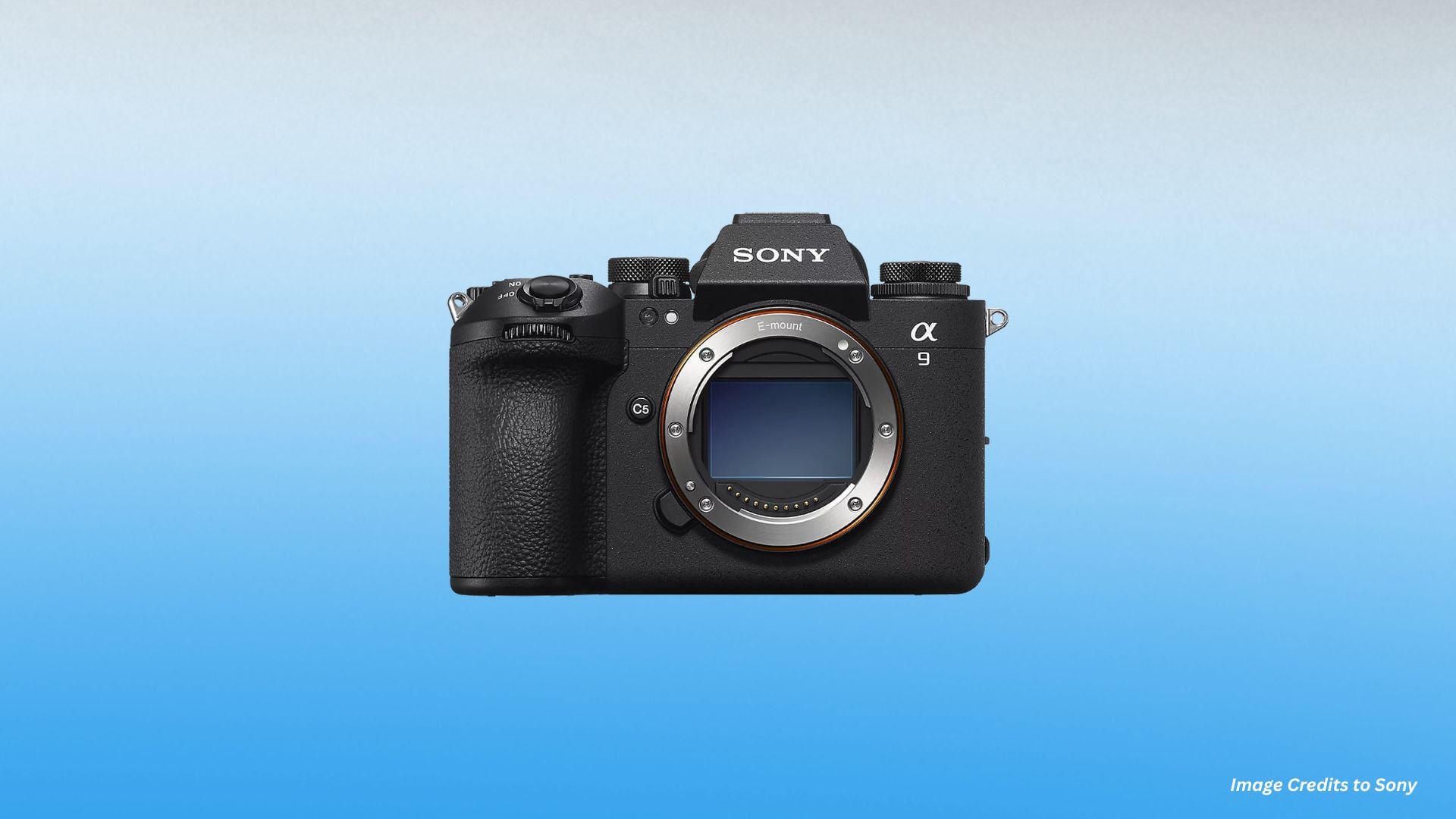
Key Features:
- World’s first full-frame global shutter sensor
- 120fps full-resolution shooting with zero blackout
- Flash sync at any shutter speed up to 1/80,000 sec
- AI-powered Real-time Recognition autofocus
- 4K 120p video recording
- No rolling shutter distortion
Specs:
- 24.6MP stacked CMOS sensor
- ISO range: 250-25,600 (expandable to 125-51,200)
- Buffer: Practically unlimited with fast memory cards
- Viewfinder: 9.44 million dot EVF
- Weather sealing: Extensive dust and moisture protection
- Price: Around $6,000
The global shutter technology fixes all the weird distortion problems you get with fast-moving subjects. The downside is that it limits your ISO range to 250-25600. That’s still plenty for most outdoor sports, but indoor venues might push you to the limits.
3. Canon EOS R1
Canon built the R1 specifically for professional sports photographers. The 24-megapixel stacked sensor focuses entirely on speed and performance rather than resolution.
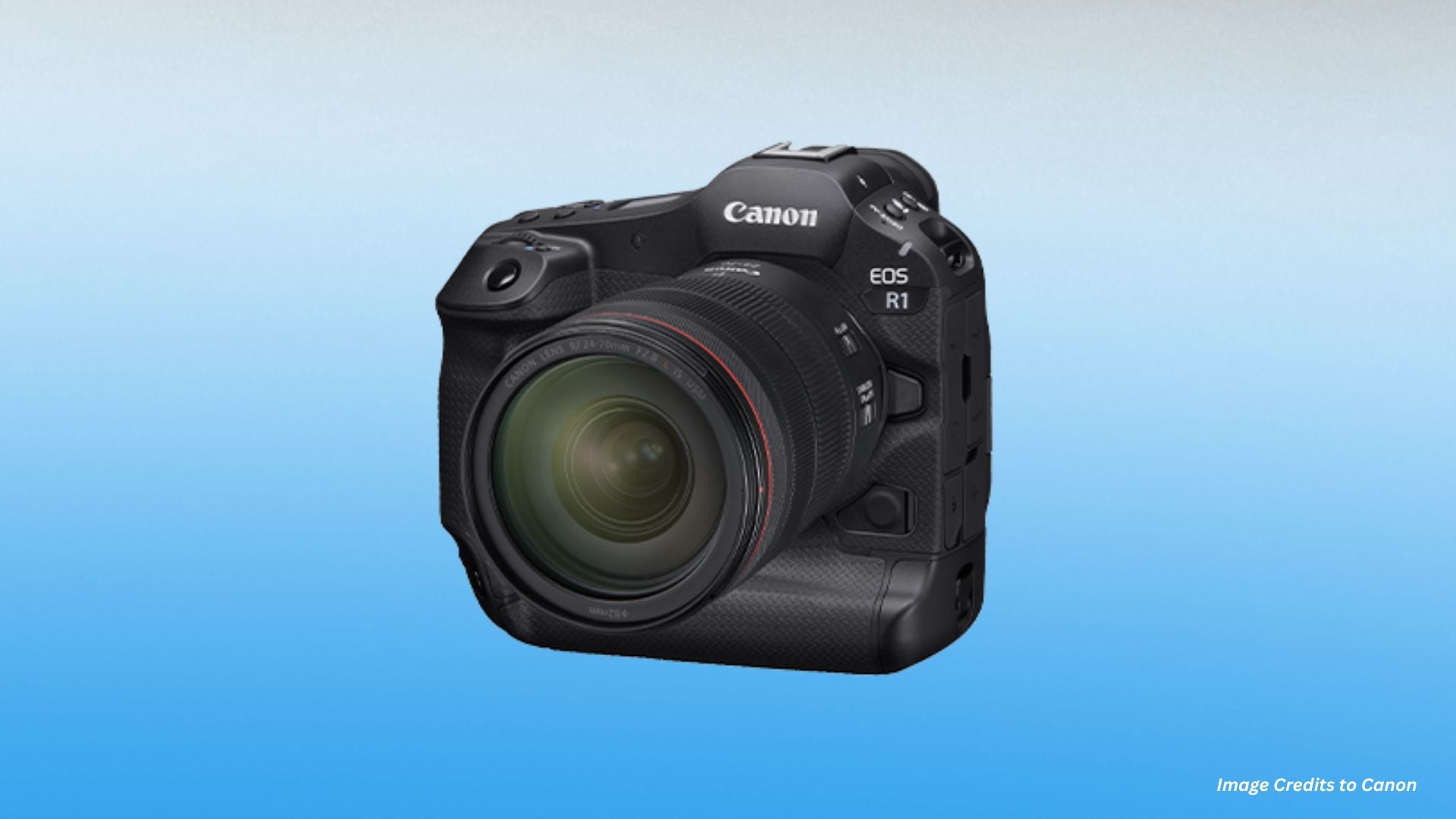
Key Features:
- 24.2MP back-illuminated stacked sensor
- 40fps silent electronic shooting
- 20 frames of pre-continuous shooting
- Action Priority mode with deep learning
- 6K 60p internal RAW recording
- Integrated vertical grip design
Specs:
- ISO range: 100-102,400 (expandable to 50-204,800)
- Buffer: 1,000+ images at full speed
- Viewfinder: High-resolution EVF with anti-fog design
- Weather sealing: Professional grade with renewed outer texture
- Connectivity: Wi-Fi 6E, 2.5Gbps Ethernet
- Price: Around $6,300
The pre-continuous shooting feature is brilliant. The camera constantly buffers 20 frames before you fully press the shutter. You’ll never miss the beginning of an action sequence again. Sports photography techniques become much more accessible with this intelligent assistance.
Nikon Z8
The Nikon Z8 gives you almost everything the bigger Z9 offers but in a more manageable size. This camera works great for photographers who need flagship performance without the bulk.
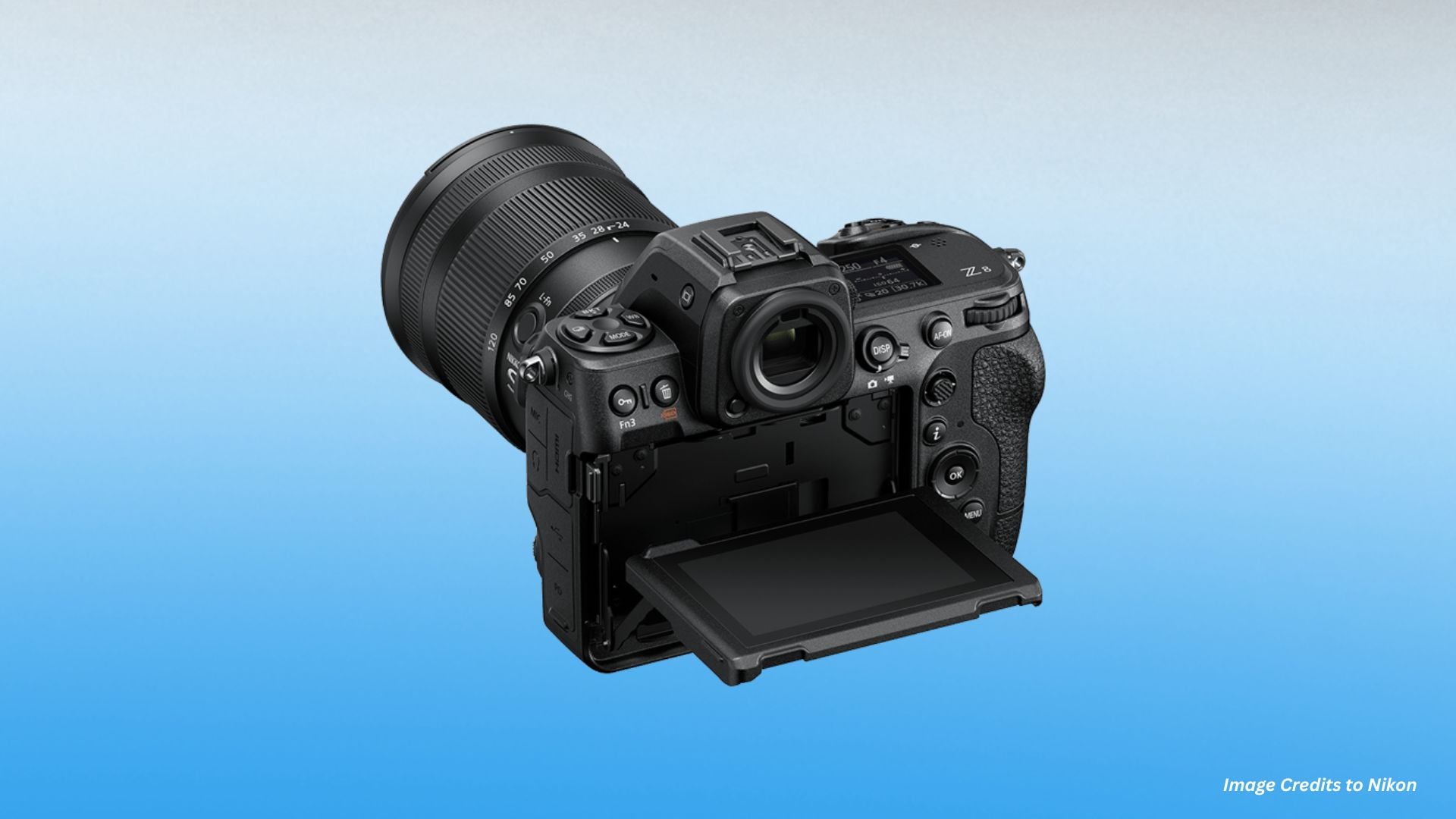
Key Features:
- 45.7MP stacked CMOS sensor
- 20fps continuous shooting with full AF tracking
- 8K 60p and 4K 120p video recording
- Advanced subject detection autofocus
- Blackout-free electronic viewfinder
- Compact form factor compared to Z9
Specs:
- ISO range: 64-25,600 (expandable to 32-102,400)
- Buffer: 1,000+ RAW images
- Viewfinder: 3.69 million dot EVF
- Weather sealing: Professional grade
- Recording time: 120 minutes 4K 60p, 90 minutes 8K 30p
- Price: Around $4,000
Low-light performance is excellent for indoor sports venues with challenging lighting conditions. Video recording skills are becoming more important as sports photography expands beyond still images.
Best Camera for Sports Photography: Mid-Range Champions
Mid-range cameras offer professional features without the flagship prices. These models give you serious sports shooting capabilities without breaking the bank. They’re perfect for photographers who need reliable performance but can’t justify spending $6,000 on a camera body.
4. Canon EOS R7
The Canon EOS R7 proves that smaller sensors can compete with full-frame cameras for sports photography. The 1.6x crop factor actually helps you get closer to the action.
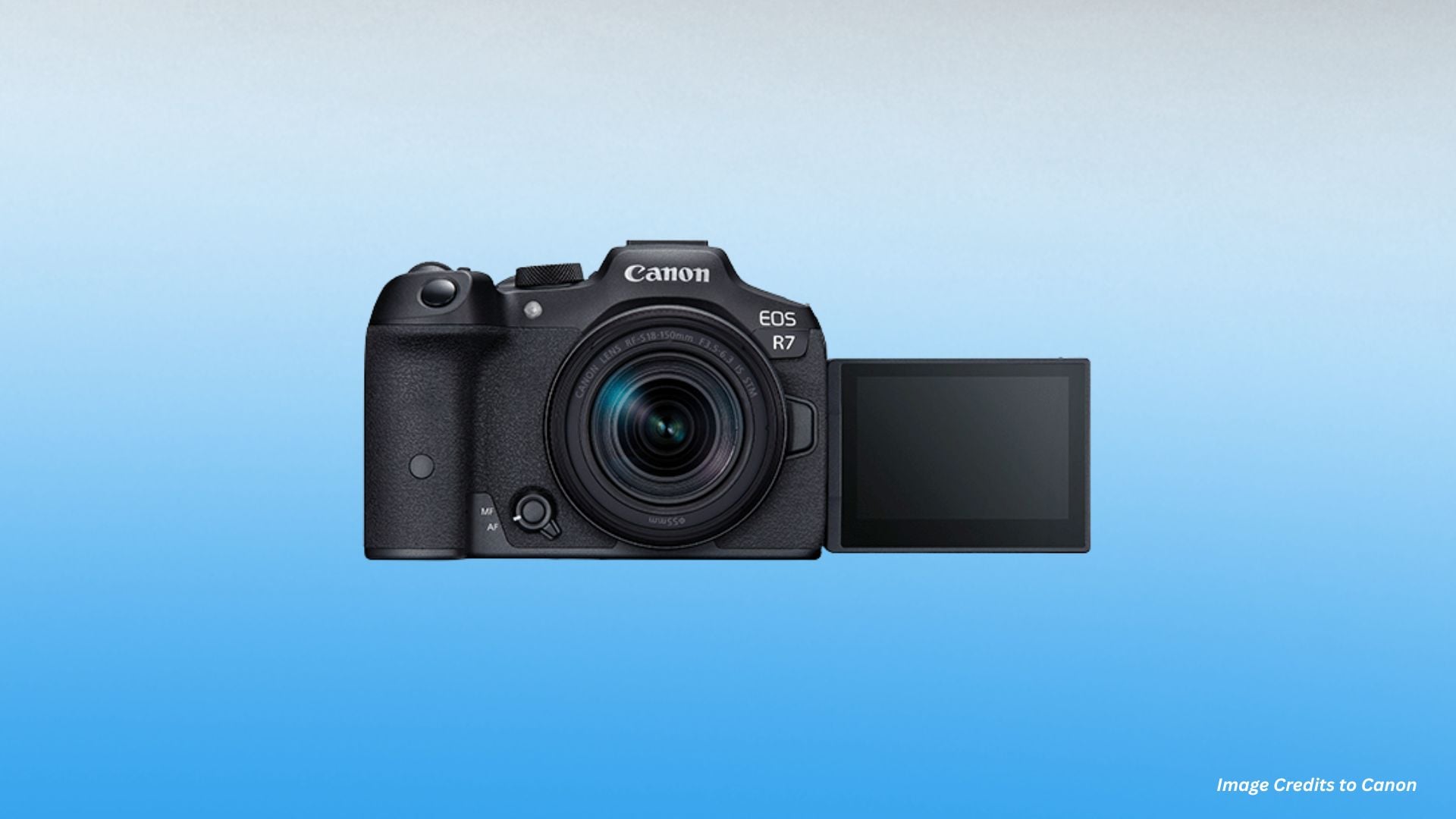
Key Features:
- 32.5MP APS-C CMOS sensor
- 30fps electronic shooting, 15fps mechanical
- Dual Pixel CMOS AF II with subject detection
- 5-axis in-body image stabilization
- Weather-sealed body construction
- Dual slot SD/SDHC/SDXC (UHS-II), no SD + CFexpress Type B
Specs:
- ISO range: 100-32,000 (expandable to 50-51,200)
- Buffer: 440+ JPEG, 126+ RAW at 30fps
- Viewfinder: 2.36 million dot EVF
- Video: 4K/60p (cropped), 4K/30p oversampled (uncropped, max detail), Full HD/120p slow motion, 10-bit 4:2:2 color for pro editing
- Weather sealing: Dust and moisture resistant
- Price: Around $1,500
A 300mm lens becomes a 480mm equivalent on this camera. That extra reach lets you fill the frame with distant subjects without carrying massive telephoto lenses. Telephoto photography becomes much more manageable with this crop factor advantage.
5. Sony A6400
Sony’s A6400 delivers flagship autofocus performance in a compact, affordable package. The Real-time Tracking AF system grabs onto subjects and follows them throughout the frame.

Key Features:
- 24.2MP APS-C CMOS sensor
- Real-time Eye AF and Real-time Tracking
- 11fps continuous shooting with AF/AE tracking
- 180-degree flip touchscreen
- 4K video recording with clean HDMI output
- Compact, lightweight body
Specs:
- ISO range: 100-32,000 (expandable to 50-102,400)
- Buffer: 116+ JPEG, 46+ RAW
- Viewfinder: 2.36 million dot EVF
- Video: 4K 30p, Full HD 120p
- Battery life: 410 shots per charge
- Price: Around $900
The 180-degree flip screen makes shooting from unusual angles much easier. Creative camera positioning becomes more accessible with this flexible display.
Budget Options That Don’t Compromise Performance
Finding a good sports photography camera on a budget takes some careful shopping. These models prove you don’t need to spend thousands to capture compelling sports images. The key is knowing which compromises you can live with and which features you absolutely need.
6. Canon EOS R10
The Canon EOS R10 might be the best deal in sports photography right now. This camera includes the same Dual Pixel AF system found in much more expensive models.

Key Features:
- 24.2MP APS-C CMOS sensor
- 23fps electronic shooting, 15fps mechanical
- Dual Pixel CMOS AF II with subject detection
- 4K 60p video recording capability
- Compact, lightweight mirrorless design
- Canon RF-S mount compatibility
Specs:
- ISO range: 100-32,000 (expandable to 50-51,200)
- Buffer: 70+ JPEG, 21+ RAW at 23fps
- Viewfinder: 2.36 million dot EVF
- Video: 4K 60p (cropped), 4K 30p (uncropped)
- Single SD card slot
- Price: Around $950
The 23fps electronic shutter actually beats many professional cameras. The main compromise is the single memory card slot. Camera settings optimization becomes straightforward with Canon’s intuitive menu system.
7. Fujifilm X-T30 II
Fujifilm’s X-T30 II brings unique color science and film simulations to sports photography. The 30fps burst speed in crop mode provides excellent action capture capabilities.

Key Features:
- 26.1MP APS-C X-Trans CMOS sensor
- 30fps burst shooting in crop mode
- Advanced hybrid autofocus system
- Film simulation modes for creative looks
- 4K 30p video recording
- Classic dial-based controls
Specs:
- ISO range: 80-51,200 (expandable to 160-12,800)
- Buffer: 42+ JPEG, 18+ RAW
- Viewfinder: 2.36 million dot EVF
- Video: 4K 30p, Full HD 240p
- Single SD card slot
- Price: Around $900
The X-mount lens ecosystem includes several excellent telephoto options. Lens selection strategies become important for maximizing this camera’s potential.
8. Sony A6000
Sony’s A6000 remains a solid budget choice despite being an older model. You can often find this camera for under $500 with a kit lens, making it one of the best values available.

Key Features:
- 24.3MP APS-C CMOS sensor
- 179-point phase detection autofocus
- 11fps continuous shooting
- Built-in Wi-Fi and NFC connectivity
- Compact, lightweight design
- Extensive E-mount lens selection
Specs:
- ISO range: 100-25,600 (expandable to 50-51,200)
- Buffer: 49+ JPEG, 21+ RAW
- Viewfinder: 1.44 million dot EVF
- Video: Full HD 60p recording
- Battery life: 360 shots per charge
- Price: Around $450 used
What Actually Matters in Sports Photography Cameras
Understanding which specifications actually impact sports photography helps you make smart decisions. Marketing numbers don’t always tell the whole story about real-world performance. Some features that sound impressive on paper might not matter much when you’re actually shooting.
Autofocus Speed and Tracking Performance
Modern sports cameras use phase-detection autofocus systems that lock onto subjects in milliseconds. AI-powered subject recognition has completely changed the game. Cameras can now identify and track athletes, vehicles, and sports equipment automatically.
Here’s what really matters for autofocus performance:
- Phase-detection coverage: Look for systems that cover 80% or more of the frame
- AI subject recognition: Automatic detection of people, animals, and vehicles
- Eye detection capability: Works even with helmets and protective gear
- Low-light acquisition: Fast focusing down to -4 EV or lower
- Customizable focus patterns: Ability to adjust tracking sensitivity
Autofocus system knowledge helps you choose cameras that meet your specific needs. Eye detection now works even with helmeted players in many sports.
Burst Speed vs Buffer Reality
High frame rates mean nothing without sufficient buffer capacity. A camera shooting 30fps becomes useless if it stops after 10 frames. Professional cameras maintain full-speed shooting for hundreds of images.
Buffer considerations that actually matter:
- RAW vs JPEG capacity: RAW files fill buffers much faster
- Memory card speed: CFexpress cards clear buffers faster than SD cards
- Dual card setup: Can improve write speeds and provide backup
- Real-world testing: Marketing specs don’t always match actual performance
- Recovery time: How quickly the buffer clears for continued shooting
Burst mode photography requires understanding this balance between speed and capacity. Memory card selection impacts buffer performance significantly.
Sensor Size and ISO Performance
Full-frame sensors generally provide better low-light performance than APS-C options. However, crop sensors offer increased telephoto reach that often proves more valuable for sports photography.
The crop factor advantage breaks down like this:
- Canon APS-C: 1.6x crop factor (300mm becomes 480mm equivalent)
- Sony/Nikon APS-C: 1.5x crop factor (300mm becomes 450mm equivalent)
- Micro Four Thirds: 2x crop factor (300mm becomes 600mm equivalent)
- Budget telephoto boost: Cheaper lenses provide longer effective reach
- Weight savings: Smaller lenses are easier to handle during long events
Modern sensors perform well up to ISO 6400 or higher. Indoor sports venues often require these higher sensitivity settings for proper shutter speed control.
Lens Considerations for Sports Photography Camera Systems
Camera bodies only tell half the story. Lens selection often impacts image quality more than camera choice, especially for sports photography where subject distance varies dramatically throughout a single game.
Professional sports photographers typically carry multiple camera bodies with different lenses to avoid missing shots while changing lenses. This approach requires careful planning and significant investment.
Essential Focal Length Ranges
Different sports require different lens strategies. Here’s what works best for common sports:
Basketball and Indoor Sports:
- 70-200mm f/2.8 for courtside action
- 24-70mm f/2.8 for wide shots and celebrations
- 85mm f/1.4 for player portraits
Football and Field Sports:
- 300mm f/2.8 or 400mm f/2.8 for field coverage
- 70-200mm f/2.8 for sideline action
- 24-70mm f/2.8 for bench and crowd shots
Baseball and Large Venues:
- 400mm f/2.8 for outfield action
- 300mm f/2.8 for infield coverage
- 70-200mm f/2.8 for dugout and close plays
The 70-200mm f/2.8 serves as the foundation lens for most sports photographers. This focal range covers courtside basketball shooting and closer football action effectively. Telephoto lens techniques help you maximize these powerful optics.
Budget-Friendly Lens Options
You don’t need to spend $10,000 on a 400mm f/2.8 to get good sports photos. Here are some budget alternatives:
Canon Options:
- EF 70-300mm f/4-5.6 IS USM ($500-600)
- RF 100-500mm f/4.5-7.1L IS USM ($2,700)
- EF-S 55-250mm f/4-5.6 IS STM ($300)
Sony Options:
- FE 70-300mm f/4.5-5.6 G OSS ($1,200)
- FE 200-600mm f/5.6-6.3 G OSS ($2,000)
- E 55-210mm f/4.5-6.3 OSS ($350)
Nikon Options:
- Z 70-300mm f/4.5-5.6 VR S ($650)
- Z 180-600mm f/5.6-6.3 VR ($1,700)
- AF-P DX 70-300mm f/4.5-6.3G VR ($400)
Making the Right Choice for Your Situation
Choosing the best camera for sports photography depends on your specific situation, budget, and shooting style. Professional photographers working major events need different capabilities than parents capturing youth league games.
Consider your typical shooting conditions first. Indoor venues with challenging lighting favor cameras with excellent high-ISO performance. Outdoor daytime events allow more flexibility in camera choice. Exposure fundamentals become more important in challenging lighting situations.
Factors That Actually Matter
Your decision should be based on these practical considerations:
Budget Reality Check:
- Camera body is just the starting point
- Lens investment often exceeds camera costs
- Memory cards, batteries, and accessories add up
- Professional telephoto lenses cost $5,000-15,000
- Consider used equipment for better value
Shooting Requirements:
- Indoor vs outdoor sports preferences
- Professional vs personal use expectations
- Travel and portability needs
- Video requirements beyond stills
- Backup camera necessity
System Ecosystem:
- Available lens selection for your sports
- Third-party lens compatibility
- Professional service support
- Resale value considerations
- Future upgrade path options
Your lens investment often exceeds camera costs over time. Choosing a system with excellent telephoto options provides long-term value that extends beyond your current camera body.
Remember that technique and positioning often matter more than equipment specifications. The best camera for sports photography is the one you understand completely and can operate instinctively during fast-paced action. Sports photography composition skills will improve your results more than expensive gear alone.
See more from DIYPhotography.net on Google
Add DIYPhotography.net as a trusted source. This makes
our stories more likely to appear in your Google Search results.
 Add as a preferred source on Google

Darlene Lleno
Darlene Lleno brings a unique perspective to DIY Photography as someone who grew up surrounded by camera gear but chose words over lenses. With five years of writing experience, she specializes in photography content that’s both technically informed and genuinely passionate. Growing up with a photographer twin brother meant camera talk was everyday conversation in her household. While he mastered capturing moments, Darlene discovered she preferred being the subject and the storyteller behind the scenes. As a travel enthusiast and mother of two, she understands the importance of preserving life’s precious moments. When not exploring new destinations or writing for DIY Photography, you’ll find her reading or tending to her garden. Her approach to photography writing is refreshingly authentic, she may not be behind the camera, but she knows exactly what it takes to help others capture the shots that matter most.


Join the Discussion
DIYP Comment Policy
Be nice, be on-topic, no personal information or flames.
One response to “Best Camera for Sports Photography: Ultimate Guide to Fast-Action Cameras”
The R5 Mark II has pre-continuous shooting line the R1 & it’s amazing. It does NOT have a 1,000 RAW photo buffer. More like 150 even with the fastest CFExpress card, which is easy to hit at 30fps RAW continuous shooting.