
























Saramonic Air SE Wireless Mic comes with “Deep Learning” AI noise reduction
Mar 24, 2026
John Aldred
John Aldred is a photographer with over 25 years of experience in the portrait and commercial worlds. He is based in Scotland and has been an early adopter – and occasional beta tester – of almost every digital imaging technology in that time. As well as his creative visual work, John uses 3D printing, electronics and programming to create his own photography and filmmaking tools and consults for a number of brands across the industry.
Share:
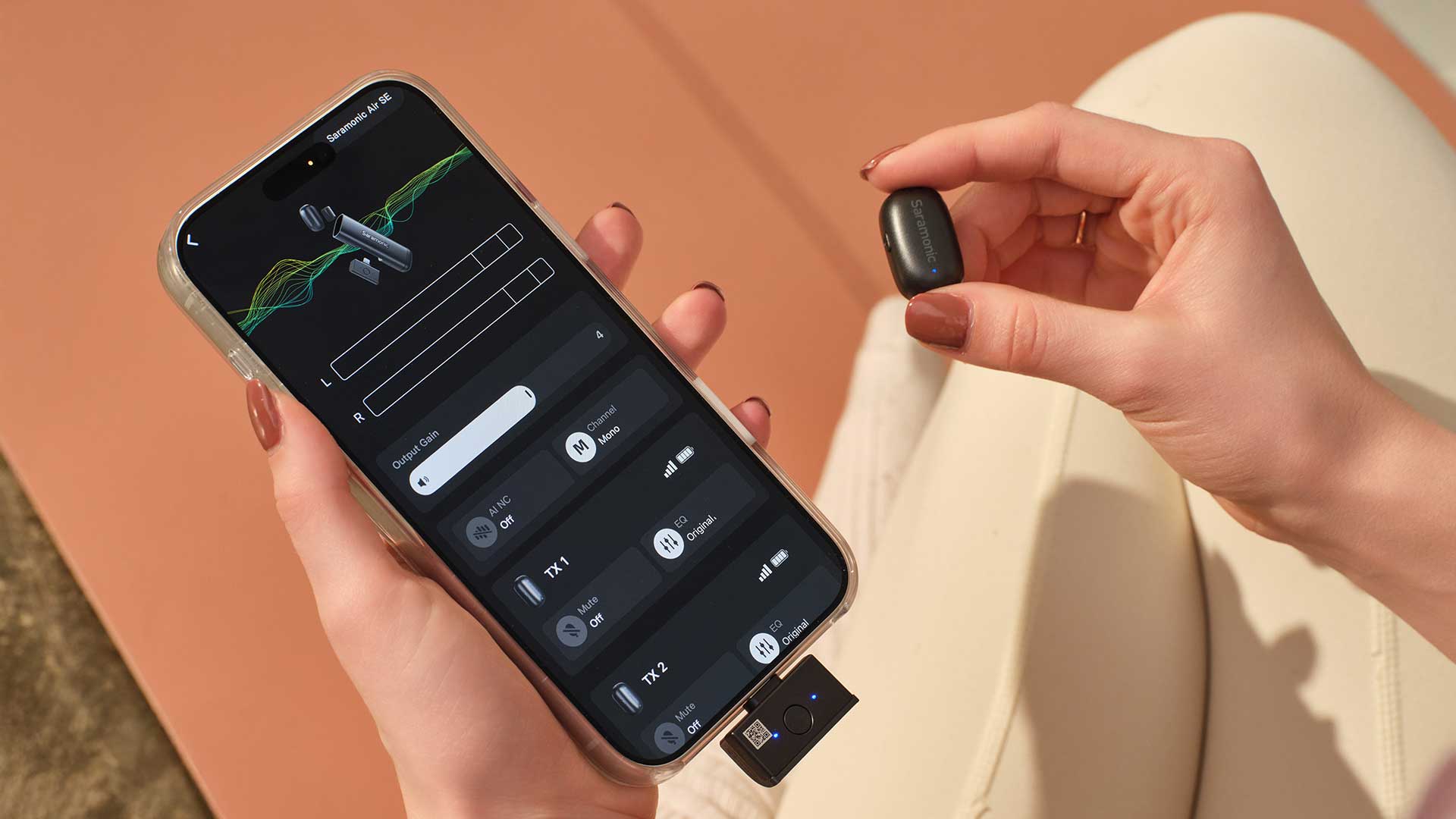
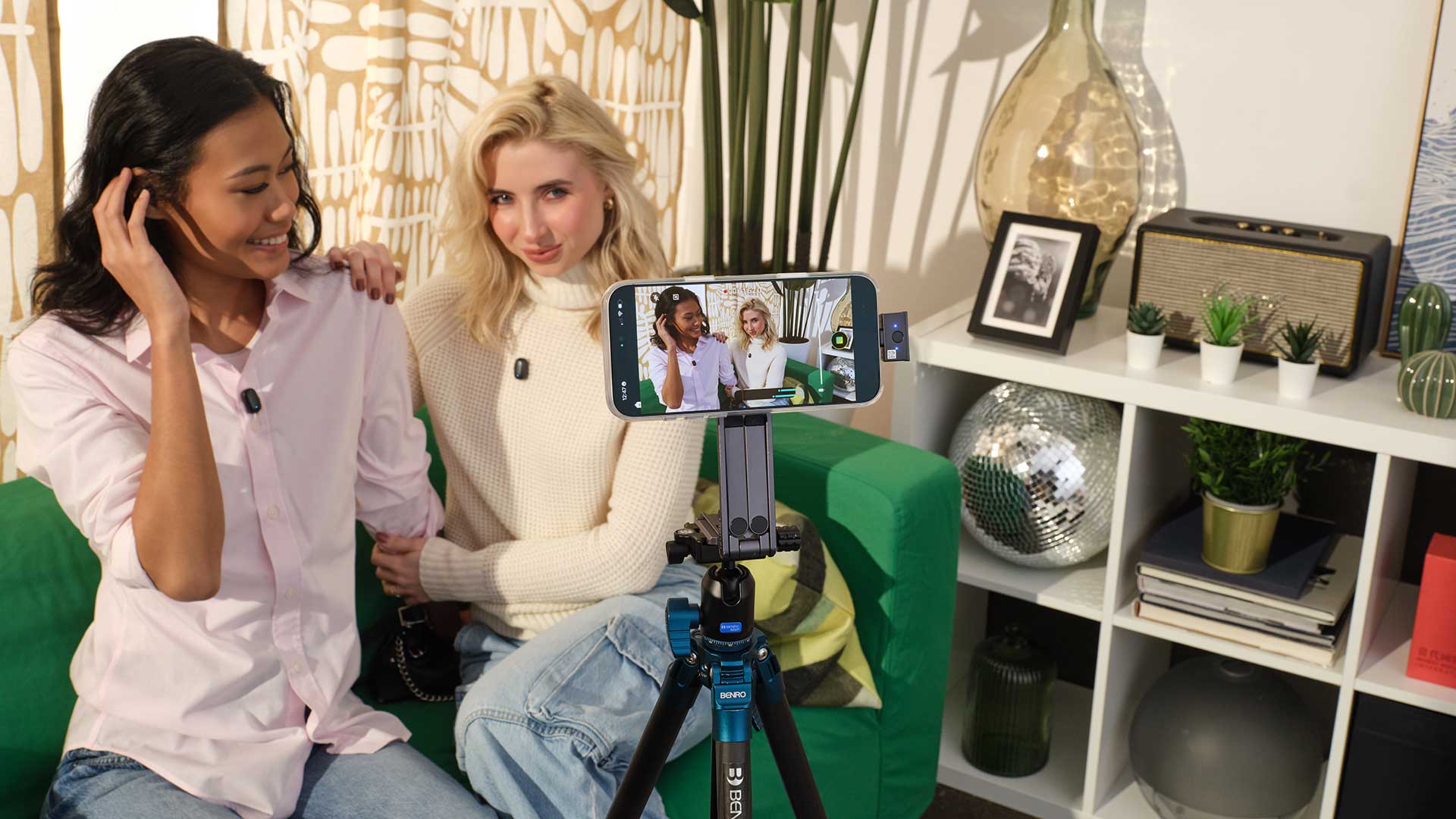
Saramonic has been steadily expanding its wireless audio lineup over the last few years, particularly in the budget-friendly space for mobile creators. Now, they’ve announced the new Saramonic Air SE, a compact wireless microphone system aimed squarely at smartphone shooters.
At first glance, this looks like a stripped-down, ultra-affordable option for vloggers, streamers, and short-form content creators. And that wouldn’t be an unfair assessment, but Saramonic is leaning heavily on one key feature here: AI-powered noise reduction.

AI-powered noise reduction
The big headline feature of the Air SE is what Saramonic describes as a deep-learning-based noise reduction system. According to the company, it can reduce up to 40dB of background noise while keeping voices sounding natural.
Unlike traditional Environment Noise Cancellation (ENC) systems, which tend to focus on steady background noise like fans or air conditioning, Saramonic says this system is designed to handle more complex environments. That includes things like traffic, crowds, or sudden noises like keyboard clicks.
As always with this kind of claim, the real question will be how well it holds up in practice. AI noise reduction can be very hit-and-miss depending on how aggressive it is and how well it avoids that “processed” sound. But Saramonic isn’t exactly new to the wireless microphone game, so I think we can expect at least as good as we’ve seen from Saramonic in the past – which is pretty good in my experience, to be fair.
Tiny, lightweight design
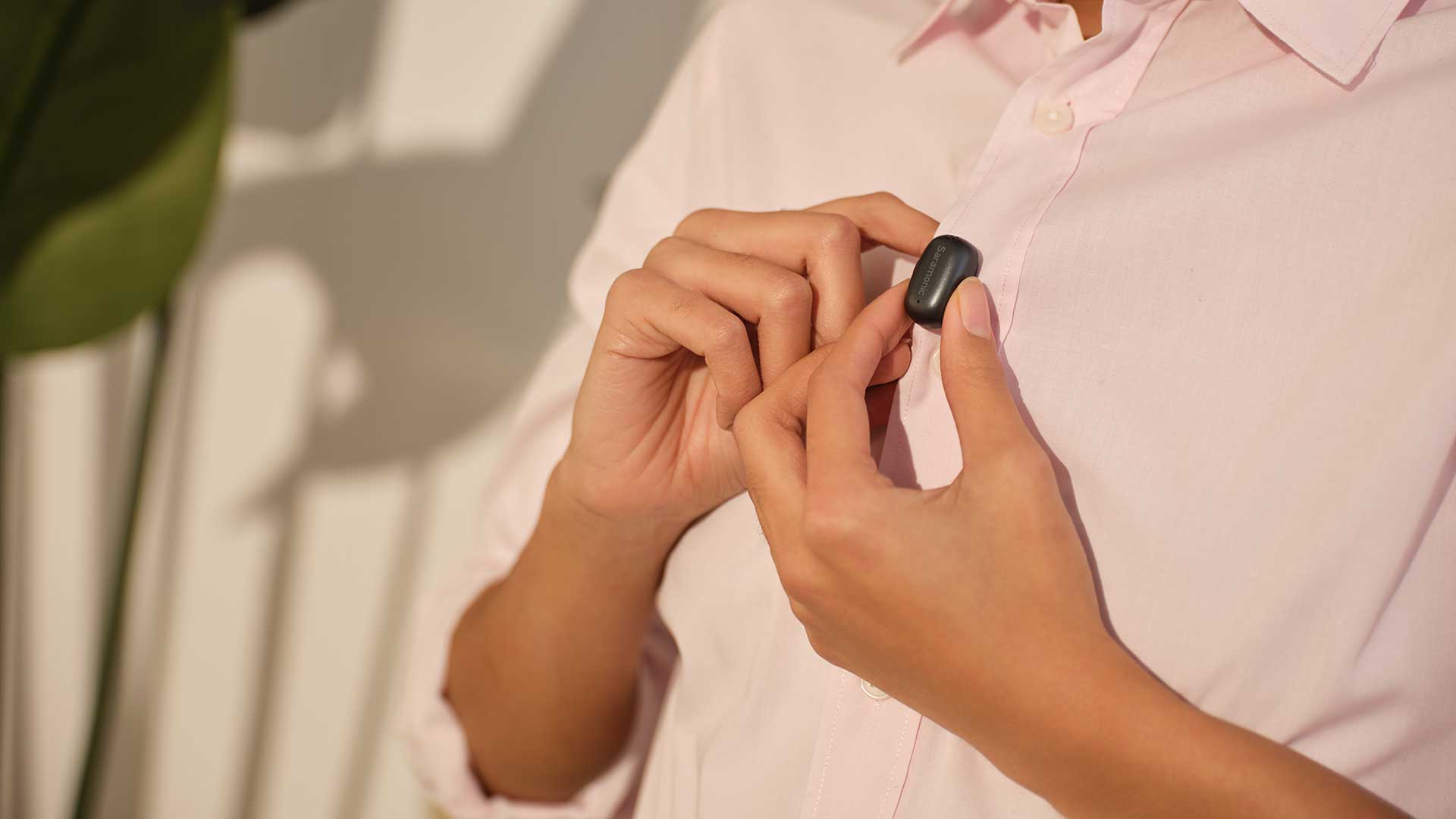
Each transmitter weighs just 5 grams, making it one of the lightest systems out there. It’s clearly designed to be as unobtrusive as possible when clipped onto clothing. This isn’t the only teeny wireless mic on the market. It’s not even the only teeny tiny wireless mic from Saramonic, but it’s an ever-growing market sector as people dump the big black bricks (with and without big ugly logos) they’ve had clipped to their shirts since 2019.
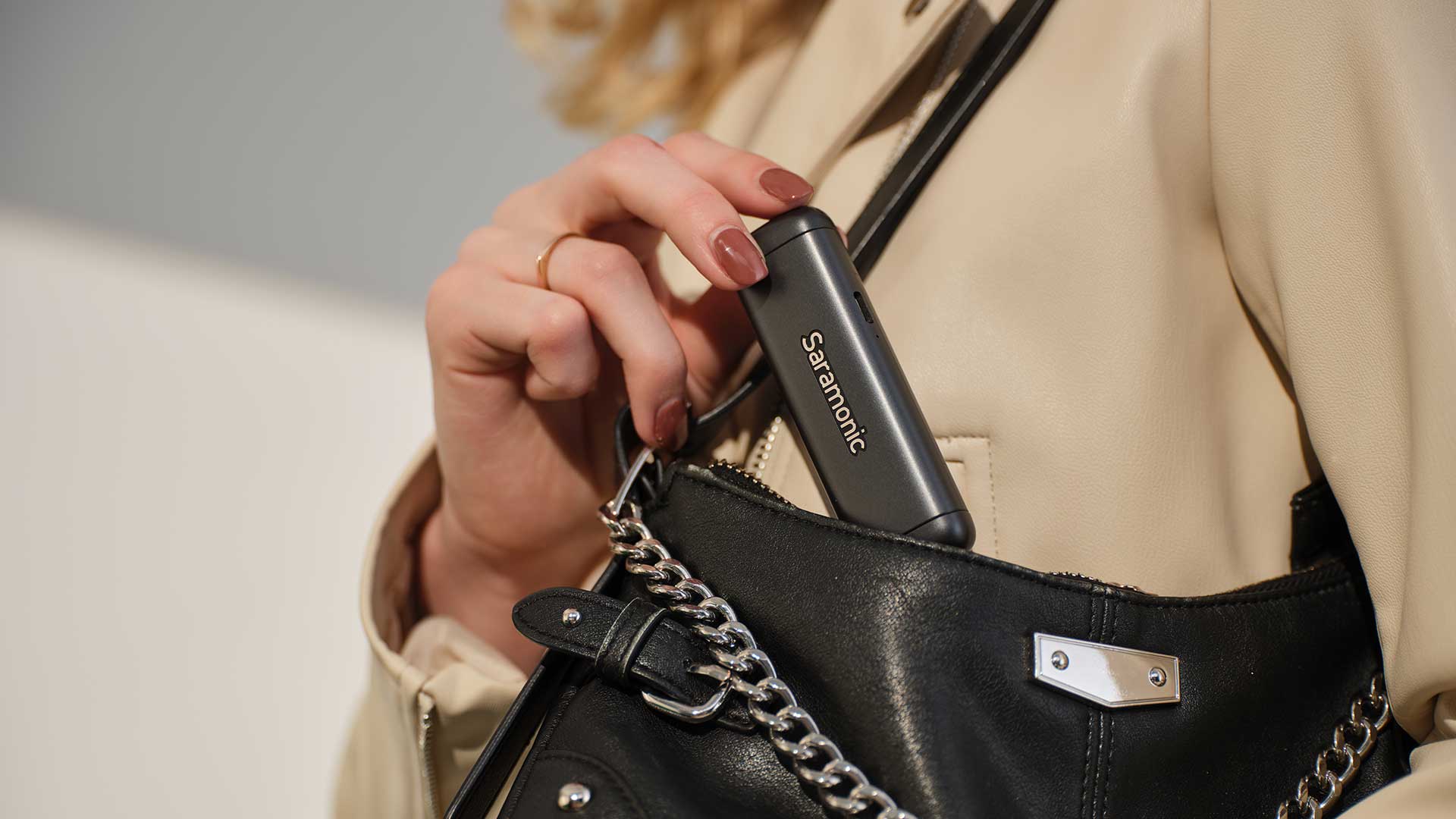
The charging case also doubles as a handheld grip, which is a nice touch. It means you can use it as a mini handheld mic for interviews without needing extra accessories. Great news for those who do impromptu interviews at events or on the street.
Mobile-first approach
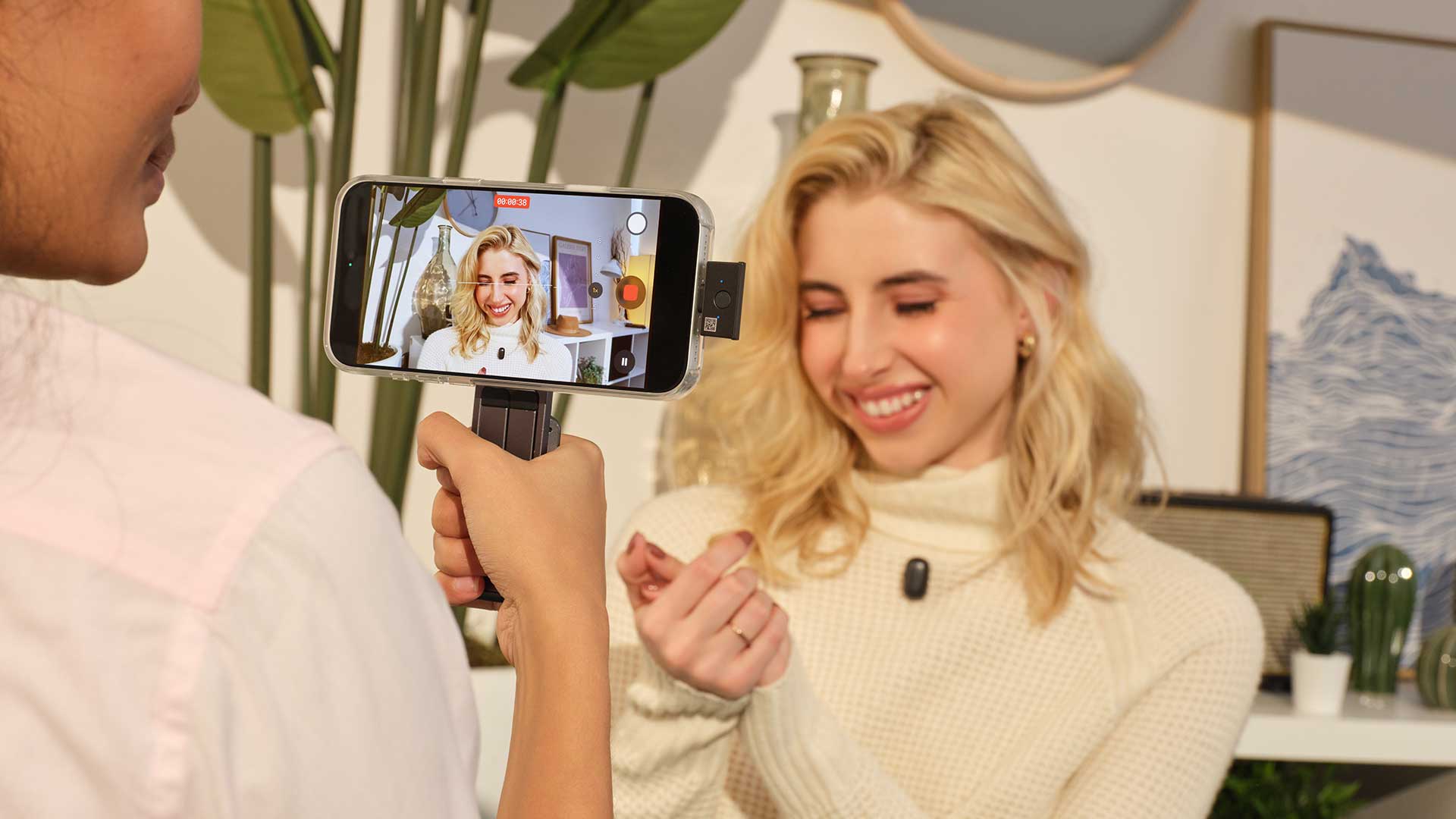
The Saramonic Air SE is very much a smartphone-focused system. The receiver comes in USB-C and Lightning variants and is powered directly by the phone. So there’s no separate battery to worry about on the RX side. That helps keep things compact, but it also means this isn’t really designed for camera use.
In fact, there’s no 3.5mm output at all, so if you’re shooting on a dedicated camera, this isn’t the system for you. Fortunately, Saramonic has plenty of other options for those who are using a camera. Some, like the Saramonic K9 are a little more expensive, but they support timecode and other professional features. Of course, there are less expensive systems like the Saramonic BlinkMe in between those, which supports both cameras and phones.
There are quite a few microphones out there now from Saramonic and others that will allow you to connect to both a phone and a “real camera”, if that’s what you need, and most don’t cost anywhere near the K9’s price point. If you’re 100% mobile, though, the new Saramonic Air SE looks like a solid option for low budgets.
Core specs
Obviously, this microphone sits at the entry level. That being said, on paper, the specs are fairly solid for something at this price point and beat much of the similarly priced competition. That last one, the safety track mode, just doesn’t exist at all in most microphones around this price.
| Sample Rate / Bit Depth | 48kHz / 24-bit |
|---|---|
| Signal-to-Noise Ratio | >80dB |
| Max SPL | 120dB |
| Frequency Response | 20Hz – 20kHz |
| Built-in Mic Type | Condenser |
| Transmission Range | 200m |
| Latency | <25ms |
| Noise Cancellation | √ (2 levels AI) |
| Mute | √ |
| Limiter | √ |
| Output Mode | Mono / Stereo / Safety Track |
| EQ Tuning | √ |
| Low Cut Filter | √ |
| Monitoring | × |
| Playback | √ |
| App Control | √ |
| TX Dimensions | 28.5 x 17 x 13.43mm |
| Connectivity | USB & Lightning |
| Battery Life | TX:≥6 hours (with noise reduction disabled) ≥4.5 hours (with noise reduction enabled) |
You can connect up to two transmitters to a single receiver, which is pretty standard for this type of system. Battery life is rated at up to 6 hours with noise reduction off, dropping to around 4.5 hours with it enabled.
One slightly odd limitation is that the transmitters don’t support charging while recording, which is something that some competing systems do offer. But with 4.5-6 hours of continuous use, it should be fine for most uses. But, bring a power bank for recharging between shots on longer shoots.
Price and availability
The Saramonic Air SE is set to launch on March 24th, with pricing at:
That puts it firmly in the entry-level category, undercutting a lot of the more established wireless mic systems. At this price, the Air SE looks like it could be a solid option for mobile creators who want something simple and lightweight.
See more from DIYPhotography.net on Google
Add DIYPhotography.net as a trusted source. This makes
our stories more likely to appear in your Google Search results.
 Add as a preferred source on Google

John Aldred
John Aldred is a photographer with over 25 years of experience in the portrait and commercial worlds. He is based in Scotland and has been an early adopter – and occasional beta tester – of almost every digital imaging technology in that time. As well as his creative visual work, John uses 3D printing, electronics and programming to create his own photography and filmmaking tools and consults for a number of brands across the industry.


Join the Discussion
DIYP Comment Policy
Be nice, be on-topic, no personal information or flames.