





















Fujifilm’s Instax Boom Earns TIME100 Recognition in 2026
May 5, 2026
Alysa Gavilan
Alysa Gavilan has spent years exploring photography through photojournalism and street scenes. She enjoys working with both film and mirrorless cameras, and her fascination with the craft has grown over the decades. Inspired by Vivian Maier, she is drawn to capturing everyday moments that often go unnoticed.
Share:

In a tech landscape crowded with artificial intelligence features and automated image tools, Fujifilm is gaining attention for moving in a different direction.
Named one of the TIME100 Most Influential Companies of 2026, the company is seeing renewed momentum through its Instax line, a product category that focuses on physical prints and immediate results rather than digital perfection.
The recognition highlights a shift in how younger users approach photography. While software driven imaging continues to expand, instant cameras have found a strong following among people who want tangible images.
According to the TIME100 writeup, Fujifilm has sold more than 100 million Instax cameras and printers worldwide since the line launched in 1998. That scale shows that instant photography is not just a niche trend but a sustained segment within the broader imaging market.
Why Instax Still Resonates
Fujifilm’s Instax cameras have become particularly popular among younger users, especially those under 30.
These cameras are often used at weddings, concerts, and social gatherings where the value of a printed image goes beyond resolution or editing flexibility. The appeal lies in immediacy and physical presence.
“At its core, it really is about that human need for connection, which stands the test of time,” Ashley Reeder Morgan, vice president of consumer marketing for Fujifilm North America, was quoted by the writeup.
That statement reflects how the company frames its approach, focusing less on technical competition and more on experience.

Not Analog Versus Digital
Fujifilm is not positioning Instax as a rejection of digital photography. Instead, it presents the format as part of a broader ecosystem. The TIME100 announcement notes that the company is not trying to create a divide between analog and digital workflows.
Morgan explained this directly: “Instant photography and digital worlds are an ecosystem. It’s about how Instax adds to your life, including your digital life.” This approach aligns with how many users actually work today, combining smartphone photography with physical prints rather than choosing one over the other.
Hybrid Instax models, which allow users to preview and select images before printing, reflect this blending of formats. They bridge the gap between the convenience of digital capture and the tactile quality of instant film.
Fujifilm Footprint
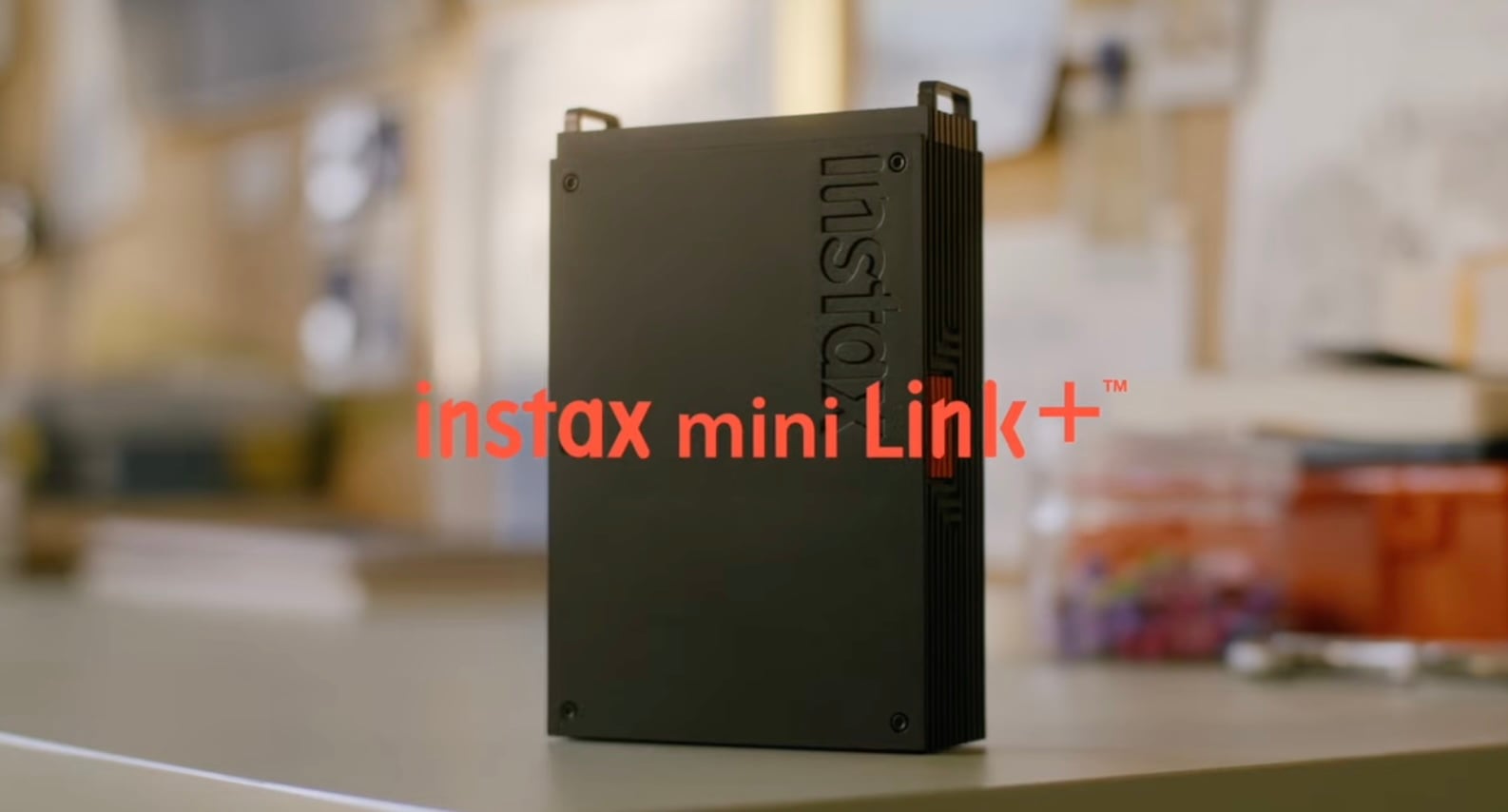
Fujifilm has continued to expand the Instax lineup with new products that lean into both nostalgia and hybrid functionality.
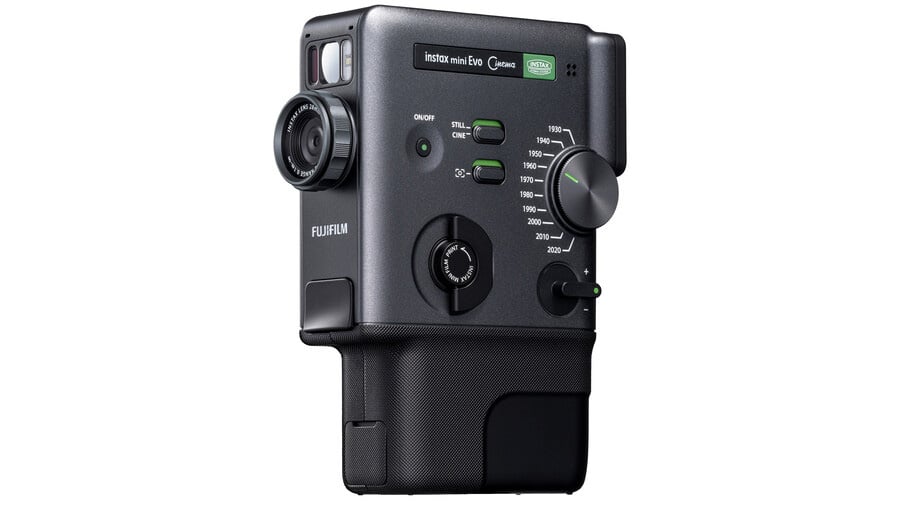
One recent example is the Instax Mini Evo Cinema, launched in January. The camera draws visual inspiration from Super 8 film cameras and introduces the ability to capture both photos and video, extending the Instax concept beyond still images.
This release suggests that Fujifilm is experimenting with how instant photography can evolve without losing its core identity. By incorporating video and design elements from older film formats, the company is exploring new ways to engage users who are already familiar with digital media.
At the same time, Fujifilm continues to develop its digital camera systems and imaging technologies across other segments. While Instax leads in consumer visibility, the company maintains a broader presence in professional imaging, healthcare, and industrial applications.
A Different Kind Of Growth
Fujifilm’s inclusion in the TIME100 list points to a broader shift in how photography is valued. In a market focused on automation and speed, the success of Instax suggests that many users still value slower, more intentional image making.
The continued demand for instant cameras shows that physical photographs still hold meaning in an increasingly digital environment. It also raises questions about how future imaging tools will balance convenience with experience.
As imaging technology continues to evolve, Fujifilm’s approach offers a different perspective on what progress looks like. Instead of replacing older formats, it builds around them, combining past and present into a single workflow.
As photographers and everyday users continue to navigate that balance, one question remains. What kind of images do you actually want to hold on to?
See more from DIYPhotography.net on Google
Add DIYPhotography.net as a trusted source. This makes
our stories more likely to appear in your Google Search results.
 Add as a preferred source on Google

Alysa Gavilan
Alysa Gavilan has spent years exploring photography through photojournalism and street scenes. She enjoys working with both film and mirrorless cameras, and her fascination with the craft has grown over the decades. Inspired by Vivian Maier, she is drawn to capturing everyday moments that often go unnoticed.
Related Posts
 Fujifilm finally releases a follow-up to its most advanced analog Instax mini camera – Fujifilm Instax Mini 99
 Fujifilm to Increase Instax Film Production by 10% in 2026 Amid Growing Demand
 New Instax Mini 40 is more expensive Instax Mini 11 in a retro suit
 An Instax hack that anyone can do in an Instax
Join the Discussion
DIYP Comment Policy
Be nice, be on-topic, no personal information or flames.