


















Milky Way Photographer of the Year 2026 Breaks Its Own Record with the Rarest Yet Photos
May 5, 2026
Dunja Đuđić Kalinin
Dunja Djudjic is a multi-talented artist based in Novi Sad, Serbia. With 15 years of experience as a photographer, she specializes in capturing the beauty of nature, travel, concerts, and fine art. In addition to her photography, Dunja also expresses her creativity through writing, embroidery, and jewelry making.
Share:
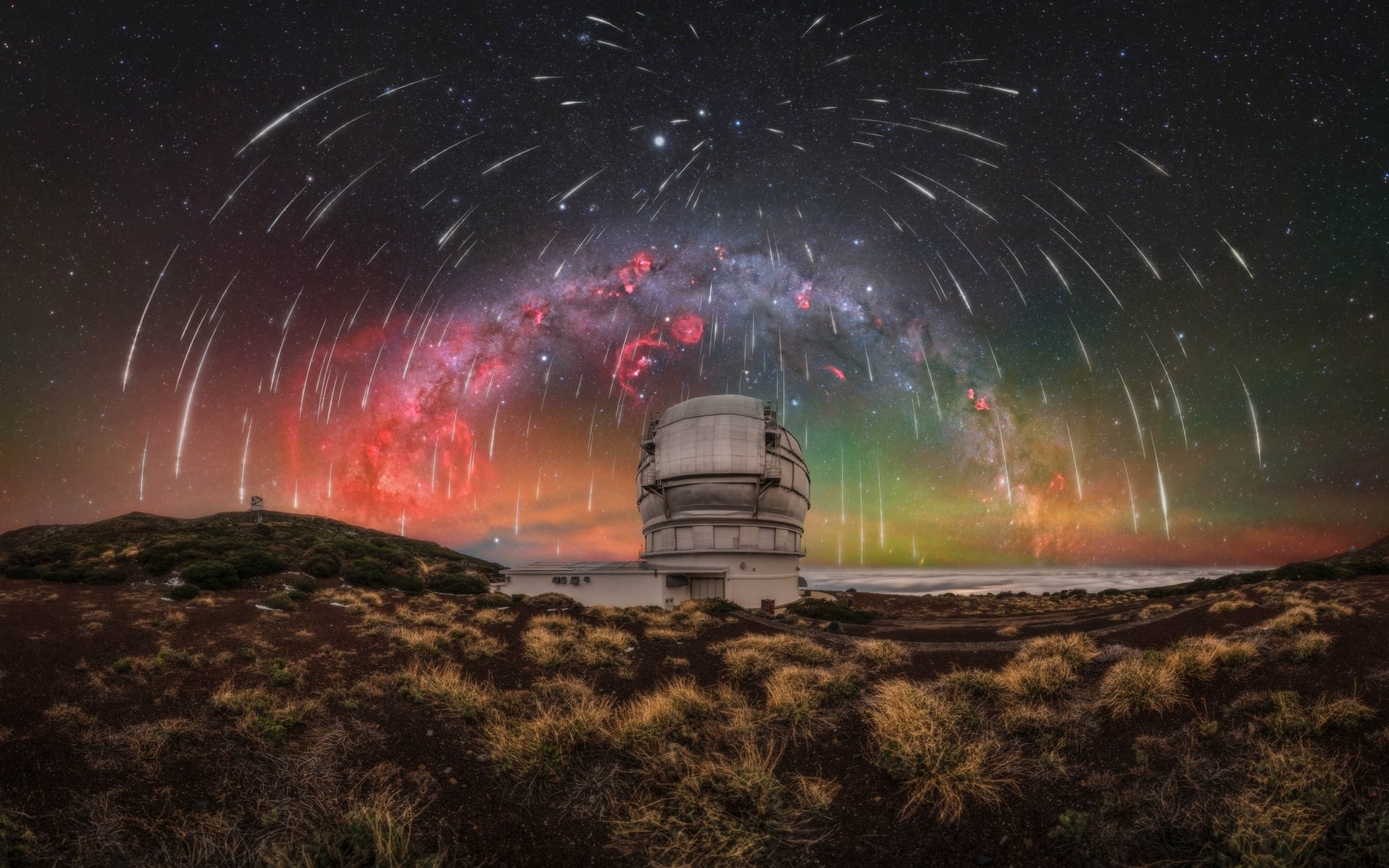
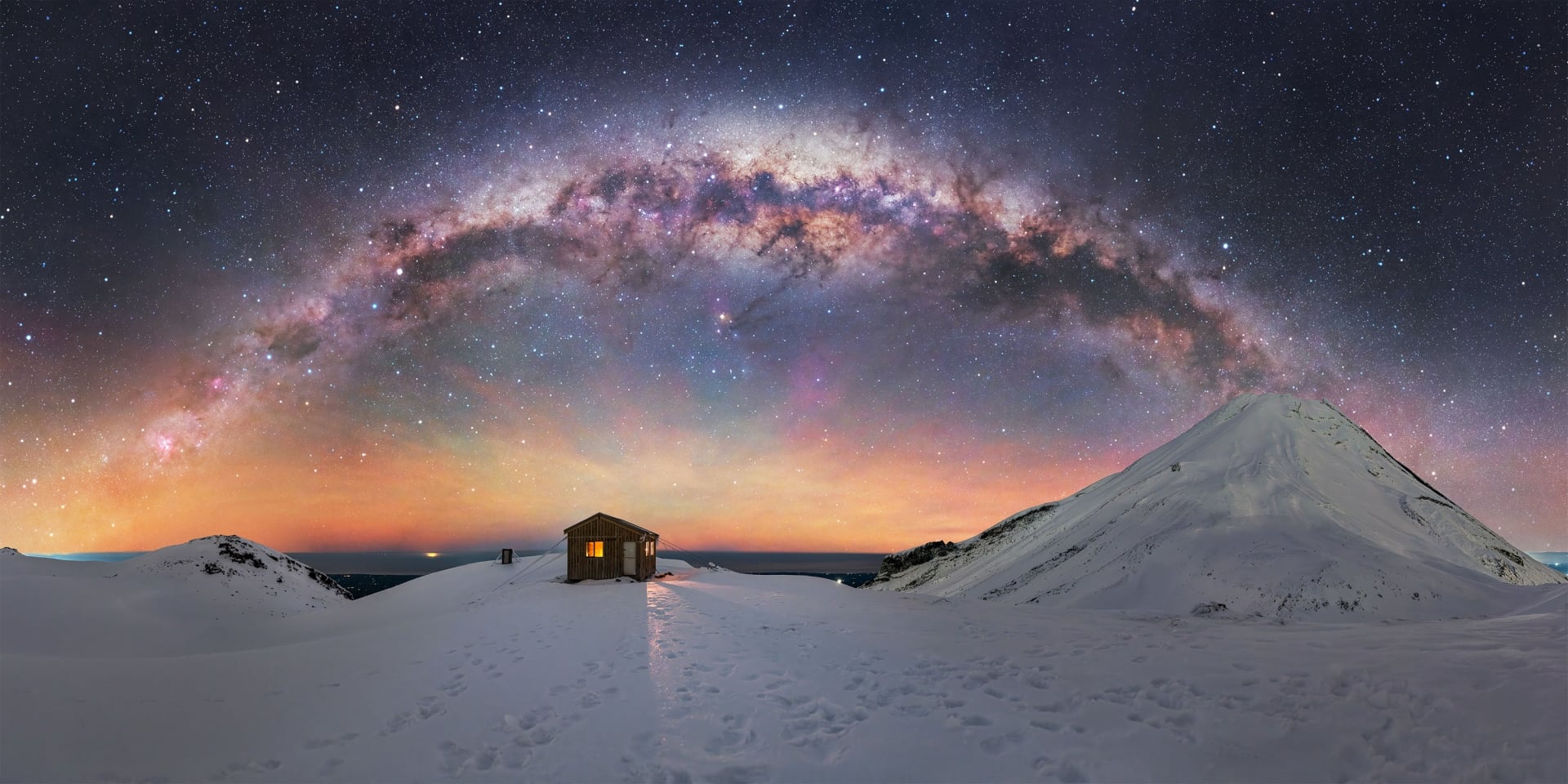
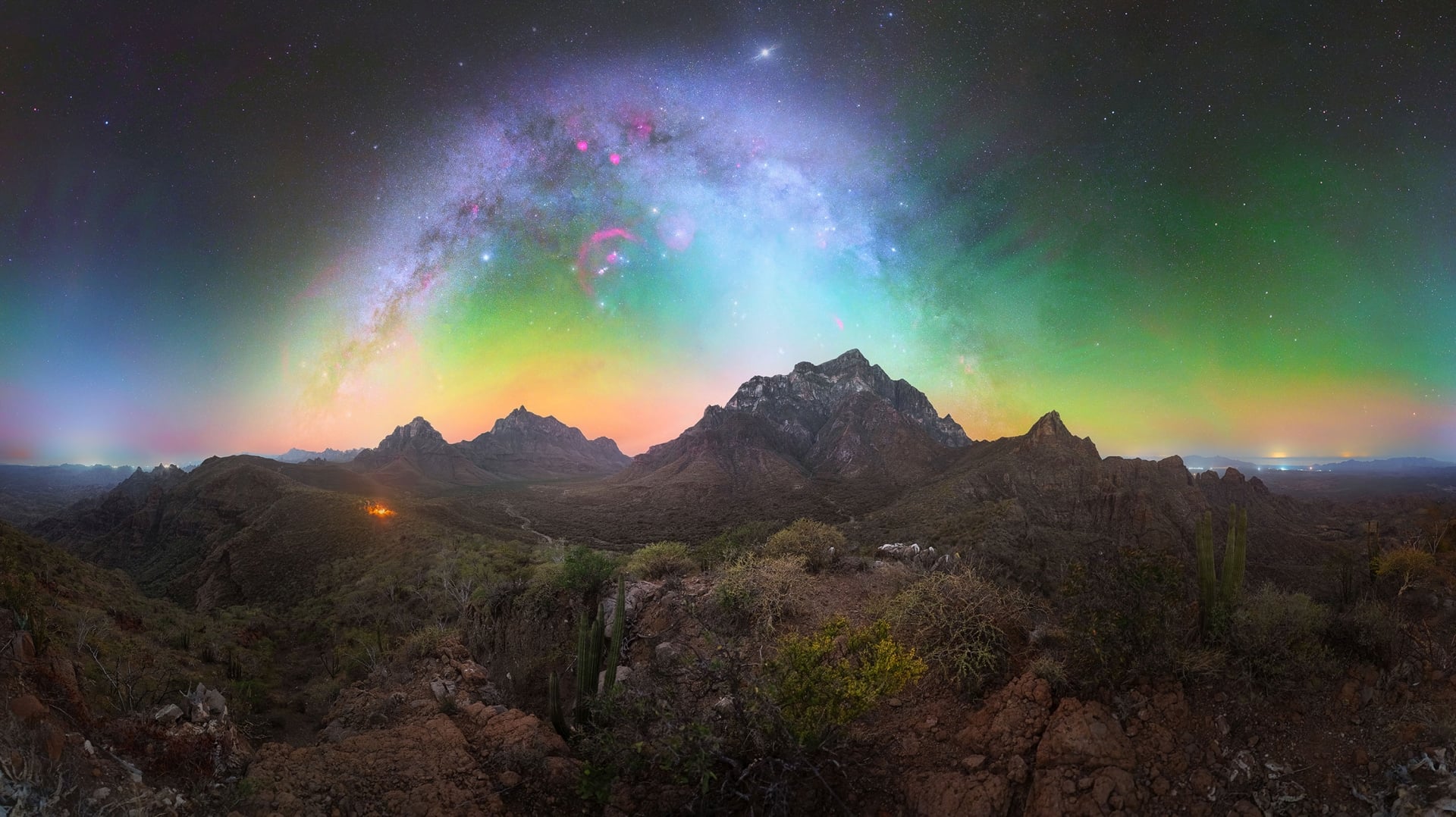
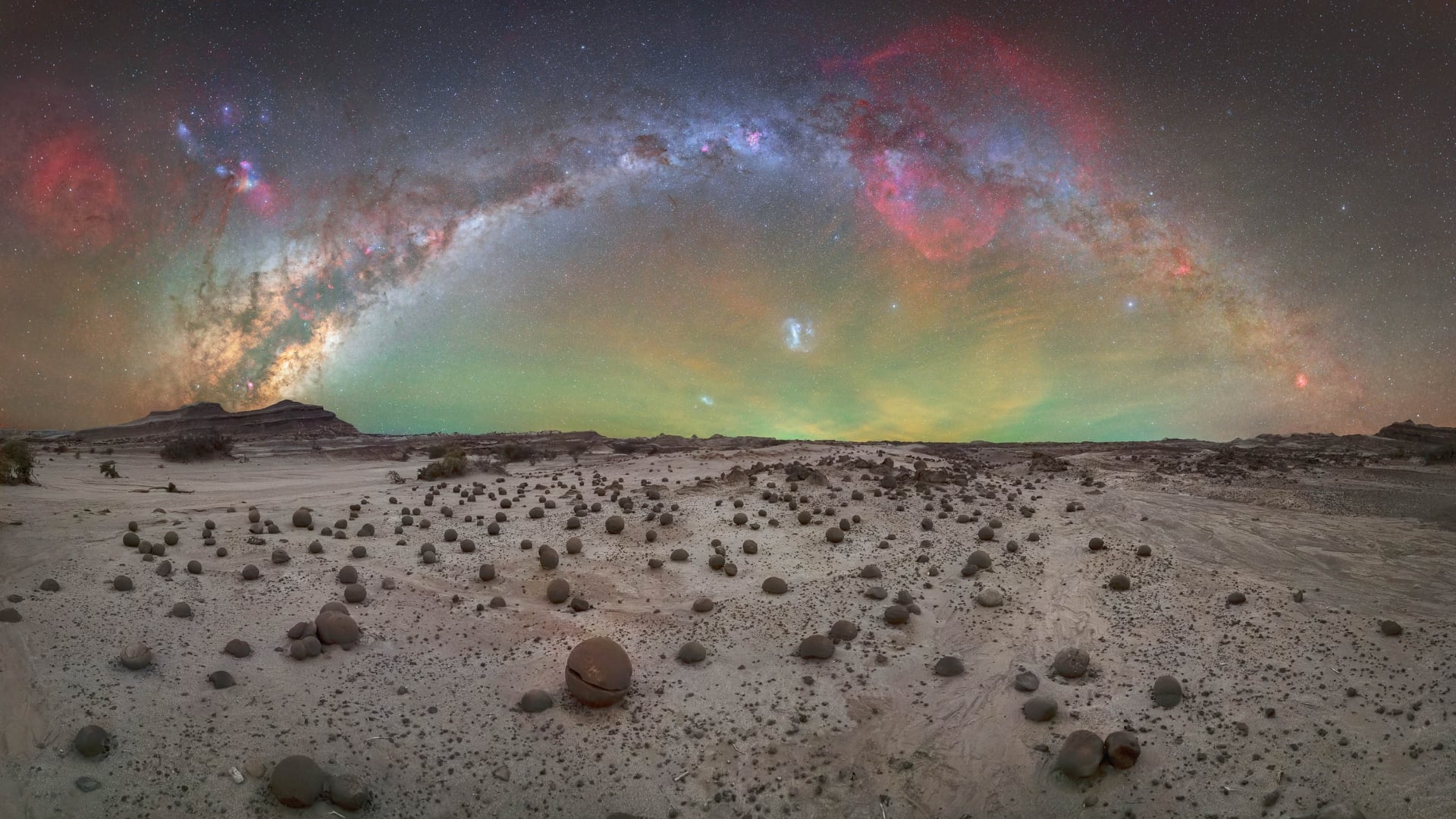
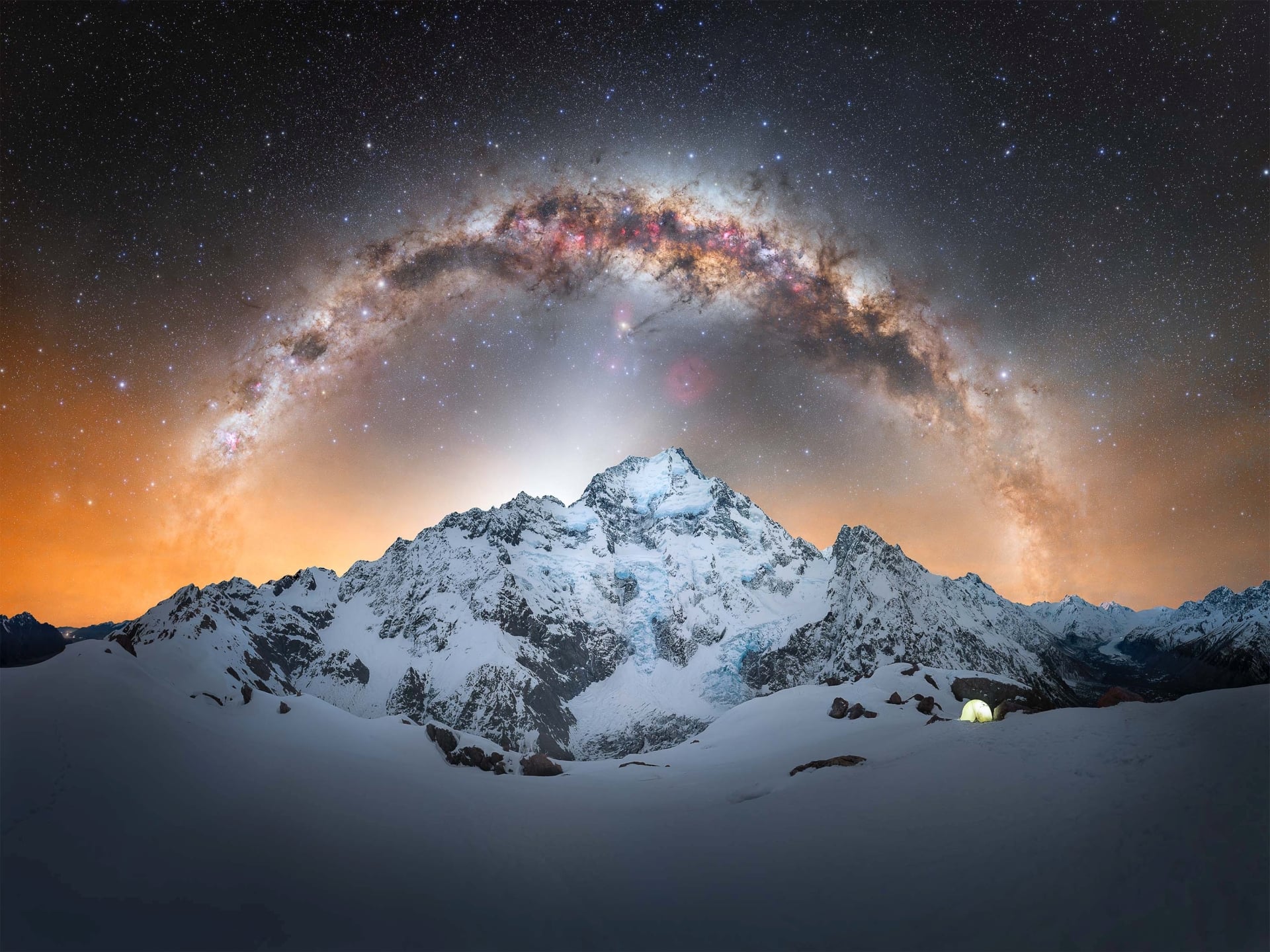
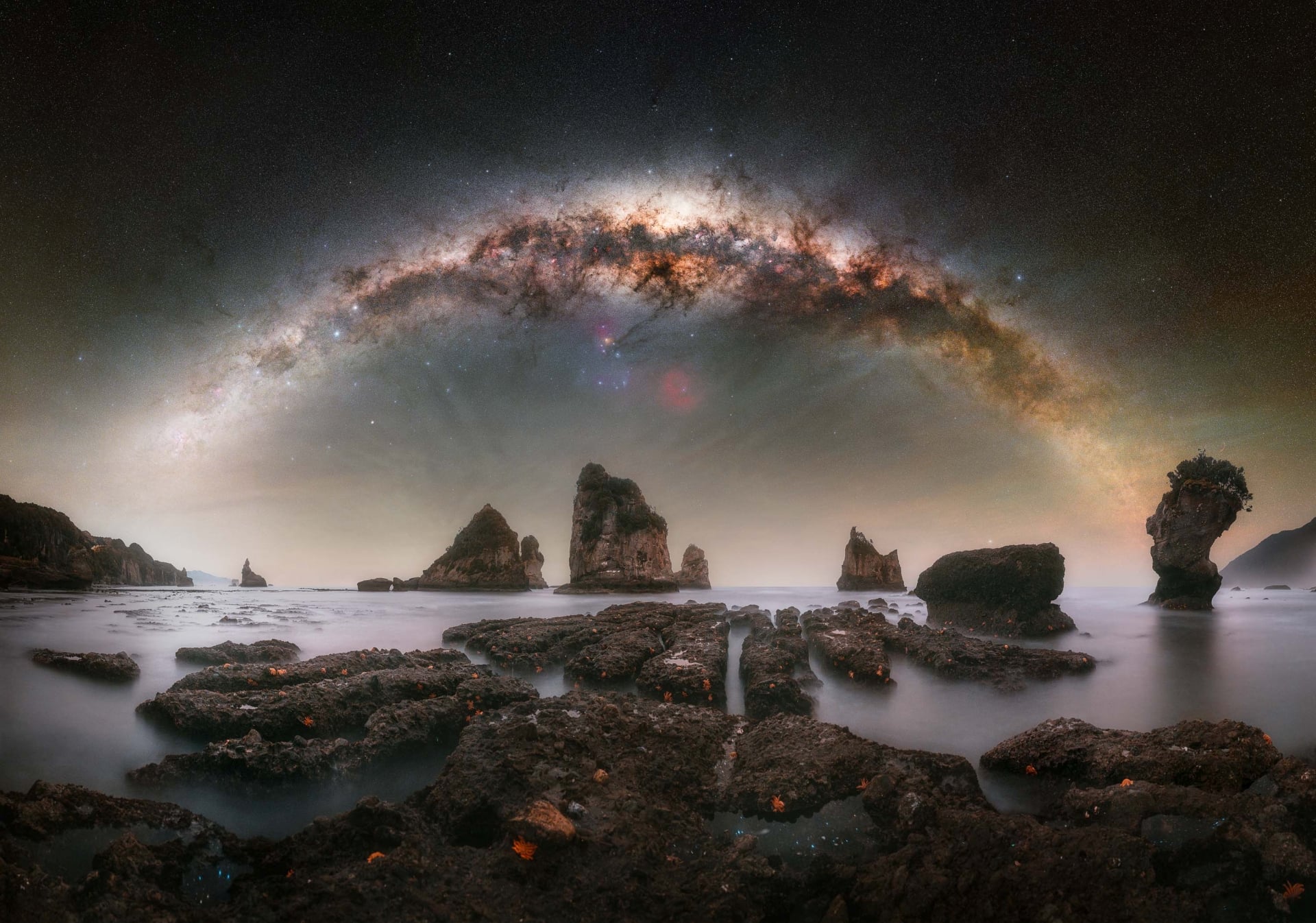
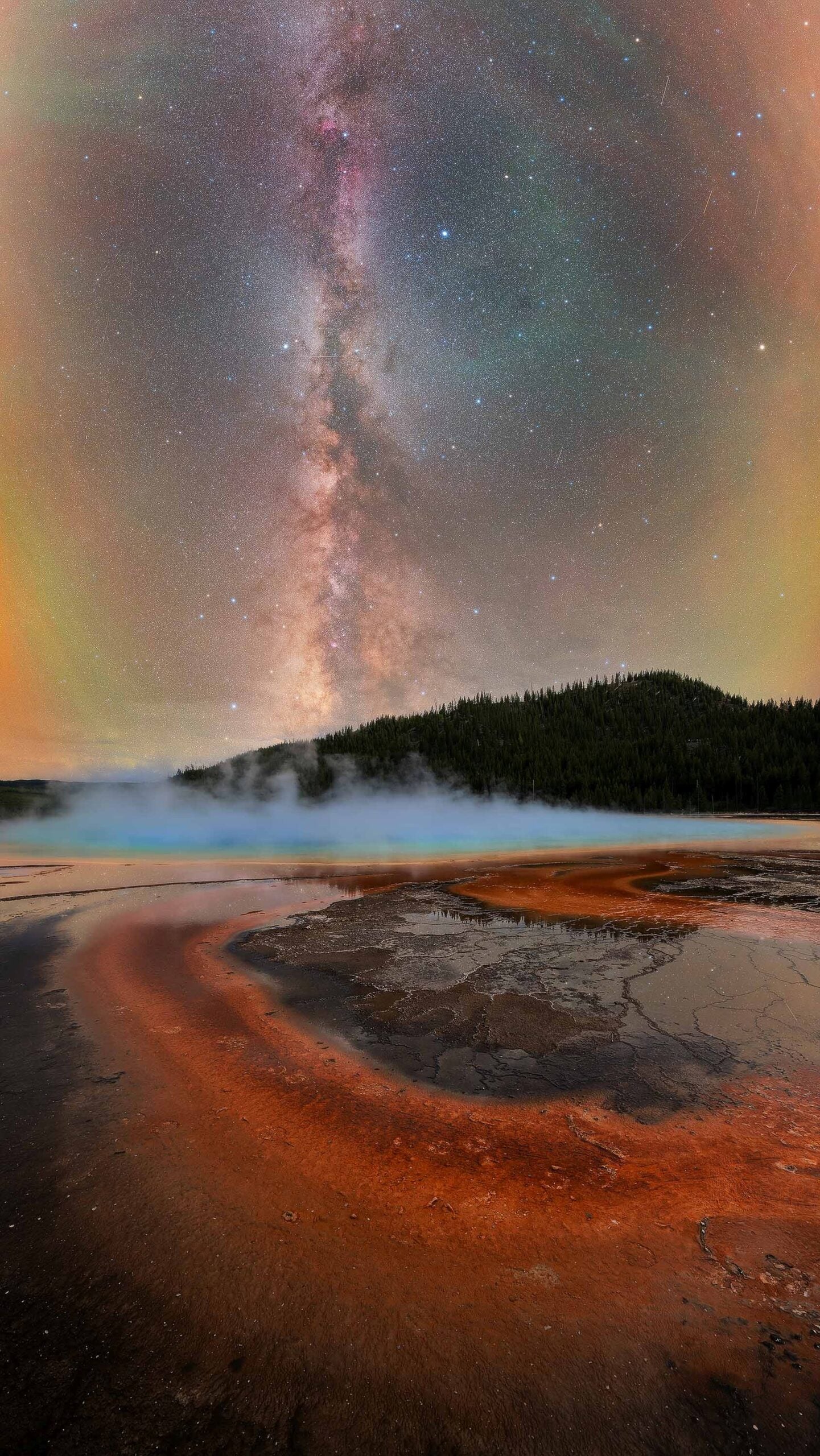
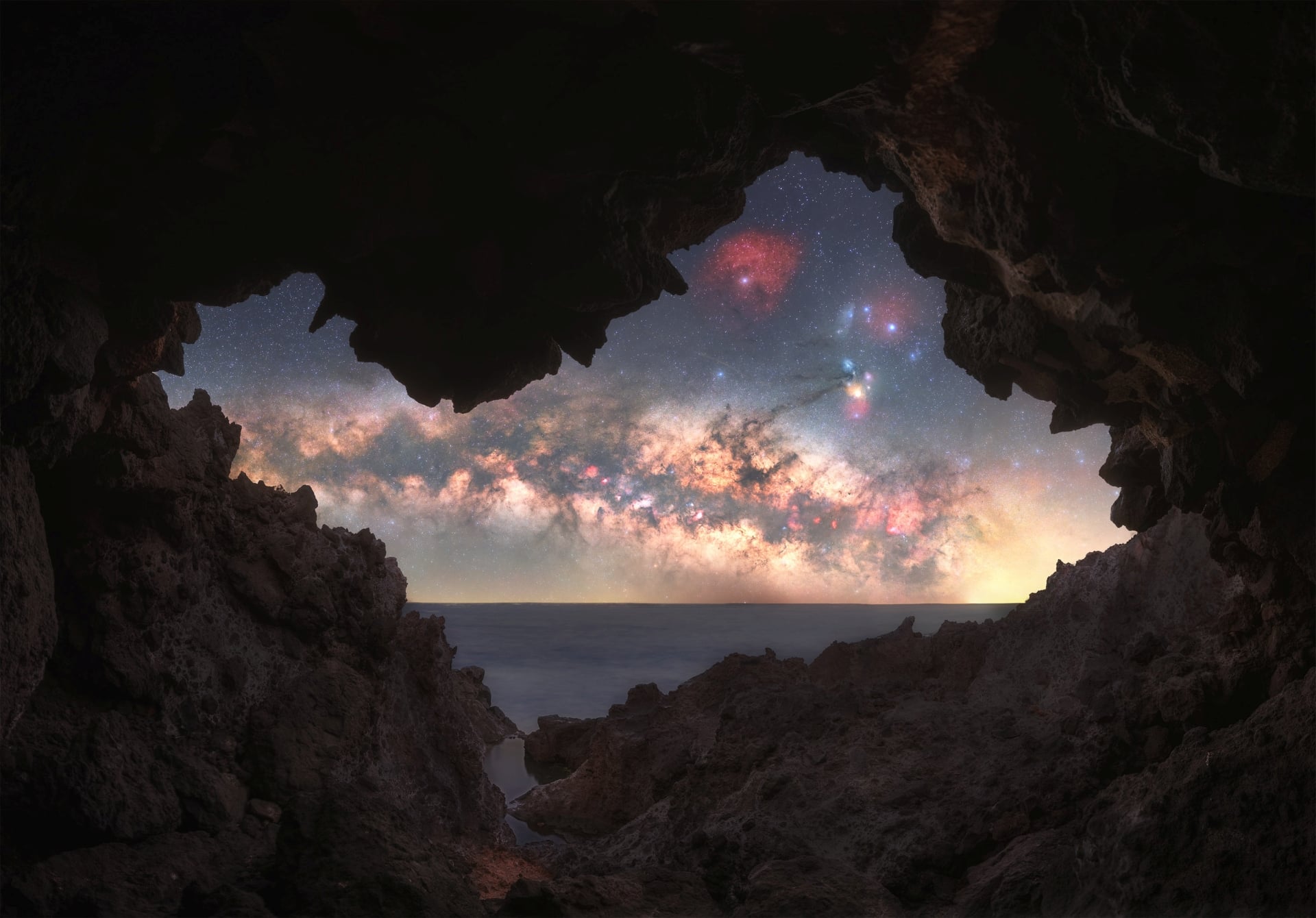
Few things in life soothe me like lying on the grass somewhere in the mountains and staring at the starry sky. I live in the city, so being in such darkness that I can spot the Milky Way feels like I’ve won the lottery. I can’t quite capture it with my camera well enough, but the 2026 Milky Way Photographer of the Year winners sure can! This year’s winners of Capture the Atlas’s annual contest have been announced, and just looking at these will make you start planning your next trip and learning how to capture the Milky Way if you don’t already know it. Let’s dive in.
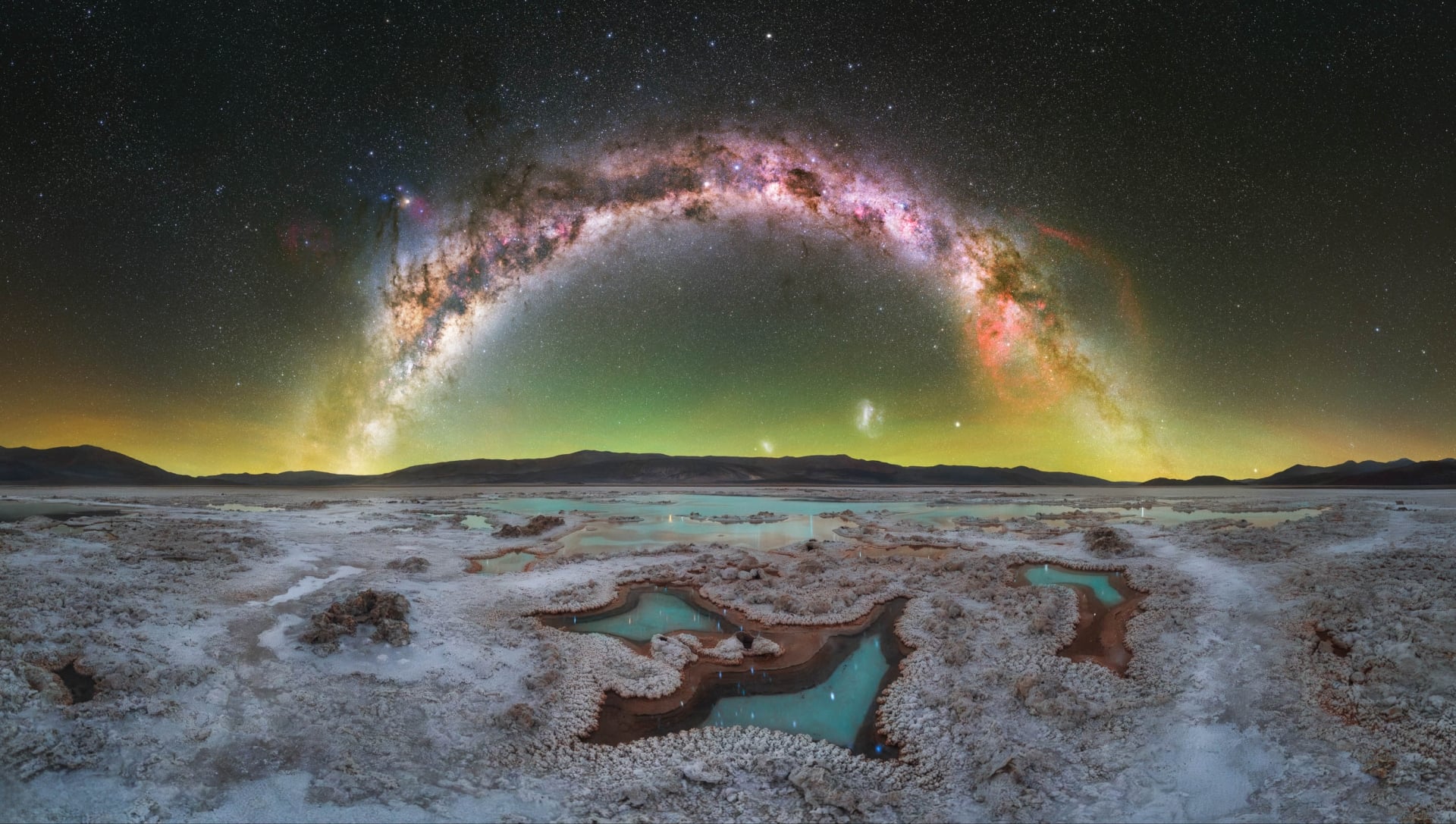
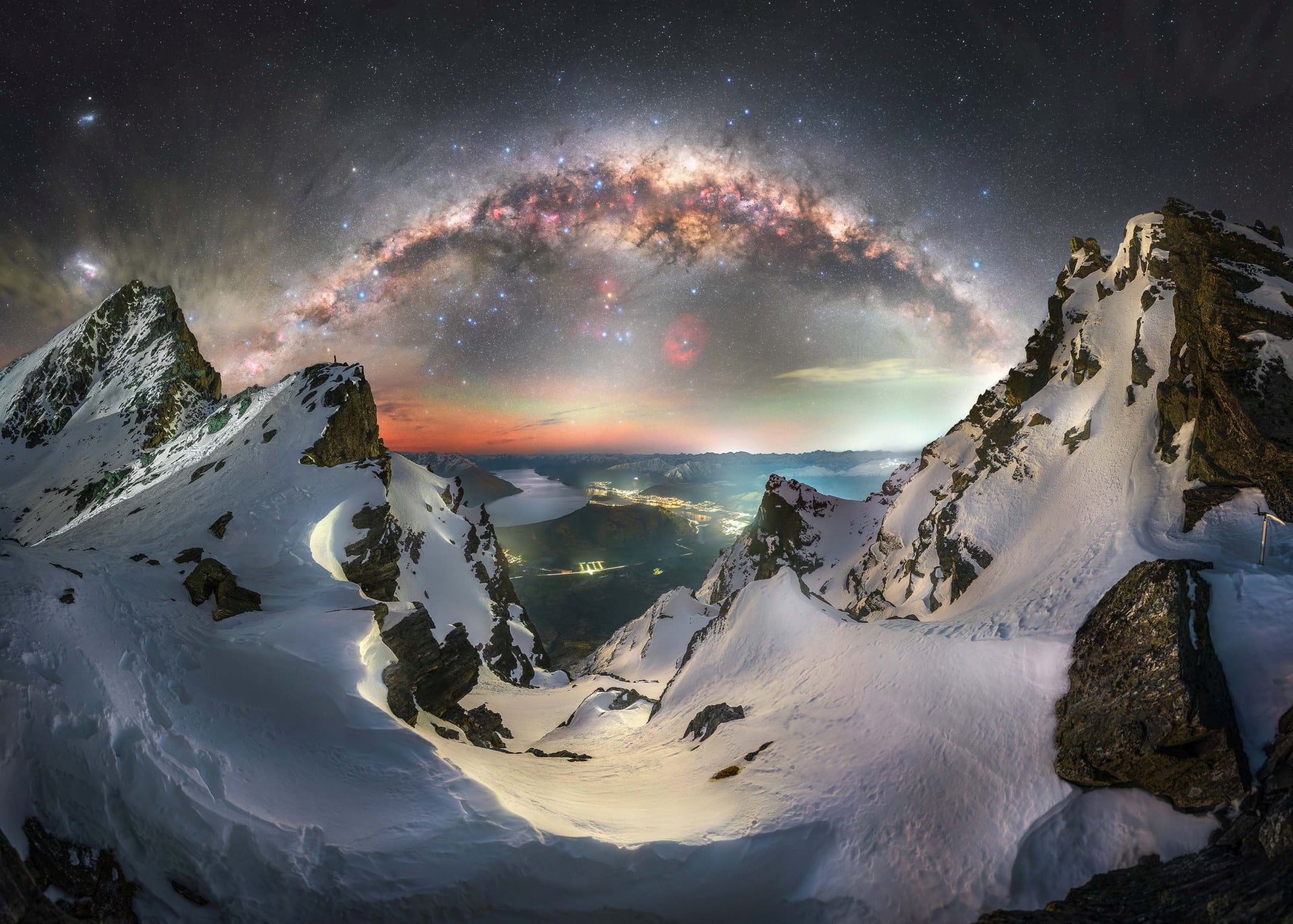
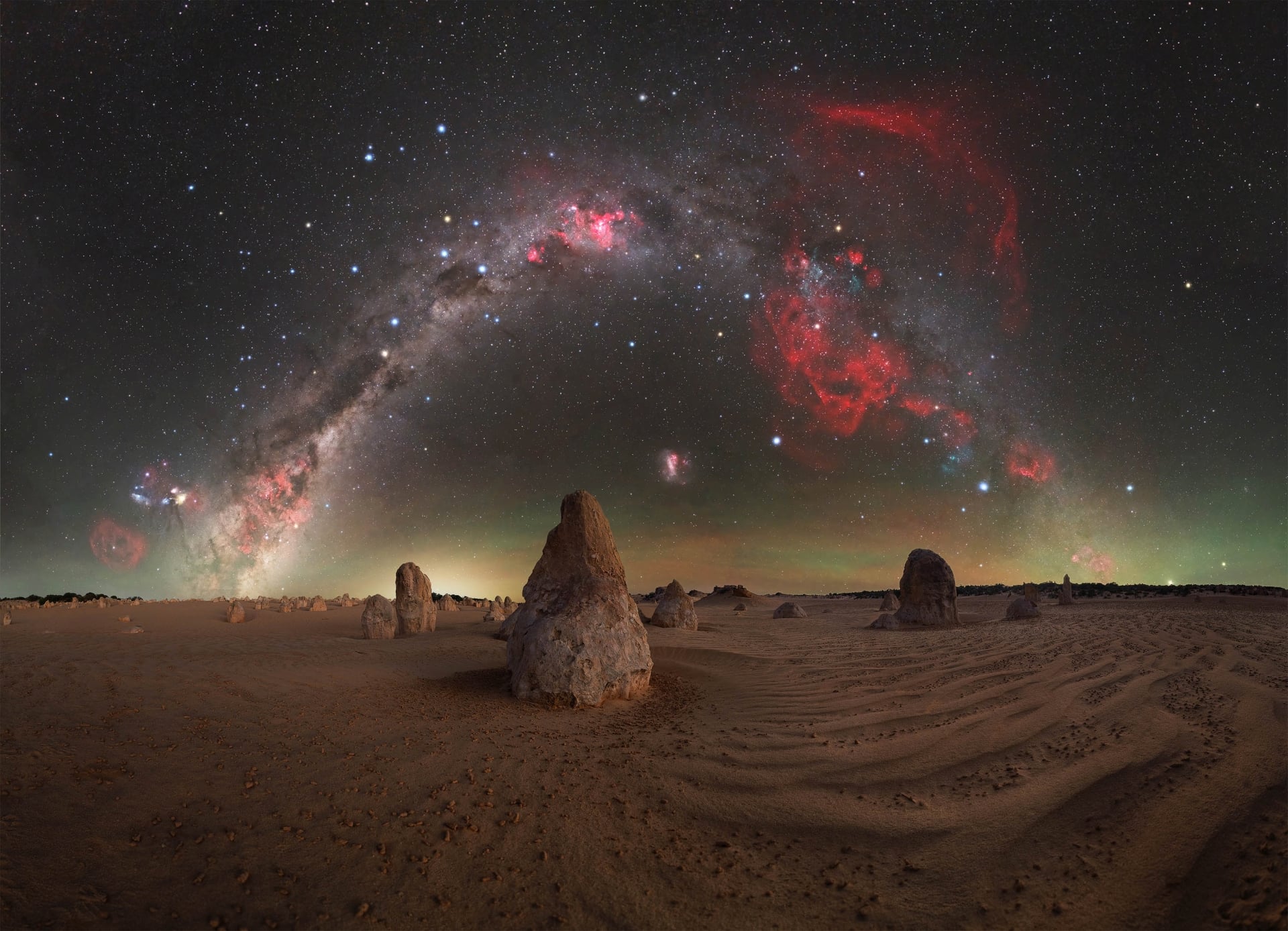
The 2026 contest is the ninth edition, and it once again broke the record. It received over 6,500 submissions, the highest number since the contest was first launched. The selected photographers represent 15 nationalities and the images range across 12 countries and regions: New Zealand, Argentina, Spain, Chile, France, the United States, Australia, the United Kingdom, Poland, Italy, Mexico, and Botswana.
The photos themselves, as always, range from across the globe, reminding us that we all live under the same sky. From the Southern Alps of New Zealand and the deserts of Argentina to the coastlines of Spain, the Atacama Desert in Chile, the Australian Outback, and the remote landscapes of Botswana.
What Makes the 2026 Contest Special?
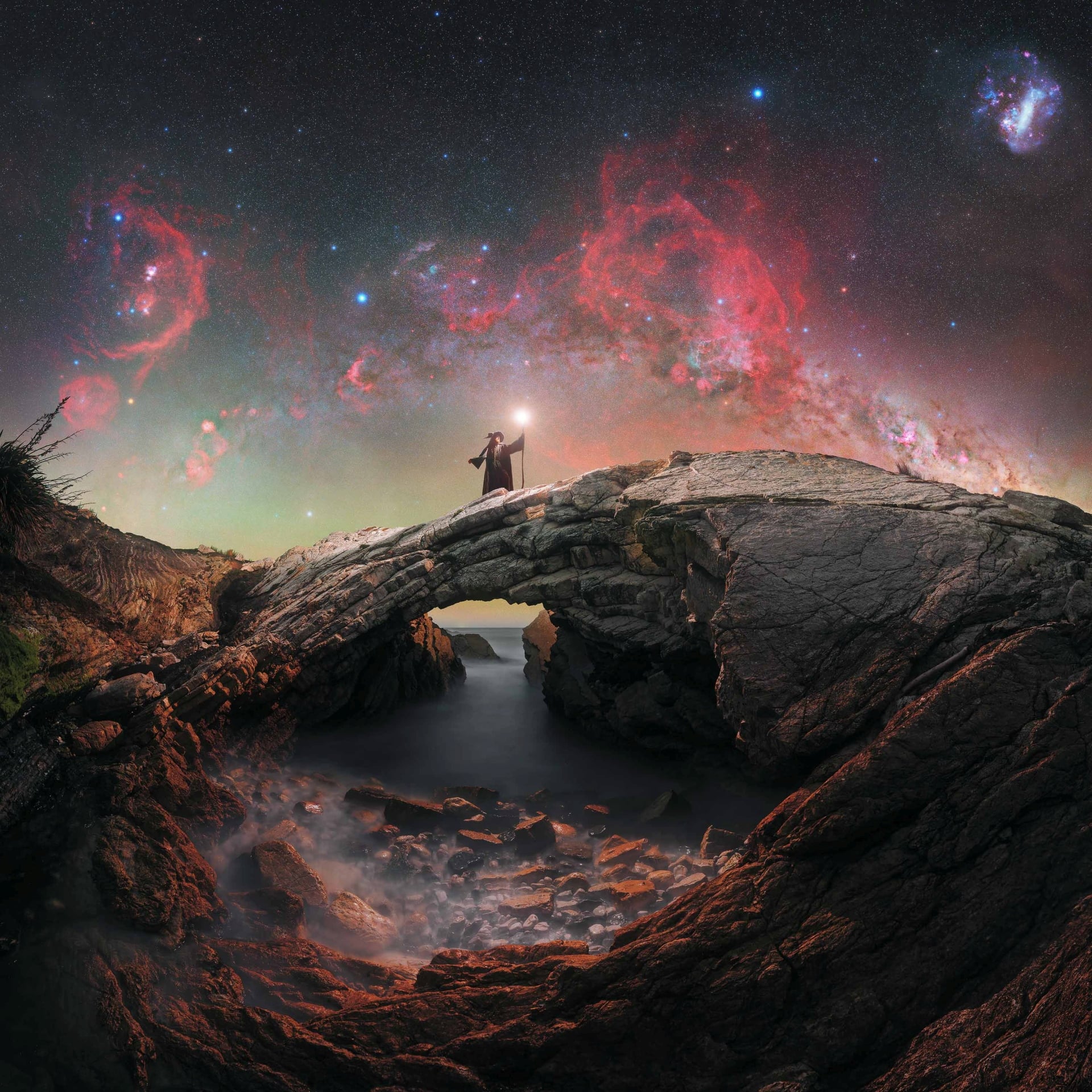
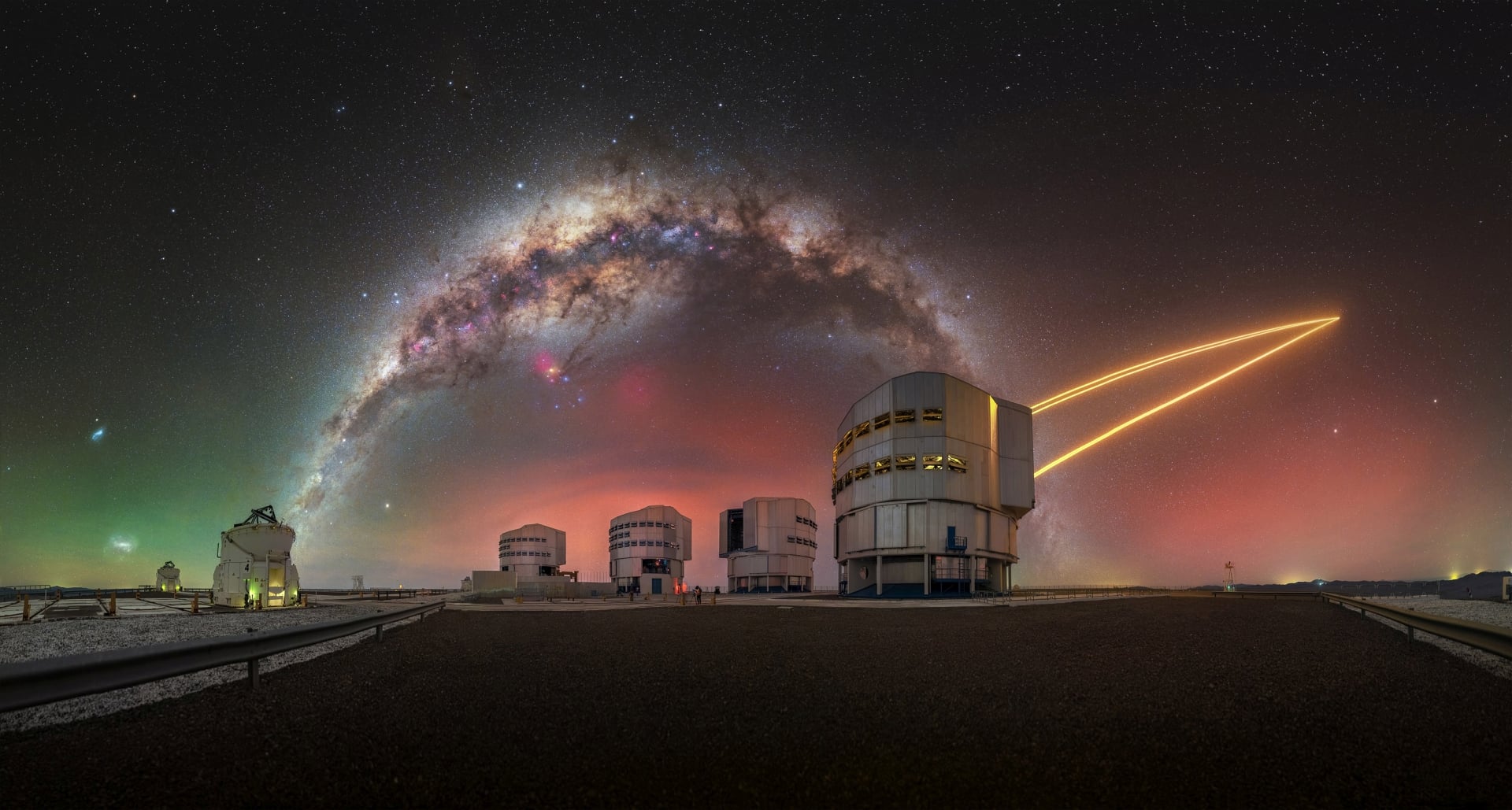
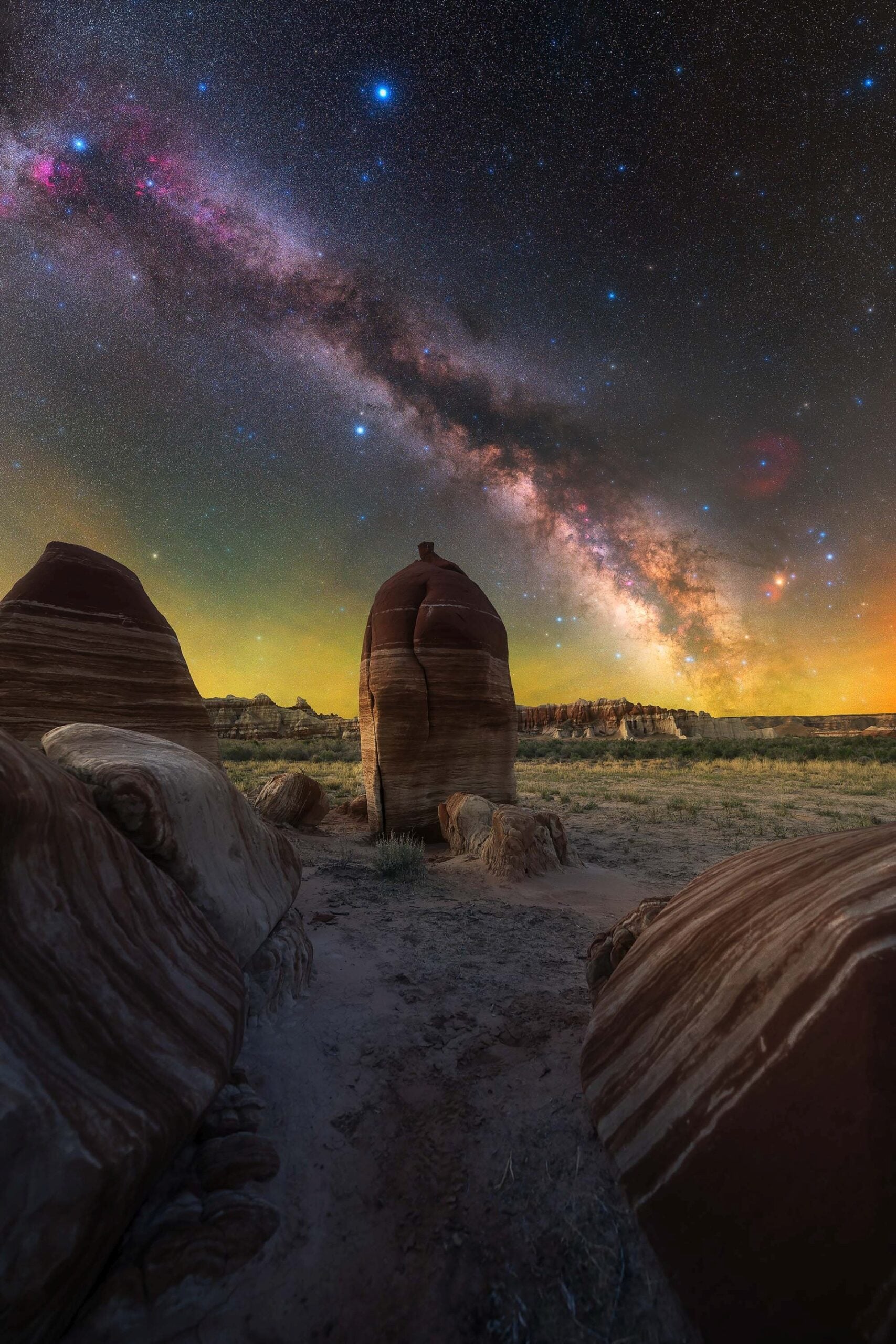
This year’s collection is somewhat special compared to the ones from the previous years (although they’re absolutely stellar nonetheless). It includes several rare and difficult-to-capture scenes. These include the Milky Way above the working telescopes of the Very Large Telescope in Paranal, Chile, an image from the restricted Valle de la Luna, a UNESCO World Heritage Site in Argentina, and a photograph from the Sierra of Baja California in Mexico. The selection also features one of the first night images taken from a canyon inside the Hopi Indian Reservation.
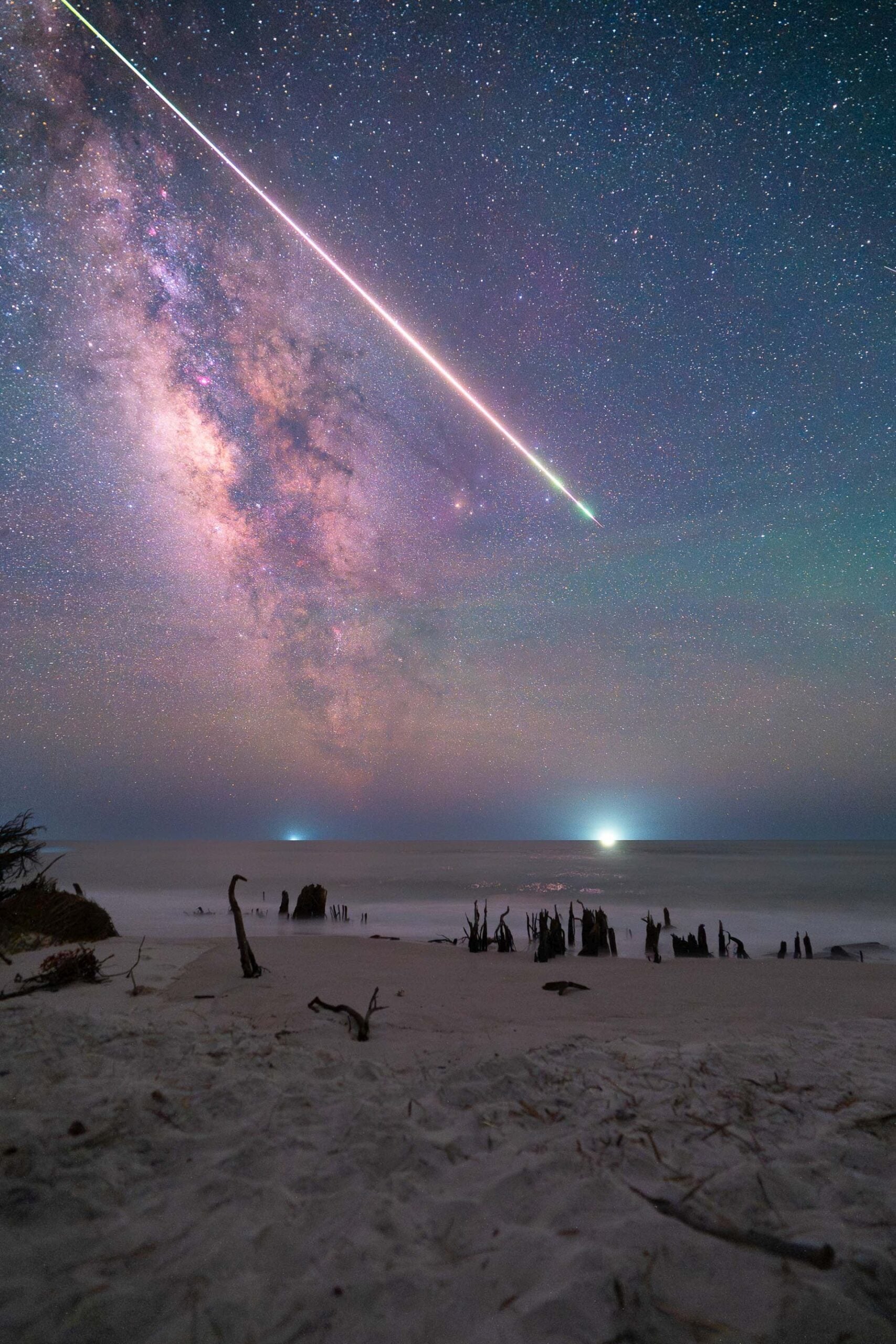
In addition, the 2026 contest edition captures several remarkable astronomical and natural phenomena. These include the Perseids and Geminids meteor showers, a giant fireball over the Florida coast, the Milky Way rising above fireflies in Italy, and a dramatic view of the galaxy above a sea of clouds in La Palma.
[Related reading: Urban Astrophotography: 5 things you can photograph from a light-polluted city]
How Are the Winners Selected?
Each year, Capture the Atlantic editor Dan Zafra curates the list based on image quality, story, originality, and the inspiration each photo provides. The contest celebrates Milky Way photography, but it also serves to encourage you and to seek dark skies, explore new locations, and connect with the night – with your camera or without it.
“Every year, this collection reminds us that photographing the Milky Way is not only about technique or planning. It is about curiosity, patience, and the desire to experience the night sky in places where it still feels wild,” Dan says. “Many of these skies are becoming increasingly rare, and we hope these images inspire people not only to admire them, but also to value and protect them.”
When to Photograph the Milky Way?
The Milky Way season typically runs from February to October in the Northern Hemisphere and from January to November in the Southern Hemisphere. May and June offer some of the longest visibility windows, so… You know what to do. :)
[Related reading: How to shoot and stitch a Milky Way panorama in Lightroom]
All images featured in the collection were taken under dark skies, often in remote locations far from light pollution. Therefore, if you’d like to take your own Milky Way photos or just enjoy the starry sky, you’ll need to go far, far away from the city. You can check out the Light Pollution Map to help you plan your trip.
[Related reading: Want to start shooting the Milky Way? Start here]
I’ll leave you know to enjoy the selection of this year’s winners, and make sure to visit Capture the Atlas to view the entire collection of 25 images. It’s well worth taking a look. And then another one.
See more from DIYPhotography.net on Google
Add DIYPhotography.net as a trusted source. This makes
our stories more likely to appear in your Google Search results.
 Add as a preferred source on Google
Filed Under:
Tagged With:

Dunja Đuđić Kalinin
Dunja Djudjic is a multi-talented artist based in Novi Sad, Serbia. With 15 years of experience as a photographer, she specializes in capturing the beauty of nature, travel, concerts, and fine art. In addition to her photography, Dunja also expresses her creativity through writing, embroidery, and jewelry making.
Related Posts
 An 8-year-old girl breaks Guinness Record as the world’s youngest drone videographer
 2025 Milky Way Photographer of the Year Breaks New Ground with View From Space
 Photographer captures stunning underwater portraits at 100ft, breaks Guinness world record again
 Oscar Barnack’s personal 0-series 1923 Leica breaks world record, fetches over $15 million at an auction
Join the Discussion
DIYP Comment Policy
Be nice, be on-topic, no personal information or flames.