




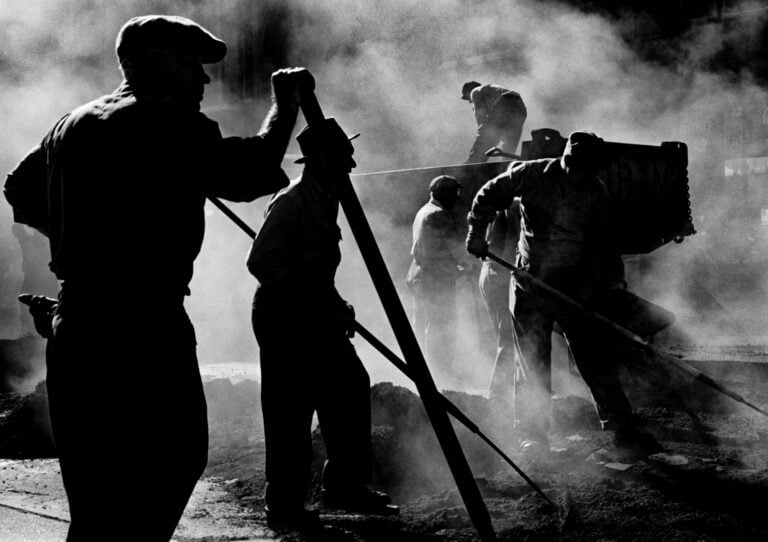
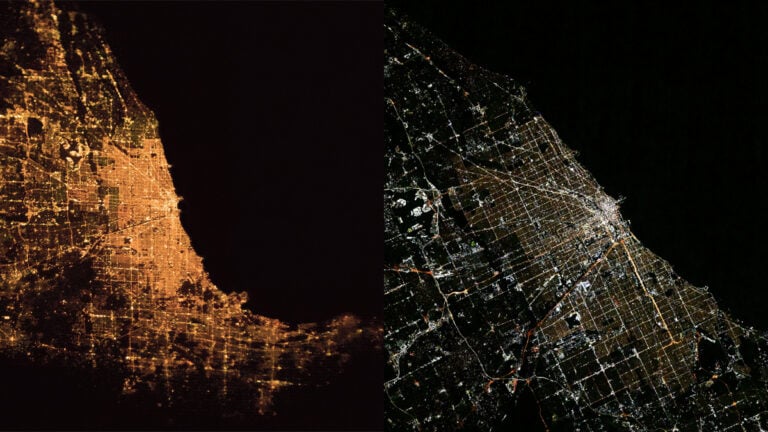
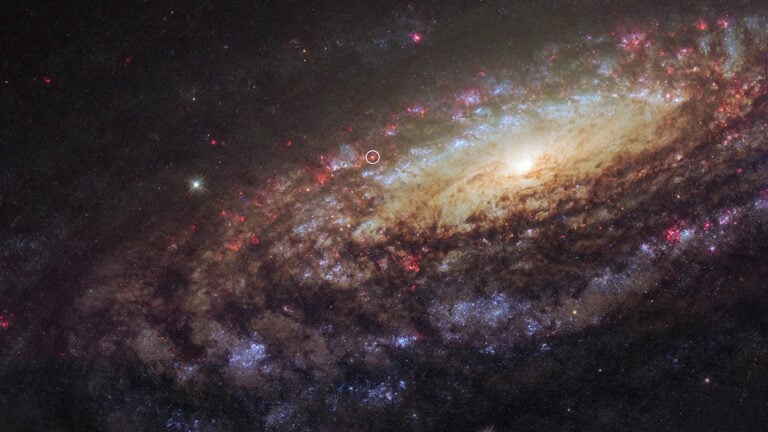













Can you really achieve film-like photos with a digital camera?
Oct 14, 2024
Dunja Đuđić Kalinin
Dunja Djudjic is a multi-talented artist based in Novi Sad, Serbia. With 15 years of experience as a photographer, she specializes in capturing the beauty of nature, travel, concerts, and fine art. In addition to her photography, Dunja also expresses her creativity through writing, embroidery, and jewelry making.
Share:

Even though digital photography has come a long way, there’s a growing nostalgia for the aesthetic of film photography. Many photographers find the grainy texture, subtle color palettes, and the overall “mood” of film photos irresistible. Even those who never had to wait for the film to be developed just so they discover that they blew it. :)
While some argue you can’t achieve “the film look” with a digital camera, Steve O’Nions believes differently. In his latest video, he shares some great examples of his landscape photos and a few tricks to make yours look like they were shot on film.
Key elements of “the film look”
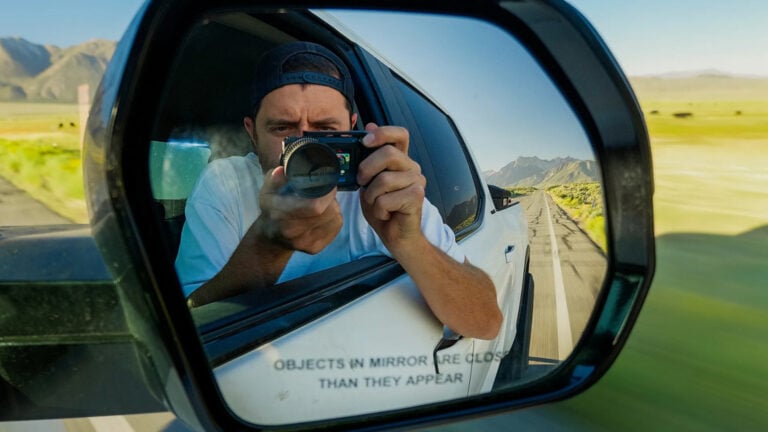
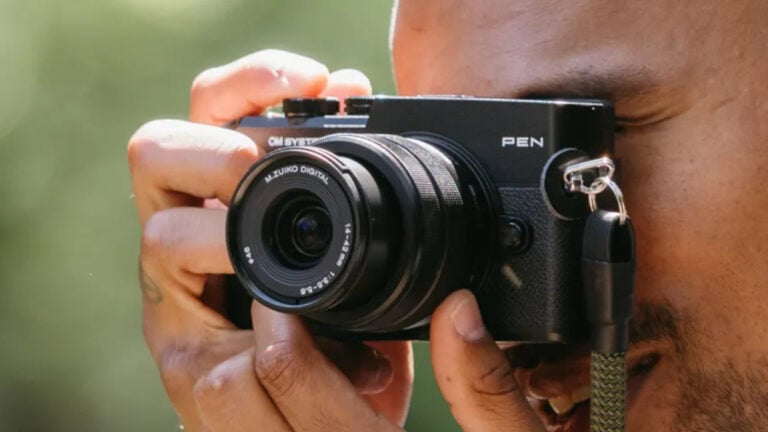
Armed with a digital MFT camera and a single zoom lens, Steve set out to capture the beauty of the surrounding mountains. He enjoys “the film look” and edited his photos in this style.
By the way, I like putting “the film look” in quotes because there are many films available. And even with the same film, you won’t always have the same results. Steve calls his style for these images the “Fuji 400 color look” as he believes it renders the landscape a bit more sympathetically, with more character. Here are the elements to this look, shared by some other commercially available films too:
- Soft focus: Unlike the tack-sharp images we often get with our digital cameras, Steve aimed for a softer, more organic focus. He used a zoom lens, but you can also go for a vintage lens adapted to your digital camera. Personally, I love doing this!
- Gentle contrast: Film photography is known for its subtle contrast, which creates a more harmonious overall feel. Steve adjusted the contrast settings in his digital camera and during post-processing to achieve a similar effect.
- Lower saturation: Film often produces more muted, less saturated colors when compared to digital images. Steve reduced the saturation in his digital photos to match this style.
- Grain: Grain is a defining feature of film photography. Steve added grain to his digital images, and that’s something you can do in literally every editing software. Those with more trained eye and more experience in film photography say you can tell “the film look” from actual film. Honestly, I can’t, at least not if the editing job is good. I’m not zooming into infinity to analyze grain in the photos – I just observe them and enjoy them.
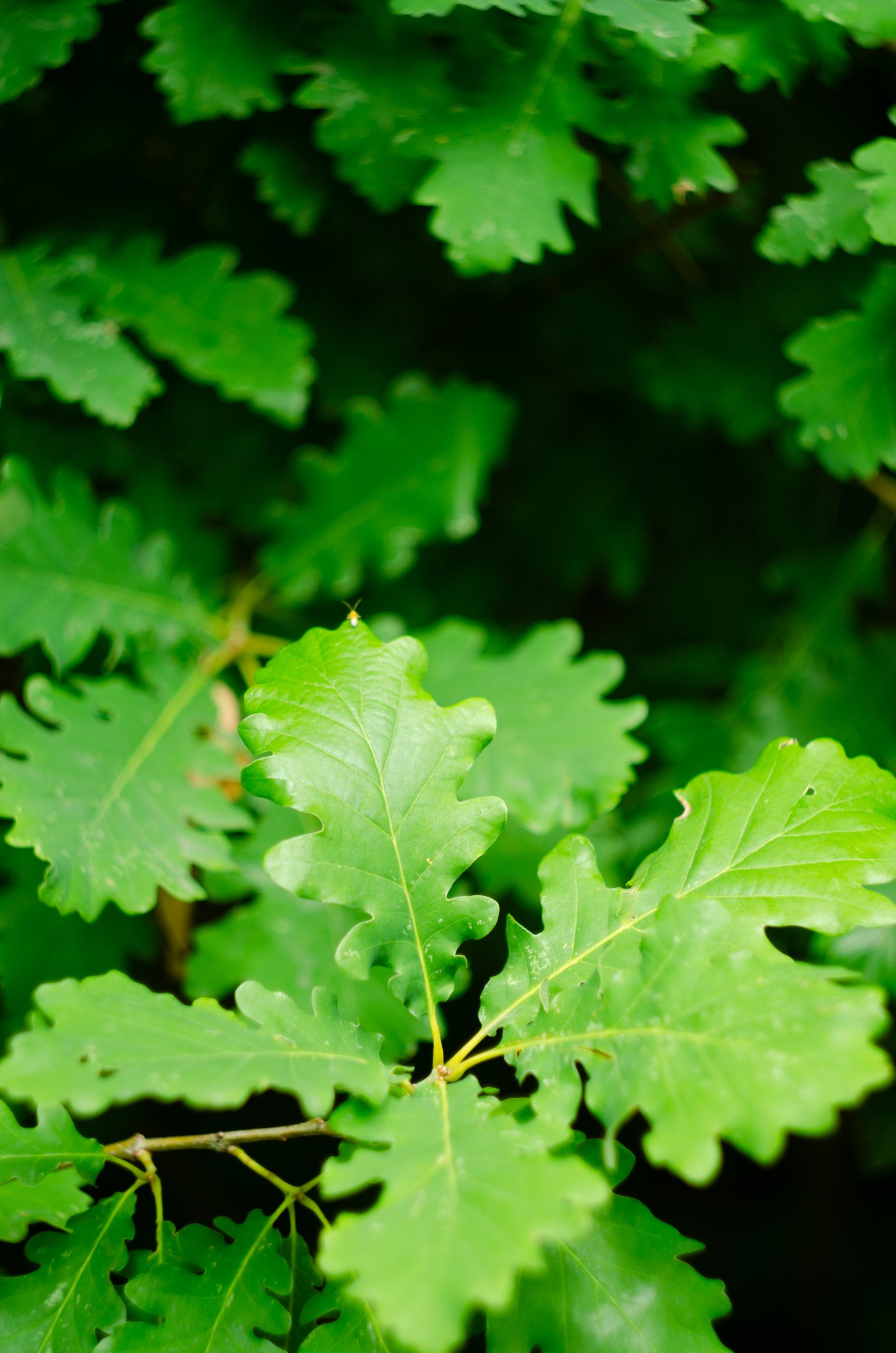
Steve used Lightroom to edit his digital photos, applying various adjustments to achieve the desired film-like aesthetic. This included color grading, adjusting contrast and exposure, and some subtle sharpening and noise reduction. And the grain, of course. He ended up with gentle contrast, muted colors, and added grain – subtle in some images, and pretty obvious in others. The images evoked a sense of nostalgia and charm, proving that it’s possible to achieve “the film look” using a digital camera and spending some time in Lightroom.
While the convenience and versatility of digital photography are undeniable, there’s something undeniably special about film photography, too. For me, it’s not just the look. It’s also the wait before you see the final results (and hopefully, not getting disappointed). Still, the look of film photos is incredibly captivating, and this could be a good place to start if film photography seems too overwhelming or too expensive for you. After all, experimenting with vintage lenses and different editing styles is really fun, and it can kickstart your creativity like nothing else!
[Digital files, film-like results | Steve O’Nions]
See more from DIYPhotography.net on Google
Add DIYPhotography.net as a trusted source. This makes
our stories more likely to appear in your Google Search results.
 Add as a preferred source on Google

Dunja Đuđić Kalinin
Dunja Djudjic is a multi-talented artist based in Novi Sad, Serbia. With 15 years of experience as a photographer, she specializes in capturing the beauty of nature, travel, concerts, and fine art. In addition to her photography, Dunja also expresses her creativity through writing, embroidery, and jewelry making.


Join the Discussion
DIYP Comment Policy
Be nice, be on-topic, no personal information or flames.