
























Fujifilm to Increase Instax Film Production by 10% in 2026 Amid Growing Demand
Dec 22, 2025
Anzalna Siddiqui
A psychology major in her third year of Bachelor’s, Anzalna Siddiqui has endless curiosity for the human mind and a deep love for storytelling – both through words and visuals. Though she hasn’t taken up photography as a profession, her Instagram is where her passion finds its home. In addition to this, she’s a travel enthusiast who never travels without her camera because every place has a story waiting to be captured.
Share:
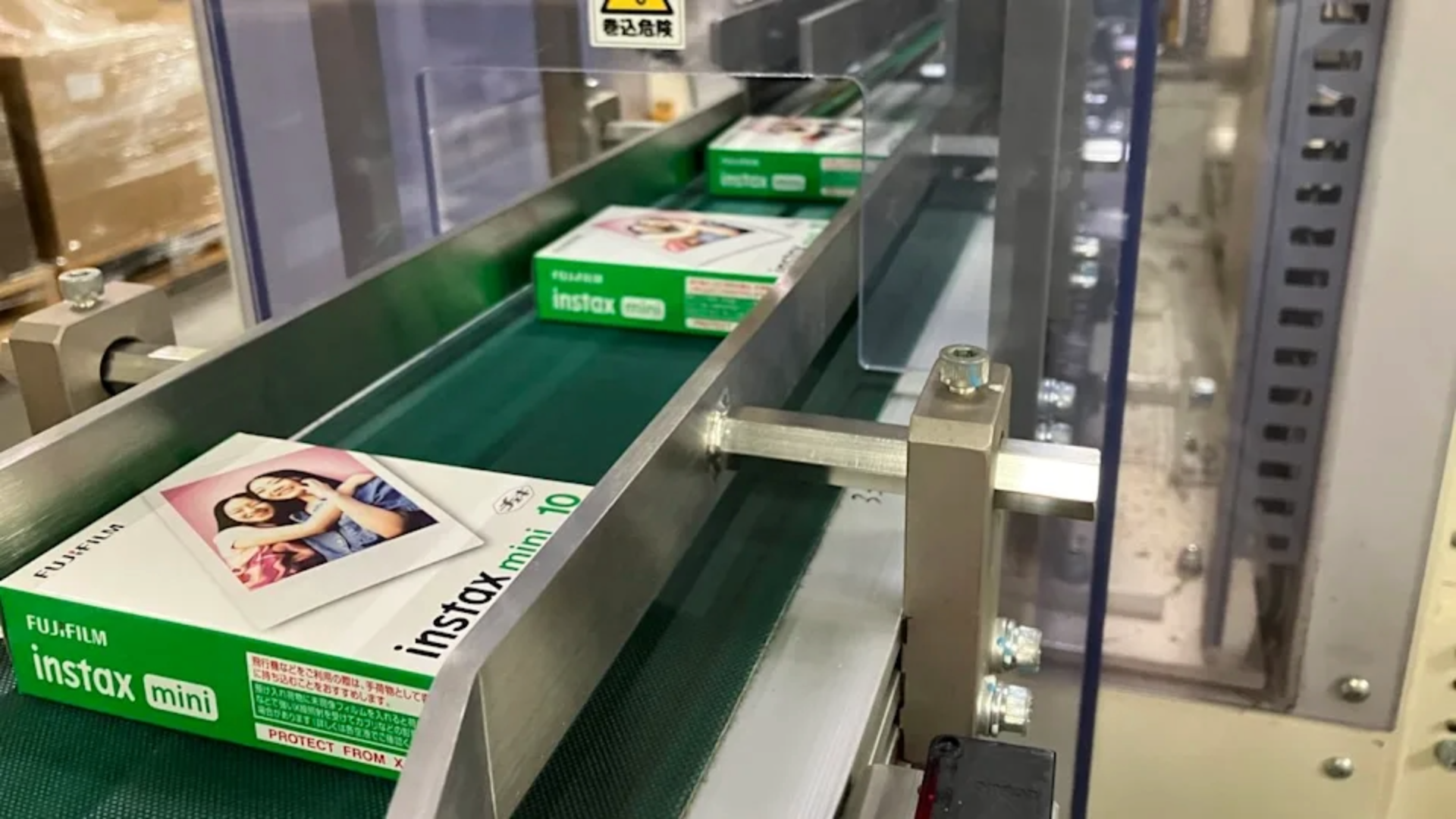
Fujifilm says they understand your frustration. The company just revealed they’re investing another 5 billion yen (around $32 million) to boost Fujifilm Instax film production.
This update comes from a recent announcement by Fujifilm, and they seem committed to keeping analog photography alive. They plan to enhance their Ashigara site at the Kanagawa Factory in Japan. If all goes well, you can expect a 10% increase in film production by autumn 2026.
Fujifilm states that this step is in response to the strong global demand for instant film. Honestly, it’s about time. We’ve all noticed instant film prices rising, and if this investment leads to more products on store shelves, it might ease the strain on your wallet, and help local camera shops keep their stock full.
The Fujifilm Instax Film Production Plan for 2026
Fuji has announced that their recent investment of 5 billion yen is just part of a larger trend. This is actually the third time they’ve significantly updated their factories over the past few years. In 2022, they invested 2 billion yen, and in 2023, they added another 4.5 billion. With this latest investment, their total spending amounts to about 11.5 billion yen.
The company believes that by 2026, when the new production lines are operating, their overall production capacity will increase by 50% compared to 2022. That sounds impressive, but it raises the question of whether a 10% increase in 2026 will really meet the demands of many Gen Z photographers. It seems like just as quickly as Fuji upgrades their equipment, more people are eager to capture images.
The expansion at the Ashigara factory will begin in stages starting in spring 2026, with full operation expected by fall of the same year. Therefore, don’t expect immediate results. You’ll need to be patient for about another year before the Great Film Drought is expected to end.
Why Is Everyone So Obsessed With Instax Anyway?
You might ask why a small plastic camera that produces blurry photos is worth $32 million. It’s a reasonable question. Recently, Fujifilm reached an impressive milestone: they’ve sold over 100 million Instax cameras and printers since 1998. That’s a lot of cameras out there!
The appeal of analog technology has really caught on. You probably notice these cameras at weddings, birthday parties, and vacations. People enjoy the hands-on experience. You take a photo, hear that familiar mechanical sound, and watch the picture develop right in front of you.
Fujifilm reports that their Instax line now accounts for about 50% of their total imaging revenue. That’s significant. It means these simple cameras are actually doing more for the company than their more expensive digital X-series. It makes sense that they want to ensure you always have film available to keep the fun going.
The Science Inside Your Little White Frame
Fuji reminds us that Instax film consists of 18 separate layers. These layers work together to control light and colors.
When your camera or smartphone printer (like the Instax Link 3) produces the film, it releases a small pod of chemicals. These chemicals spread on the film and trigger a reaction that takes about 90 seconds. It’s best not to shake it, despite what some songs suggest, as you want the chemicals to spread evenly.
Fujifilm says they are always improving this process to enhance colors and shadows. Whether you choose the classic Mini, the creative Square, or the larger Wide film, you’re benefiting from technology that has been refined for over 25 years. It’s pretty remarkable when you consider that you get a tangible memory in a time when most of our photos stay hidden in our phone’s “Recents” folder.
Is a 10% Increase Actually Enough for the Future?
I’m starting to feel a bit doubtful here. A 10% rise in production sounds good, but is it really enough? Fujifilm claims they’ve met their 2024 sales targets a year ahead of schedule. People are buying their products faster than they can produce them.
In my opinion, Fuji might still be trying to catch up. They seem hesitant to expand too quickly and risk having excess inventory if demand slows down suddenly. But honestly, is the analog trend showing any signs of slowing? Not from what I can see. With the retro Mini 99 and the hybrid Mini Evo, there are more options than ever to use up a pack of film quickly.
If you’re into Wide format, you might be struggling even more. The new Wide 400 has come out, but finding film for it can be a challenge. I hope this 10% increase benefits all the formats, not just the Mini packs.
What Should You Do While You Wait for 2026?
Since the full Fujifilm Instax Film production capacity won’t be ready until late 2026, you might notice that film is a bit hard to find or more expensive for a while. I will suggest that don’t stockpile it like it’s the end of the world. That just causes issues for everyone else. Instead, consider keeping a few packs in the fridge to stay fresh.
Now’s also a great time to check out hybrid cameras like the Instax Mini Evo. You can choose which pictures to print, so you won’t waste film on blurry shots or ones where your friend blinked. This way, your film supply can last longer while we wait for Fujifilm to get their new factories up and running.
Fujifilm says they will continue to explore all the limitless possibilities of photography. While that sounds like marketing talk, it shows they care about analog fans and aren’t planning to leave them behind anytime soon. They want you to keep printing, and it looks like they’re ready to invest the money needed to support that.
[via Fujifilm; Image credits: Fujifilm]
See more from DIYPhotography.net on Google
Add DIYPhotography.net as a trusted source. This makes
our stories more likely to appear in your Google Search results.
 Add as a preferred source on Google

Anzalna Siddiqui
A psychology major in her third year of Bachelor’s, Anzalna Siddiqui has endless curiosity for the human mind and a deep love for storytelling – both through words and visuals. Though she hasn’t taken up photography as a profession, her Instagram is where her passion finds its home. In addition to this, she’s a travel enthusiast who never travels without her camera because every place has a story waiting to be captured.
Related Posts
 Fujifilm finally releases a follow-up to its most advanced analog Instax mini camera – Fujifilm Instax Mini 99
 INSTAX Adventure – Capturing Manhattan in INSTAX instant film
 Fujifilm officially launches Instax Square SQ6, their first fully analog camera for square film
 Fujifilm’s Instax Boom Earns TIME100 Recognition in 2026
Join the Discussion
DIYP Comment Policy
Be nice, be on-topic, no personal information or flames.