


















Are Printed Photos Back? Gen Z Has Something to Do With It
Dec 15, 2025
Anzalna Siddiqui
A psychology major in her third year of Bachelor’s, Anzalna Siddiqui has endless curiosity for the human mind and a deep love for storytelling – both through words and visuals. Though she hasn’t taken up photography as a profession, her Instagram is where her passion finds its home. In addition to this, she’s a travel enthusiast who never travels without her camera because every place has a story waiting to be captured.
Share:
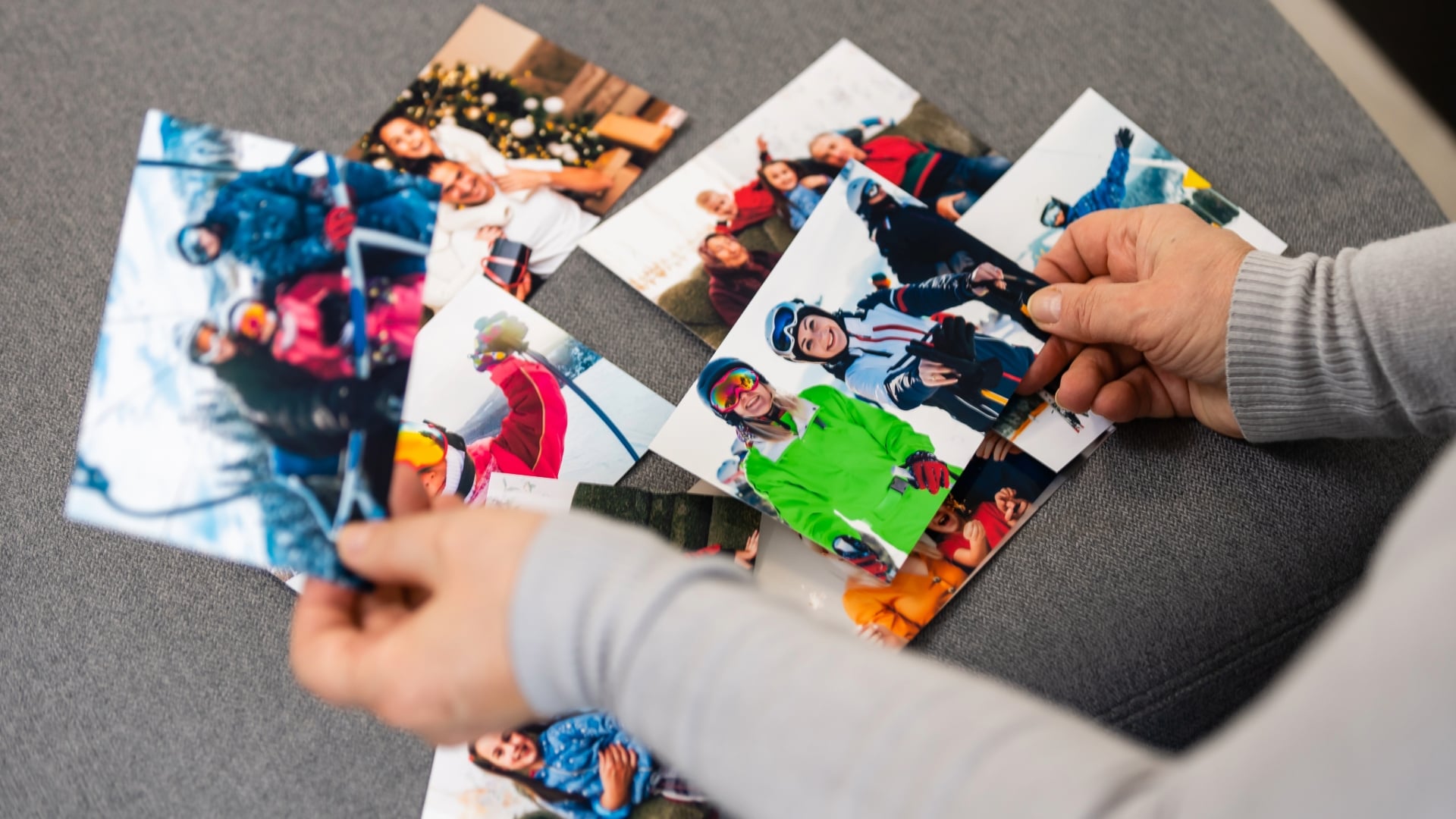
In a world dominated by digital photos and cloud storage, print photography seems like a relic of a bygone era. We often hear that Millennials and Gen Z are completely online, sharing their lives on platforms like Instagram and TikTok. So, it might surprise you to know that these younger generations are actually leading a movement back to physical photos.
They’re finding joy and a sense of connection in printed pictures.
Recent trends and surveys indicate a clear shift: Gen Z is increasingly moving away from living solely in the digital world. They’re bringing back instant cameras and online photo printing services, and are excited to turn their vast collections of digital images into physical keepsakes. This isn’t just a temporary trend. It’s a meaningful change in how they want to preserve their memories. It raises an interesting question in my mind: why are Gen Zers printing photos?
The Digital Overload: When More Means Less
Today’s approach to memory-keeping is quite ironic. We take more photos than any previous generation, yet we often engage with those images less. When was the last time you looked back at pictures from two years ago? Many Millennials, with over 1,500 images on their phones, and Gen Z fans of printed photos, find that most of their memories fade away in the digital space.
There are practical risks too. Lost phones, forgotten passwords, and outdated file formats can threaten our photo collections. In my psychological language, I call it “Digital Amnesia”. It means that a simple factory reset could erase our memories forever.
However, the emotional impact may be even greater. A memory that exists only as a file name, buried in a disorganized folder, feels insignificant. It’s easy to forget memories when we don’t revisit old photos — a phenomenon a clinical psychologist, Dr. Angharad Rudkin, calls “untapped-memory syndrome.” We’re starting to understand that simply scrolling through images doesn’t help us remember deeply. This trend is leading many millennials to print their photos, as they seek a more meaningful and tangible way to preserve the moments that truly matter.
The Tactile Appeal: Why the Digital to Printing Photography Trend is Grounding
The resurgence of print photography is part of a bigger cultural shift. Today’s generation is embracing a digital detox in photography by opting for analogue experiences instead: vinyl records are outselling CDs, printed books are thriving, and film photography and disposable cameras are making a comeback. This reflects a craving for tangible interactions, a break from screen overload, and a move away from the fast-paced perfection often seen on social media.
For a generation accustomed to fleeting digital content, such as disappearing stories and tweets, a physical print serves as a powerful alternative. It encourages them to carefully select which moments deserve to last, marking a stark contrast to the mindless accumulation found online.
I love having printed albums or framed photos. It feels much more permanent to me. I actively turn the pages, share it with my friends, and place it on a shelf. This hands-on experience makes memories feel solid and tied to a specific time, offering an emotional connection that a simple digital image can’t match. This need for something real and lasting explains why Gen Z chooses to print photos.
More Than Aesthetics: Emotional Payoff and Connection
The revival of printed memories offers more than just decoration. As a psychology student, I can confidently say that reflecting on physical memories can strengthen emotional ties and enhance our ability to recall. Psychology often emphasizes that memories, especially those tied to experiences such as holidays or significant events, are crucial to understanding who we are and how we relate to others. These are our semantic memories. Shared physical memories play a crucial role in sustaining these relationships.
- Connecting Across Generations: Printed memories are especially valuable for sharing with older relatives, like grandparents, who tend to prefer tangible items. A well-made photo album can become a treasured family heirloom, inspiring conversations that connect different generations and enrich the family story.
- The Importance of Display: For millennials, printing photos offers meaningful keepsakes that reflect their personal identity within their homes. If I was a millennial, I would have had more printed photos on display to help me remember special moments.
- Thoughtful Gifting: This trend also explains why photo books are frequently listed as thoughtful gift ideas for millennials. Giving a photo book is more than sharing a product. It’s about offering a carefully chosen piece of shared history that holds sentimental value.
The Analogue Edit: Practical Strategies for Mindful Curation
How do you turn a messy collection of 10,000 digital photos into a meaningful physical archive? It’s about what I call “The Analogue Edit”. A carefully chosen selection of images that gives your memories real significance.
Stop trying to print every photo. The beauty of physical photography comes from its limited nature. In major trips or events, I follow my 1% Rule: I choose and print only the very best pictures, the 1% that genuinely capture the moment. I think this is the ultimate digital detox trend photography strategy.
One of the great things about the trend of turning digital photos into physical prints is the acceptance of imperfections. This is similar to how Gen Z has revived Polaroids. When you create a physical print, it becomes a permanent piece. It can’t be endlessly edited or cropped. I usually print small, casual photos at home. For me, a print that’s a bit crooked or has unusual colors can feel more genuine than a professionally done one, giving your memories a homemade, scrapbook vibe.
I have thousands of photos in my cloud just like you do. But I know which ones I’ll actually look at next year.
There’s something really special about holding a memory in your hands. It gives you a moment to pause and think, something a small screen can’t do. It makes that memory feel significant.
As part of Gen Z, I feel a bit overwhelmed by my digital collection. Choose one event, pick ten photos, and print them out. Frame one, give another as a gift. Trust me, having that memory out in your home instead of lost years back on your phone will make a huge difference. It’s a great way to enhance your life’s story.
Which memory will you bring to life first?
[Image credits: Envato]
See more from DIYPhotography.net on Google
Add DIYPhotography.net as a trusted source. This makes
our stories more likely to appear in your Google Search results.
 Add as a preferred source on Google

Anzalna Siddiqui
A psychology major in her third year of Bachelor’s, Anzalna Siddiqui has endless curiosity for the human mind and a deep love for storytelling – both through words and visuals. Though she hasn’t taken up photography as a profession, her Instagram is where her passion finds its home. In addition to this, she’s a travel enthusiast who never travels without her camera because every place has a story waiting to be captured.
Related Posts
 This music video was made without VFX, using 2,250 printed photos
 Photographer uses dichroic cube and a simple 3D-printed adapter for these trippy photos
 Gen Z’s latest photo craze is the “vintage” iPhone 4. What can we learn from them?
 How Gen Z Is Redefining Photography with Lo-Fi Aesthetics and Candid Creativity
Join the Discussion
DIYP Comment Policy
Be nice, be on-topic, no personal information or flames.