


















Instax is Dead! Long Live the 4Pass Printing Camera
Sep 17, 2025
David Prochnow
Our resident “how-to” project editor, David Prochnow, lives on the Gulf Coast of the United States in Ocean Springs, Mississippi. He brings his expertise at making our photography projects accessible to everyone, from a lengthy stint acting as the Contributing How-To Editor with Popular Science magazine. While you don’t have to actually build each of his projects, reading about these adventures will contribute to your continued overall appreciation of do-it-yourself photography. A collection of David’s best Popular Science projects can be found in the book, “The Big Book of Hacks,” Edited by Doug Cantor.
Share:
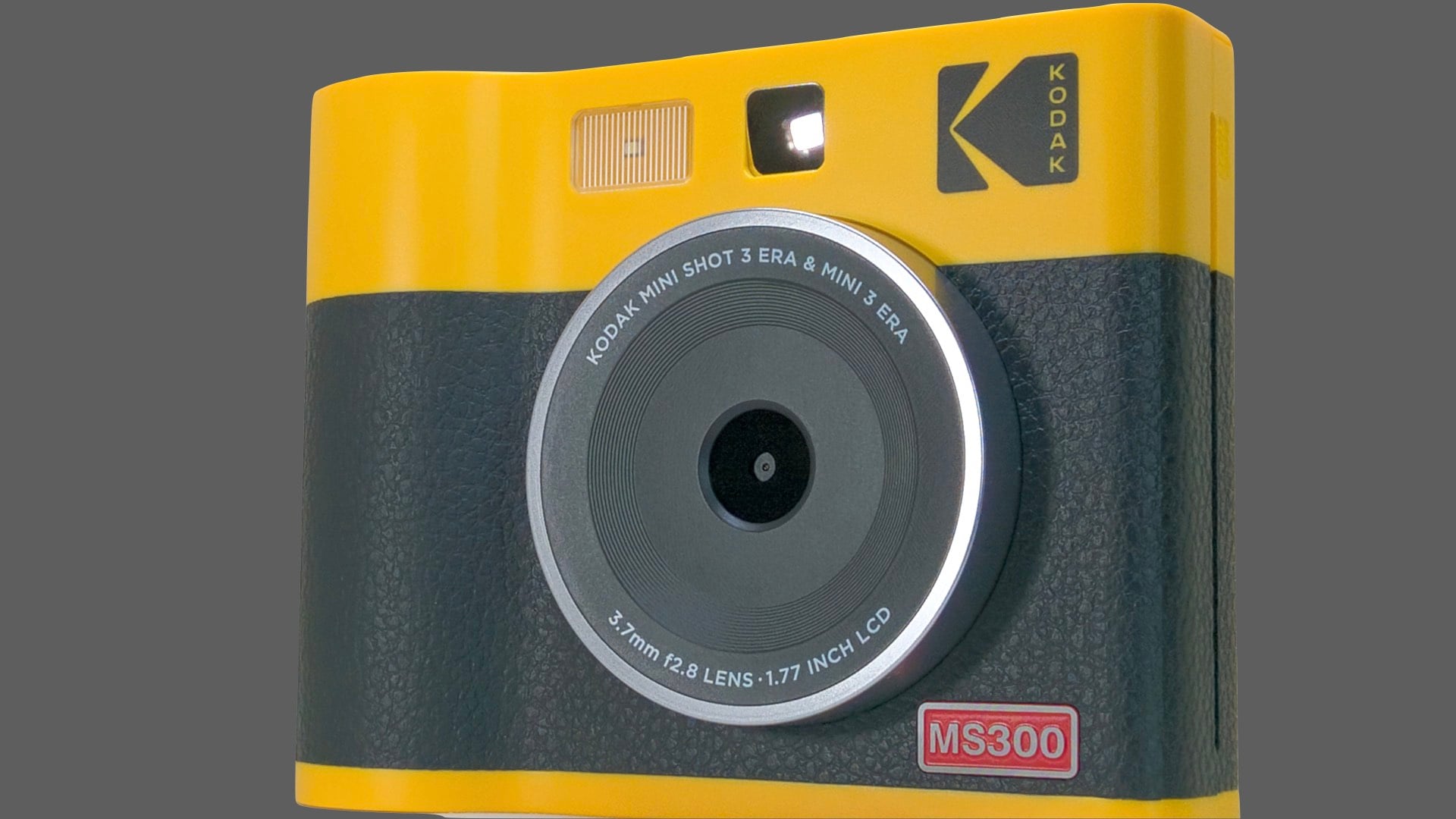
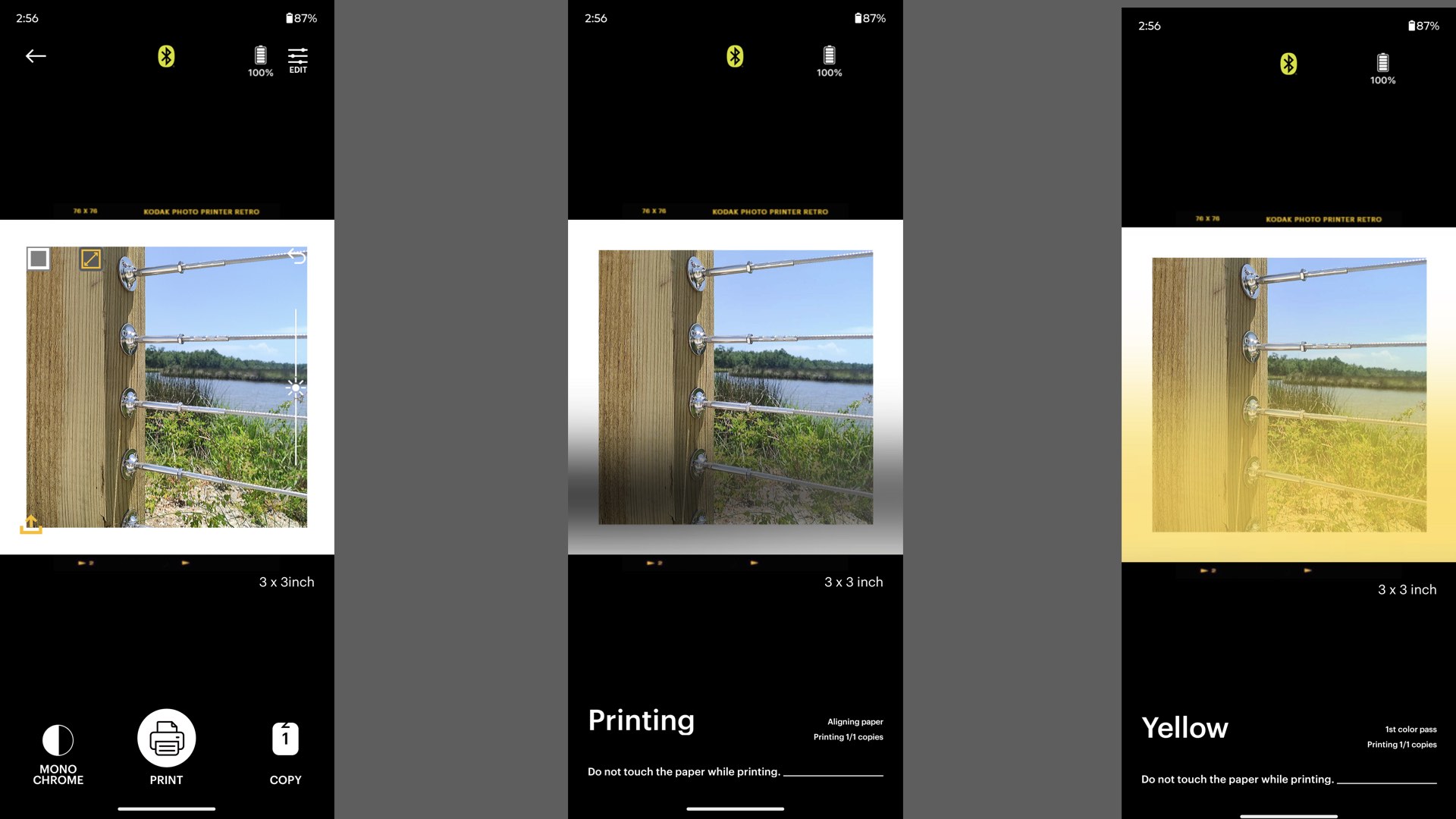
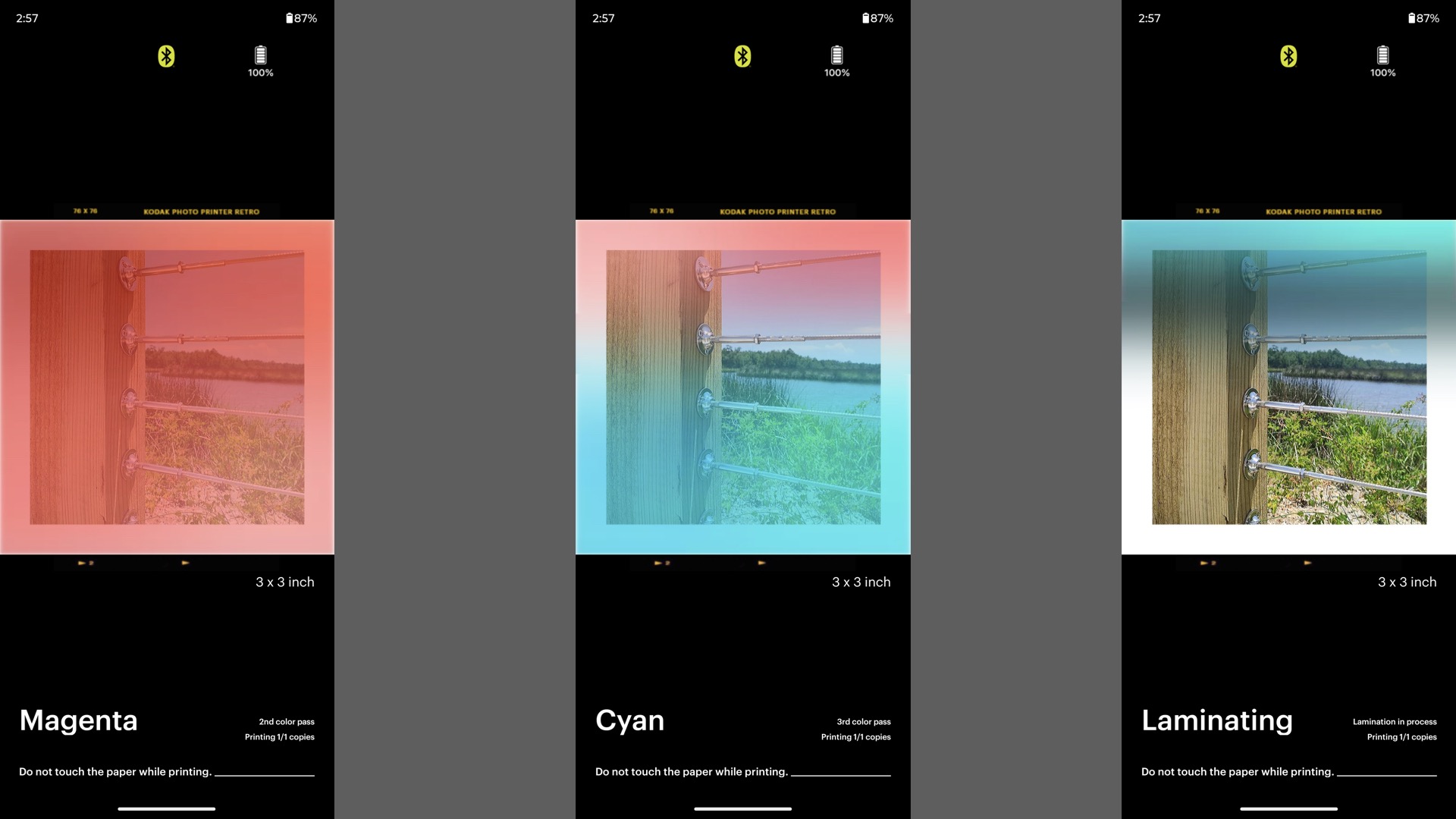
A dye-sublimation printer is fascinating to watch as the paper moves outward and inward while layers of yellow, magenta, and cyan dye are thermally applied to the photograph. While the production of the print looks futuristic, dye-sublimation or dye-sub technology is not new. In fact, the history of modern dye-sub printing begins in 1957, when a French textile expert named Nol de Plasse discovered that dye could be heated to a gaseous state and subsequently transferred to a medium. Technologically leap forward to today, Kodak has a dye-sub printer that has been embedded inside a 10MP camera. This is the Kodak Mini Shot 3 Era MS300 instant camera and photo printer. Goodbye Fujifilm instax®, say hello to Kodak 4PASS™.
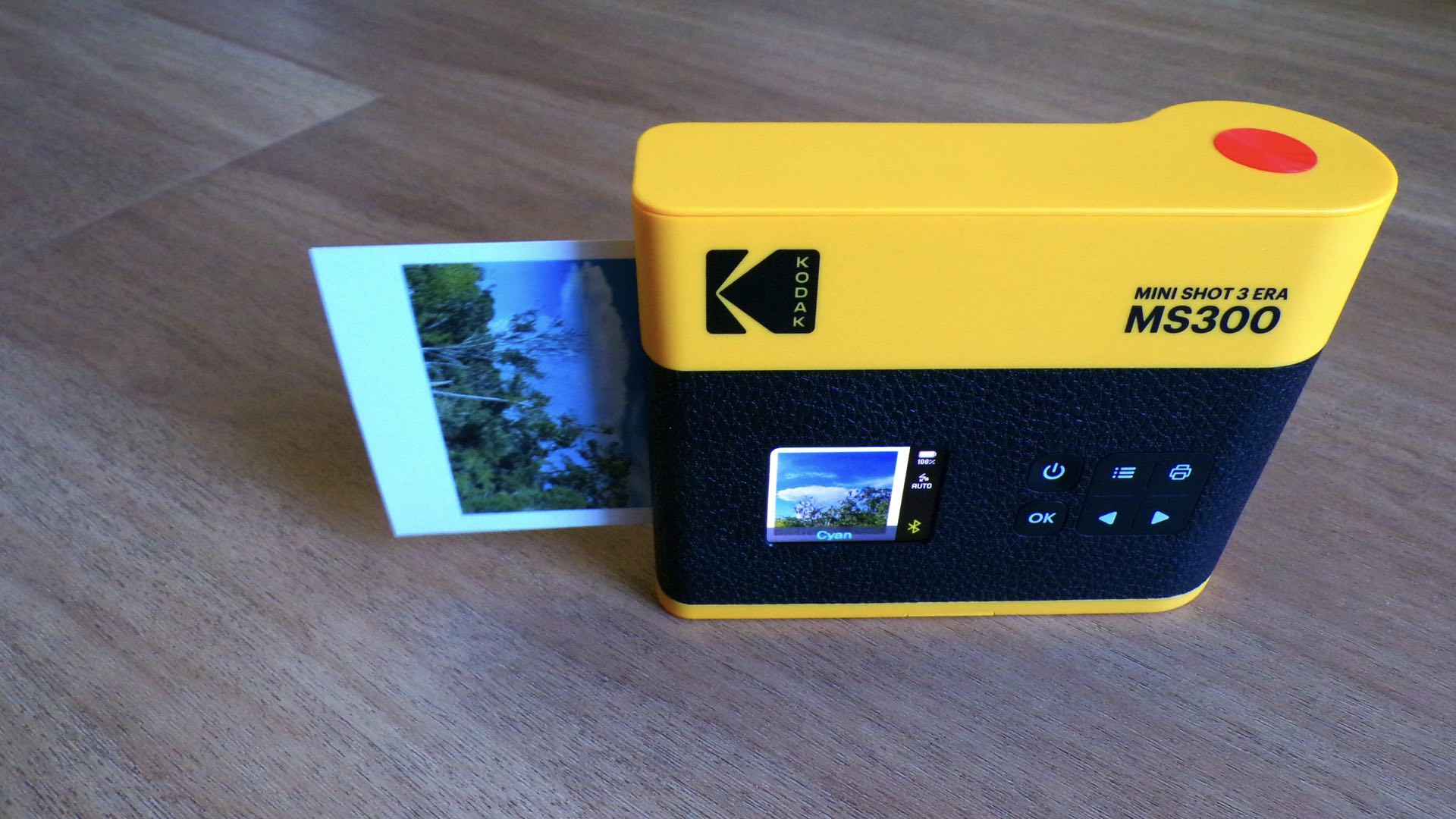
The 4PASS Technology is Kodak’s answer to the dye-sub printing process which features a final printer pass that adds a protective lamination to the photograph. Photographs that are printed with the Kodak MS300 are vibrant 16 million color 3- x 3-inch square fade-resistant, dust-resistant, and moisture-resistant images.
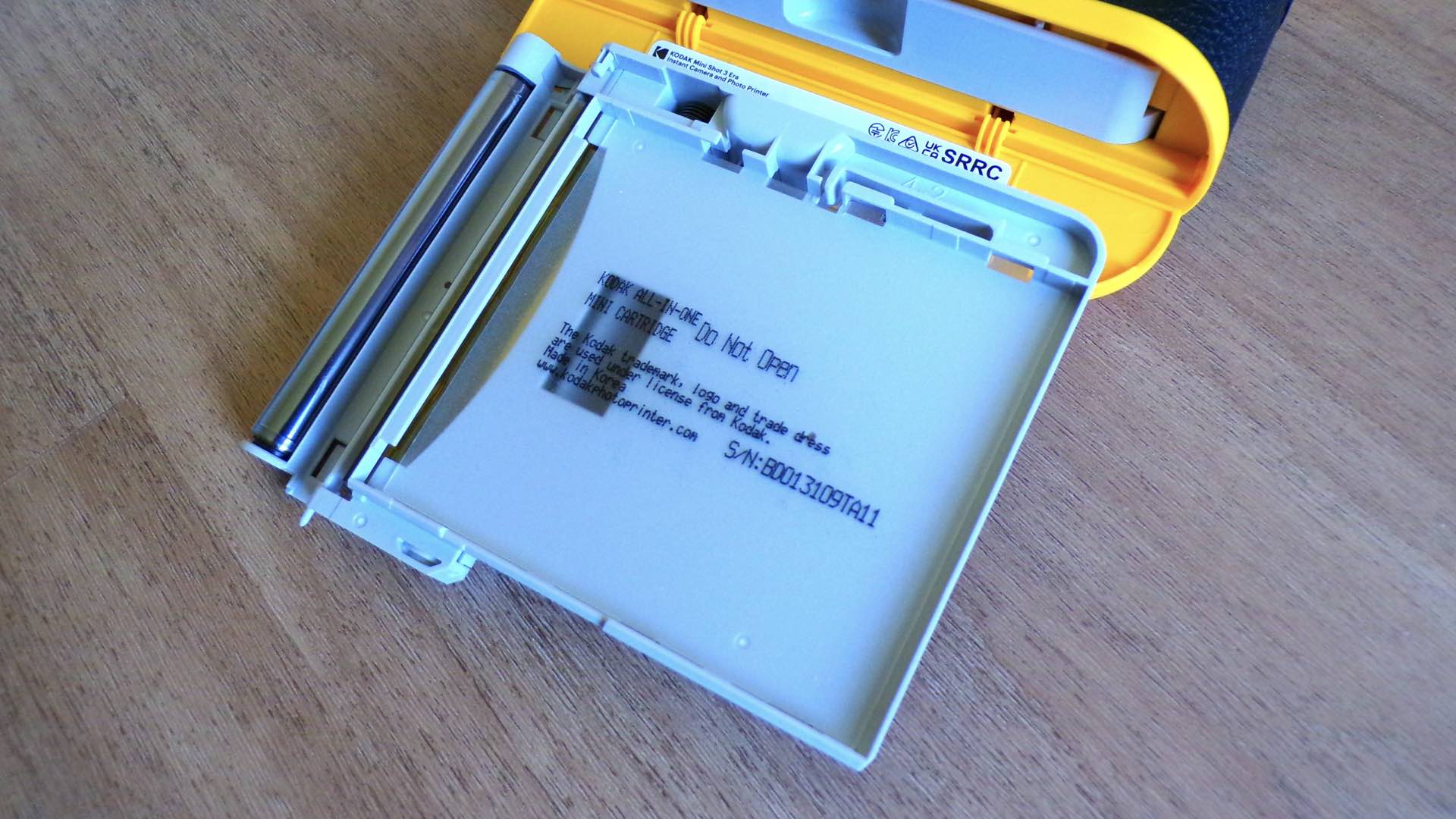
Paper and dye are supplied in a clean, self-contained cartridge that slips into the base of the MS300. Each cartridge holds 10 sheets of photographic paper. A complete package featuring the camera/printer along with 6 cartridges costs $160. This package also includes an oddball 8-sheet cartridge already installed in the MS300. Therefore, you can print 68 photographs.
[Please note: you are NOT able to save or transfer any photograph from the MS300 to your smartphone. In other words, if you take a photograph with the Mini Shot 3 camera, you must print it immediately or you’ll never see it again.]
A Grip Like a Roll of Film
The body of the MS300 is sculpted into a curve that is mildly reminiscent of an oversized 35mm film cartridge. Inside its plastic case is an autofocus 3.7mm (25.4mm equivalent) f/2.8 lens that is paired with a 1.77-inch LCD. There are conflicting claims about the camera’s sensor resolution being 10MP and 13MP. Regardless, the photographs, as printed with the on-board 4PASS printer are limited to selecting between 1-5 copies for printing. In order to access the full potential of the printer, however, you must pair the MS300 with your smartphone along with the Kodak Photo Printer app. Following this course, enables you to print ANY photograph that is stored on the smartphone. Furthermore, editing, filter effects, and border or borderless printing can all be selectively applied to any photograph prior to printing.
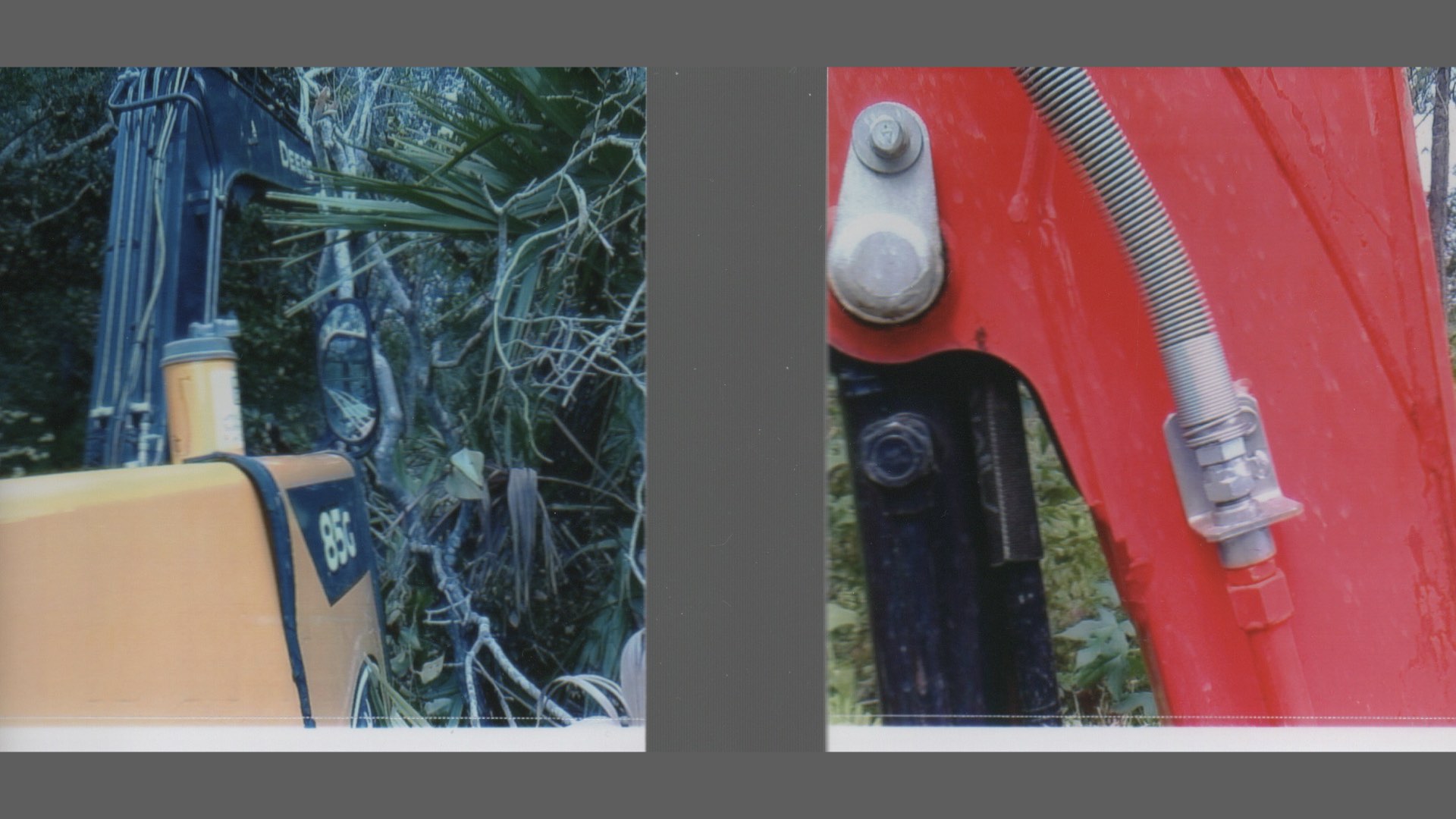
In order to assess the quality of an instax print versus a 4PASS print, please study these comparison photographs. Three images, stored on a smartphone, were used for making these comparison prints.
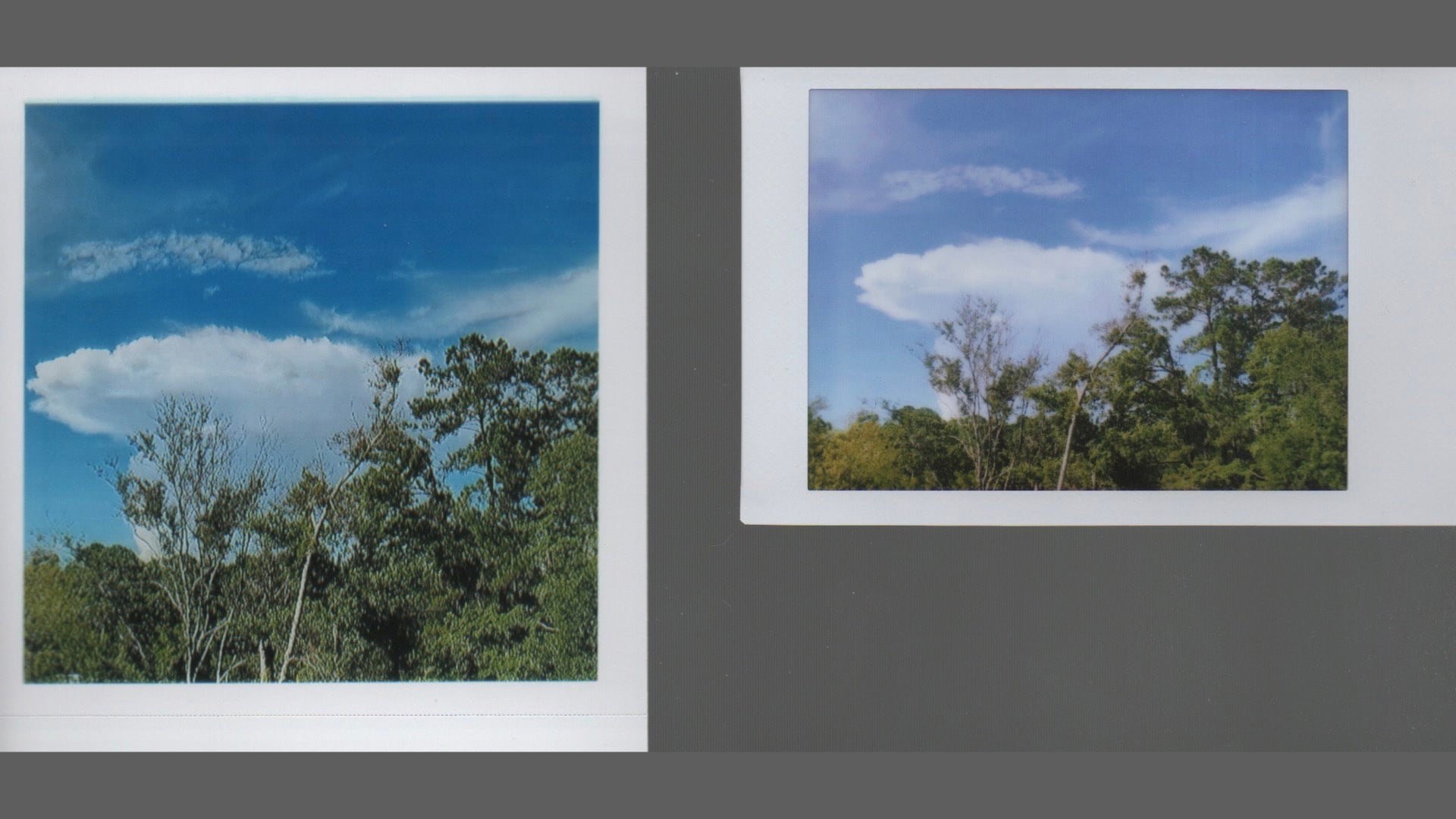
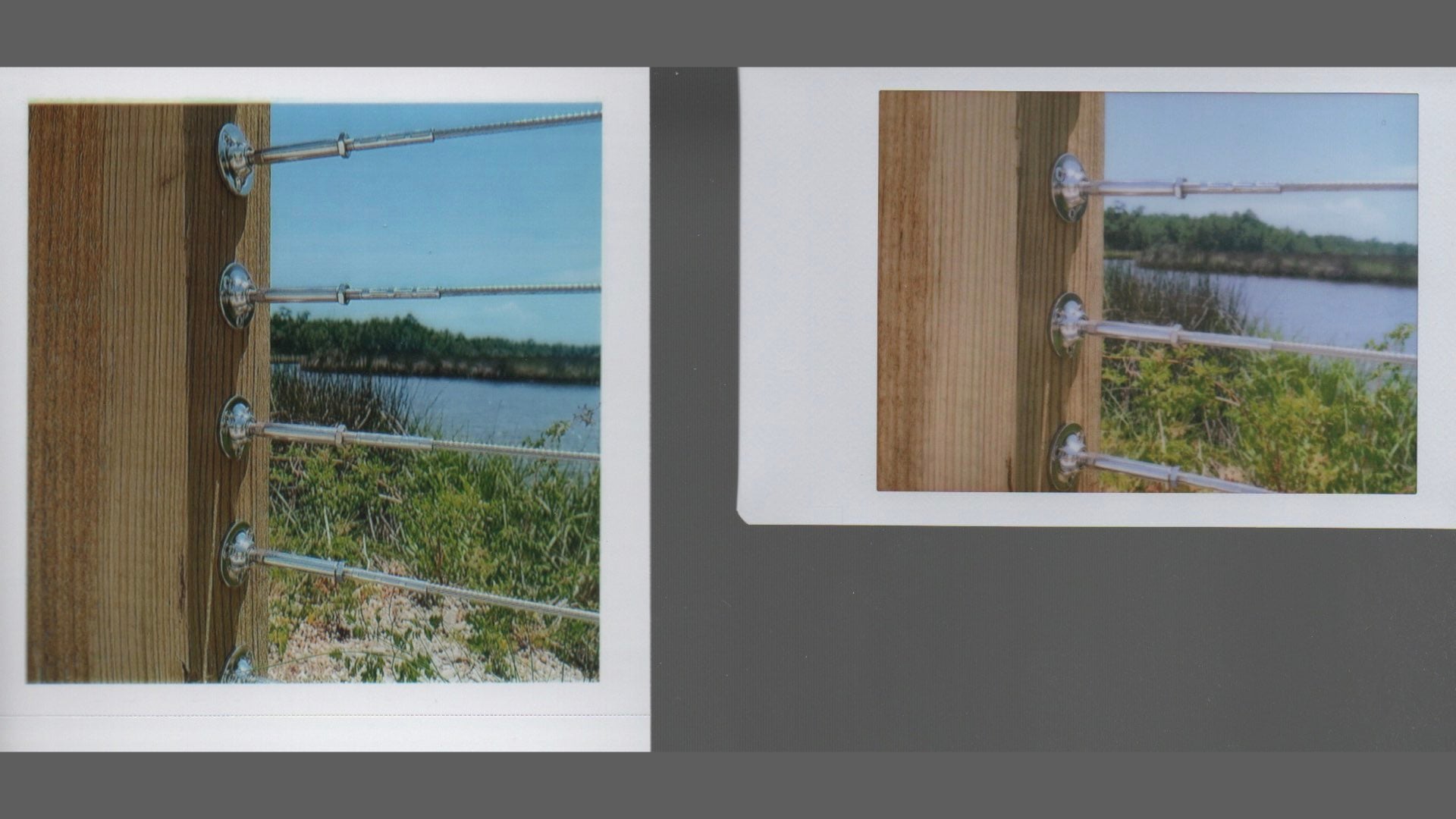
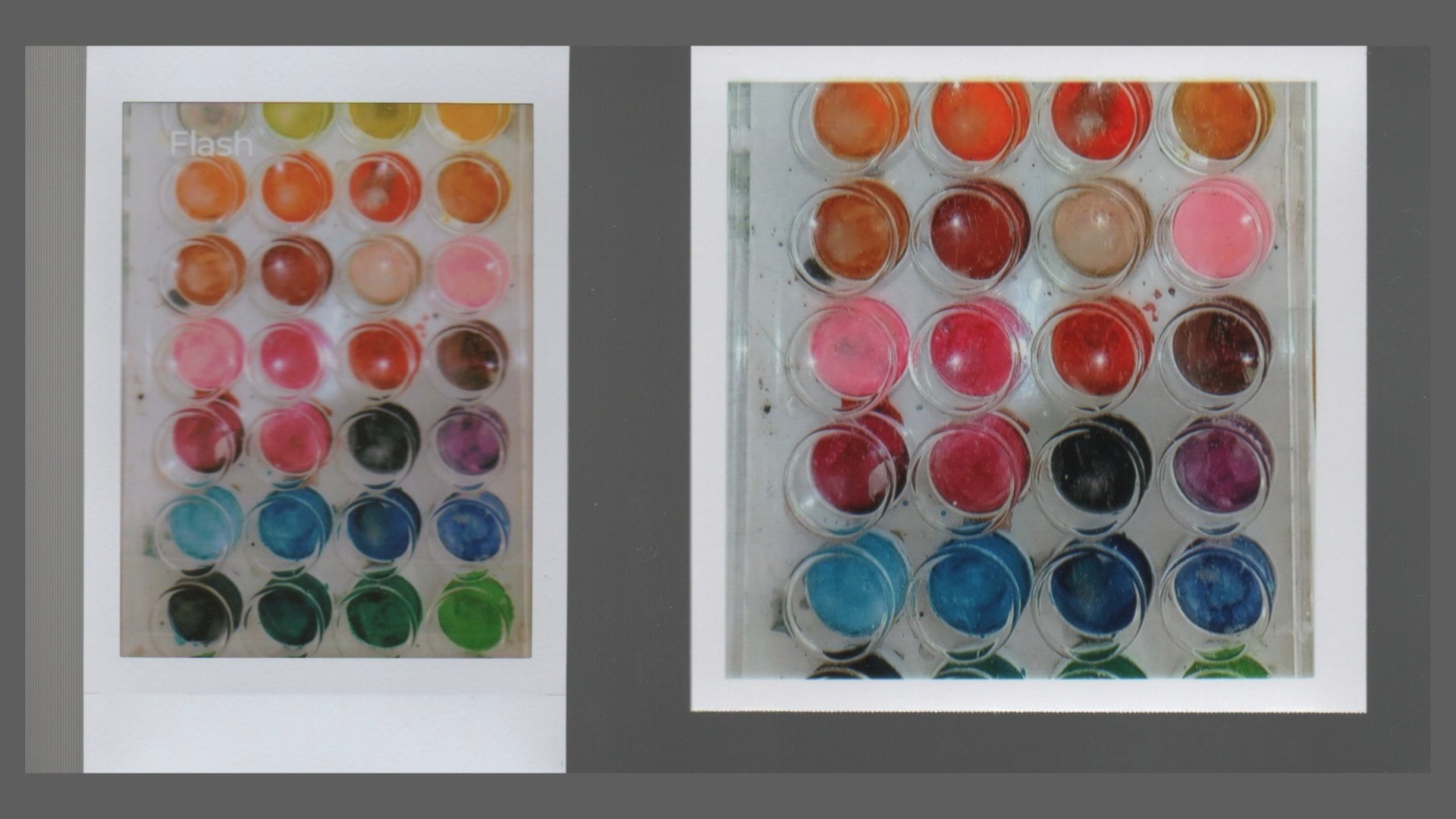
Printing with the MS300 isn’t as expensive as with its instant print competitors. A six cartridge refill pack for printing 60 photographs costs $18. Couple this low cost per print with the high quality photographs that the MS300 produces and you may have just found your perfect portable digital darkroom.
Enjoy.
See more from DIYPhotography.net on Google
Add DIYPhotography.net as a trusted source. This makes
our stories more likely to appear in your Google Search results.
 Add as a preferred source on Google
Filed Under:
Tagged With:

David Prochnow
Our resident “how-to” project editor, David Prochnow, lives on the Gulf Coast of the United States in Ocean Springs, Mississippi. He brings his expertise at making our photography projects accessible to everyone, from a lengthy stint acting as the Contributing How-To Editor with Popular Science magazine. While you don’t have to actually build each of his projects, reading about these adventures will contribute to your continued overall appreciation of do-it-yourself photography. A collection of David’s best Popular Science projects can be found in the book, “The Big Book of Hacks,” Edited by Doug Cantor.
Related Posts
 Viewers “raging” over camera’s dead pixels in Zack Snyder’s Army of the Dead
 Fujifilm finally releases a follow-up to its most advanced analog Instax mini camera – Fujifilm Instax Mini 99
 New Instax Mini 40 is more expensive Instax Mini 11 in a retro suit
 An Instax hack that anyone can do in an Instax
Join the Discussion
DIYP Comment Policy
Be nice, be on-topic, no personal information or flames.
One response to “Instax is Dead! Long Live the 4Pass Printing Camera”
Instax is dead? Sales figures seem to differ. This isn’t even the first dye sub instant camera, and it sure isn’t as well featured as many Instax cameras.