






















Canon’s New EOS R6 V Bridges the Gap Between Mobile Video and Cinema Cameras
May 13, 2026
Alex Baker
Alex Baker is a portrait and lifestyle driven photographer based in Valencia, Spain. She works on a range of projects from commercial to fine art and has had work featured in publications such as The Daily Mail, Conde Nast Traveller and El Mundo, and has exhibited work across Europe
Share:
Canon has been pushing out new cameras and lenses faster than you can say mirrorless (or sometimes it seems that way at least!). Many of the new offerings are updates of existing bodies or RF versions of the older EF lenses. However, sometimes they launch something completely new that really makes you take notice. Today’s announcement would definitely be up there with the best of those (and giving me a healthy dose of GAS as well!).
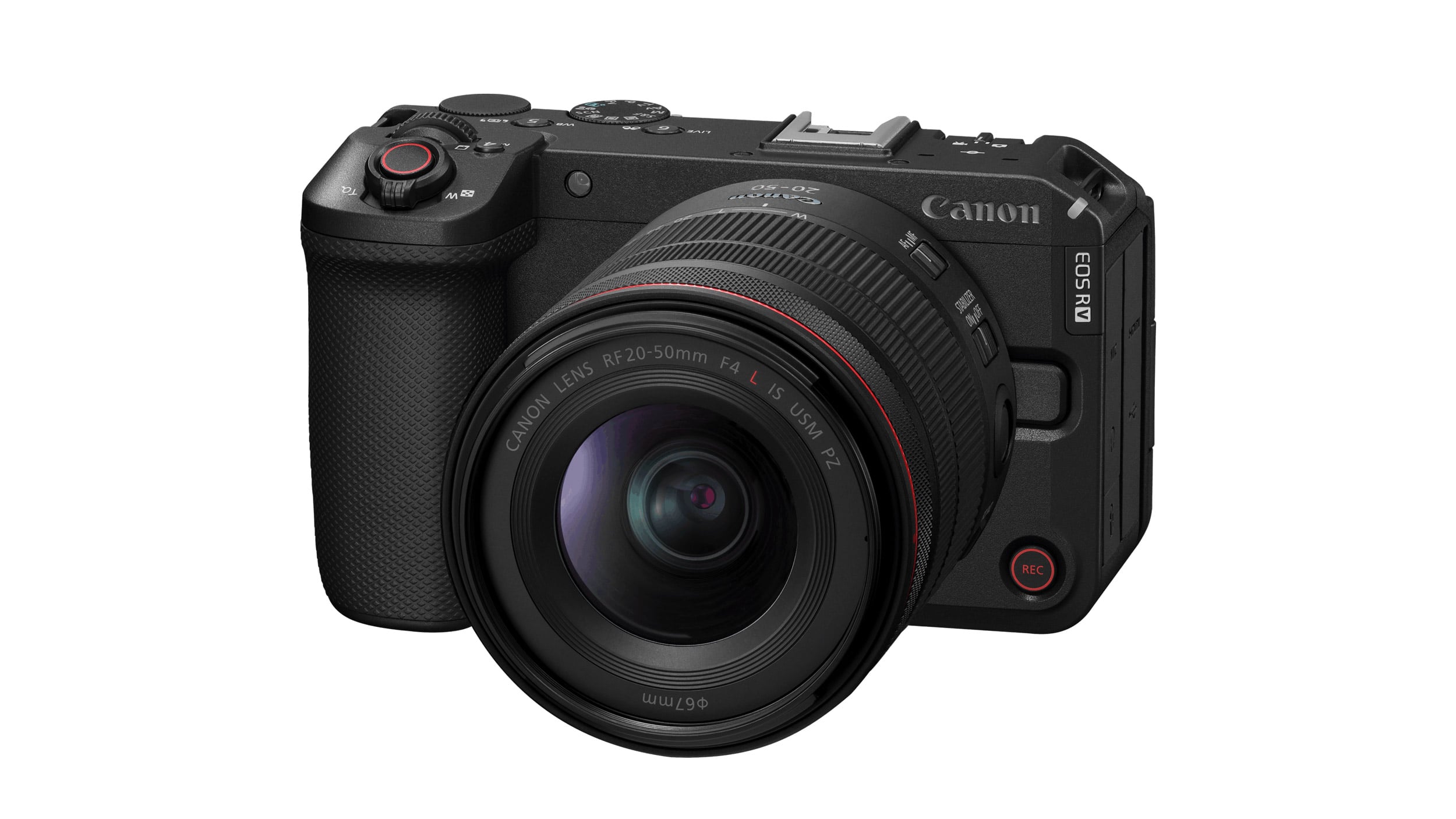
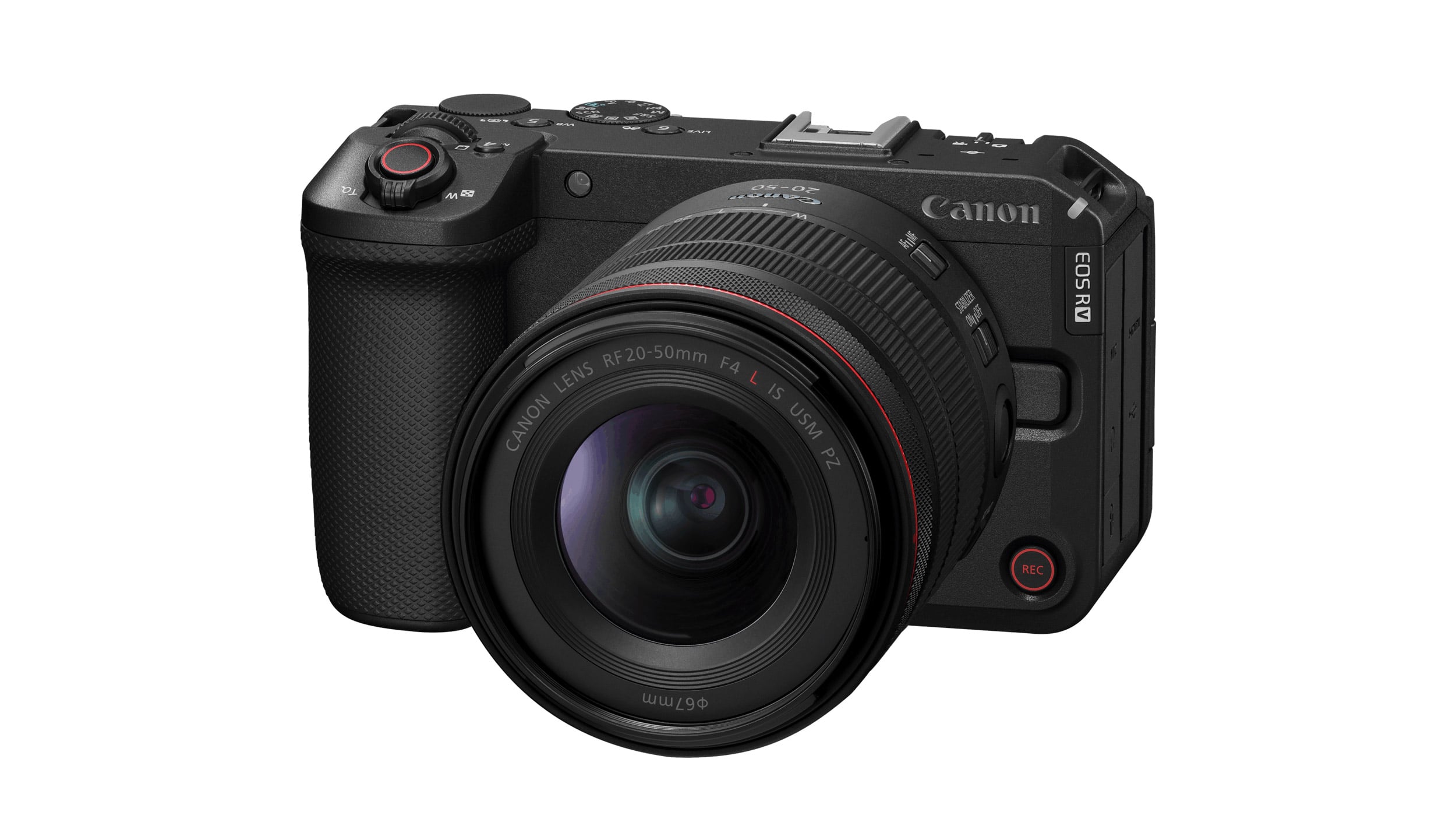
Canon’s latest announcement is a new video-focused full-frame camera body, complete with a power zoom RF lens, and a small pile of creator accessories aimed squarely at the hybrid and content video shooter crowd. The headline product is the new Canon EOS R6 V, which joins Canon’s growing EOS V-series lineup alongside the new Canon RF20-50mm F4 L IS USM PZ. And yes, before anyone asks, that “PZ” does indeed stand for power zoom.
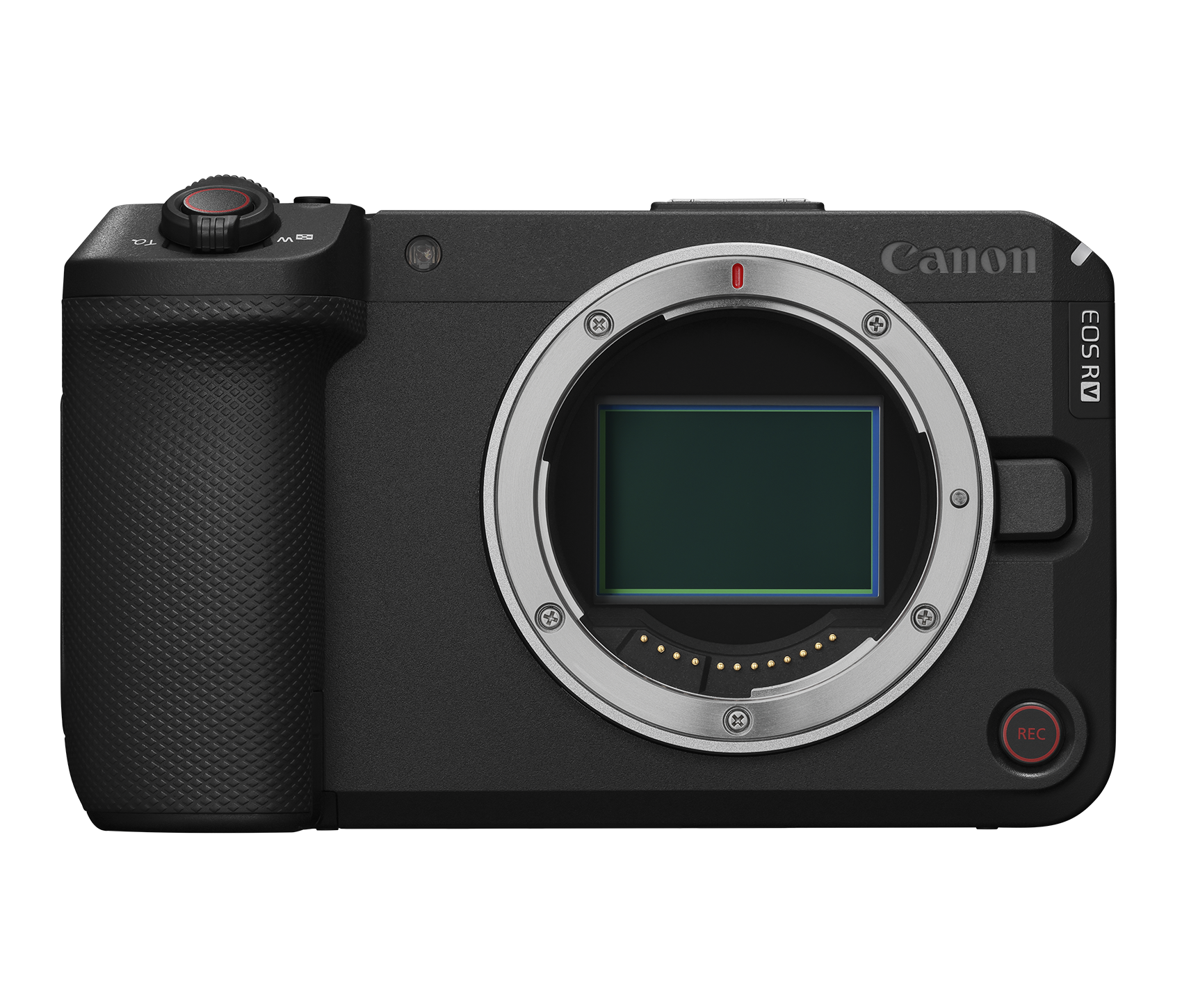
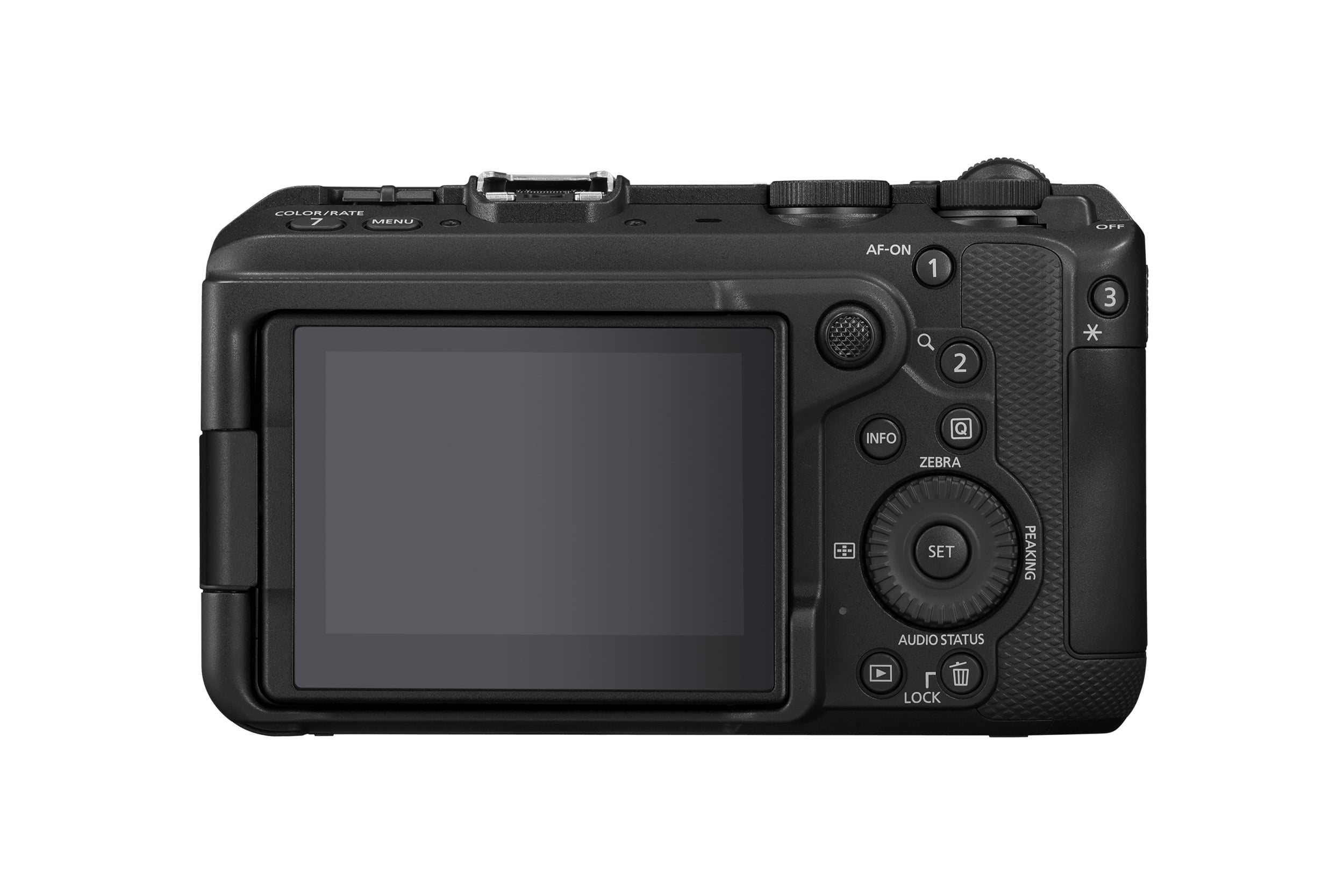
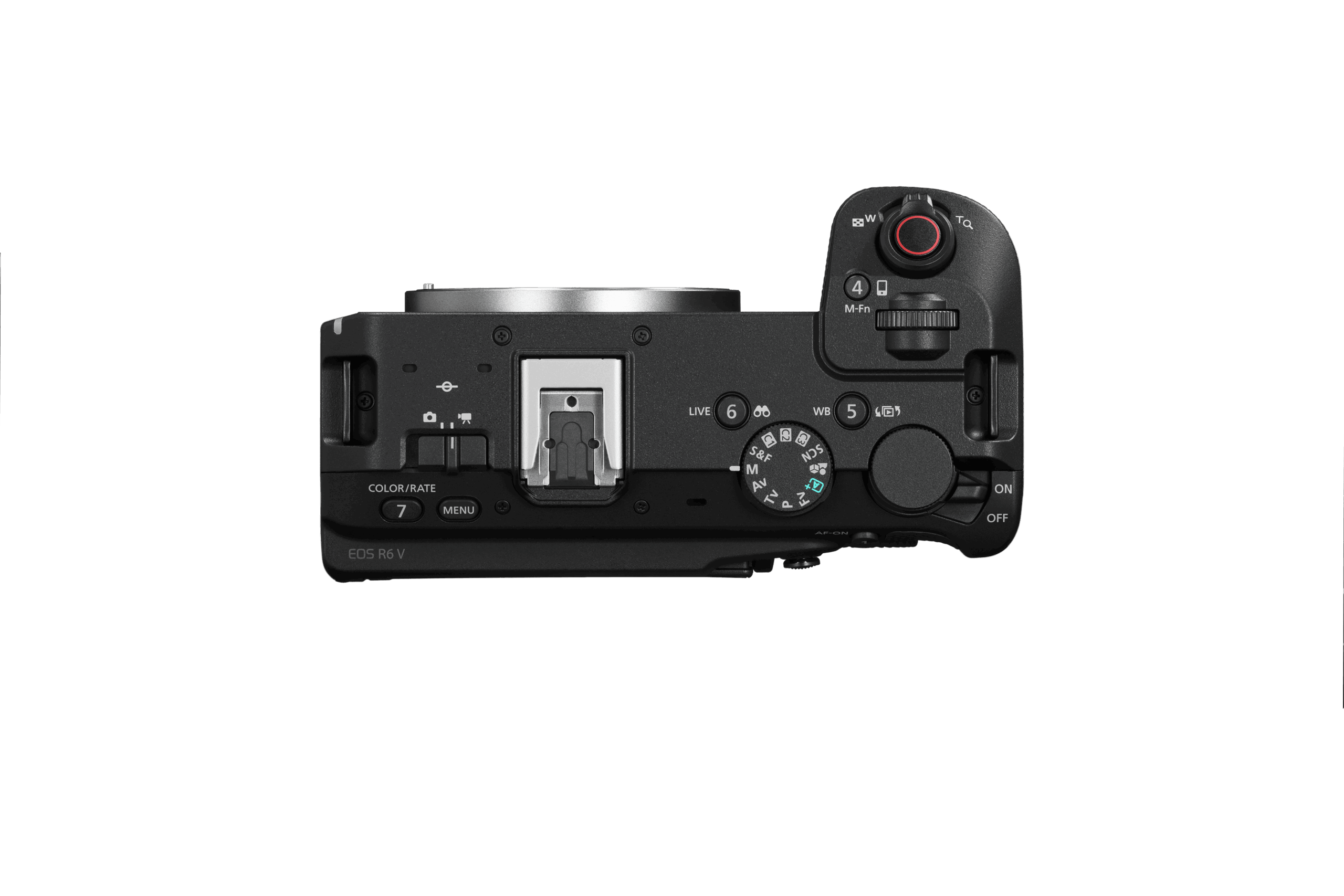
The EOS R6 V feels like Canon leaning harder into the idea that not everybody buying a mirrorless camera in 2026 is primarily a photographer anymore. This one is very clearly built around video workflows first, with a flatter body design, an integrated tally lamp, vertical mounting support, an internal cooling fan for longer recording times, and, naturally, no viewfinder.
A Full-Frame Sensor With Serious Video Specs
At the heart of the camera is a new 32.5MP full-frame sensor capable of 7K 60p RAW recording and 7K 30p Open Gate capture, allowing you to shoot both vertical and horizontal footage at the same time. Canon also says it can shoot oversampled 4K up to 60p, alongside uncropped 4K 120p for slow motion work.
The camera includes Canon’s in-body image stabilisation system, which should help for handheld and gimbal shooting, and the autofocus system has apparently been tuned specifically with video in mind, including smoother AF transitions and subject tracking.
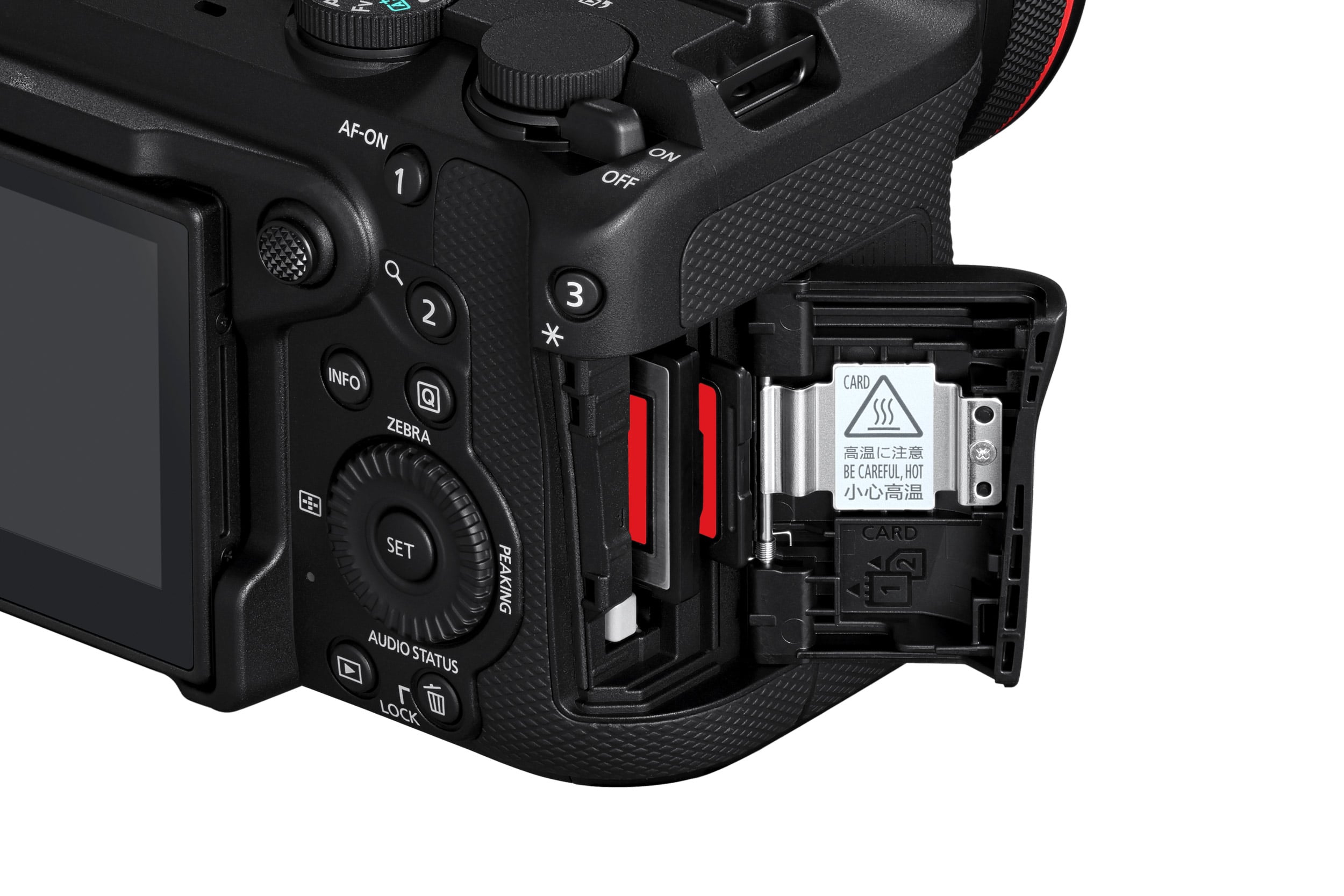
Canon is also pushing the EOS R6 V as a fairly flexible “creator” camera rather than something aimed purely at filmmakers. The press release specifically mentions everything from social clips and podcasts through to longer-form productions. However, serious cinephiles probably won’t be tempted to stray from the Canon C (for cine) series of filmmaking cameras.
Canon Is Targeting the Growing Middle Ground
What’s interesting here is where Canon seems to be positioning this system. For years, there’s been a fairly awkward gap between smartphones at one end and full cinema rigs at the other. Plenty of creators want better image quality, interchangeable lenses, proper autofocus, stabilisation, and decent codecs, but don’t necessarily want to dive headfirst into the complexity (or cost) of traditional cinema camera workflows.
This fertile middle ground has exploded over the last few years. Small production teams, YouTubers, educators, podcasters, solo filmmakers, wedding shooters, and hybrid creators increasingly need gear that can deliver professional-looking results without requiring an assistant, external rigging, or a deep understanding of cinema production pipelines. The Canon EOS R6 V feels very much aimed at that audience.
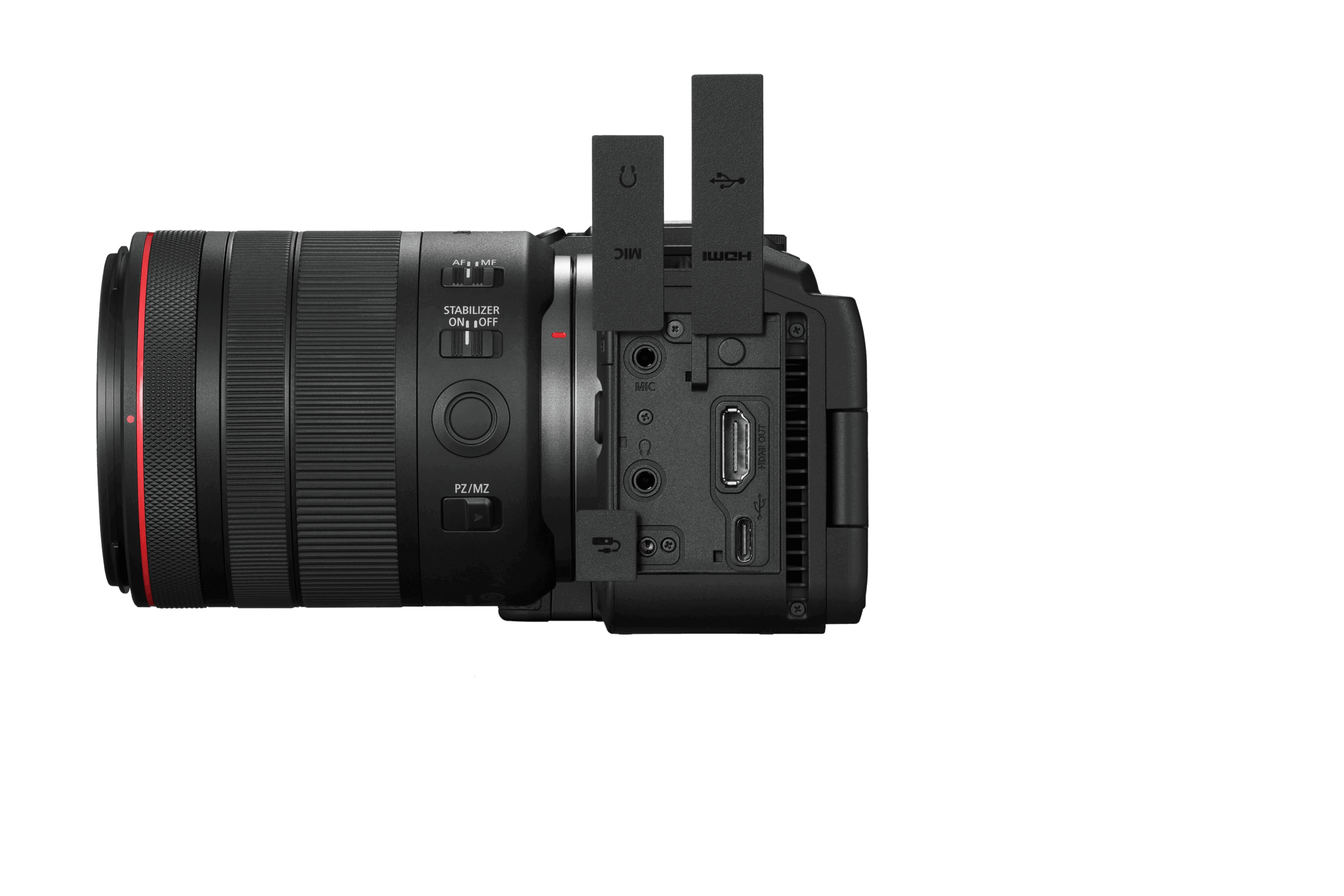
Features like built-in stabilisation, vertical shooting support, power zoom integration, creator-focused accessories, and simplified ergonomics all point to Canon’s efforts to bridge the gap between its higher-end Cinema EOS lineup and the increasingly capable world of smartphone content creation. In other words, this looks less like a “mini cinema camera” and more like a camera designed for people who primarily need to make videos efficiently.
Canon’s First L-Series RF Power Zoom
The other interesting announcement here is the Canon RF20-50mm F4 L IS USM PZ. Canon says this is its first RF L-series lens with built-in power zoom functionality, meaning you don’t need an external zoom motor hanging off the side. Instead, manual and powered zooming are both controlled through the same zoom ring (once again, it’s aimed at the video crowd).
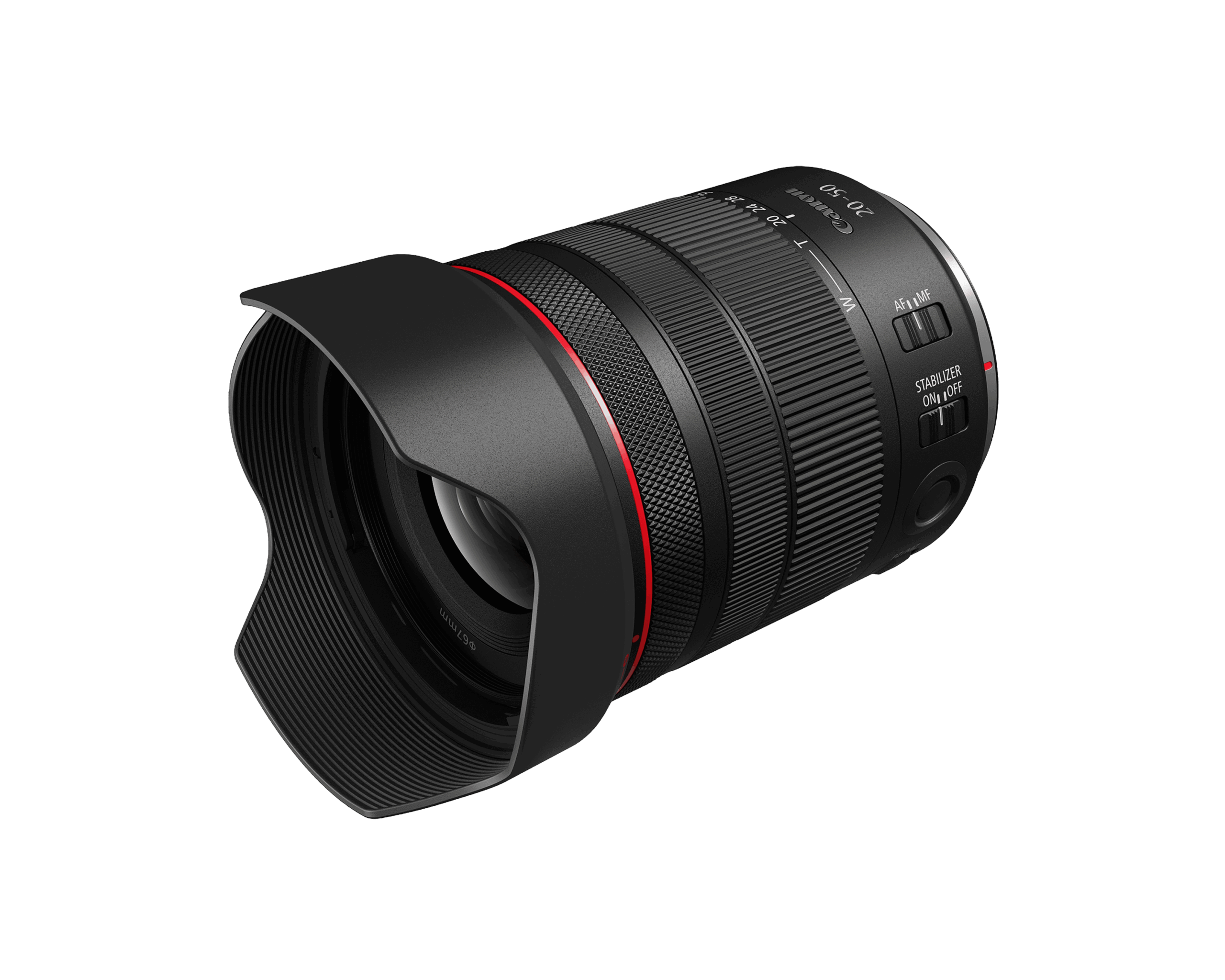
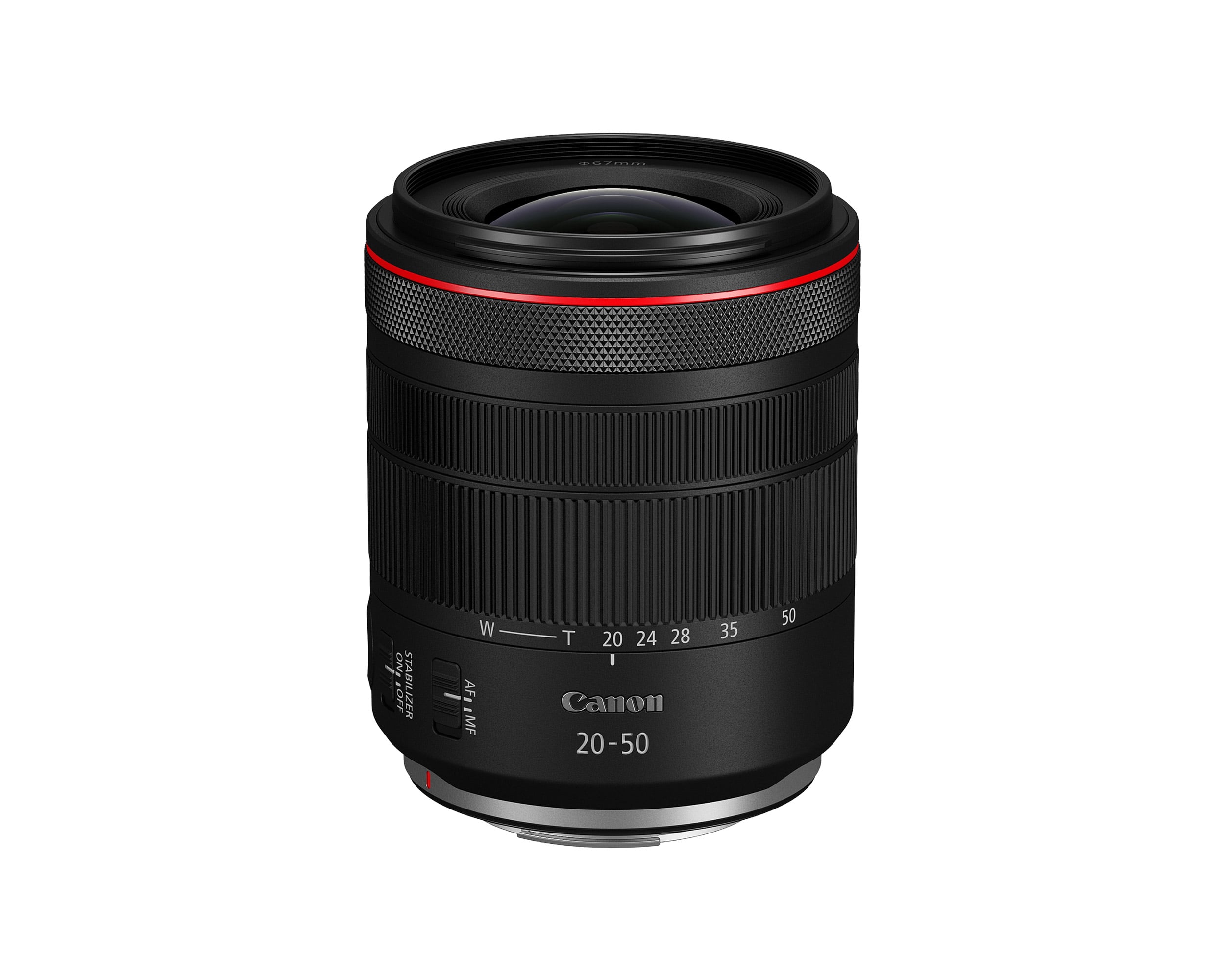
The focal range runs from an ultra-wide 20mm through to 50mm, which feels very intentionally designed for video shooters. Wide enough for vlogging, handheld work, interiors, and gimbal use, but with enough reach at the long end for more standard framing.
A Lens Designed Around Gimbal Use
The lens keeps a constant f/4 aperture throughout the zoom range and uses an internal zoom design, which matters quite a bit for gimbal balance. If the lens doesn’t physically extend while zooming, your gimbal setup is less likely to throw a tantrum mid-shot.
Canon is also emphasising portability here. The lens is designed to stay compact and lightweight enough for handheld and gimbal use over longer periods. Remote zoom control is supported through the Canon Camera Connect app, as well as Canon’s Bluetooth remotes like the Canon BR-E2 Wireless Remote Control.
Accessories Built Around Solo Production
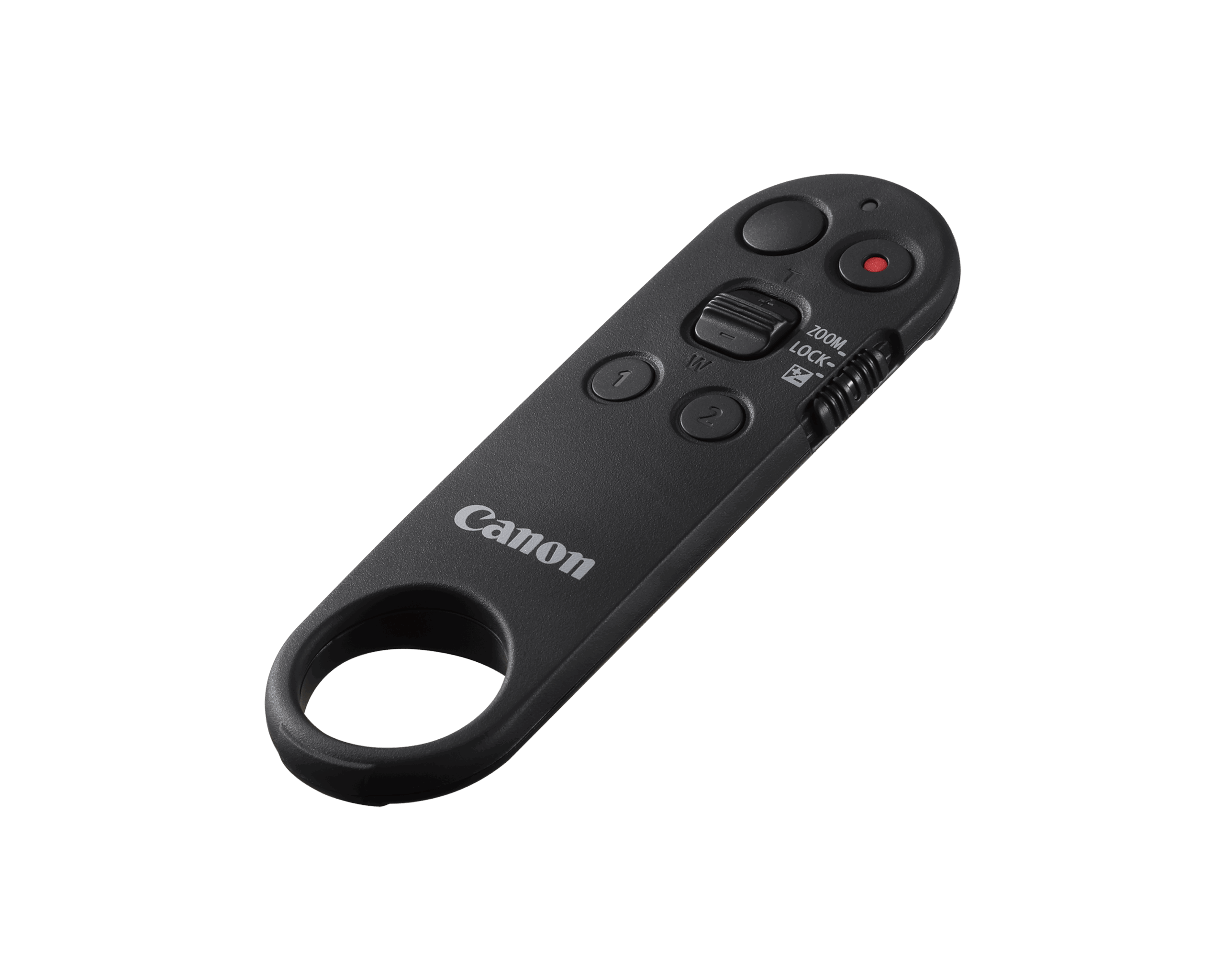
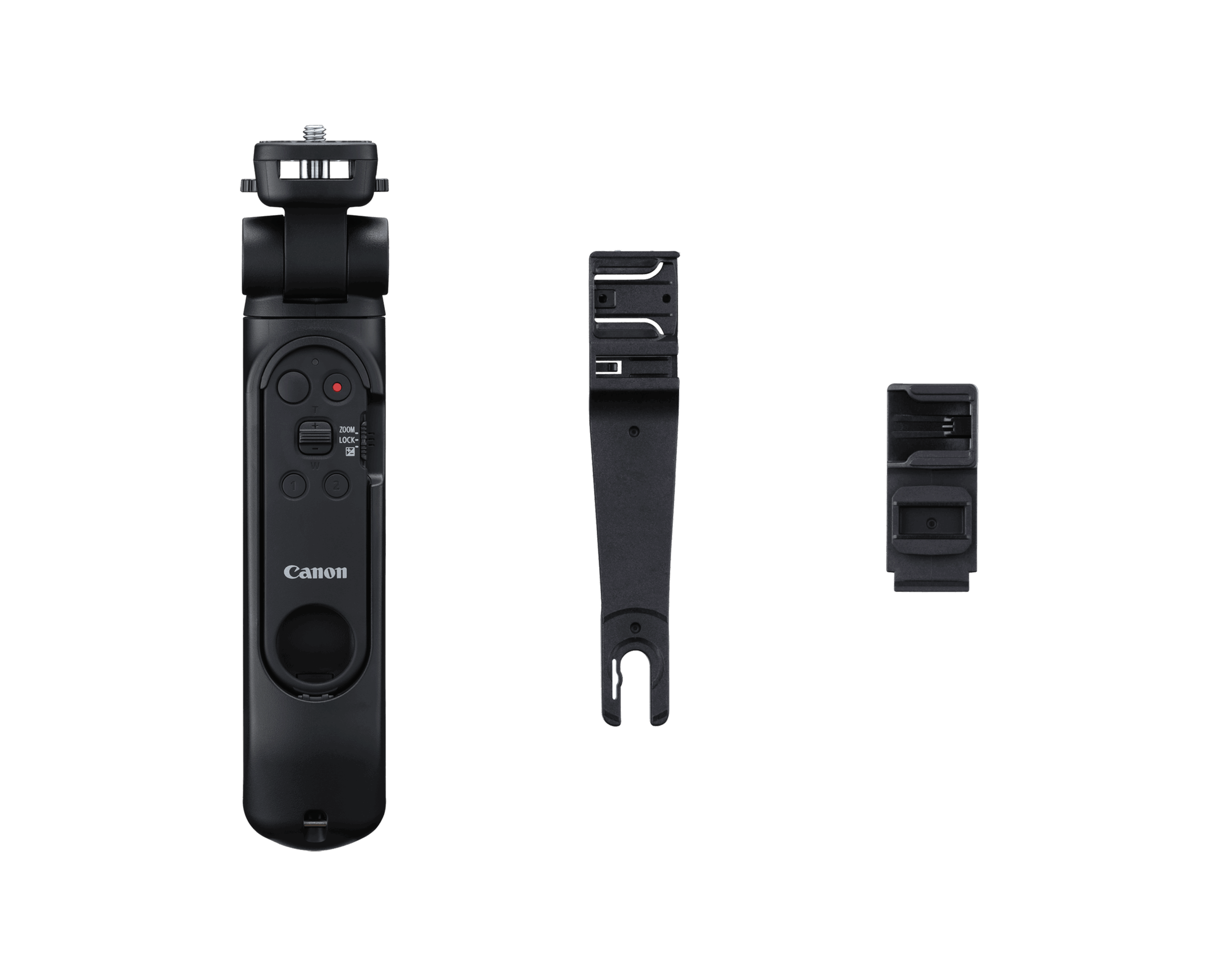
Canon also announced a handful of accessories alongside the camera and lens. The Canon BR-E2 Wireless Remote Control is a Bluetooth Low Energy remote with zoom and exposure controls designed for remote shooting, livestreaming, and solo creator setups.
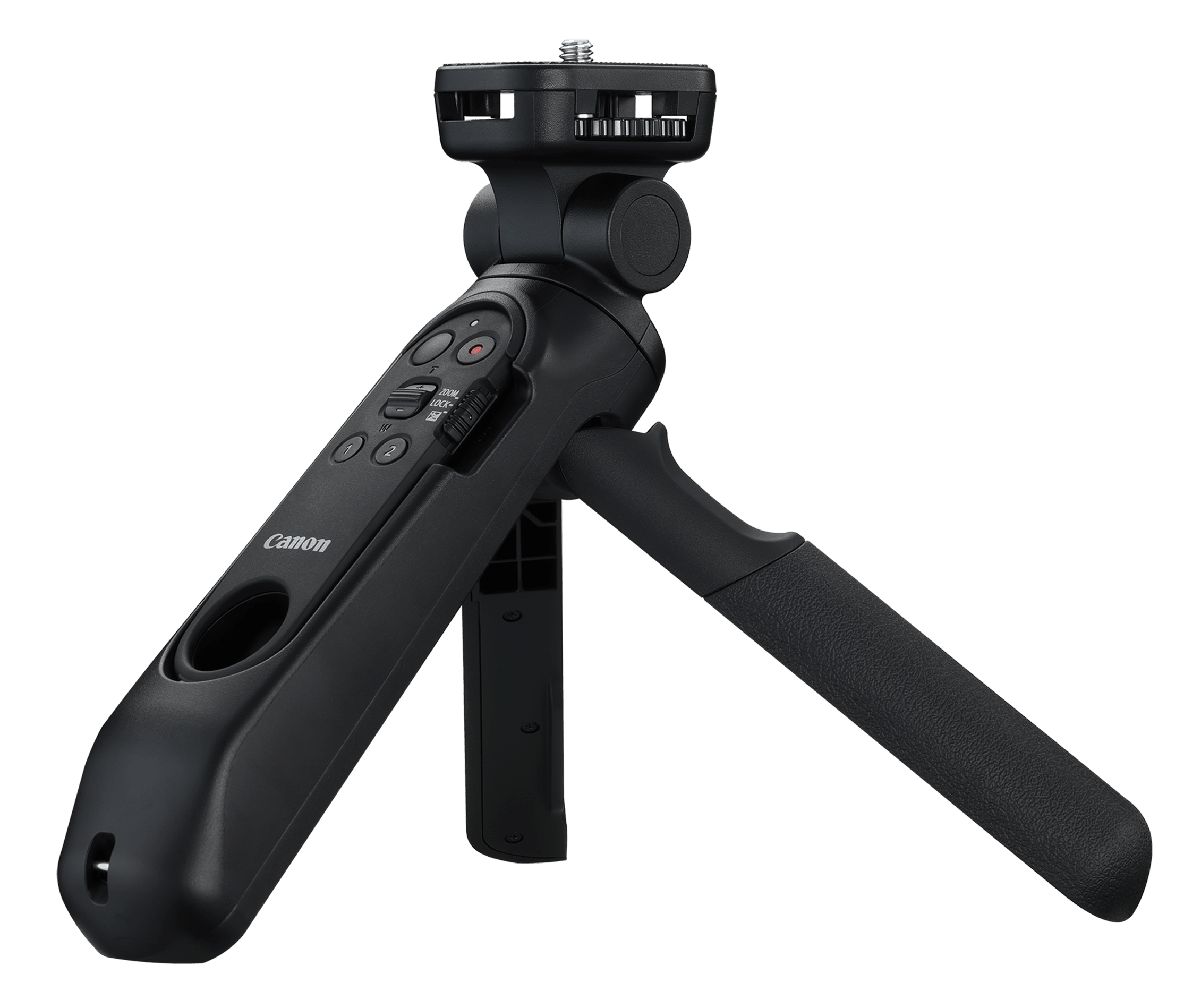
There’s also the Canon HG-200TBR Multi-Function Tripod Grip, which combines a small tripod and handheld grip with controls for movie recording, zooming, and exposure adjustments. It supports both horizontal and vertical shooting orientations, which probably tells you exactly which audience Canon has in mind here.
Macro shooters haven’t been entirely forgotten either. Canon also introduced the Canon AD-M1 Macro Lite Adapter Set, which adds mounting support for macro lighting setups on compatible lenses.
Canon Is Also Launching New Creator Kits
Canon is also bundling some of this gear into creator-oriented kits, including:
- The Creator Accessory Kit II
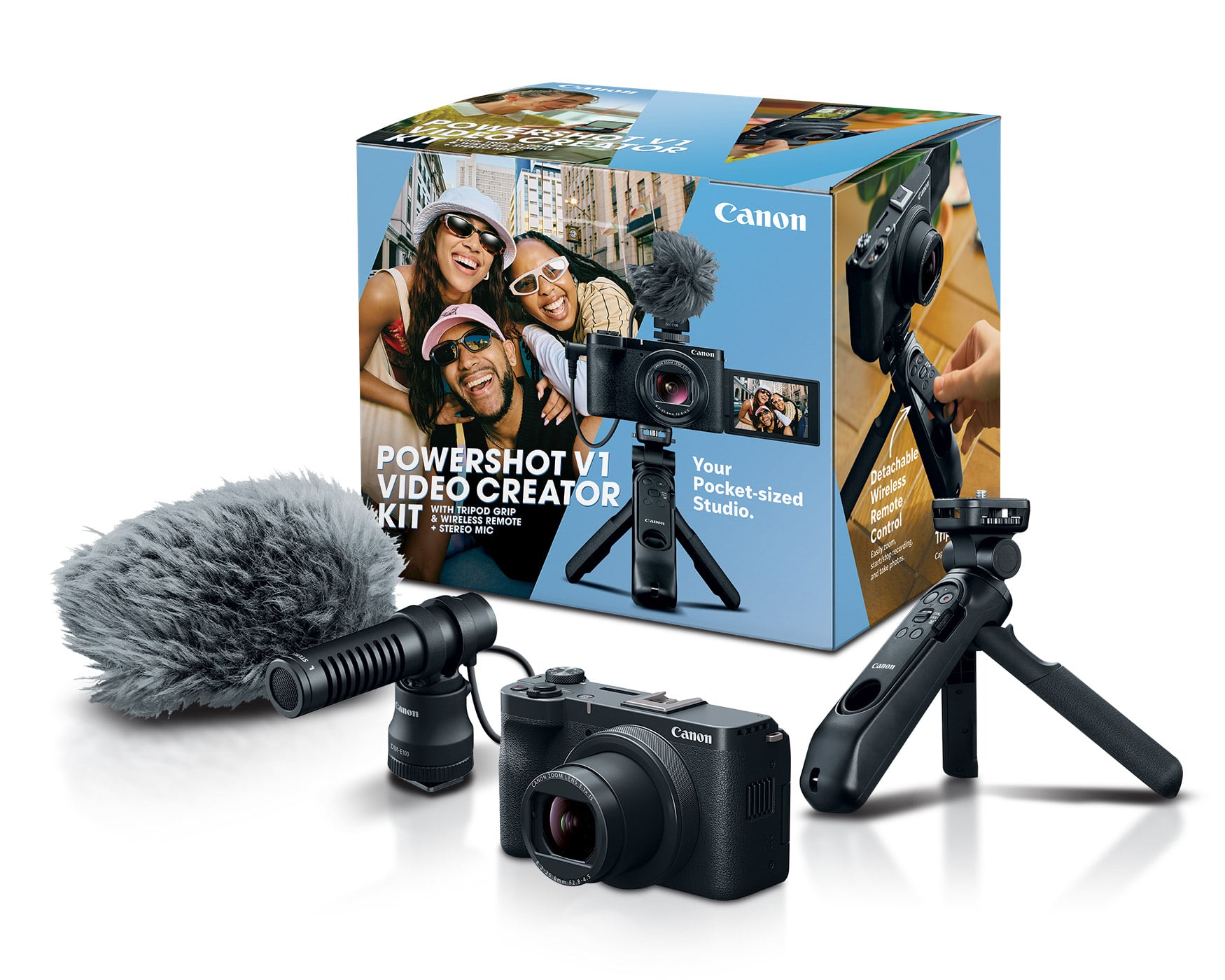
- A Canon PowerShot V1 Video Creator Kit
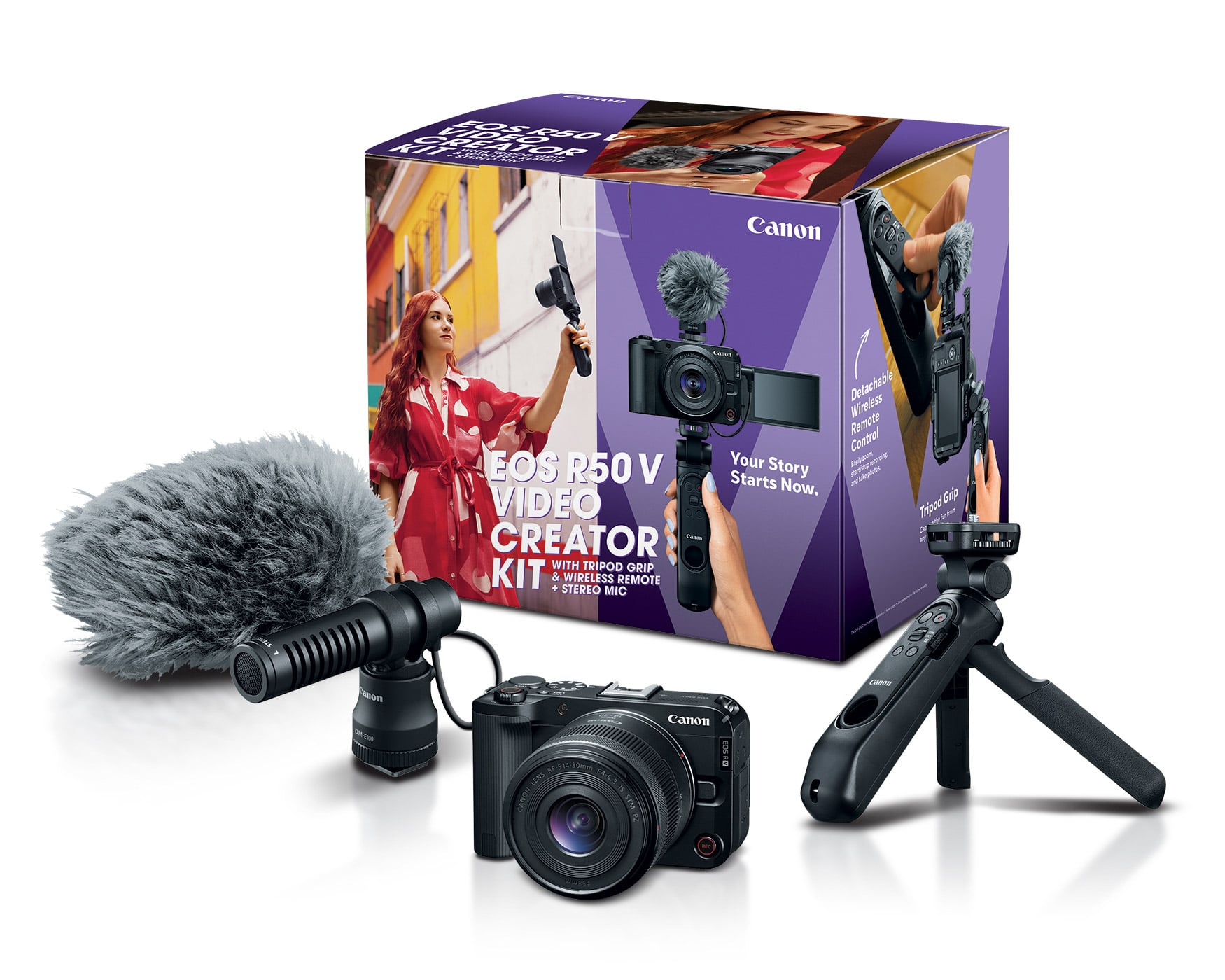
- A Canon EOS R50 V Video Creator Kit paired with the RF-S14-30mm power zoom lens
Price and Availability
The Canon EOS R6 V body is expected to arrive in late June for $2,499, while the kit pairing the camera with the Canon RF20-50mm F4 L IS USM PZ is expected to cost $3,699. The lens by itself is expected to retail for $1,399. The various accessories and creator kits are scheduled to begin rolling out between late June and early July.
See more from DIYPhotography.net on Google
Add DIYPhotography.net as a trusted source. This makes
our stories more likely to appear in your Google Search results.
 Add as a preferred source on Google

Alex Baker
Alex Baker is a portrait and lifestyle driven photographer based in Valencia, Spain. She works on a range of projects from commercial to fine art and has had work featured in publications such as The Daily Mail, Conde Nast Traveller and El Mundo, and has exhibited work across Europe
Related Posts
 Comparing the Canon EOS R, EOS RP, EOS R5 and EOS R6 head-to-head for portraits
 This device from the 1990s bridged the gap between film and digital
 Jeff “The Dude” Bridges publishes a new photo book of Hollywood in-between takes
 Canon brings Eye Detection AF to 4K 120fps video and adds All-I 60p XF-AVD to the Canon EOS C70 Cinema Camera
Join the Discussion
DIYP Comment Policy
Be nice, be on-topic, no personal information or flames.