

























This Tiny Camera is so Wild it Magnetically “Flicks” Your Photos into Existence
Dec 22, 2025
David Prochnow
Our resident “how-to” project editor, David Prochnow, lives on the Gulf Coast of the United States in Ocean Springs, Mississippi. He brings his expertise at making our photography projects accessible to everyone, from a lengthy stint acting as the Contributing How-To Editor with Popular Science magazine. While you don’t have to actually build each of his projects, reading about these adventures will contribute to your continued overall appreciation of do-it-yourself photography. A collection of David’s best Popular Science projects can be found in the book, “The Big Book of Hacks,” Edited by Doug Cantor.
Share:
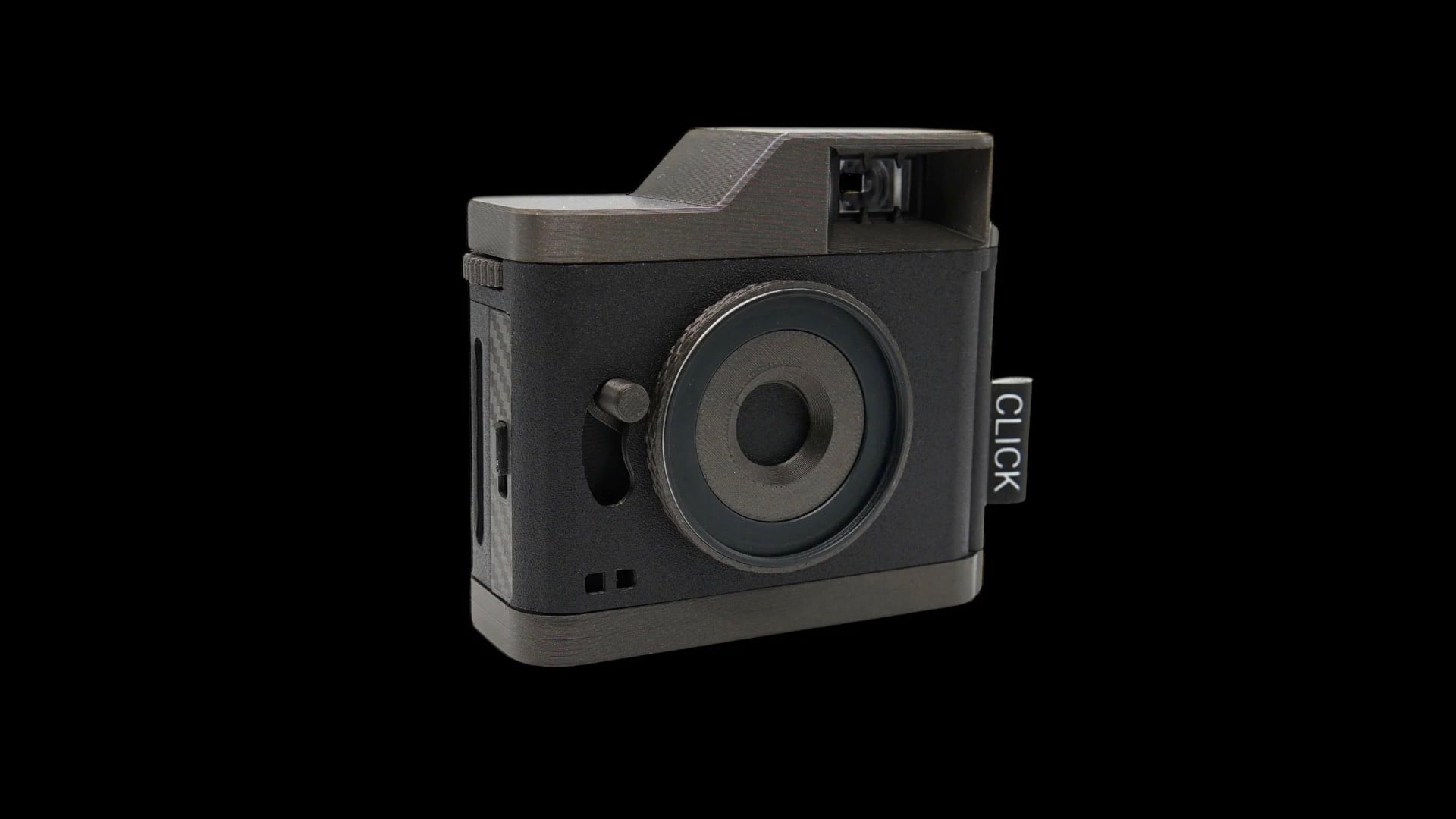
Once upon a film roll, there existed a tiny camera so delightfully analog that it made smartphones weep in a corner. Enter the Chroma Click from Chroma Camera, Ltd. Priced at $188, this 35mm compact camera includes a 24mm Double Glass lens and a magnetic shutter; a pocket-sized marvel that combines simplicity, nostalgia, and magnetic shenanigans into one quirky little box.
First off, this isn’t your typical autofocus, menu-drowning gadget: there’s no battery, no exposure meter, and no whining about firmware updates. You manually wind the film, “flick” the magnetically actuated shutter at a fixed 1/100th-second, and boom, instant analog satisfaction.
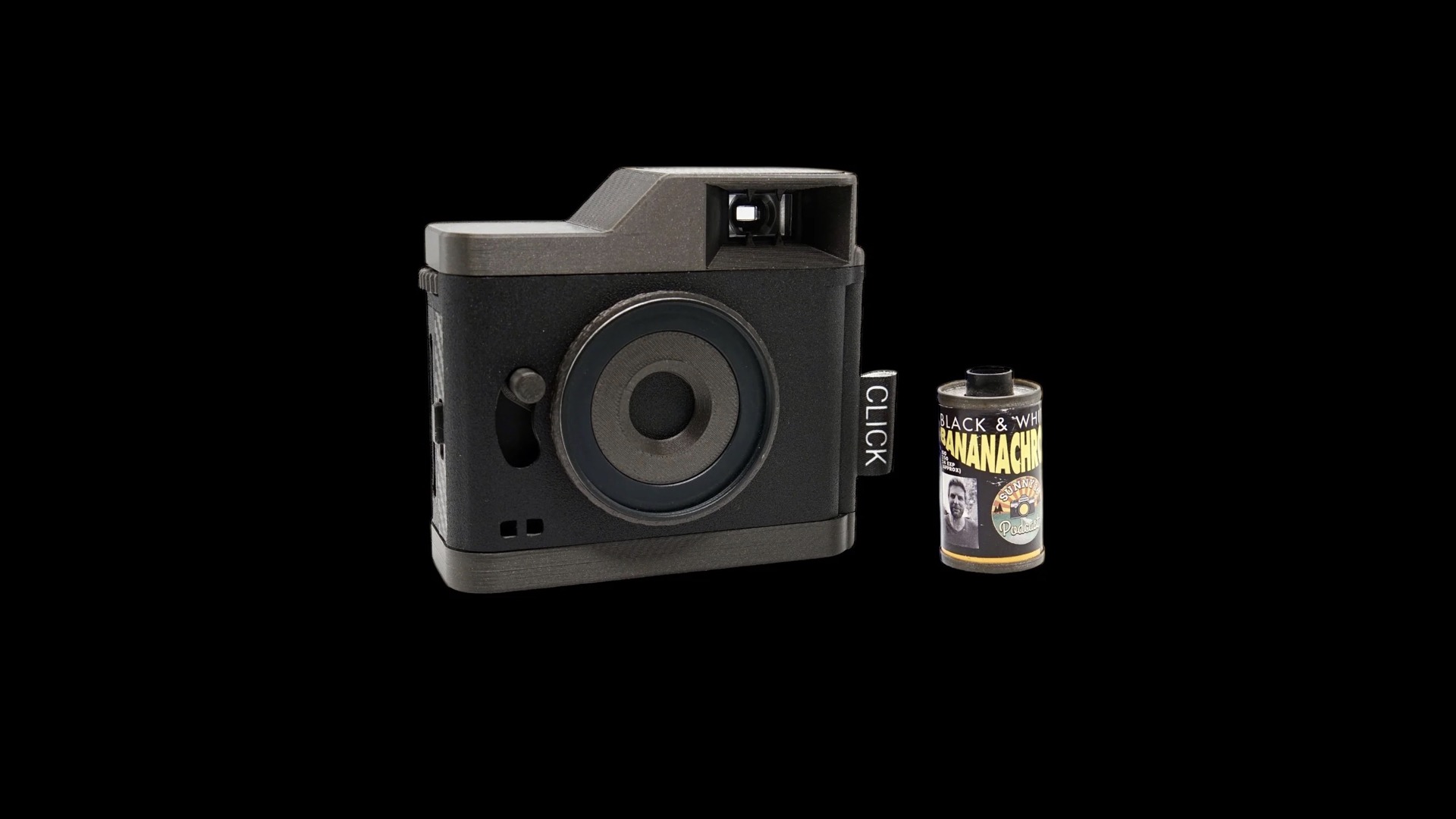
The Click’s lens is a 24mm Double Glass beauty with an f/11 aperture and fixed focus set from about one meter to infinity. This means you won’t be fiddling with tiny rings or worrying about whether your subject is technically in focus. It’s like giving your camera a very confident pat on the back and saying, “You’ve got this.”
You’ve Got to Flick to Click
What’s incredibly fun about this camera is its dual personality: it shoots both full-frame (24×36mm) and half-frame (24×18mm) simply by inserting or removing a frame insert. This flip to half-frame mode effectively doubling your exposures like a frugal film ninja.

And while it may look like a modest, minimalist box to the untrained eye, its oddball mechanics, from the magnetic rewind knob to the rotating frame indicator wheel, give it the palpable charm of an old sci-fi prop. But this ain’t no fiction. It’s a dose of analog reality for a digital debility.

In a world obsessed with megapixels, the Chroma Click reminds us that photography was once about charm, surprise, and the thrill of not knowing how your shot turned out until the film came back from the lab. If that doesn’t make you smile (and flick a magnetic shutter with glee), what will?
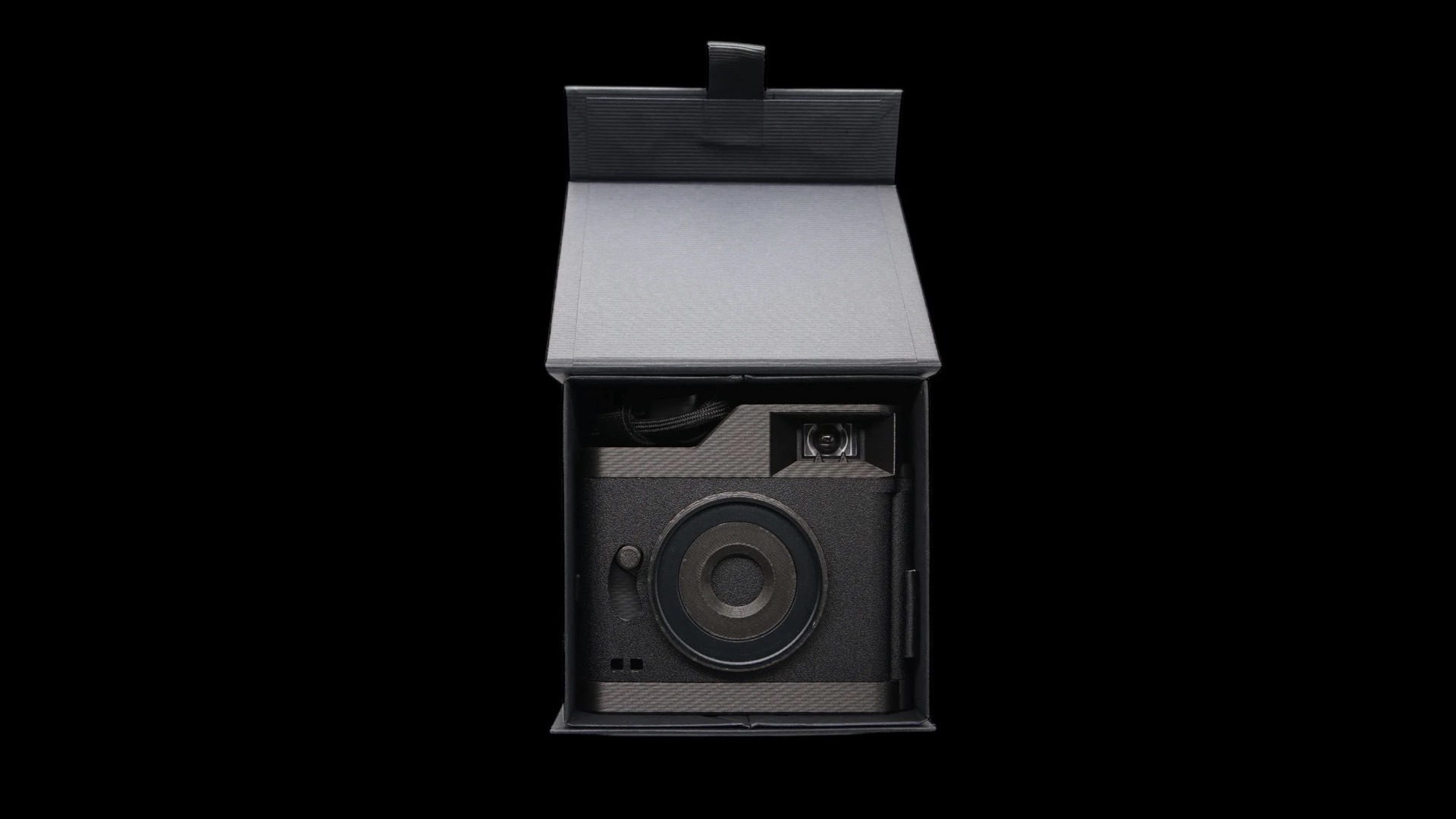
Click is being released in a “very limited edition” of 50 cameras. Each limited edition comes bundled inside a black gift box with a removable half-frame film insert and a wrist strap. As this article was being published, Stephen Dowling, founding editor of Kosmo Foto, indicated that almost half of these limited edition Click cameras have already been sold.
Enjoy.
See more from DIYPhotography.net on Google
Add DIYPhotography.net as a trusted source. This makes
our stories more likely to appear in your Google Search results.
 Add as a preferred source on Google

David Prochnow
Our resident “how-to” project editor, David Prochnow, lives on the Gulf Coast of the United States in Ocean Springs, Mississippi. He brings his expertise at making our photography projects accessible to everyone, from a lengthy stint acting as the Contributing How-To Editor with Popular Science magazine. While you don’t have to actually build each of his projects, reading about these adventures will contribute to your continued overall appreciation of do-it-yourself photography. A collection of David’s best Popular Science projects can be found in the book, “The Big Book of Hacks,” Edited by Doug Cantor.



Join the Discussion
DIYP Comment Policy
Be nice, be on-topic, no personal information or flames.