


















Why Gen Z’s Disposable Camera Trend Is Slowing Film Processing Times
Dec 20, 2025
Anzalna Siddiqui
A psychology major in her third year of Bachelor’s, Anzalna Siddiqui has endless curiosity for the human mind and a deep love for storytelling – both through words and visuals. Though she hasn’t taken up photography as a profession, her Instagram is where her passion finds its home. In addition to this, she’s a travel enthusiast who never travels without her camera because every place has a story waiting to be captured.
Share:
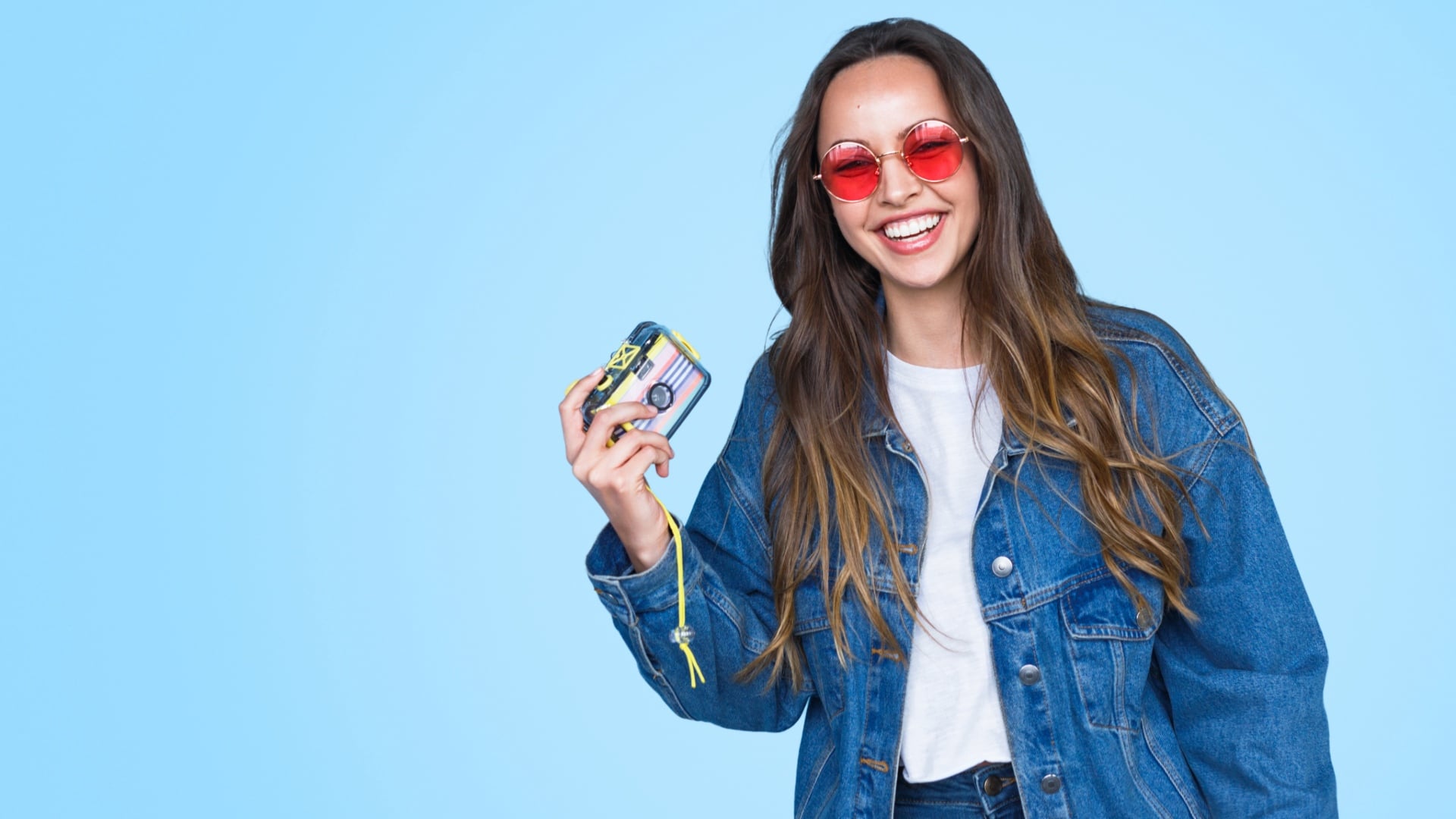
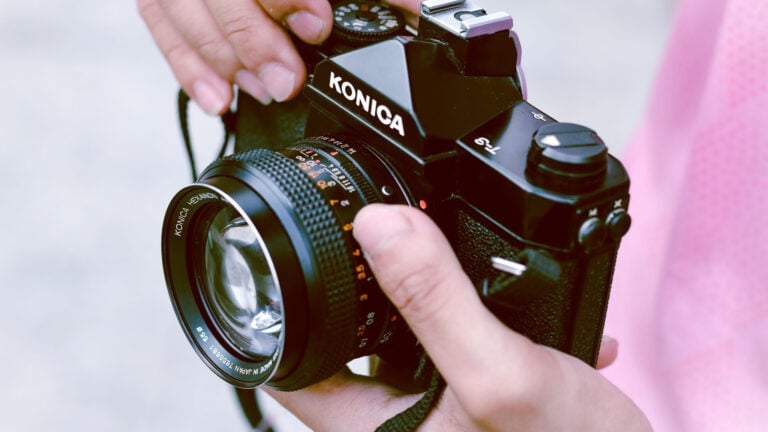
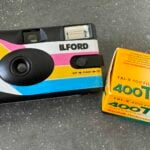
I recently visited my local film developer. I couldn’t help but notice how much younger the crowd looks compared to before. Instead of the usual hobbyists and professional photographers, there are now lines of Gen Z kids dropping off their disposable cameras. This summer, it’s been hectic due to the Gen Z Disposable Camera Trend.
My elder cousins, who have been shooting analog for a long time, are seeing their film processing times go from just a few days to annoyingly long waits of two or three weeks. However, they’re not really upset. This growing interest is an interesting cultural shift. It seems like the digital generation, used to having high-definition cameras at their fingertips, is quietly embracing a nostalgic rebellion.
This isn’t just a passing trend. It’s a significant move towards disposable cameras fueled by strong psychological and aesthetic reasons. Let me tell you why the revival of analog photography is causing delays in processing and what it may mean for the future of photography.
The Domino Effect: Why Development Times are Spiking
The most noticeable effect of the rising interest in analog photography is on film labs. The recent surge in popularity of Gen Z’s disposable camera trend has altered the way film development operates.
Typically, commercial labs can process film anywhere from the same day to three weeks. However, today’s demand is stretching those timelines. The main problem is the large number of disposable cameras being brought in. These cameras use C-41 color negative film, which is the quickest type to develop. However, when every lab is flooded with thousands of rolls at once, even the simplest processing takes longer.
Think of it like this:
Commercial Labs (like mail-in services): These labs typically have fast turnaround times, processing color film and disposable cameras within three to seven business days. They can handle a lot of volume, but they are now facing delays. Mailing times, combined with the backlog, result in longer wait times.
Retailers (such as CVS and Walmart): Big stores often send film to a central lab for processing, which can delay 35mm and disposable film development to 7 to 10 days or even longer for specialty films. This has been the norm, but the current high volume is overwhelming these slower systems.
Specialty/Local Labs: Smaller, local labs known for their high-quality scans are experiencing the most significant delays. Many can still process low volumes quickly, but they typically focus on specialized work, such as E-6 slide film or true black and white. When they receive a large batch of disposable camera film, the time needed to scan and handle each image can push their turnaround to one to three weeks.
In reality, even though you might have to wait a while, the results from a local lab usually beat what you get from big retail stores. As more Gen Z photographers ask about developing disposable camera films or look for C-41 processing times online, interest in DIY or home development is likely to increase. Although the home development process itself takes less than an hour, gathering the needed chemicals and tools can be overwhelming for newcomers.
The Psychology of Scarcity and Delayed Gratification
People often ask why Gen Z is known for quick uploads and short TikToks, rather than waiting two weeks for their photos to be processed. The answer lies in their search for authenticity, the value of patience, and a break from idealized digital images.
1. Rejecting Digital Perfection
At the heart of the disposable camera trend is a pushback against polished digital images. Today, nearly every smartphone uses advanced technology to smooth and enhance photos, often removing any natural flaws. Instagram showcases a collection of filtered and manipulated moments.
In contrast, film photography, especially from disposable cameras, provides an unrefined, genuine aesthetic. It captures natural imperfections, such as grain, unexpected light leaks, and color variations. These flaws give photographs their charm and remind us that they represent real-life experiences. This acceptance of imperfection acts as a digital detox, allowing people to step back from screens and constant alerts.
2. Real Memories in a Digital World
In an era when most images are digital files that can be lost or corrupted, physical prints offer a sense of permanence and a connection to our memories.
Gen Z is starting to appreciate what earlier generations took for granted: the value of a physical photo. Each print symbolizes a moment caught through a lasting chemical process. You can hold it, share it face-to-face, or keep it for the future. This emotional connection is something scrolling through endless digital images can’t replicate.
[Related Reading: Gen Z’s latest photo craze is the “vintage” iPhone 4. What can we learn from them?]
The Rise of Analog
Gen Z’s disposable camera trend doesn’t spell the end for digital photography. Rather, it serves as a vital balance. This movement among Gen Z highlights a desire for connection, authenticity, and lasting memories in an increasingly virtual world.
For those struggling with the wait, here are some tips:
- Accept the Delay: Embrace the longer processing times as part of the analog experience. It enhances the feeling of waiting.
- Support Local Labs: Help your local photo labs, knowing they’re trying their best despite the workload.
- Try DIY Development: If the wait feels too long, consider getting a home development kit. For black and white or C-41 film (like that from disposable cameras), the home process can be easy and quick. Looking up home development kits could kickstart this enjoyable hobby.
Ultimately, this trend teaches us that great photography isn’t about high resolution. It’s about the emotions involved. It’s about the charm of imperfections, the joy of waiting, and the simple pleasure of holding a memory in your hands. If I have to wait a bit longer for my scans, I’m okay with that. Seeing a new generation appreciate the magic of film is incredibly rewarding.
[Image credits: Envato]
See more from DIYPhotography.net on Google
Add DIYPhotography.net as a trusted source. This makes
our stories more likely to appear in your Google Search results.
 Add as a preferred source on Google
Filed Under:
Tagged With:

Anzalna Siddiqui
A psychology major in her third year of Bachelor’s, Anzalna Siddiqui has endless curiosity for the human mind and a deep love for storytelling – both through words and visuals. Though she hasn’t taken up photography as a profession, her Instagram is where her passion finds its home. In addition to this, she’s a travel enthusiast who never travels without her camera because every place has a story waiting to be captured.


Join the Discussion
DIYP Comment Policy
Be nice, be on-topic, no personal information or flames.