























Prime vs Zoom Lens: Image Quality, Sharpness, and Practical Use Comparison
Nov 24, 2025
Darlene Lleno
Darlene Lleno brings a unique perspective to DIY Photography as someone who grew up surrounded by camera gear but chose words over lenses. With five years of writing experience, she specializes in photography content that’s both technically informed and genuinely passionate. Growing up with a photographer twin brother meant camera talk was everyday conversation in her household. While he mastered capturing moments, Darlene discovered she preferred being the subject and the storyteller behind the scenes. As a travel enthusiast and mother of two, she understands the importance of preserving life’s precious moments. When not exploring new destinations or writing for DIY Photography, you’ll find her reading or tending to her garden. Her approach to photography writing is refreshingly authentic, she may not be behind the camera, but she knows exactly what it takes to help others capture the shots that matter most.
Share:
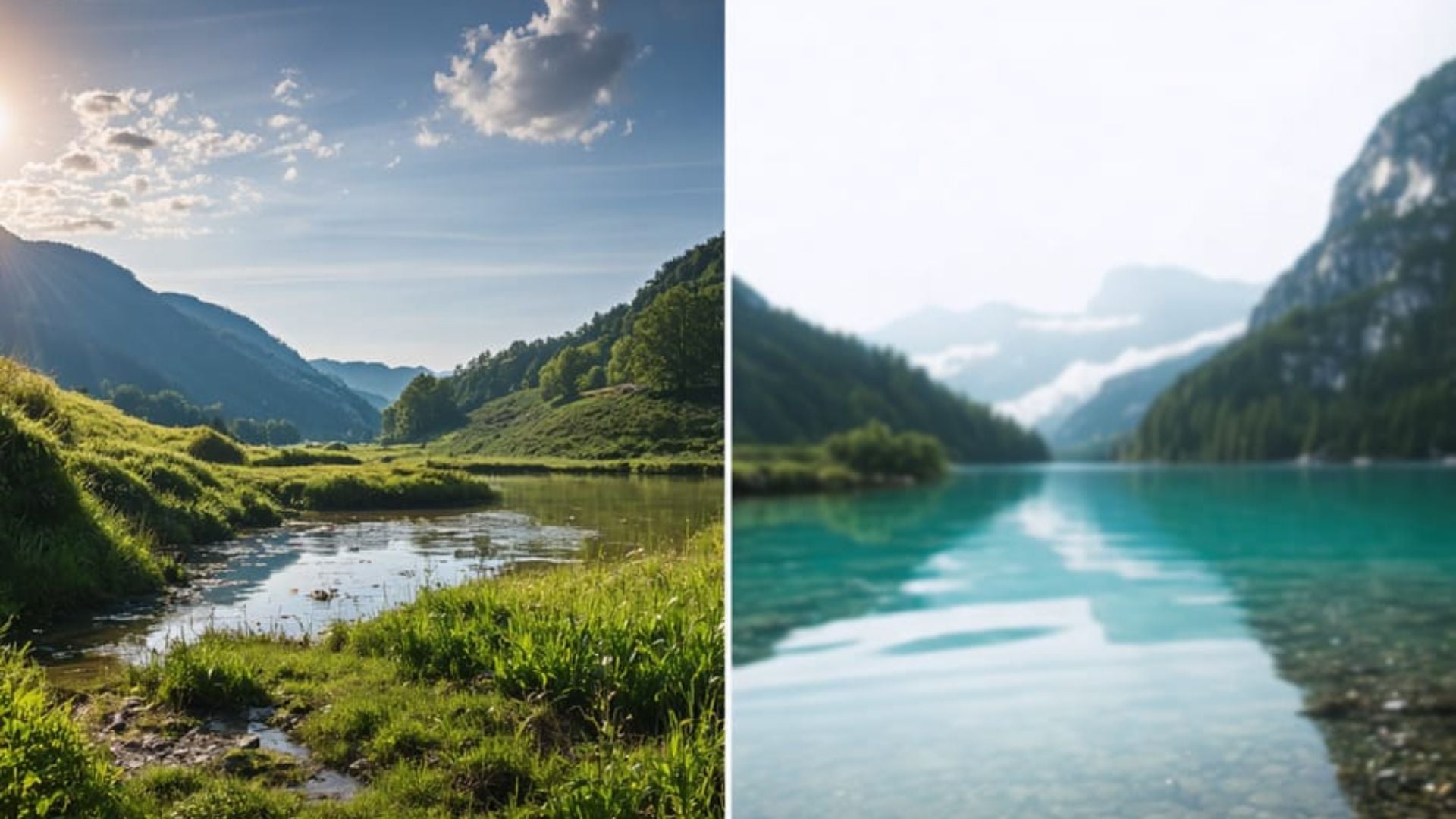
Choosing between a prime vs zoom lens affects every shot you take. Both lens types work well for different situations. Understanding how they differ helps you pick the right glass for your needs.
This guide explains what sets these lenses apart. You’ll learn about image quality differences, sharpness performance, and when to use each type. Real-world examples show how each lens handles actual shooting scenarios.
What Makes Prime and Zoom Lenses Different
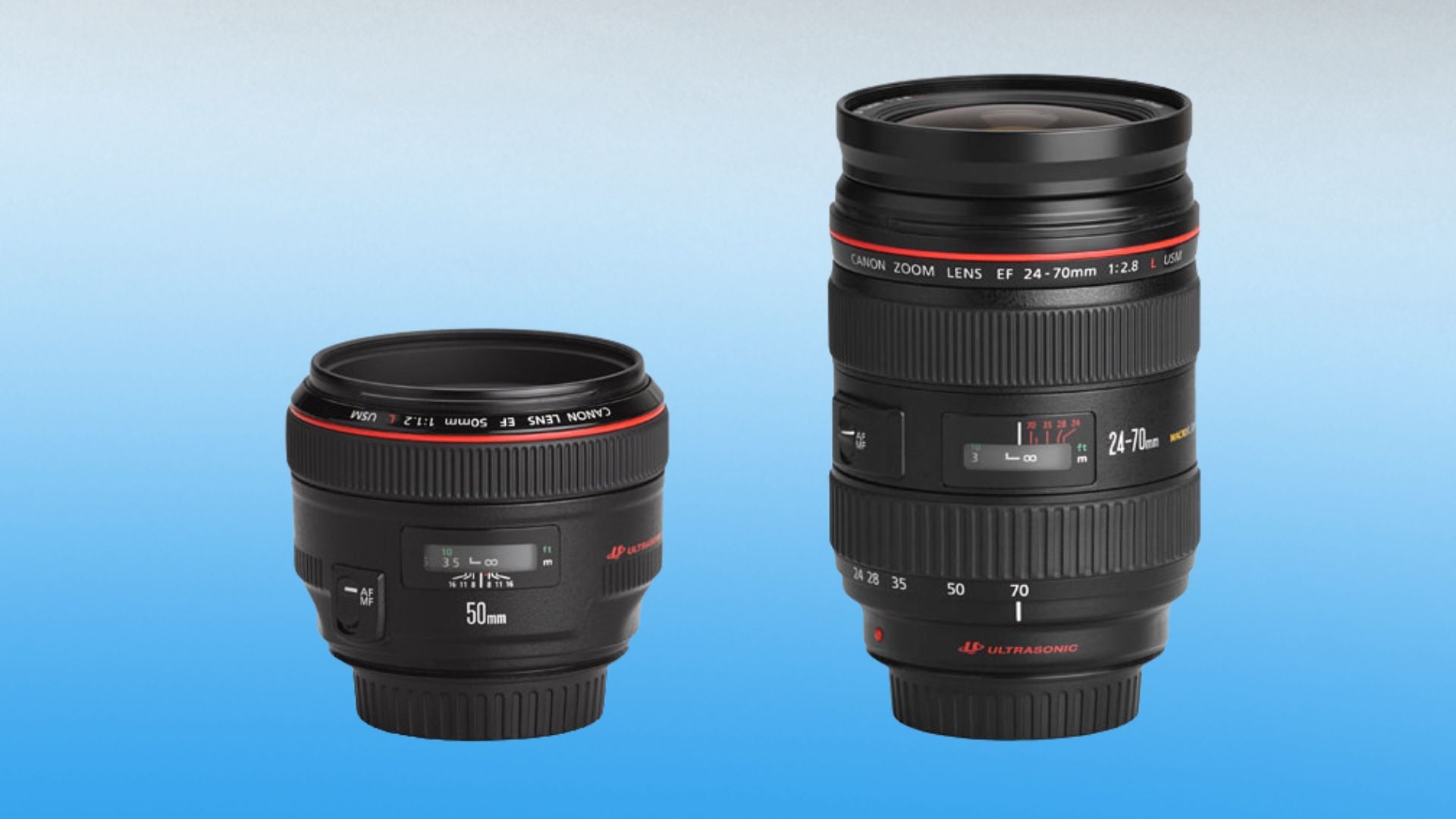
Prime lenses stick to one focal length. A 35mm stays 35mm, a 50mm stays 50mm. You zoom with your feet, not a ring. Zoom lenses give you multiple focal lengths in one package.
The glass inside tells the whole story. Prime lenses use fewer elements because they handle just one focal length. This simpler design lets them open wider, often to f/1.8 or f/1.4. Zoom lenses need more glass to cover their range. This complexity usually caps them at f/2.8 or smaller.
Your shooting style changes with each lens type. Prime lenses force you to move around. Zoom lenses let you adjust framing from one spot. Wedding photographers grab zooms for quick reframing during ceremonies. Portrait shooters often prefer primes for that creamy background blur.
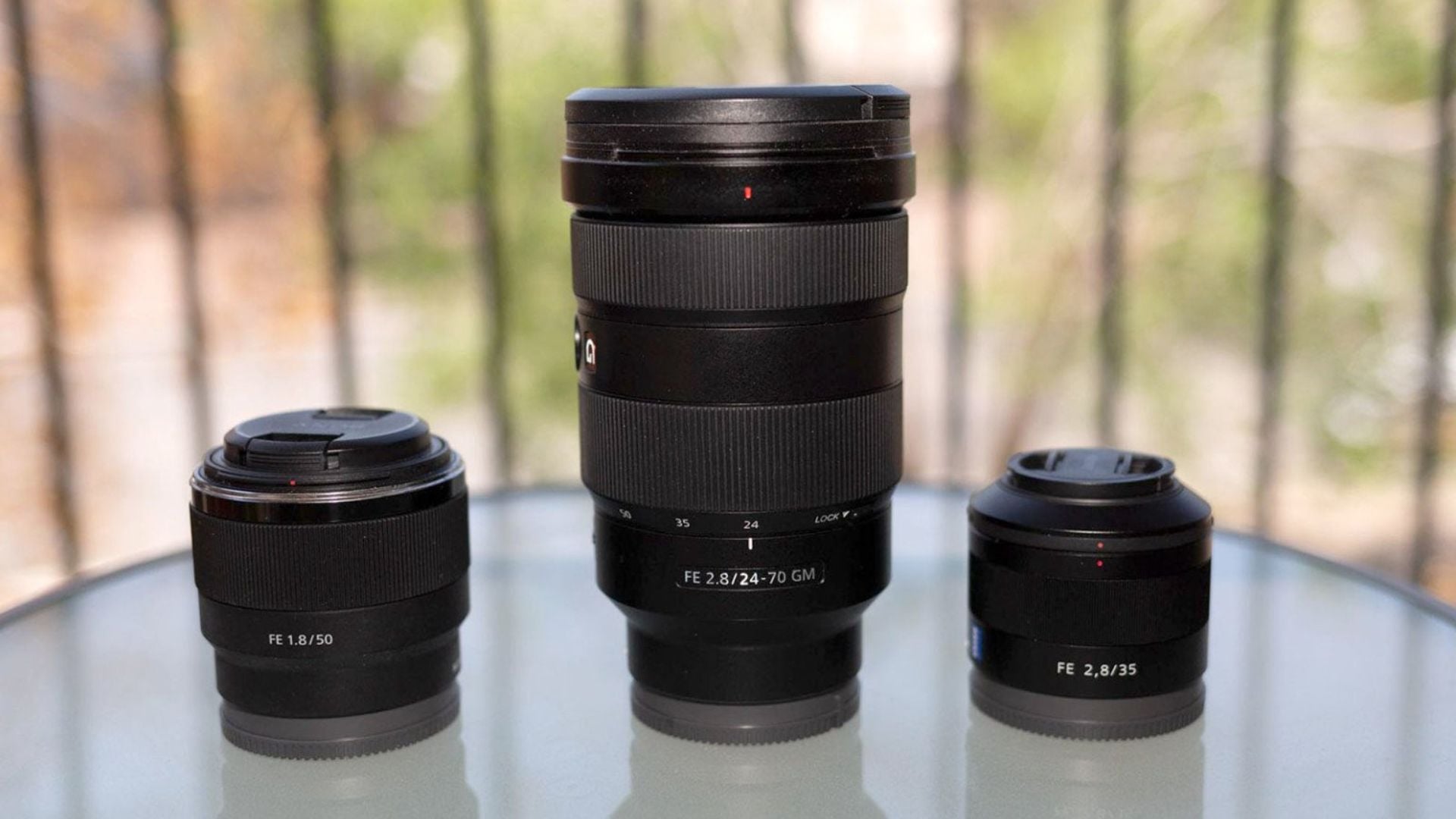
Weight matters when you carry gear all day. A typical 50mm f/1.8 prime weighs around 150 grams. A 24-70mm f/2.8 zoom can hit 800 grams or more. That difference adds up fast in your camera bag.
Prime vs Zoom Lens Image Quality Breakdown
The prime vs zoom lens quality gap has shrunk over time. Modern zoom lenses deliver sharp images that compete with many primes. But primes still edge ahead because of their simpler optical path.
Fewer glass elements mean better things happen inside your lens. Light travels through less material before hitting your sensor. This produces punchier colors and stronger contrast. High-end zooms come close, especially at middle focal lengths.
Color accuracy shows clear differences too. Primes render colors more accurately straight out of camera. Zooms sometimes need minor correction in post-processing. The difference becomes obvious when you shoot tricky lighting situations.
Chromatic aberration affects both lens types differently. Primes show minimal color fringing around high-contrast edges. Zooms often display more fringing, particularly at the ends of their focal range. Software fixes this easily now, but primes start cleaner.
Resolution tells an interesting story. A good zoom can beat a cheap prime. But compare lenses in similar price ranges and primes usually win. Corner sharpness especially favors primes. Their simpler design keeps edges crisp across the frame.
Sharpness Differences You’ll Actually Notice
Center sharpness looks similar between quality primes and zooms. Point your lens at something and both types nail focus in the middle. The corners tell a different story. Primes keep corners just as sharp as the center.
Test results show primes peak around f/4 to f/5.6. Zooms need f/8 or smaller to match that corner performance. This matters for landscape photography where you want everything sharp.
Here’s where primes really shine. Their wider maximum apertures give you creative options. Shooting at f/1.4 or f/1.8 blurs backgrounds beautifully while keeping your subject tack-sharp. Most zooms stop at f/2.8, which limits your separation options.
Focus distance doesn’t change prime performance. A 50mm stays sharp whether you focus at 2 feet or 20 feet. Some zooms show sharpness variations as you change focal length. Your 24-70mm might rock at 50mm but soften at 24mm.
Budget picks favor primes for pure sharpness. A $200 prime often outperforms a $200 zoom significantly. Professional zooms cost more but deliver excellent results for most shooters.

How Aperture and Bokeh Compare
Maximum aperture changes everything about shooting flexibility. Primes open wider, letting in more light. You can shoot in darker spaces without cranking ISO. This helps for concert photography or indoor events.
Background blur quality differs noticeably between lens types. Primes with f/1.4 or f/1.8 apertures create smooth, creamy bokeh. Their rounder aperture openings make out-of-focus lights look beautiful. Zooms produce more angular bokeh shapes, especially stopped down.
Subject isolation improves dramatically with wider apertures. An 85mm f/1.4 prime throws backgrounds into gorgeous blur. Portrait photographers choose these lenses specifically for this effect. Even great f/2.8 zooms can’t match the shallow depth of field you get from f/1.4.
Longer focal lengths help compensate for smaller apertures. A 200mm lens at f/2.8 still blurs backgrounds nicely. The longer focal length and working distance create separation. But you can’t beat the control that wide apertures provide.
When to Pick Prime vs Zoom Lens
Portrait work demands the qualities primes deliver. The 50mm, 85mm, and 135mm focal lengths paired with f/1.4 or f/1.8 work perfectly. You get flattering perspective and beautiful background separation. Studio photographers stick with primes for consistent optical performance.
Events and weddings need zoom flexibility. You can’t move during a ceremony. A 24-70mm or 70-200mm lets you grab wide scenes and tight moments quickly. Speed beats perfect image quality when moments disappear fast.
Landscape shooting accepts both approaches. Many landscape photographers prefer primes like 24mm or 35mm. They’re lighter for hiking and deliver incredible sharpness. Others choose ultra-wide zooms for compositional flexibility when conditions change.
Street photography splits photographers into camps. Some swear by compact 35mm primes for their low profile. Others grab 24-70mm zooms for unpredictable moments. Your personal style determines which works better.
Sports and wildlife require zoom reach. You can’t walk closer to a running athlete or distant bird. Long telephotos like 100-400mm or 150-600mm give you the reach you need. Zoom flexibility becomes necessary for these genres.

Budget and Value Analysis
Entry-level primes deliver incredible bang for your buck. A 50mm f/1.8 costs $200-300 and shoots like glass worth much more. Budget zooms in similar price ranges rarely match this performance.
Professional zooms command serious money. A 24-70mm f/2.8 from major brands costs $1,800-2,500. Building a prime collection to cover that range costs slightly more. But you get better quality at each focal length.
One zoom replacing multiple primes has real value. You save bag space and reduce total weight. Travelers and photographers shooting multiple genres appreciate this convenience.
Popular focal lengths hold value well. Primes like 35mm, 50mm, and 85mm maintain strong resale prices. Professional constant-aperture zooms also keep their value. Brand reputation matters for resale too.
Maintenance costs stay similar between types. Primes have simpler construction with fewer moving parts. Modern zooms from quality manufacturers prove reliable with basic care. Neither type costs significantly more to maintain.
Portability and Weight Factors
Travel gear decisions often favor compact primes. Multiple small primes weigh less than professional zooms. A kit with 24mm, 35mm, 50mm, and 85mm primes might weigh less than two pro zooms.
Camera bag organization improves with smaller lenses. You fit more gear in compact bags. Some photographers carry complete prime kits in jacket pockets. Zoom lenses need dedicated camera bags and padding.
Hiking demands weight reduction. Every gram counts on long treks. A lightweight 35mm f/2.8 pancake turns your camera into an ultraportable system. Heavy zooms discourage spontaneous photo adventures.
Airport travel gets simpler with lighter gear. International carry-on weight limits make compact prime kits attractive. You pack everything without exceeding baggage restrictions. Travel photography becomes less stressful with reduced weight.
Finding Your Perfect Lens Match
Understanding the prime vs zoom lens comparison means matching gear to your shooting. Look at what you actually photograph most often. Your shooting patterns reveal which lens type serves you better.
Check your photos from the past year. See which focal lengths you used most. If you consistently shoot at 35mm or 85mm, primes make sense. Photographers who regularly zoom to reframe benefit from keeping zoom lenses.
Budget planning affects how you build your kit. Start with a quality 50mm prime and add focal lengths gradually. Or invest in one or two professional zooms for immediate coverage. Both approaches work depending on your timeline.
Physical shooting environments matter too. Studio photographers with controlled spaces maximize quality with primes. Event photographers capturing fleeting moments need zoom adaptability. Match your lens type to your working conditions.
Test before committing when possible. Rent both prime and zoom options in your desired focal lengths. Spend a weekend shooting your typical subjects. Hands-on experience shows which option fits your workflow best.
The prime vs zoom lens debate doesn’t force permanent choices. Professional photographers own both types and grab the right tool per assignment. Build your kit strategically over time. Prioritize lenses serving your most frequent shooting needs first.
See more from DIYPhotography.net on Google
Add DIYPhotography.net as a trusted source. This makes
our stories more likely to appear in your Google Search results.
 Add as a preferred source on Google

Darlene Lleno
Darlene Lleno brings a unique perspective to DIY Photography as someone who grew up surrounded by camera gear but chose words over lenses. With five years of writing experience, she specializes in photography content that’s both technically informed and genuinely passionate. Growing up with a photographer twin brother meant camera talk was everyday conversation in her household. While he mastered capturing moments, Darlene discovered she preferred being the subject and the storyteller behind the scenes. As a travel enthusiast and mother of two, she understands the importance of preserving life’s precious moments. When not exploring new destinations or writing for DIY Photography, you’ll find her reading or tending to her garden. Her approach to photography writing is refreshingly authentic, she may not be behind the camera, but she knows exactly what it takes to help others capture the shots that matter most.


Join the Discussion
DIYP Comment Policy
Be nice, be on-topic, no personal information or flames.