
















Why the Distance Between You and Your Subject Can Make or Break a Portrait
Sep 23, 2025
Anzalna Siddiqui
A psychology major in her third year of Bachelor’s, Anzalna Siddiqui has endless curiosity for the human mind and a deep love for storytelling – both through words and visuals. Though she hasn’t taken up photography as a profession, her Instagram is where her passion finds its home. In addition to this, she’s a travel enthusiast who never travels without her camera because every place has a story waiting to be captured.
Share:
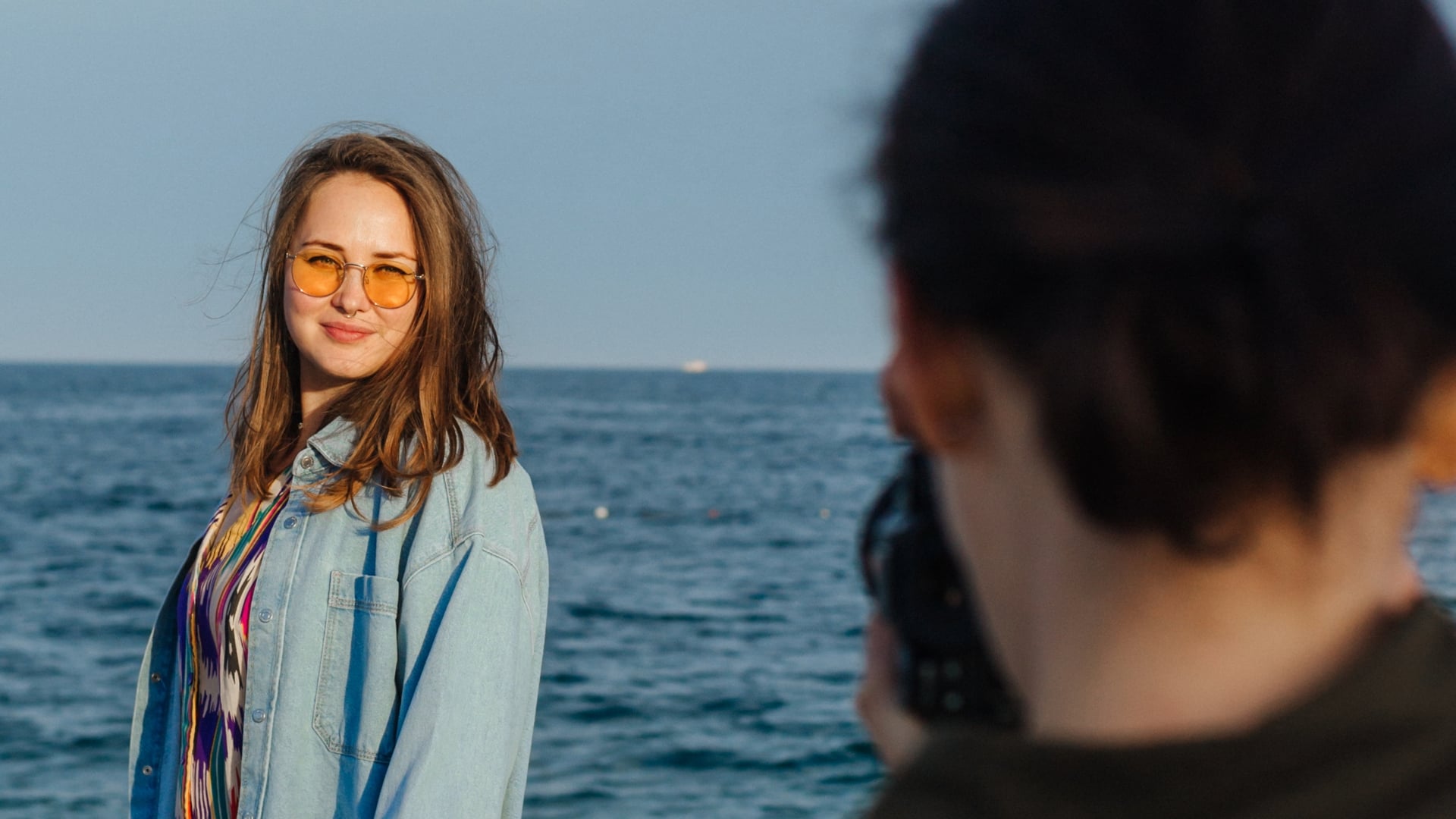
Many photographers focus on common factors like lighting, exposure, and aperture, but they often overlook an essential element: how far they stand from their subject. What’s photographer’s distance from subject. That’s why oftentimes our portraits feel flat and dull, while others seem vibrant and alive.
In a recent video by Adorama, Lindsay Adler highlights this point. She explains that distance is a key factor that many people miss. By considering distance and focal length, photographers can have much more control over how their images turn out. This insight can really help in creating the desired effect in your portraits.
Getting Technical: How Photographer’s Distance from Subject Impacts Depth of Field
You likely know that your aperture controls your depth of field. If you set it to f/1.4, you’ll achieve that soft, blurry background. On the other hand, if you set it to f/16, everything will be in focus. However, you might not realize how far you are from your subject, and the focal length of your lens is just as crucial. These factors work together to influence your image.
Lindsay explains that you don’t need to dive into complex science or math to grasp this concept. It’s all about understanding how these three elements interact. She suggests using a free online depth of field calculator to see the effects clearly. You can enter details like your camera model, lens, aperture, and distance to determine how much of your scene will be sharp. It’s a fantastic way to visualize these connections.
In the video, Lindsay adjusts some settings on a Canon 5D Mark III camera using an 85mm lens set to f/4. She mentions that when the camera is positioned 10 feet away, the depth of field is around one foot. However, when she moves in closer to just four feet, the depth of field decreases dramatically to only 1.8 inches. This shows how much your distance from the subject can affect focus.
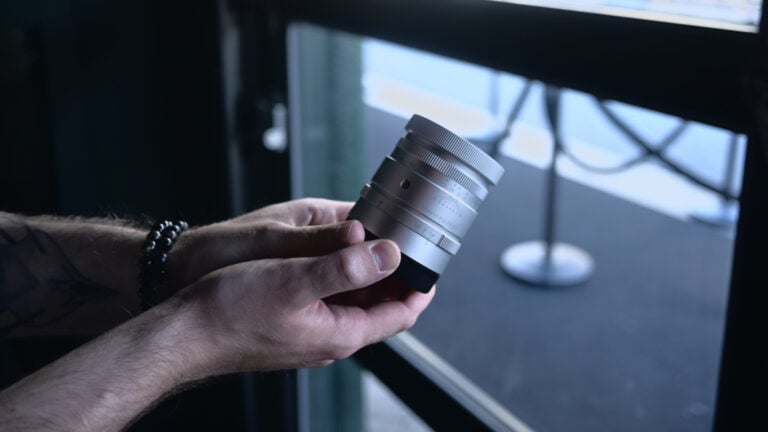
Next, she stays at the 10-foot mark but switches the lens from 50mm to 100mm. She notes that this change reduces the depth of field from three feet to just 8.5 inches. I think this clearly demonstrates why telephoto lenses are great for creating blurry backgrounds. You can maintain a distance from your subject, which is perfect for candid photography and makes them feel less cramped, while still achieving that lovely bokeh effect.
[Related Reading: Want to be a better portrait photographer? Get in front of somebody else’s lens]
When Shallow Depth Becomes a Problem
Understanding this concept isn’t just about achieving that lovely blurred background; it’s also very useful for avoiding issues. As Lindsay explains, when you shoot from a short distance with a long lens and a wide aperture, the depth of field becomes very shallow. For example, if you’re four feet away using a 100mm lens at f/4, the depth of field will only be 1.3 inches. This is why macro lenses often create a very narrow focus.
This can be great for certain types of photos, but it can also lead to problems. In a group picture, if you get too close or use too long a lens, the people in the front might be in focus while those in the back aren’t. Suddenly, that perfectly planned shot doesn’t look so good anymore.
Lindsay talks about her experience as a beauty photographer. When she takes close-up shots of eyelashes, even using a small aperture like f/16 doesn’t always bring all the lashes into focus because she’s so close. She suggests that stepping back and cropping the photo later can be better. This way, you can achieve a wider depth of field and ensure everything you want is sharp. I think this is a helpful tip that challenges what many of us believe. We often think we must perfect everything in the camera, but sometimes cropping can lead to a better outcome.
The Distortion Trap: Why Backing Up Is Your Friend
Another key point that Lindsay highlights is the idea of perspective and distortion. This plays a big role in portrait photography. For instance, when you take a selfie with your phone, you might notice that your nose appears larger than it actually is. This happens due to distortion from being too close to your face while using a wide-angle lens.
Lindsay points out that getting too close to someone, especially with a wide-angle lens, can make their facial features look larger or stretched out. This means someone’s nose might seem bigger or their forehead wider, which isn’t usually the effect you want in a portrait. Additionally, being too close can shrink the background, making it feel disconnected from the person you photograph.
This is why people often say that telephoto lenses are great for taking portraits. It’s not only about the length of the lens, but also what it lets you achieve. By stepping back and using a longer lens, Lindsay explains that you can make your subject’s features look flatter and more balanced. She gives a great example of photographing someone in front of a building. If you’re too close with a wide lens, the person looks huge while the building seems tiny. However, when you step back and use a longer lens, the person’s features appear more even, and the building looks bigger and stands out more behind them. This happens because a longer lens narrows your view, bringing the background closer and making it seem more compressed.
The critical takeaway is that you’re not just capturing an image of a person. You’re capturing them in their surroundings. Photographer’s distance from subject and the focal length they select affects how they relate to their environment.
Putting It All to Practice
Lindsay explains that knowing how photographer’s distance from subject, focal length, and aperture interact gives you more creative control. This knowledge helps you make intentional decisions about your photos, whether you want to blur the background, keep a group of people in focus, or take a lovely, natural portrait.
Being a good photographer means understanding how all these factors work together. It’s not just about mastering one skill. It’s about seeing everything as a whole. I think this perspective is really insightful. Getting caught up in the technical details is easy, but what truly matters is how all the elements connect. This understanding shows that you’re more than just someone who presses buttons. You’re a thoughtful artist who grasps the science behind photography.
[How Distance Affects Your Portraits (It’s More Than You Think) with Lindsay Adler I Adorama; Image credits: Envato]
See more from DIYPhotography.net on Google
Add DIYPhotography.net as a trusted source. This makes
our stories more likely to appear in your Google Search results.
 Add as a preferred source on Google

Anzalna Siddiqui
A psychology major in her third year of Bachelor’s, Anzalna Siddiqui has endless curiosity for the human mind and a deep love for storytelling – both through words and visuals. Though she hasn’t taken up photography as a profession, her Instagram is where her passion finds its home. In addition to this, she’s a travel enthusiast who never travels without her camera because every place has a story waiting to be captured.



Join the Discussion
DIYP Comment Policy
Be nice, be on-topic, no personal information or flames.