
























DJI Files Patent Case Against Insta360 as 360 Drone Race Intensifies
Mar 24, 2026
Alysa Gavilan
Alysa Gavilan has spent years exploring photography through photojournalism and street scenes. She enjoys working with both film and mirrorless cameras, and her fascination with the craft has grown over the decades. Inspired by Vivian Maier, she is drawn to capturing everyday moments that often go unnoticed.
Share:

Chinese drone maker DJI has filed a lawsuit against rival Insta360 over alleged patent infringement, according to a report by the South China Morning Post.
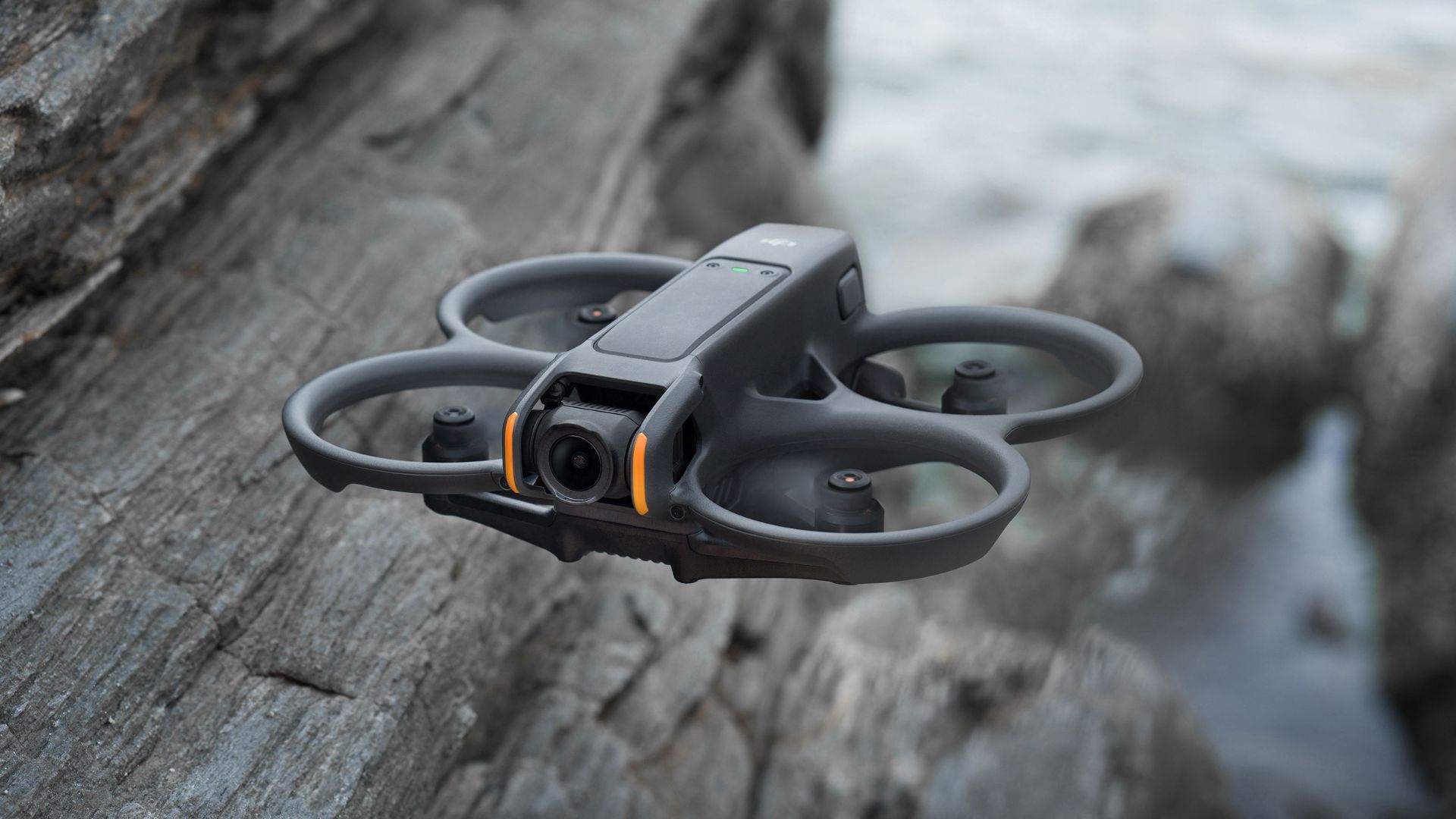
The case, filed with the Shenzhen Intermediate People’s Court, involves six patents related to drone flight control, structural design, and image processing. The legal move was made public just days before DJI is expected to launch its first 360-degree drone, a category closely associated with Insta360.

Dispute Centers on Former Employees and Patent Ownership
According to the South China Morning Post, DJI claims that some of the disputed patents were developed by former employees within one year of leaving the company.
Under Chinese intellectual property law, innovations created within that period may legally belong to the former employer if they are related to the employee’s previous work.This detail is central to the case. DJI argues that the patents in question fall under this rule, suggesting they should be recognized as its intellectual property.
The report notes that Chinese media outlets, including government-backed publications, have echoed this interpretation of the law in relation to the dispute.
Insta360 has challenged this claim. Founder and chief executive Liu Jingkang said in a public statement that the company conducted an internal review and found that the patents were independently developed.
He stated that “the available evidence indicates that these are all ideas and innovations generated within Insta360,” disputing DJI’s position.
Competing Claims Over Innovation
The disagreement extends beyond legal definitions into broader claims about innovation.
Liu said that one of the key patents mentioned, related to a one-button FPV-style building dive feature, was his own idea and not derived from prior work at DJI. He also noted that the feature was never implemented due to regulatory limitations, suggesting limited commercial relevance.
According to the South China Morning Post, DJI has not issued a detailed public response to these claims, and the Shenzhen court has not commented on the case.
Insta360 also addressed accusations about hiding inventors’ names in patent filings. Liu explained that this practice is common in domestic filings and is intended to protect employees from recruitment targeting, with full disclosure occurring during later international filings.
The timing of the lawsuit has drawn attention, as it comes shortly before DJI’s anticipated entry into the 360-degree drone market. Insta360 has built a reputation in this niche, particularly through its 360 cameras and immersive imaging technology.
Liu suggested that legal disputes are not unusual in the technology sector, particularly when companies compete for market share. He also pointed out that Insta360 had previously identified potential overlaps between DJI products and its own patents but chose not to pursue legal action.
Broader Context of Patent Battles in Imaging Tech
Patent disputes are a recurring feature in the imaging and camera industry. Companies often rely on intellectual property to protect innovations in hardware design, software processing, and user interface features. As product categories converge, especially in areas like drones and 360 imaging, the likelihood of overlapping claims increases.
The case is expected to proceed through evidence collection and court review, with no immediate resolution announced.
Insta360, for its part, has stated that it remains focused on product development, with plans to launch several new devices this year. DJI has not publicly outlined how the lawsuit may affect its upcoming 360 drone release.
For now, the outcome will depend on how the court interprets the patents, the role of former employees, and the application of intellectual property law.
See more from DIYPhotography.net on Google
Add DIYPhotography.net as a trusted source. This makes
our stories more likely to appear in your Google Search results.
 Add as a preferred source on Google

Alysa Gavilan
Alysa Gavilan has spent years exploring photography through photojournalism and street scenes. She enjoys working with both film and mirrorless cameras, and her fascination with the craft has grown over the decades. Inspired by Vivian Maier, she is drawn to capturing everyday moments that often go unnoticed.
Related Posts
 DJI Avata 360 Rumors: FPV Drone With 360° Video Could Launch in December 2025
 Insta360’s new Nano S 360° camera gets a 4K upgrade with 360° facetime and multiview video
 Insta360 teams up with Leica to go large with the new Insta360 ONE RS 1-Inch 360 Edition
 DJI Osmo 360: A New Contender in the 360 Action Camera World
Join the Discussion
DIYP Comment Policy
Be nice, be on-topic, no personal information or flames.