



















Dwarflab Draco Launched: Is This the Smart Telescope You Were Waiting For?
Sep 8, 2026
Soumyadeep Mukherjee
Soumyadeep Mukherjee is an award-winning astrophotographer from India. He has a doctorate degree in Linguistics. His work extends to the sub-genres of nightscape, deep sky, solar, lunar and optical phenomenon photography. He is also a photography educator and has conducted numerous workshops. His works have appeared in over 40 books & magazines including Astronomy, BBC Sky at Night, Sky & Telescope among others, and in various websites including National Geographic, NASA, Forbes. He was the first Indian to win “Astronomy Photographer of the Year” award in a major category.
Share:
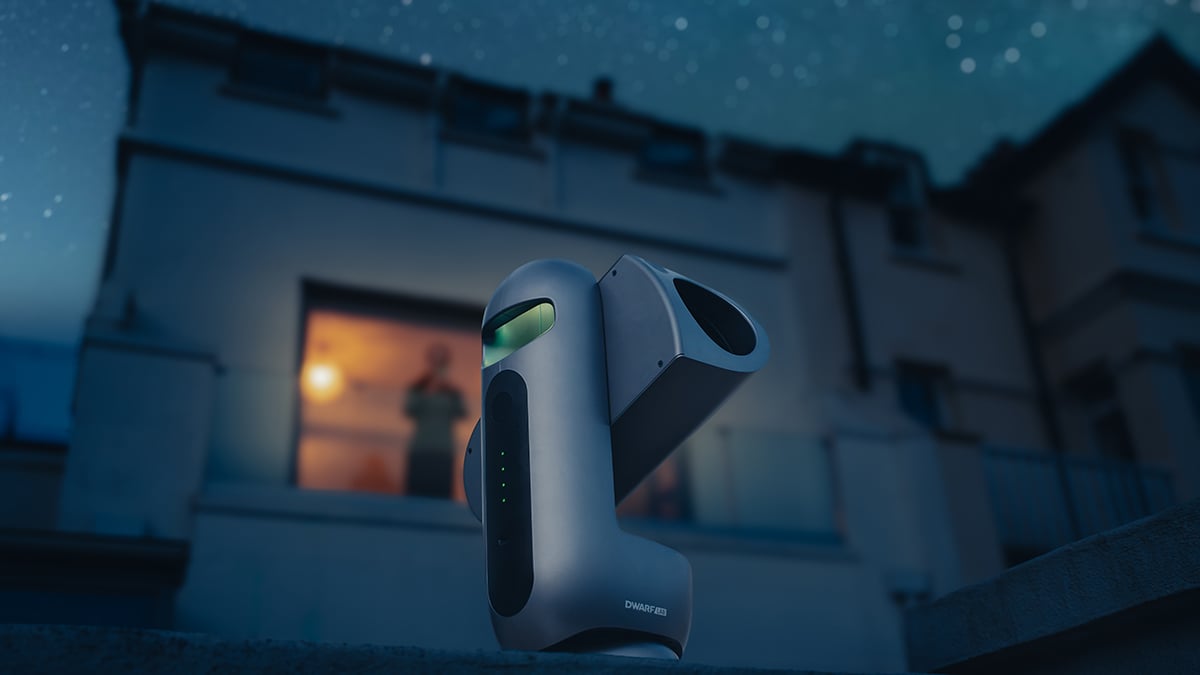
We are in for an interesting year for smart telescopes. The debate has remained for a couple of years now if smart telescopes are going to replace traditional rigs with dedicated astronomy cameras, mounts, telescopes, and other automated accessories. As smart telescopes have been evolving, the debate has grown stronger. And, smart telescopes are surely bridging the gap.
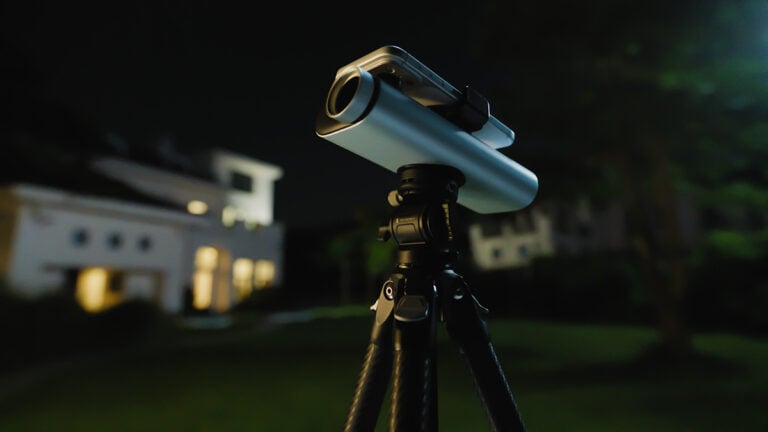
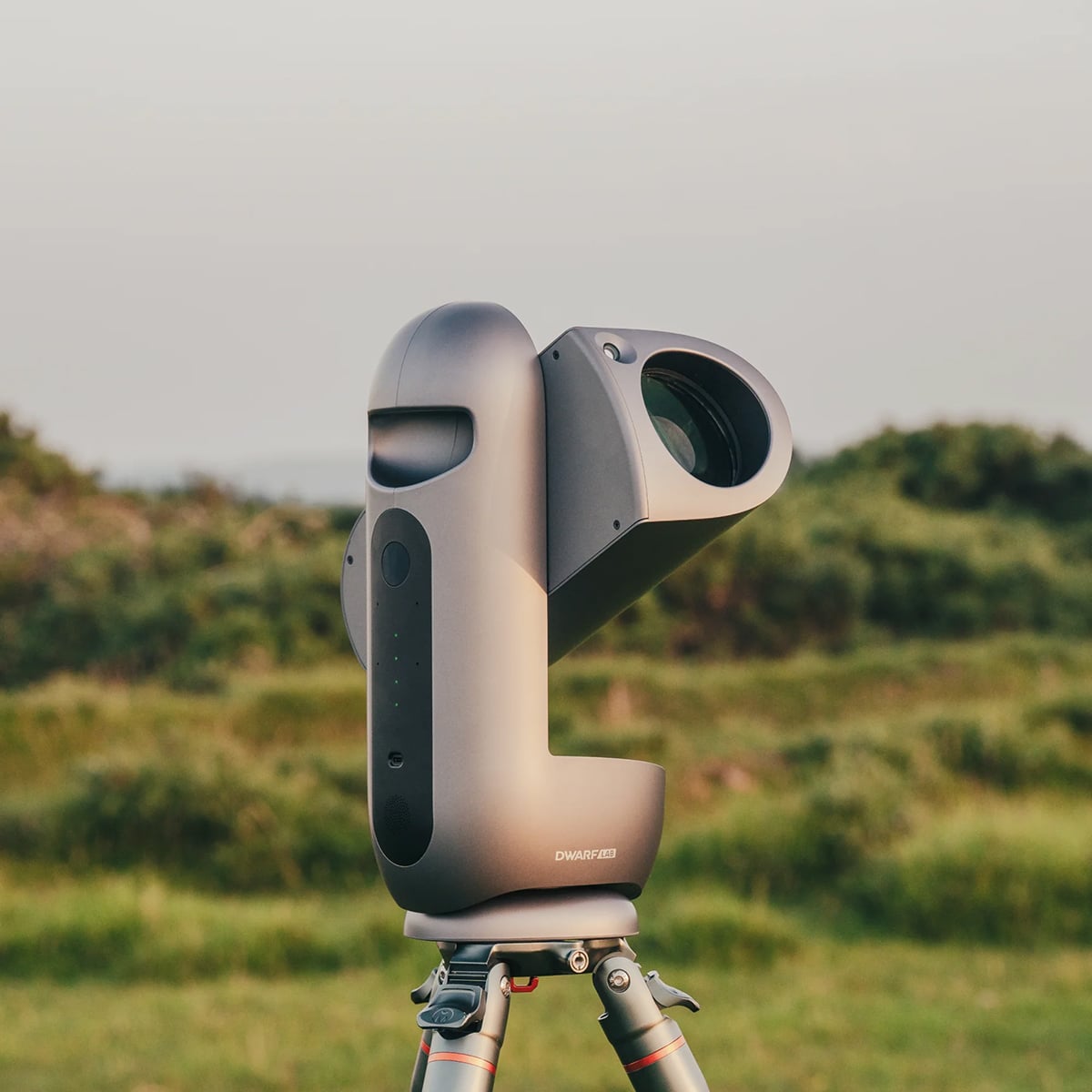
With Dwarflab’s release of their new smart telescope, Draco, we can imagine the gap becoming even smaller. The new Draco combines a 90mm aperture with a 340mm focal length and a fast f/3.8 optical system. It can capture individual exposures lasting up to 300 seconds. In addition to that, the telescope combines several functions, such as built-in guiding, physical sensor rotation, and active cooling.
Table of contents
A 90mm telescope with a f/3.8 optical system
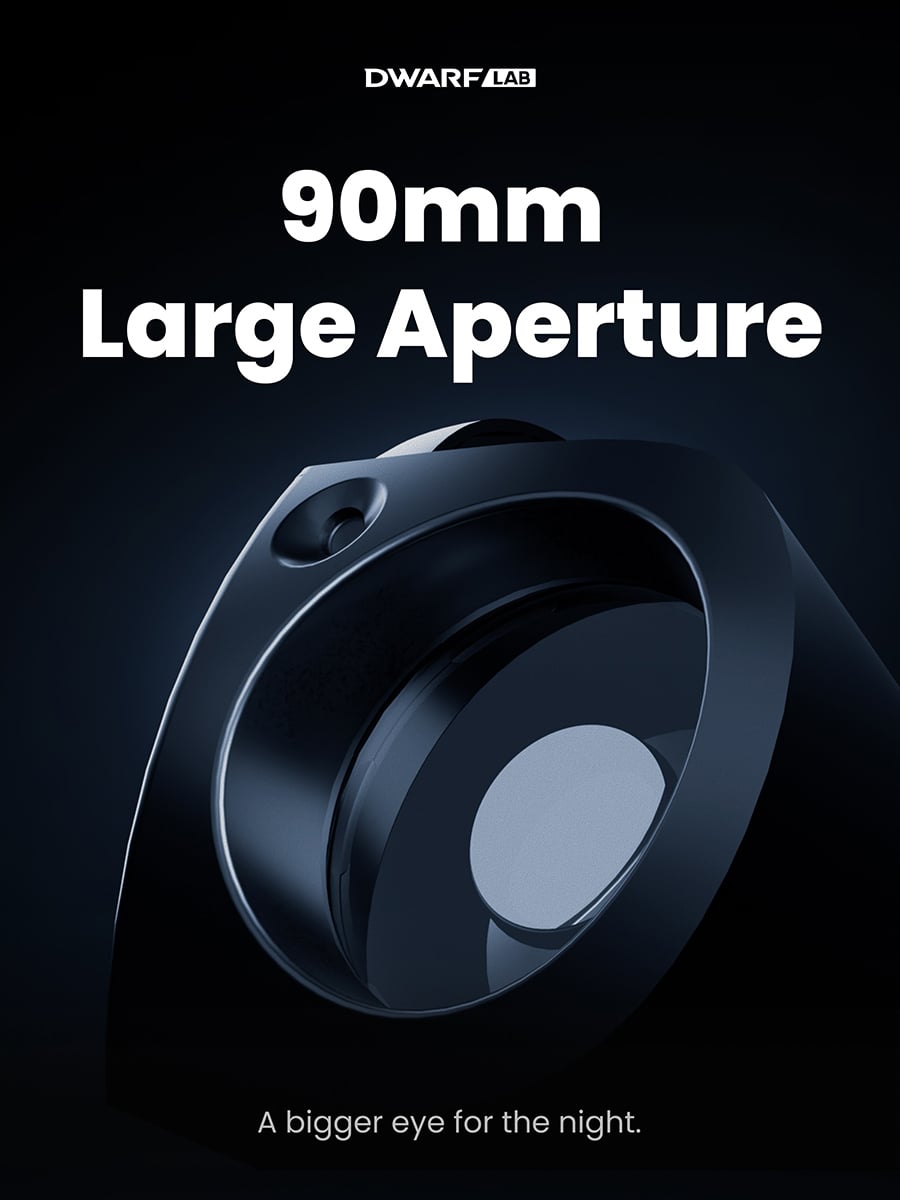
The Dwarflab Draco uses a 90mm aperture and 340mm focal length, giving the telescope an f/3.8 focal ratio. The optical tube itself measures about 386mm, thanks to its folded optical design.
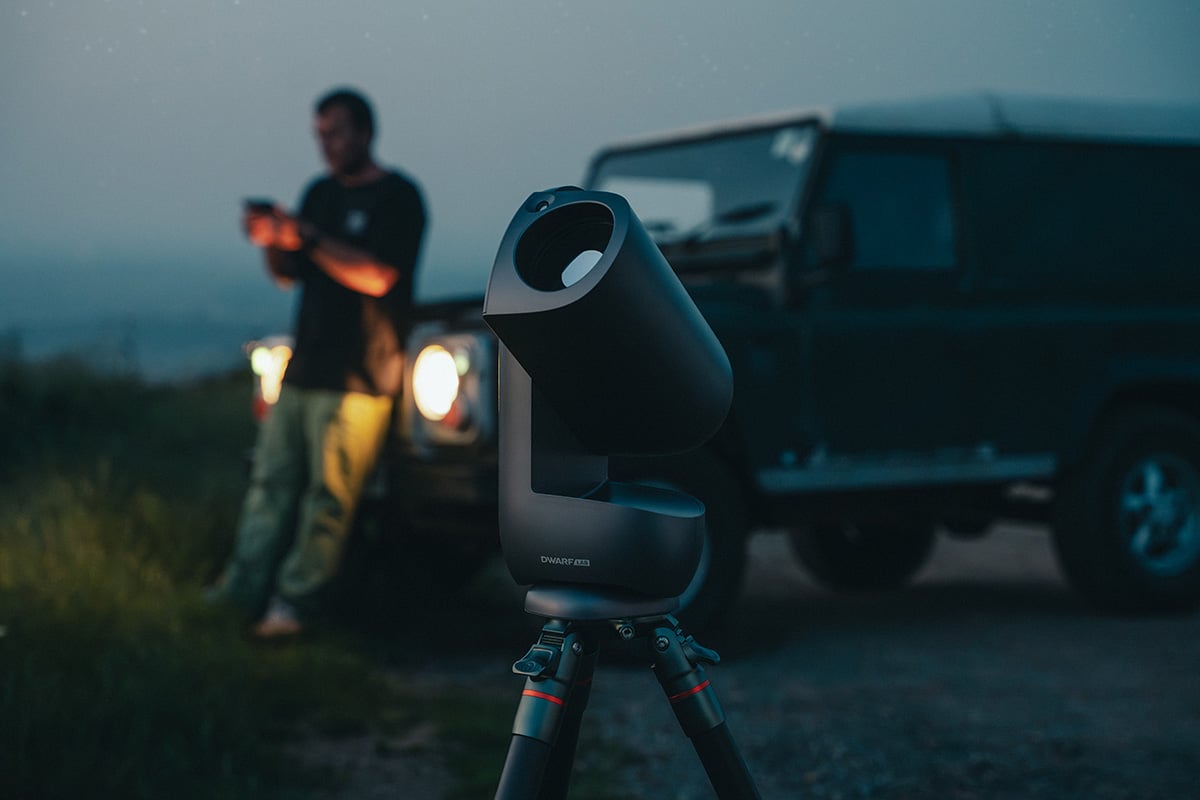
A fast focal ratio determines how quickly the telescope collects light relative to its focal length. Dwarflab compares the f/3.8 system with a more typical f/5.6 setup and claims roughly 2.2 times the imaging speed under equivalent conditions.
The 90mm aperture also gives Draco more light-gathering capability than many compact smart telescopes. This should help with smaller galaxies, nebulae, and star clusters that benefit from greater optical reach. At the same time, the 340mm focal length keeps the field of view wide enough for many larger deep-sky targets.
Dwarflab has also included an aberration-corrected optical system. The company says this helps keep stars across the frame.
Two cameras inside the smart telescope
Draco packs two cameras inside its body. The primary camera uses a 1/1.3-inch, 50.33MP sensor. Its optical system provides a much tighter view for deep-sky targets and Solar System subjects. The second camera uses a 1/1.55-inch sensor with a 23.3mm equivalent focal length.
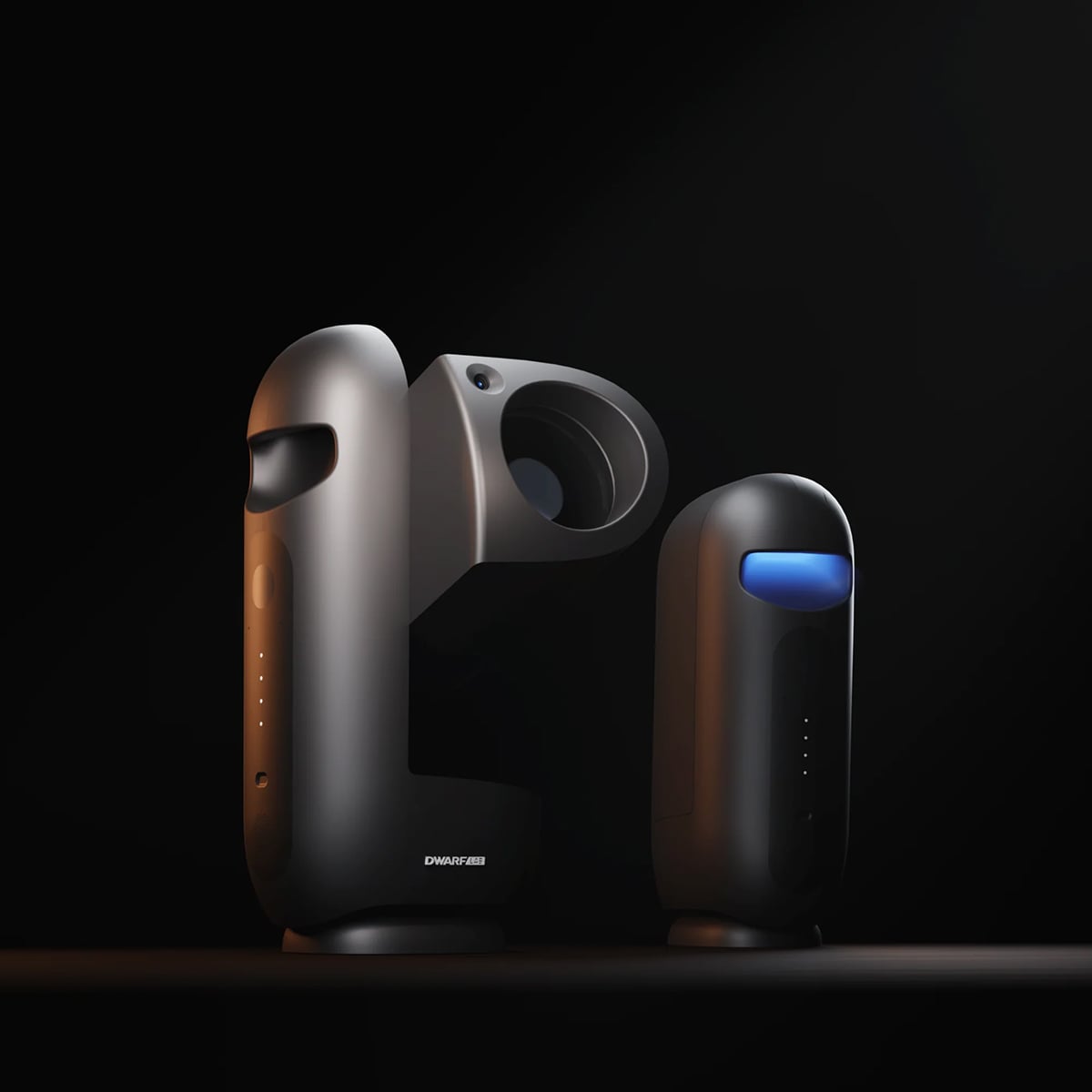
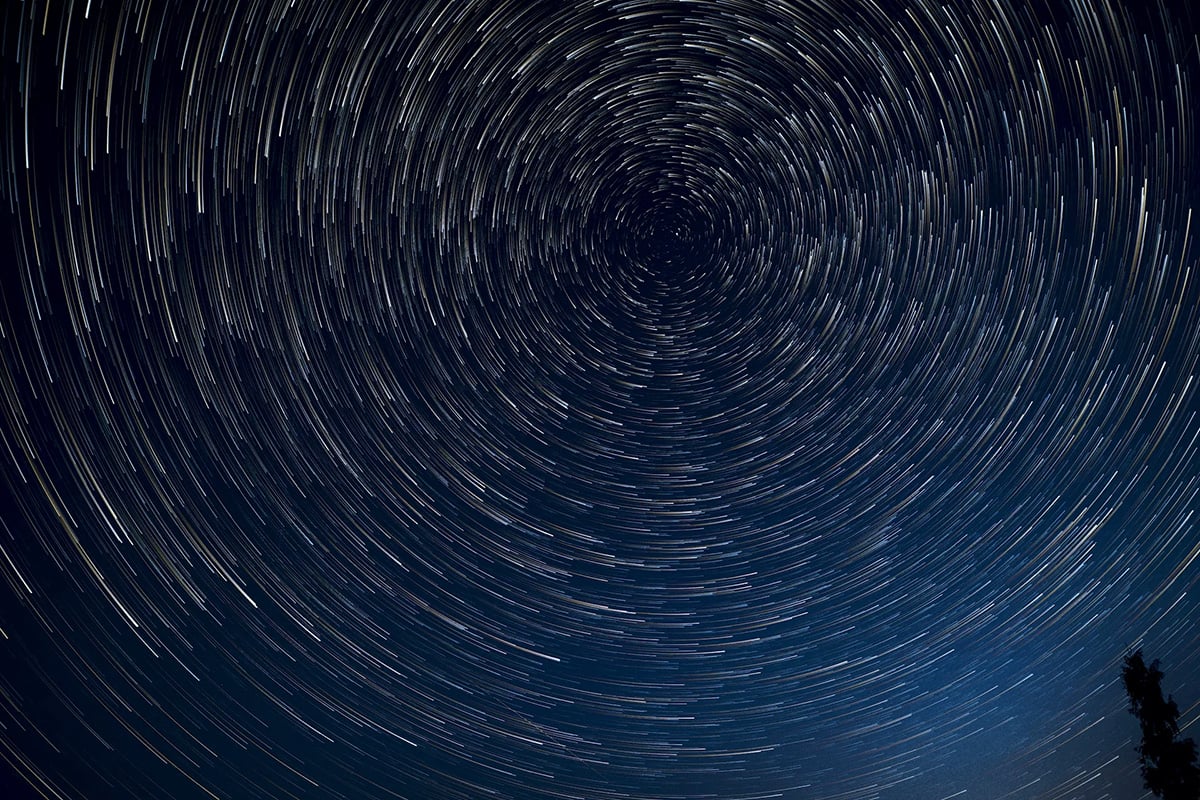
Another wide-angle camera covers 85.74 degrees diagonally. Its horizontal field reaches 73.20 degrees, while the vertical field is 58.23 degrees. Such a wide view suits large Milky Way scenes, star trails, and night landscapes that would be impossible to frame with Draco’s main telescope.
This dual setup gives the system two quite different jobs during an observing session. The main camera can spend the night working on a galaxy or nebula, while the wide-angle camera can record the larger sky around the setup.
The 50MP sensor has two modes
Draco’s main camera uses a 50MP sensor with native 1.2-micron pixels. That sounds like a resolution aimed at conventional photography, but the telescope does not use the sensor in exactly the same way for every target.
For deep-sky imaging, Draco combines four pixels into one through 2×2 binning. This produces an effective pixel size of 2.4 microns and reduces the output to roughly 12MP. It gives the camera larger effective pixels for low-light imaging.
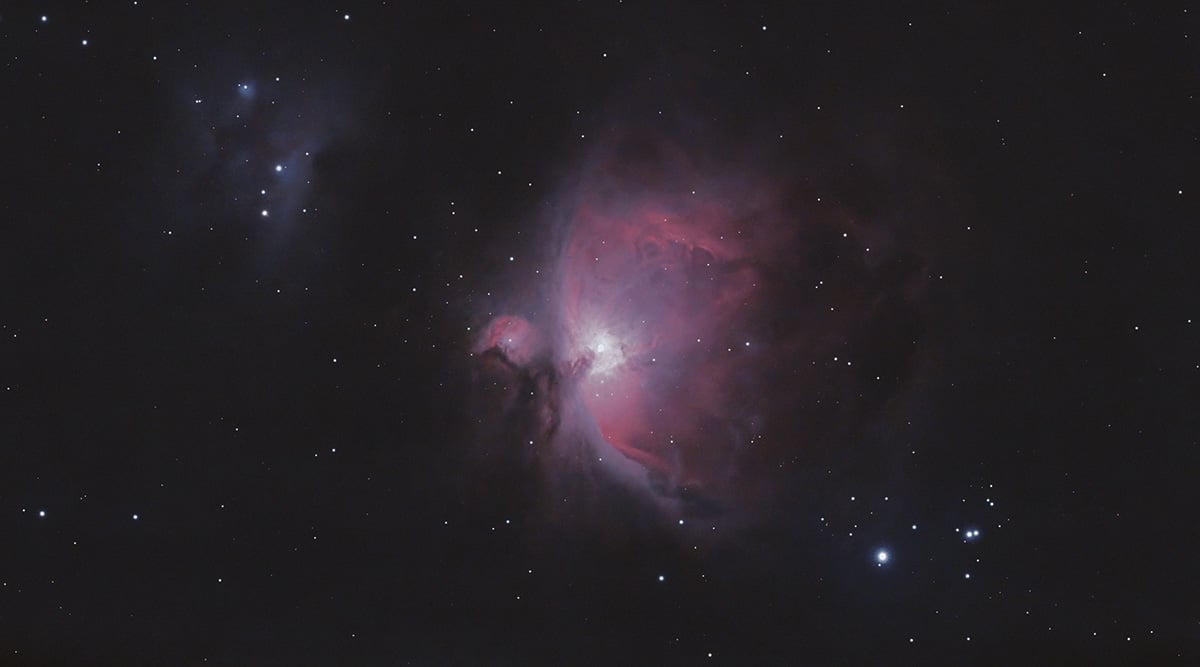
Deep-sky targets often contain very little signal in each pixel. Binning can improve the signal-to-noise characteristics of the resulting image and produce a more useful file for the type of processing involved in astrophotography.
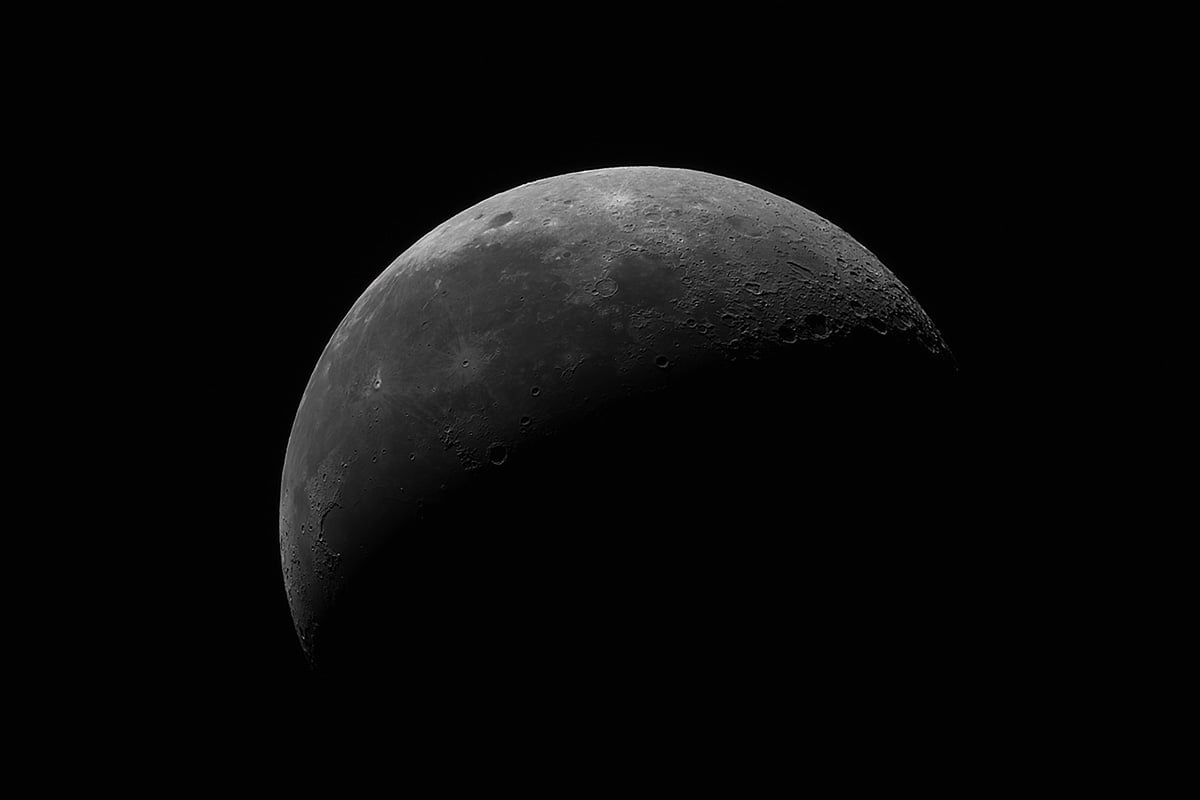
When Draco switches to Solar System mode, it uses the sensor differently. The camera can operate at its native 1×1 resolution, retaining the 1.2-micron pixels and the full 50MP output.
The higher-resolution mode suits the Moon and Sun, where there is plenty of signal and fine detail becomes the priority. Dwarflab also lists planets such as Jupiter and Saturn among Draco’s intended targets. The company says the system can capture features including lunar craters, sunspots, and planetary details.
Five-minute exposures with built-in guiding
For most smart telescopes, single exposures were limited to 60 seconds. And this was something that created a major difference between smart telescopes and traditional rigs. The Draco now allows up to 300-second exposures, even in alt-az mode.
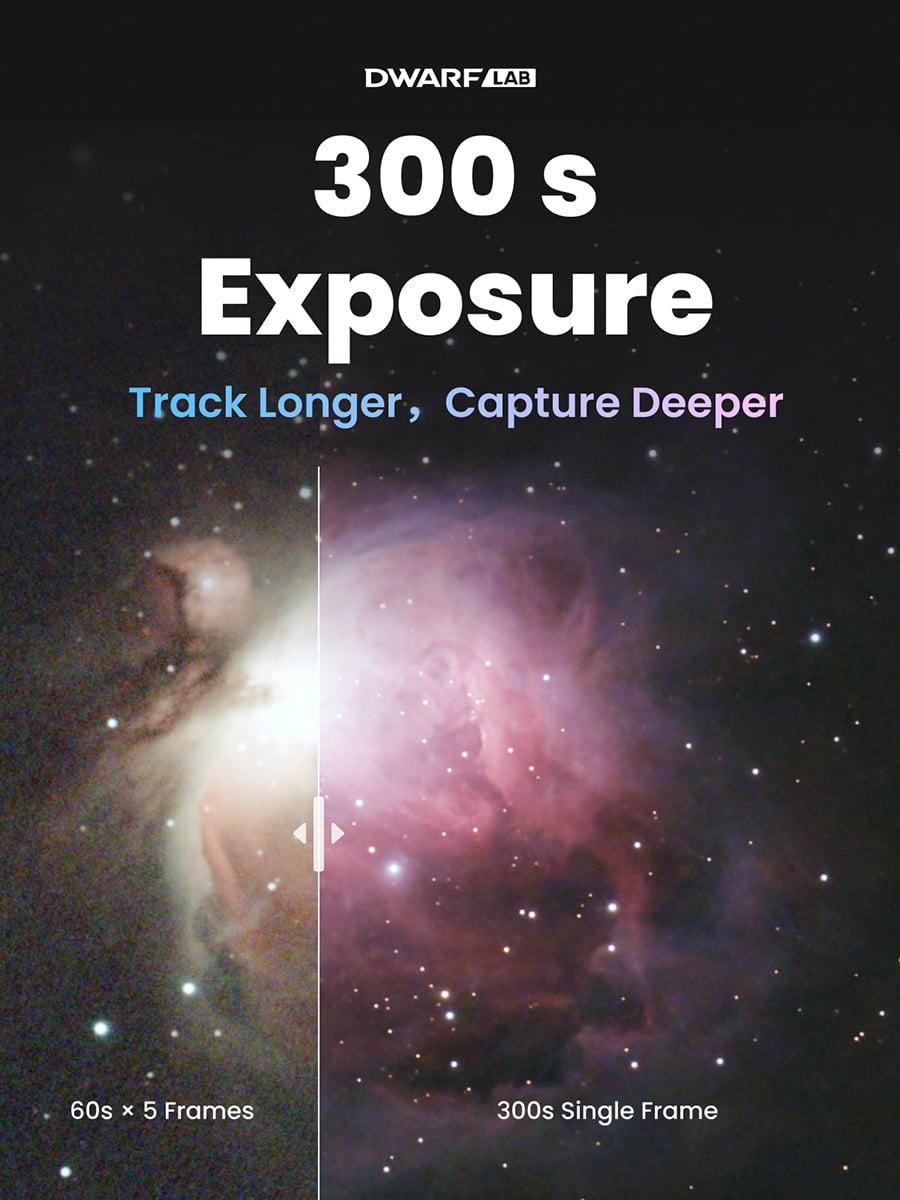
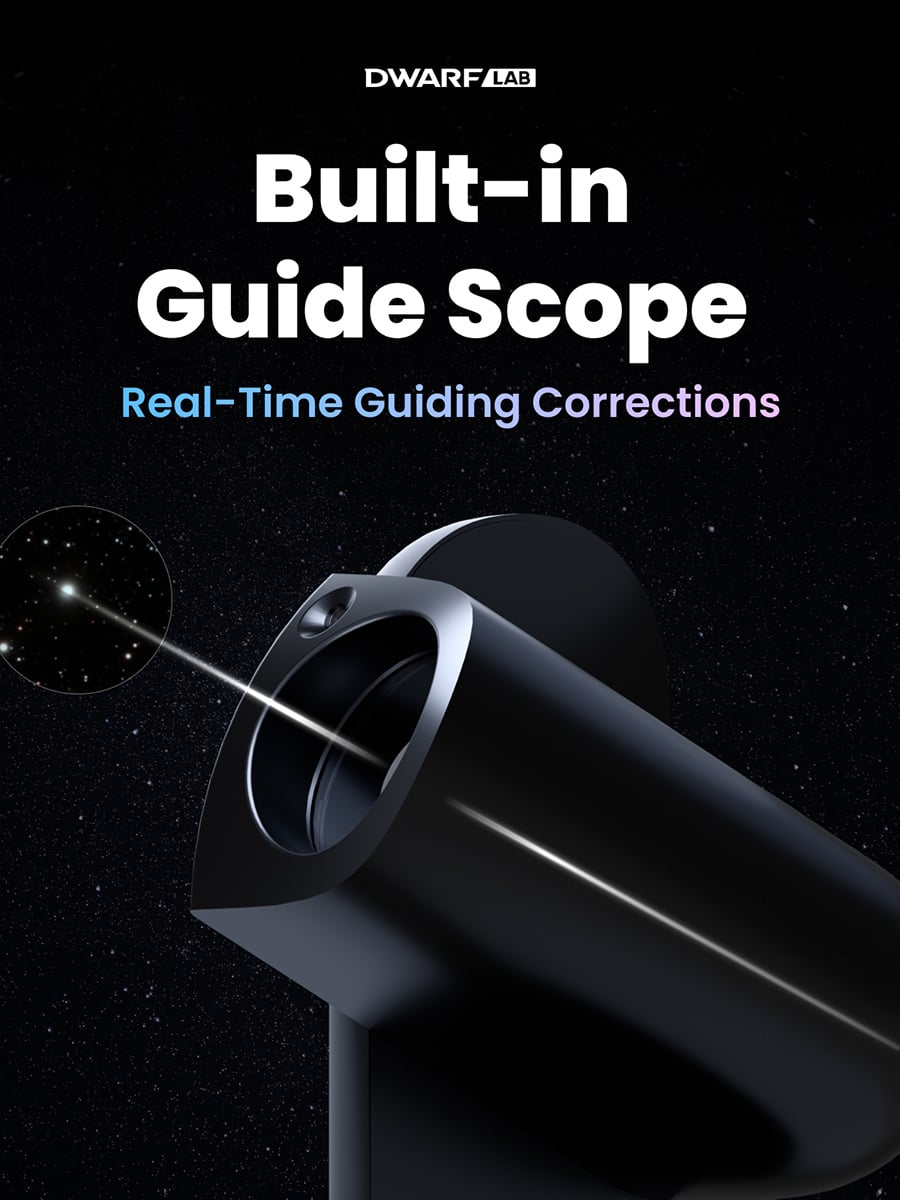
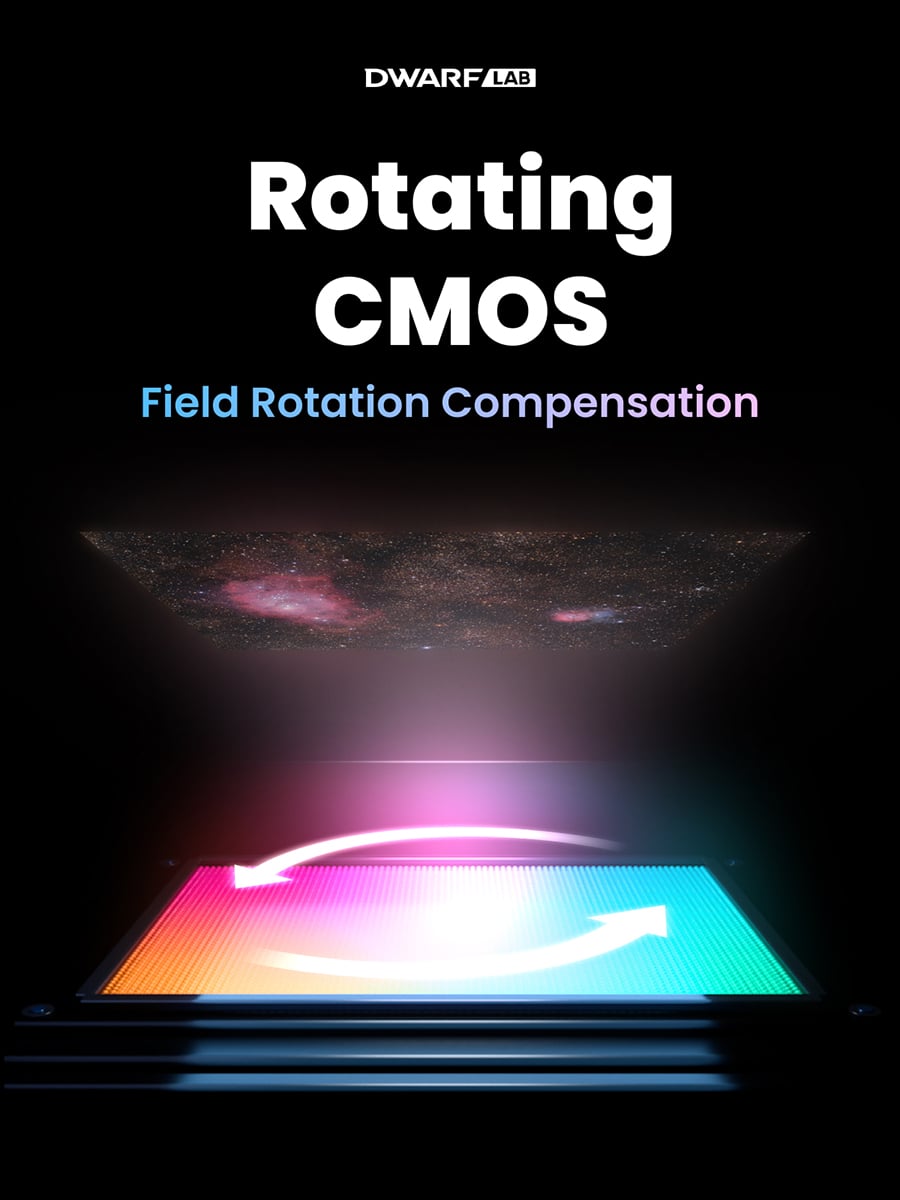
To make this possible, Draco has built-in guiding. The system monitors the movement of a star and continuously corrects the telescope’s tracking. The smart telescope also uses a rotating CMOS sensor to address field rotation. Draco physically rotates the imaging sensor at the imaging plane.
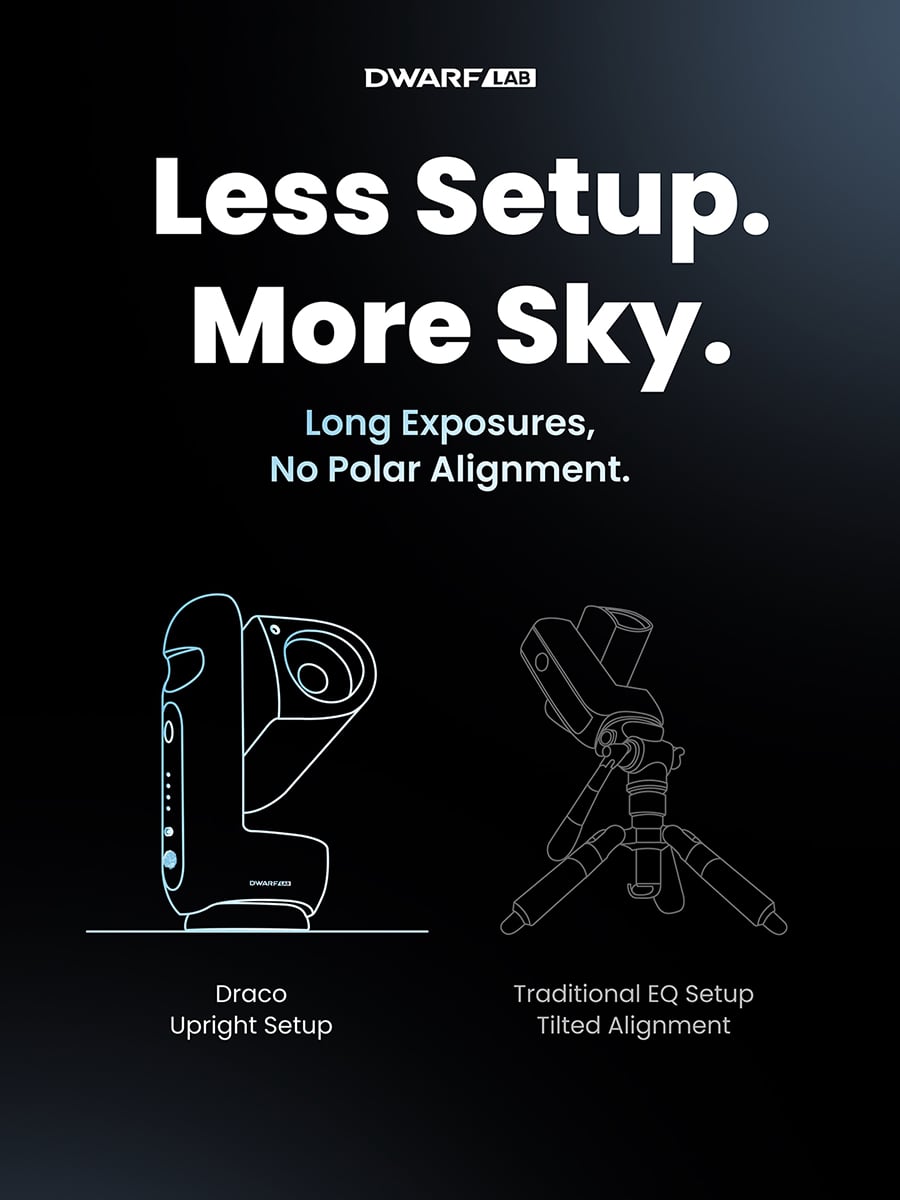
Dwarflab has also included an optional equatorial tracking mode for photographers who want to use it. Draco’s base is integrated with its internal metal frame, and the telescope can be tilted to the required angle. The Dwarflab app provides instructions for setting up the system.
Active sensor cooling
Draco includes active sensor cooling and an internal thermal-management system. The cooling system helps control sensor temperature during imaging, which can reduce thermal noise and improve consistency during longer sessions.
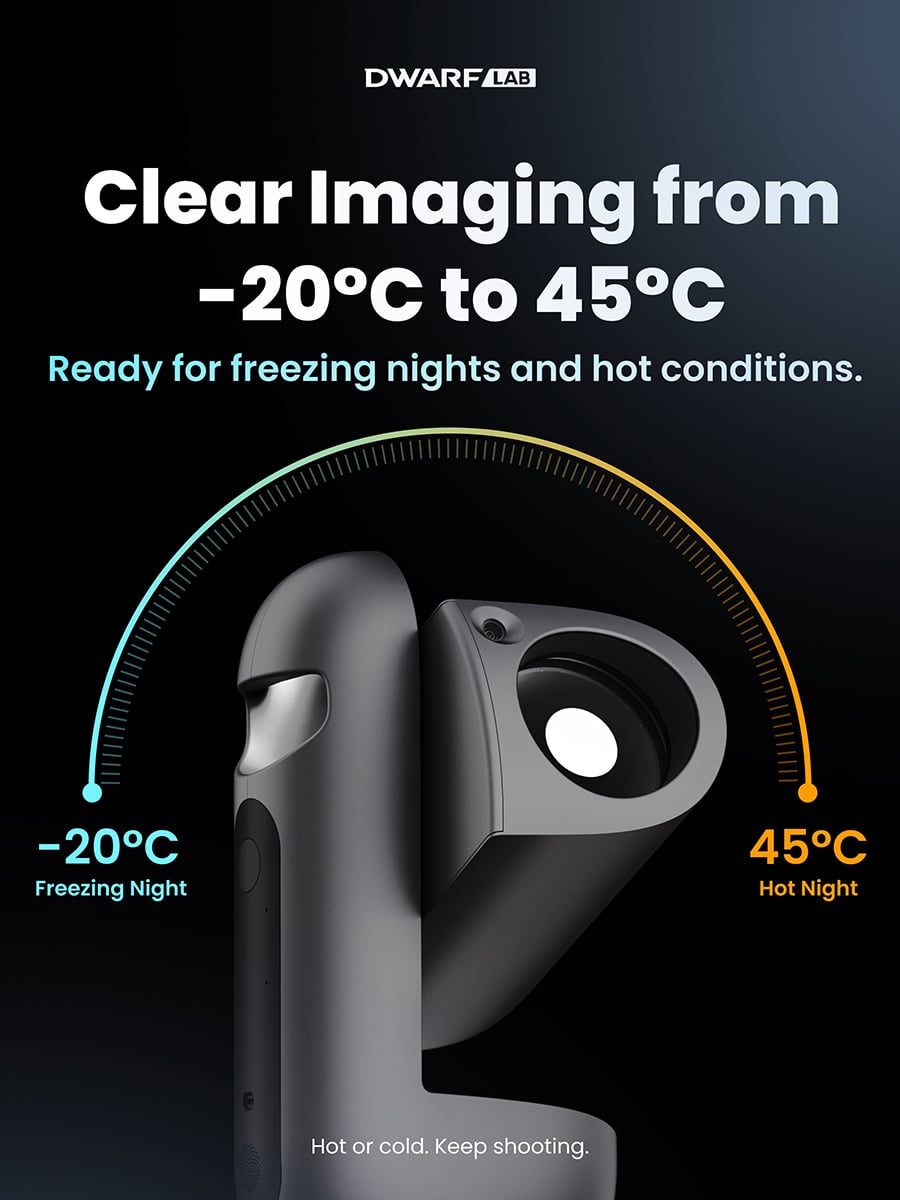
The telescope can operate between -20°C and 45°C. The specifications also give the system an IP56 rating, adding some protection against dust and water exposure.
Dwarflab has taken the thermal system a step further. The telescope redirects sensor heat towards the front of the optical system to help warm the lens and prevent dew formation.

Draco comes in two versions
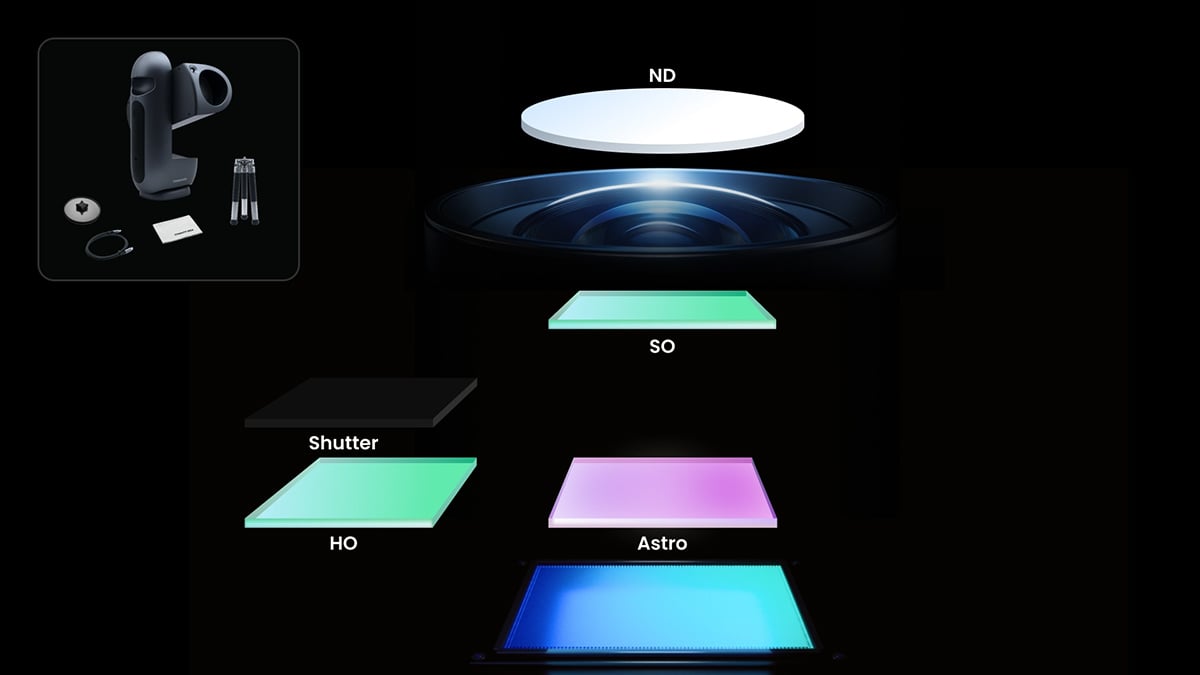
Draco has launched in two versions: the Standard and the SHO editions. The two versions use different internal filter arrangements.
The Standard Edition includes an internal Hα + OIII dual-band filter alongside an astronomy filter. It also has a built-in ND solar filter, allowing users to switch to solar imaging through the app. The Hα + OIII filter targets two important emission lines. It passes hydrogen-alpha at 658nm and doubly ionised oxygen at 503nm, with both channels using a 13 ± 3nm bandpass.
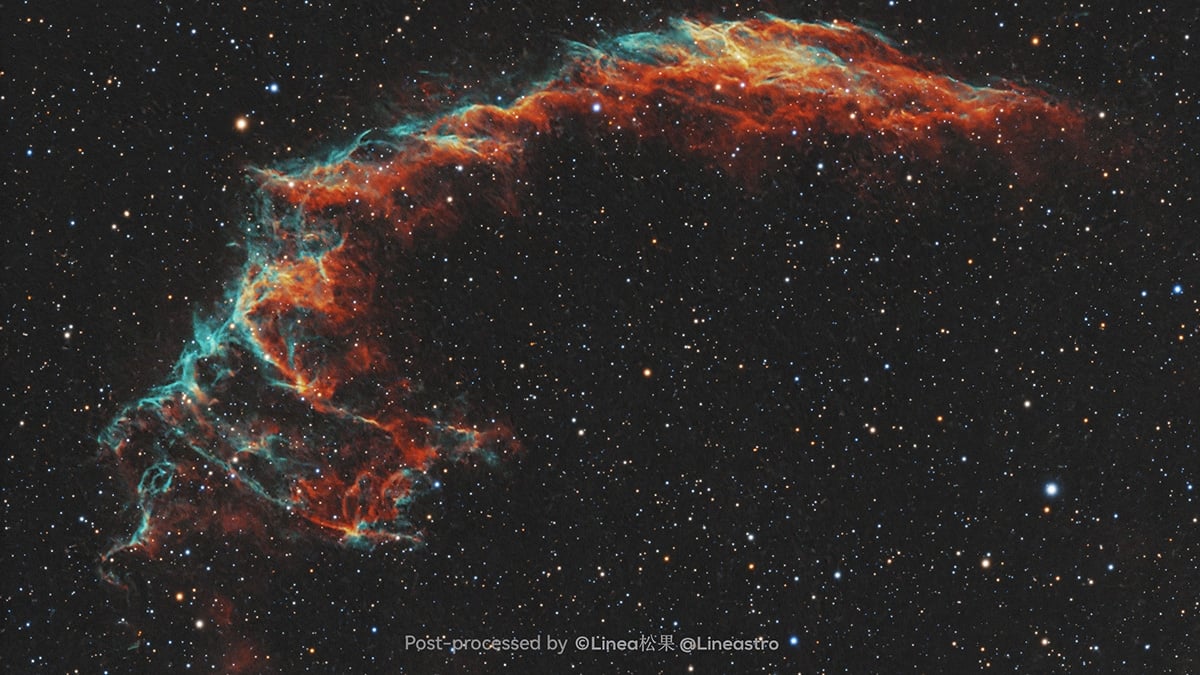
The SHO Edition adds another filter to this setup. It replaces the internal ND solar filter with an SII + OIII dual-narrowband filter. The telescope can then work with its Hα + OIII filter to capture sulfur, hydrogen, and oxygen data. With this edition, the system can capture the three channels sequentially and then process them inside the app.
The SHO Edition also includes an external ND filter for solar imaging. Users need to attach that filter before solar sessions, unlike the Standard Edition, which has its ND filter built into the telescope.
A smart telescope with manual control
Draco still follows the basic smart-telescope model. The app handles focusing, calibration, target acquisition, tracking, and live stacking. The Pro Mode provides control over exposure, gain, and filters, with exposure times ranging from 1/10,000 second to 300 seconds.
For calibration, Draco stores flat and bias data internally and can capture dark frames in real time. During live stacking, the system applies these corrections to reduce thermal noise, vignetting, dust shadows, and read noise.
Once the images are stacked, Stellar Studio provides several processing tools. These include automatic enhancement, noise reduction, star correction, star reduction, star removal, and star extraction. Users can also apply the Hubble Palette to compatible narrowband data.
The system can export images as JPG, PNG, TIFF, or FITS files. That last option remains important for photographers who want to continue processing their data in dedicated astrophotography software.
Draco also supports remote operation. Its built-in 77Wh (10,000 mAh) battery can run for up to five hours, while Wi-Fi, Bluetooth, USB 3.0, and wired Ethernet provide several connectivity options.

Scheduled shooting adds another layer of automation. Users can set a target, time, and imaging parameters, after which the telescope can wake, acquire the target, and begin capturing images.
The telescope can also create larger mosaics. Its Astro Mosaic function can expand the frame by up to 1.8 times in width and height, producing an overall field that is roughly three times larger.
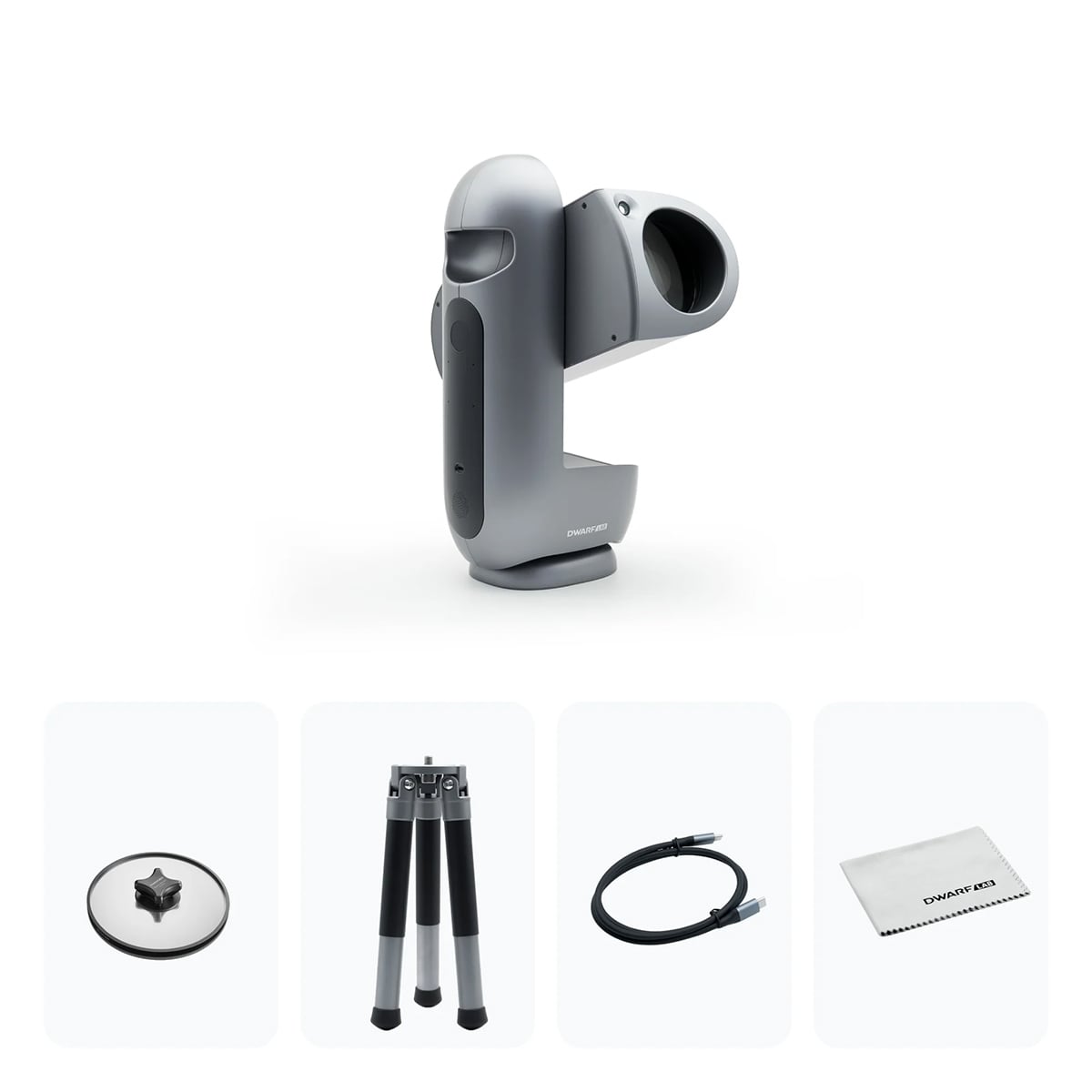
At 5.5kg, Draco is heavier than many compact smart telescopes. However, the weight comes with a more substantial metal structure and integrated base. Dwarflab also supplies an aluminum-alloy tripod for the system.
Key specifications
Let us quickly summarize some of the key specifications of the Draco smart telescope:
| Aperture diameter | 90 mm (telephoto) 2.96 mm (wide-angle) |
| Focal Length | 340 mm (telephoto) 5.56 mm (wide-angle) |
| Image Sensor | Telephoto: OV50Q40 Wide-angle: OV50E40 Guiding: OS04C1B (monochrome) |
| Native Pixel Size | 1.197 µm |
| Pixel Size After Binning | 2.394 µm (2×2 binning) |
| Sensor Resolution | 50.33 MP (telephoto) 50.33 MP (wide-angle) 4.09 MP (guiding) |
| Output Image Resolution | 12 MP (telephoto, 2×2 binning) 12 MP (wide-angle, 2×2 binning) |
| Battery | Built-in, 7.7 V, 10000 mAh |
| Power Input | Type-C |
| Connectivity | Wi-Fi, Bluetooth, NFC (Wi-Fi up to 10 m) |
| Storage | Built-in 128 GB |
| File Formats | JPG, MP4, RAW (FITS, TIFF), PNG |
| Weight | 5.5kg |
| Dimensions (W × H × D) | 385.85 × 196.28 × 133.25 mm |
Price and availability
Regarding the price of the Draco smart telescope, the standard version costs $1,399, and the SHO version costs $1,599, which feels well justified. It is currently available for pre-ordering.
But here is some more good news: Dwarflab is running a launch offer that brings down the cost even further. The Standard version is available for $1,299 and the SHO version for $1,499. This offer will be valid until September 14, 2026. According to Dwarflab, all orders placed in September are expected to be shipped within two months of the order date.
And now a question for our readers: would you buy the Dwarflab Draco smart telescope?
Clear skies!
See more from DIYPhotography.net on Google
Add DIYPhotography.net as a trusted source. This makes
our stories more likely to appear in your Google Search results.
 Add as a preferred source on Google

Soumyadeep Mukherjee
Soumyadeep Mukherjee is an award-winning astrophotographer from India. He has a doctorate degree in Linguistics. His work extends to the sub-genres of nightscape, deep sky, solar, lunar and optical phenomenon photography. He is also a photography educator and has conducted numerous workshops. His works have appeared in over 40 books & magazines including Astronomy, BBC Sky at Night, Sky & Telescope among others, and in various websites including National Geographic, NASA, Forbes. He was the first Indian to win “Astronomy Photographer of the Year” award in a major category.



Join the Discussion
DIYP Comment Policy
Be nice, be on-topic, no personal information or flames.