


















When Should You Use an ND Filter? Everything Photographers Need to Know
Jul 7, 2026
Leonard Skapp

Alex Baker is a portrait and lifestyle driven photographer based in Valencia, Spain. She works on a range of projects from commercial to fine art and has had work featured in publications such as The Daily Mail, Conde Nast Traveller and El Mundo, and has exhibited work across Europe
Share:
If you’ve started exploring landscape or long-exposure photography, you’ve probably come across neutral density (ND) filters. They’re often recommended for creating silky waterfalls, smoothing waves, or capturing dramatic cloud movement. But do you actually need one?
The answer depends on what you like to photograph. An ND filter isn’t an essential accessory for every photographer, but it can open up creative possibilities that simply aren’t possible without one. Understanding when to use an ND filter (and when to leave it in your camera bag) will help you decide whether it’s worth the investment.
What is an ND filter?
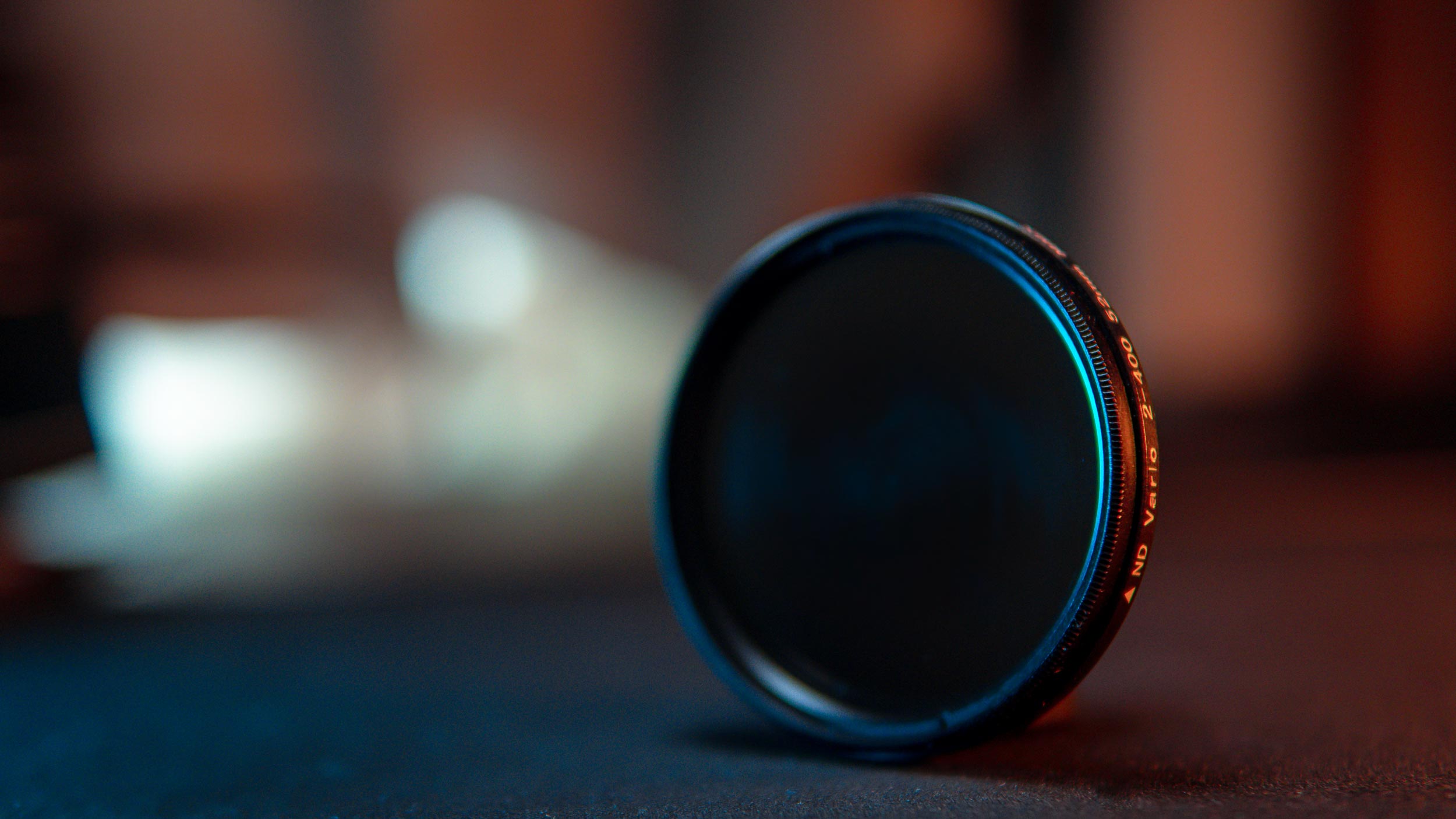
A neutral density, or ND, filter is essentially like sunglasses for your camera. It attaches to the front of your lens (or sometimes over the sensor directly) and reduces the amount of light reaching the camera’s sensor without changing the colour of the image. Because less light enters the camera, you can use slower shutter speeds or wider apertures even in bright conditions. This makes ND filters a creative tool rather than something that’s needed for every photograph.
When should you use an ND filter?
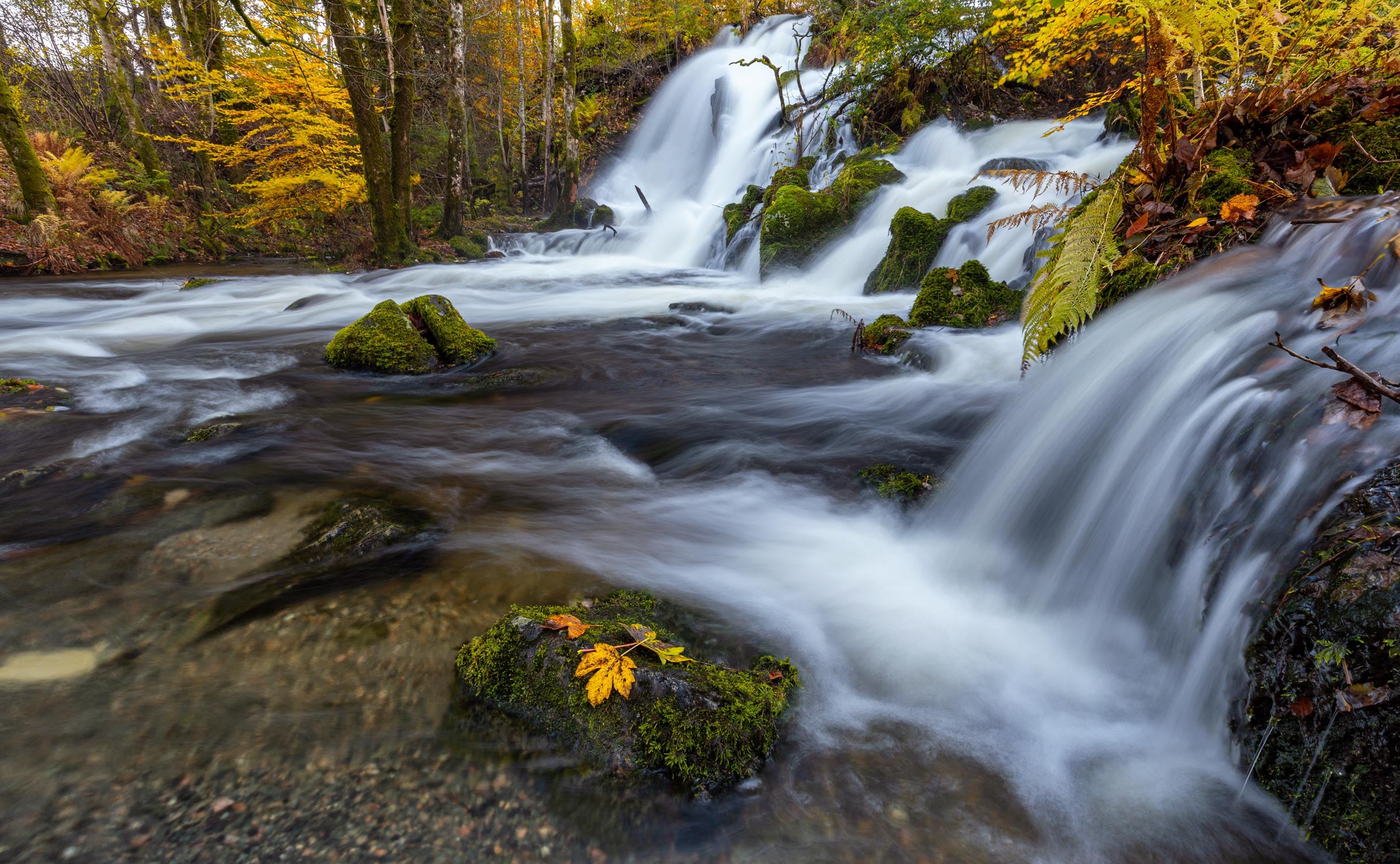
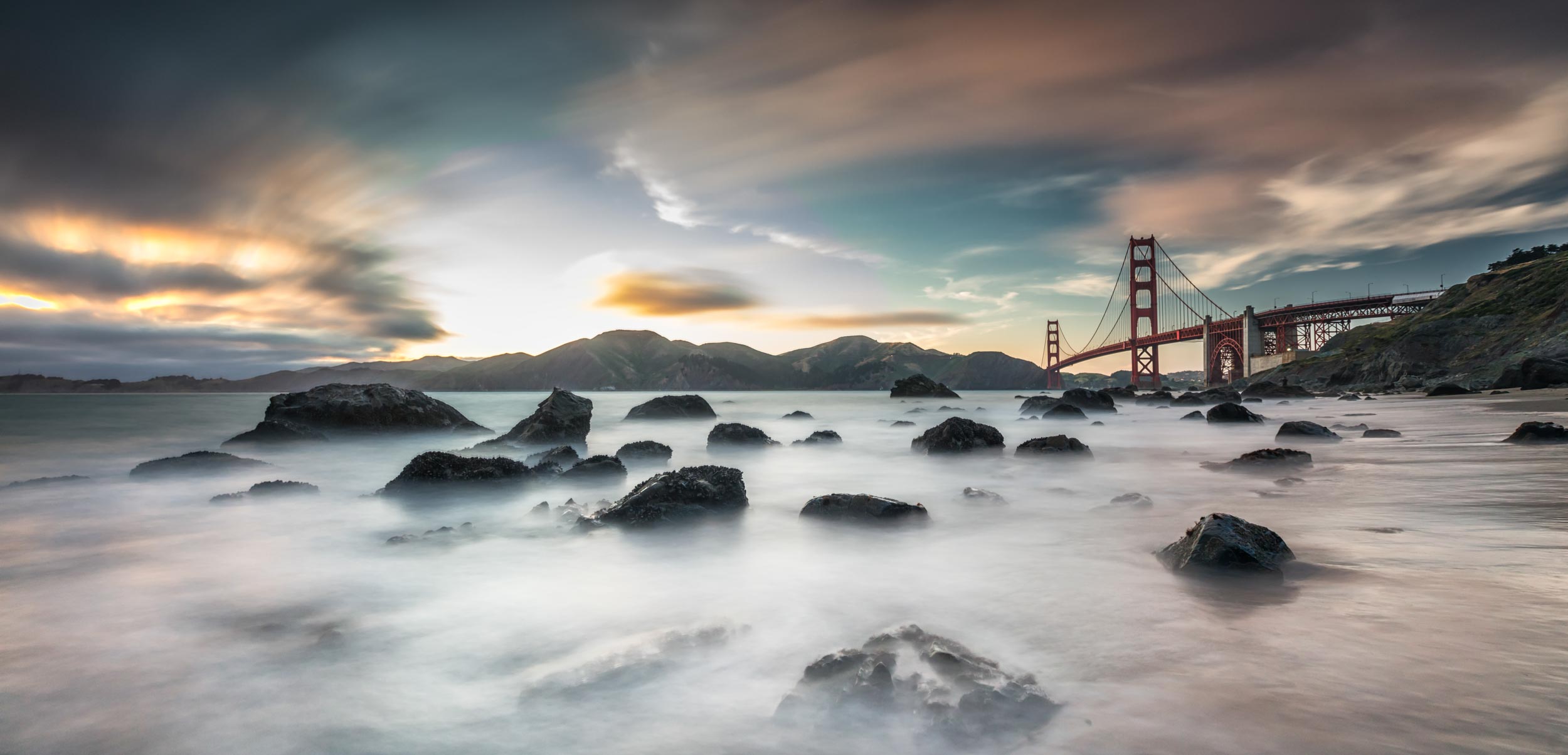
The most common reason to use an ND filter is when you want to use a slower shutter speed than the available light would normally allow. For example, during the middle of the day, you might want to blur flowing water, create smooth reflections on a lake, or capture streaks of clouds moving across the sky. Without an ND filter, your shutter speed would often be too fast to produce these effects.
An ND filter is also useful if you want to photograph moving crowds in a city, creating ghost-like figures, or even making busy streets appear almost empty during a long exposure. Another popular use is portrait photography in bright sunlight. If you want to shoot at a wide aperture, such as f/1.4 or f/1.8, for a beautifully blurred background, an ND filter can prevent your image from becoming overexposed.
When don’t you need an ND filter?
Despite their popularity, ND filters aren’t necessary for most everyday photography. If you’re photographing wildlife, sports, street photography, or fast-moving action, you’re usually trying to use faster shutter speeds rather than slower ones. In these situations, reducing the amount of light reaching the sensor would actually make your job more difficult.
Similarly, if you’re shooting indoors or in low light, there’s rarely any reason to use an ND filter because you’re already working with limited light. Many photographers only reach for an ND filter when they’re deliberately trying to create a specific creative effect.
Choosing the right ND filter
ND filters come in different strengths, depending on how much light they block. Lighter filters are useful for making small exposure adjustments or shooting portraits in bright conditions, while stronger filters allow for exposures lasting several seconds or even several minutes in daylight.
Many landscape photographers carry multiple ND filters to suit different situations, while others prefer a variable ND filter that can be adjusted by rotating the front element. Variable ND filters are particularly popular with videographers, although they can also be useful for photography if you regularly work in changing light.
What are graduated ND filters?
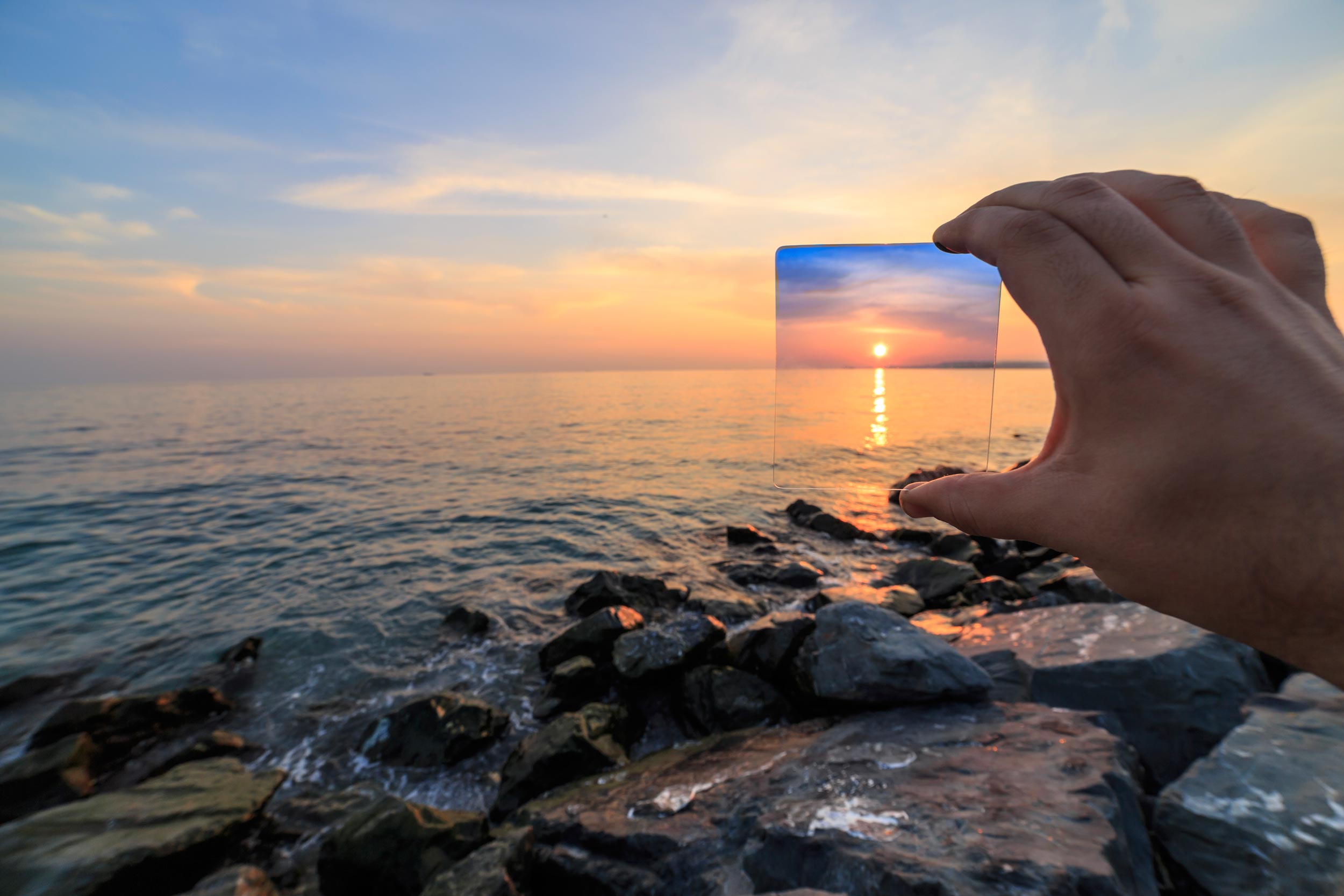
Unlike a standard ND filter, which darkens the entire image, a graduated ND (GND) filter is only dark on one half. It’s designed to balance exposures when the sky is much brighter than the foreground, making it particularly useful for landscape photography.
While many photographers now achieve similar results by blending multiple exposures or editing RAW files, graduated ND filters are still a useful tool for capturing a more balanced image in-camera, especially when photographing flat horizons such as seascapes or open countryside.
Do ND filters affect image quality?
A good-quality ND filter should have very little impact on image quality. However, cheaper filters can introduce colour casts, reduce sharpness, or increase flare and reflections. Since every photograph passes through the filter before reaching your camera’s sensor, investing in a well-made filter is usually worthwhile.
It’s also important to keep your filters clean. Dust, fingerprints, and smudges become much more noticeable during long exposures.
Are ND filters worth buying?
If you enjoy landscape photography, seascapes, waterfalls, rivers, architecture, or creative long exposures, an ND filter is one of the most useful accessories you can own.
On the other hand, if your photography mainly focuses on wildlife, sports, travel, or everyday snapshots, you may rarely find yourself reaching for one. Like most photography equipment, an ND filter won’t magically make you take better photographs, it just allows you to create images that wouldn’t otherwise be possible.
Key Takeaways
So, should you use an ND filter for photography? If you’re interested in long exposures, silky water, dramatic skies, or shooting with wide apertures in bright sunlight, then yes, an ND filter can be an incredibly valuable creative tool. If not, you probably don’t need one just yet.
The best camera accessories solve a problem rather than create one, and an ND filter is no exception. Buy one because it helps you achieve a particular look, not simply because it’s something every photographer is expected to own.
See more from DIYPhotography.net on Google
Add DIYPhotography.net as a trusted source. This makes
our stories more likely to appear in your Google Search results.
 Add as a preferred source on Google

About Leonard Skapp
Leonard “Len” Skapp is a photographer with a particular interest in cameras, lenses, accessories, camera bags, lens filters, tripods, camera straps, and, on rare occasions, photography itself. Equal parts reviewer and enthusiast, he enjoys digging into the technical details behind the latest gear and translating them into plain English for fellow photographers. He maintains that every purchase is a carefully considered investment, although his bank account and overflowing camera cupboard continue to dispute this claim.
We love it when our readers get in touch with us to share their stories. This article was contributed to DIYP by a member of our community. If you would like to contribute an article, please contact us here.
Related Posts
 Everything Photographers Need To Know About Color Space & How It Can Impact Your Prints
 NiSi scales down their filter system for their new Smartphone Filter Kit for iPhone
 The Snap Filter is yet another smartphone filter kit for iPhones (only iPhones)
 This weird filter is the world’s first “Liquid FX” filter
Join the Discussion
DIYP Comment Policy
Be nice, be on-topic, no personal information or flames.