






















Top five smart telescopes for discovering the celestial world in 2024
Oct 3, 2024
Soumyadeep Mukherjee
Soumyadeep Mukherjee is an award-winning astrophotographer from India. He has a doctorate degree in Linguistics. His work extends to the sub-genres of nightscape, deep sky, solar, lunar and optical phenomenon photography. He is also a photography educator and has conducted numerous workshops. His works have appeared in over 40 books & magazines including Astronomy, BBC Sky at Night, Sky & Telescope among others, and in various websites including National Geographic, NASA, Forbes. He was the first Indian to win “Astronomy Photographer of the Year” award in a major category.
Share:

From taking the first image of Andromeda galaxy from an observatory on a metal plate to taking a picture of the same galaxy with a mobile phone from your backyard, technology in astrophotography has come a long way. One of the newest additions to this technology is the smart telescope. In this article, we list some of the smart telescope options that can suit you.
Table of contents
What is a smart telesccope, and who is it for
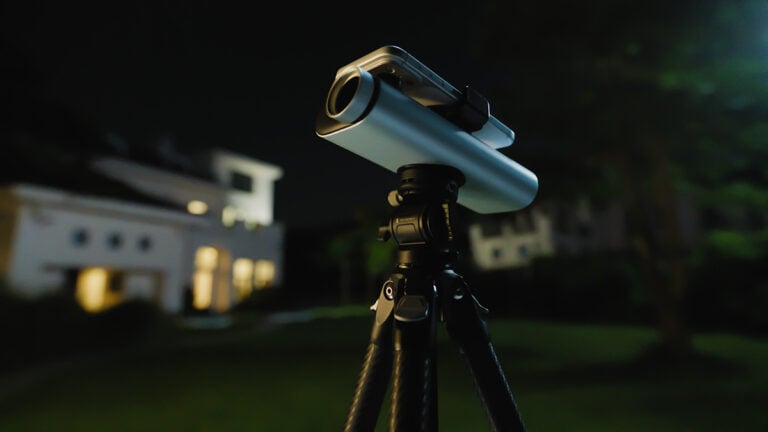
As the name suggests, these telescopes are smart. These telescopes have built-in cameras paired with motorized tracking mounts and filters. They also save you the time to set them up; you only need to attach the tripod to them. These are controlled via smartphone apps. From taking pictures of celestial objects to live stacking them on your smartphone, these telescopes do it all for you. They do not even require to be polar aligned. All you need to do is carry them to your rooftop or backyard (or anywhere else), open the designated mobile app and start taking pictures.
But do they take away some fun from the hobby of astrophotography? Critically speaking, they do, to some extent. Some people who enjoy this very hobby, love the process of taking pictures. Setting up the tracker, doing polar alignment, and finding the objects in the sky, all of these are part of the process. So who are these smart telescopes for? The answer is simple. People who love to photograph celestial beauties but do not want the hassle of classical astrophotography should consider these telescopes. They are also a perfect choice for surprising people at a gathering where you can take some credit for showing others some colourful nebula live on your phone, which is otherwise not perceivable with the naked eye. Having said that, seasoned astronomers and astrophotographers can also utilize them as their second set-up to have some more fun.
ZWO Seestar S50
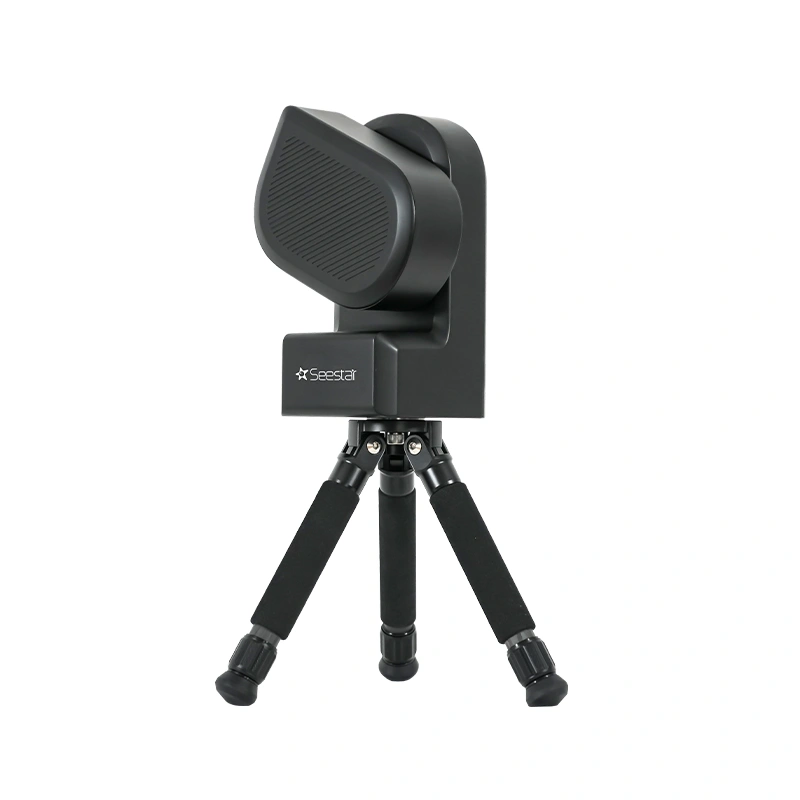
This lightweight smart telescope of ZWO offers you portability with some great features. It has an apochromatic triplet lens design, which is considered to be a good option for astrophotography. The light weight of the ZWO Seestar S50 also makes it very much portable. This smart telescope kit also features a white-light solar filter. However, the lower resolution camera is one of the downsides of this product.
Main Features
- Camera resolution: 2 MP
- Telescope diameter: 50 mm
- Focal length: 250 mm
- Weight: 2.5 kg (telescope weight)
- Price: $499
Unistellar Equinox 2
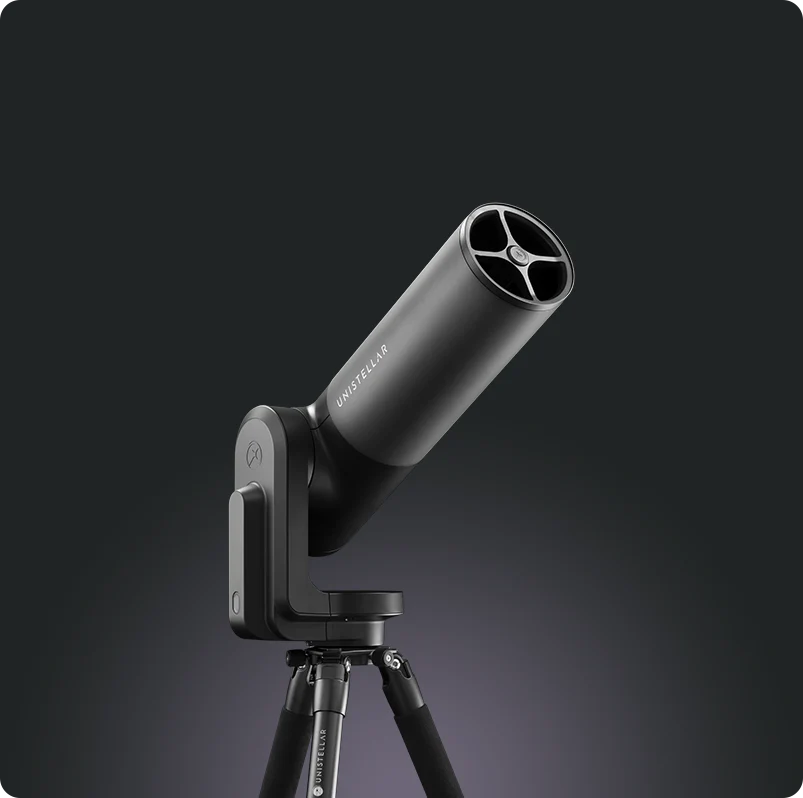
This reflector-style smart telescope is considered to be one of the best options in the market. Although it is more expensive than some of the other options, it packs many unique features that make it very close to justifying its price point. The app used to control the telescope is user-friendly. The Unistellar Equinox 2 telescope allows the user to do manual focusing aided by an included Bahtinov mask. While some people may not like the absence of an autofocus option, for some, it can be a point of attraction as it allows a very precise focus.
Main Features
- Camera resolution: 6.2 MP
- Telescope diameter: 114 mm
- Focal length: 450 mm
- Weight: 7 kg (telescope) + 2 kg (tripod)
- Price: $1999
Dwarf 3
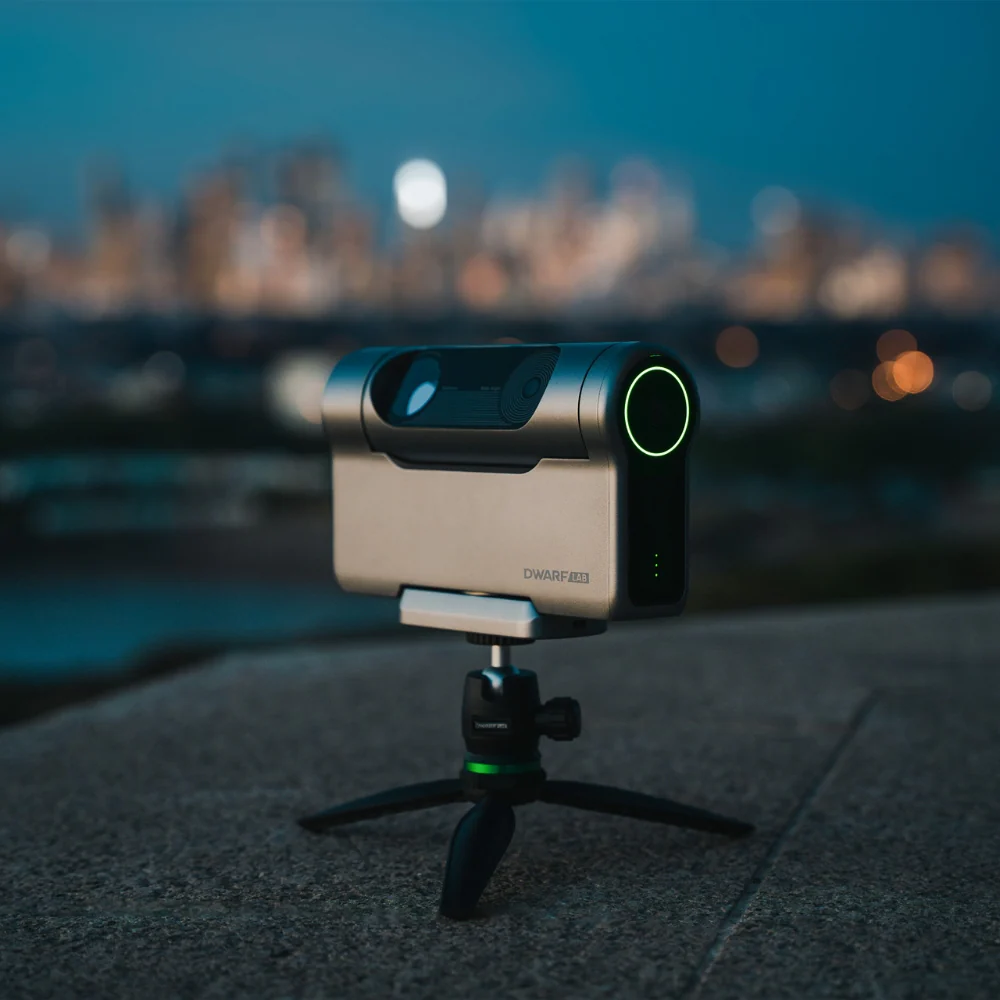
This extremely small smart telescope from Dwarf Lab is the latest launch from the brand and is now available for pre-order. The dual lens set-up of this telescope allows you to not only do deep sky photography, but you can also take wide-field images. The Dwarf 3 smart telescope will also allow you to capture panoramas and do bird-watching. Its ultra-portable size makes it possible to carry it in a backpack. The kit also includes a magnetic solar filter.
Main Features
- Camera resolution: 8.2 MP
- Telescope diameter: 35 mm + 3.4 mm
- Focal length: 150 mm + 6.7 mm
- Weight: 1.3 kg (telescope)
- Price: $499
Vaonis Vespera II
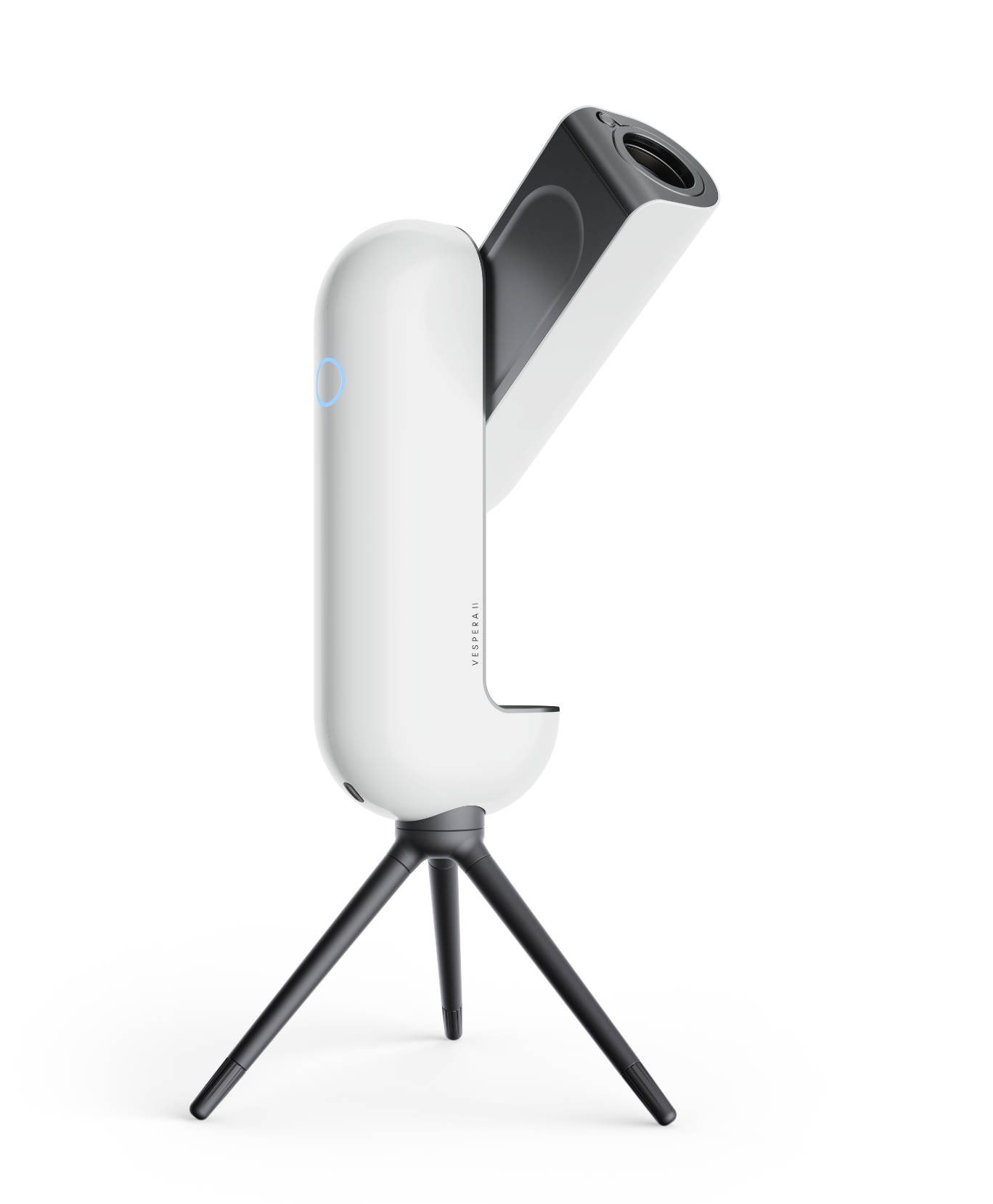
Vaonis Vespera II features a 50 mm quadruplet apochromatic lens, which is supposed a deliver superior image quality. Along with all the necessary features that a telescope should have, it also allows you to create a smart mosaic of up to 24 MP via its live mosaic mode. A light pollution (sold separately) filter allows you to take advantage of this telescope even from light-polluted regions.
Main Features
- Camera resolution: 8.3 MP
- Telescope diameter: 50 mm
- Focal length: 250 mm
- Weight: 5 kg (telescope)
- Price: $1690 (telescope only)
Unistellar Evscope 2
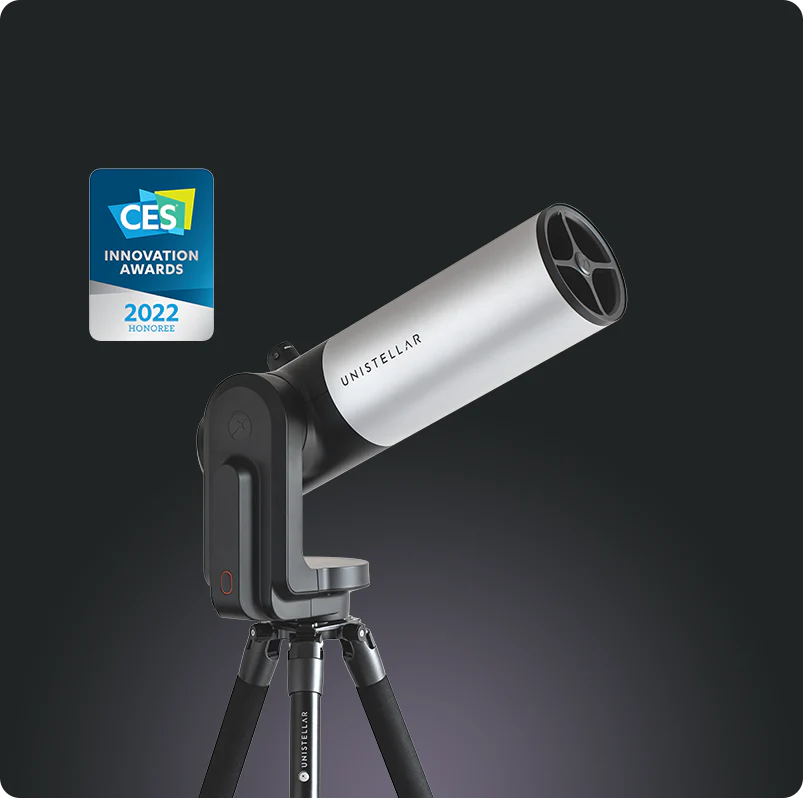
The second Unistellar smart telescope to make it to the list is also the most expensive one. The Evscope 2 offers a premium smart telescope experience. The most unique feature of this telescope is that it allows you for a visual observation experience. You can use this telescope to gaze at the sky. Its built-in Nikon eyepiece offers a soothing viewing experience. Like the Equinox 2 variant, this model also features a reflecting telescope.
Main Features
- Camera resolution: 7.7 MP
- Telescope diameter: 114 mm
- Focal length: 450 mm
- Weight: 7 kg (telescope) + 2 kg (tripod)
- Price: $3919
Conclusion
Whether smart telescopes are encouraging people to get into astrophotography or ruining the better things of this hobby, is a matter of debate. You may love or hate the fact, but smart telescopes are here to stay. They are not for everyone and you do not need to buy one if you love having a separate tracker, camera and telescope.
Clear skies!
See more from DIYPhotography.net on Google
Add DIYPhotography.net as a trusted source. This makes
our stories more likely to appear in your Google Search results.
 Add as a preferred source on Google

Soumyadeep Mukherjee
Soumyadeep Mukherjee is an award-winning astrophotographer from India. He has a doctorate degree in Linguistics. His work extends to the sub-genres of nightscape, deep sky, solar, lunar and optical phenomenon photography. He is also a photography educator and has conducted numerous workshops. His works have appeared in over 40 books & magazines including Astronomy, BBC Sky at Night, Sky & Telescope among others, and in various websites including National Geographic, NASA, Forbes. He was the first Indian to win “Astronomy Photographer of the Year” award in a major category.


Join the Discussion
DIYP Comment Policy
Be nice, be on-topic, no personal information or flames.
2 responses to “Top five smart telescopes for discovering the celestial world in 2024”
None of these scopes offer good enough results to justify their purchase.
I do think that Smart Scopes are the future for amateur astrophotography. But the future has not yet arrived.
If you consider the price and the final output, some of the scopes may not seem to justify the price (but the opinion remains subjective). However, considering what they do to ease up the process for beginners (and experts), the price seems fair. We shall have to wait and see where the price goes in a few years.