


















Vaonis Vespera Pro Smart Telescope: Astrophotography Without Complexity
Jan 16, 2026
Soumyadeep Mukherjee
Soumyadeep Mukherjee is an award-winning astrophotographer from India. He has a doctorate degree in Linguistics. His work extends to the sub-genres of nightscape, deep sky, solar, lunar and optical phenomenon photography. He is also a photography educator and has conducted numerous workshops. His works have appeared in over 40 books & magazines including Astronomy, BBC Sky at Night, Sky & Telescope among others, and in various websites including National Geographic, NASA, Forbes. He was the first Indian to win “Astronomy Photographer of the Year” award in a major category.
Share:
Modern astrophotography stands at an intersection of optics, sensor technology, and computational imaging. Over the past two decades, improvements in digital sensors and processing software have transformed what small telescopes can achieve. Yet the workflow itself has remained largely unchanged. Astrophotographers still rely on separate mounts, guiding systems, calibration frames, and extensive post-processing. This approach delivers results, but it demands time, expertise, and tolerance for complexity.
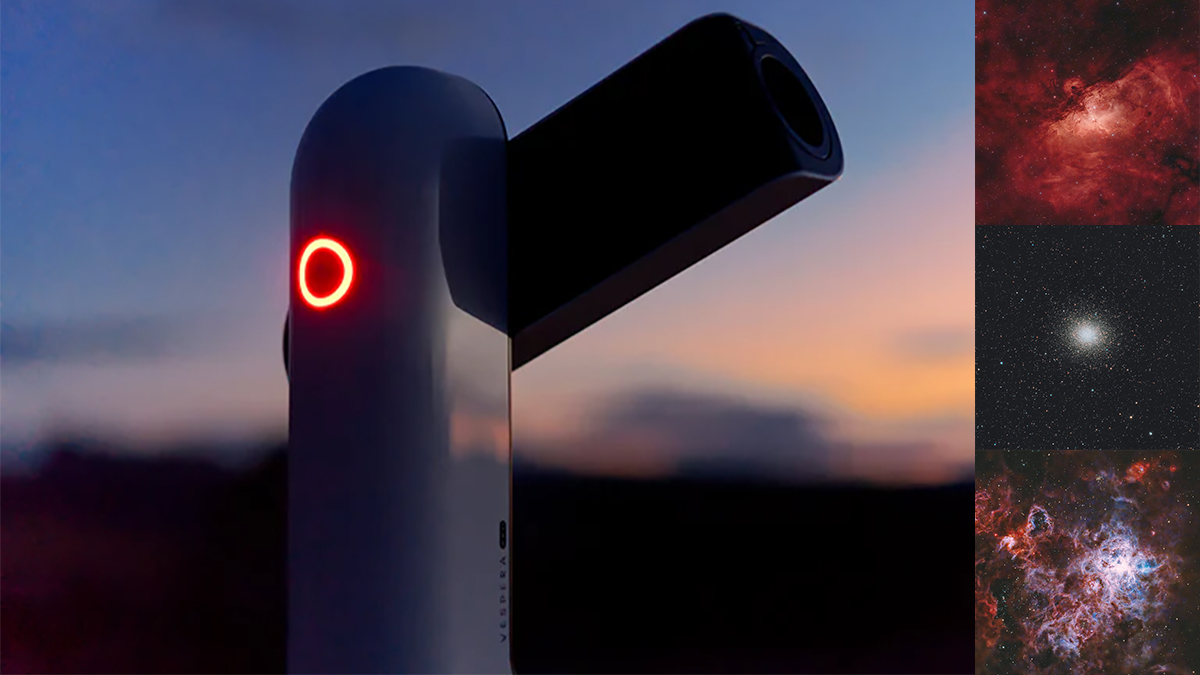
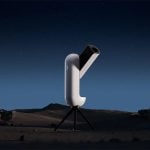
The Vaonis Vespera Pro emerges from a different design philosophy. Instead of refining individual components, Vaonis restructured the entire imaging pipeline. The telescope integrates optics, sensor, mount, and software into a closed system. Alignment, tracking, calibration, stacking, and mosaicing are all performed internally. The user interacts with the sky, not the workflow. The Vespera Pro applies established imaging techniques through automation and computational control. As a result, it offers a platform that feels accessible, yet remains grounded in real optical and sensor performance. For experienced observers, this makes it an interesting instrument. For new astrophotographers, it makes deep-sky imaging a more achievable goal.
A smart telescope for astrophotography
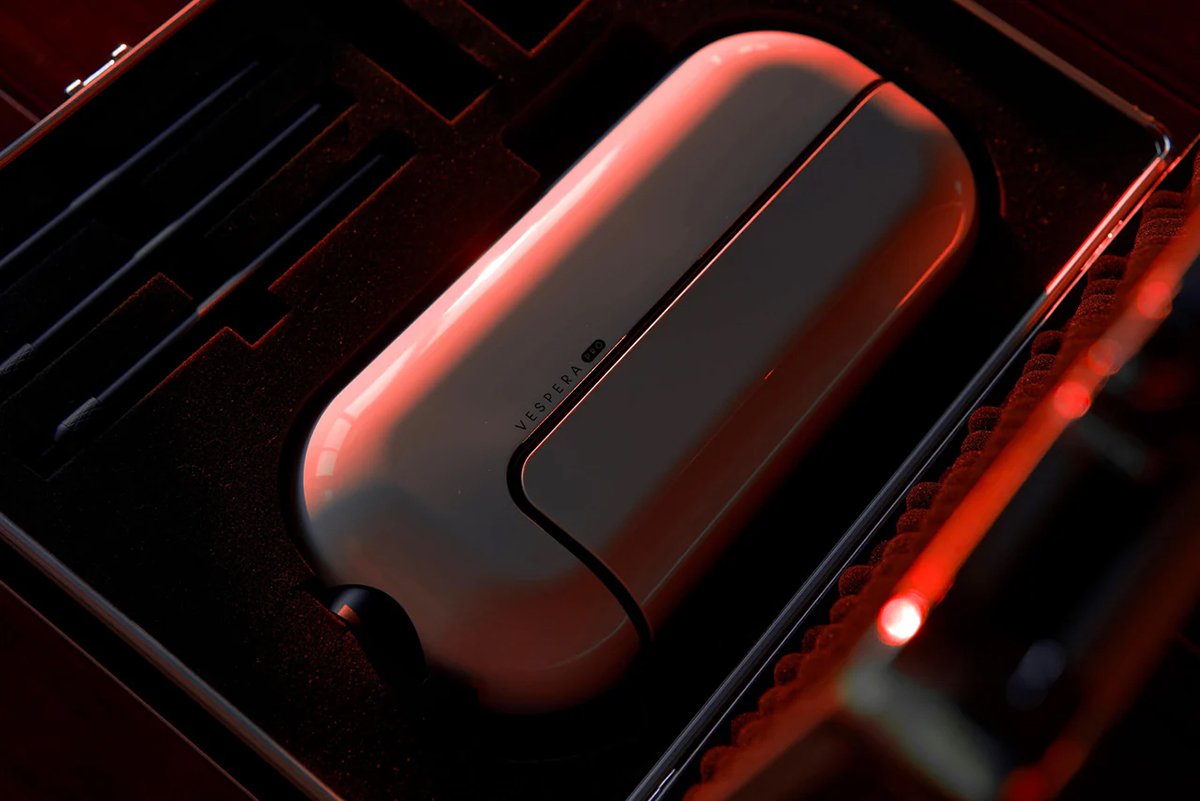
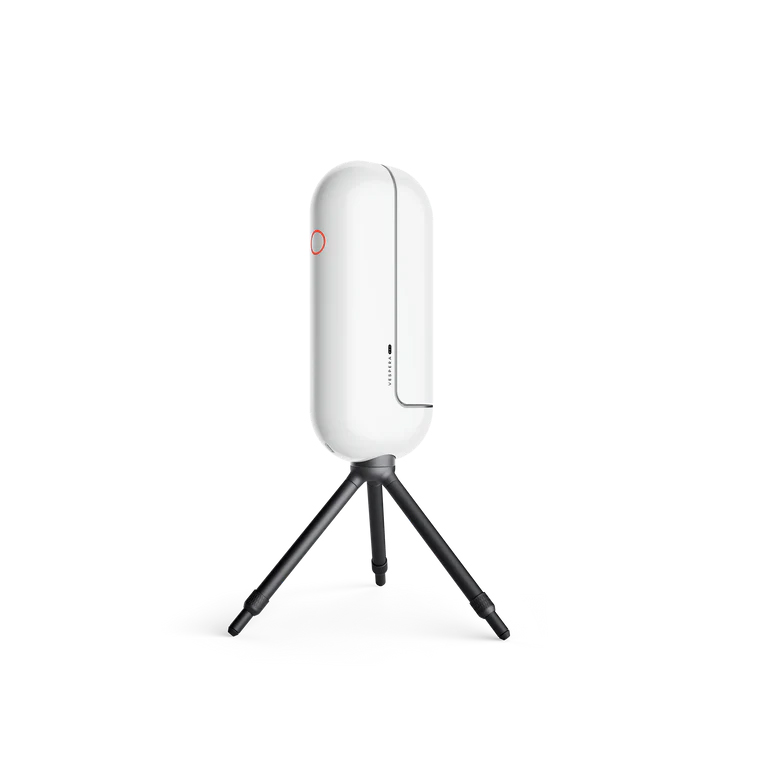
The Vespera Pro is an all-in-one smart telescope designed specifically for deep-sky imaging. It does not rely on an eyepiece. Instead, it captures images electronically and displays them on a smartphone or tablet. The entire system works through Vaonis’ Singularity app.
Once powered on, the telescope performs automatic sky alignment. It identifies star patterns and determines their exact orientation. There is no polar alignment. There is no star alignment routine. Within minutes, the system becomes operational. This immediacy changes how people interact with astrophotography.
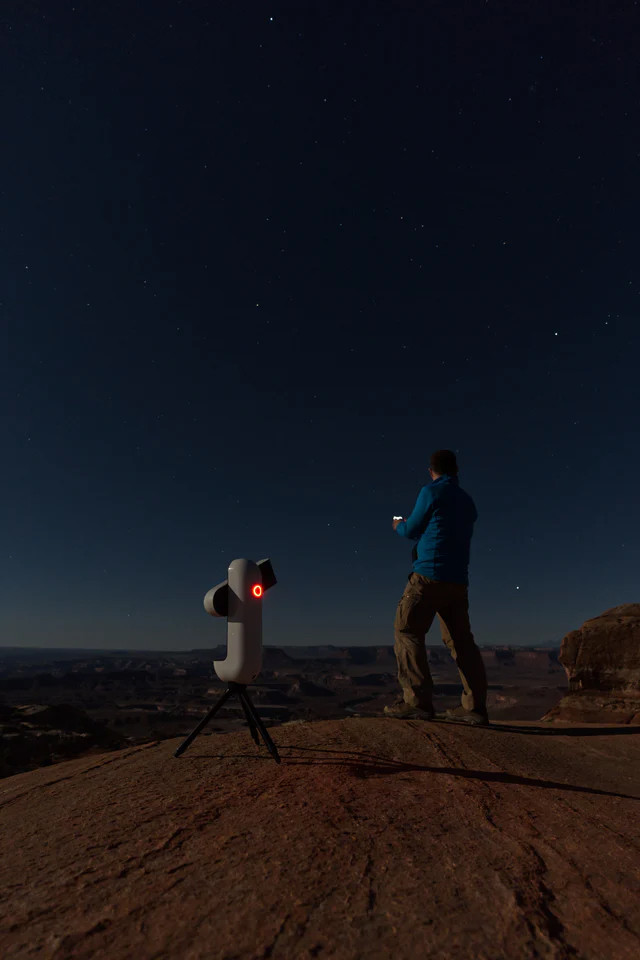
Users select targets from a built-in catalog containing thousands of objects. The telescope slews automatically and begins imaging. It tracks objects precisely as Earth rotates. It stacks images live and enhances detail as data accumulates. This process mirrors professional workflows, but without manual intervention.
Vaonis designed the Vespera Pro for people who want results without technical barriers. That includes advanced amateurs, educators, researchers, and traveling astrophotographers. It also appeals to experienced imagers who want a lightweight, fast-deploying system alongside traditional rigs.
Optics and sensor
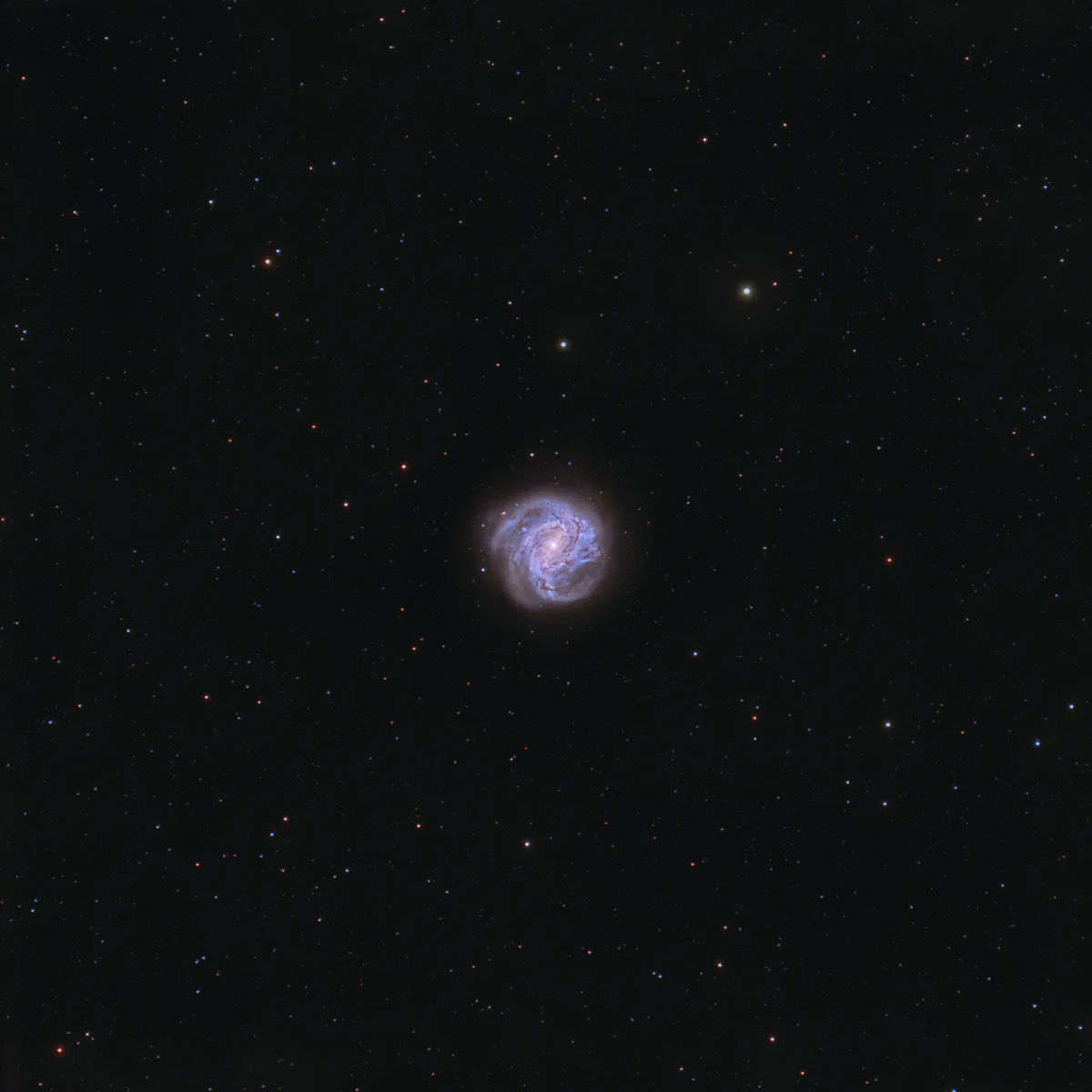
Image quality always starts with optics. Vaonis took this seriously with the Vespera Pro. The telescope uses a 50 mm aperture and a 250 mm focal length, resulting in an f/5 optical system. This configuration balances light gathering with field coverage.
The optical assembly uses a quadruplet apochromatic design. It includes extra-low dispersion lanthanum glass and a built-in field corrector. This design reduces chromatic aberration and keeps stars sharp across the frame. Edge distortion remains minimal, even during panoramic captures.
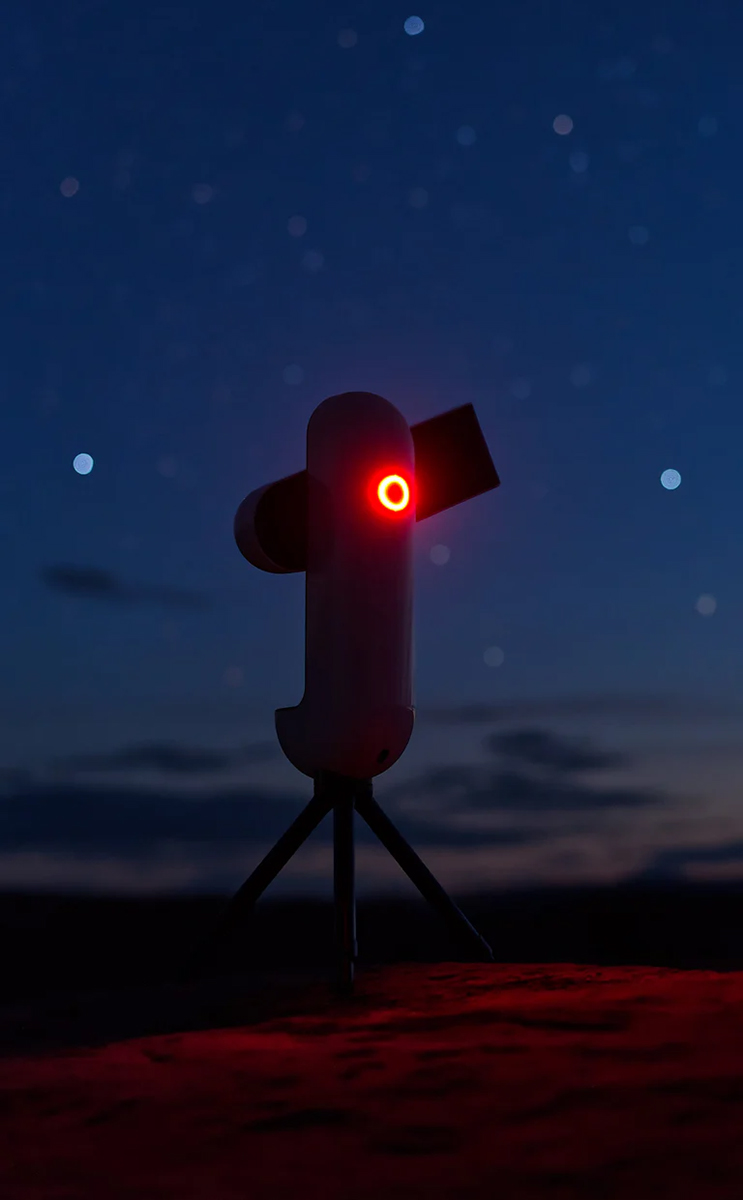
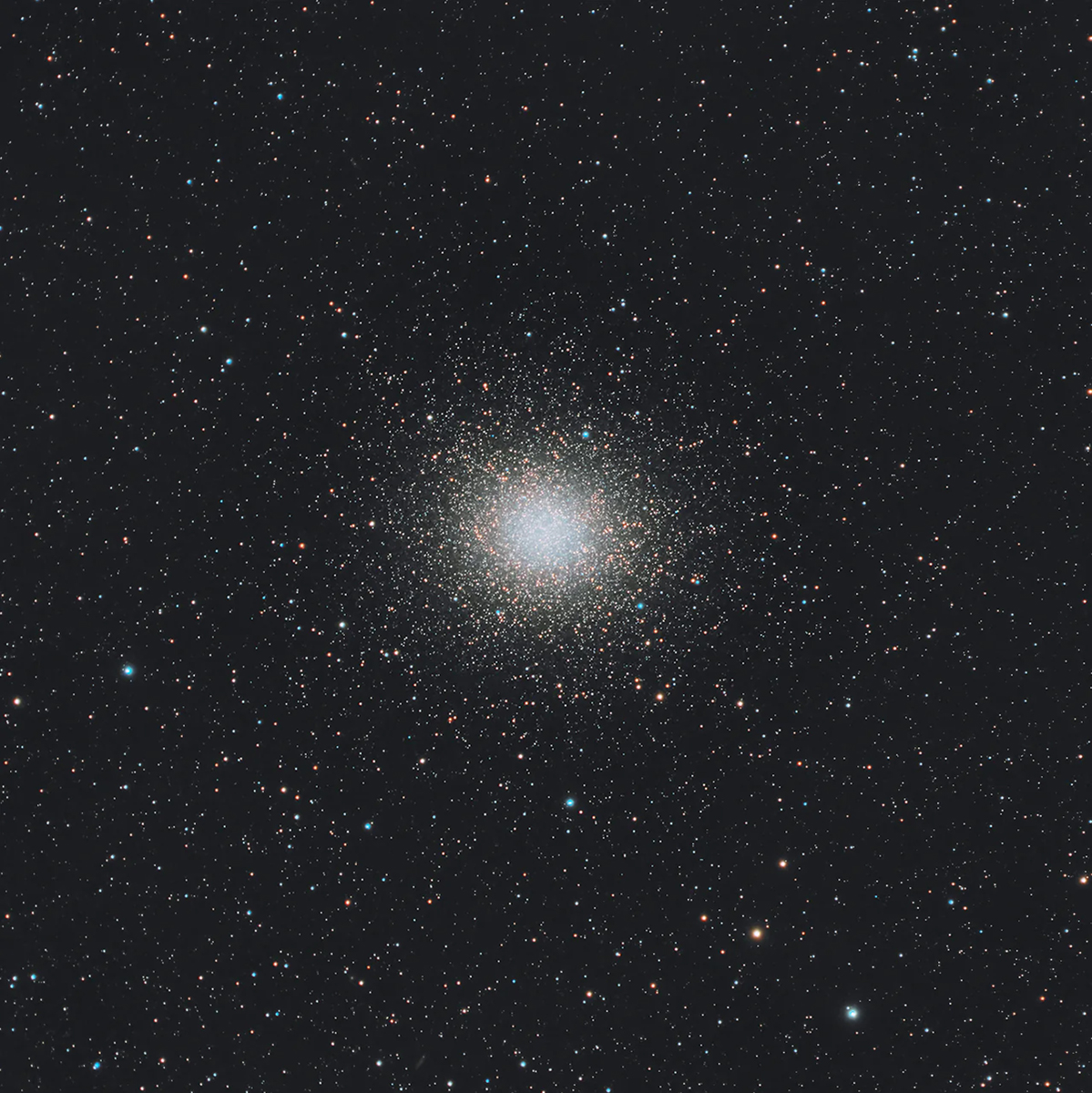
The sensor is a Sony IMX676 Starvis 2 CMOS sensor. It has 12.5 megapixels with 2-micron pixels. Sony designed this sensor for low-light performance. It offers high sensitivity and low read noise. These qualities matter when imaging faint nebulae and distant galaxies.
Vaonis pairs this sensor with intelligent internal processing. The telescope captures short exposures and stacks them in real time. Noise decreases as integration time increases. Fine structures emerge gradually. Users see results improve live on screen, rather than waiting hours for post-processing.
CovalENS technology and the 50-megapixel advantage
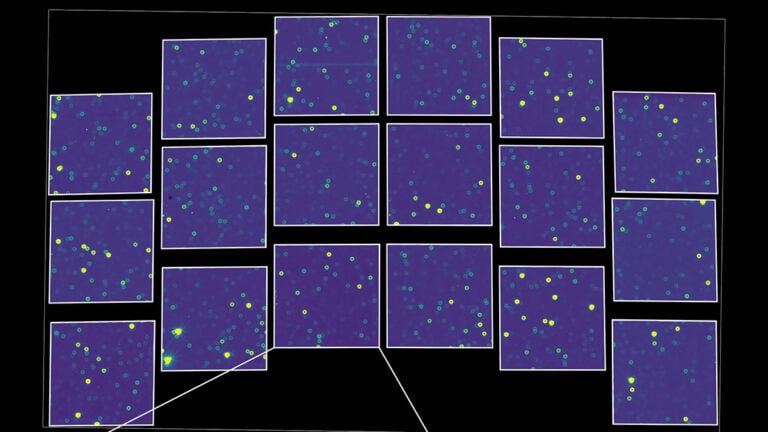
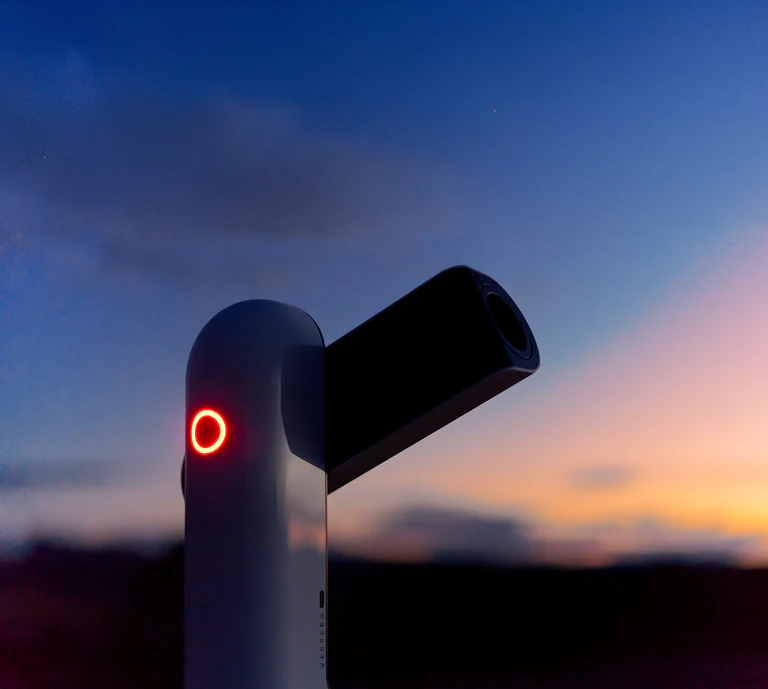
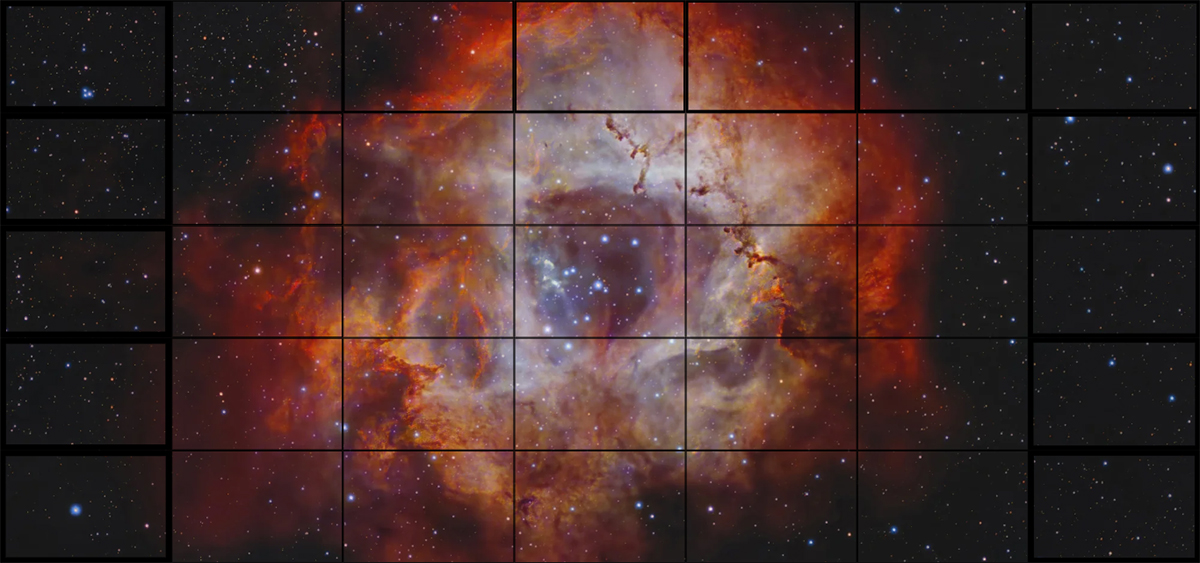
One of the defining features of the Vespera Pro is CovalENS. This is Vaonis’ proprietary live mosaic and panorama technology. It allows the telescope to capture multiple adjacent frames and stitch them together automatically.
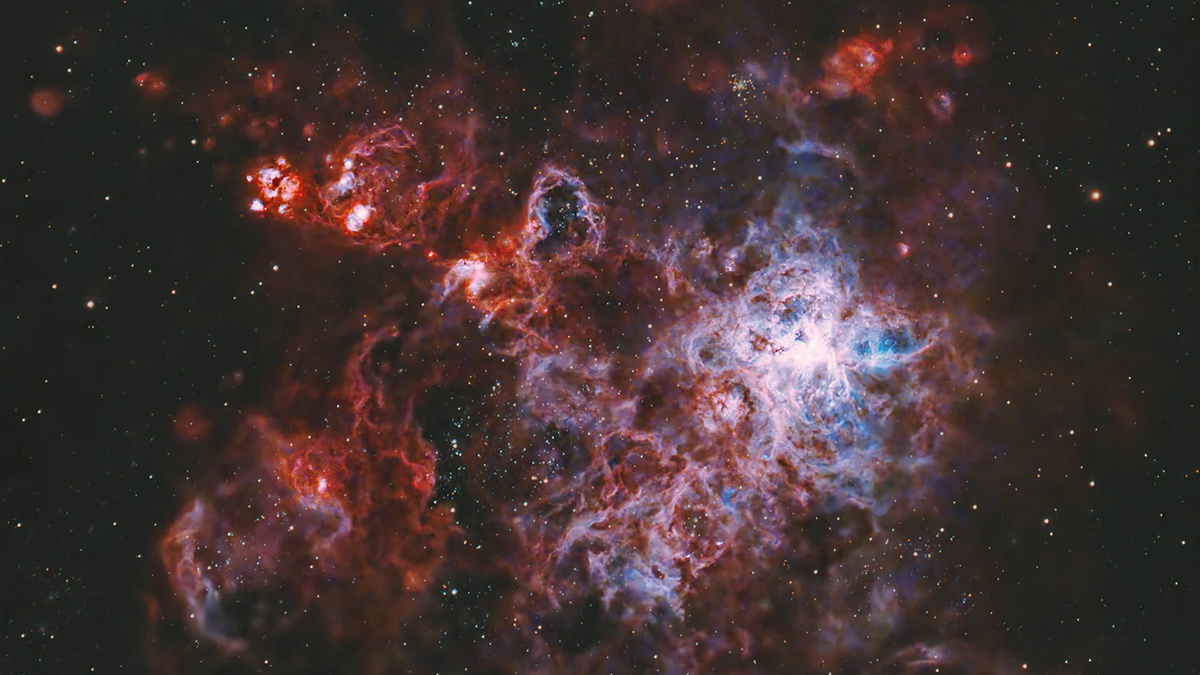
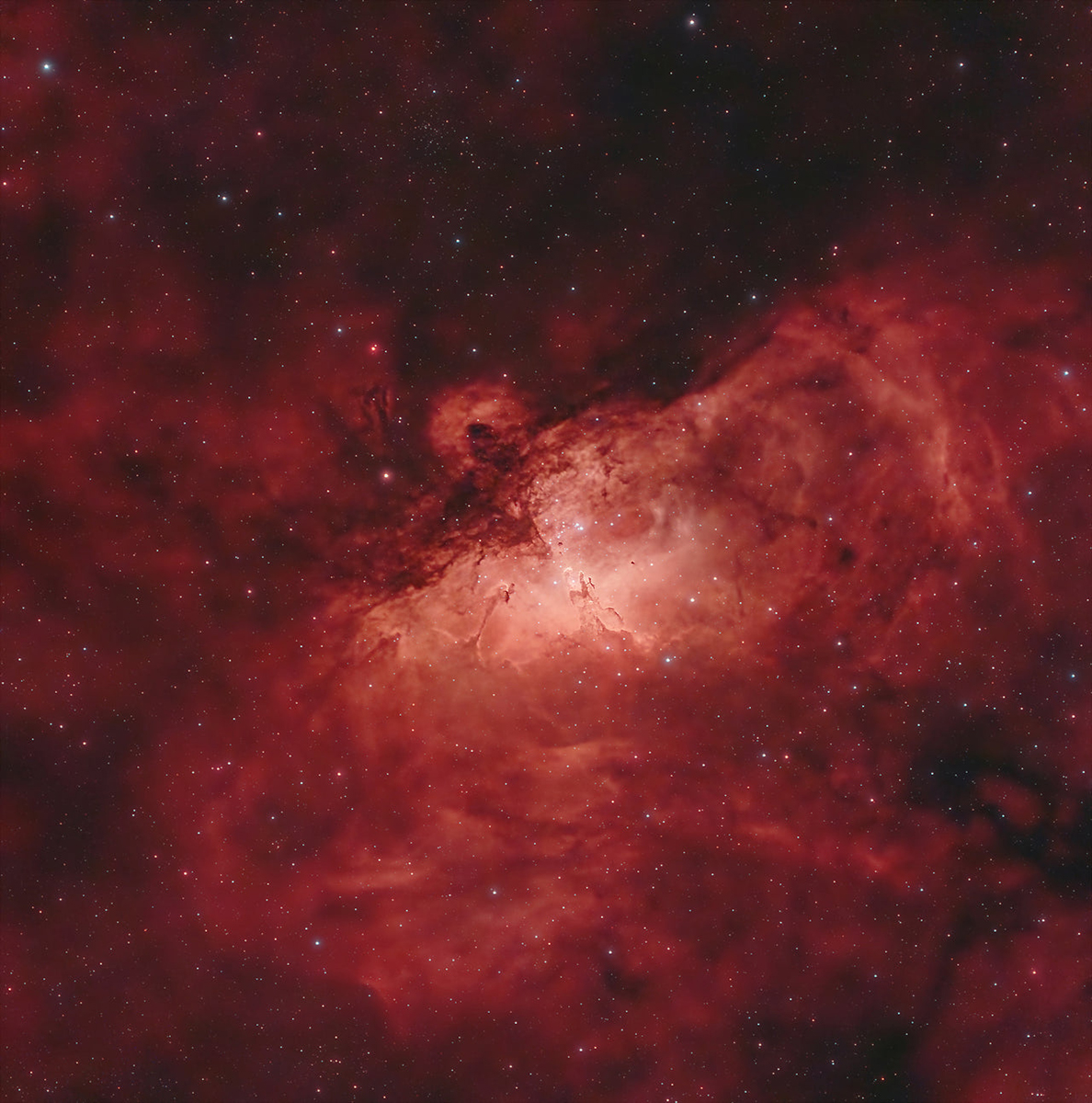
The native field of view measures about 1.6 degrees by 1.6 degrees. That already suits many deep-sky objects. With CovalENS enabled, the field expands dramatically. The system can reach up to 4.18 degrees by 2.45 degrees. This allows wide nebulae and extended regions to fit naturally into the frame.
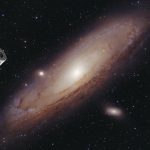
CovalENS also increases effective resolution. While the sensor itself remains 12.5 megapixels, the stitched result can reach up to 50 megapixels. This is not digital upscaling. It is true spatial resolution gained by capturing more sky area with overlap.
This approach resembles professional mosaic workflows. However, Vespera Pro executes it automatically and in real time. The system aligns frames, corrects distortion, and blends exposure seamlessly. The user does not manage panels or alignment points. For large nebulae and Milky Way structures, this feature transforms what a compact telescope can deliver.
Automation inside the smart telescope
Automation in the Vespera Pro executes astrophotography principles consistently. Upon startup, the telescope performs automatic sky alignment. It analyzes star patterns and determines their orientation. This eliminates polar alignment and star alignment routines. The system compensates for Earth’s rotation internally.
During imaging, the telescope maintains focus automatically. Temperature changes cause optical drift in most refractors. The Vespera Pro monitors focus continuously and adjusts as needed. This keeps stars tight throughout long sessions.
Calibration occurs internally. Dark frame subtraction and noise correction happen in real time. The user does not manage calibration libraries. The system applies corrections automatically and consistently.
Live stacking forms an important part of the imaging process. The telescope captures short exposures. It evaluates each frame. Poor frames are rejected. Good frames are aligned and added to the stack. This progression remains visible on screen.
The Singularity app: Control without complexity
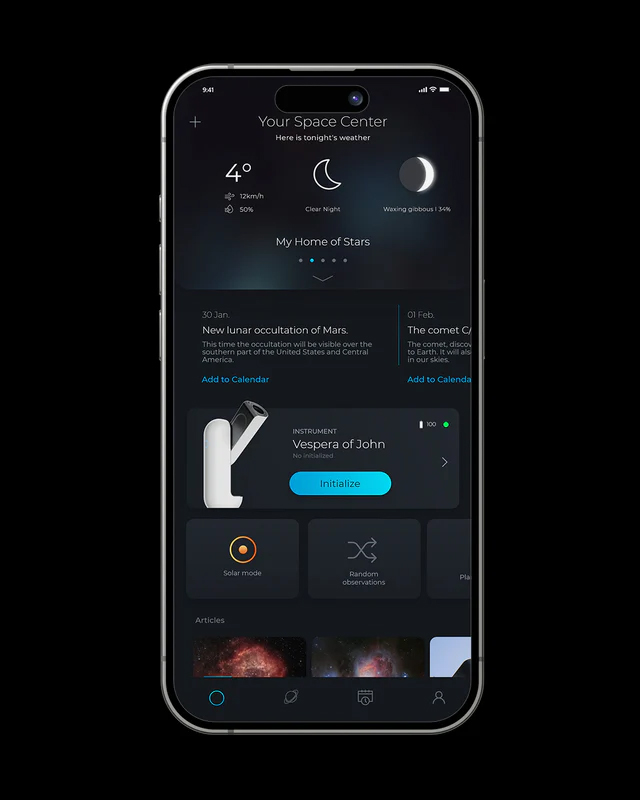
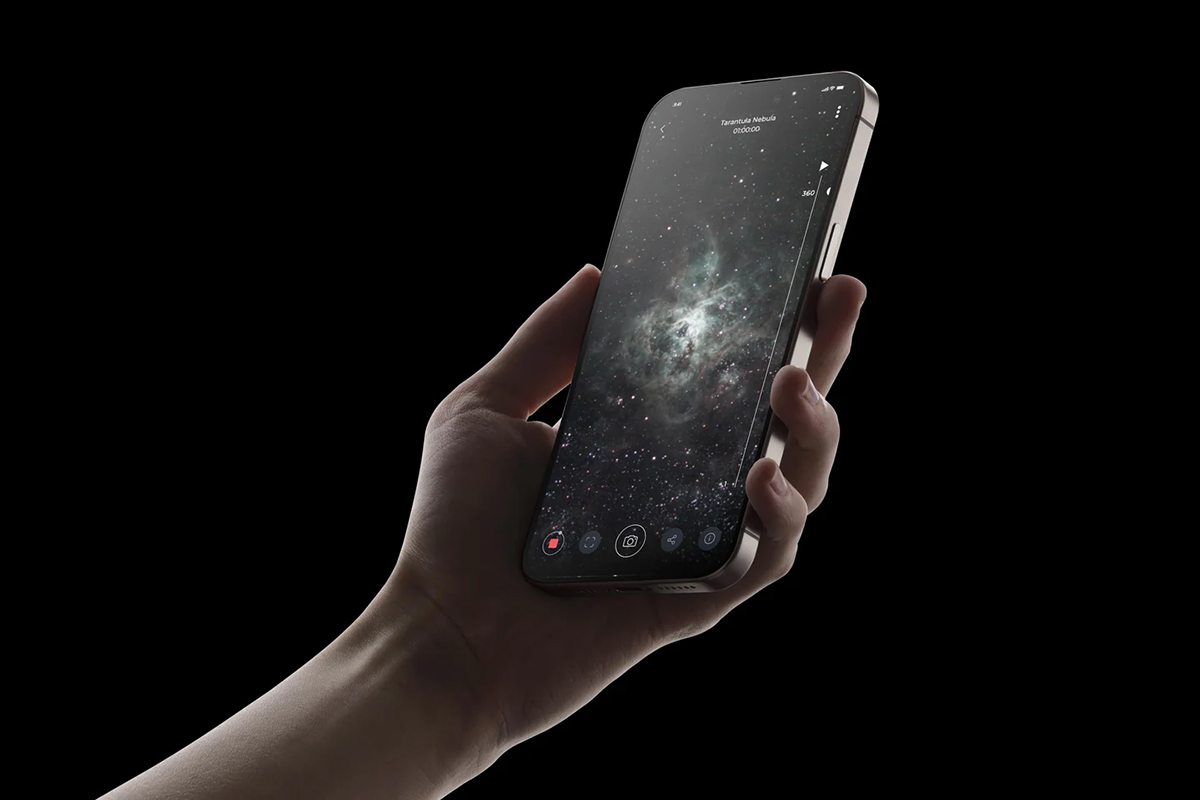
The Singularity app is the control center of the Vespera Pro. It runs on iOS and Android devices. The interface stays clean and intuitive, even when handling advanced features. Users can select objects, adjust exposure parameters, and enable mosaic modes. The app also allows session scheduling. You can plan a full night of imaging and let the telescope run unattended.
Advanced users can access RAW 16-bit FITS files. These files preserve full dynamic range and color depth. They integrate smoothly into professional software like PixInsight or Photoshop. The app also manages storage. The Vespera Pro includes 225 GB of internal memory. This is enough for many nights of data without transfer. When needed, files can be downloaded wirelessly.
Vespera Pro vs Vespera II
The Vespera II remains a capable smart telescope. It introduced many of the ideas that define the platform. However, the Vespera Pro pushes beyond it in meaningful ways. Both telescopes share a similar form factor and philosophy. They both use automated alignment, tracking, and live stacking and rely on the Singularity app. But the Pro version targets users who demand higher performance and flexibility.
The Vespera Pro offers a more advanced optical system with refined glass elements. It uses a newer Starvis 2 sensor, improving low-light sensitivity and noise performance. CovalENS mosaic capability expands further on the Pro, allowing larger fields and higher effective resolution. Battery life also increases. The Pro can operate for up to 11 hours, compared to shorter endurance on the Vespera II. Internal storage grows significantly as well.
In practice, the Vespera II suits casual astrophotographers and educational use. The Vespera Pro fits users who want deeper integrations, wider mosaics, and more control over data. It bridges the gap between convenience and serious astrophotography.
Build quality, portability, and field reliability
The Vespera Pro weighs about 5 kilograms. It remains portable enough for travel and dark-sky trips. The included tripod provides stable support and quick leveling. Vaonis designed the telescope for outdoor use. It resists moisture, dust, and cold temperatures. An internal hygrometer activates anti-dew protection automatically. The housing uses durable alloy materials to protect internal components.
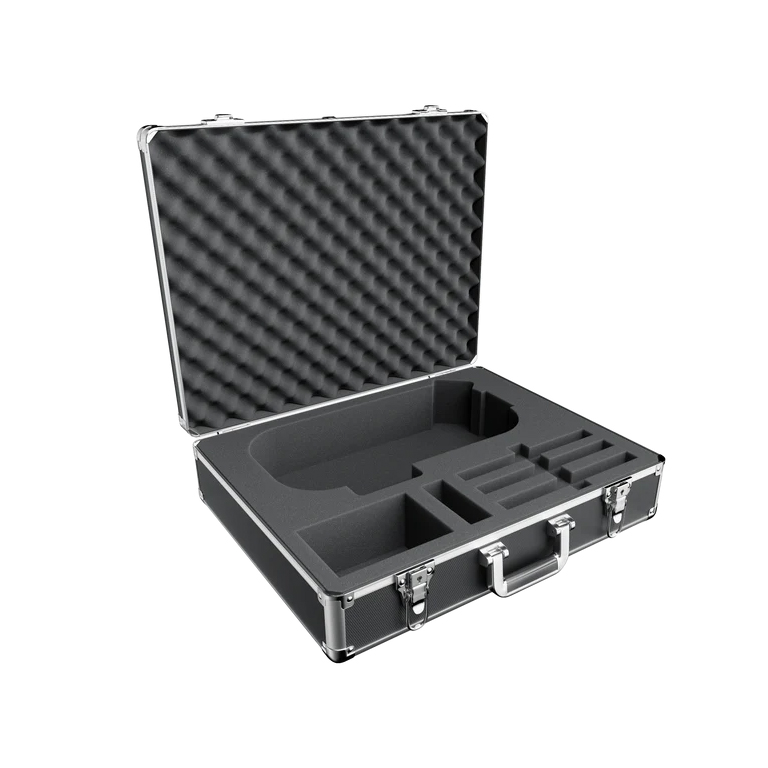
The battery supports long unattended sessions. This matters for remote locations without power access. It also simplifies backyard imaging. There is no need for external power supplies or cable management. A dedicated flycase protects the telescope during transport. It includes secure locking mechanisms and custom-fit padding.
Real-world imaging and workflow changes
Using the Vespera Pro feels different from traditional astrophotography. Sessions begin quickly. There is no extended setup ritual. The telescope works while you observe.
Targets that once required hours of manual processing appear in minutes. Detail builds gradually. The experience becomes interactive rather than technical.
For traveling astrophotographers, this matters. You can image from multiple locations in one trip without heavy gear. For educators, it allows live demonstrations with real results. For experienced imagers, it becomes a reliable secondary system.
The ability to export RAW data ensures the system does not limit creativity. You can accept the live result or refine it later. The choice stays with the user.
Key specifications
Here are some of the key specifications of Vaonis Vespera Pro:
| Aperture | 50 mm |
| Focal length | 250 mm |
| Focal ratio | f/5 |
| Extra feature | Refined field corrector |
| Lens glass | Lanthanum glass S-FPL52 |
| Sensor type | Sony IMX 676 (color) |
| Definition | 3536 x 3536 (12.5 MP) |
| Format | 1/1.6’’ |
| Sensor size | 7.0 x 7.0 mm |
| Pixel size | 2 µm |
| Limiting magnitude | 16 |
| Native image definition | 12.5 MP |
| Max. definition with CovalENS | 50 MP |
| Native field of view | 1.6° x 1.6° |
| Max. FOV with CovalENS | 4.18° x 2.45° |
| Detail resolution | 1.6 arcsec/pixel |
| Internal storage | 225 GB |
| Display format | JPEG 8 bits |
| Unit images format | FITS 16 bits |
| Pre-stacked images format | TIFF 16 bits |
| Battery life | 11 hours |
| External connector | USB type C (not included) |
| Dimensions | 48 x 20 x 9 cm |
| Weight | 5 kg |
Price and availability
The Vaonis Vespera Pro is available in two different bundles:
- Vespera Pro Bundle (Vespera Pro, with its flycase, anti-theft system, and adjustable tripod): $3,240
- Vespera Pro Cosmic Bundle (Vespera Pro with its accessories + Dual Band Filter + CLS Filter): $3,970
Both bundles are available for ordering via the official website.
The Vaonis Vespera Pro reconfigures classical astrophotography. By integrating optics, sensor, mount, and software into a single system, Vaonis reduces friction. It applies established imaging techniques through automation. It delivers real data, not simulated results. This approach broadens access without diminishing depth. It respects astrophotography fundamentals while modernizing their execution.
For those willing to accept a new workflow, the Vespera Pro offers a great choice. The future of astrophotography does not have to be complicated to be serious.
Clear skies!
See more from DIYPhotography.net on Google
Add DIYPhotography.net as a trusted source. This makes
our stories more likely to appear in your Google Search results.
 Add as a preferred source on Google

Soumyadeep Mukherjee
Soumyadeep Mukherjee is an award-winning astrophotographer from India. He has a doctorate degree in Linguistics. His work extends to the sub-genres of nightscape, deep sky, solar, lunar and optical phenomenon photography. He is also a photography educator and has conducted numerous workshops. His works have appeared in over 40 books & magazines including Astronomy, BBC Sky at Night, Sky & Telescope among others, and in various websites including National Geographic, NASA, Forbes. He was the first Indian to win “Astronomy Photographer of the Year” award in a major category.


Join the Discussion
DIYP Comment Policy
Be nice, be on-topic, no personal information or flames.