



















Best Camera for Low Light: Complete Comparison Guide
Oct 3, 2025
Darlene Lleno
Darlene Lleno brings a unique perspective to DIY Photography as someone who grew up surrounded by camera gear but chose words over lenses. With five years of writing experience, she specializes in photography content that’s both technically informed and genuinely passionate. Growing up with a photographer twin brother meant camera talk was everyday conversation in her household. While he mastered capturing moments, Darlene discovered she preferred being the subject and the storyteller behind the scenes. As a travel enthusiast and mother of two, she understands the importance of preserving life’s precious moments. When not exploring new destinations or writing for DIY Photography, you’ll find her reading or tending to her garden. Her approach to photography writing is refreshingly authentic, she may not be behind the camera, but she knows exactly what it takes to help others capture the shots that matter most.
Share:
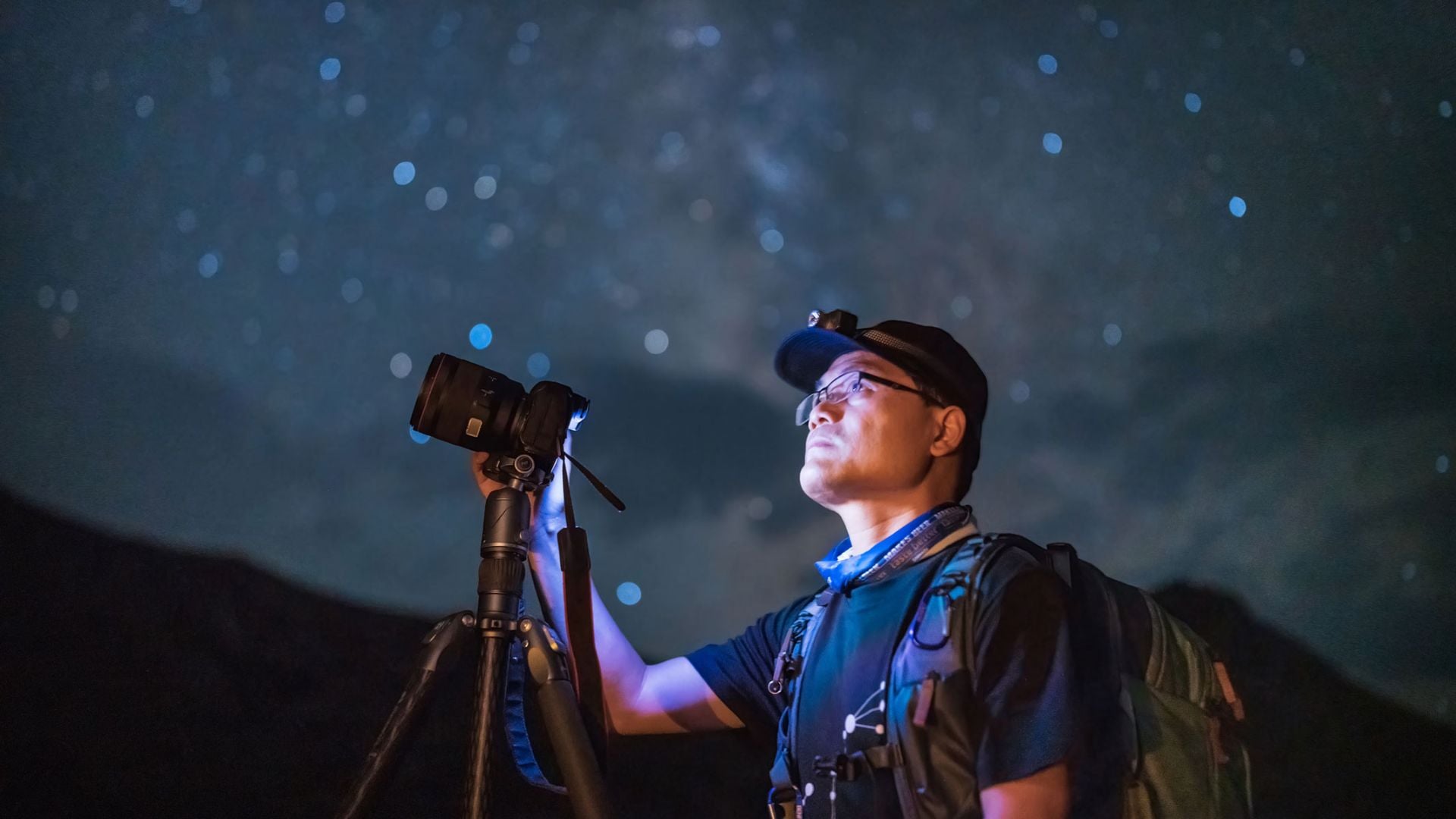
Picking the best camera for low-light photography can completely change your nighttime shooting game. You know that feeling when you’re trying to capture a perfect moment in dim lighting, but your shots come out grainy or blurry? Yeah, we’ve all been there. The good news is that camera technology has come a long way, and now you can actually get amazing shots even when the lighting isn’t ideal.
These days, cameras are way better at handling tough lighting situations than they used to be. We’re talking about being able to shoot in conditions that would have been impossible just a few years back. The trick is knowing what features to look for and which camera will work best for what you want to do.
Read more: Best Camera for Low Light: Complete Comparison GuideWhat Makes a Great Low-Light Camera
Let’s talk about what actually matters when you’re shopping for a camera that can handle dim conditions. It’s not just about having the most expensive camera on the shelf.
The sensor size is probably the biggest factor here. Full-frame sensors are like having bigger buckets to catch light. Each pixel gets more light information, which means cleaner images when things get dark. That said, some newer APS-C cameras with updated technology can surprise you with how well they perform.
High ISO performance is where cameras really show their stuff. Modern cameras can shoot at ISO settings that would have been unusable before. We’re talking about getting clean, usable shots at ISO 6400, 12800, or even higher. The key is finding a camera that doesn’t turn everything into a grainy mess when you push those numbers up.
Image stabilization is like having a steady tripod built right into your camera. The best systems can give you up to 8 stops of help, which means you can handheld shots in really dim light without everything turning into a blur. It’s honestly pretty amazing how much this technology has improved.
For autofocus in low light, you want something that can actually find what you’re trying to focus on when it’s dark. The best cameras can lock focus in conditions where you can barely see your subject. Look for systems rated at -4EV or better if you want reliable focusing in tough conditions.
Top Cameras That Actually Work in Low Light
Let’s get into the cameras that photographers are actually using and loving for low-light work in 2025.
Canon EOS R6 Mark II: The All-Around Winner
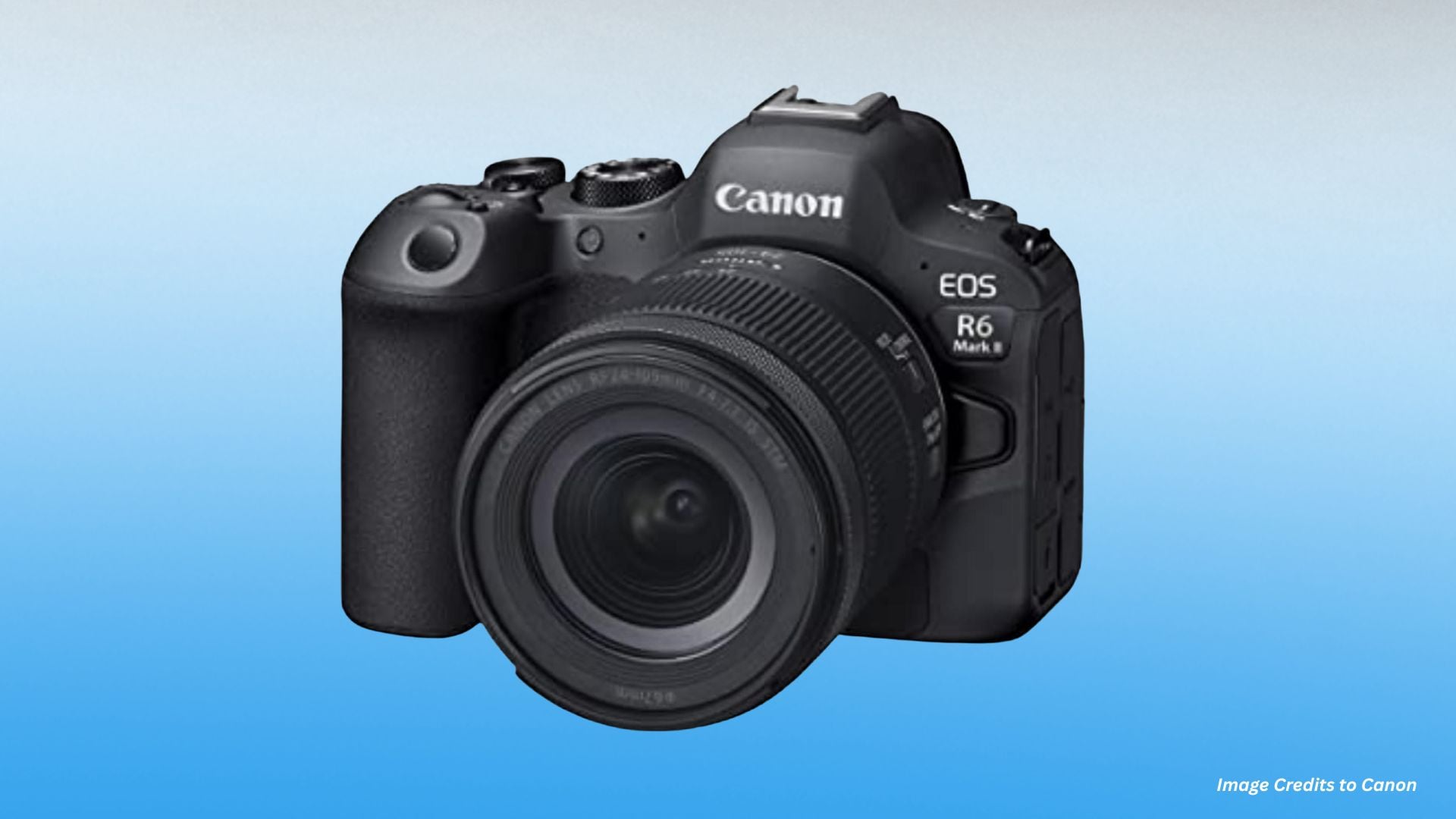
Most photographers agree that the Canon EOS R6 Mark II is the best camera for low-light photography you can buy right now. This thing just works, whether you’re shooting a wedding reception or trying to capture city streets at night.
The Canon EOS R6 Mark II improves in several ways, including a higher-resolution sensor, an updated autofocus system, and improved video features. The 24.2MP sensor might not sound like much compared to some cameras, but it’s designed to gather light efficiently rather than just pack in as many pixels as possible.
What really sets this camera apart is how all the pieces work together. You get 8-stop image stabilization when paired with certain lenses, autofocus that can see in near darkness, and clean images even when you’re shooting at high ISO settings. Plus, it can shoot 40 frames per second when you need to capture fast action, and the 6K video recording is excellent for content creators who need both photo and video capabilities.
This camera handles ISO settings from 100 to 102,400 (expandable to 204,800) without falling apart. Whether you’re shooting portraits or trying to capture that perfect moment during low-light situations, the R6 Mark II delivers consistently.
Key specs:
- 24.2MP full-frame CMOS sensor
- ISO 100-102,400 (expandable to 204,800)
- Dual Pixel CMOS AF II with -6.5EV sensitivity
- 8-stop in-body image stabilization
- 40fps burst rate
Sony A7S III: The Video Powerhouse
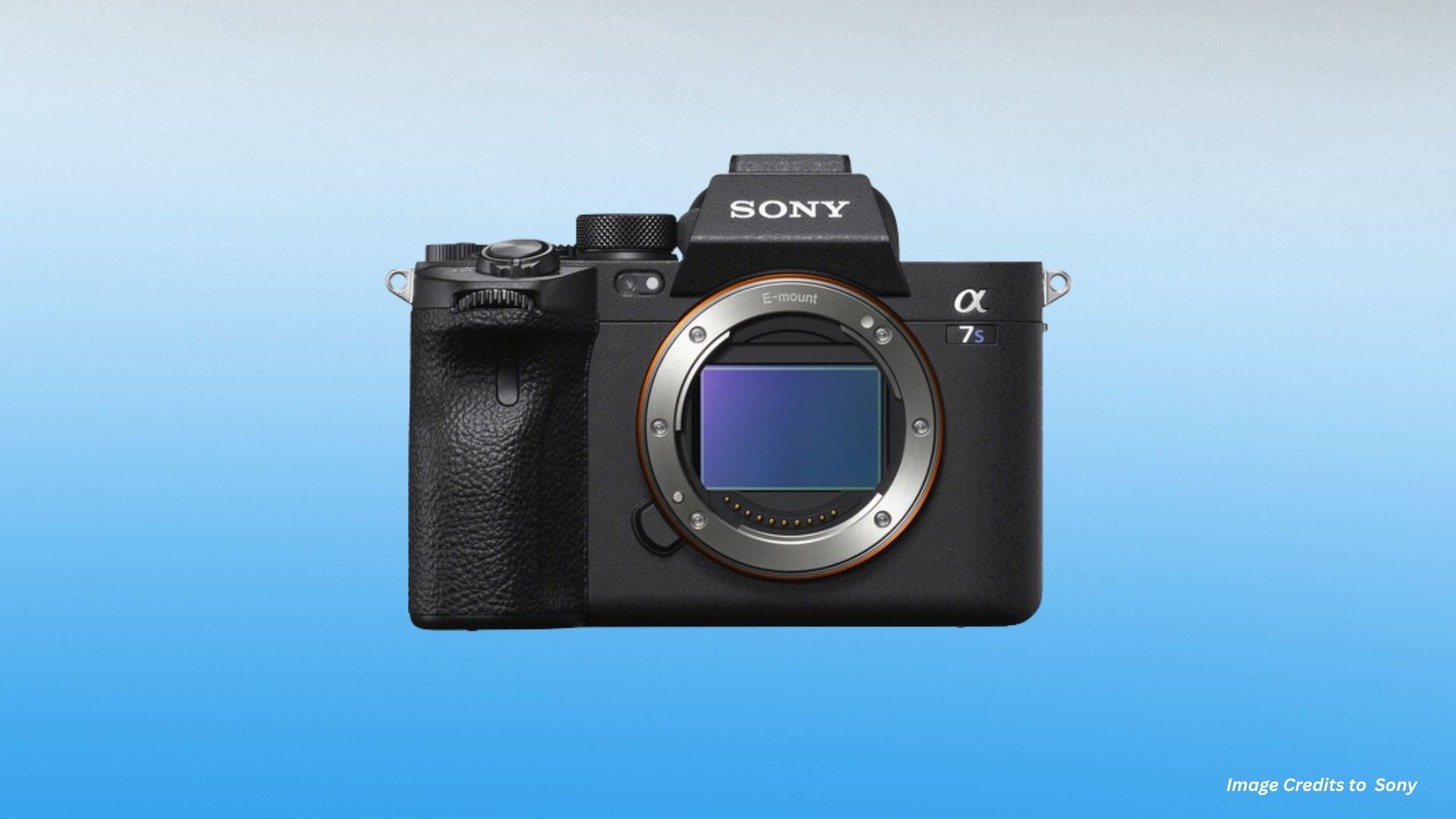
The Sony A7S III is a full-frame camera with a focus on video capabilities, particularly in low-light settings. It boasts excellent dynamic range and smooth image processing, ensuring impressive image quality even in darker environments.
This camera takes a totally different approach. Instead of cramming tons of pixels onto the sensor, Sony went with just 12.1MP but made each pixel bigger. Think of it like having fewer, larger buckets to catch light. The result is incredible performance in really dark conditions.
The A7S III is honestly built for people who need to shoot video in challenging lighting. It can record 4K up to 120fps, and the dynamic range is fantastic. The camera features a 12MP backside-illuminated sensor, which, while relatively low in pixel count for a full-frame camera, contributes to its exceptional performance in low-light conditions.
If you’re doing serious video work or need a camera that can see in the dark better than your own eyes, this is your camera. It handles ISO settings from 80 to 102,400 (expandable to 409,600) and stays remarkably clean throughout that range. The autofocus works well even in very dim conditions, making it perfect for documentary work or event videography.
Key specs:
- 12.1MP full-frame BSI-CMOS sensor
- ISO 80-102,400 (expandable to 409,600)
- Fast Hybrid AF with -6EV sensitivity
- 5.5-stop image stabilization
- 4K video up to 120fps
Nikon Z6 III: The Impressive Newcomer

The Nikon Z6 III has the brightest EVF in the market right now with brightness levels of up to 4000 nits, and it’s probably the best low light performing Z body in Nikon’s lineup right now.
Nikon really stepped up their game with the Z6 III. This camera uses new “partially stacked” sensor technology that makes everything faster and more responsive. I don’t have lab tests to confirm, but my experience with the Z6 III lends me to believe that it is Nikon’s current low-light king.
What’s cool about this camera is how it balances excellent photo capabilities with serious video features. For my test of the Z6 III, however, I set the limit to ISO 25,600 and found the results surprisingly usable. The viewfinder is incredibly bright and clear, which makes composing shots in low light much easier.
The camera offers solid performance across the board, with fast autofocus, good high ISO handling, and professional video recording capabilities. It’s becoming a favorite among photographers who need a reliable workhorse for various shooting conditions. The camera’s metering system works exceptionally well in challenging lighting, making exposure decisions much easier.
Key specs:
- 24.5MP full-frame partially stacked sensor
- ISO 100-64,000 (expandable to 204,800)
- 493-point phase-detection AF
- 8-stop VR image stabilization
- 6K 60p N-Raw video recording
Fujifilm X-T5: APS-C Done Right

Don’t think you need a full-frame camera to get great low-light performance. The Fujifilm X-T5 has a brand new sensor from Fujifilm that is better than ever at handling low light photography at higher ISOs.
The X-T5 packs a 40MP APS-C sensor that’s designed with low-light performance in mind. Fujifilm used their new X-Trans 5 BSI CMOS sensor technology, and the results are impressive. Combined with up to 7 stops of in-body image stabilization, this camera can produce remarkably clean images even when the lighting gets challenging.
What makes this camera special is how it combines excellent image quality with a compact, lightweight design. It’s perfect for travel photography or situations where you need to be mobile.
The camera’s performance in low light rivals many full-frame cameras, and the film simulation modes give your images a distinctive look straight out of the camera. For photographers who want to master their camera settings and understand exposure techniques, this camera offers excellent learning opportunities.
Key specs:
- 40MP APS-C X-Trans 5 BSI CMOS sensor
- ISO 125-12,800 (expandable to 51,200)
- Intelligent Hybrid AF with -7EV sensitivity
- 7-stop in-body image stabilization
- 6.2K video recording
Budget-Friendly Options That Deliver Quality
You don’t need to spend a fortune to get decent low-light performance. Here are some options that won’t break the bank.
Canon EOS R50: Your First Real Camera

If you’re looking for the best budget low light camera, the Canon EOS R50 is a great option, offering good performance in low light conditions at an affordable price.
This little camera punches way above its weight class. The Canon EOS R50 is a great option, offering good performance in low light conditions at an affordable price, making it a solid choice for beginners transitioning from a smartphone to a dedicated camera.
The R50 features a 24.2MP APS-C sensor that handles high ISO settings up to 32,000 pretty well. Sure, it doesn’t have in-body stabilization, but the Dual Pixel CMOS AF II system works reliably in dim conditions.
This makes it perfect for people who are stepping up from smartphone photography and want something that can actually handle challenging lighting without costing a small fortune. For someone just getting started with DIY portrait photography or wanting to improve their general photography skills, this camera offers excellent value and learning potential.
Key specs:
- 24.2MP APS-C CMOS sensor
- ISO 100-32,000 (expandable to 51,200)
- Dual Pixel CMOS AF II
- Compact, lightweight design
- 4K video recording
Understanding the Technical Stuff (Without Getting Bored)
Let’s break down what actually matters when you’re shopping for a low-light camera, without getting too deep into the technical weeds.
ISO performance is basically how well your camera handles high sensitivity settings. Modern cameras are way better at this than older ones. Most current cameras give you excellent results up to ISO 3200, really good shots up to ISO 6400, and usable images up to ISO 12,800 or higher. The key is knowing your camera’s “sweet spot” where image quality is still acceptable for your needs.
Image stabilization has honestly revolutionized low-light photography. The technology lets you handheld shots at much slower shutter speeds without everything turning into a blurry mess. Different manufacturers have different approaches, but the best systems can give you 7-8 stops of help. Even 3-4 stops can make the difference between a sharp image and garbage.
Autofocus in dark conditions separates good cameras from great ones. The best systems use phase-detection points across the entire sensor and can focus in light as dim as -6EV or even lower. Some cameras also use focus assist beams or can work with infrared light sources.
When you’re learning about light metering techniques, understanding how your camera reads light in different conditions becomes crucial for getting proper exposures consistently.
Picking the Right Camera for What You Actually Do
Different types of photography need different strengths in a camera. Here’s how to think about it.
Wedding and Event Photography
Wedding photographers need cameras that can handle everything from bright outdoor ceremonies to dim reception halls. You need reliable autofocus, good high ISO performance, and silent shooting modes so you’re not disrupting the moment. The Canon R6 Mark II and Nikon Z6 III both excel here because they can adapt to changing conditions quickly and reliably.
Landscape and Astrophotography
Landscape photographers often work during golden hour or blue hour when light levels are low. For astrophotography, you need exceptional high ISO performance and the ability to capture fine detail in very dark conditions. Full-frame cameras like the Sony A7S III provide the best results for star photography because of their excellent low-light sensitivity. Understanding long exposure techniques becomes essential for this type of work.
Street Photography
Street photographers working at night need compact, discreet cameras with excellent low-light performance. The camera needs to be small enough not to attract attention but powerful enough to capture clean images in challenging urban lighting. Understanding documentary-style photography techniques can really help your nighttime street work.
Content Creation and Video
Content creators who shoot in low light need cameras that excel at both stills and video. The Sony A7S III remains the top choice for serious video work in challenging lighting because of its excellent dynamic range and video recording capabilities. For creators who want to understand lighting better, learning about window light portraits can provide valuable techniques for working with available light.
Essential Gear That Actually Helps
Your camera is just one part of the equation. Here’s what else can make a real difference in your low-light photography.
Fast Lenses Make All the Difference
Your lens choice is honestly just as important as your camera body. Fast lenses with wide apertures (f/1.4, f/1.8, f/2.8) let way more light reach your sensor. Prime lenses often perform better than zooms in low light because they can have wider maximum apertures and are optimized for image quality rather than convenience.
Tripods: Still Useful in 2025
Even with amazing image stabilization, a good tripod is still essential for certain types of low-light photography. Long exposures, astrophotography, and precise compositions all benefit from rock-solid support. You don’t need to spend more money, but get something sturdy enough to actually support your camera without wobbling.
Remote Releases Save the Day
Most modern cameras can be controlled from your smartphone, which is incredibly useful when you’re doing long exposures or trying to avoid camera shake. If you’re mounting your camera on a tripod for low-light street scenes or landscapes, being able to trigger the camera without touching it can make the difference between a sharp image and a slightly blurry one.
According to RTINGS testing, the cameras that consistently perform best in challenging lighting conditions are those that balance sensor technology with effective stabilization systems.
Camera Settings Tips
Here’s how to set up your camera for low-light success without overthinking it.
- Start with the widest aperture your lens offers (lowest f-number). This opens up the lens to let in maximum light.
- Then use the slowest shutter speed you can get away with. If you’re handheld, this depends on your camera’s stabilization and how steady you can hold it. If you’re on a tripod and your subject isn’t moving, you can go as slow as you want.
- Finally, raise your ISO as needed to get proper exposure. Don’t be afraid of higher ISO settings on modern cameras, they can handle it way better than older cameras could.
For focus settings, switch to single-point autofocus for precision. If your camera is struggling to focus, try manual focus with focus peaking or magnification features. Some cameras offer focus stacking for maximum sharpness across the frame.
Always shoot in RAW format for low-light work. RAW files contain way more image data and allow for better noise reduction and exposure correction when you’re editing. The bigger file sizes are worth the flexibility you gain in post-processing.
The Right Camera Makes All the Difference
The best camera for low-light photography really depends on what you’re trying to do and how much you want to spend. The Canon EOS R6 Mark II currently leads the pack for overall performance and versatility. The Sony A7S III dominates when you need serious video capabilities. Budget-conscious photographers will find excellent value in options like the Canon EOS R50.
Remember that great low-light photography isn’t just about having the latest camera. Understanding your equipment, learning to work with available light, and choosing the right supporting gear all matter just as much. Whether you’re photographing weddings, capturing cityscapes after dark, or exploring astrophotography, the right camera will open up creative possibilities you didn’t know existed.
Camera technology keeps advancing rapidly, with each generation pushing the boundaries of what’s possible in challenging lighting. Any of the cameras we’ve talked about here will serve you well and help you capture amazing images even when the sun goes down. The most important thing is to pick one and start shooting. You’ll learn more from actually using your camera in challenging conditions than you ever will from reading about it.
See more from DIYPhotography.net on Google
Add DIYPhotography.net as a trusted source. This makes
our stories more likely to appear in your Google Search results.
 Add as a preferred source on Google

Darlene Lleno
Darlene Lleno brings a unique perspective to DIY Photography as someone who grew up surrounded by camera gear but chose words over lenses. With five years of writing experience, she specializes in photography content that’s both technically informed and genuinely passionate. Growing up with a photographer twin brother meant camera talk was everyday conversation in her household. While he mastered capturing moments, Darlene discovered she preferred being the subject and the storyteller behind the scenes. As a travel enthusiast and mother of two, she understands the importance of preserving life’s precious moments. When not exploring new destinations or writing for DIY Photography, you’ll find her reading or tending to her garden. Her approach to photography writing is refreshingly authentic, she may not be behind the camera, but she knows exactly what it takes to help others capture the shots that matter most.


Join the Discussion
DIYP Comment Policy
Be nice, be on-topic, no personal information or flames.
One response to “Best Camera for Low Light: Complete Comparison Guide”
I’d suggest that the author erred in not including the original Lumix S1. Why? Yes, the pixel pitch is slightly lower at 5.93 microns, yet three things that the Canon R6 II does NOT have are night mode (red display), silent shutter option, and a top LCD which is a benefit when the camera is pointing toward the night sky and the monitor is not as visible.