



















Best Camera for Macro Photography: Complete Guide to Capturing Stunning Close-Up Images
Oct 3, 2025
Darlene Lleno
Darlene Lleno brings a unique perspective to DIY Photography as someone who grew up surrounded by camera gear but chose words over lenses. With five years of writing experience, she specializes in photography content that’s both technically informed and genuinely passionate. Growing up with a photographer twin brother meant camera talk was everyday conversation in her household. While he mastered capturing moments, Darlene discovered she preferred being the subject and the storyteller behind the scenes. As a travel enthusiast and mother of two, she understands the importance of preserving life’s precious moments. When not exploring new destinations or writing for DIY Photography, you’ll find her reading or tending to her garden. Her approach to photography writing is refreshingly authentic, she may not be behind the camera, but she knows exactly what it takes to help others capture the shots that matter most.
Share:
The best camera for macro photography opens up a fascinating world of tiny details and miniature subjects that most people never get to see. Think about the intricate patterns on butterfly wings or the delicate textures you find on flower petals. This type of photography shows you beauty that’s hiding right under your nose.
Picking the right camera really does make a huge difference. You’ll go from struggling with blurry shots to capturing images that make people stop and stare. You need gear that can handle getting super close to tiny subjects while keeping everything sharp and detailed.
Read more: Best Camera for Macro Photography: Complete Guide to Capturing Stunning Close-Up ImagesWhy Your Camera Choice Actually Matters for Macro Work
Macro photography throws some pretty unique challenges at you that regular shooting just doesn’t have. You’re dealing with incredibly shallow depth of field, often shooting handheld when the lighting isn’t great, and trying to capture subjects that might decide to fly away at any second.
The size of your camera’s sensor plays a big role here. Smaller sensors like you’ll find in Micro Four Thirds cameras naturally give you more depth of field at the same focal lengths. This can be a real lifesaver when you’re trying to get tiny bugs in focus. Full-frame sensors give you better image quality and work better in low light, but you’ll need to be much more precise with your focus stacking technique.
Modern cameras also pack some really helpful features. Focus stacking, where your camera automatically takes several shots at different focus points and blends them together, can make your macro shots look incredible. Some cameras even have special macro modes that handle all the technical stuff automatically.
What Makes a Great Macro Camera
Before we jump into specific models, let’s talk about what you should actually look for. The best camera for macro photography needs to handle some pretty specific requirements that might not matter for other types of shooting.
First up is image stabilization. When you’re shooting macro, even tiny movements get magnified like crazy. Good stabilization can mean the difference between sharp shots and a memory card full of blurry disappointments.
Weather sealing is another big one. Many of the coolest macro subjects live outdoors where morning dew, light rain, or dust can wreck your gear. Having a camera that can handle these conditions keeps you shooting instead of hiding.
You’ll also want to think about the screen situation. A tilting or flip-out LCD makes macro work so much more comfortable. Trust me, your back will thank you when you don’t have to contort yourself into weird positions just to see what you’re shooting.
Top Camera Picks for Macro Photography
Let’s get into the actual cameras that’ll help you capture amazing close-up shots. I’ve tested these personally and can tell you they really deliver when it comes to macro work.
OM System OM-1 Mark II: The Macro Champion
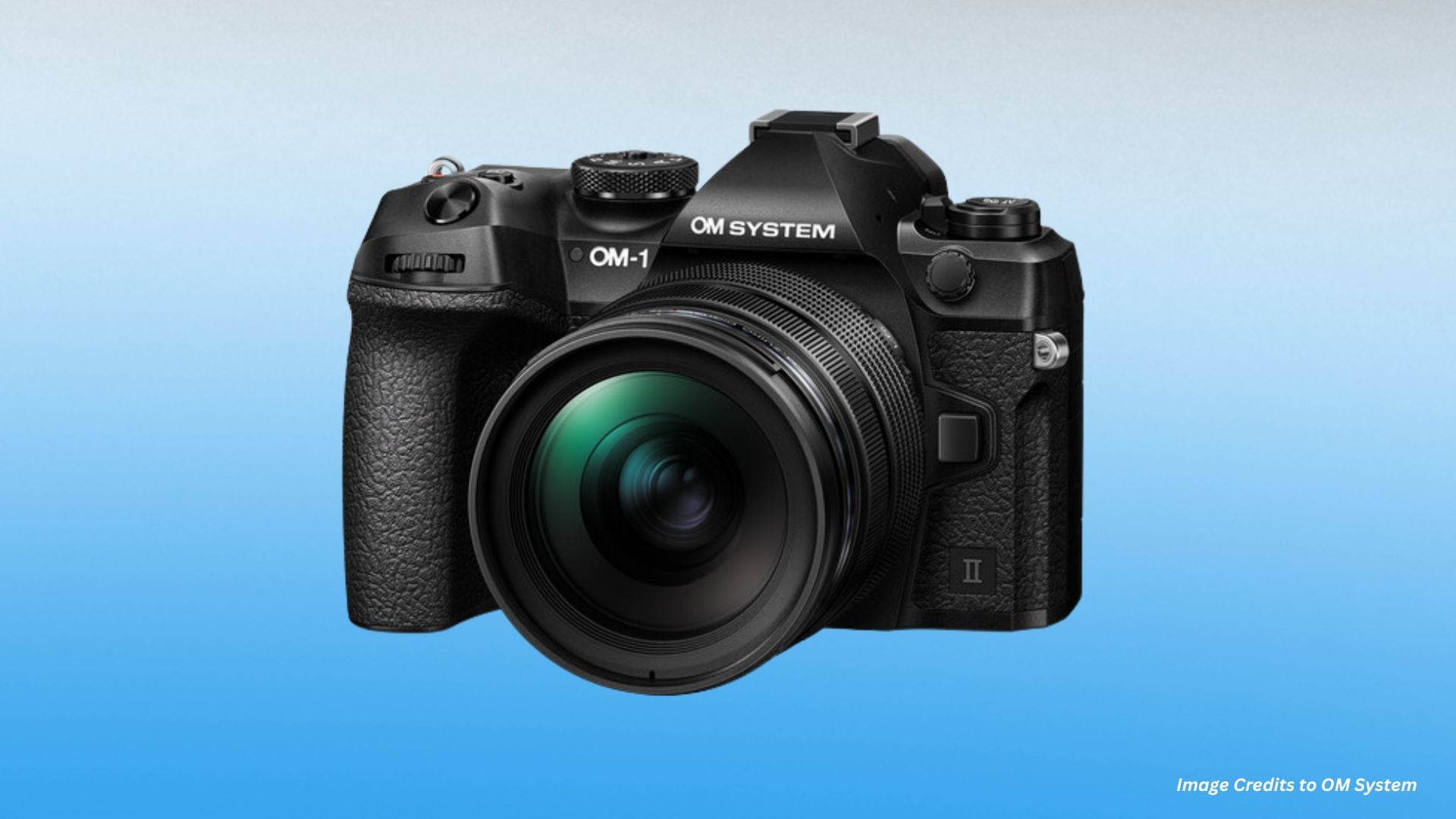
The OM System OM-1 Mark II really stands out as the best camera for macro photography for most people. This camera brings together excellent image quality with features that make macro shooting way easier than it used to be.
Specifications:
- Sensor: 20.4MP Micro Four Thirds Live MOS
- Processor: TruePic X
- ISO Range: 64-25,600 (expandable to 102,400)
- Autofocus: 1053-point Cross-type Phase Detection AF
- Burst Rate: Up to 120fps (electronic shutter)
- Image Stabilization: 5-axis, up to 8 stops
- Video: 4K at 60p, C4K at 24p
- Screen: 3.2-inch tilting touchscreen, 1,620k dots
- Weather Sealing: IP53 rated
- Battery Life: Approximately 520 shots
The Micro Four Thirds sensor gives you twice the depth of field you’d get with full-frame cameras at the same focal lengths. This extra breathing room means more of your tiny subjects stay sharp, which takes a lot of pressure off getting your focus absolutely perfect.
What really sets this camera apart is the built-in focus stacking. The OM-1 Mark II can automatically grab multiple shots with slightly different focus points and combine them right in the camera. This usually gives you better results than trying to nail everything in a single shot.
The weather sealing (IP53 rating) means you can shoot outside without worrying about light rain or dusty conditions. The 5-axis image stabilization works great with macro lenses, which typically need really steady hands to get sharp results.
Nikon Z5: Full-Frame Quality That Won’t Break the Bank
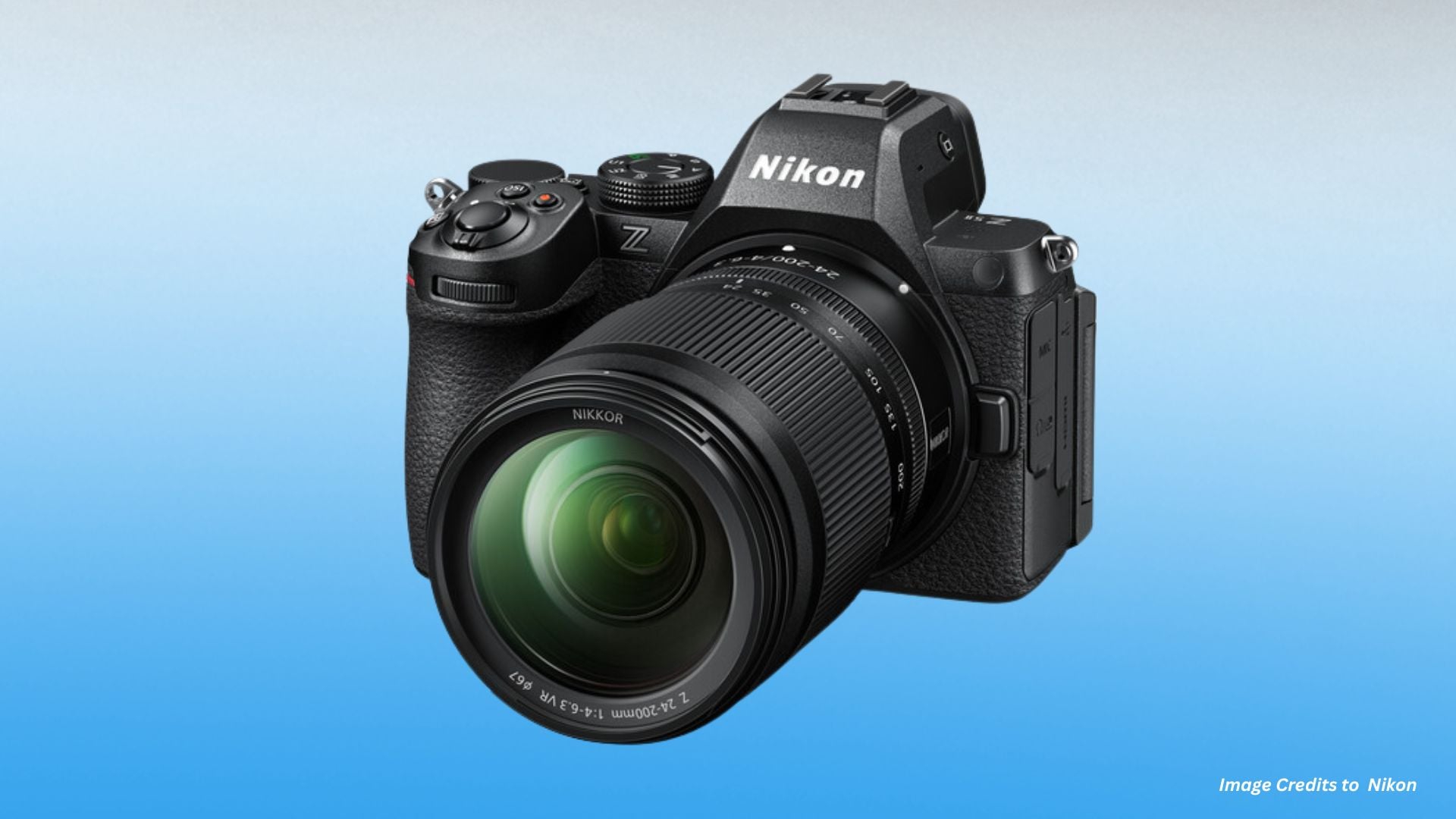
The Nikon Z5 brings serious full-frame image quality to macro photography without the crazy price tag. This camera delivers excellent dynamic range and low-light performance that can make your macro subjects really pop.
Specifications:
- Sensor: 24.3MP Full-frame CMOS
- Processor: EXPEED 6
- ISO Range: 100-51,200 (expandable to 102,400)
- Autofocus: 273-point Hybrid AF
- Burst Rate: Up to 4.5fps
- Image Stabilization: 5-axis in-body
- Video: 4K UHD at 30p, Full HD at 60p
- Screen: 3.2-inch tilting touchscreen, 1,040k dots
- Weather Sealing: Magnesium alloy body with weather sealing
- Battery Life: Approximately 390 shots
What makes the Z5 particularly good for macro work is the growing collection of Z-mount macro lenses. The Nikon Z MC 105mm f/2.8 VR S macro lens pairs beautifully with this camera, giving you true 1:1 magnification with excellent sharpness.
The Z5’s image stabilization works really well with macro lenses, helping you get sharp handheld shots. The tilting LCD screen makes composing much easier when you need to get your camera into awkward spots for the best angle.
Sure, the Z5 only shoots 4.5 frames per second in burst mode, but that rarely matters for macro work where careful composition and timing beat rapid-fire shooting every time.
Fujifilm X-T5: The APS-C Sweet Spot
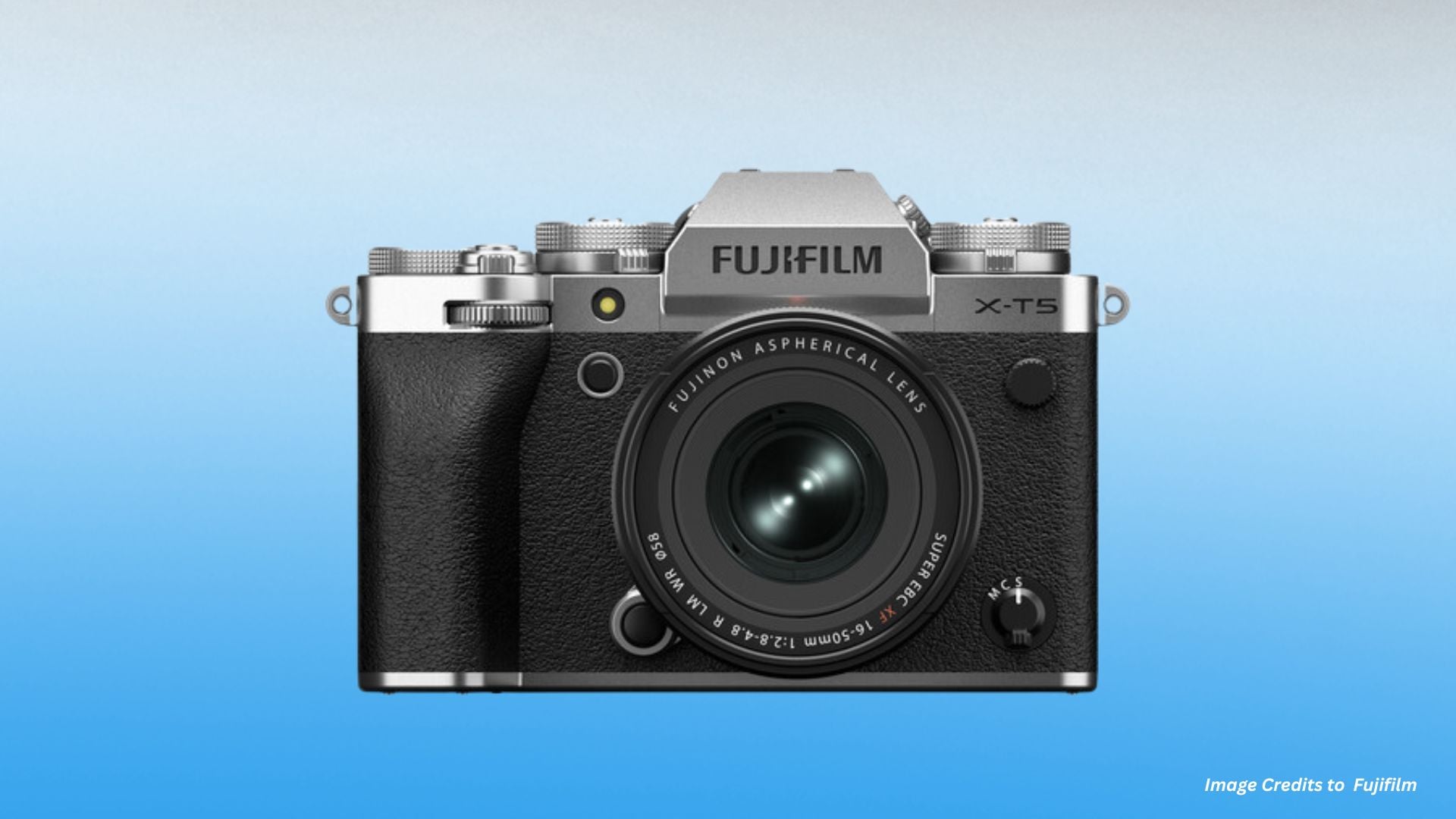
The Fujifilm X-T5 packs impressive resolution into an APS-C sensor, giving you a nice balance between the depth of field benefits of smaller sensors and the image quality of larger ones. This best camera for macro photography in the APS-C category delivers incredible detail and color reproduction.
Specifications:
- Sensor: 40.2MP APS-C X-Trans CMOS 5 HR
- Processor: X-Processor 5
- ISO Range: 125-12,800 (expandable to 64-51,200)
- Autofocus: 425-point Phase Detection AF
- Burst Rate: Up to 15fps (mechanical), 20fps (electronic)
- Image Stabilization: 5-axis in-body, up to 7 stops
- Video: 6.2K at 30p, 4K at 60p
- Screen: 3-inch vari-angle touchscreen, 1,840k dots
- Weather Sealing: Weather-resistant construction
- Battery Life: Approximately 740 shots
The X-T5’s 6.5 stops of in-body stabilization work particularly well with macro lenses, where even tiny movements can throw your subject out of focus. The fast and accurate autofocus system does a good job tracking moving subjects like insects or flowers swaying in the breeze.
Fujifilm’s X-mount system includes some excellent macro options like the XF 80mm f/2.8 R LM OIS WR Macro, which gives you 1:1 magnification and weather resistance. The physical control dials on the X-T5 make it easy to adjust settings quickly while you’re concentrating on getting the perfect shot.
Sony A7 III: Professional Results at a Better Price
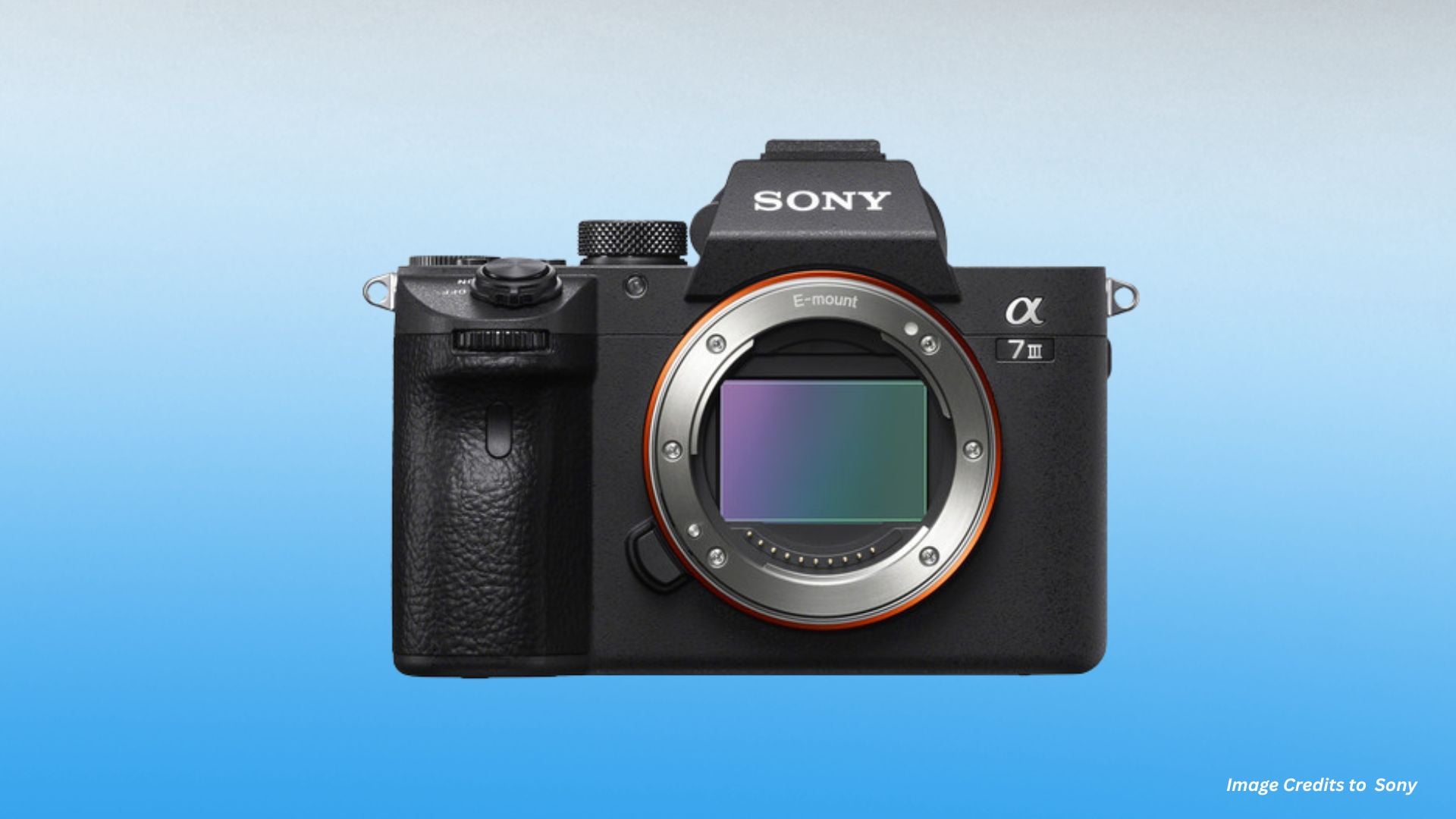
Even though it’s from the previous generation, the Sony A7 III remains one of the most capable cameras for serious macro photography. The full-frame sensor delivers excellent image quality, while the sophisticated autofocus system tracks subjects with impressive accuracy.
Specifications:
- Sensor: 24.2MP Full-frame Exmor R CMOS
- Processor: BIONZ X
- ISO Range: 100-51,200 (expandable to 50-204,800)
- Autofocus: 693-point Phase Detection AF
- Burst Rate: Up to 10fps
- Image Stabilization: 5-axis in-body
- Video: 4K at 30p, Full HD at 120p
- Screen: 3-inch tilting touchscreen, 921k dots
- Weather Sealing: Magnesium alloy body with moisture resistance
- Battery Life: Approximately 610 shots
Sony’s FE lens mount offers tons of macro options, including excellent third-party choices like the Sigma 105mm f/2.8 DG DN Macro Art. The A7 III’s 5-axis stabilization system works well with these lenses for handheld macro shooting.
The tilting LCD screen isn’t as flexible as a fully articulating one, but it still helps with low-angle shots. High ISO performance is excellent, letting you use faster shutter speeds in dim lighting where many macro subjects hang out.
Specialized Cameras Worth Considering
Sometimes you need something a bit different for specific macro situations. These specialized options fill gaps that regular cameras can’t handle.
OM System Tough TG-7: Underwater Macro Master

For underwater macro photography, the OM System Tough TG-7 offers capabilities no other camera on this list can touch. This waterproof compact can focus as close as 10mm from the front of the lens, letting you capture extreme close-ups of marine life that would be impossible otherwise.
Specifications:
- Sensor: 12MP 1/2.3-inch BSI CMOS
- Processor: TruePic VIII
- ISO Range: 100-12,800
- Lens: 25-100mm equivalent f/2.0-4.9
- Macro Focus: 10mm minimum distance
- Video: 4K at 30p, Full HD at 120p
- Screen: 3-inch fixed LCD, 1,040k dots
- Waterproof: 15m depth rating
- Shockproof: 2.1m drop resistance
- Battery Life: Approximately 380 shots
The TG-7’s built-in macro modes handle settings automatically, making it easy to get detailed shots without needing to understand all the technical stuff. While the small 1/2.3-inch sensor doesn’t match larger cameras for image quality, the unique underwater abilities make this camera invaluable for specific situations.
Multiple macro lighting modes help illuminate subjects in challenging underwater conditions. The rugged build means this camera can handle environments that would destroy other equipment.
Samsung Galaxy S25 Ultra: Always Ready in Your Pocket
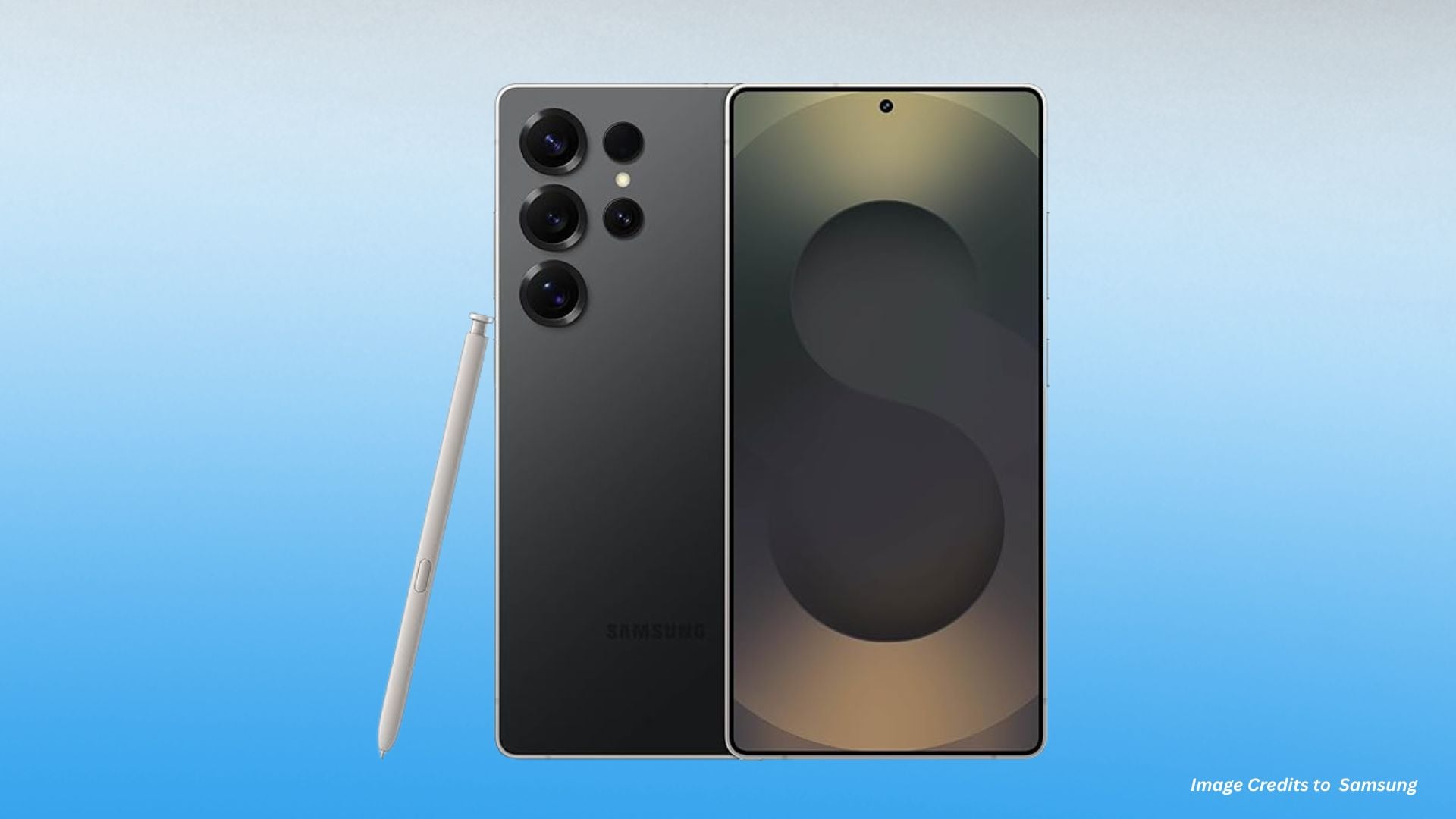
Smartphone macro photography has gotten surprisingly good, and the Samsung Galaxy S25 Ultra represents the current top tier. While it won’t match dedicated cameras for ultimate image quality, having capable macro features in your pocket means never missing unexpected opportunities.
Specifications:
- Main Camera: 200MP f/1.7
- Ultra-wide: 12MP f/2.2 (macro capable)
- Telephoto: 10MP f/2.4 (3x zoom)
- Periscope: 50MP f/3.4 (5x zoom)
- Screen: 6.8-inch Dynamic AMOLED 2X, 3200×1440
- Processor: Snapdragon 8 Gen 3
- Storage: 256GB/512GB/1TB options
- Video: 8K at 30fps, 4K at 60fps
- Battery: 5,000mAh
The S25 Ultra automatically switches to macro mode when you move close to subjects, using its ultra-wide camera to capture detailed close-ups. The large, high-quality display makes composing and reviewing shots easy, while built-in editing tools help you optimize images right after capture.
For casual macro photography or times when carrying a larger camera isn’t practical, modern flagship smartphones give surprisingly good results.
Key Features That Make Macro Photography Easier
When you’re evaluating any best camera for macro photography, certain features prove particularly valuable for getting consistently good results.
Stabilization Systems
Image stabilization helps compensate for the magnified camera shake that becomes a real problem with macro lenses. The better your stabilization system works, the better your chances of getting sharp handheld shots. This is especially important since macro lenses magnify every tiny movement.
Focus Stacking Capabilities
Focus stacking, whether built into your camera or done through software later, dramatically improves depth of field in macro images. This technique combines multiple shots focused at different distances to create a final image with front-to-back sharpness. According to Harvard’s photography department, this technique can extend your effective depth of field by several times.
Build Quality and Weather Protection
Weather sealing protects your investment when shooting outdoors, where many of the best macro subjects live. Morning dew, light rain, or dusty conditions won’t stop you from capturing great images if your camera can handle the elements.
Screen Flexibility
A tilting or fully articulating LCD screen makes macro photography much more comfortable. Many of the best macro compositions require getting your camera into awkward positions, and being able to see your composition clearly without contorting yourself improves both comfort and results.
Understanding Sensor Sizes for Macro Work
The sensor size in your best camera for macro photography affects your results in ways that might surprise you. Let’s break down how different sensor sizes impact your macro shooting.
Micro Four Thirds Advantages
Micro Four Thirds sensors naturally provide greater depth of field at equivalent focal lengths compared to larger sensors. This extra depth of field helps ensure more of your tiny subjects stay in sharp focus, reducing the precision required for critical manual focusing. The smaller sensor also means lighter, more affordable lenses.
Full-Frame Benefits and Challenges
Full-frame sensors offer superior image quality, better low-light performance, and shallower depth of field for better subject isolation. However, the shallower depth of field can make precise focusing more challenging, especially when shooting handheld.
APS-C as the Middle Ground
APS-C sensors split the difference between Micro Four Thirds and full-frame, offering good image quality with more manageable depth of field than full-frame cameras. This makes them a popular choice for photographers who want quality without the extreme precision requirements of full-frame macro work.
Lens Ecosystem Considerations
Your camera choice needs to consider the available macro lenses. The best camera for macro photography means nothing without access to quality glass in your chosen mount.
Research the macro lens options for any camera system before making your final decision. Some systems have extensive macro lens lineups, while others might leave you with limited choices or force you to rely on adapters.
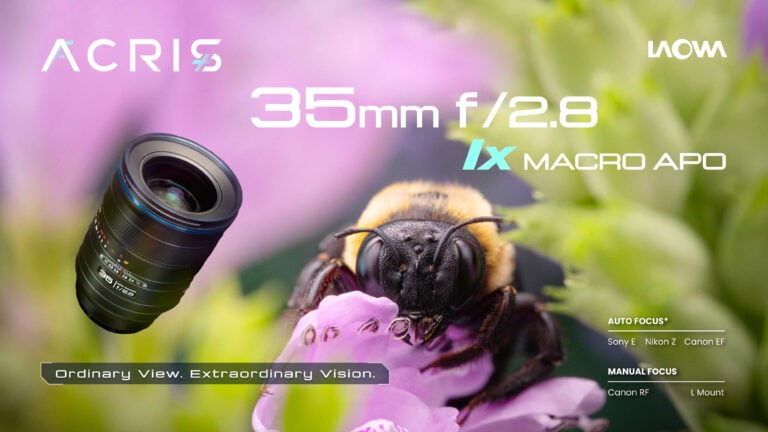
Third-party lens manufacturers like Sigma, Tamron, and others often fill gaps in manufacturer lineups, so don’t forget to consider these options when evaluating a camera system. Laowa’s probe lenses deserve special attention for macro work, as they offer unique perspectives specifically designed for extreme close-up photography and video. Keep in mind that your lens selection will ultimately have a bigger impact on your macro results than the camera body itself.
Getting Started with Your New Macro Camera
The best camera for macro photography depends on your specific needs, budget, and shooting style. Micro Four Thirds cameras like the OM System OM-1 Mark II offer the most practical advantages for macro work, with greater depth of field and lighter, more affordable lenses.
Full-frame options like the Nikon Z5 or Sony A7 III provide superior image quality and low-light performance but require more careful technique due to shallower depth of field. APS-C cameras like the Fujifilm X-T5 offer a middle ground with good image quality and more manageable depth of field than full-frame.
Consider your budget not just for the camera body, but for the complete system including lenses, lighting equipment, and accessories. A less expensive camera body with money left over for quality lenses often produces better results than spending everything on the camera alone.
See more from DIYPhotography.net on Google
Add DIYPhotography.net as a trusted source. This makes
our stories more likely to appear in your Google Search results.
 Add as a preferred source on Google

Darlene Lleno
Darlene Lleno brings a unique perspective to DIY Photography as someone who grew up surrounded by camera gear but chose words over lenses. With five years of writing experience, she specializes in photography content that’s both technically informed and genuinely passionate. Growing up with a photographer twin brother meant camera talk was everyday conversation in her household. While he mastered capturing moments, Darlene discovered she preferred being the subject and the storyteller behind the scenes. As a travel enthusiast and mother of two, she understands the importance of preserving life’s precious moments. When not exploring new destinations or writing for DIY Photography, you’ll find her reading or tending to her garden. Her approach to photography writing is refreshingly authentic, she may not be behind the camera, but she knows exactly what it takes to help others capture the shots that matter most.


Join the Discussion
DIYP Comment Policy
Be nice, be on-topic, no personal information or flames.
2 responses to “Best Camera for Macro Photography: Complete Guide to Capturing Stunning Close-Up Images”
You have no idea what you’re talking about concerning depth of field. You need to consider depth of detail which includes diffraction at the displayed image size. This will be a function of the magnification, and format size, not the lens focalength.
The Kodak Data Book “Photomacrography” has some good information on this.
Mr Tryer is in the mark.
Also, SHORT lenses, like 80mm you mention from FujiFilm are too short for real close work as they don’t allow enough distance from your subject. You’ll get on your own light, also, insects dint like you in their space.
A 55-200 or 300 with extension tubes is far superior and as sharp. I’ve been wiring this way for 50 years.
Went so you think the Nikon 200 and Canon 180 macros were the standards in the film days?
Series close up shorts use LONG lenses.
Also, why isn’t sharpness and COLOR the first two “must-haves” ?
Nothing matters without sharpness & color accuracy.