











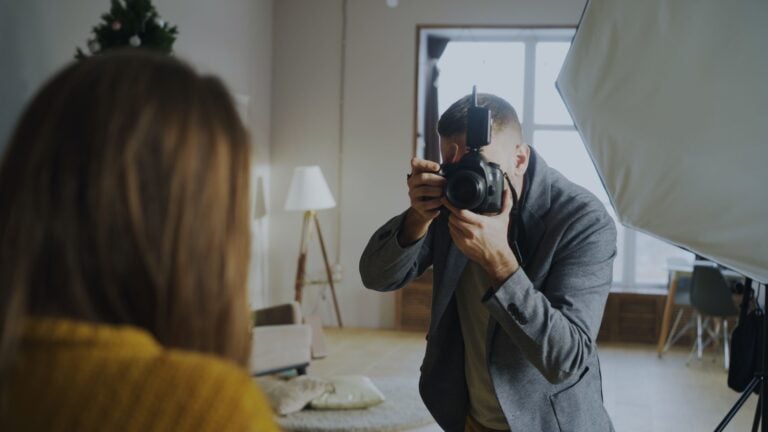




How to Develop Your Photography Skills
Oct 3, 2025
Darlene Lleno
Darlene Lleno brings a unique perspective to DIY Photography as someone who grew up surrounded by camera gear but chose words over lenses. With five years of writing experience, she specializes in photography content that’s both technically informed and genuinely passionate. Growing up with a photographer twin brother meant camera talk was everyday conversation in her household. While he mastered capturing moments, Darlene discovered she preferred being the subject and the storyteller behind the scenes. As a travel enthusiast and mother of two, she understands the importance of preserving life’s precious moments. When not exploring new destinations or writing for DIY Photography, you’ll find her reading or tending to her garden. Her approach to photography writing is refreshingly authentic, she may not be behind the camera, but she knows exactly what it takes to help others capture the shots that matter most.
Share:

Photography skills take time to develop. You need consistent practice and proper techniques. Many photographers get stuck after learning basic camera settings. Real growth happens when you move past auto mode.
Good photographers never stop learning. Each photo session teaches you something new. You face different lighting and subjects every time. This keeps pushing your skills forward.
Read more: How to Develop Your Photography SkillsBuilding Strong Photography Skills Through Daily Practice
Daily practice builds your photography foundation. You don’t need fancy gear or perfect conditions. Simple exercises work just fine.
Pro photographers shoot regularly, even during busy weeks. They know consistency beats occasional long sessions. Your camera skills stay sharp through regular use.
Create a Personal Photo Challenge System
Set up personal challenges to push your limits. Focus on specific skills instead of taking random photos. This approach works better than vague daily shooting goals.
Try using one lens for a whole month. This forces you to think differently about composition. Street photographers often stick to 35mm or 50mm lenses to master perspective.
Shoot in manual mode for several weeks. This makes you understand exposure without relying on auto settings. You’ll learn how aperture, shutter speed, and ISO work together.
Master One Camera Setting at a Time
Don’t try to learn everything at once. Pick one area and focus on it completely. This method speeds up your learning process.
Start with aperture control. Spend weeks in aperture priority mode. Watch how different f-stops change your background blur. This builds solid knowledge you can use anywhere.
Move to shutter speed next. Practice freezing motion and creating blur effects. Sports photographers spend months perfecting their timing for action shots.

Technical Photography Skills That Separate Beginners from Professionals
Technical skills make the difference between amateur and pro work. These areas need serious study and lots of practice.
Understanding exposure goes way beyond basic settings. Pros know how to read light in complex situations. They use advanced metering and lighting ratios.
Color theory matters more than most people think. Many photographers skip this area. This leads to inconsistent colors across different shooting conditions.
Advanced Light Reading and Metering
Pro metering goes beyond your camera’s built-in meter. Incident light meters give better readings for tricky lighting. This helps especially in portrait photography and studio work.
Spot metering lets you expose for specific areas. Wedding photographers use this to properly expose white dresses. They balance bright and dark areas in the same shot.
Zone system helps you see tonal relationships before shooting. Film photographers developed this technique. Digital photographers still find it valuable for high-contrast scenes.
Color Management and White Balance Control
Accurate colors need proper white balance control. Don’t rely only on preset options. Custom white balance gives consistent results across different light sources.
Mixed lighting creates challenges. Office spaces often combine fluorescent lights with window daylight. Corporate photographers must balance these carefully.
Color temperature measurement uses kelvin values. This gives precise mood control. Landscape photographers use specific temperatures to emphasize golden hour warmth or blue hour coolness.
Developing Creative Vision and Artistic Photography Skills
Creative skills separate camera operators from true artists. This area needs personal vision development along with studying established principles.
Composition theory provides structure for your creativity. Learn rules like thirds, leading lines, and visual weight first. Then you can break them effectively later.
Personal style takes years to develop. It happens through extensive shooting and honest self-evaluation. Professional photographers work hard to create signature approaches.
Study Master Photographers’ Techniques
Analyze work by established photographers. This speeds up your artistic growth. Study how Ansel Adams used tonal relationships. Look at Henri Cartier-Bresson’s decisive moment captures.
Don’t just admire the final images. Research their techniques and equipment choices. Learn about their thought processes. Many photographers share detailed breakdowns of successful work.
Books by master photographers offer deeper insights than online tutorials. These often include contact sheets and rejected images. This reveals their selection criteria.
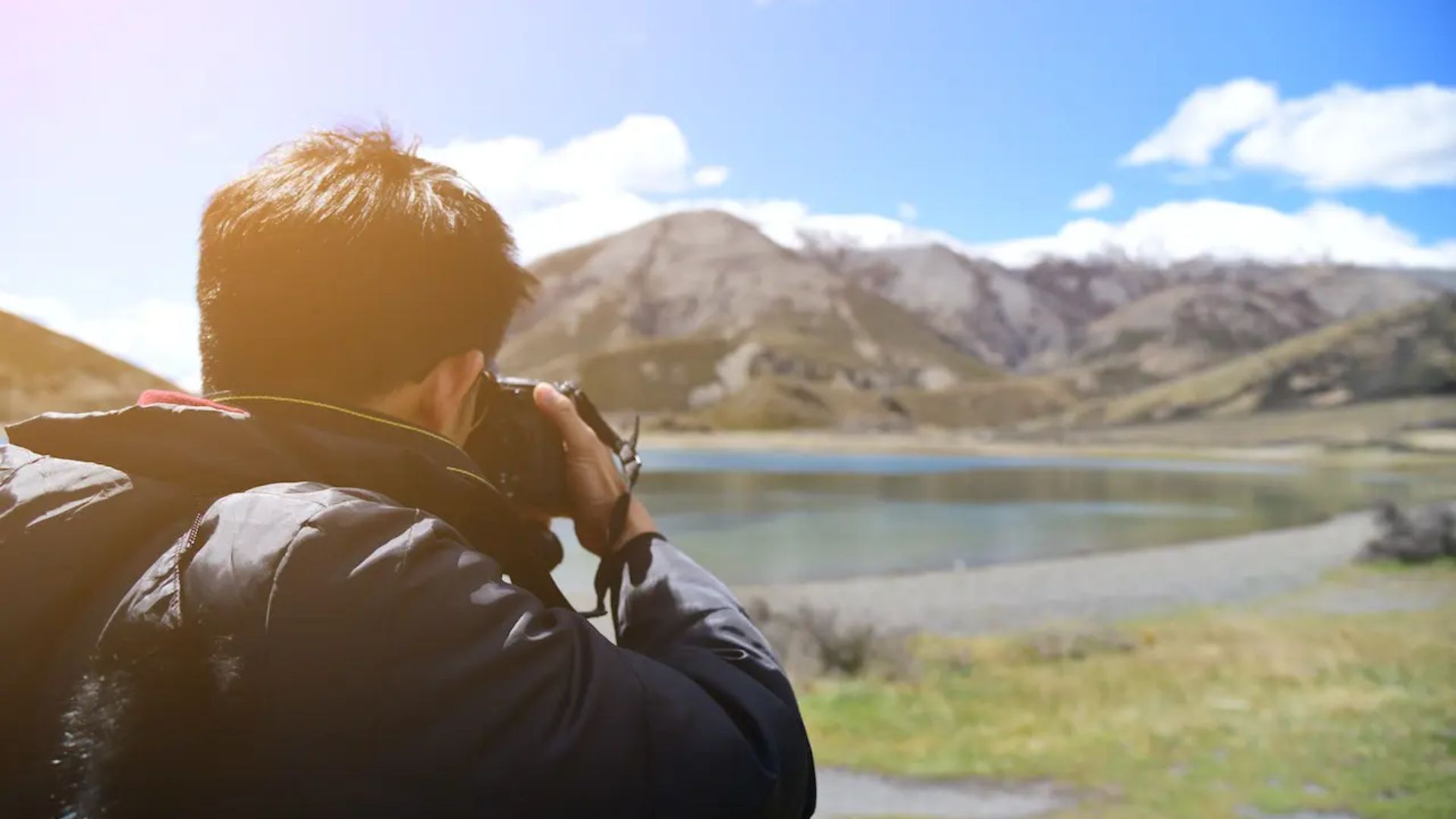
Experiment with Different Photography Genres
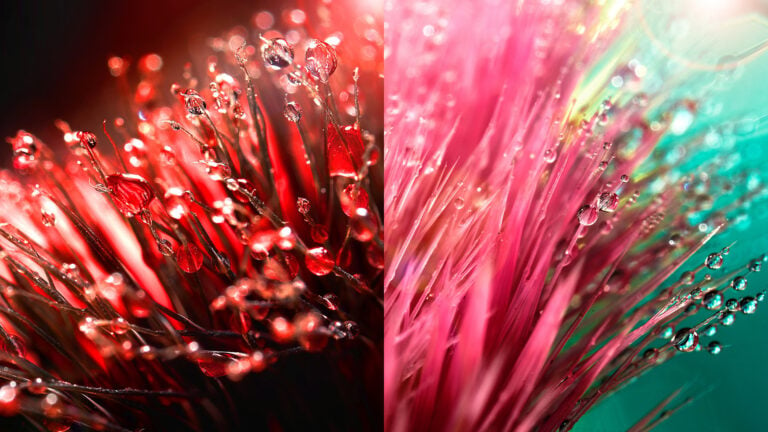
Try different types of photography. This broadens your skills and creative perspective. Macro photography teaches precision and patience. It shows you extreme close-up techniques.
Sports photography builds reaction timing. It improves your camera handling speed. Even portrait photographers benefit from occasional sports shooting.
Street photography develops your observation skills. It teaches discrete shooting techniques. You learn to work quickly with available light while staying unnoticed.
Professional Photography Skills for Career Development
Career success needs business skills alongside technical abilities. Many talented photographers struggle because they lack business foundations.
Client communication often matters more than technical skill. You must explain your creative vision clearly. Managing client expectations throughout projects is critical.
Workflow efficiency directly impacts your profits. Streamlined processes let you handle more clients. You maintain quality while increasing volume.
Business Development and Client Relations
Professional photography involves lots of client interaction. Initial consultations and contract negotiations need strong communication. Project management skills are equally important.
Portfolio development influences how many clients you get. Professional photographers spend considerable time curating their work. They select only their strongest images while showing range.
Pricing strategies should reflect business costs and profit margins. Don’t base prices only on competitor comparisons. The Professional Photographers of America emphasizes understanding your true business costs.
Technical Workflow and Efficiency
Post-processing workflows impact your business success significantly. Efficient editing processes let you deliver work quickly. You maintain quality standards while meeting deadlines.
File management becomes critical as your image library grows. Professional photographers use structured folder systems. They implement keyword strategies and backup procedures to protect their work.
Equipment maintenance prevents business disruption. Professional photographers keep multiple camera bodies ready. They maintain backup systems for important shoots.
Advanced Photography Skills Techniques and Equipment Mastery
Advanced skills push beyond basic equipment capabilities. Professional photographers extract maximum performance from their gear while understanding its limitations.
Manual focus remains important despite advanced autofocus systems. Wildlife photographers often use manual focus for distant subjects. Low-contrast situations also require manual focusing skills.
Flash photography separates pros from amateurs in many situations. Understanding flash power ratios and bounce techniques enables consistent results. Multiple flash setups handle challenging lighting conditions.
Specialized Lighting Techniques
Studio lighting requires understanding light quality, direction, and intensity. Professional portrait photographers manipulate these variables. They create specific moods and flattering subject appearance.
Natural light modification extends your shooting possibilities. Reflectors, diffusers, and scrims help beyond available light. Fashion photographers routinely modify harsh sunlight for soft, flattering illumination.
High-speed sync techniques freeze motion beyond normal shutter speeds. This works great in bright conditions. Sports photographers use these techniques for stop-action shots.
Advanced Camera Operation
Custom function programming optimizes your camera for specific shooting styles. Professional photographers configure quick access to frequently used settings. This minimizes menu navigation during shoots.
Back-button focus improves focusing accuracy and speed. This technique separates focus activation from shutter release. You get better control over focus timing and area selection.
Multiple exposure and focus stacking extend creative possibilities. Landscape photographers use focus stacking for front-to-back sharpness. Single exposures can’t achieve this level of detail.

Building Photography Skills Through Community and Education
Photography communities provide valuable learning through shared experiences. Online forums, local camera clubs, and meetups offer different learning approaches. Each provides unique benefits for skill development.
Formal education through workshops accelerates learning. Professional instructors provide systematic skill building. They offer immediate feedback on your work.
The American Society of Media Photographers offers specialized education for commercial photographers. They focus on business practices and licensing knowledge for professional success.
Structured Learning Programs
Photography workshops provide intensive learning with practical application. Workshop environments allow experimentation without client pressure. You can make mistakes and learn from them safely.
University photography programs offer comprehensive education. This includes art history, critical analysis, and technical mastery. These programs give time for artistic development while building technical foundations.
Online learning platforms offer flexibility for working photographers. However, online learning requires strong self-discipline. You miss immediate feedback available in person-to-person instruction.
Peer Learning and Feedback Systems
Photography groups provide regular feedback through image critiques. Group projects offer shared learning experiences. Constructive criticism from experienced photographers accelerates improvement.
Photo walks and group shooting sessions offer learning through observation. Watching experienced photographers work provides insights into decision-making. You see their technical approaches in real situations.
Social media photography communities can provide feedback. However, quality varies significantly across platforms. Professional photographers benefit more from smaller, focused groups with experienced members.
Start Building Your Photography Skills Today
Photography skills develop through consistent practice and focused learning. Start with basic technical mastery before moving to creative challenges. Professional applications come later in your journey.
Set specific learning goals instead of vague improvement intentions. Focus on measurable skills like manual exposure control. Target specific lighting techniques rather than general “better photography” objectives.
Track your progress through regular portfolio reviews. Monthly assessments of your work reveal improvement patterns. They identify areas needing additional attention. Professional photographers maintain this practice throughout their careers.
See more from DIYPhotography.net on Google
Add DIYPhotography.net as a trusted source. This makes
our stories more likely to appear in your Google Search results.
 Add as a preferred source on Google

Darlene Lleno
Darlene Lleno brings a unique perspective to DIY Photography as someone who grew up surrounded by camera gear but chose words over lenses. With five years of writing experience, she specializes in photography content that’s both technically informed and genuinely passionate. Growing up with a photographer twin brother meant camera talk was everyday conversation in her household. While he mastered capturing moments, Darlene discovered she preferred being the subject and the storyteller behind the scenes. As a travel enthusiast and mother of two, she understands the importance of preserving life’s precious moments. When not exploring new destinations or writing for DIY Photography, you’ll find her reading or tending to her garden. Her approach to photography writing is refreshingly authentic, she may not be behind the camera, but she knows exactly what it takes to help others capture the shots that matter most.


Join the Discussion
DIYP Comment Policy
Be nice, be on-topic, no personal information or flames.