



















The Complete Guide to Finding the Best Camera for Product Photography
Sep 23, 2025
Darlene Lleno
Darlene Lleno brings a unique perspective to DIY Photography as someone who grew up surrounded by camera gear but chose words over lenses. With five years of writing experience, she specializes in photography content that’s both technically informed and genuinely passionate. Growing up with a photographer twin brother meant camera talk was everyday conversation in her household. While he mastered capturing moments, Darlene discovered she preferred being the subject and the storyteller behind the scenes. As a travel enthusiast and mother of two, she understands the importance of preserving life’s precious moments. When not exploring new destinations or writing for DIY Photography, you’ll find her reading or tending to her garden. Her approach to photography writing is refreshingly authentic, she may not be behind the camera, but she knows exactly what it takes to help others capture the shots that matter most.
Share:
Finding the best camera for product photography can make the difference between images that sell and photos that get scrolled past. I can tell you that many people overlook this.
Product photography has unique demands that separate it from other types of photography. You need sharp details, accurate colors, and consistent results across hundreds of shots. But here’s what most photographers don’t realize: the features that matter most for product work aren’t the ones camera companies love to brag about.
Most people focus on the wrong specs when shopping for cameras. They get caught up in megapixel counts and fancy video features that won’t help them sell more products. The real game changers are often the subtle features that manufacturers barely mention in their marketing materials.
Read more: The Complete Guide to Finding the Best Camera for Product PhotographyWhy Your Camera Choice Makes or Breaks Product Photos
Your camera affects every single aspect of your product photography workflow. I’ve seen photographers struggle for months with the wrong camera, then switch to something more suitable and immediately see better results.
The camera you choose determines what’s possible and what becomes a frustrating limitation. It’s not just about image quality either. Your camera affects how fast you can work, how consistent your results are, and even how much editing time you’ll spend later.
The Hidden Impact of Sensor Size on Product Details
Sensor size affects way more than just image quality. Larger sensors give you better control over depth of field, which becomes super important when you need to isolate products from backgrounds. Full frame sensors provide the most flexibility, but APS-C sensors can deliver excellent results at much lower costs.
The Sony A6700 proves this point perfectly. Its APS-C sensor delivers professional quality images while keeping the camera compact and affordable. The 26MP resolution gives you enough detail for most commercial work without creating massive file sizes that slow down your workflow.
Micro Four Thirds sensors work well for smaller products where you don’t need extreme close-up work. The Olympus OM-D E-M10 Mark IV offers excellent value here, with in-body stabilization that really helps with handheld macro work.

How Modern Autofocus Systems Handle Still Objects
You might think autofocus doesn’t matter much for product photography since your subjects don’t move. That’s a mistake I see beginners make all the time. Modern autofocus systems actually help product photographers in ways you wouldn’t expect.
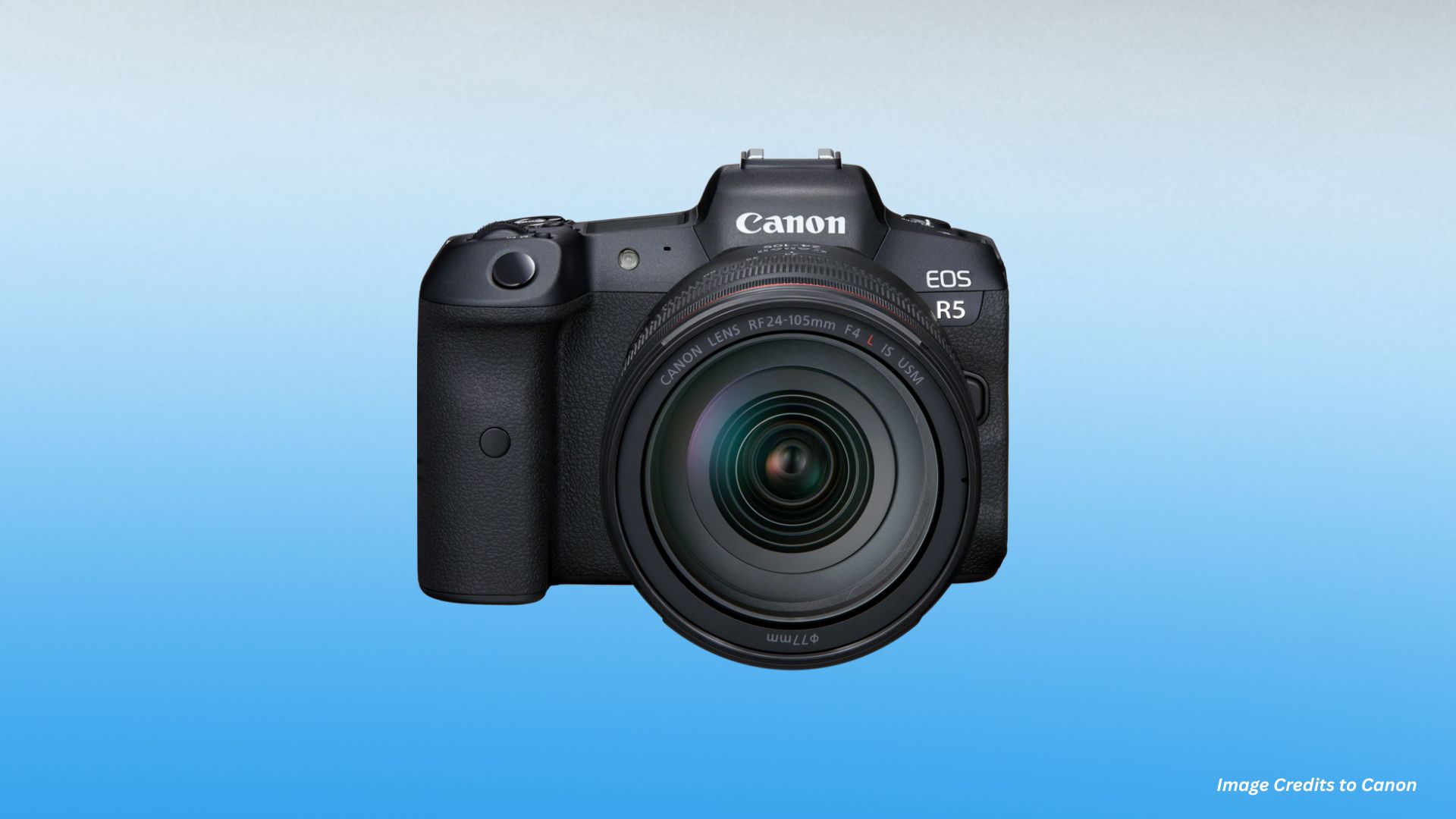
Advanced autofocus with focus peaking makes precise focusing faster and more reliable. The Canon EOS R5 Mark II has subject detection that recognizes products and automatically picks the most important focus point. This speeds up shooting sessions and reduces the chance of missing focus on critical product details.
Eye detection autofocus works surprisingly well with products that have reflective surfaces or circular elements. The system locks onto these features and keeps sharp focus even when you make small composition adjustments.
Best Camera for Product Photography by Budget Range
Your budget determines your options, but smart shopping can get you professional results without spending a fortune. There are cameras at different price points and there are solid choices in each category.
The key is understanding which features matter most for your specific product photography needs. You don’t always need the most expensive camera to get great results.
Under $1000: Entry Level Champions
1. The Canon EOS R50 leads this category with its RF mount system and 24MP APS-C sensor. The camera’s guided menu system helps beginners learn professional camera settings while delivering excellent image quality. Its compact size makes it perfect for smaller studio setups.
2. Sony’s A6400 offers another excellent entry point. The 24MP sensor and fast autofocus system handle most product photography tasks without any issues. The tilting LCD screen helps with overhead shots and awkward angles that product photography often requires.
For those wanting DSLR reliability, the Canon Rebel SL3 provides tried and true 3. performance. The optical viewfinder shows exactly what the lens sees, which some photographers prefer for precise composition work. The extensive EF lens ecosystem means plenty of affordable macro options.
$1000 to $2500: Professional Territory
This price range opens up full frame options that deliver noticeably better image quality. The Sony A7 IV stands out with its 33MP sensor and excellent dynamic range. The camera handles challenging lighting situations with ease and produces files with plenty of editing flexibility.
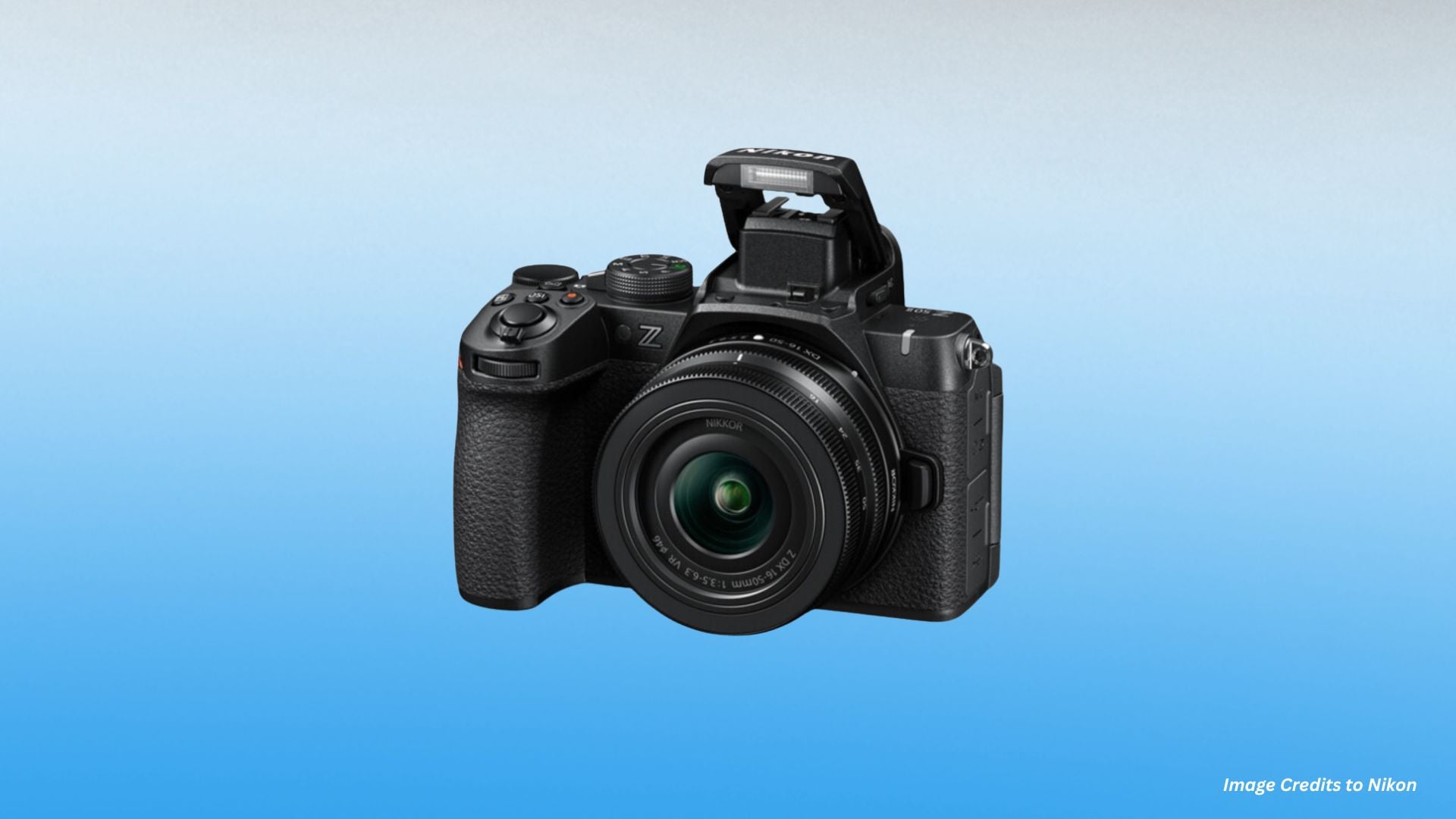
4. The Nikon Z5 offers exceptional value in full frame territory. While it lacks some advanced features of pricier cameras, it delivers excellent image quality and works with Nikon’s growing collection of Z-mount lenses. The in-body stabilization helps with handheld macro work.
5. Fujifilm’s X-S20 brings unique film simulation modes that can give products a distinctive look straight out of camera. The Product Priority mode optimizes settings specifically for product photography, making it an excellent choice for beginners who want professional results.
Essential Camera Features That Actually Matter
Marketing materials focus on features that sound impressive but don’t always translate to better outdoor photos. Understanding which specifications actually improve your results is often different from what the spec sheets emphasize.
Understanding what really matters helps you make smarter purchasing decisions instead of getting distracted by flashy specs that won’t help your work.
Megapixel Count vs Real World Performance
More megapixels don’t automatically mean better photos. For web based e-commerce, 24MP provides more than enough resolution for detailed product shots. The Sony A7R IVA’s 61MP sensor only makes sense if you regularly print large images or need extreme cropping flexibility, but it produces larger file sizes, requires more demanding workflow, and more storage.
Image stabilization proves more valuable than extra megapixels for most product photographers. In-body stabilization lets you use slower shutter speeds with handheld shooting, which expands your lighting options and reduces the need for tripods in some situations.
Color accuracy matters more than resolution for product photography. Cameras with accurate color reproduction require less color correction in post processing, which speeds up workflow and maintains product authenticity.
Product Photography Camera Lens Mount
The lens ecosystem available for your camera affects long term value more than the camera body itself. Canon’s RF mount system keeps expanding with excellent macro options, while Sony’s E-mount offers the widest selection of third party lenses.
Native macro lenses produce the best results, but lens mount adapters can expand your options. The Canon EF to RF adapter works perfectly and opens up decades of Canon glass. Sony’s lens adapters perform similarly well with Canon and other manufacturers’ lenses.
Think about future lens purchases when choosing a camera system. A less expensive camera body with access to excellent macro lenses often produces better results than an expensive body with limited lens options.
Top Camera Recommendations Based on Product Types
Different products have unique photography requirements that influence camera choice. Matching your camera to your primary product types makes a huge difference in your results.
The best approach is understanding what your specific products demand, then choosing a camera that excels in those areas.
Small Items and Jewelry Photography
Jewelry and small products demand exceptional detail and accurate color reproduction. The best camera for product photography in this category needs excellent macro capabilities and precise color rendering.
Here are the top choices for small product work:
- Canon EOS R5 Mark II: Excels with small products thanks to its 45MP sensor and exceptional macro photography capabilities. The camera’s ability to upscale images to 180MP in-camera provides incredible detail for close-up work. This feature requires a tripod and static subjects since it’s not a native sensor specification.
- Fujifilm GFX 100S II: Offers the ultimate in detail and color accuracy. The 102MP sensor captures texture and color with stunning fidelity, while the camera’s excellent ergonomics make extended shooting sessions comfortable.
- Sony A7R V: Provides an excellent middle ground with 61MP resolution and advanced autofocus. The camera’s pixel-shift mode creates ultra-high-resolution images perfect for jewelry catalogs and detailed product documentation.
Large Products and Lifestyle Shots
Furniture, appliances, and lifestyle product photography require different camera characteristics. Wide angle capabilities, good high ISO performance, and versatile lighting compatibility become more important than extreme close-up capabilities.
The Canon EOS R6 Mark II handles large products exceptionally well. Its 24MP sensor provides excellent low light performance, while the advanced autofocus system works reliably in challenging lighting conditions. The camera’s excellent dynamic range helps balance exposure across large products with varying surface materials.
Full frame cameras offer advantages for large product photography through their wide angle capabilities and shallow depth of field control. The ability to isolate products from backgrounds becomes particularly valuable in lifestyle and environmental product shots.
Setup Tips That Transform Amateur Shots into Pro Results
Camera choice matters, but setup and technique often make bigger differences in final image quality. I’ve seen photographers with basic cameras create amazing results because they understood these fundamentals.
Professional results come from understanding how to maximize your camera’s capabilities rather than just owning expensive equipment. Here are the techniques that make the biggest difference:
Exposure and Focus Fundamentals
Proper exposure forms the foundation of good product photography. Use your camera’s histogram to make sure you’re capturing the full tonal range without clipping highlights or shadows. Product photography usually benefits from slightly overexposed captures that preserve detail in darker areas, while being careful to maintain highlight detail.
Manual focus often produces more consistent results than autofocus for product work. Use your camera’s focus magnification feature to ensure critical sharpness on important product details. Focus stacking becomes valuable for products where you need front to back sharpness.
Workflow Optimization Techniques
Tethered shooting transforms product photography workflow. Connect your camera to a computer or tablet to review images immediately on a larger screen. This setup catches focus and composition issues before you finish shooting, saving time in post production.
White balance consistency prevents color correction headaches later. Set a custom white balance for your lighting setup and maintain it throughout the session. Shoot RAW files to retain maximum flexibility for post processing adjustments.
Consider your camera’s metering mode carefully. Spot metering helps ensure proper exposure on the most important part of your product, while evaluative metering works well for evenly lit subjects.
Getting Started with Your Product Photography Camera
The best camera for product photography combines the right features with your shooting style and budget constraints. Focus on cameras that excel in the areas that matter most for your work. Image quality, color accuracy, and macro capabilities typically beat fancy video features and extreme burst rates.
Professional results come from understanding your equipment and developing consistent techniques. The camera becomes a tool that supports your vision rather than a limitation that holds back your creativity. Master your chosen camera’s capabilities, and you’ll produce compelling product images regardless of which specific model you choose.
Remember that post processing skills can turn good captures into exceptional final images. Your camera captures the raw material, but your editing skills bring out the product’s best qualities and ensure consistent results across your entire catalog.
See more from DIYPhotography.net on Google
Add DIYPhotography.net as a trusted source. This makes
our stories more likely to appear in your Google Search results.
 Add as a preferred source on Google

Darlene Lleno
Darlene Lleno brings a unique perspective to DIY Photography as someone who grew up surrounded by camera gear but chose words over lenses. With five years of writing experience, she specializes in photography content that’s both technically informed and genuinely passionate. Growing up with a photographer twin brother meant camera talk was everyday conversation in her household. While he mastered capturing moments, Darlene discovered she preferred being the subject and the storyteller behind the scenes. As a travel enthusiast and mother of two, she understands the importance of preserving life’s precious moments. When not exploring new destinations or writing for DIY Photography, you’ll find her reading or tending to her garden. Her approach to photography writing is refreshingly authentic, she may not be behind the camera, but she knows exactly what it takes to help others capture the shots that matter most.
Related Posts
 The Ultimate Guide to Finding the Best Camera iPhone in 2025
 What Is My Photography Style? A Guide to Finding the Right Words
 This simple product photography walkthrough offers everything you need to know to get started in product photography
 Best Camera for Macro Photography: Complete Guide to Capturing Stunning Close-Up Images
Join the Discussion
DIYP Comment Policy
Be nice, be on-topic, no personal information or flames.