

















Best Camera for Landscape Photography: A Photographer’s Guide
Sep 23, 2025
Darlene Lleno
Darlene Lleno brings a unique perspective to DIY Photography as someone who grew up surrounded by camera gear but chose words over lenses. With five years of writing experience, she specializes in photography content that’s both technically informed and genuinely passionate. Growing up with a photographer twin brother meant camera talk was everyday conversation in her household. While he mastered capturing moments, Darlene discovered she preferred being the subject and the storyteller behind the scenes. As a travel enthusiast and mother of two, she understands the importance of preserving life’s precious moments. When not exploring new destinations or writing for DIY Photography, you’ll find her reading or tending to her garden. Her approach to photography writing is refreshingly authentic, she may not be behind the camera, but she knows exactly what it takes to help others capture the shots that matter most.
Share:

Choosing the best camera for landscape photography gets confusing fast when every review focuses on megapixels and ignores what actually matters. You’ll read about 61-megapixel sensors and miss the fact that you may struggle more with editing or completely lose details in highlights or shadows with your shots if the camera can’t handle dynamic range.
Here’s what nobody tells you: when there’s a new camera in the same line to replace the older model, it’s usually better, at least a bit, for outdoor photography. The marketing machine wants you to buy the latest model, but photographers who shoot professionally often stick with older bodies that just work better for their specific needs.
This guide breaks down which cameras actually perform when you’re dealing with harsh weather, extreme contrast, and long days in the field. No marketing fluff, just real-world performance data from photographers who depend on their gear.
Read more: Best Camera for Landscape Photography: A Photographer’s GuideWhat Actually Makes the Best Camera for Landscape Photography Work
Too many photographers get caught up in specs that sound impressive but don’t help them take better pictures. Understanding what really matters saves you from expensive mistakes and gets you shooting faster.
The difference between a good outdoor camera and a great one usually comes down to three things most people ignore. Dynamic range tops the list because you can’t fix blown highlights or crushed shadows in post-processing. Weather sealing becomes your lifeline when you’re miles from shelter and the weather turns nasty. Battery life separates photographers who get the shot from those who watch their camera die at the worst possible moment.
Professional outdoor photographers choose cameras based on how they perform in tough conditions, not how they look on paper. A camera that works reliably in rain, dust, and freezing temperatures beats one with fancy features that fails when you need it most.
Here’s what actually matters when shooting outdoors:
- Dynamic range saves more shots than high resolution. Most photographers obsess over megapixel counts while ignoring the camera’s ability to capture detail in both shadows and highlights. A 24-megapixel camera with excellent dynamic range will deliver better results than a 50-megapixel camera that clips highlights and crushes shadows.
- Weather protection goes beyond splash resistance. Real weather sealing requires gaskets around every button, door, and connection point. Consumer cameras often have basic moisture resistance while professional models can handle serious rain and dust storms.
- Battery performance varies wildly between models. Some mirrorless cameras die after 300 shots while others keep going past 1,000. Cold weather makes this worse, so efficient power management becomes critical for winter photography.
Smart photographers also consider lens selection and weight. The best camera body won’t help if you can’t afford good lenses or if the system is too heavy for long hikes.
Best Camera for Landscape Photography by Price Range
The outdoor photography market has changed dramatically over the past few years. You don’t need to spend $4,000 anymore to get professional results, but knowing where your money makes the biggest difference helps you avoid common traps.
Professional photographers often buy used flagships instead of new mid-range cameras because last year’s top model usually outperforms this year’s budget option. The technology doesn’t change that fast, but prices drop significantly once newer models arrive.
1. Sony A7R III (Used)
Price: $1,200 | Resolution: 42MP | Battery: 650 shots
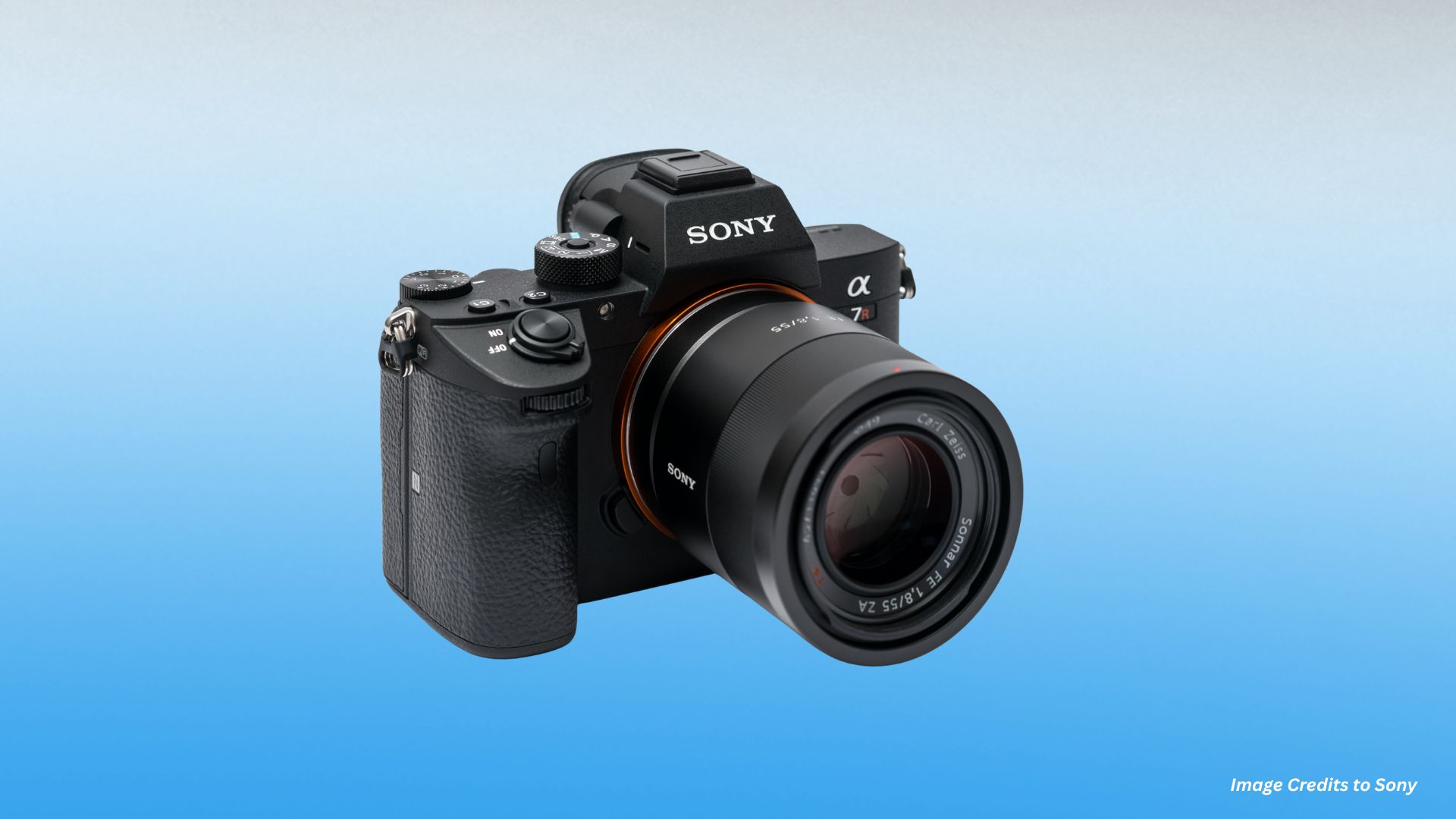
This camera proves that buying used flagships beats buying new budget models. The 42-megapixel sensor still produces stunning detail, and the image stabilization system works well enough for handheld shooting in most situations.
Professional photographers captured award-winning images with this camera at locations like Grand Canyon and Yellowstone. The sensor handles high-contrast lighting better than many newer cameras costing twice as much. Cold weather performance stays reliable down to about 20°F.
The crop mode effectively turns any lens into a longer focal length while maintaining enough resolution for large prints. This flexibility matters when you can’t physically get closer to distant subjects.
2. Fujifilm X-T5
Price: $1,700 | Resolution: 40MP | Battery: 740 shots | Weather Sealed: Yes
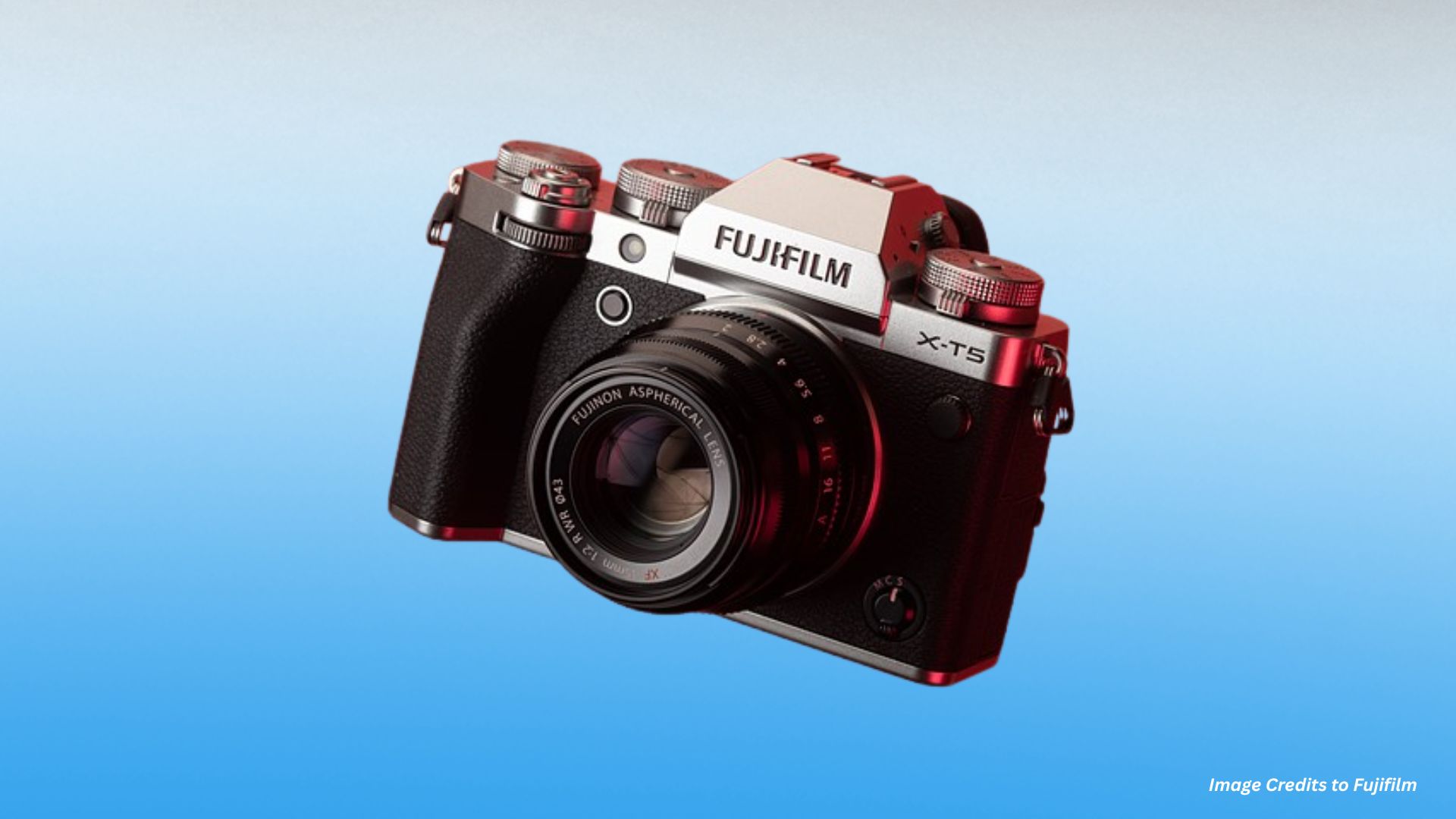
The highest-resolution APS-C sensor available packs 40 megapixels into a body that weighs significantly less than full-frame alternatives. Physical dials control most settings without diving into menus, which matters when you’re wearing gloves.
Weather sealing protects against dust and moisture down to 14°F. Smaller sensors mean lighter lenses, which makes a huge difference during long hikes. The focus stacking feature helps achieve front-to-back sharpness in close-up work.
Film simulation modes reduce post-processing time if you prefer getting good colors straight from the camera. The classic control layout appeals to photographers who learned on older film cameras.
3. Nikon Z50 II
Price: $900 | Resolution: 21MP | Battery: 380 shots | Weather Sealed: Yes
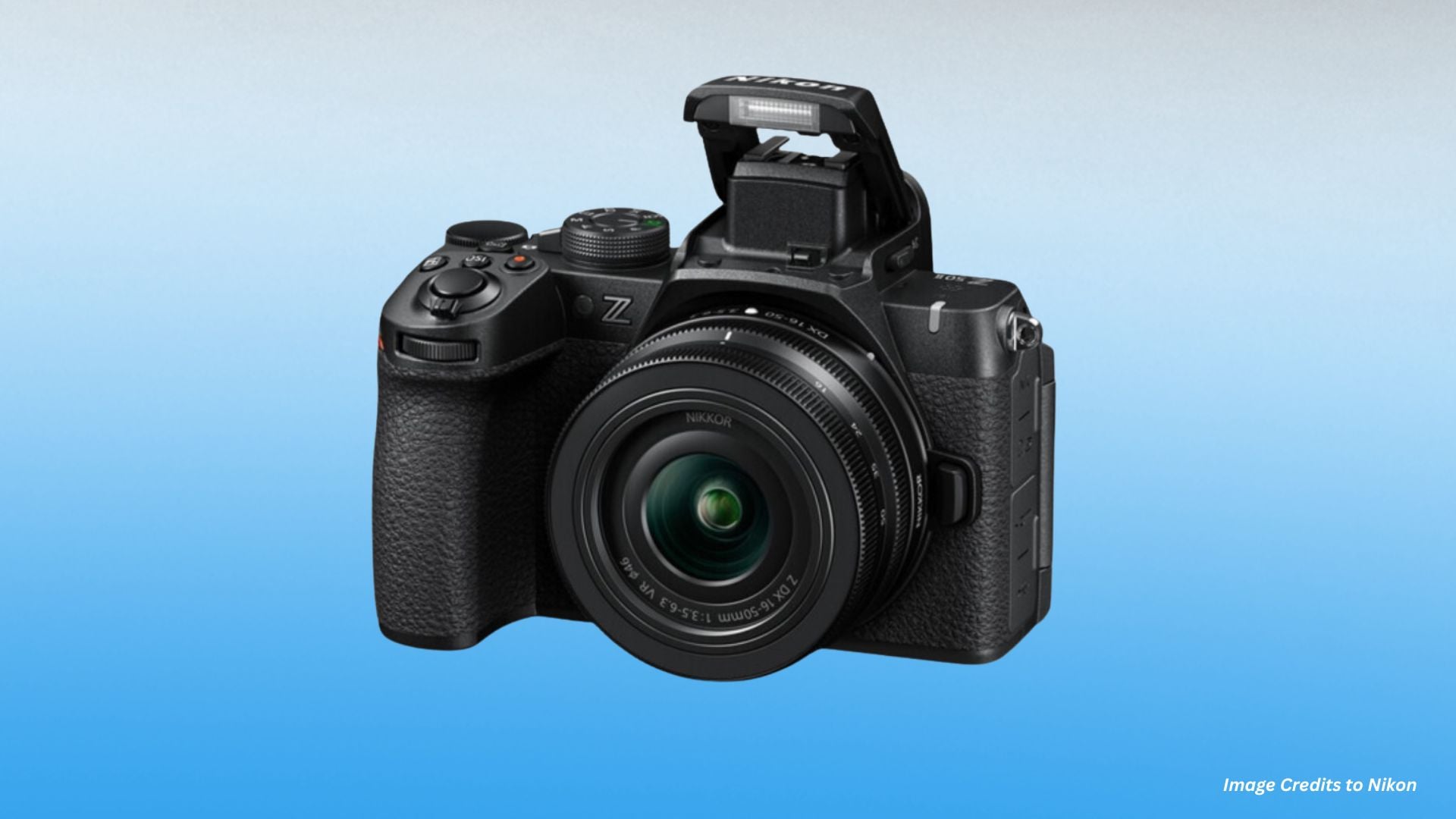
The clear winner among new cameras under $1,000. Modern technology has advanced enough that entry-level cameras now deliver results that impressed professionals just a few years ago.
The 21-megapixel APS-C sensor produces clean files up to ISO 3200. The electronic viewfinder shows accurate exposure preview even in tricky lighting conditions.
This camera represents the best value for photographers starting serious outdoor work. The build quality feels solid, and the weather sealing actually works in light rain and dusty conditions.
4. Sony A7R V
Price: $3,900 | Resolution: 61MP | Battery: 530 shots | Weather Sealed: Yes
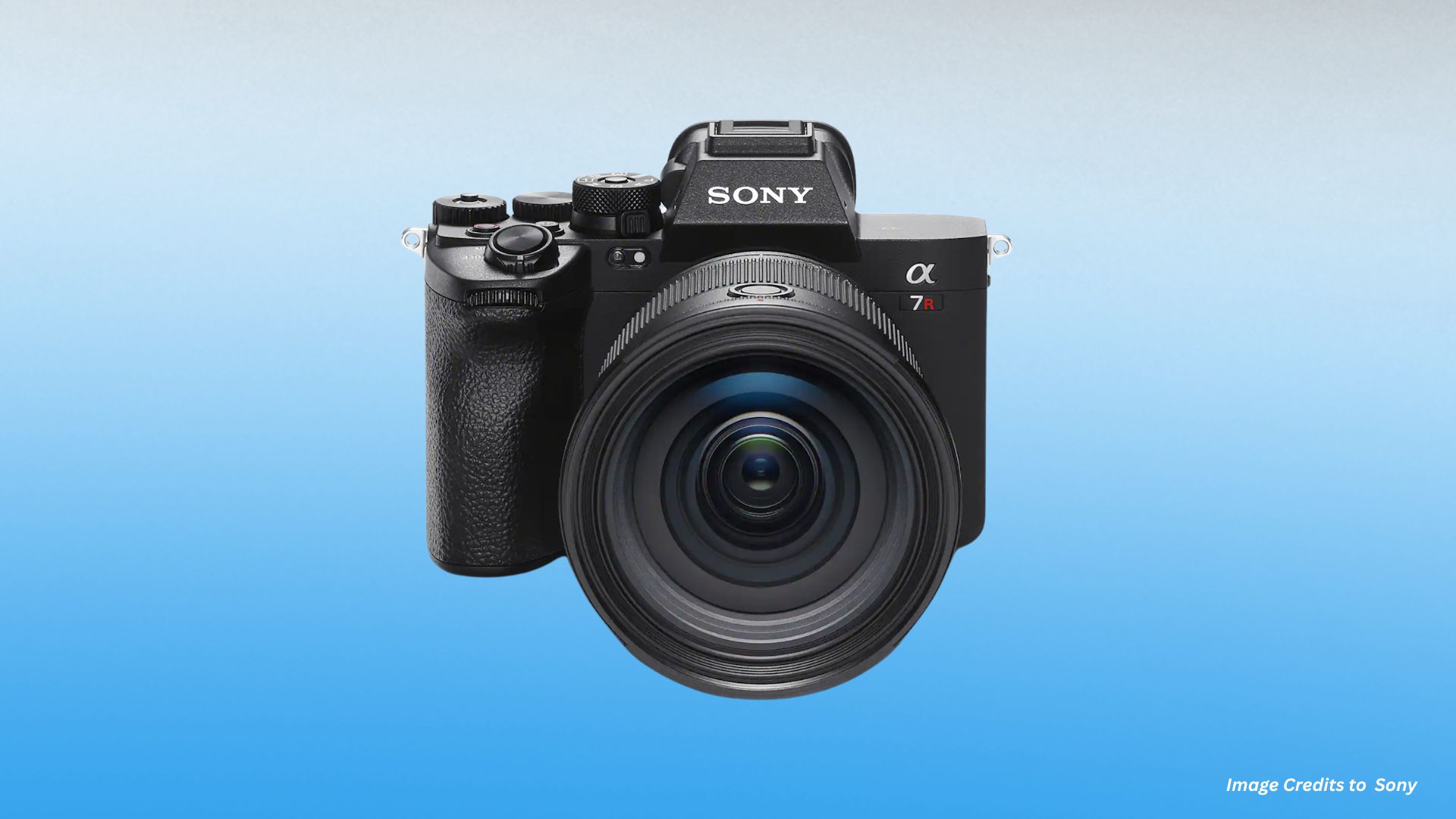
Currently the resolution champion with 61 megapixels and exceptional dynamic range. This camera handles high-contrast scenes that would challenge lesser sensors. The improved autofocus system tracks subjects reliably across the entire frame.
Professional features include dual card slots, extensive weather sealing, and battery life that lasts 530 shots. The 4-axis LCD screen works from almost any shooting angle. Video capabilities rival dedicated cinema cameras if you need hybrid functionality.
The sensor delivers among the best dynamic range available in a full-frame camera. Shadow recovery capabilities let you pull details from areas that look completely black on the camera’s LCD screen.
5. Fujifilm GFX 100S II
Price: $5,700 | Resolution: 102MP | Battery: 440 shots | Weather Sealed: Yes
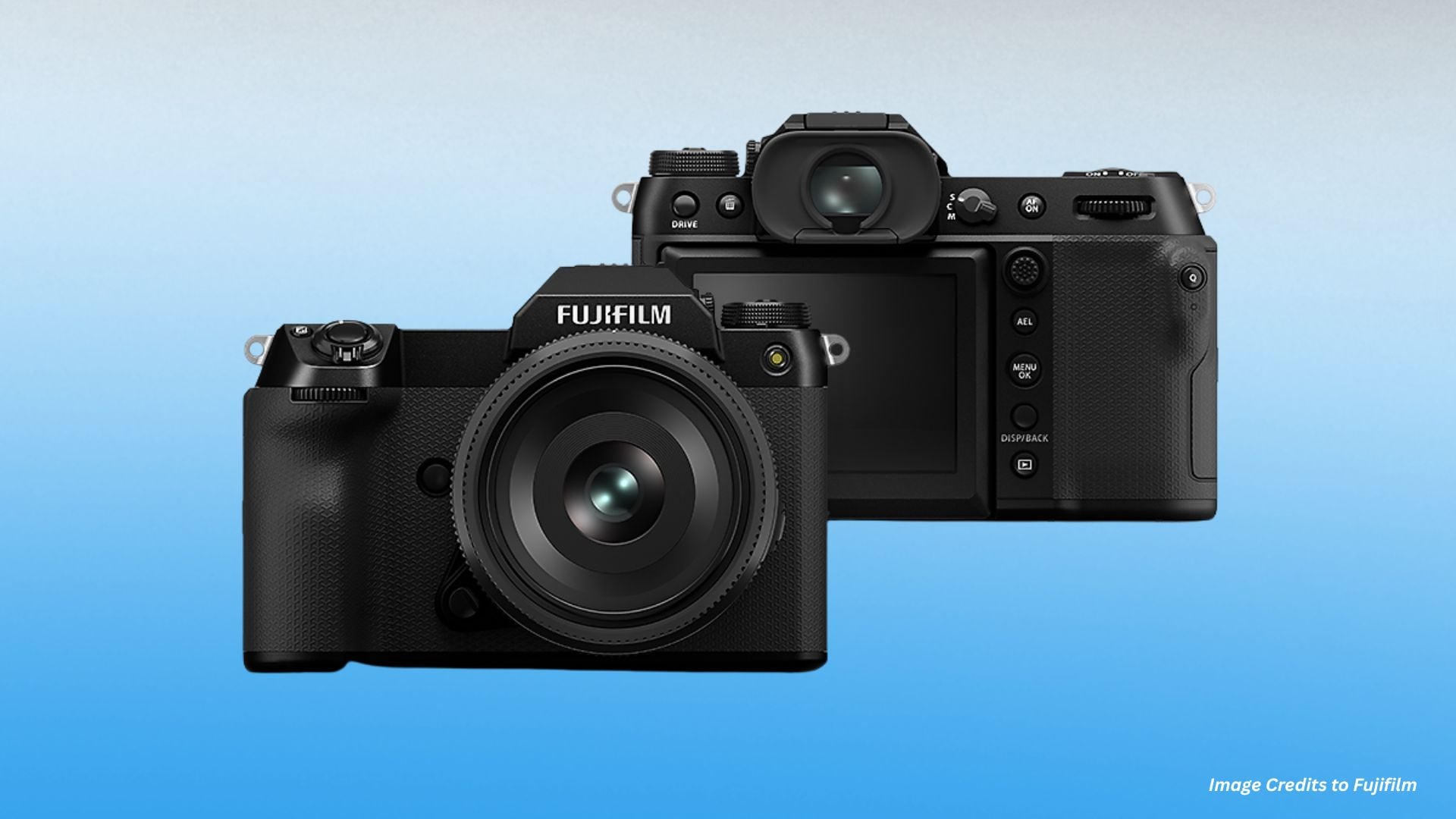
Medium format sensors capture light differently than full-frame cameras. The 102-megapixel sensor delivers detail that allows serious cropping without quality loss. Dynamic range exceeds most full-frame cameras by at least one stop, sometimes two.
The body actually weighs less than many professional DSLRs despite housing a much larger sensor. Film simulation modes reduce post-processing time if you prefer working with JPEGs straight from the camera.
This camera makes medium format accessible to photographers who can’t justify the cost of traditional medium format systems. Image quality rivals cameras costing $15,000 or more.
6. Canon EOS R5
Price: $2,900 | Resolution: 45MP | Battery: 490 shots | Weather Sealed: Yes
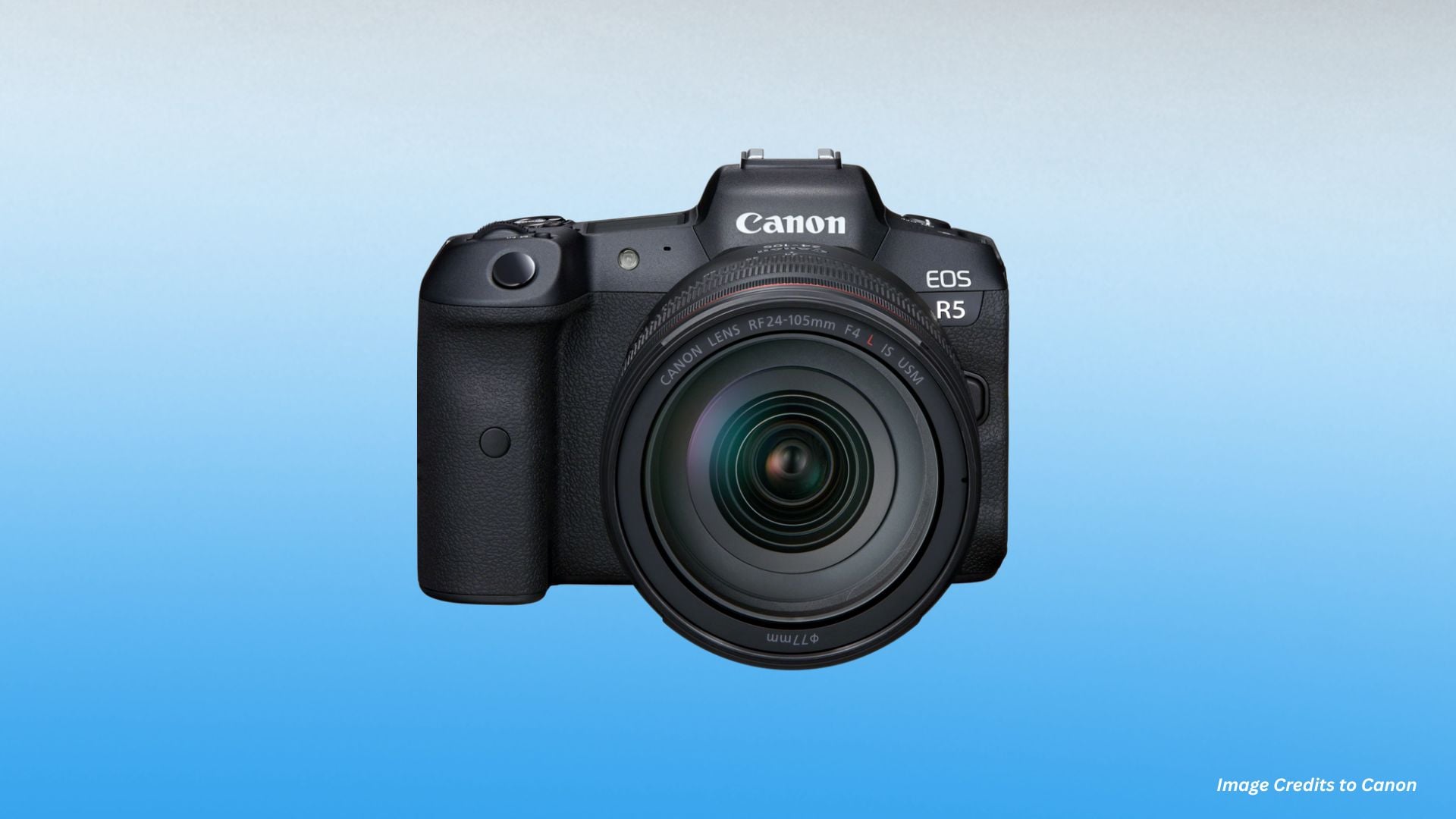
Still the best value among Canon’s high-resolution cameras. The R5 remains excellent for DR and resolution, while the Mark II emphasizes speed. The pixel-shift feature creates 400-megapixel images for ultimate detail.
Canon’s RF lens system includes several excellent options for outdoor work. Image quality rivals cameras costing twice as much. Weather sealing protects against rain and dust in challenging environments.
The pixel-shift mode works great for static subjects like rock formations and mountain vistas. Just make sure nothing moves during the capture sequence or you’ll get weird artifacts.
Features That Matter vs Marketing Hype
Camera companies love promoting specs that sound impressive but don’t actually improve your photography. Learning which features make a real difference helps you spend money on things that matter instead of paying for marketing buzzwords.
Most photographers get this backwards and end up with expensive cameras that don’t perform well in the conditions they actually shoot in. Understanding the difference between useful features and marketing fluff saves you thousands of dollars and gets you better results.
Resolution Numbers vs Real Performance
High megapixel counts sound impressive but don’t always deliver better images. A 24-megapixel camera with excellent dynamic range will outperform a 50-megapixel camera with poor shadow and highlight handling in most outdoor shooting situations.
Dynamic range determines how much detail you keep in bright skies and dark foregrounds. Outdoor photography often involves extreme contrast that pushes cameras to their limits. Cameras with wider dynamic range capture both without requiring exposure blending techniques in post-processing.
Professional landscape photographers choose cameras based on dynamic range first, resolution second. The Sony A7R series consistently leads in this area, which explains why so many serious outdoor photographers use them.
Resolution mainly benefits photographers who make large prints or crop heavily. Most online sharing platforms compress images anyway, so a 24-megapixel file often looks identical to a 60-megapixel file on Instagram or Facebook.
Weather Protection That Actually Works
Marketing materials often exaggerate weather sealing capabilities, but the reality is a bit different. Professional cameras can handle most conditions, though they still have their limits when facing really heavy rain or extreme weather.
What’s interesting is that some prosumer and compact models actually offer surprisingly good weather sealing or solid rugged protection that comes pretty close to what the expensive cameras provide.
Temperature performance varies significantly between brands and models. Some cameras shut down in cold weather while others operate reliably below freezing. Battery life also decreases in cold conditions, making efficient power management critical.
Dust protection matters more than most photographers realize. Fine particles can damage sensor coatings and internal mechanisms over time. Desert and beach environments pose particular challenges that require robust sealing systems.
The Nikon D850 remains one of the most praised for weather protection among DSLRs. Mirrorless alternatives like the Sony A7R V and Canon R5 offer similar protection in smaller, lighter packages.
Brand Differences and What They Mean for You
Each camera manufacturer has developed different strengths over the years. Understanding these differences helps you match cameras to your specific shooting style and needs instead of just buying whatever gets the best reviews.
Different brands excel in different areas, and what works best for one photographer might be completely wrong for another. Knowing these strengths and weaknesses helps you make smarter buying decisions.
Here’s how the major brands stack up for outdoor photography:
- Sony leads in sensor technology and dynamic range performance. Their cameras consistently deliver the best technical image quality, especially in challenging lighting conditions. The lens selection has expanded dramatically over the past few years, though prices stay high.
- Canon offers one of the most extensive ecosystems for professional work. RF lenses offer excellent optical quality, and the camera bodies integrate well with studio lighting systems. Color science produces pleasing skin tones straight from the camera without heavy post-processing.
- Fujifilm has made medium format more accessible with their pricing approach. The GFX system delivers image quality that rivals cameras costing twice as much. Film simulation modes appeal to photographers who prefer working with JPEGs instead of spending hours in Lightroom.
- Nikon builds cameras that handle extreme conditions reliably. Professional models like the Z8 and Z9 handle tough outdoor conditions well, though they still need care in extreme weather. The lens selection includes several excellent options for outdoor work, though third-party choices remain limited.
What Really Matters in Landscape Camera Selection
Budget considerations should include lens costs, not just camera bodies. Some systems offer affordable third-party lenses while others rely mainly on expensive first-party options. Sigma and Tamron provide excellent alternatives for many systems, while brands like Samyang and Laowa offer even more budget-friendly choices for photographers watching their spending.
Start with a camera that fits your current budget and upgrade lenses first. A $1,200 camera with a $1,000 lens will deliver better results than a $2,000 camera with a $200 lens. Lens quality affects every single image while camera bodies age faster than lenses, but remain useful for years.
Used cameras often provide better value than new models, especially for photographers just getting serious about outdoor work. Technology has matured enough that cameras from three or four years ago still deliver professional results in most situations.
The photography community gets caught up in gear discussions while neglecting fundamental skills like composition and understanding natural light. The best camera for landscape photography is whatever gets you outside taking pictures consistently.
Master the basics with whatever camera you can afford right now, then upgrade when specific limitations actually prevent you from capturing your vision. Most photographers upgrade their gear long before they’ve mastered what they already own.
See more from DIYPhotography.net on Google
Add DIYPhotography.net as a trusted source. This makes
our stories more likely to appear in your Google Search results.
 Add as a preferred source on Google

Darlene Lleno
Darlene Lleno brings a unique perspective to DIY Photography as someone who grew up surrounded by camera gear but chose words over lenses. With five years of writing experience, she specializes in photography content that’s both technically informed and genuinely passionate. Growing up with a photographer twin brother meant camera talk was everyday conversation in her household. While he mastered capturing moments, Darlene discovered she preferred being the subject and the storyteller behind the scenes. As a travel enthusiast and mother of two, she understands the importance of preserving life’s precious moments. When not exploring new destinations or writing for DIY Photography, you’ll find her reading or tending to her garden. Her approach to photography writing is refreshingly authentic, she may not be behind the camera, but she knows exactly what it takes to help others capture the shots that matter most.


Join the Discussion
DIYP Comment Policy
Be nice, be on-topic, no personal information or flames.
One response to “Best Camera for Landscape Photography: A Photographer’s Guide”
there is no such thing as the best camera for landscape The best camera for landscape is the camera that’s in your hand That’s a big myth on what’s the best camera for landscape. any camera I buy is good for landscape there is no Pacific camera that’s going to give me the best shot for landscape like my 90D and not even didn’t even buy that for landscape I bought that to shoot. but it does everything it’s a workhorse so in the midst of all this there is no such thing as the right camera for landscape. I am a professional photographer I do everything professionally and there is no such thing as a perfect camera for landscape I don’t know what you’re trying to sell here but I’m not buying it the myth.