




















Best Camera for Street Photography: The Ultimate 2025 Guide for Urban Photographers
Aug 28, 2025
Darlene Lleno
Darlene Lleno brings a unique perspective to DIY Photography as someone who grew up surrounded by camera gear but chose words over lenses. With five years of writing experience, she specializes in photography content that’s both technically informed and genuinely passionate. Growing up with a photographer twin brother meant camera talk was everyday conversation in her household. While he mastered capturing moments, Darlene discovered she preferred being the subject and the storyteller behind the scenes. As a travel enthusiast and mother of two, she understands the importance of preserving life’s precious moments. When not exploring new destinations or writing for DIY Photography, you’ll find her reading or tending to her garden. Her approach to photography writing is refreshingly authentic, she may not be behind the camera, but she knows exactly what it takes to help others capture the shots that matter most.
Share:
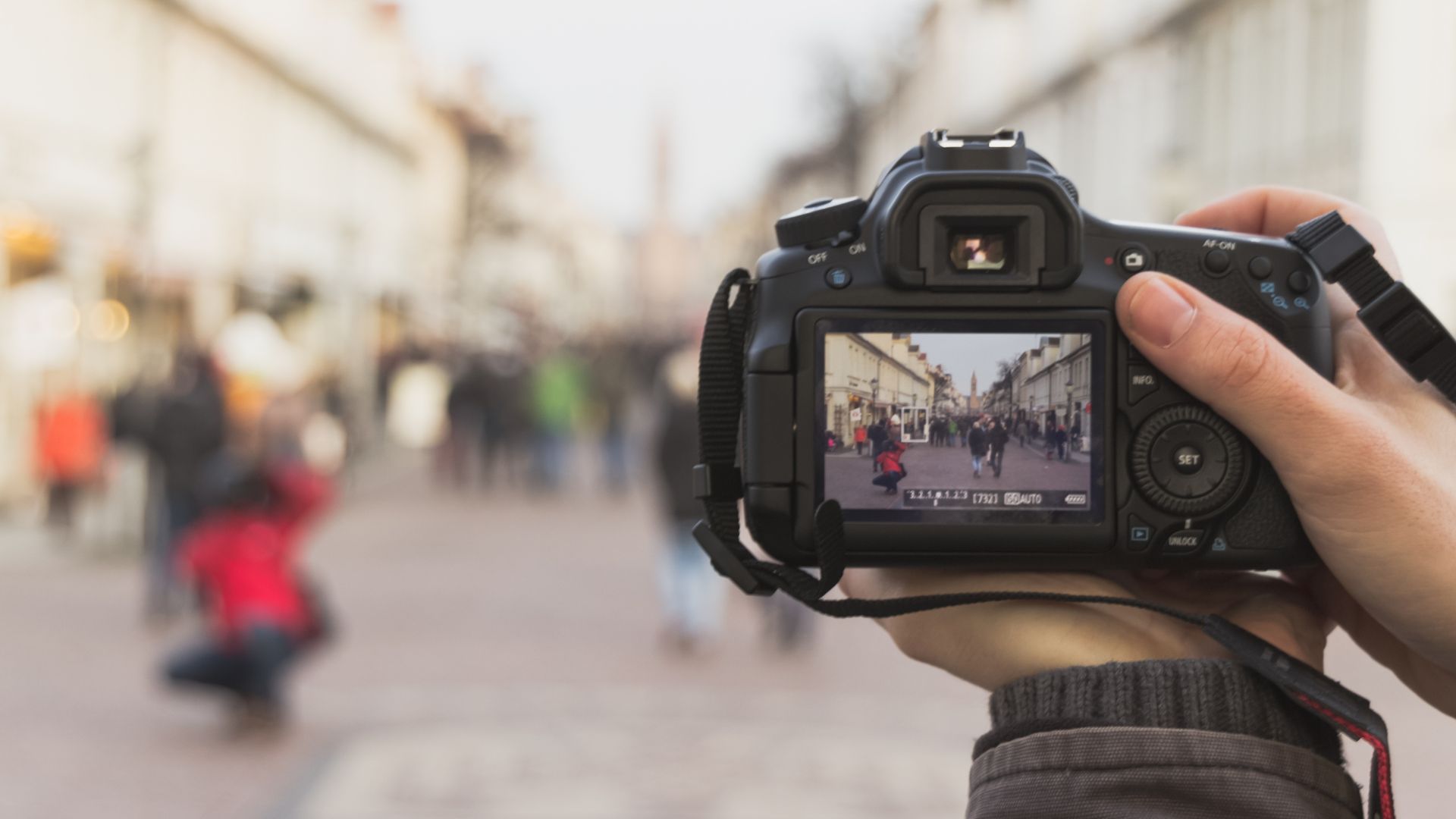
Finding the best camera for street photography can completely change how you capture those quick moments that happen every day in the city. Street photography needs equipment that works fast, stays reliable, and doesn’t make you look like a tourist with a giant camera hanging around your neck.
Professional street photographers keep coming back to the same camera models because they actually work when you’re walking around busy streets, shooting in dark corners, or trying to catch that perfect moment during rush hour. After looking at tons of real-world testing and feedback from photography experts around the world, some cameras clearly stand out as the top picks for street photography in 2025.
What Makes a Great Street Photography Camera
The size thing is huge when you’re picking a camera for street work. You need something small enough that you won’t get tired carrying it around all day, but not so tiny that it feels like a toy in your hands. The camera should turn on quickly, focus accurately whether you’re in bright sun or shadows, and work quietly so people don’t notice you taking their picture.
Image quality matters a lot, but it’s not just about having more megapixels than your friend. The sensor needs to handle all kinds of lighting situations, from that harsh midday sun to those cool blue hour shadows. Street photographers work with whatever light they find, so being able to shoot in low light becomes super important.
The best street photography cameras let you change settings quickly without digging through menus. When something interesting happens right in front of you, you can’t spend time hunting through camera settings. Physical dials for shutter speed, aperture, and ISO let you adjust things without even looking away from what you’re shooting.
Weather sealing gives you peace of mind when you’re out shooting in all kinds of conditions. Cities can be unpredictable, and having a camera that can handle some rain or dust means you won’t miss out on great photo opportunities.
The Definitive Best Cameras for Street Photography
Here’s the thing about street photography cameras in 2025: some models have really proven themselves on the streets. These aren’t just cameras that look good in reviews, they’re the ones photographers actually use every day.
Fujifilm X100VI: The Ultimate Street Photography Camera
The Fujifilm X100VI has basically become the poster child for street photography, and there’s a good reason for that. This camera combines that classic film camera look with modern technology, and the fixed 23mm lens gives you that perfect street photography field of view.
What makes the X100VI special is that 40.2-megapixel sensor that gives you room to crop your photos later, excellent dynamic range, and autofocus that actually works reliably. The hybrid viewfinder switches between electronic and optical modes, so you can see more of what’s happening around your subject, which helps you anticipate those perfect moments.

The biggest upgrade from the older models is finally getting in-body image stabilization. Street photographers have been asking for this feature for years, and now you can get sharper handheld shots even when the lighting gets tricky.
Key features:
- 40.2MP APS-C sensor
- 23mm f/2 fixed lens (35mm equivalent)
- In-body image stabilization
- Hybrid viewfinder (optical/electronic)
- Weather-resistant build
- Film simulation modes
The 35mm equivalent focal length hits that sweet spot where you can capture the environment around your subject while still getting close enough for more intimate shots. Weather sealing means you don’t have to worry about unexpected rain or dusty conditions.
Best for: Serious street photographers who want premium features and exceptional image quality
Ricoh GR III: The Stealth Champion
If you want to basically disappear while taking photos, the RICOH GR III is your camera. This thing is so small and plain-looking that people won’t even notice you have a camera. But don’t let the size fool you – it packs a serious punch.
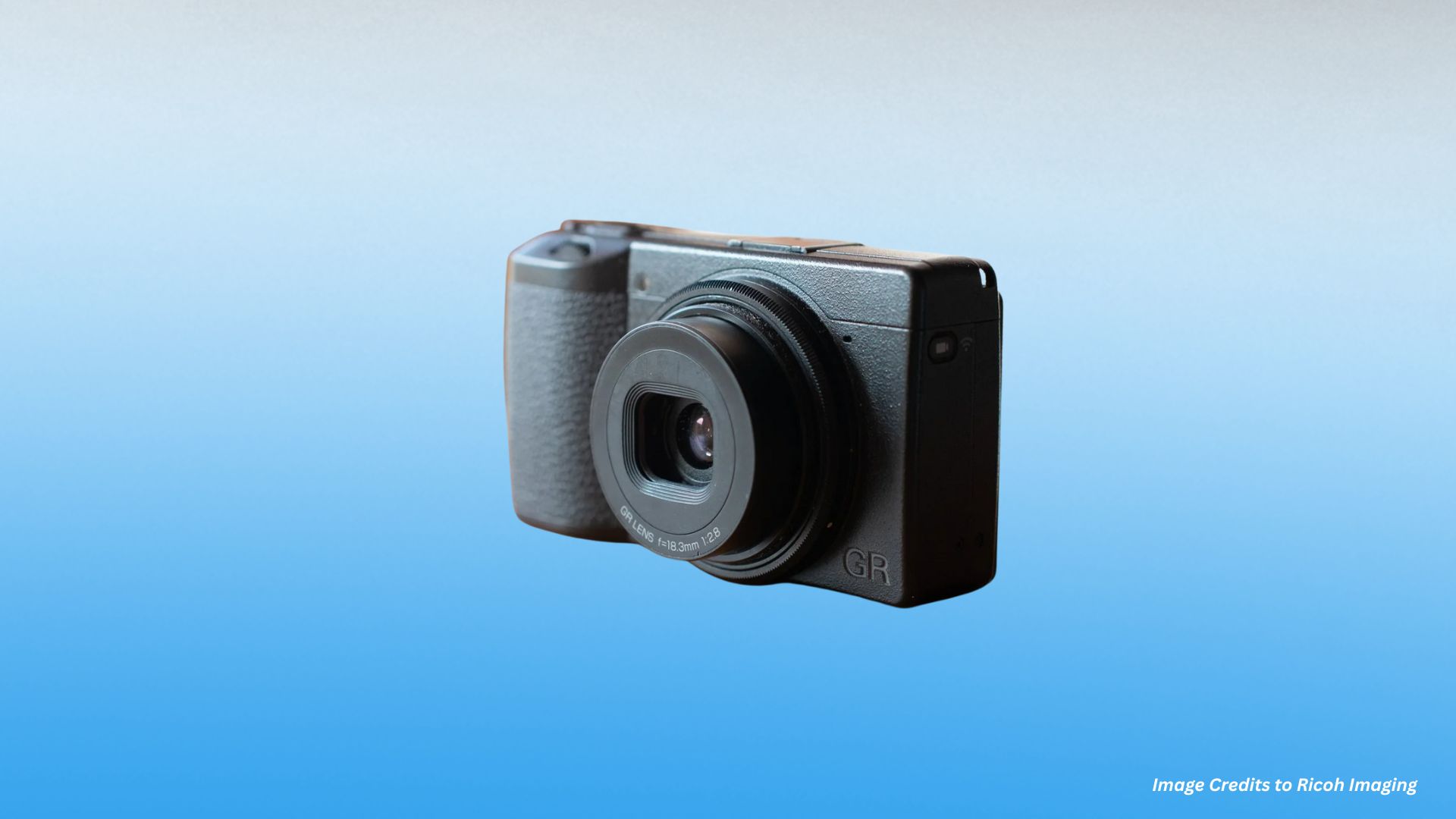
Despite being tiny, it has a relatively large APS-C sensor and built-in stabilization. The image quality is excellent, and it performs really well in low light thanks to that f/2.8 lens. The 28mm equivalent focal length gives you great coverage for street scenes.
The coolest feature is something called ‘Snap Focus.’ You can set the camera to instantly focus at a specific distance with just one button press. This is perfect for street photography because you can set it to focus at about 10 feet and just shoot without waiting for autofocus.
Key features:
- 24MP APS-C sensor
- 28mm f/2.8 fixed lens
- Ultra-compact size (fits in most pockets)
- Snap Focus feature
- Built-in image stabilization
- 0.8-second startup time
Street photography techniques work really well with the GR III because it starts up so fast. You can literally pull it out of your pocket and take a photo in less than a second.
Best for: Photographers who want maximum portability and stealth
Sony RX100 VII: The Versatile Zoom Option
The Sony RX100 VII gives you something the other compact cameras can’t: a zoom lens. That 24-200mm range means you can shoot wide environmental shots and then zoom in for details without moving your feet.

The 1-inch sensor delivers solid image quality for its size, and the camera can shoot at 20 frames per second when you need to catch fast action. The pop-up viewfinder is great when you’re shooting in bright sunlight, and the tilting screen lets you shoot from creative angles without getting down on the ground.
Key features:
- 20MP 1-inch sensor
- 24-200mm f/2.8-4.5 zoom lens
- 20fps burst shooting
- Pop-up electronic viewfinder
- Tilting LCD screen
- Real-time tracking autofocus
The controls aren’t as hands-on as the Fujifilm cameras, but the autofocus system is incredibly good at following moving subjects through busy street scenes. That zoom range means you can capture wide shots of street scenes and tight portraits without changing your position.
Best for: Street photographers who need zoom flexibility and don’t mind a slightly larger camera
Fujifilm X-T5: The Enthusiast’s Dream
If you want more traditional camera controls, the X-T5 gives you those classic dials on top that make changing settings feel natural. This camera appeals to photographers who learned on older cameras but want modern performance.
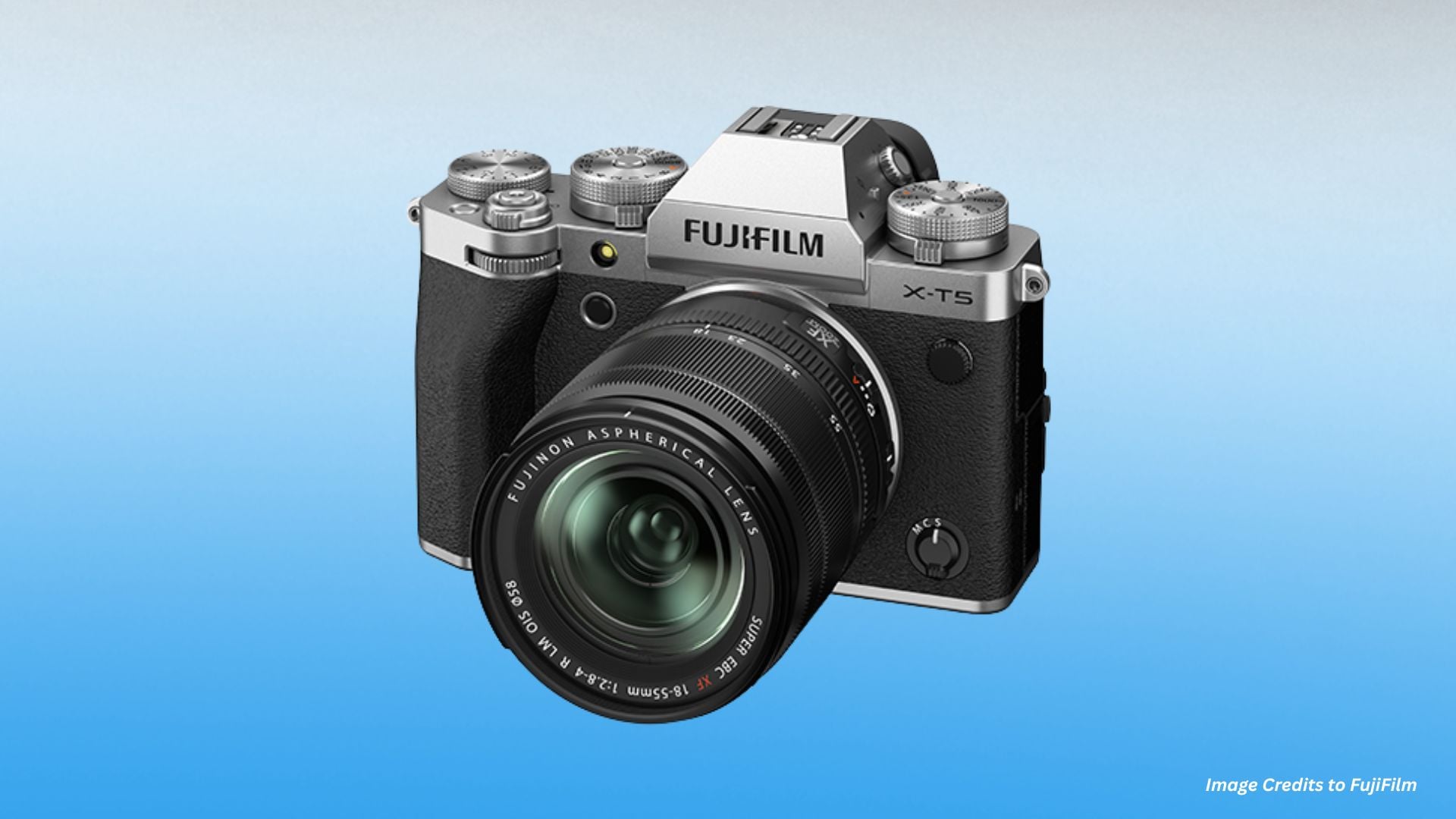
The X-T5 has that same 40.2MP sensor as the X100VI but in an interchangeable lens body. The film simulation modes make your JPEG files look great straight out of camera, which is perfect for street photographers who don’t want to spend hours editing photos.
Key features:
- 40.2MP APS-C sensor
- Interchangeable lens system
- Traditional dial controls
- Film simulation modes
- Weather sealing
- 3-way tilting touchscreen
The weather sealing and solid build quality mean you can take this camera anywhere without worrying. The huge lens selection gives you options from ultra-wide to telephoto, though most street photographers pair it with either the 23mm f/2 or 35mm f/1.4 primes.
Best for: Enthusiast photographers who want traditional controls and excellent image quality
Canon EOS M50 Mark II: The Budget-Friendly Option
For people just getting into street photography, the Canon EOS M50 Mark II offers really good value without breaking the bank. While it’s not worth upgrading if you already have the original M50, it’s a solid choice for beginners.
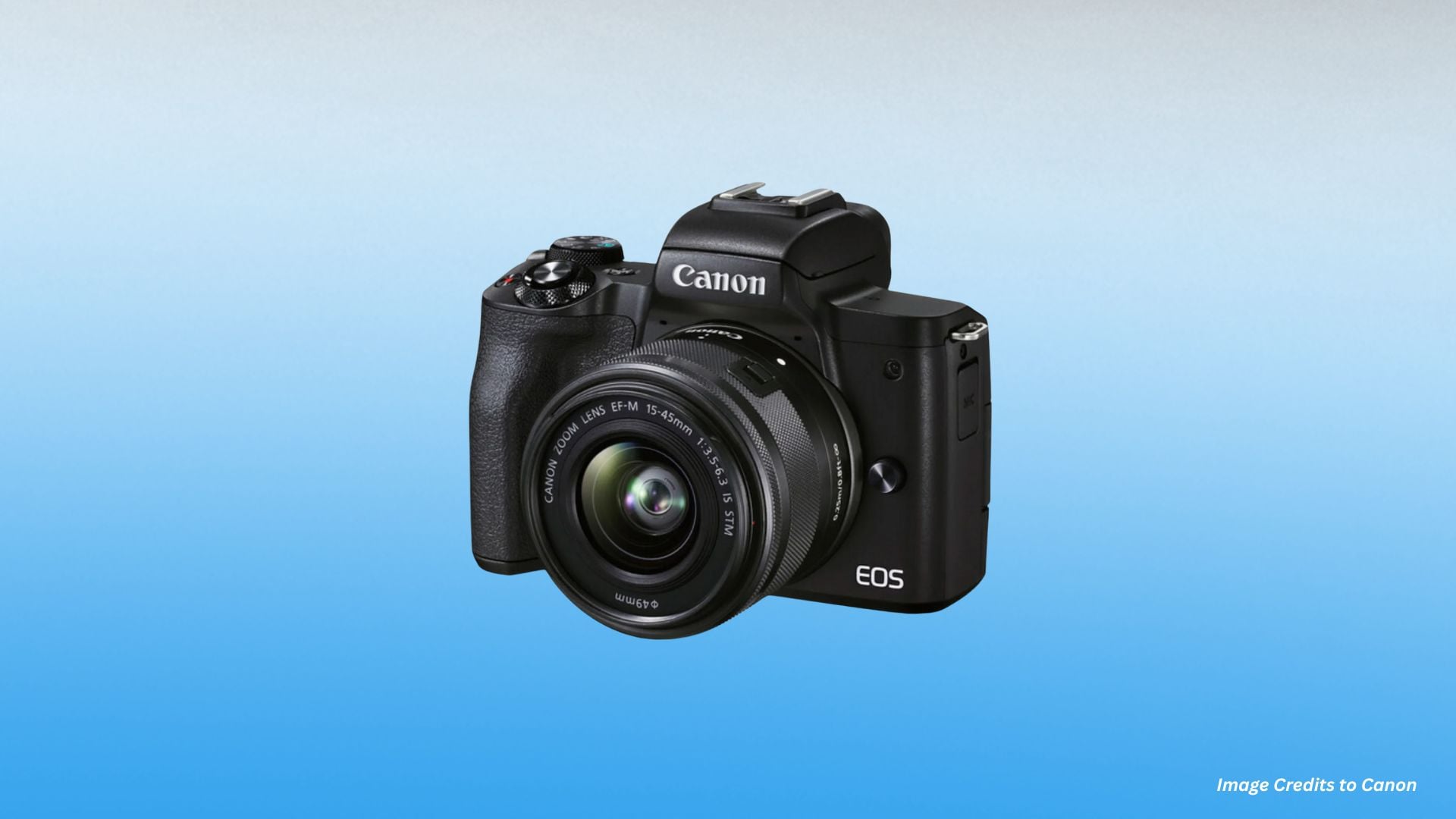
The Dual Pixel autofocus works well for street photography, though it’s not as fast as more expensive cameras. The fully articulated LCD screen is useful for discreet shooting, letting you take photos at waist level without people noticing.
Key features:
- 24MP APS-C sensor
- Dual Pixel autofocus
- Fully articulating LCD screen
- 4K video recording
- Compact, lightweight body
- Eye detection autofocus
Image quality from the APS-C sensor is solid, especially when you pair it with Canon’s excellent 22mm f/2 pancake lens. This combination creates a compact, affordable setup that won’t scare people or empty your wallet.
Best for: Beginning street photographers or those on tight budgets
Advanced Options for Professional Street Photographers
These cameras cost more money, but they deliver professional-level performance that serious street photographers depend on.
Leica Q3: The Premium Choice
The Leica Q3 represents the absolute top tier of compact street photography cameras. That 60MP sensor and fixed 28mm f/1.7 lens deliver incredible image quality, and the build quality is something you can feel the moment you pick it up.
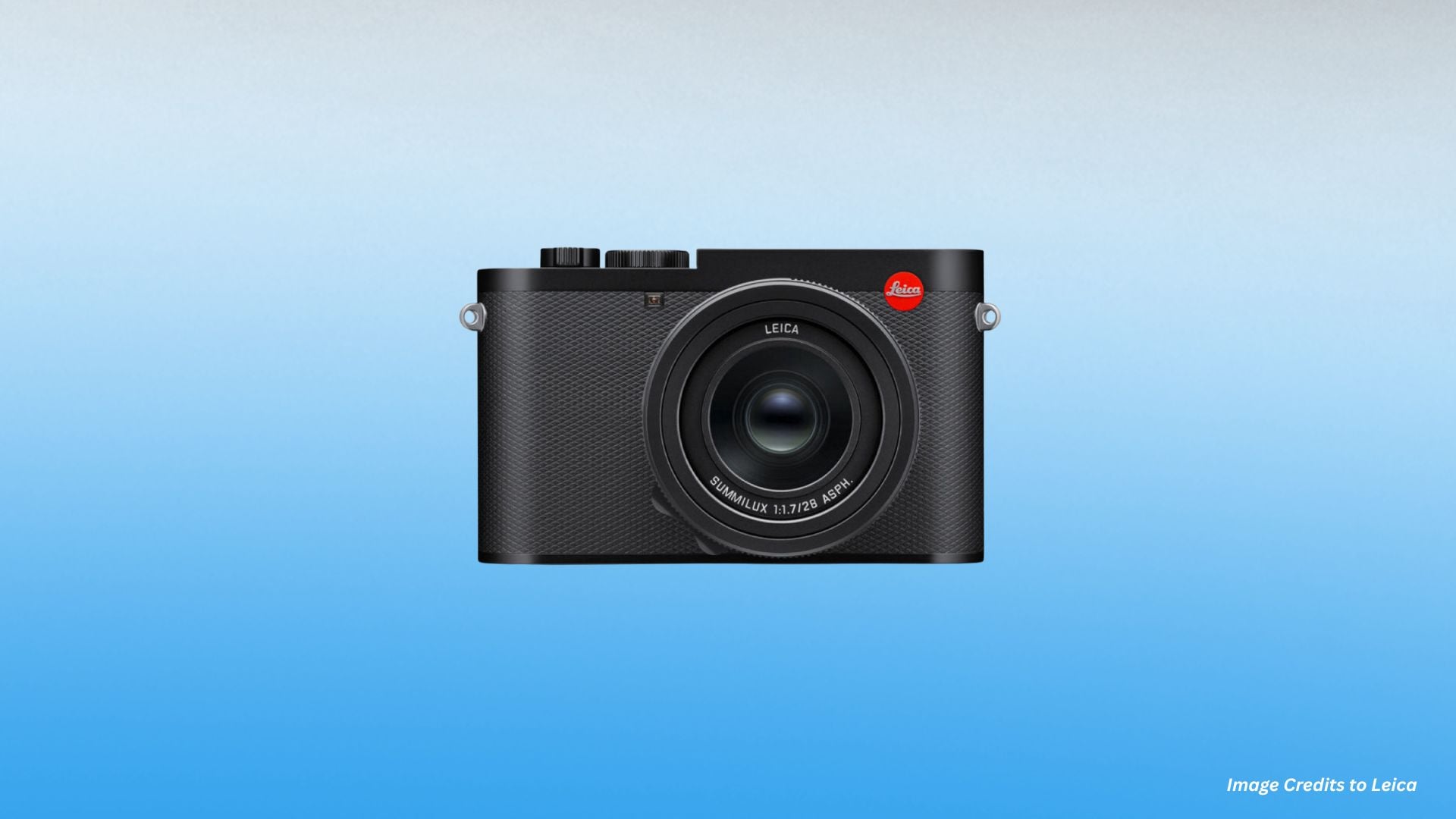
Key features:
- 60MP full-frame sensor
- 28mm f/1.7 Summilux lens
- Premium build quality
- Weather sealing
- 8K video recording
- Exceptional low-light performance
The 28mm lens gives you that classic street photography field of view, while the fast f/1.7 aperture handles low-light situations beautifully. The build quality is exceptional, with weather sealing that can handle serious urban exploration.
Best for: Professional photographers who demand the absolute best and have the budget for it
Sony a6700: The Mirrorless Workhorse
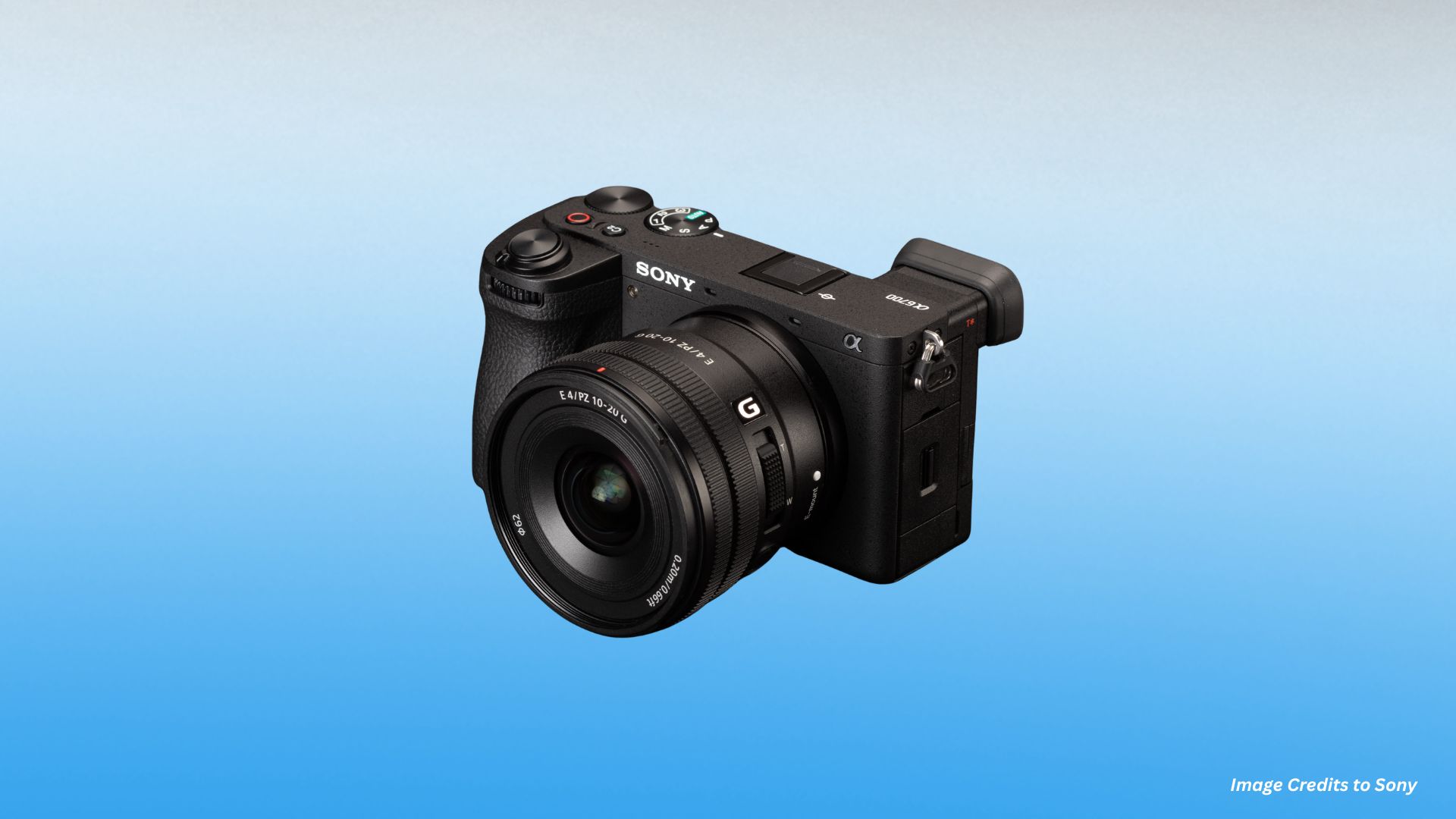
The Sony a6700 brings professional features to a compact APS-C body. The advanced autofocus with real-time tracking makes it excellent for capturing moving subjects in busy urban environments.
Key features:
- 26MP APS-C sensor
- Advanced real-time tracking AF
- In-body image stabilization
- Weather sealing
- 4K video recording
- Extensive lens ecosystem
In-body image stabilization works with any lens you put on it, while the tilting touchscreen helps with creative compositions. Weather sealing and robust build quality make this camera suitable for serious street photography work.
Best for: Professional street photographers who need advanced autofocus and video capabilities
Essential Features for Street Photography Cameras
Understanding what features actually matter will help you make a better choice when buying your first street photography camera.
Autofocus Performance
Modern street photography demands fast, accurate autofocus. Getting your camera settings right becomes crucial when you need to capture spontaneous moments. The best street photography cameras offer multiple autofocus modes, including single-point AF for precise subject selection and zone AF for tracking moving subjects.
Eye detection autofocus has become really important, especially for portrait-style street photography. Cameras like the Sony RX100 VII and Fujifilm X100VI are excellent at recognizing and tracking human eyes, which means you get sharp portraits even when conditions are challenging.
Low Light Performance
Cities present constantly changing light conditions. The best street photography cameras maintain image quality at ISO 1600 and beyond, letting you shoot during blue hour or in dimly lit alleys without getting too much noise in your photos.
Larger sensors generally perform better in low light, which is why APS-C cameras like the Ricoh GR III and full-frame options like the Leica Q3 excel in challenging conditions. However, modern 1-inch sensors like those in the Sony RX100 VII deliver surprisingly good results considering their size.
Silent Operation
Street photography techniques often require being discrete, and loud shutter sounds can ruin natural moments. Electronic shutters allow completely silent operation, though they can introduce rolling shutter effects with moving subjects.
The best street photography cameras offer both mechanical and electronic shutter options, letting you choose based on the situation. Mechanical shutters provide better image quality with moving subjects, while electronic shutters enable stealth when you need it.
Manual Controls
Physical controls for exposure settings prove invaluable when decisive moments unfold quickly. Cameras with dedicated dials for aperture, shutter speed, and ISO allow rapid adjustments without menu diving.
The Fujifilm cameras excel in this regard, with traditional dial layouts that feel intuitive even for photographers transitioning from film cameras. Proper camera handling becomes second nature with well-designed controls.
Lens Considerations for Street Photography
Choosing the right lens can make or break your street photography experience. Here’s what you need to know.
Fixed vs Zoom Lenses
Prime lenses often work better for street photography than zooms. The fixed focal length forces you to move around and engage with your environment, which leads to more dynamic compositions. Prime lenses are typically smaller, lighter, and offer better image quality at their specific focal length.
However, zoom lenses provide flexibility that can be valuable in crowded urban environments where you can’t easily move around. Choosing the right focal length depends on your shooting style and the specific situations you encounter most often.
Recommended Focal Lengths
The 35mm equivalent focal length (full-frame) has become the gold standard for street photography. This provides a natural field of view that closely matches human vision while being wide enough to capture environmental context around your subjects.
28mm equivalent lenses work well for environmental street photography, capturing more of the urban scene around your subjects. 50mm equivalent lenses excel for more intimate street portraits, helping isolate subjects from busy backgrounds.
Telephoto lenses present unique challenges for street photography but can create compelling compressed compositions that emphasize specific details or interactions.
Camera Settings for Street Photography
Getting your camera settings right can make the difference between getting the shot and missing it completely.
Shooting Modes
Aperture Priority mode works well for most street photography situations. Set your aperture based on how much of the scene you want in focus, and let the camera select shutter speed. This gives you creative control while keeping things simple.
For rapidly changing conditions, consider using Auto ISO with maximum and minimum limits. This lets you maintain your desired aperture and shutter speed while ensuring proper exposure across varying light conditions.
Understanding depth of field becomes important when choosing aperture settings. Wider apertures create shallow depth of field for subject isolation, while smaller apertures keep more of the scene in focus for environmental shots.
Focus Settings
Single-point autofocus gives you precise control over where the camera focuses, which is essential for isolating subjects in busy urban scenes. Back-button focus separates focusing from shutter activation, allowing you to prefocus and recompose without the camera refocusing.
For moving subjects, continuous autofocus (AI Servo/AF-C) tracks subjects across the frame. Modern cameras offer sophisticated tracking algorithms that can follow subjects even when they’re partially blocked by other people or objects.
Exposure Considerations
Proper exposure techniques become crucial when dealing with high contrast urban scenes. Matrix/evaluative metering handles most situations well, but spot metering gives you precise control over specific areas of the scene.
Exposure compensation allows quick adjustments without changing shooting modes. Street photographers often underexpose slightly to preserve highlight details in bright urban environments, then recover shadows during post-processing.
Budget Considerations and Value
Money matters when you’re choosing your first street photography camera. Here’s how to get the most value at different price points.
Entry-Level Options ($500-$800)
The Canon EOS M50 Mark II represents excellent value in this price range, offering APS-C image quality with decent autofocus performance. Used Fujifilm X-T30 or X-E3 cameras provide excellent image quality with more advanced controls.
Consider older flagship cameras from previous generations. A used Sony a6300 or Fujifilm X-T2 can deliver professional results at budget prices, though you might sacrifice some modern conveniences like the latest autofocus algorithms.
Mid-Range Excellence ($800-$1,500)
This price range offers the best balance of features and value for most street photographers. The Ricoh GR III provides exceptional portability, while the Sony RX100 VII offers zoom versatility that many photographers find useful.
The Fujifilm X100V (if you can find one) remains an excellent choice, offering most of the X100VI’s capabilities at a lower price point. Used Leica cameras from previous generations can also fall into this range if you shop carefully.
Professional Options ($1,500+)
The Fujifilm X100VI represents the current pinnacle of compact street photography cameras, justifying its price with exceptional build quality and advanced features. The Leica Q3 offers uncompromising image quality for those with professional budgets.
Professional cameras in this range typically offer weather sealing, advanced autofocus systems, and build quality that can withstand intensive daily use in challenging urban environments.
Making Your Final Decision
Choosing the right camera comes down to understanding what you actually need versus what sounds cool in reviews.
Assessing Your Needs
Think about your specific shooting style and preferences. Do you prefer to get close to your subjects, or do you like to maintain distance? Are you comfortable with a fixed focal length, or do you need zoom flexibility to adapt to different situations?
Consider how you’ll carry and use the camera. If you plan to have it with you constantly, size and weight become crucial factors. If you’re primarily shooting during specific photo walks or projects, you might accept a larger camera for better performance.
Testing Before Buying
If possible, try cameras before purchasing. Many camera stores offer rental services, and some manufacturers provide trial programs.
The feel of a camera in your hands can be just as important as its technical specifications when you’re using it for hours at a time. Join local photography groups or online communities where you can get firsthand experiences from other street photographers using these cameras in real-world conditions.
Long-term Investment
Consider the ecosystem around your chosen camera. Lens availability, accessory options, and manufacturer support all affect long-term satisfaction with your investment. Some camera systems have much better lens selections than others.
Think about your growth as a photographer. While you might start with basic needs, your requirements may evolve as your skills develop. Choosing a camera system with room to grow can save money in the long run.
Current Market Availability and Pricing
The camera market in 2025 has some unique challenges that affect what you can actually buy.
Supply Chain Considerations
The Fujifilm X100VI continues to face supply constraints due to overwhelming demand from both professional photographers and content creators. If you’re set on this camera, be prepared for potential wait times or consider authorized dealers who might have stock.
The Ricoh GR III maintains better availability, making it an excellent alternative for photographers who need a camera immediately. Sony RX100 VII availability varies by region but is generally more reliable than the Fujifilm options.
Alternative Options
If your first choice isn’t available, consider these alternatives. The older Fujifilm X100V offers similar capabilities to the X100VI minus the newer sensor and in-body image stabilization. The Ricoh GR IIIx provides a longer 40mm equivalent lens if you prefer a tighter field of view.
The used market provides excellent value, especially for cameras that held their value well. Professional-grade cameras from 2-3 years ago often deliver performance that rivals current models at significantly lower prices.
The Streets Are Calling – Pick Your Camera
The best camera for street photography in 2025 really depends on your specific needs, budget, and how you like to shoot. The Fujifilm X100VI stands out as the overall winner, combining that classic design with modern performance in a package that’s perfectly suited to urban photography.
For maximum portability and stealth, the Ricoh GR III can’t be beaten. If you need zoom versatility, the Sony RX100 VII provides professional features in a compact body. Budget-conscious photographers will find excellent value in the Canon EOS M50 Mark II.
Remember that the most important factor is actually getting out and practicing your street photography skills. The best camera is ultimately the one you enjoy using and have with you when those decisive moments unfold. Whether you choose a premium Leica Q3 or an entry-level Canon, focus on developing your eye and understanding the fundamentals of street photography.
Compact cameras with larger sensors consistently outperform smaller sensor alternatives in real-world street photography scenarios. Meanwhile, portability remains the primary factor in camera selection for urban photographers.
Start with one of these proven cameras, learn its capabilities thoroughly, and let your unique vision guide your urban photography journey. The streets are waiting for your perspective, so choose your camera and start capturing those authentic moments that define city life.
See more from DIYPhotography.net on Google
Add DIYPhotography.net as a trusted source. This makes
our stories more likely to appear in your Google Search results.
 Add as a preferred source on Google

Darlene Lleno
Darlene Lleno brings a unique perspective to DIY Photography as someone who grew up surrounded by camera gear but chose words over lenses. With five years of writing experience, she specializes in photography content that’s both technically informed and genuinely passionate. Growing up with a photographer twin brother meant camera talk was everyday conversation in her household. While he mastered capturing moments, Darlene discovered she preferred being the subject and the storyteller behind the scenes. As a travel enthusiast and mother of two, she understands the importance of preserving life’s precious moments. When not exploring new destinations or writing for DIY Photography, you’ll find her reading or tending to her garden. Her approach to photography writing is refreshingly authentic, she may not be behind the camera, but she knows exactly what it takes to help others capture the shots that matter most.
Related Posts
 The Ultimate Guide to Finding the Best Camera iPhone in 2025
 Light is KING! 10 Tips on Handling Light in Street and Urban Photography
 How street photography changed my lifestreet photography changed my lifeHow street photography changed my life
 Best Camera for Sports Photography: Ultimate Guide to Fast-Action Cameras
Join the Discussion
DIYP Comment Policy
Be nice, be on-topic, no personal information or flames.
One response to “Best Camera for Street Photography: The Ultimate 2025 Guide for Urban Photographers”
Don’t forget Lumix S9.