



















The Definitive Street Photography Guide: Camera Settings, Tips & Techniques
Aug 14, 2025
Darlene Lleno
Darlene Lleno brings a unique perspective to DIY Photography as someone who grew up surrounded by camera gear but chose words over lenses. With five years of writing experience, she specializes in photography content that’s both technically informed and genuinely passionate. Growing up with a photographer twin brother meant camera talk was everyday conversation in her household. While he mastered capturing moments, Darlene discovered she preferred being the subject and the storyteller behind the scenes. As a travel enthusiast and mother of two, she understands the importance of preserving life’s precious moments. When not exploring new destinations or writing for DIY Photography, you’ll find her reading or tending to her garden. Her approach to photography writing is refreshingly authentic, she may not be behind the camera, but she knows exactly what it takes to help others capture the shots that matter most.
Share:

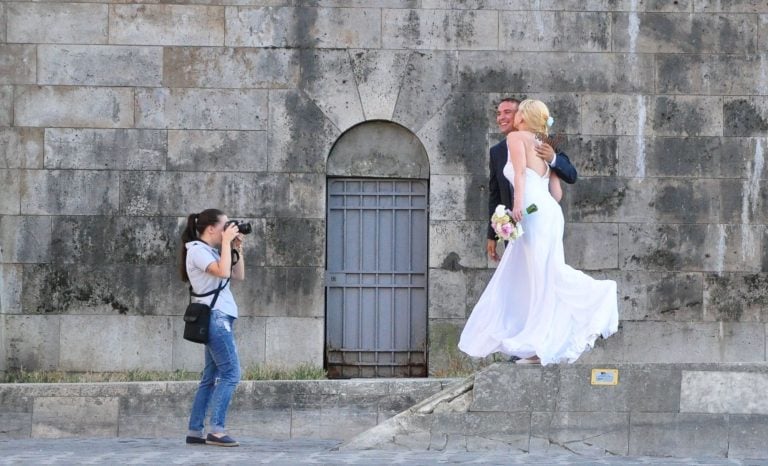
Street photography captures authentic moments of urban life without staging or directing your subjects. This comprehensive guide covers everything you need to know about mastering this dynamic art form, from choosing the right camera gear to developing your eye for decisive moments.
Whether you’re a complete beginner with a smartphone or an experienced photographer looking to refine your street photography skills, you’ll find practical techniques, camera settings, and creative approaches that actually work in real-world shooting situations.
Understanding Street Photography
Street photography goes way beyond just taking pictures on actual streets. You’re really documenting life as it naturally unfolds in any public place. The goal is catching unposed, authentic moments that show something true about how people live and interact.
The photos that really work tell complete stories in a single frame. Maybe it’s two strangers having an awkward moment on the subway. Or a street musician completely lost in their performance. Or someone sitting alone on a bench, lost in thought. These images connect with people because they capture genuine human emotions we all recognize.
Professional street photographers often walk the same neighborhoods for hours. They start to understand the rhythm of different areas. Morning rush hour brings one kind of energy and photo opportunities. Lunchtime creates different possibilities. Weekend afternoons offer yet another perspective on city life.
This type of photography has changed a lot since the film days. Back then, you had maybe 36 shots per roll of film, so every click mattered. Now with digital cameras, you can take thousands of photos in a day. But the core skills remain the same. Great street photography still comes down to being in the right place at the right moment with your camera ready.
Essential Street Photography Gear for Every Situation
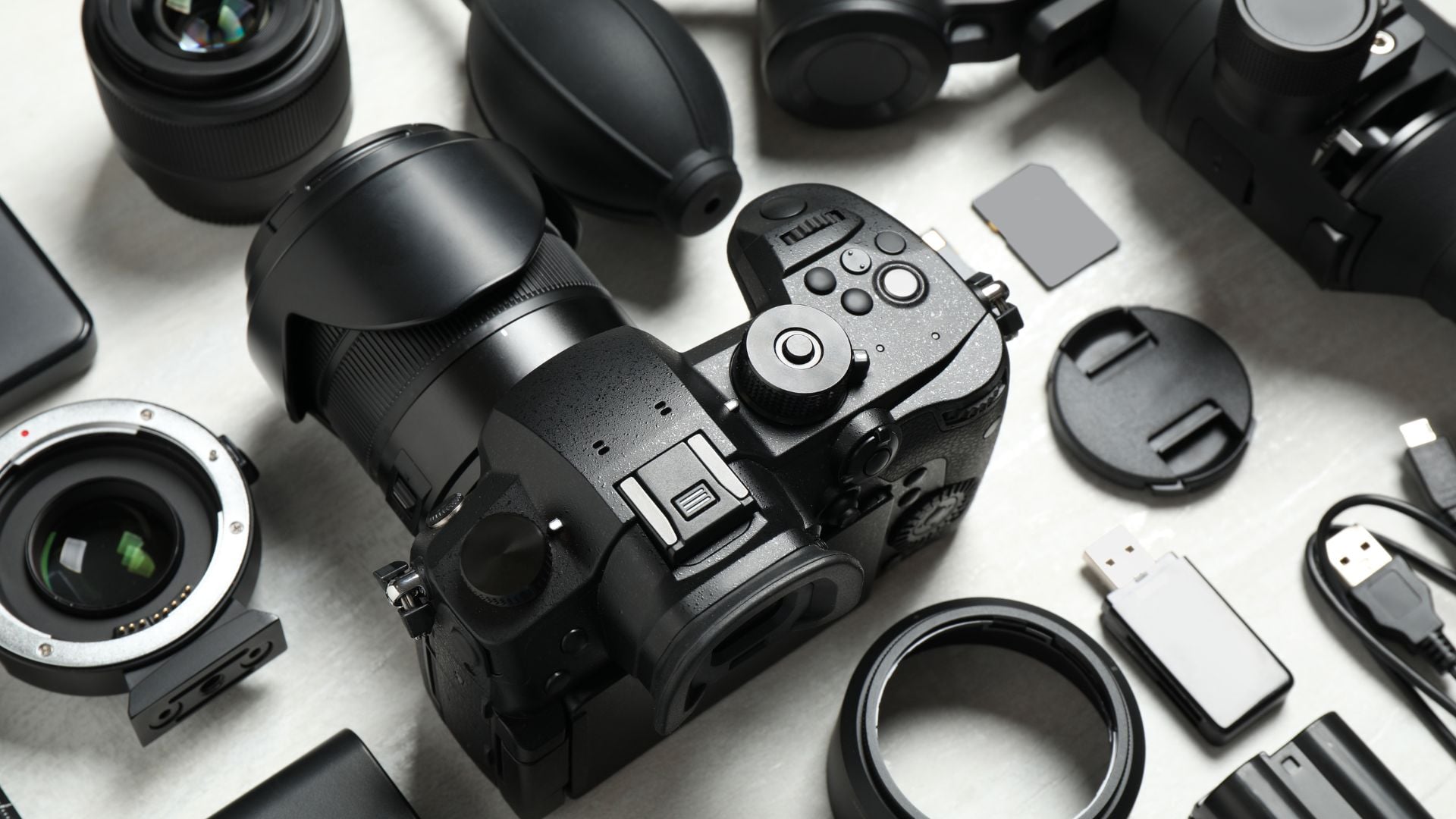
Your street photography gear needs to be light, reliable, and subtle. The best equipment helps you work fast without making everyone around you notice what you’re doing.
Camera Recommendations by Experience Level
Choosing the right camera depends on your experience level and budget. Each category offers different features and capabilities that match specific needs in street photography.
Beginner Cameras for Street Photography
If you’re just starting out, your smartphone or a basic mirrorless camera works fine. Modern phones actually produce really good street photos. They’re tiny, so nobody pays attention to them. Plus, you can edit and share your shots right away using built-in apps.
Intermediate Camera Options
Once you get more serious, you’ll probably want a dedicated camera system. Popular choices include Fujifilm X series cameras, Sony Alpha mirrorless models, and compact DSLRs like Canon EOS Rebel series. These give you manual controls, better performance in dim light, and the ability to change lenses.
Professional Street Photography Cameras
Advanced photographers usually go for professional-grade cameras with weather sealing and lightning-fast autofocus. Think Leica Q3, Sony A7 series, or Fujifilm X camera series. These handle tough conditions and deliver the image quality you need for serious work.
Lens Selection for Street Photography
The lens you choose dramatically affects your street photography style and results. Understanding the strengths of different focal lengths helps you pick the right tool for your vision.
Prime Lens vs Zoom Lens for Street Photography
Prime lenses work better than zoom lenses for street photography. They’re faster, lighter, and produce sharper images. Most street photographers swear by either 35mm or 50mm focal lengths because they see the world similarly to how our eyes do.
35mm Focal Length Benefits
A 35mm lens captures more of what’s happening around your subject. This focal length works great for crowded street scenes, cool architecture, and situations where you need to get close to people. The wide view includes more of the story happening in the background.
50mm Focal Length Advantages
A 50mm lens gives you a more intimate feel. It isolates your subject better and makes more flattering photos. You’ll need to get physically closer to your subjects with this focal length, which sometimes leads to interesting conversations.
Some photographers use 28mm lenses for dramatic wide shots or 85mm lenses when they want to stay further back. The secret is picking one focal length and really learning how to use it well, rather than constantly switching between different lenses.
Basic Street Photography Accessories

Beyond your camera and lens, these accessories make street photography more comfortable and successful. You don’t need everything at once, but these items solve common problems.
A comfortable camera strap keeps your gear secure while allowing quick access. Cross-body straps distribute weight better than neck straps and keep your camera at the ready. Some photographers prefer wrist straps for lighter cameras.
Extra batteries and memory cards prevent you from missing shots due to equipment failure. Cold weather drains batteries faster, and you never know when you’ll encounter a once-in-a-lifetime moment that requires lots of shots.
A lens hood protects your lens and reduces flare in bright light. Many street photographers shoot in challenging lighting conditions where flare can ruin otherwise perfect moments.
Comfortable walking shoes matter more than you might think. Street photography involves hours of walking on hard pavement. Uncomfortable feet will cut your shooting sessions short and affect your concentration.
Camera Settings for Street Photography
Getting your camera settings right for different street photography situations saves you from missing great shots. These basic setups work for most common scenarios you’ll encounter.
For bright daylight shooting:
- Aperture: f/8 to f/11 for good depth of field
- Shutter speed: 1/250s or faster to freeze motion
- ISO: 100 to 400 to keep noise low
- Focus mode: Single point autofocus for precision
For low light and evening shots:
- Aperture: f/1.4 to f/2.8 for maximum light gathering
- Shutter speed: 1/60s minimum to avoid camera shake
- ISO: 1600 to 6400 depending on your camera’s capabilities
- Focus mode: Continuous autofocus for moving subjects
For crowded street scenes:
- Aperture: f/5.6 to f/8 for balanced depth
- Shutter speed: 1/125s to capture slight motion blur
- ISO: Adjust based on available light
- Focus mode: Zone focusing or continuous autofocus
Focus Techniques for Street Photography
Zone focusing lets you shoot quickly without waiting for autofocus to kick in. Set your lens to f/8 or f/11, then focus on something about 10 to 15 feet away. Everything from about 7 feet to the horizon will be sharp enough. This works really well in bright daylight.
Continuous autofocus works better when your subjects are moving unpredictably. This mode tracks moving subjects and adjusts focus automatically. It’s perfect for busy street corners where people are walking in different directions.
Back-button focus separates focus control from the shutter button. This lets you lock focus on one area and recompose without the camera refocusing. Many street photographers prefer this setup because it gives them more control over exactly where the focus lands.
Street Photography Tips To Create Compelling Images
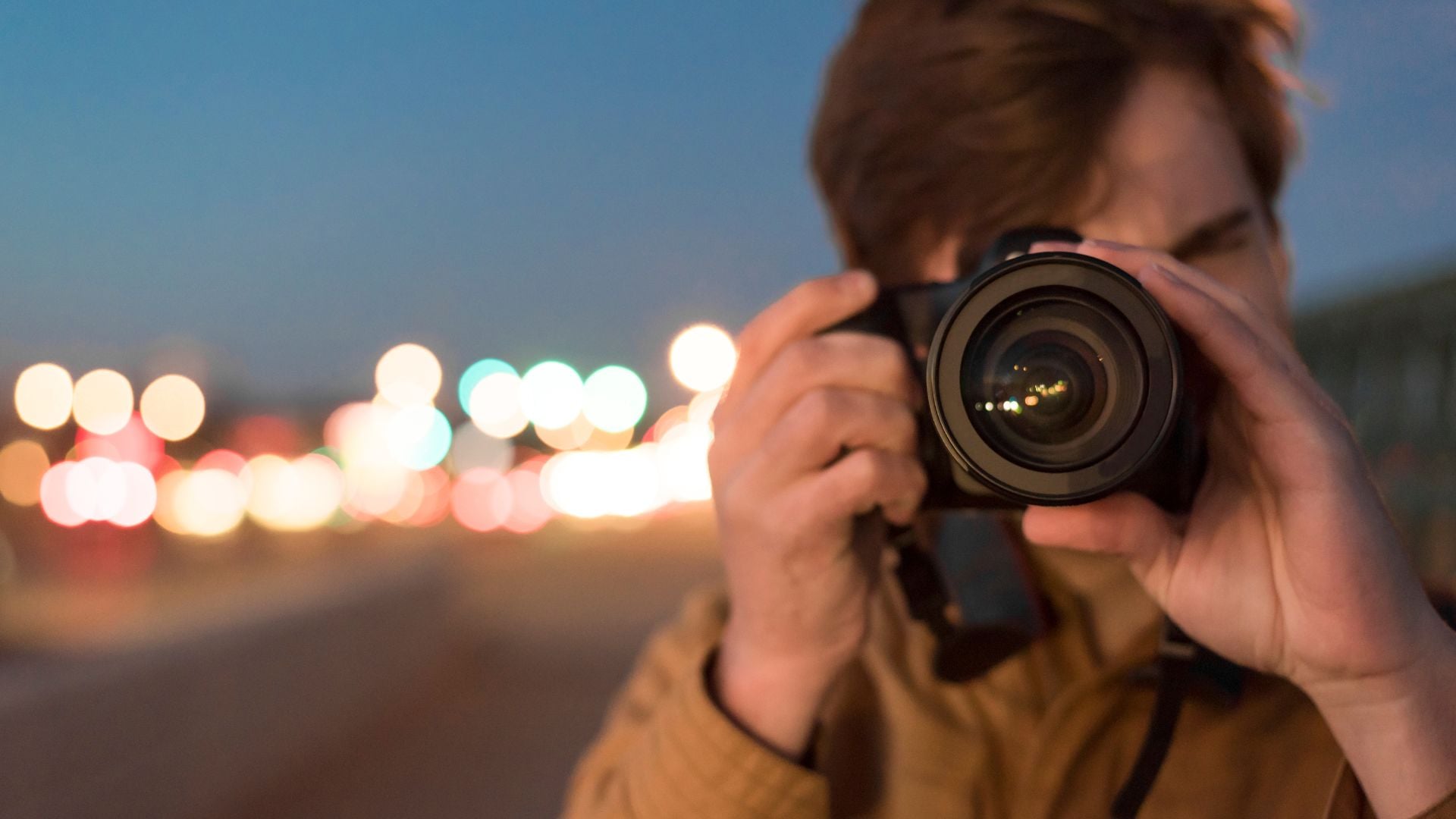
Mastering street photography techniques is what separates random snapshots from photos people actually want to look at. These skills help you consistently create stronger work.
Pre-visualization means thinking ahead about what might happen before it actually does. Find a background with good light and wait for people to walk into your frame. Watch for patterns in how people behave. Commuters usually take the same routes every day. Street performers always draw predictable crowds.
Working with Natural Light
Light makes or breaks street photography more than any other factor. Understanding how different lighting conditions affect your images helps you plan shoots and adjust your approach throughout the day.
Golden Hour Street Photography
The golden hour gives you the warmest, most flattering light for street photography. That’s the hour right after sunrise and before sunset. You get long shadows and warm colors. Buildings and windows catch this light beautifully, creating natural spotlights on your subjects.
Overcast Day Advantages
Cloudy days actually produce some of the best light for street photos. The overcast sky works like a giant softbox, getting rid of harsh shadows and reducing contrast. Colors look richer and more saturated too.
Blue Hour Photography Techniques
Blue hour happens just after sunset and offers this magical balance between street lights and the last bit of daylight. Neon signs, lit-up store windows, and streetlights create interesting color combinations. You’ll need to bump up your ISO, but the results have this unique moody atmosphere.
Composition Strategies for Street Scenes
Leading lines pull viewers into your photos and create depth. Look for sidewalks, building edges, shadows, or railings that guide the eye toward your main subject. Diagonal lines create more dynamic compositions than straight horizontal or vertical lines.
Try layering different elements at various distances from your camera. Put something interesting in the foreground, have a clear subject in the middle, and include context in the background. This adds depth to what’s essentially a flat image.
Frame your subjects using things that are already there like doorways, windows, tree branches, or building features. This isolates subjects from busy backgrounds and draws attention to what you want people to focus on.
Best Street Photography Locations Around the World
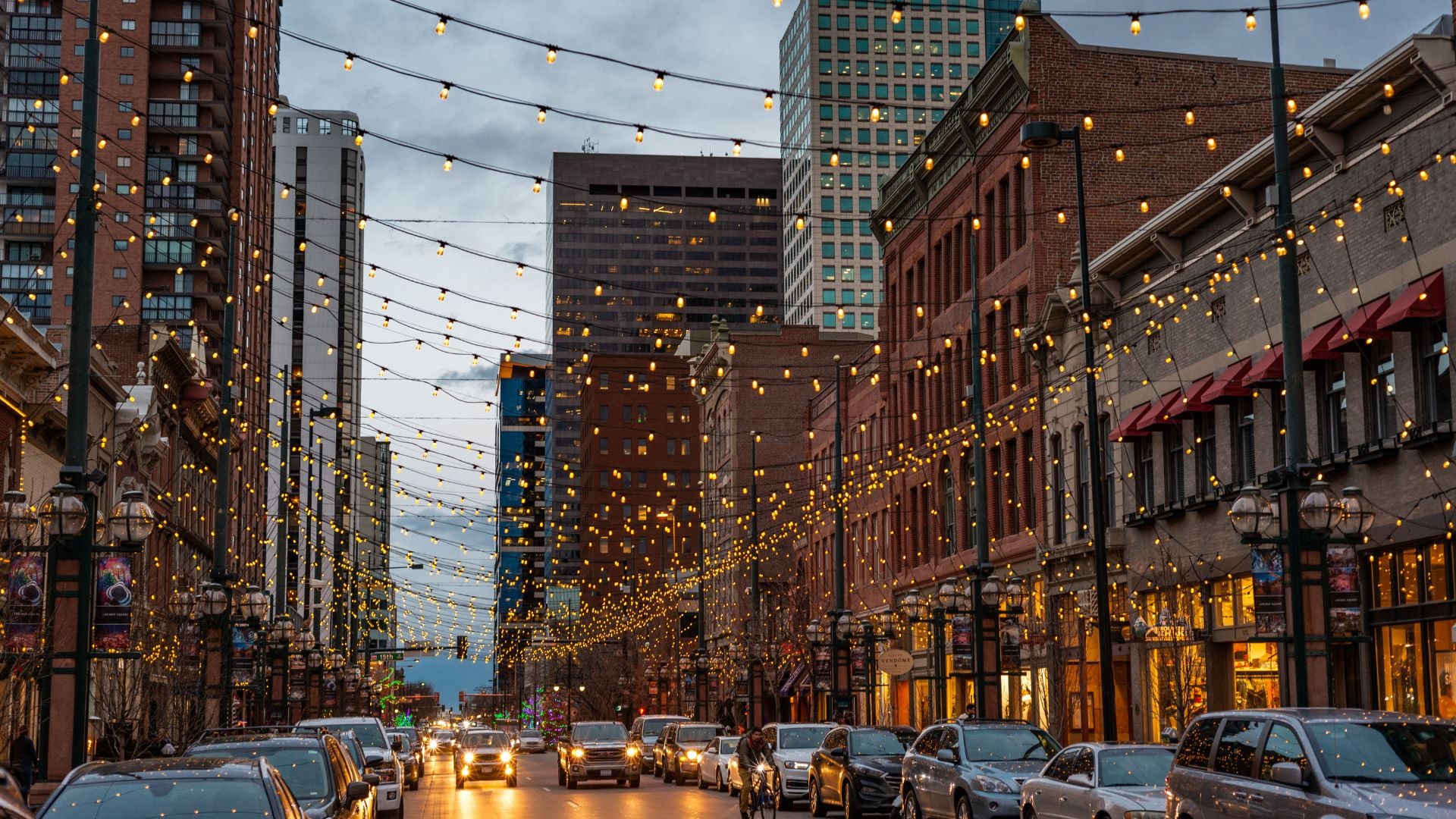
Where you choose to shoot makes a huge difference in your street photography results. Different neighborhoods, cities, and countries give you completely different opportunities for compelling images.
Metropolitan Hotspots for Street Photography
New York City is still the holy grail for street photographers. Areas like Times Square, SoHo, the High Line, and around Brooklyn Bridge offer endless possibilities. The city’s mix of people from everywhere, dramatic buildings, and non-stop activity create perfect conditions for candid photography.
Tokyo combines old traditions with ultra-modern city life. Districts like Shibuya, Shinjuku, and Harajuku give you colorful street fashion, wild signage, and unique cultural moments you won’t find anywhere else. The city’s respect for privacy creates different dynamics than what you’ll experience in Western cities.
London mixes historic buildings with modern development, creating interesting backdrops. Areas like Camden, Brick Lane, and the South Bank attract diverse crowds. The city’s frequent cloudy weather actually provides great soft lighting conditions for street photography.
Hidden Gems and Local Opportunities
Smaller cities and towns often give you more intimate street photography opportunities. Local festivals, farmers markets, and community events bring people together in authentic ways. These locations usually let you work closer with subjects without feeling like you’re intruding.
College towns offer youthful energy and regular events throughout the school year. Graduation ceremonies, sports events, and student life provide varied subject matter. The mix of students, professors, and locals creates interesting social dynamics to photograph.
Waterfront areas attract different types of people for fun and business. Fishing piers, boardwalks, and marina areas offer interesting light, backgrounds, and activities. These spots often give you both morning and evening shooting opportunities in the same location.
Street Photography Safety and Awareness
Staying safe while doing street photography protects both you and your expensive camera gear. These practical street photography tips help you shoot confidently in various urban environments.
Know your surroundings before you start shooting. Research the areas you plan to visit, especially if you’re traveling somewhere new. Check local crime statistics, ask locals about safe times to visit, and identify nearby safe spaces like police stations or busy commercial areas.
Keep your gear secure and inconspicuous. Use a camera strap that goes across your body, not just around your neck. Consider a small, plain camera bag instead of something that screams “expensive equipment inside.” Keep backup batteries and memory cards in different pockets.
Trust your instincts about people and situations. If something feels off, it probably is. Move to a different location rather than trying to get that perfect shot. No photograph is worth compromising your safety or making someone else uncomfortable.
Have an exit strategy wherever you’re shooting. Know multiple ways to leave an area quickly if needed. Stay aware of your surroundings instead of getting completely absorbed in your viewfinder. Keep your phone charged and let someone know where you’re going.
Capturing the Best Street Photography Shots
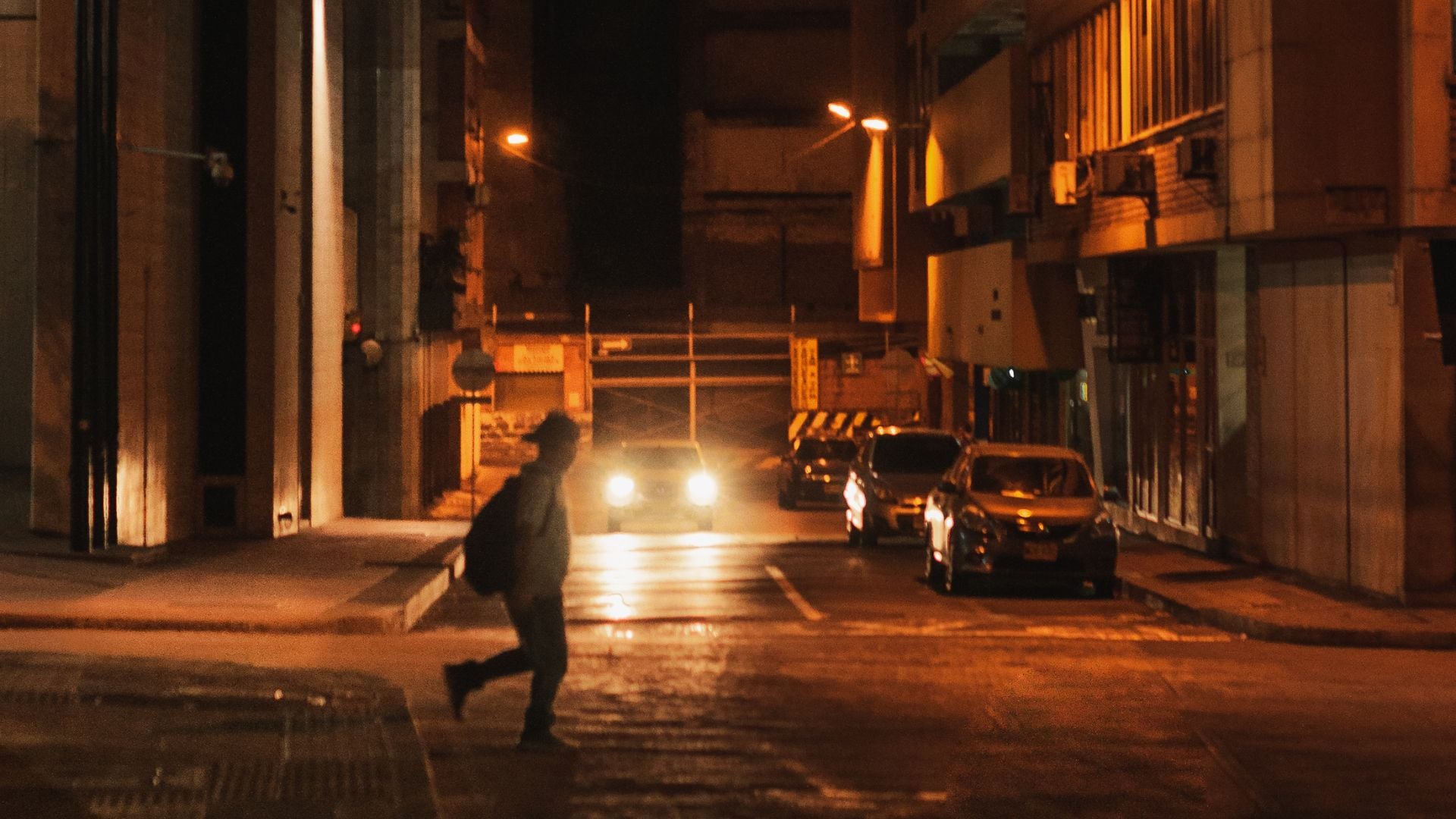
The best street photography shots combine technical skill with emotional impact. These images capture moments that reveal something meaningful about human nature or social situations.
Timing is everything in street photography. As Henri Cartier-Bresson calls it the “decisive moment”, it is when all the visual elements line up perfectly. You could capture a facial expression, a hand gesture, or the relationship between multiple people in your frame.
Peak action moments create dynamic images that grab attention. For example, a basketball bouncing off the rim, a kid’s genuine laugh while playing, or perhaps a musician getting lost in their performance. These high-energy moments require you to anticipate what’s coming and have fast reflexes.
Developing Your Eye for Decisive Moments
The ability to recognize and capture decisive moments separates good street photographers from great ones. These skills help you anticipate and capture those fleeting instances that make powerful images.
Learning to recognize patterns helps you anticipate interesting moments before they happen. Watch how people interact with their surroundings. Notice behaviors that repeat. Street vendors set up their displays in similar ways. Pedestrians cross streets following predictable patterns. Dogs react the same way to certain things.
Emotional moments make the most powerful street photographs. Look for genuine expressions of happiness, deep thought, surprise, or human connection. These fleeting emotions often happen during those in-between moments when people transition from one activity to another.
Juxtaposition creates visual interest and sometimes social commentary. Contrast young and old people, formal and casual dress, or traditional and modern elements. These comparisons can reveal social observations or just create visually striking compositions.
Technical Execution for Professional Results
Getting the exposure right ensures your images capture the full range of tones in tricky lighting situations. Use exposure compensation to adjust for backlit subjects or scenes with extreme contrast. Spot metering helps you expose for the most important parts of your composition.
Focus accuracy becomes critical when you only get one chance at a decisive moment. Use continuous autofocus modes when your subjects are moving. For stationary subjects, single-point autofocus gives you more control over exactly where the focus lands.
Your shutter speed choice affects both the mood and technical quality of your images. Fast shutter speeds freeze action for sharp detail. Slower speeds can create motion blur that suggests energy and movement. Match your shutter speed to what you’re trying to communicate in the photo.
Common Street Photography Mistakes to Avoid

Even experienced photographers make these mistakes that can hurt their street photography results. Recognizing these street photography pitfalls helps you improve faster and avoid wasted opportunities.
- Getting too close too fast scares away natural moments. Start from a distance and gradually move closer as people get comfortable with your presence. Rushing in with your camera often kills the authentic behavior you’re trying to capture.
- Forgetting about backgrounds ruins otherwise great shots. Always check what’s happening behind your subject before taking the photo. Telephone poles growing out of people’s heads, distracting signs, or cluttered backgrounds can destroy an otherwise perfect moment.
- Relying too heavily on burst mode creates more work without better results. While continuous shooting has its place, developing the skill to anticipate and capture single decisive moments will improve your photography more than spraying and praying.
- Over-editing your photos makes them look artificial. Street photography works best when it feels authentic and real. Heavy filters, extreme saturation, or obvious manipulation can take away from the genuine moments you’ve captured.
- Ignoring the light completely ruins even the best compositions. Learn to see how light falls on faces, creates shadows, and affects the mood of your scenes. Bad light can make interesting subjects look boring, while great light can make ordinary moments look extraordinary.
- Not having your camera ready means missing the shot. Keep your camera easily accessible and know your settings well enough to adjust them quickly. The best street photography moments happen fast and rarely repeat themselves.
Advanced Street Photography Techniques
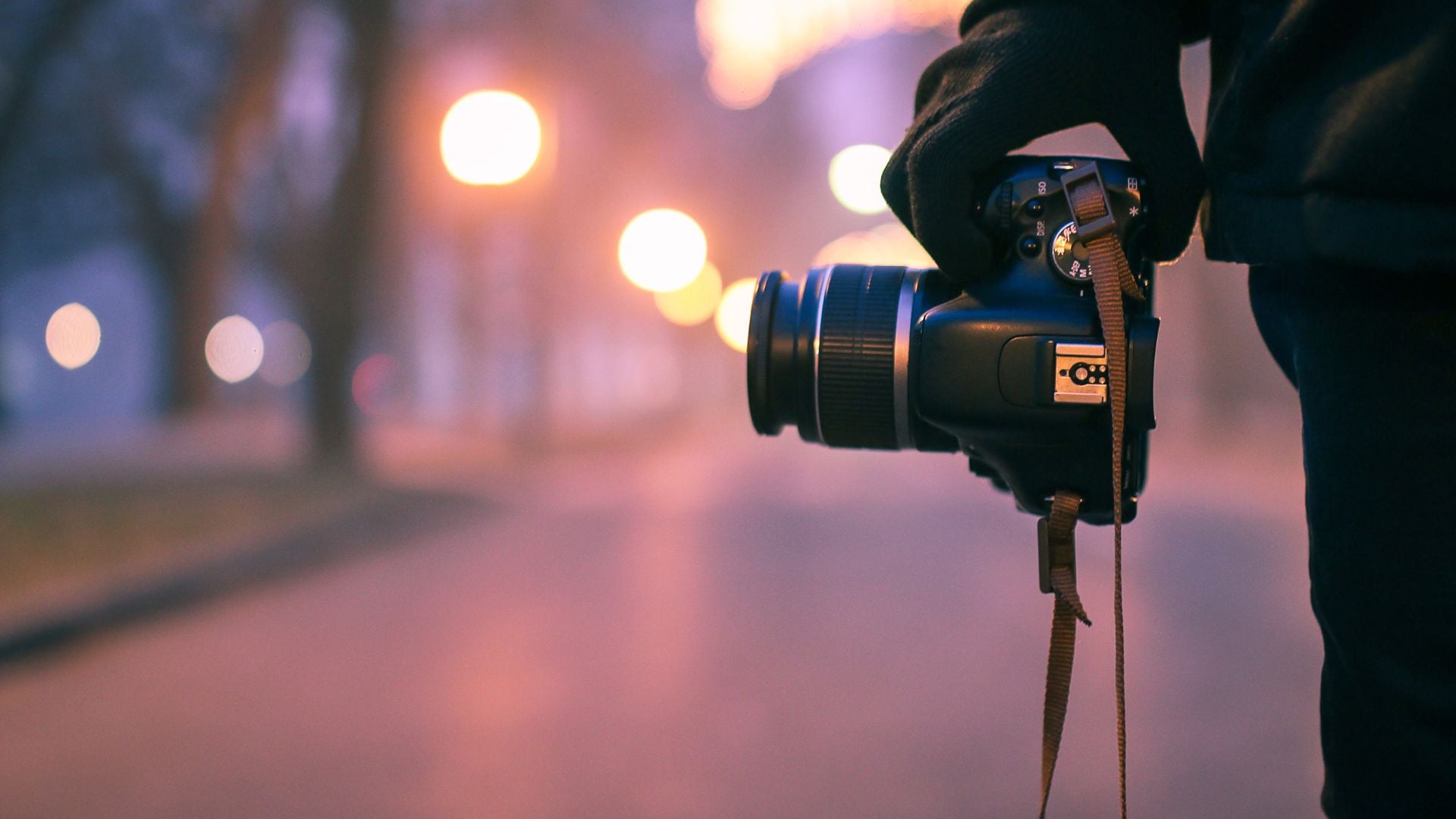
Advanced techniques help experienced photographers push their creative boundaries and develop more sophisticated visual approaches to street photography.
Multiple exposure techniques can create abstract interpretations of city life. You can combine different moments from the same location or blend moving subjects with static backgrounds. These experimental approaches take practice but can produce unique artistic results.
Long exposure photography transforms busy streets into flowing studies of movement. Use neutral density filters to get longer exposures in daylight. Moving people and cars become ghostly streaks while buildings and other stationary elements stay sharp.
Working in Challenging Conditions
Low light street photography requires different technical approaches but opens up creative opportunities. Higher ISO settings introduce grain that can actually add character to your images. Fast lenses let you get proper exposure without relying on flash.
Bad weather often provides the most dramatic street photography opportunities. Rain creates reflections on wet pavement that double your compositions. Snow simplifies scenes and adds graphic white elements. Storms produce dramatic lighting you can’t get any other way.
Crowd photography requires different strategies than individual portrait work. Use wider focal lengths to include more context and story. Look for patterns in how groups of people behave. Wait for moments when crowd dynamics create interesting compositions.
Creative Post-Processing Approaches
Black and white processing emphasizes mood, texture, and composition over color. Many classic street photographs actually work better without color. Convert your images during editing rather than shooting in black and white mode to keep maximum flexibility.
Color grading can establish mood and create visual consistency across a series of images. Warm tones suggest comfort and intimacy. Cool tones create more dramatic or somber feelings. Subtle adjustments usually work better than extreme color changes.
Selective editing lets you emphasize important elements while toning down distracting details. Dodge and burn techniques can guide where viewers look first. Careful masking allows for precise adjustments to specific areas of your images.
Building Your Street Photography Portfolio
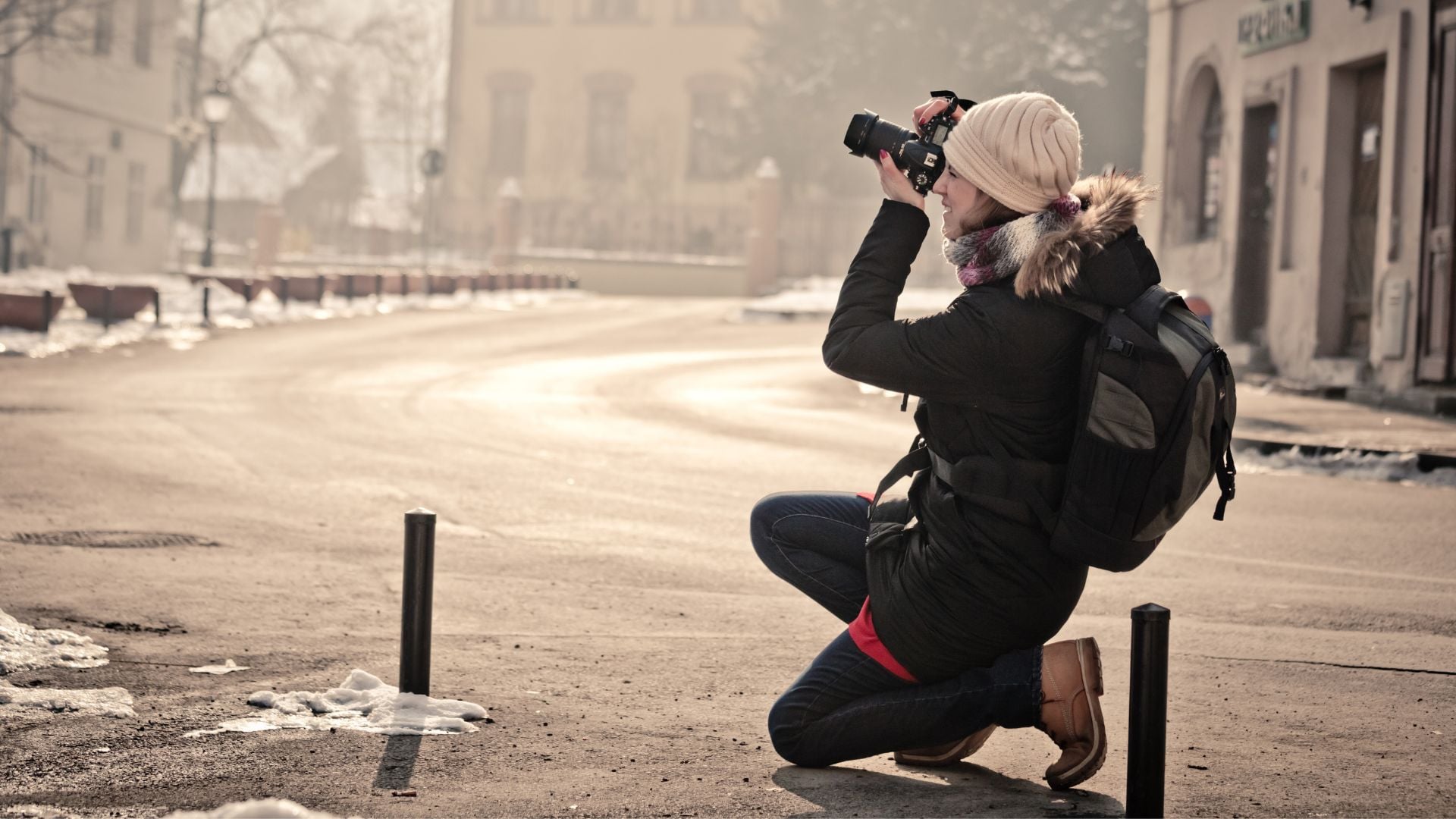
Creating a strong street photography portfolio takes time and deliberate effort. Focus on consistency and storytelling rather than just collecting random good shots.
Choose a unifying theme or approach for your portfolio. This might be a specific neighborhood, a particular style of lighting, or a focus on certain types of human interactions. Cohesive bodies of work are more powerful than scattered individual images.
Quality beats quantity every time. Twenty excellent photos that work well together are much stronger than fifty mixed-quality images. Be ruthless when editing your portfolio and only include images that meet your highest standards.
Project-based shooting often produces stronger portfolio pieces than random street walking. Document a local festival over several days. Follow the same street corner through different seasons. Tell complete stories that unfold across multiple images.
Begin Capturing Life Through Street Photography
Street photography teaches you to see ordinary moments in extraordinary ways while documenting authentic human experiences. Start with whatever camera you have and focus on developing your observation skills and timing.
The technical aspects become second nature with regular practice. More importantly, approach this art form with respect for the people you photograph. Your camera gives you the privilege of documenting human experiences, which comes with responsibility.Take your camera out and start practicing. The best education happens on actual streets, not in tutorials. Trust your instincts, stay curious about people, and keep shooting. Your unique perspective will develop naturally as you spend more time capturing the incredible variety of human experience happening around us every day.
See more from DIYPhotography.net on Google
Add DIYPhotography.net as a trusted source. This makes
our stories more likely to appear in your Google Search results.
 Add as a preferred source on Google

Darlene Lleno
Darlene Lleno brings a unique perspective to DIY Photography as someone who grew up surrounded by camera gear but chose words over lenses. With five years of writing experience, she specializes in photography content that’s both technically informed and genuinely passionate. Growing up with a photographer twin brother meant camera talk was everyday conversation in her household. While he mastered capturing moments, Darlene discovered she preferred being the subject and the storyteller behind the scenes. As a travel enthusiast and mother of two, she understands the importance of preserving life’s precious moments. When not exploring new destinations or writing for DIY Photography, you’ll find her reading or tending to her garden. Her approach to photography writing is refreshingly authentic, she may not be behind the camera, but she knows exactly what it takes to help others capture the shots that matter most.


Join the Discussion
DIYP Comment Policy
Be nice, be on-topic, no personal information or flames.