



















Concert Photography Composition Tips
Aug 14, 2025
Dunja Đuđić Kalinin
Dunja Djudjic is a multi-talented artist based in Novi Sad, Serbia. With 15 years of experience as a photographer, she specializes in capturing the beauty of nature, travel, concerts, and fine art. In addition to her photography, Dunja also expresses her creativity through writing, embroidery, and jewelry making.
Share:
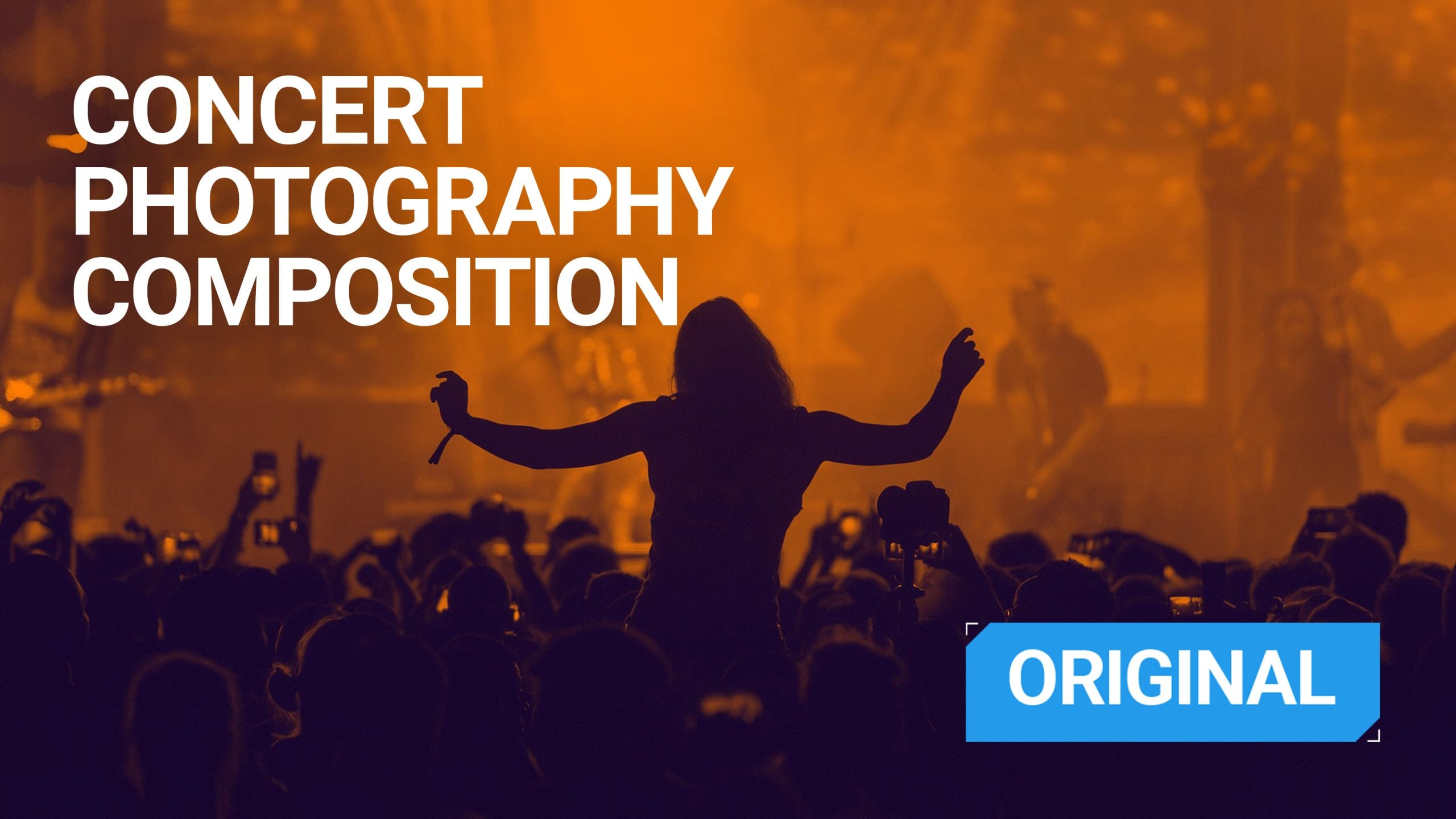
When you’ve got the right shooting skills and gear, concert photography composition is essential to make your shots memorable. You can have the perfect gear and settings, but without thoughtful composition, your concert and festival photos risk looking… Underwhelming.
For beginners and hobbyists, understanding composition is one of the fastest ways to improve your concert shots without upgrading your gear. With a few practical techniques and an eye for detail, you can make your work stand out even when conditions are far from ideal.
[Learn Photography Composition: Rule of thirds | Symmetry | Triangles | More…]
In a live music setting, lighting changes constantly and movement is unpredictable – and that’s part of the fun. Strong composition helps you cut through the chaos and create images that feel intentional. It guides the viewer’s eye, tells the story of the performance, and captures the atmosphere of the moment.
[Related Reading: The Ultimate Guide to Concert Photography: Gear, Settings, Techniques & More]
Understanding the Stage Environment
One of the first steps toward strong concert photography composition is learning to work with the stage environment. At most shows, you’ll face limited space and quite a bit of restrictions. In a small club, that might mean being pinned in one corner. At large venues, you’re usually confined to the photo pit for only the first three songs. Either way, you need to be ready to make the most of the angles available to you.
The stage setup itself can be your ally. Lights, instruments, props, guitar pedals, even cables can add depth and character to your composition if you frame them intentionally. For example, a mic stand may be an obstacle or a prop, depending on how you frame it. It can also help lead the viewer’s eye toward the performer. Drums in the background or a row of stage monitors in the foreground can add layers to your shot, making it feel more immersive.
Anticipation is key in live music photography. The more familiar you are with the artist or band, the easier it is to predict their movements. If you know a guitarist always swings toward stage right during a solo or that the singer leans into the crowd at the end of each chorus, you can position yourself ahead of time. Observing sound checks and watching videos of past performances helps a lot. Alternatively, you can simply pay attention during the first few moments of a set and get the cues you need to be in the right place at the right time.
Framing the Subject
Framing is where creativity and discipline meet in concert photography composition. The rule of thirds is a reliable starting point for concert photography composition. It helps you place your subject in a way that feels natural and visually engaging to the viewer. But concerts are also the perfect setting to break that rule when the moment calls for it.
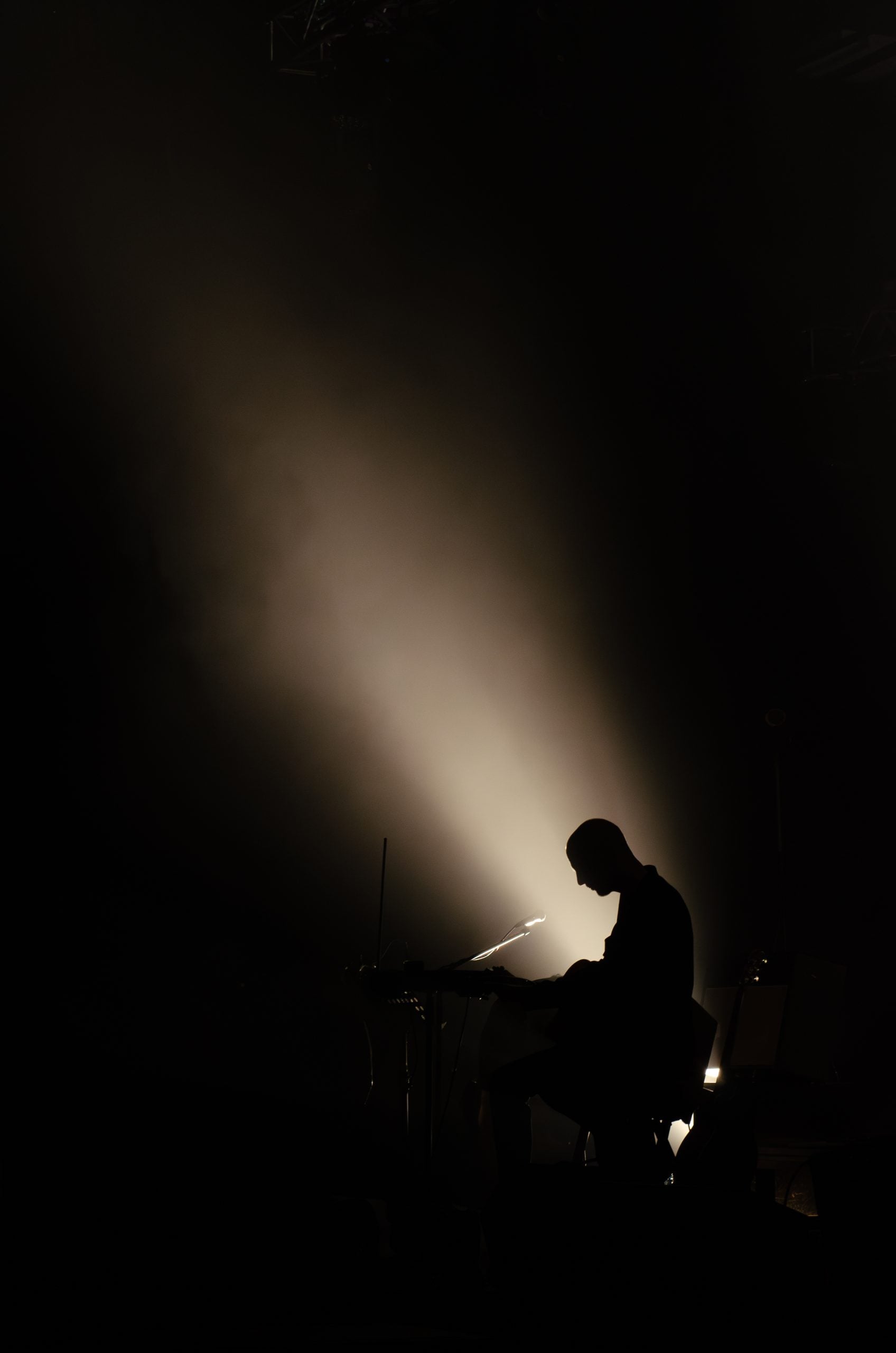
Tight framing can capture intimate details like the emotion in a singer’s face or the concentration of a drummer mid-fill. Wide framing can pull in more of the atmosphere, showing the crowd, stage, and lighting in a single image. You can play with negative space, too. I personally love it, especially when shooting bands whose songs are a bit heavy, emotional, and melancholic. Each approach has its place, and switching between them during a set will give you a stronger overall collection of images.
Once you start photographing concerts, you may get frustrated with a bunch of mic stands, cables, or lighting fixtures. But try to consider how they might enhance the scene. For example, a beam of light spilling over a mic or the singer, a pedalboard at a guitarist’s feet, etc. These elements are part of the live music story, and including them can make your photos feel more authentic. I personally love including these details… Even though I still get frustrated when they just come in my way and add noting to the story. It’s also a part of concert photography, but we weed out these pictures and keep those where even the “annoying” details actually add to the composition.
Capturing Emotion and Energy
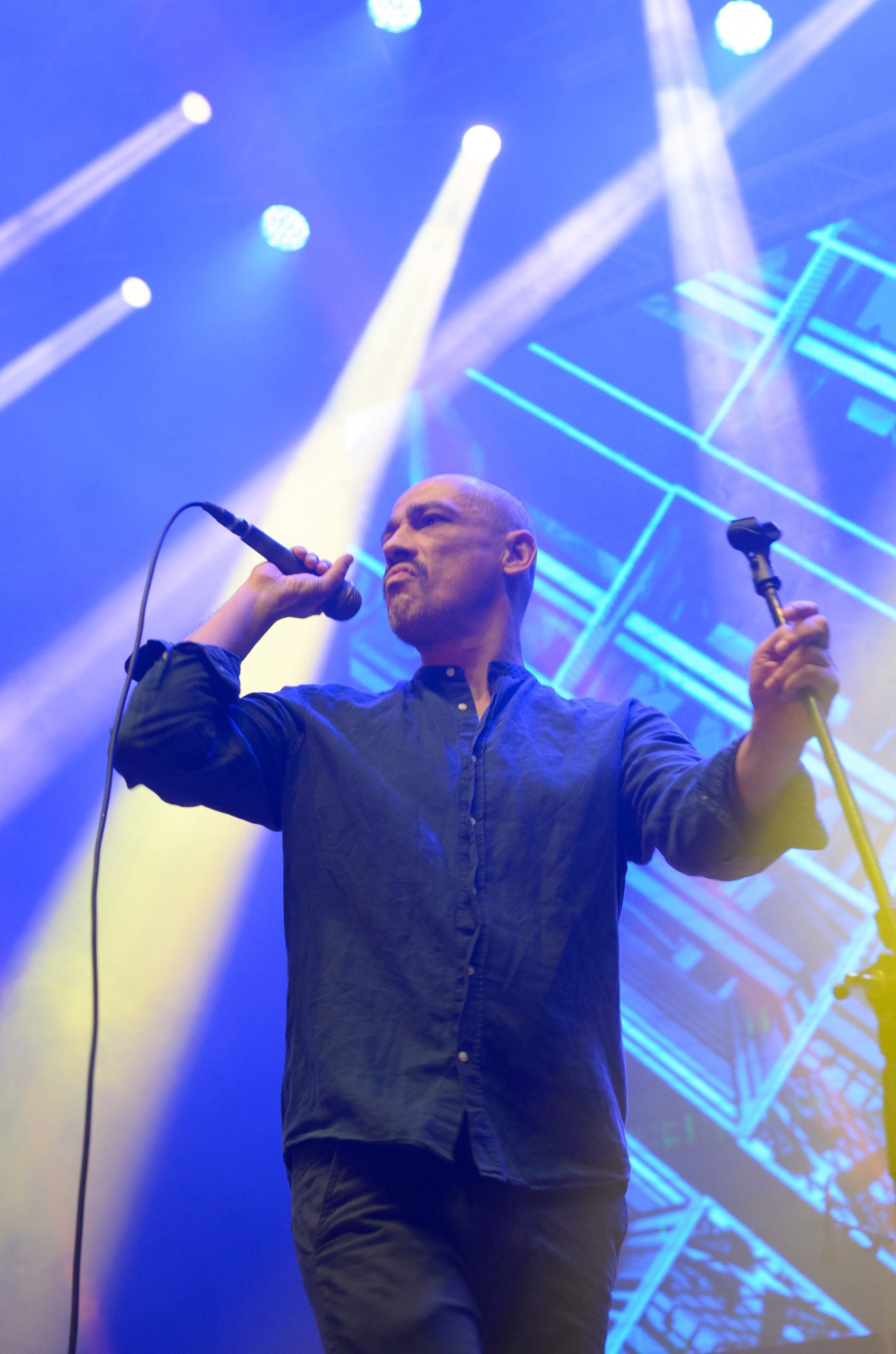
Concert photography is more than documenting who was on stage, it’s about conveying how it felt to be there. Here, your composition will make or break the shot. Observe facial expressions, body language, and fleeting moments of connection between band members or with the audience. I love observing these even without my camera, but when I’m shooting, I love to try and capture them into my shots.
Here, timing is everything. Anticipation comes with experience, but staying alert, finger on the shutter, and ready to react is essential. If you’re photographing an artist for the first time, pay attention to patterns in their movements. Many performers have signature gestures or habits that repeat throughout the set. Recognizing them early gives you a better chance of capturing those moments at their most expressive.
Using Angles to Your Advantage
Changing your shooting angle can completely alter the mood of a photo. Low angles can add power and drama. Shooting from the sides can give a more candid, behind-the-scenes feel, while capturing from behind the performer can offer the audience’s perspective. Of course, if your press pass allows the stage access.
[Related Reading: How to Get a Concert Photo Pass: Breaking Into Live Music Photography]
Venues often limit your movement, but there’s usually some flexibility if you’re respectful of others in the pit or crowd. Look for vantage points beyond the obvious. A balcony or side stage position can you more chance for unique composition in a concert, especially if you can frame the performer against the lights or crowd.
Creative Use of Lighting and Effects
Concert lighting can be your best friend or your biggest challenge. Silhouettes, backlighting, and spotlights all have the potential to create striking images if you compose them well. A strong backlight can outline a performer’s shape, while colored spotlights can set the mood.
Haze, smoke, and other stage effects can add depth and texture. They diffuse light in interesting, but also often unpredictable ways. Harsh or uneven lighting is common in concerts, but that’s something we need to embrace. You need to look for ways to work with it, using shadows and light falloff as part of your composition.
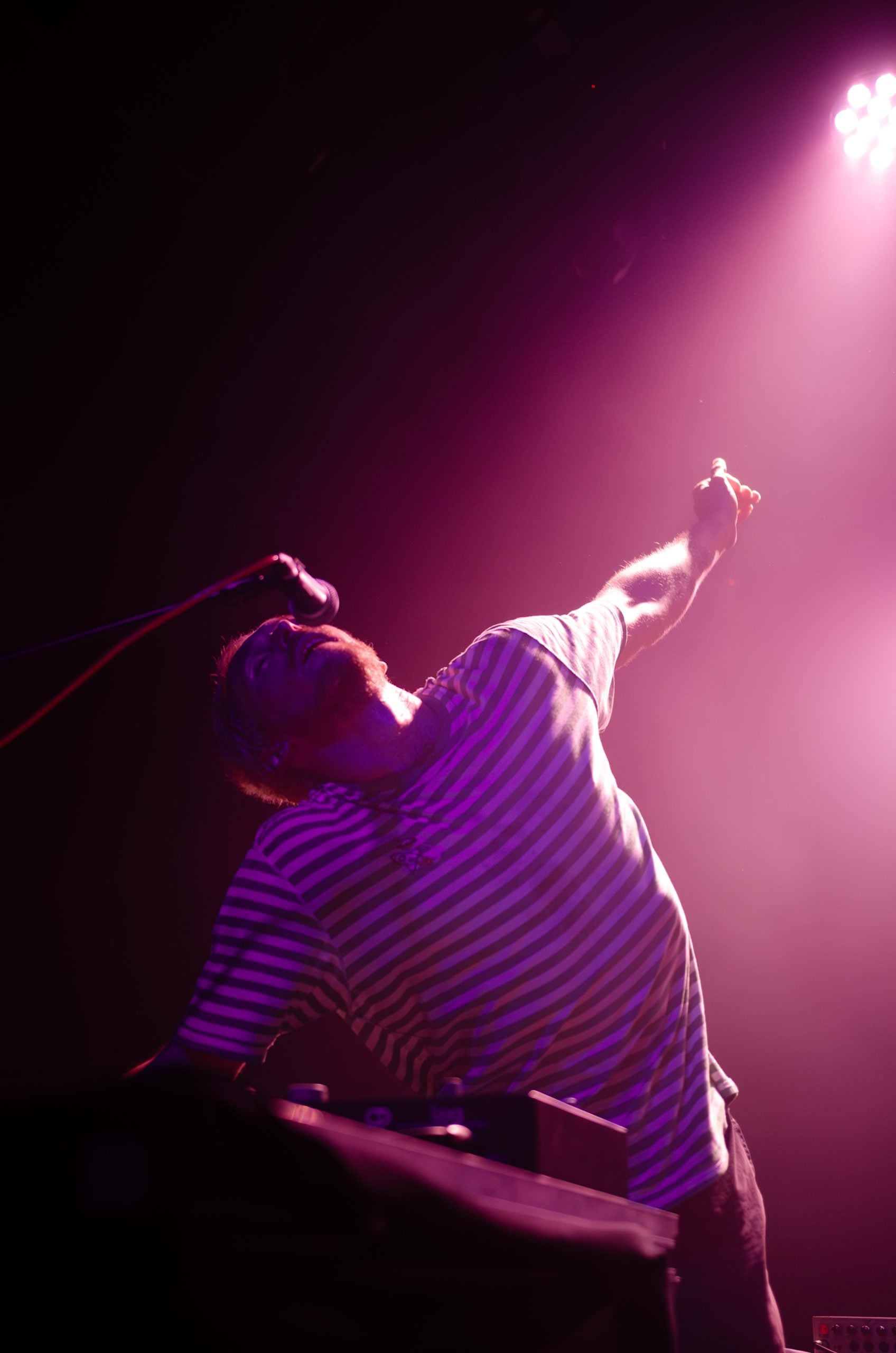
Including the Audience and Atmosphere into Your Composition
A great concert story isn’t complete without the audience. Their reactions are part of what makes the concert, as well as concert photography. Capturing moments where performer and crowd interact can be especially impactful and interesting.
Sometimes, blending both in a single frame tells the story best – the performer in the foreground, the crowd stretching into the distance. Wide shots can show the scale of the event, while mid-range compositions can focus on smaller, more personal interactions within the audience itself.
Details that Tell the Story
Not every photo needs to be a full-body shot of the performer. Close-ups of hands gripping a microphone, fingers flying across guitar strings, or a drummer’s sticks mid-strike… You get the gist. Speaking of drummers, they’re most commonly all the way in the back. So, it can be difficult to take their photos both because of the lighting and because other band members block the view. Still, do your best and don’t forget to photograph them, too.
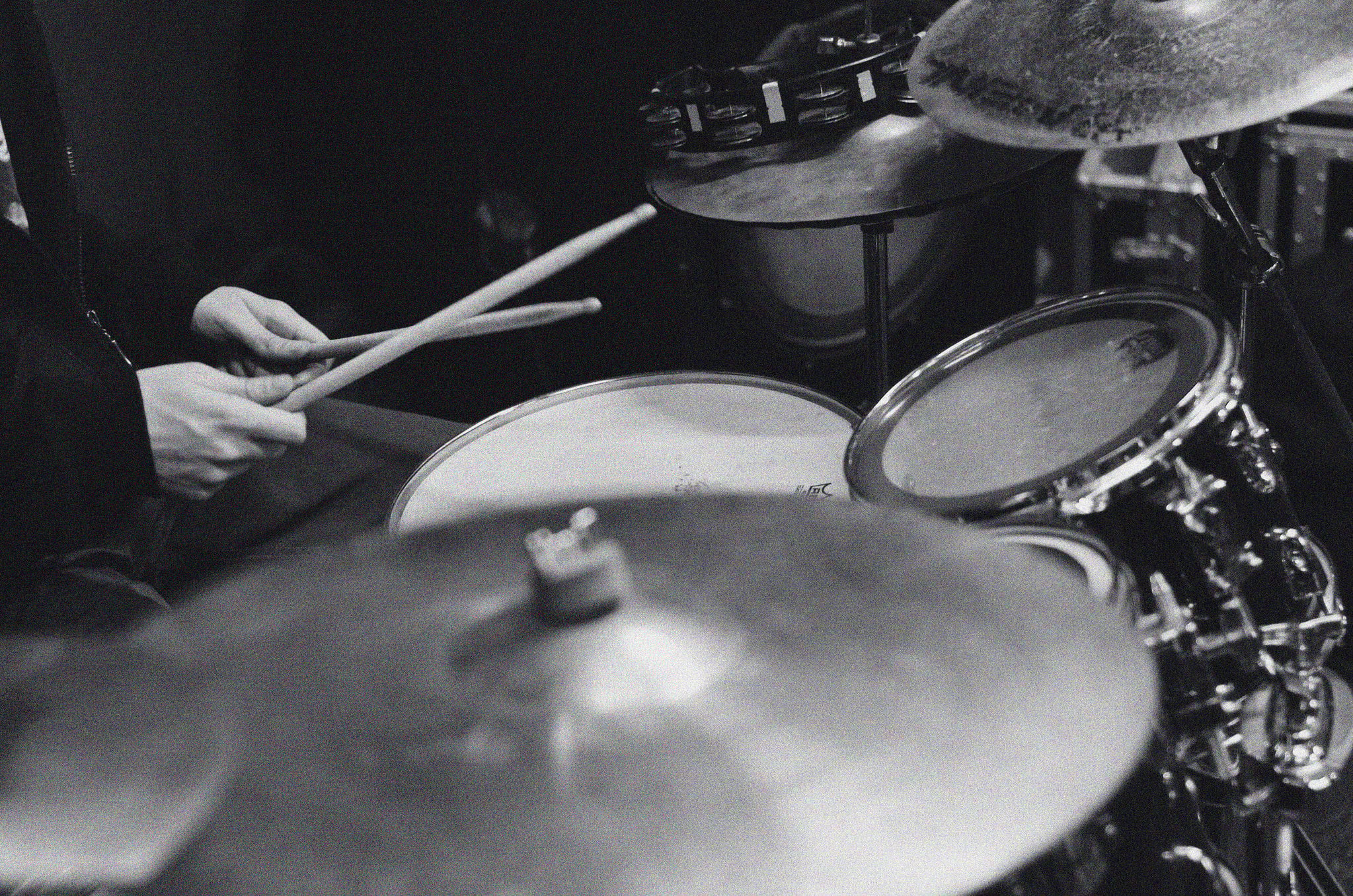
Finding Inspiration for Concert Photography Composition
You can find inspiration in music itself. The raw energy or the melancholy of the music you listen to and the bands you photograph will guide you towards the compositional decisions. Of course, I’d always recommend studying the works of other concert photographers. Brian Rašić, Bojana Janjić, Marko Ristić, and Wood are among my favorite ones from Serbia. You can check out their work and, of course, explore music photographers on your own.
Concert photography composition takes time and practice to master. Fast movements, time and space constraints, and difficult lighting add to this challenge, too. However, all of this is what makes live music photography interesting and rewarding. So, even if it’s frustrating at times, keep challenging yourself to experiment with framing, angles, and timing. Some of your best shots might come from breaking the rules entirely. And remember – a well-composed image can turn even a technically imperfect shot into something unforgettable.
See more from DIYPhotography.net on Google
Add DIYPhotography.net as a trusted source. This makes
our stories more likely to appear in your Google Search results.
 Add as a preferred source on Google

Dunja Đuđić Kalinin
Dunja Djudjic is a multi-talented artist based in Novi Sad, Serbia. With 15 years of experience as a photographer, she specializes in capturing the beauty of nature, travel, concerts, and fine art. In addition to her photography, Dunja also expresses her creativity through writing, embroidery, and jewelry making.
Related Posts
 Concert Photographer: Where Did Your Integrity Go? (Or How Concert Photographers Handle Contracts In Norway)
 Concert Photography Tips: From Getting a Pass to Editing Photos in Under Four Minutes
 Camera Settings and Tips for Concert Photography Beginners
 Flat Lay Photography Tips: 15 Composition Rules That Make Products Look Expensive
Join the Discussion
DIYP Comment Policy
Be nice, be on-topic, no personal information or flames.
One response to “Concert Photography Composition Tips”
;-)
Yep concert photography can be a challenge but it can se very rewarding.
And its always different from band to band and its also very diferent shooting for a band or shooting for a festival.