



















Music Festival Photography Tips: How to Prep, Shoot, and Survive
Aug 16, 2025
Dunja Đuđić Kalinin
Dunja Djudjic is a multi-talented artist based in Novi Sad, Serbia. With 15 years of experience as a photographer, she specializes in capturing the beauty of nature, travel, concerts, and fine art. In addition to her photography, Dunja also expresses her creativity through writing, embroidery, and jewelry making.
Share:
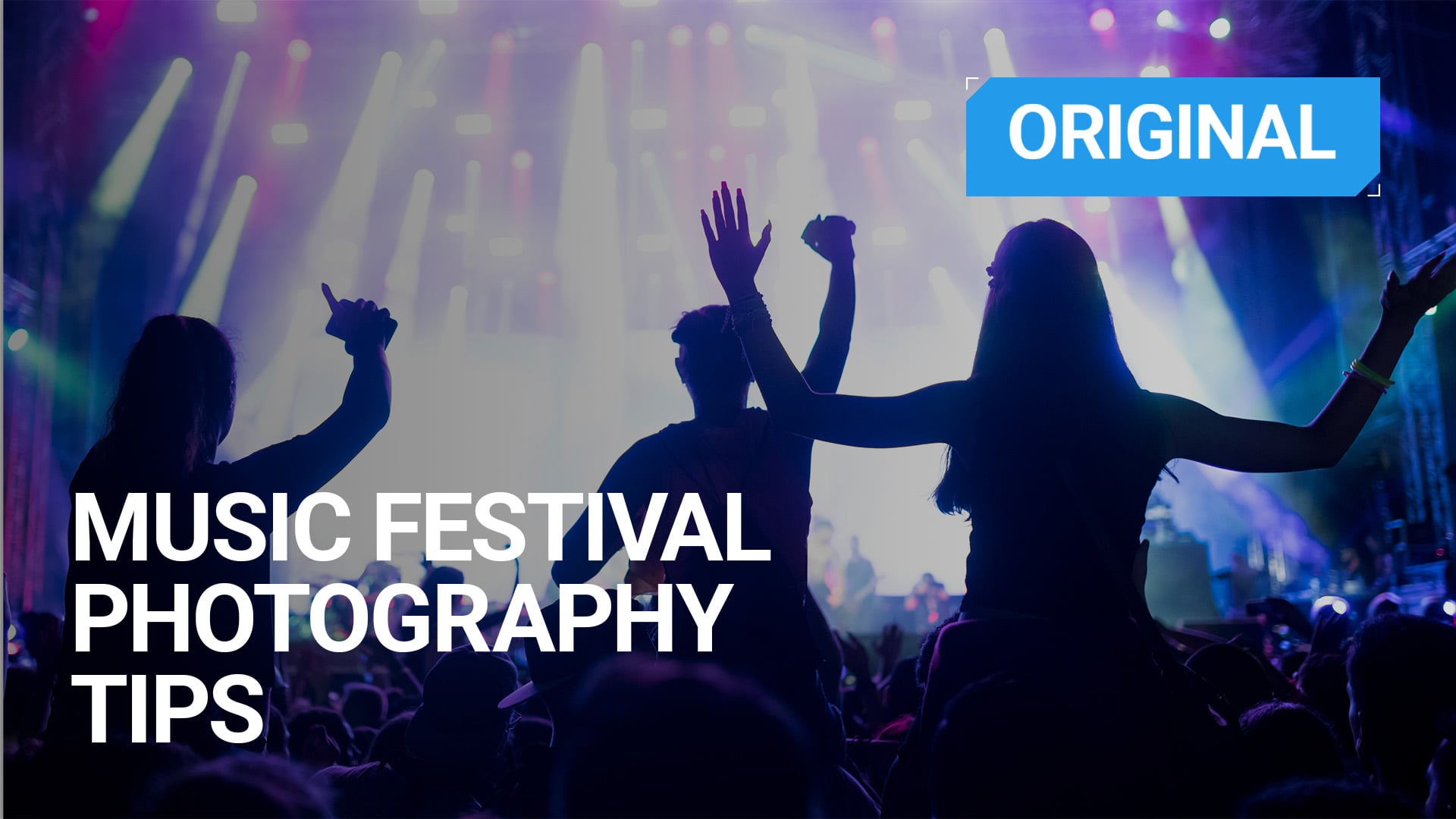
Music festival photography is a concert photographer’s dream. It’s your chance to shoot concerts all day, but there are things that could make this dream more of a nightmare. Multiple shooting hours and days, running back and forth between stages, a gazillion photos on your SD card… To make festival photography a great experience, you need stamina, smart gear choices, storytelling instincts, and the right access. So, we bring you some tips for mastering festival photography, from getting a press pass to building a narrative through your images.
[Related Reading: The Ultimate Guide to Concert Photography: Gear, Settings, Techniques & More]
Getting a Press Pass for Festival Photography
Before the festival team even starts setting up the stages, you need to get a press pass. It allows you to shoot from the photo pit, and sometimes even backstage or behind the scenes. Unless you’re in the press team, many festivals don’t even allow cameras with interchangeable lenses. This means you’ll only be able to shoot with your phone, from the crowd.
If you’re still inexperienced, start small. Photograph local concerts, community events, or indie bands. Even if you shoot without a pass, choose your best 10 to 15 shots for a clean, online portfolio. Include both performance and detail shots – fans, instruments, lighting, and candid emotion. Show you can capture the vibe, not just the stage.
Reaching Out to Get the Pass
You can reach out to music bloggers or local publications and offer your work in exchange for credentials. For smaller acts, contact artist managers directly with a respectful pitch and your portfolio. In many cases, festivals offer formal media accreditation. So, check their website and submit early. When writing a pitch, be professional, clear, and concise. Introduce yourself, link to your portfolio, and explain your interest in covering the event. If you don’t hear back, a polite follow-up is okay.
Getting that concert photography or festival photography pass is often more about persistence and professionalism than experience alone.
[Related Reading: How to Get a Concert Photo Pass: Breaking Into Live Music Photography]
The Right Gear for Music Festival Photography
So, you’re in. How exciting! Now it’s time to think of the best gear to bring along. Since music festivals are marathons, not sprints, your gear needs to be reliable, comfortable, and ready for all kinds of weather and shooting conditions.
Dust, rain, and sweat are all part of the deal. If you shoot punk, metal, rock, hardcore festivals, add spilled beer to the equation (ask my Nikon how we know that). Because of all this, a weather-sealed camera is highly recommended. However, most modern cameras can handle some elements, so don’t worry about it too much. You can bring a rain cover and something to clean your lenses, and you should be good to go.
[Related Reading: Best Cameras for Concert Photography: Features to Look for and Cameras to Pick]
Speaking of lenses, a 24–70mm lens is a flexible choice that works well in photo pits. Something like a 70–200mm helps you capture stage details from further away. Wide-angle lenses, like a 16–35mm, are great for crowd shots and wide festival scenes. A fast 50mm or 85mm prime is excellent for low-light portraits or capturing performers in moody lighting. Plan ahead and think of what you want to shoot. I’d suggest relying on zoom lenses more and carrying two or three of those, rather than bringing a bunch of primes.
[Related Reading: How to Choose Best Lenses for Concert Photography]
Accessories matter too. Bring more batteries and memory cards than you think you’ll need. As I mentioned, music festival photography is a marathon, and you’ll easily go through several cards during a full day of shooting. A laptop or portable SSD is ideal for backing up your photos at the end of each day. Most festivals have a dedicated area where you can securely leave your gear, but make sure to check this with the organizer before the event itself.
I suggest also packing a power bank or portable charger to keep your phone and other gear going. Use proper carrying gear to distribute weight evenly. You’ll be carrying camera(s) and lenses all day, so make sure to use your most comfortable solution. It can be a harness or a padded strap, and there are also some handy solutions for switching between the lenses, like this TriLens Holder from Frii Designs. I recently saw my cousin’s wedding photographer carrying it. I must admit I’d completely forgotten about it, but it seems like a great solution for wedding and music festival photography.
Last but not least, don’t forget earplugs, sunscreen, and a rain poncho. Festival photography is demanding, so your comfort and preparedness will directly affect your ability to keep shooting strong.
Preparing for the Festival Marathon
Doing music festival photography means you’ll be on your feet for 8 to 12 hours or more. Dehydration, heat, and fatigue can creep up quickly. Now, I don’t wanna sound like your mom, but I will. Drink water regularly, and bring snacks to keep your energy up. Wear supportive shoes that you’ve broken in already. Festival days often start in the afternoon when it’s hot, and end late at night (or early in the morning) when it gets colder. So, dress in layers and apply sunscreen often during the day, and bring something to put on after the sun sets. Even though you may be excited to capture every set, taking breaks between acts helps you stay sharp for the ones that really matter.
What I also really need to point out is: manage your expectations. You won’t capture every great moment, and that’s okay. Focus on what matters most to you and pace yourself. Your preparedness, endurance, and mental state are as important as your gear. If not more.
Telling the Story: Capturing More Than the Stage
The most memorable festival photography doesn’t always come from the stage. In fact, there’s so much to photograph in the crowd! So, after you’re done shooting the first three songs (which is usually the policy), go ahead and look around you. Take shots of the grounds, the sea of people, and the skyline. Capture food stalls, art installations, or fans decked out in festival fashion. Photograph the changing light from day to night, and how it transforms the mood. All of these contextual images add meaning and tell the whole story of the festival, adding way more interest to your shots.
As far as music photography goes, details make a difference. If you have the access, make sure to photograph quiet moments behind the scenes. Take shots of the setlist, a band member tying their shoes, interactions between band members… These are often the shots that resonate most. Festival photography is about energy, but it’s also about storytelling. The more complete your visual story, the more compelling your work becomes.
Final Tips for First-Time Festival Shooters
If you get the press pass, familiarize yourself with all the rules. Every serious festival will line out the policy in advance, but here are some things to have in mind and ask if they’re not specifically stated:
- What’s the shooting policy in the pit – only the first three songs or the entire performance?
- Are you allowed in the pit of multiple stages, or just one?
- Do you have backstage access or not?
- Can you take photos from the stage during the performance, or just from the photo pit?
- Where can you leave your gear and how will it be secured?
- Are there charging stations, and where are they located?
- Is there a dedicated food/drink court for the press?
On the first day, arrive early to get a feel for the layout and how the light shifts throughout the day. Familiarize yourself with the hubs you’ll need to visit multiple times (different stages, charging stations, food and drink courts, and toilet).
Once the music starts and you start shooting, don’t spend too much time reviewing your shots mid-set: chimping can cause you to miss real moments. Use burst mode when it counts, but don’t overdo it, as you’ll be dealing with a gazillion photos at the end of the day anyway.
Back up your photos as soon as possible: external SSDs are fast, reliable, and compact. Keep your energy up, and don’t forget to be respectful of artists and other photographers.
See more from DIYPhotography.net on Google
Add DIYPhotography.net as a trusted source. This makes
our stories more likely to appear in your Google Search results.
 Add as a preferred source on Google

Dunja Đuđić Kalinin
Dunja Djudjic is a multi-talented artist based in Novi Sad, Serbia. With 15 years of experience as a photographer, she specializes in capturing the beauty of nature, travel, concerts, and fine art. In addition to her photography, Dunja also expresses her creativity through writing, embroidery, and jewelry making.
Related Posts
 How to pack and use photography gear to survive a burning man festival
 Festival organisers blow millions on Instagram posts and marketing leaving no budget for the festival itself
 How to prepare for music festival season
 Photographer adds a new dimension to a music festival by shooting it in infrared
Join the Discussion
DIYP Comment Policy
Be nice, be on-topic, no personal information or flames.