
















Film Photography’s Unexpected Comeback: Why Young Creators Are Choosing Analog
Aug 16, 2025
Darlene Lleno
Darlene Lleno brings a unique perspective to DIY Photography as someone who grew up surrounded by camera gear but chose words over lenses. With five years of writing experience, she specializes in photography content that’s both technically informed and genuinely passionate. Growing up with a photographer twin brother meant camera talk was everyday conversation in her household. While he mastered capturing moments, Darlene discovered she preferred being the subject and the storyteller behind the scenes. As a travel enthusiast and mother of two, she understands the importance of preserving life’s precious moments. When not exploring new destinations or writing for DIY Photography, you’ll find her reading or tending to her garden. Her approach to photography writing is refreshingly authentic, she may not be behind the camera, but she knows exactly what it takes to help others capture the shots that matter most.
Share:
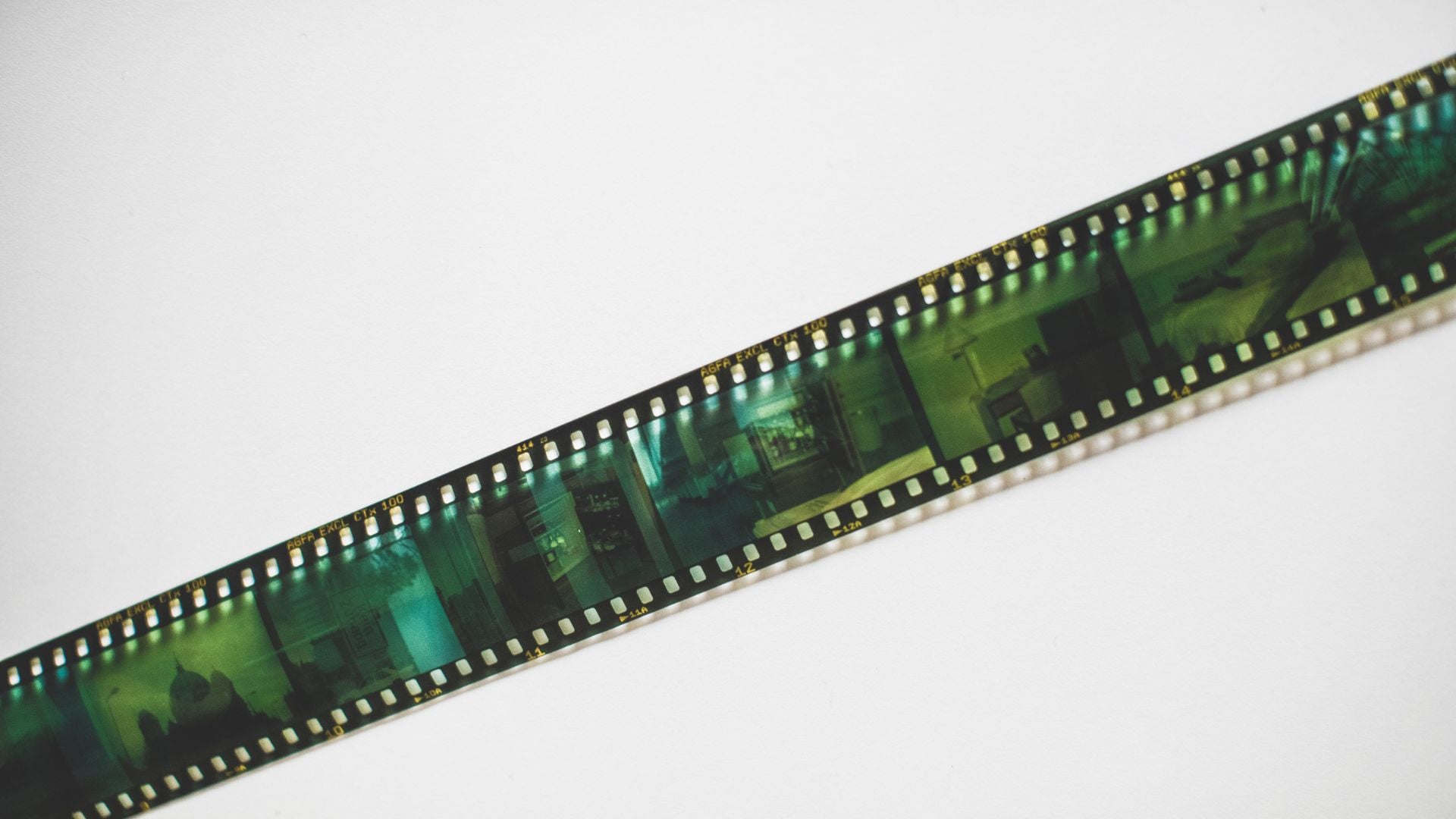
The film photography comeback has taken the creative world by storm, attracting a generation of digital natives who grew up with smartphones and instant sharing. This analog revival isn’t just nostalgia driving sales. Young photographers are finding real value in the slower, more intentional process that film cameras demand.
Camera shops report they can’t keep vintage film cameras in stock. Prices for classic models like the Canon AE-1 and Nikon FM have doubled in some markets. Even basic point-and-shoot cameras from the 1990s that nobody wanted five years ago now cost serious money.
The Numbers Behind Film Photography’s Rise
Kodak saw their film sales jump 30% between 2019 and 2023, with the biggest growth coming from photographers aged 18-35. Recent industry data shows that professional film sales have been increasing consistently over the last three years. Major manufacturers like Fujifilm and Harman Technology are experiencing steady growth after more than a decade of decline.
Local camera shops are struggling to keep film stock on shelves. Film that used to sit around for months now sells out in days. This surge has camera centers seeing 10-15% monthly increases in film development for about four years running.
The global photographic film market reached $2.86 billion in 2024, with projections showing continued growth through 2031. This represents a complete turnaround from the dramatic decline that started in the early 2000s when digital photography took over.
Why Digital Natives Choose Film Photography
Young photographers who grew up taking unlimited photos on phones find film photography offers something completely different. Every shot costs money and requires careful consideration. This limitation forces photographers to slow down and think before pressing the shutter.
The hands-on process appeals to people tired of everything being on screens. Understanding the science behind photographic film reveals why many find loading film, turning the advance wheel, and working in darkrooms satisfying in ways phone cameras can’t match.
Film’s unpredictable nature draws photographers who want authentic imperfection. Light leaks, grain, and color shifts create unique looks you can’t replicate perfectly with digital editing. These “mistakes” make photos stand out and feel genuine.
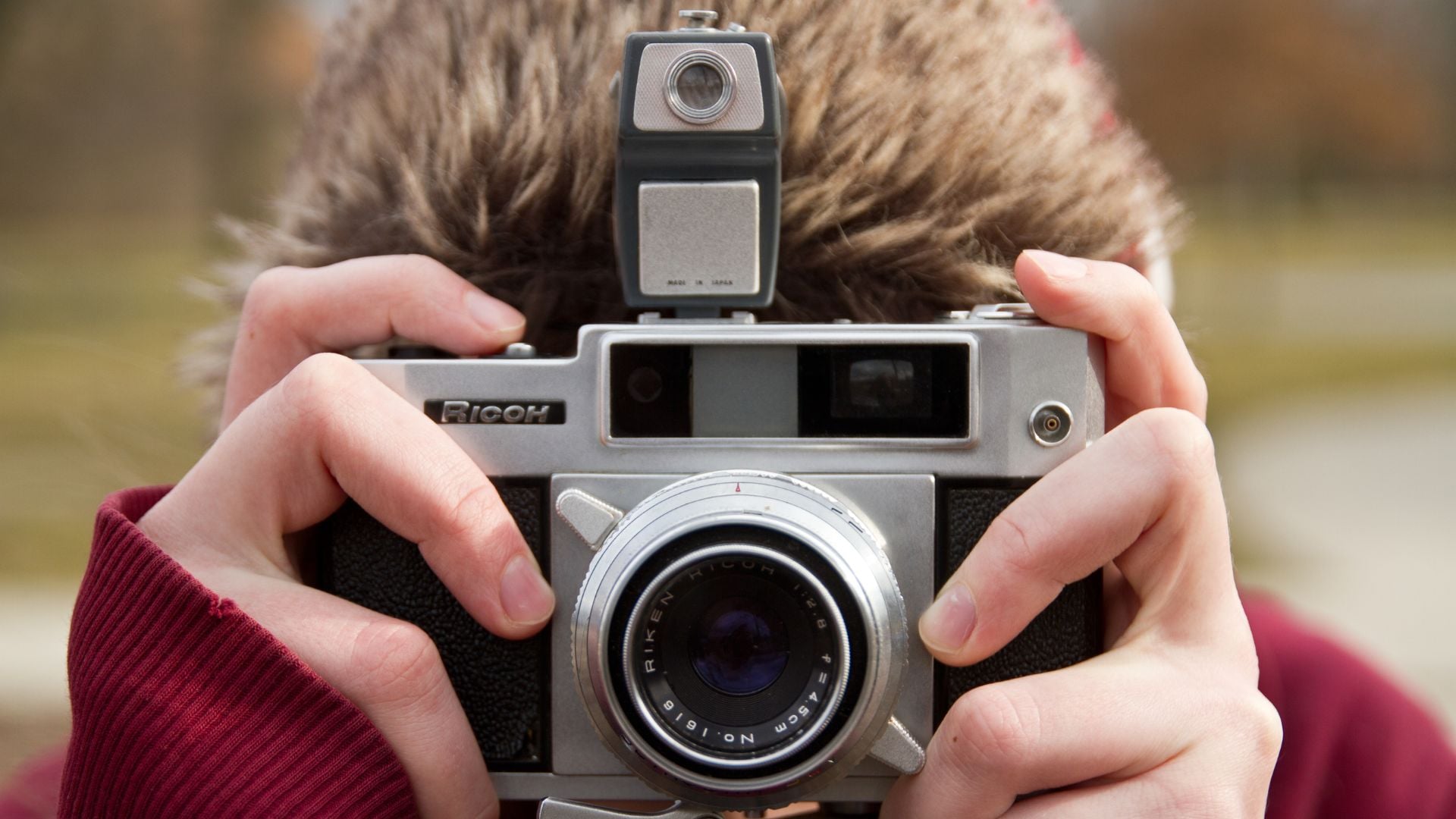
Learning Technical Skills Through Film Photography
Film photography teaches technical skills that digital shooting often bypasses. Without instant preview screens, photographers must understand exposure, lighting, and composition fundamentally. They can’t rely on taking hundreds of shots and hoping one works.
This educational aspect attracts photography students and hobbyists who want to understand their craft deeply. Film forces photographers to learn camera settings, understand light, and develop their eye before taking the shot. Many report that shooting film improved their digital photography too.
The delayed gratification of developing film changes how photographers view their work. Waiting days or weeks to see results builds excitement and makes successful shots feel more rewarding. This teaches patience when everything else in life happens instantly.
The Social Media Connection to Film Photography
Social media platforms have actually boosted film photography’s comeback rather than hindering it. Instagram accounts about film have millions of followers. The hashtag #filmisnotdead has over 15 million posts where people share their analog work and connect with other film shooters.
Young photographers still post their film shots online, but they approach sharing differently. Film photos often get more likes and comments because they look different from all the perfect digital content flooding feeds. Research shows that taking photos can actually increase enjoyment of experiences, and film’s unique aesthetic amplifies this effect.
This creates an interesting cycle where old-school photography gets popular through modern platforms, bringing more young people into film photography groups both online and in person.
Film Photography Development and DIY Culture
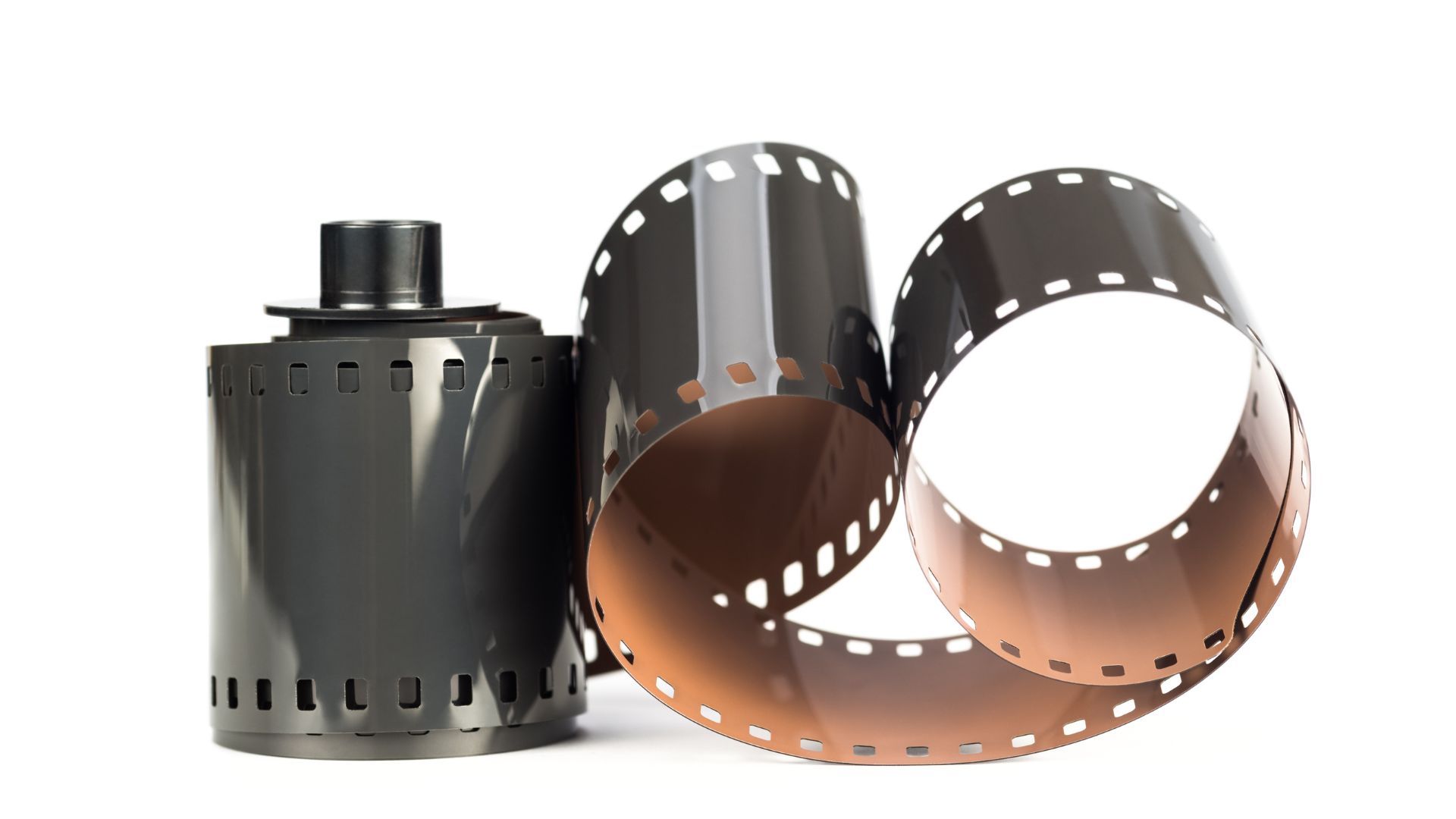
Many young photographers are taking the hands-on approach even further by developing their own black and white film at home. The process has become more accessible, with photographers sharing techniques and tips online.
Some photographers experiment with advanced techniques like stand development for better contrast, while others explore color negative film development in their own darkrooms.
The DIY aspect extends beyond just developing. Creative photographers are even making their own instant film, pushing the boundaries of what’s possible with analog photography.
Industry Response to Film Photography Revival
Camera manufacturers have noticed this trend and responded accordingly. Pentax released the new Pentax 17 half-frame camera in 2024, which became so popular that it sold out immediately and commands premium prices on secondary markets.
Film stock manufacturers are also responding to demand. Film photography’s comeback has prompted companies to restart production of discontinued films and introduce new stock options.
The question remains whether this revival is sustainable long-term. Industry experts point to challenges including the aging infrastructure for film processing and the limited number of cameras available as production stopped years ago.
The Path Forward for Film Photography
Film photography’s comeback among young shooters reveals deeper cultural shifts happening right now. When everything is digital and unlimited, the constraints and physical nature of analog processes offer something genuinely different.
Understanding how film and developing work helps explain why this medium continues to fascinate new generations of photographers. The combination of chemistry, physics, and artistry creates results that many find impossible to replicate digitally.
This revival proves that newer technology isn’t always better. Sometimes moving forward means looking back at what worked before. Film photography offers young creators a way to slow down, think carefully, and create something tangible in an increasingly digital world.
The numbers don’t lie. Film photography isn’t just surviving in the digital age – it’s thriving. Young photographers are driving this growth by finding value in the process, the community, and the unique aesthetic that only analog photography can provide.
See more from DIYPhotography.net on Google
Add DIYPhotography.net as a trusted source. This makes
our stories more likely to appear in your Google Search results.
 Add as a preferred source on Google

Darlene Lleno
Darlene Lleno brings a unique perspective to DIY Photography as someone who grew up surrounded by camera gear but chose words over lenses. With five years of writing experience, she specializes in photography content that’s both technically informed and genuinely passionate. Growing up with a photographer twin brother meant camera talk was everyday conversation in her household. While he mastered capturing moments, Darlene discovered she preferred being the subject and the storyteller behind the scenes. As a travel enthusiast and mother of two, she understands the importance of preserving life’s precious moments. When not exploring new destinations or writing for DIY Photography, you’ll find her reading or tending to her garden. Her approach to photography writing is refreshingly authentic, she may not be behind the camera, but she knows exactly what it takes to help others capture the shots that matter most.
Related Posts
 Could Polaroid Film Backs and Packfilm Cameras be Primed for a Comeback? Ask Light Lens Lab…
 ARRI Film Lab: Bring the Look of Analog Film to Digital Post-Production
 Fujifilm officially launches Instax Square SQ6, their first fully analog camera for square film
 Fan Fave Film Magazine is Analog Forever
Join the Discussion
DIYP Comment Policy
Be nice, be on-topic, no personal information or flames.
One response to “Film Photography’s Unexpected Comeback: Why Young Creators Are Choosing Analog”
Although these are valid reasons, my guess is mostly that film cameras have 4 to 7 total settings and digital cameras have hundreds.