



















Use these techniques to truly capture the energy of concerts you shoot
Nov 8, 2024
Dunja Đuđić Kalinin
Dunja Djudjic is a multi-talented artist based in Novi Sad, Serbia. With 15 years of experience as a photographer, she specializes in capturing the beauty of nature, travel, concerts, and fine art. In addition to her photography, Dunja also expresses her creativity through writing, embroidery, and jewelry making.
Share:

If there’s one genre that would make me turn my photography hobby into a career, that would be concert photography. And if you’re anything like me, Pete Coco shares five excellent tips to help you nail those dynamic concert shots. I’ll throw in a few of my remarks as well, hoping that this article will give you a nudge to go out there and capture the incredible energy of live music.
1. Choose fast prime or zoom lenses and shoot wide-open
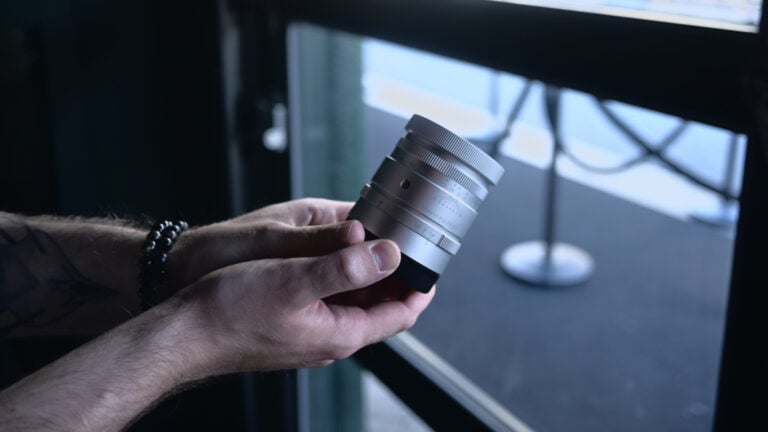
Concert photography often means working in low-light environments. This is especially true if you’re at a small venue with unreliable or inconsistent lighting. To combat this, opt for fast prime lenses (like 50mm or 75mm) with large apertures (around f/1.2 or f/1.4). These lenses allow more light into your camera, enabling you to shoot at a lower ISO and reduce image noise for cleaner shots.
Primes are Pete’s favorite because they’re compact, making it easier to move around crowded venues without drawing attention. But, if you need versatility, a fast zoom lens like a 70-200mm f/2.8 or a 24-70mm f/2.8 is a solid choice, providing flexibility to capture both close-ups and wider angles.
I also use a Sigma Art 18-35 f/1.8. Its main flaw is that it’s pretty bulky and heavy. However, it’s pretty fast and super-sharp. And it lets me capture wider scenes, which is especially useful at tiny venues where my 50mm prime would not be enough to cover the scene I want to shoot. Which brings us to the next point.

2. Get as close as possible to capture the energy
The closer you get, the more you’ll be able to capture the intensity and energy of the performance. Being close allows you to catch expressions, gestures, and unique angles that convey the artist’s passion. Even if you have a zoom lens, proximity offers a different perspective that immerses viewers in the scene.
In quieter settings like jazz clubs, keep in mind that audiences are there to enjoy the music, so try to move stealthily and respectfully. At louder, more chaotic concerts, it’s easier to blend in, but always remain mindful of your surroundings to avoid disturbing the performers or the audience.

3. Ask for forgiveness, not permission
When it’s unclear if you can shoot from a particular spot, sometimes it’s best to just go for it. Asking permission at some venues might get you a “no” by default, and it also wastes your precious time. So, be confident (at least pretend that you are), but also courteous. A quick “excuse me” and a warm smile will usually smooth things over in an instance. Just remember to keep it professional, don’t be aggressive by any means, and be as non-intrusive as possible.

4. Capture candid moments
Some of the most memorable concert shots are those taken when the artist isn’t playing. Look for moments of connection: a shared smile between band members, laughter, or a performer interacting with the audience. These candid shots add a layer of authenticity and vulnerability to your images that traditional performance shots might lack.
Artists naturally have fewer candid photos since most photographers focus on the main action. So, capturing these quieter moments can help your work stand out and offer a unique perspective.
I also love photographing the audience when the light allows, and some of my favorite concert shots depict the people enjoying the show.

5. Embrace black and white photography
Concerts at smaller venues often have unpredictable or harsh lighting, sometimes with poorly placed RGB lights that don’t complement the subject. In these cases, shooting in black and white can be a practical solution as well as an artistic choice. Removing color helps to minimize distracting elements and lets you emphasize contrast, texture, and emotion.
The next time you’re facing unflattering lighting at a concert, give black and white a try. It can also add to the atmosphere and be your choice even if the light is right like I did here:

Bonus tip: Shoot the dress rehearsal (if possible)
If there’s a dress rehearsal, don’t miss it! Rehearsals offer unique shooting opportunities you won’t get during the live performance. You can capture close-ups of instruments, artists’ faces, and creative angles that would be impossible once the show starts. Plus, you’ll have more freedom to explore different vantage points, such as getting on stage or shooting from behind the performers.
I’m lucky to have many musician friends and a guitarist brother, so I’ve also attended many band rehearsals between shows. If you have the chance, go shoot these as well. It’s fun, plus it’s more relaxed and slower-paced than live concerts.

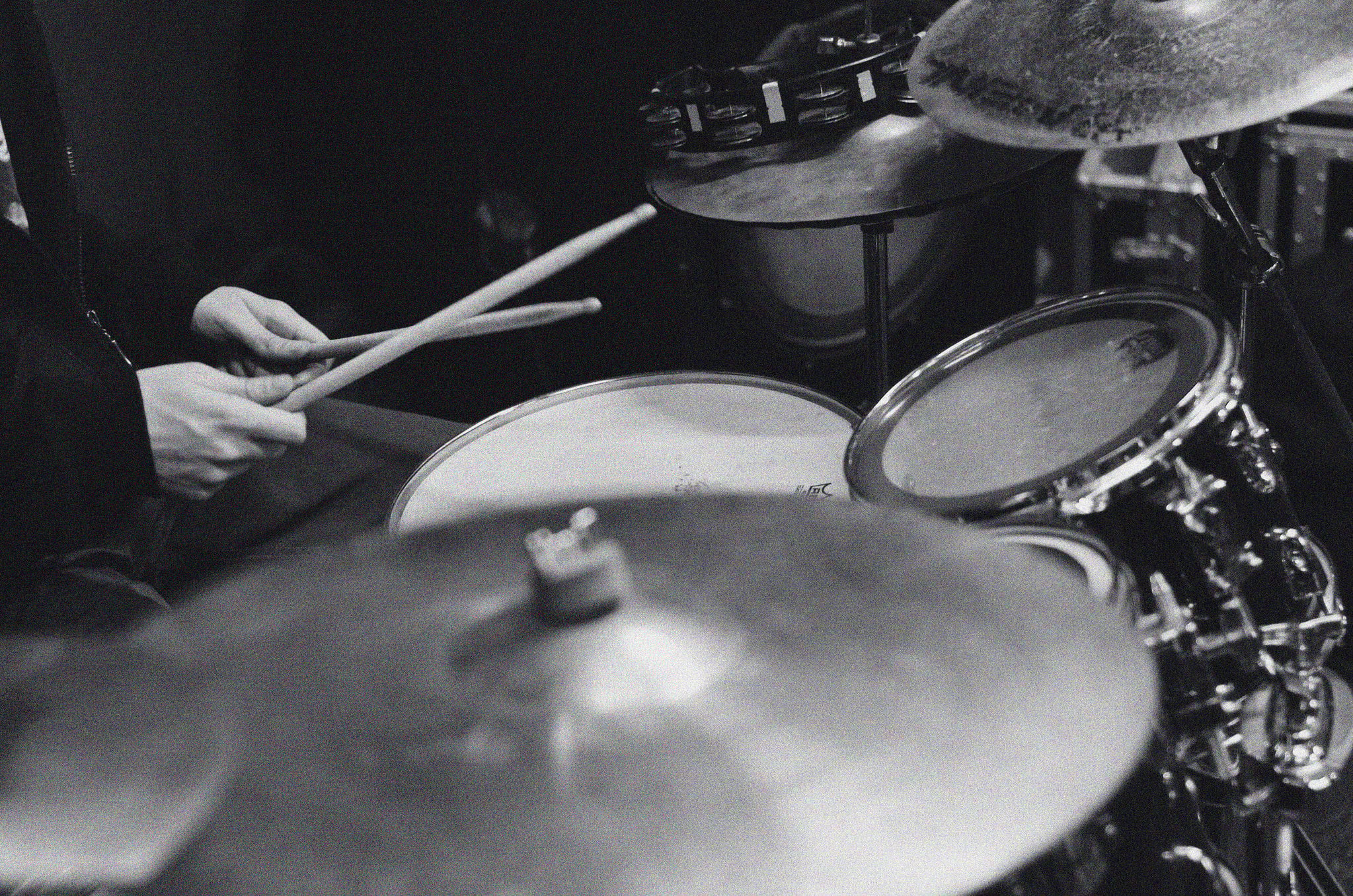
Concert photography is all about capturing the energy, personality, and emotion of a live performance. With these tips, you’ll be well on your way to producing compelling, powerful concert photos. Now, go out there and turn those concert moments into unforgettable images. And of course – enjoy the music! I’ve tagged all bands in photo captions in case you’d like to discover new tunes. :)
[5 Essential Tips for Awesome Concert Photos | Pete Coco Photography]
See more from DIYPhotography.net on Google
Add DIYPhotography.net as a trusted source. This makes
our stories more likely to appear in your Google Search results.
 Add as a preferred source on Google

Dunja Đuđić Kalinin
Dunja Djudjic is a multi-talented artist based in Novi Sad, Serbia. With 15 years of experience as a photographer, she specializes in capturing the beauty of nature, travel, concerts, and fine art. In addition to her photography, Dunja also expresses her creativity through writing, embroidery, and jewelry making.


Join the Discussion
DIYP Comment Policy
Be nice, be on-topic, no personal information or flames.