




















ZWO Seestar S30 Pro Launched: A Smart Telescope We’ve Been Waiting for
Dec 31, 2025
Soumyadeep Mukherjee
Soumyadeep Mukherjee is an award-winning astrophotographer from India. He has a doctorate degree in Linguistics. His work extends to the sub-genres of nightscape, deep sky, solar, lunar and optical phenomenon photography. He is also a photography educator and has conducted numerous workshops. His works have appeared in over 40 books & magazines including Astronomy, BBC Sky at Night, Sky & Telescope among others, and in various websites including National Geographic, NASA, Forbes. He was the first Indian to win “Astronomy Photographer of the Year” award in a major category.
Share:

Astrophotography has always struck a balance between precision and complexity. For decades, capturing deep-sky objects required careful optical matching, accurate tracking, calibrated cameras, and hours of post-processing. In recent years, smart telescopes have attempted to compress this workflow into compact, automated systems. Most have focused on convenience first, often at the cost of optical or imaging depth. With the Seestar S30 Pro, ZWO signals a shift in that balance.
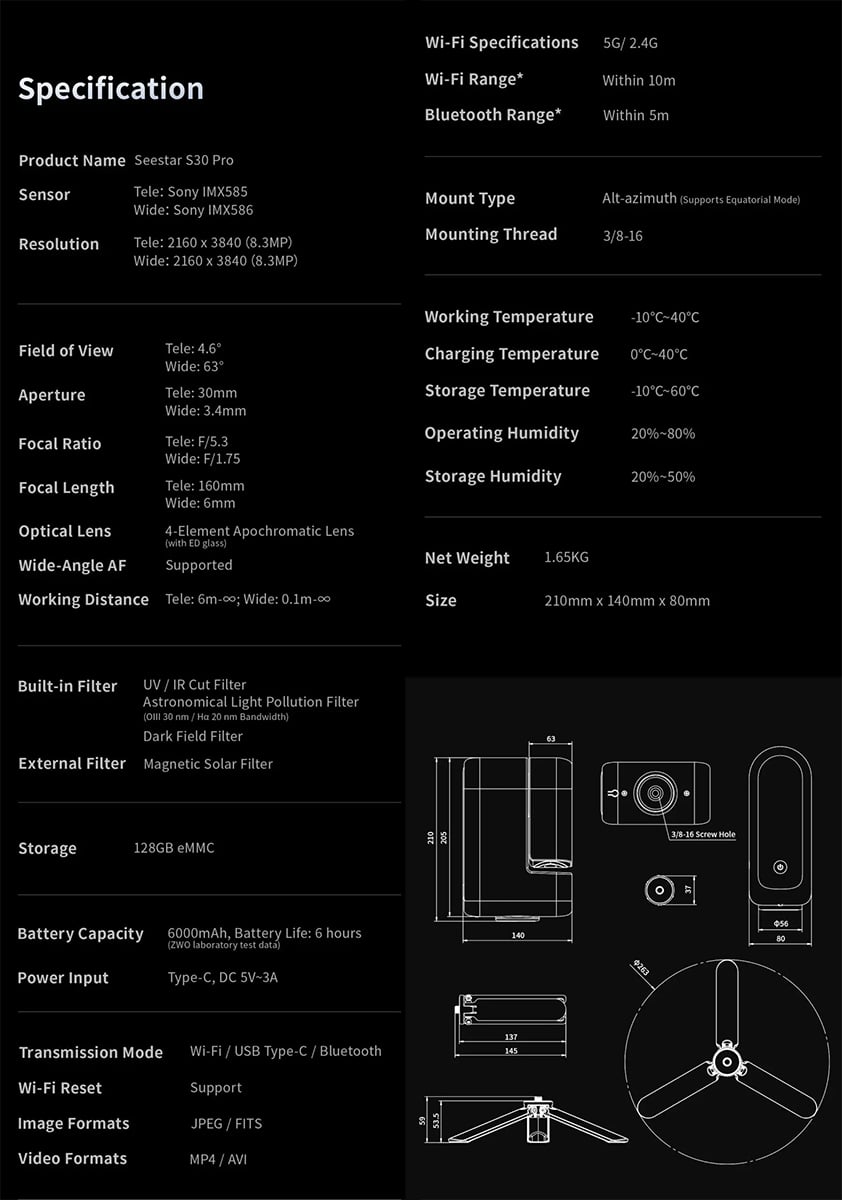
The S30 Pro is not positioned as a stargazing device. Its design choices point toward enhanced imaging performance. ZWO has expanded sensor area, refined optical correction, and increased internal processing and storage. These changes move the device closer to being a compact astrophotography instrument rather than a simplified novelty. The result is a system that still prioritises ease of use, but no longer compromises as heavily on image quality.
Design and system integration
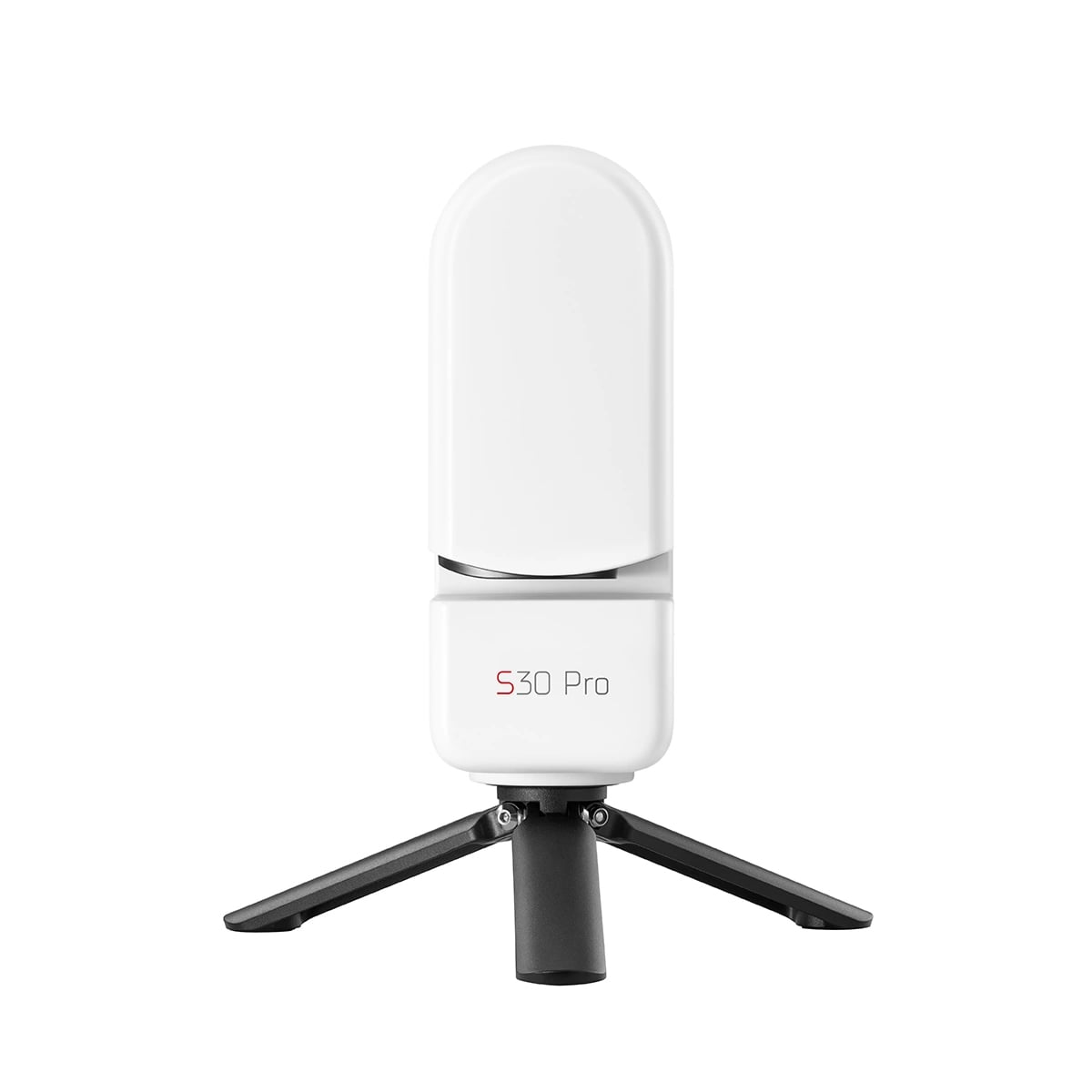
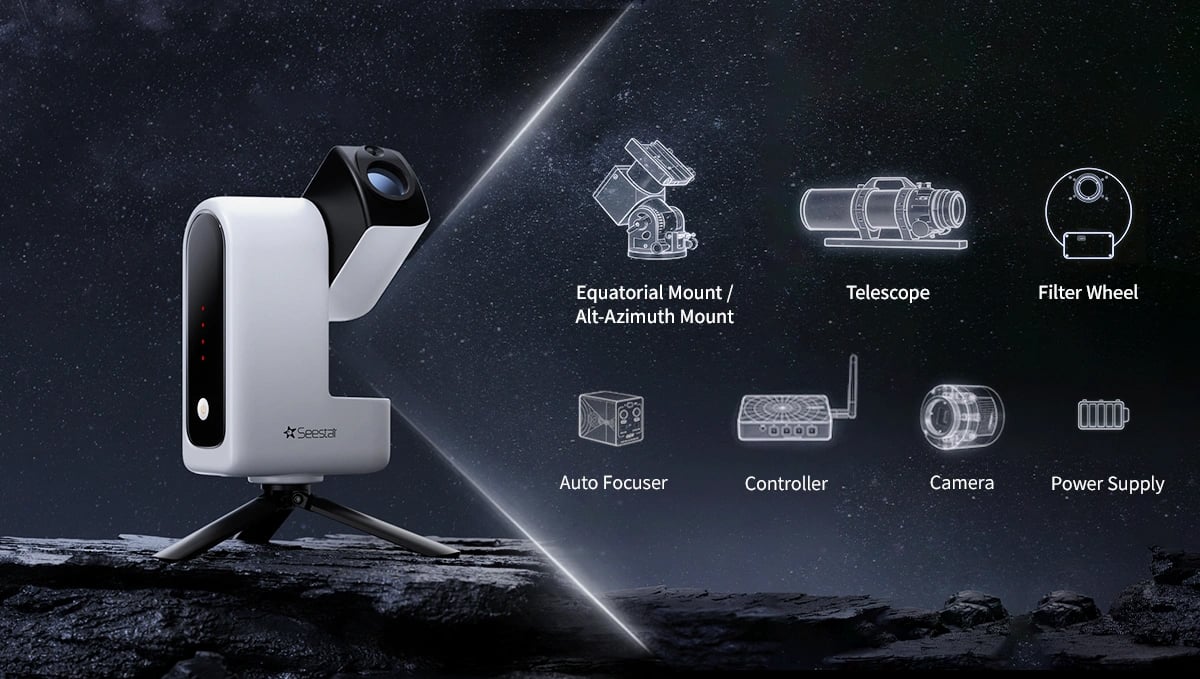
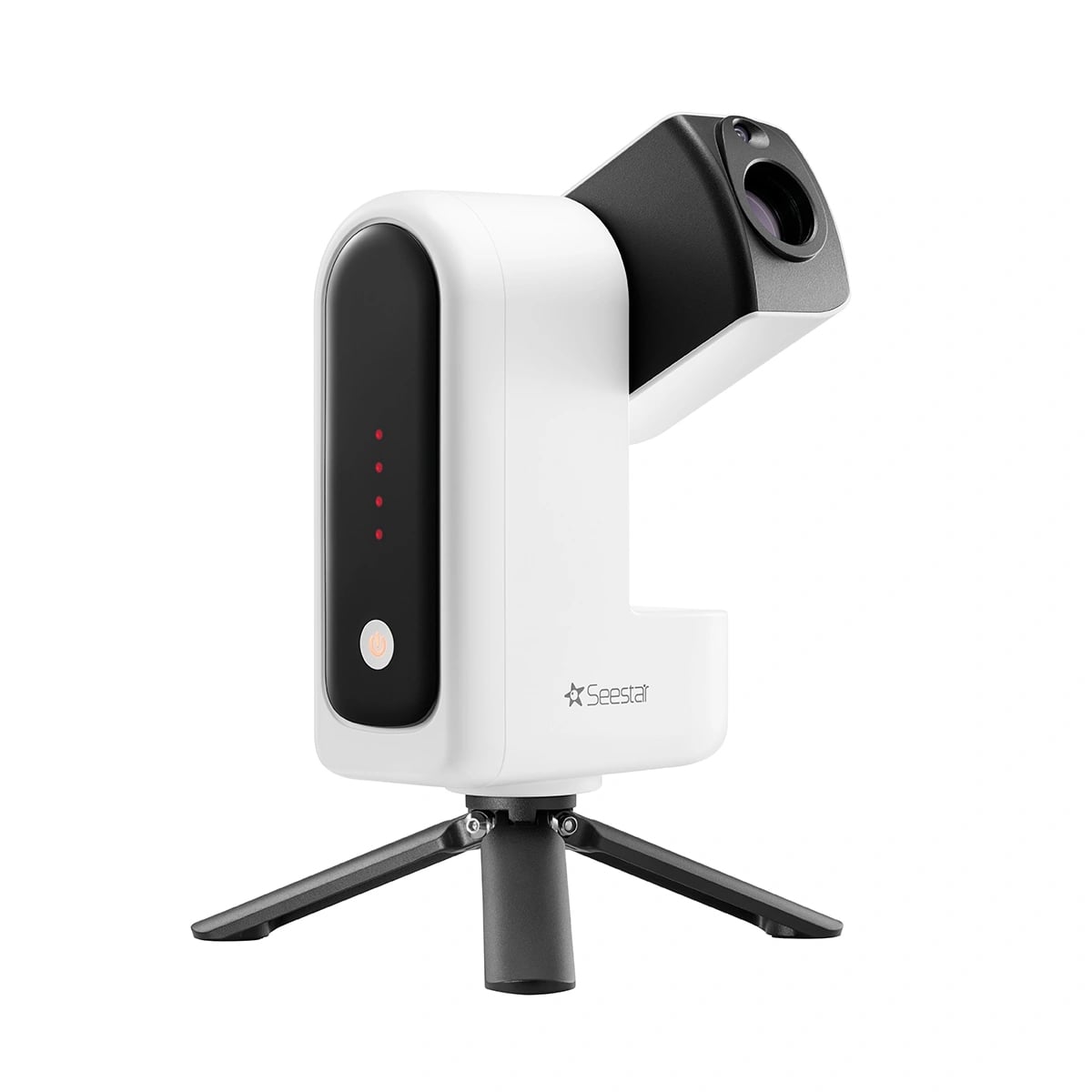
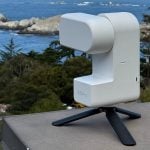
At its core, the Seestar S30 Pro is a fully integrated astrophotography platform. It combines optics, imaging sensors, tracking motors, onboard processing, storage, and wireless control into a single enclosure. This approach eliminates the modular complexity of traditional imaging setups. There are no cables to manage, nor any external mount to balance. There is also no need for a laptop in the field.
ZWO has long experience in imaging hardware, particularly astronomy cameras. That background is evident in how the S30 Pro is assembled. The system is built around imaging first, not visual observation. There is no eyepiece. The telescope exists to collect photons and convert them into digital data.
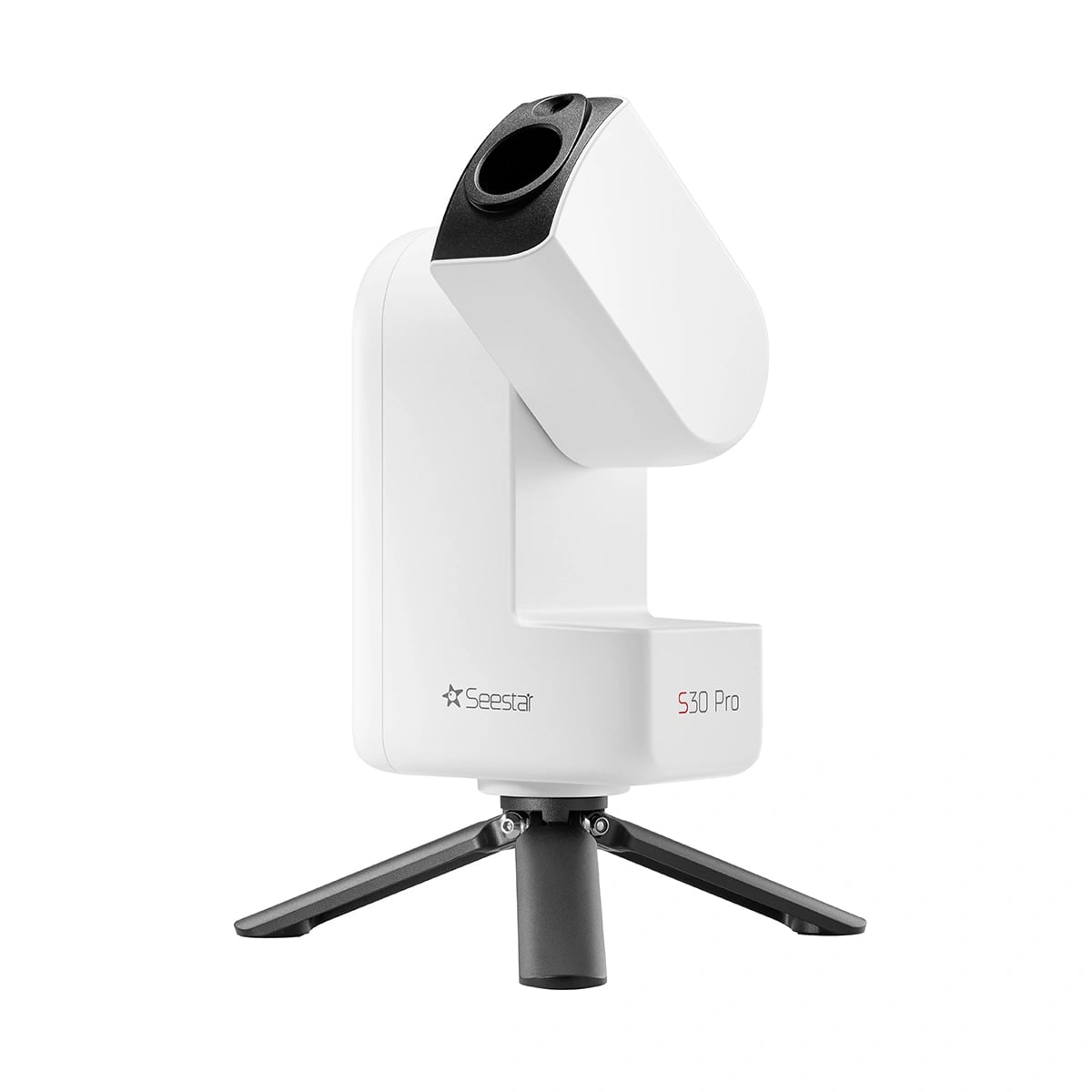
Portability is another defining aspect. The unit weighs roughly 1.65 kilograms and includes an internal battery. This makes it practical for travel and remote observing sites. Setup is minimal. You can place the telescope on a stable surface, powered on, and be ready to image within minutes. For many users, this ease of deployment fundamentally changes how often they engage with astrophotography.
Despite its simplicity, the S30 Pro does not feel under-engineered. The enclosure is solid. The internal components are tightly integrated. The overall impression is of a device designed for repeated field use, not occasional novelty sessions.
Optical architecture and image formation
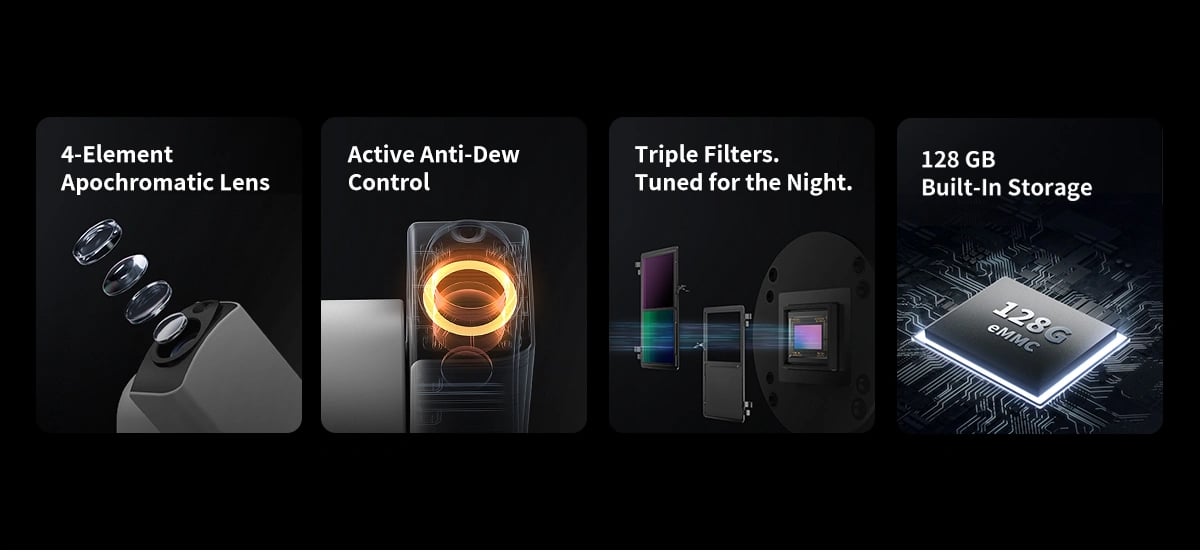
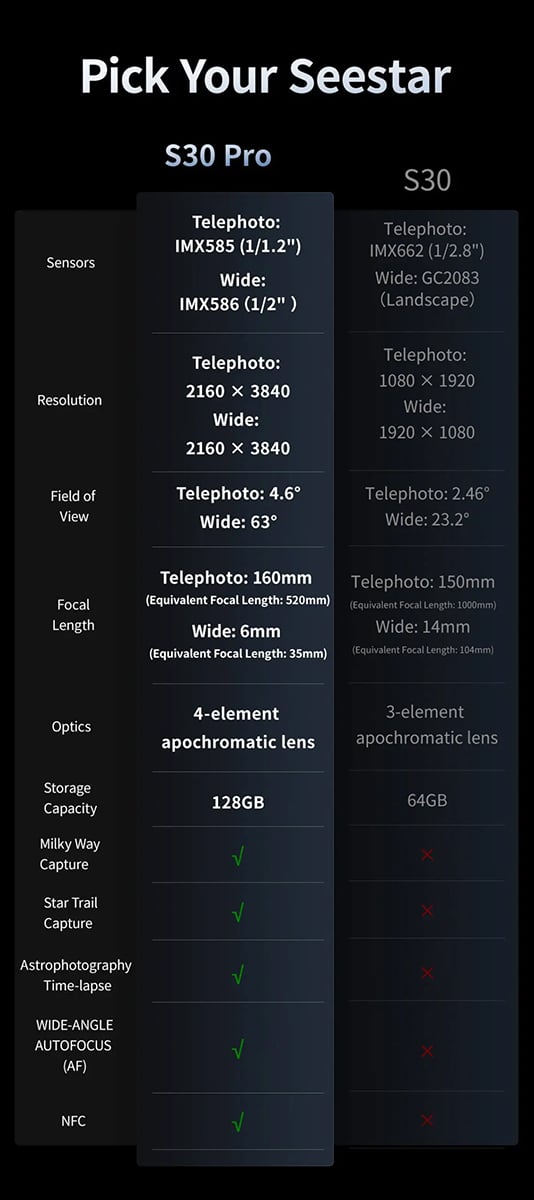
The optical system of the Seestar S30 Pro represents one of its most meaningful upgrades. The telescope uses a 30 mm aperture with a focal length of 150 mm, producing a fast optical ratio suitable for wide-field imaging. What distinguishes the Pro model is the four-element apochromatic lens assembly.
Apochromatic correction is critical in astrophotography. Stars are unforgiving point sources. Any residual chromatic aberration appears immediately as colour fringing or bloated star profiles. The move from a triplet to a quadruplet design allows better control of colour across the visible spectrum. In practice, this results in tighter stars and cleaner colour separation.
The optical system is fixed. There is no focuser for visual use. Focus is controlled electronically and optimised for the onboard sensors. This design removes mechanical variables and helps maintain consistent image quality across sessions.
Field flatness is also improved compared to earlier models. Wide-field astrophotography often suffers from star elongation toward the edges of the frame. The optical corrections in the S30 Pro reduce this effect, especially when paired with the larger imaging sensor. This optical refinement directly influences the quality of stacked images, particularly when imaging extended nebulae or dense star fields.
Imaging sensors and dual-camera capability
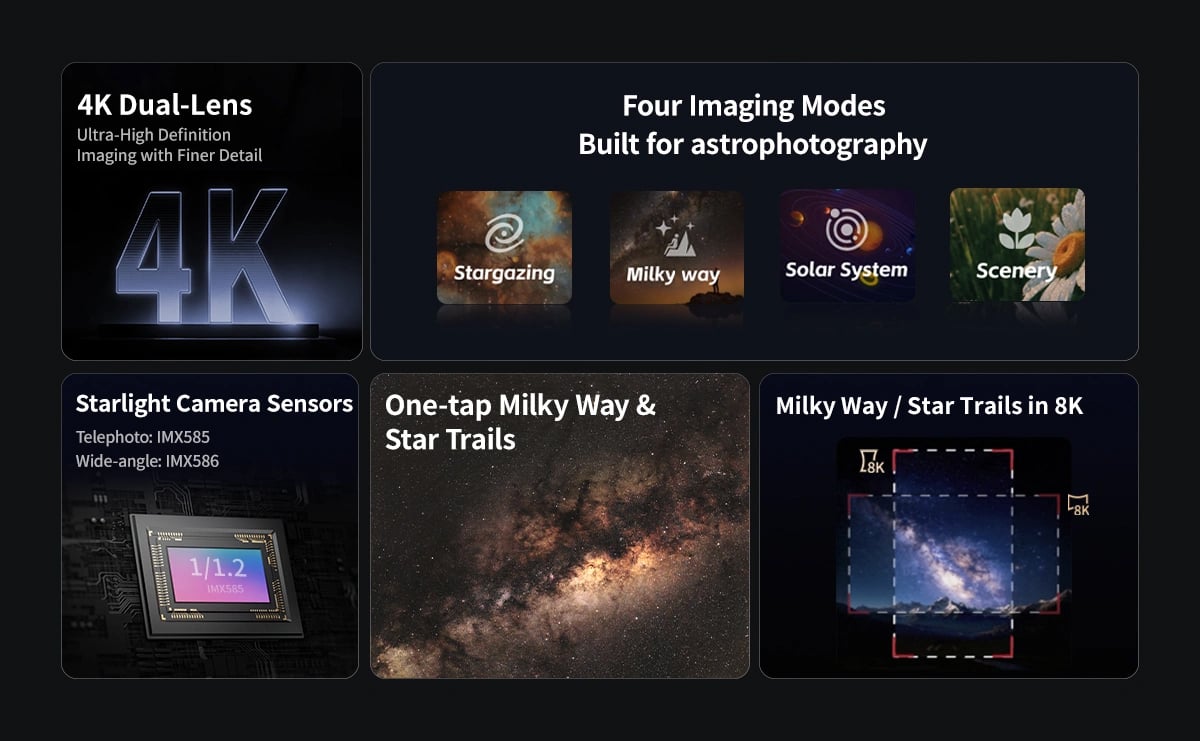
The Seestar S30 Pro uses a dual-camera system, a defining feature that separates it from many other smart telescopes. The primary imaging camera is built around the Sony IMX585 STARVIS 2 sensor. This sensor offers approximately 8 megapixels of resolution and supports 4K imaging. More importantly, it provides a significantly larger light-sensitive area than the sensors used in earlier Seestar models. This increased area allows more sky coverage per frame and improves signal acquisition during stacking.
The IMX585 sensor is designed for low-light performance. It exhibits controlled noise characteristics and good quantum efficiency. These traits are well-suited to short-exposure stacking, which is the operational mode of the S30 Pro. The sensor captures many brief exposures, which are then aligned and stacked by the onboard software.
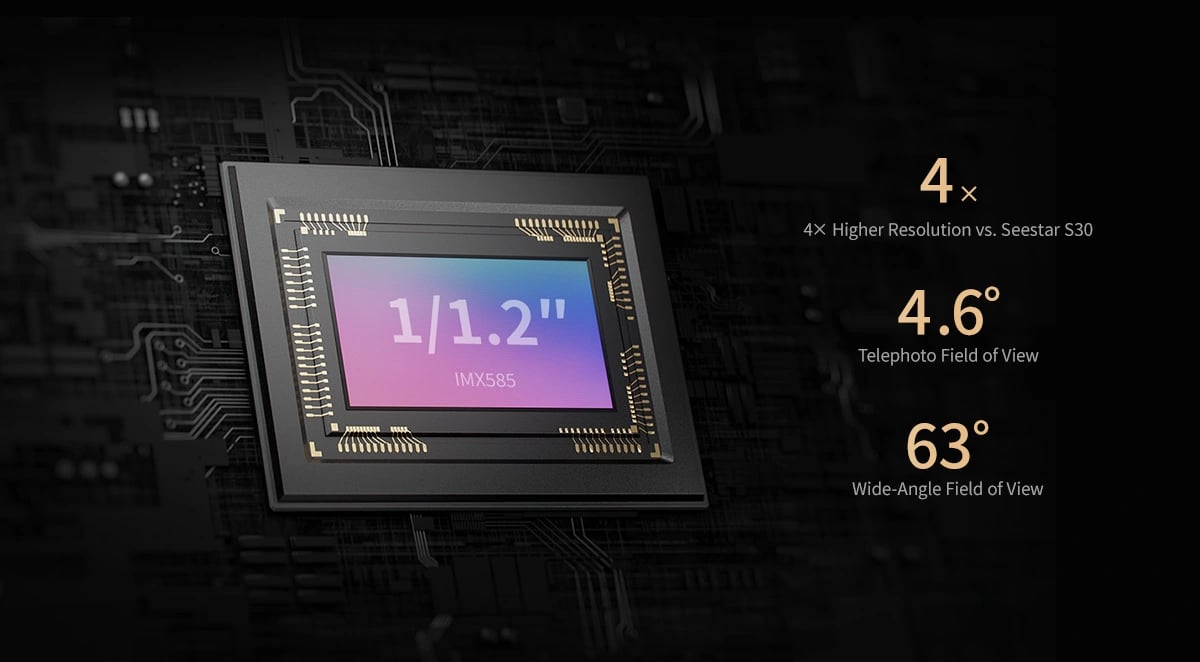
Complementing the main camera is a wide-angle imaging camera using the Sony IMX586 sensor. This sensor delivers 48 megapixels and an 84-degree field of view. Its purpose is wide-field sky imaging. It enables Milky Way captures, constellation photography, and large-scale sky mosaics without additional equipment.
This dual-camera approach is a major advantage. Users are no longer forced to choose between deep-sky framing and expansive sky views. Both are available in a single system. Switching between imaging modes is handled through the app, without physical reconfiguration.
Software control and automated imaging workflow
The Seestar S30 Pro relies heavily on software to deliver its results. ZWO’s control application functions as the user interface for the entire system. From target selection to image capture and processing, all interaction flows through the app. Once powered on, the telescope determines its orientation using onboard sensors. There is no manual star alignment. This alone removes a major barrier for new users. The app provides access to an extensive object catalogue, including stars, nebulae, galaxies, and clusters.
After a target is selected, the telescope slews automatically and begins tracking. Imaging starts immediately. The system captures short exposures and aligns them in real time. As more frames accumulate, the stacked image improves visibly on the screen.
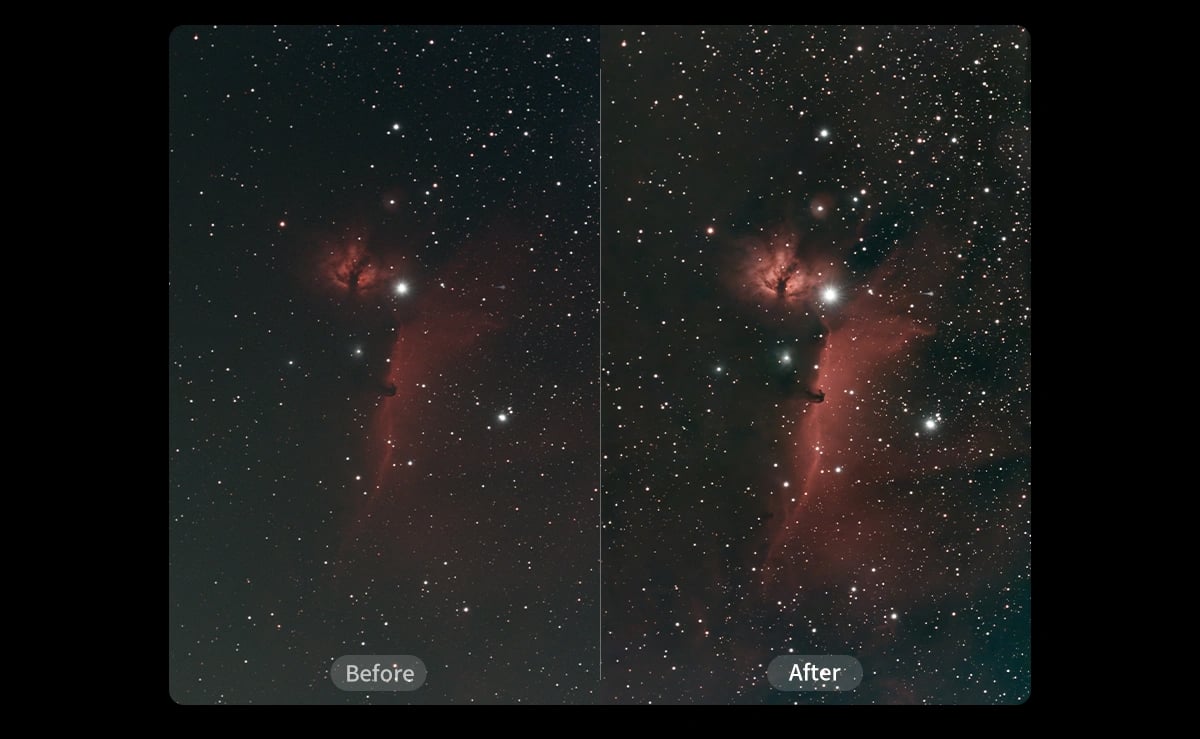
Processing is handled internally. The software performs background correction, noise reduction, and basic contrast enhancement. These steps are applied conservatively. The goal is to produce a clean and usable image rather than an aggressively processed one.
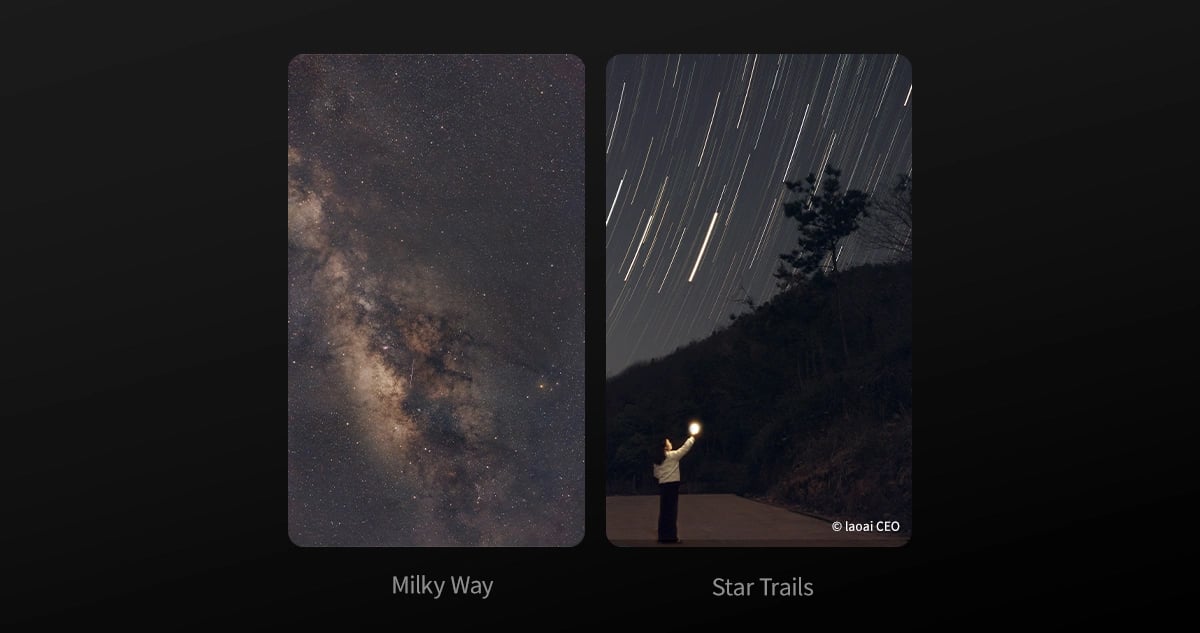
The S30 Pro also introduces specialised imaging modes. Milky Way mode uses the wide-angle camera to capture large sky sections. Star trail mode records long sequences and combines them into circular trails. Mosaic mode allows the telescope to image targets larger than its native field of view by stitching multiple panels. These features are integrated into the same automated workflow. This consistency contributes to the overall sense that the S30 Pro is a cohesive system rather than a collection of features.

Storage, connectivity, and processing infrastructure
One of the practical limitations of early smart telescopes was storage capacity. High-resolution imaging generates large files. Long sessions quickly consume internal memory. ZWO addresses this directly in the S30 Pro by including 128 GB of onboard storage.
This capacity allows extended imaging sessions without interruption. Large mosaics and time-lapse sequences can be captured without constant file management. For users imaging from remote sites, this is a meaningful improvement.
Connectivity options include Wi-Fi, Bluetooth, and NFC. NFC simplifies initial pairing. Wi-Fi provides stable control during imaging. The telescope can also connect to the internet, enabling remote access. This allows users to monitor or control sessions from a distance.
Onboard processing hardware handles real-time stacking and image enhancement. This reduces reliance on external devices and ensures consistent performance across platforms. The system is designed to operate independently once configured.
Power is supplied by an internal rechargeable battery. This supports several hours of imaging under normal use. External power sources can be connected for extended sessions. This flexibility makes the S30 Pro suitable for both backyard and field use.
Seestar S30 and S30 Pro: An evolution
The difference between the original Seestar S30 and the S30 Pro extends beyond incremental refinement. The original S30 was designed as an entry point. Its focus was accessibility and affordability. Image quality was respectable, but constrained by sensor size, optics, and storage.
The S30 Pro addresses each of these limitations directly. The larger IMX585 sensor captures more detail and offers greater framing flexibility. The four-element apochromatic lens improves star quality and colour correction. The addition of a dedicated wide-angle camera fundamentally expands imaging capability.
Storage capacity increases dramatically, removing workflow constraints. Software features grow more mature, particularly in wide-field and mosaic imaging. In practical use, the Pro model feels more deliberate and capable.
For users deciding between the two, the S30 Pro is not simply a “better” S30. It represents an intent shift and targets users who want serious imaging results without abandoning automation.
Price and availability
ZWO Seestar S30 Pro is priced at $599. However, ZWO is offering a special pre-order price of $549 till January 30, 2026. The smart telescope is now available for pre-ordering via the official website. Shipping will begin on January 31, 2026.
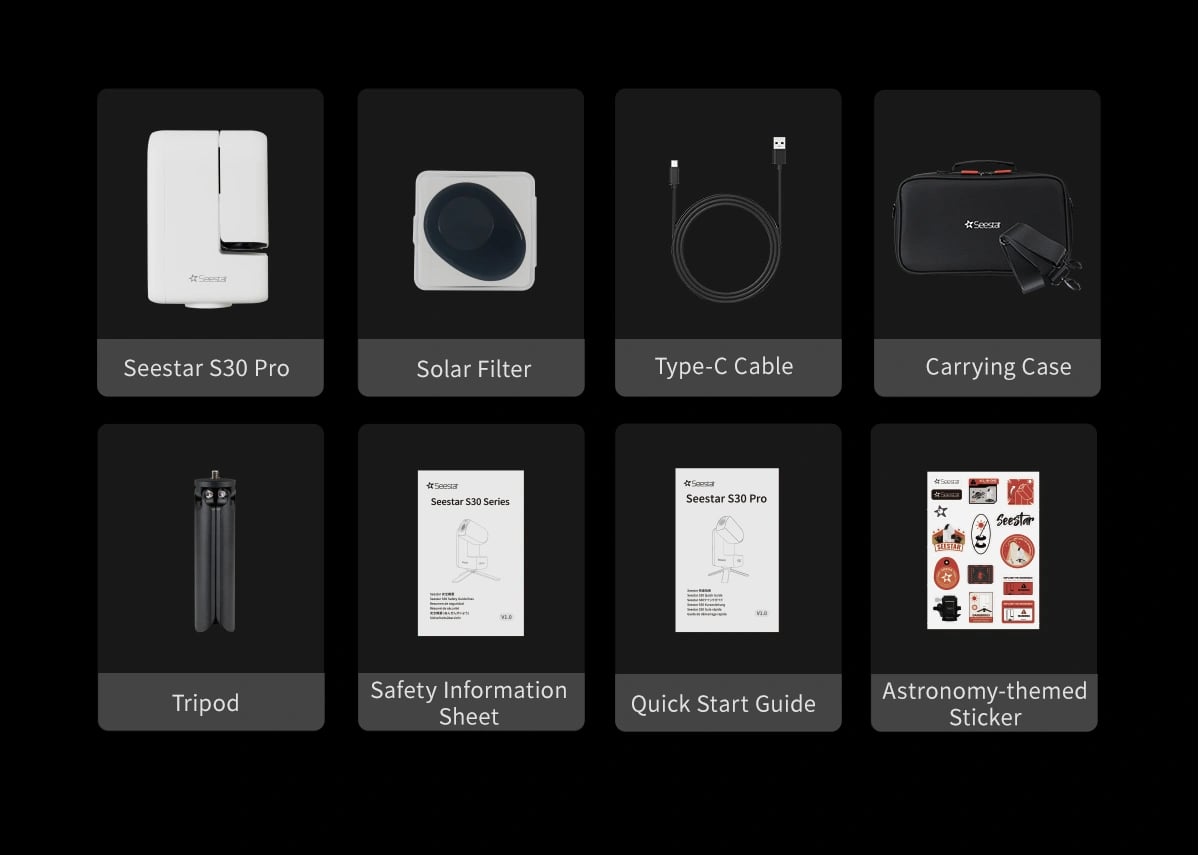
The ZWO Seestar S30 Pro refines optics, expands imaging capability, and improves system integration without sacrificing ease of use. The result is a device that feels well considered.
By addressing the limitations of earlier models, ZWO has created a compact astrophotography instrument that will deliver consistent results. It demonstrates that automation and image quality do not have to be mutually exclusive. For users seeking a modern, portable, and capable astrophotography solution, the Seestar S30 Pro stands as one of the most complete options currently available.
Clear skies!
See more from DIYPhotography.net on Google
Add DIYPhotography.net as a trusted source. This makes
our stories more likely to appear in your Google Search results.
 Add as a preferred source on Google

Soumyadeep Mukherjee
Soumyadeep Mukherjee is an award-winning astrophotographer from India. He has a doctorate degree in Linguistics. His work extends to the sub-genres of nightscape, deep sky, solar, lunar and optical phenomenon photography. He is also a photography educator and has conducted numerous workshops. His works have appeared in over 40 books & magazines including Astronomy, BBC Sky at Night, Sky & Telescope among others, and in various websites including National Geographic, NASA, Forbes. He was the first Indian to win “Astronomy Photographer of the Year” award in a major category.

Join the Discussion
DIYP Comment Policy
Be nice, be on-topic, no personal information or flames.