


















I photograph wildlife for a living and these are my tips for taking award-winning images
Oct 14, 2024
Alex Baker
Alex Baker is a portrait and lifestyle driven photographer based in Valencia, Spain. She works on a range of projects from commercial to fine art and has had work featured in publications such as The Daily Mail, Conde Nast Traveller and El Mundo, and has exhibited work across Europe
Share:

David Lloyd is an award-winning wildlife photographer known for his exceptional ability to capture breathtaking moments of animal behaviour and the stunning landscapes of Africa and India. With over 25 years of experience, Lloyd’s work showcases a remarkable range of subjects, from majestic big cats to the iconic great migration of the Serengeti.
David’s distinctive style blends an artist’s eye with a deep understanding of wildlife, allowing him to portray animals in their natural habitats with striking clarity and emotion. David not only showcases the beauty of nature but also highlights the need for conservation, raising awareness about the critical challenges facing wildlife and their fragile ecosystems. DIYP was lucky enough to chat with David about his work photographing lions and other iconic animals.
DIYP: How did you get started in wildlife photography, and how would you describe your work?
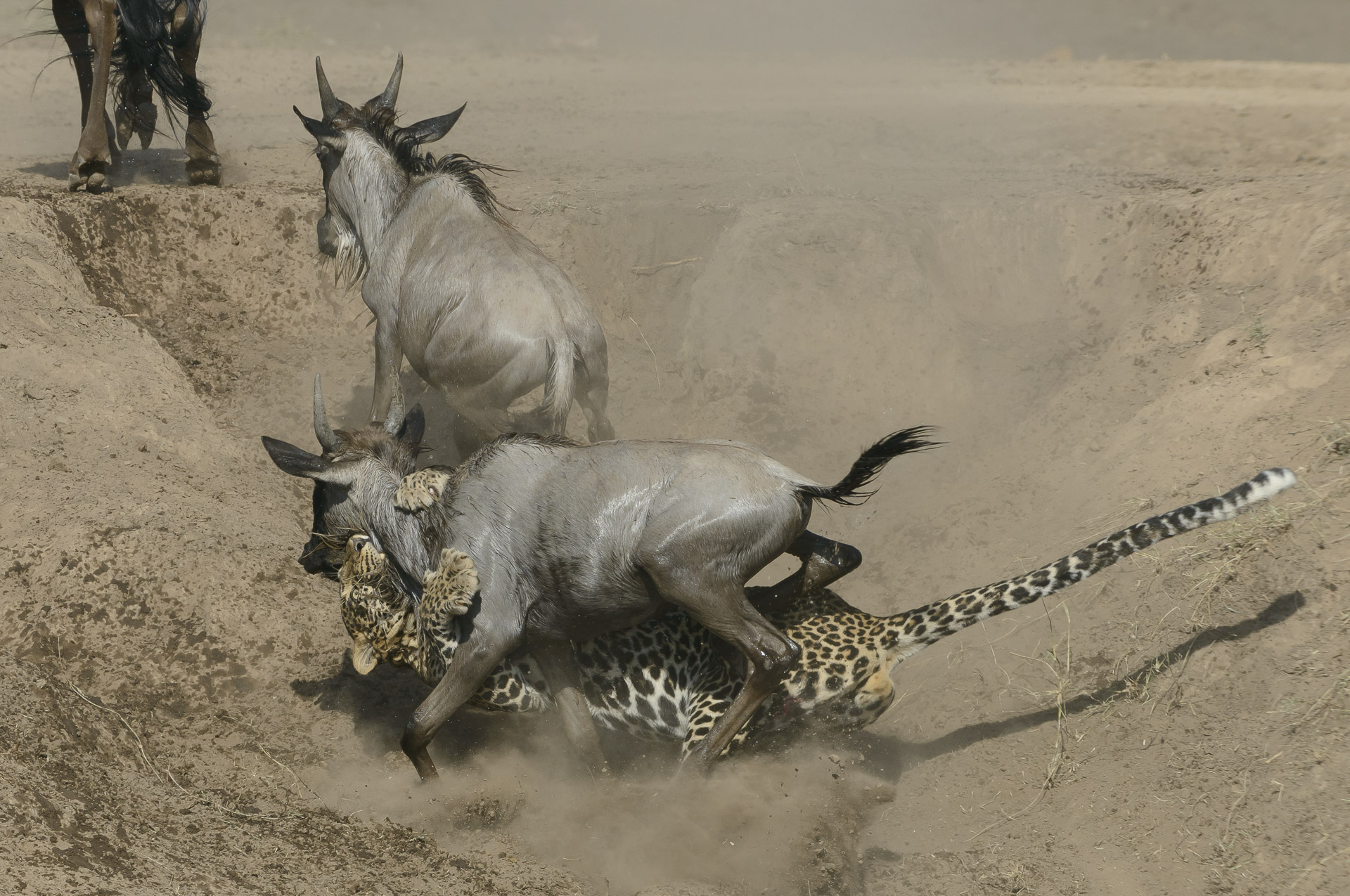
David: It’s pretty much 90% wildlife fine art. I’ve always been interested in art and photography. For the last 15 years, it’s all come together, but what I do professionally is wildlife photography. I had an interest in both fine art and wildlife, so it was just what I wanted to do. I had a full-time job in an advertising agency in London, but one thing led to another. I started doing this professionally after being approached by 1 or 2 people to do something for them, and I just said yes without thinking about it too much, and it just went from there.
DIYP: What changes have you seen over the years that you’ve been returning to Kenya, Uganda and India?
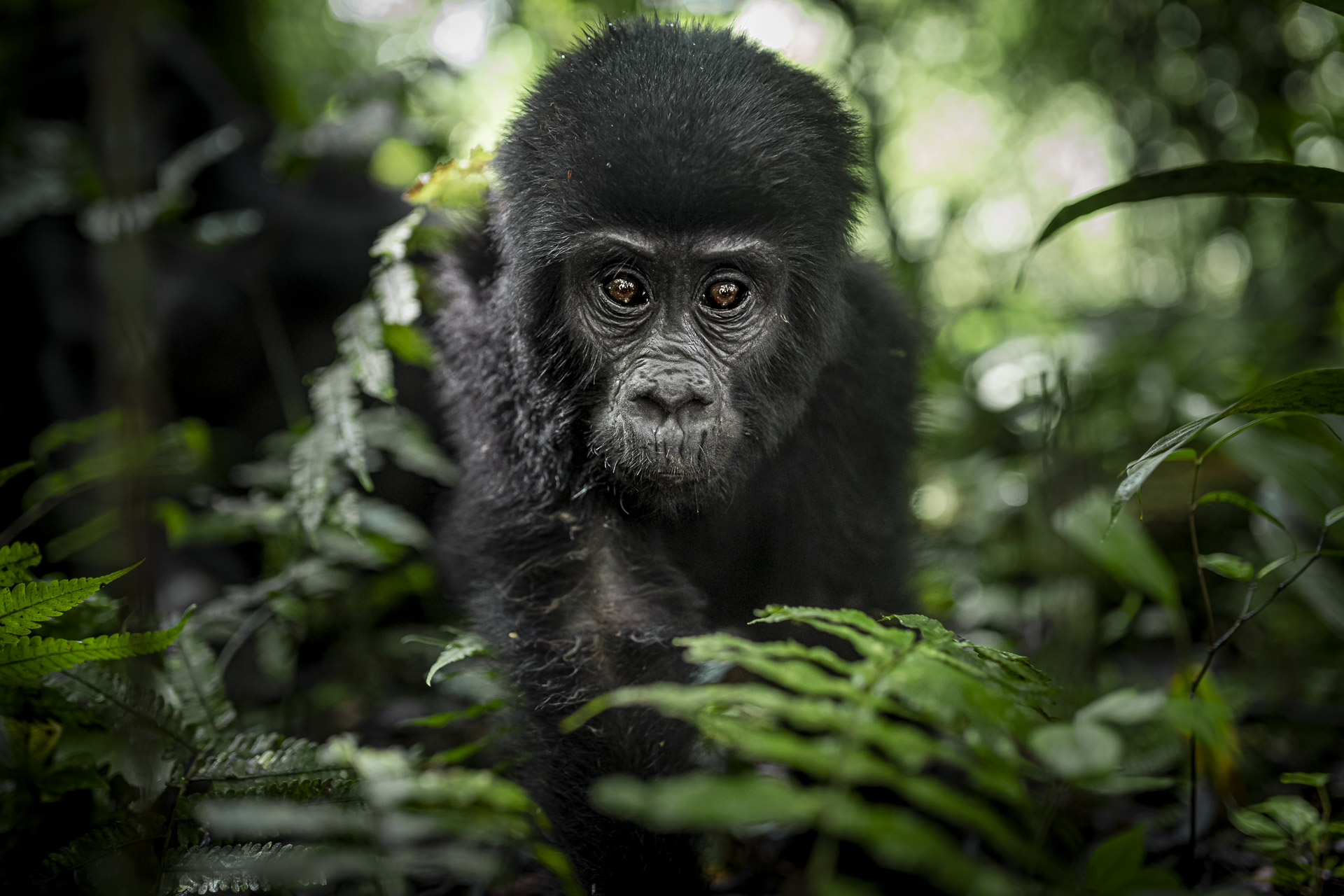
David: Yes, places have changed a lot. For instance, six or seven years ago, it was very different. Now, with more tourists, behaviours have changed, and it’s not the same experience. There are more people now who want to get closer to the animals. It coincides with the rise of mobile phones and the rise of social media because mobile phones don’t have long telephoto lenses. They want to get a close-up photo, so they have to get closer to the animal. It’s not a coincidence.
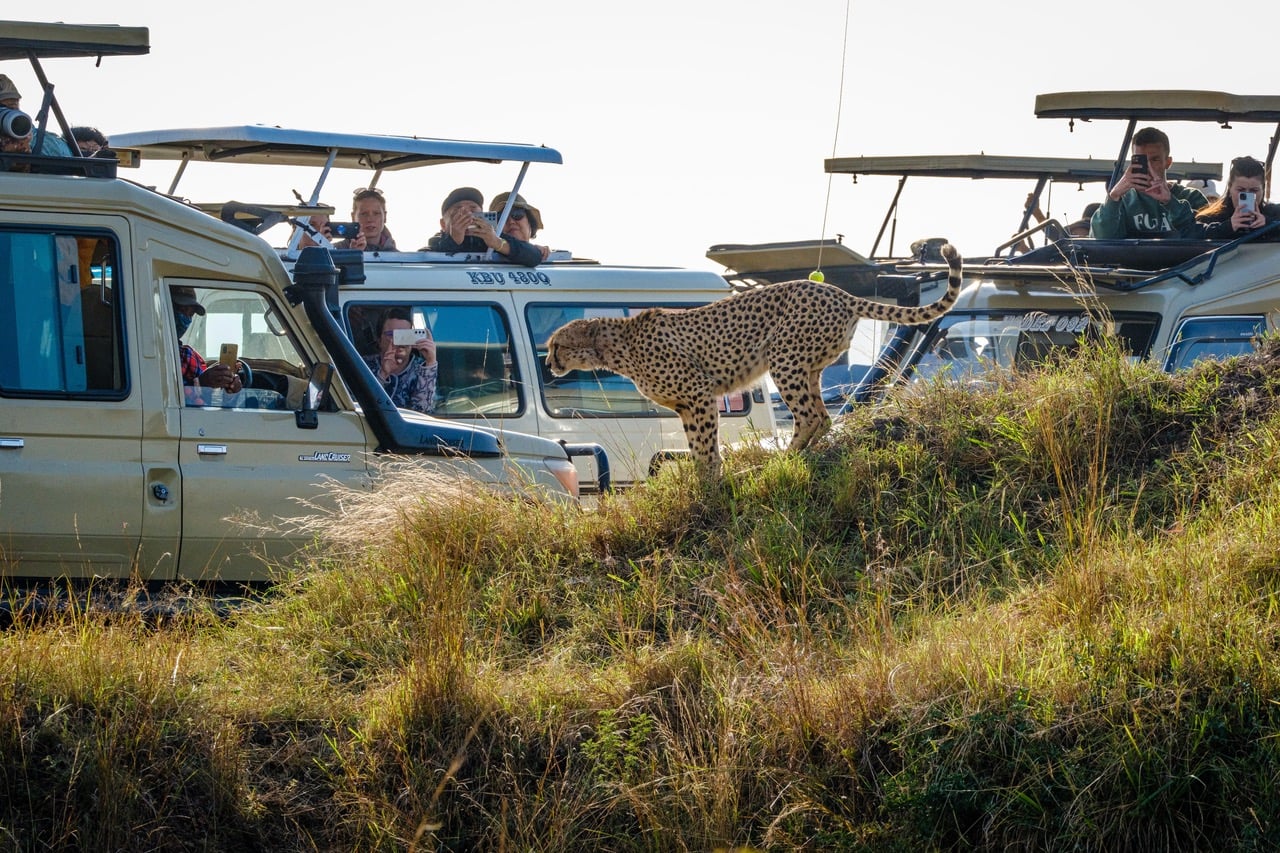
DIYP: One of your more recent images shows the impact of over-tourism (a dozen or so safari vans surrounding a lone big cat). Can you tell me your thoughts about this and what that image represents in the bigger picture? Where do you see your role as a wildlife photographer in this?
David: That photo was taken about a month ago. It reflects a controversial issue in some national parks in Africa, like in Kenya, where tourism can have a detrimental effect on wildlife and locals. The picture shows many cars, indicating that the animals are becoming habituated to human presence, which isn’t ideal.
The pressures of tourism on wildlife are something I grapple with often, and it’s a complicated issue. In some cases, wildlife can become habituated to human presence and may not feel as threatened, which can allow for closer observation. But at the same time, that familiarity isn’t necessarily a good thing—it can be unsafe for the animals and disrupt their natural behaviours. It’s definitely not an ideal situation. While some level of adaptation does happen, I wouldn’t say it’s a benefit to wildlife overall.
This issue isn’t just confined to one particular place; it’s something I’ve noticed everywhere I go. Different countries and regions face similar problems, but the impact on wildlife depends a lot on how tourism is managed. In some places, the strategies are better, and it’s easier to mitigate the effects, while in others, it’s more challenging to find that balance.
As a wildlife photographer, I’m conscious of how pictures can sometimes mislead people about the reality of what’s happening on the ground. I could, for example, frame a photo of a lion to show it in a vast, open area, but that wouldn’t capture the full story. In some places, you see a stunning landscape through the lens, but if you turn around, you’ll find crowds of people just out of frame. There’s a tendency to show the “perfect” image and leave out the human impact, but I’ve been making an effort to be more transparent about both sides of it now.
The most intense pressures tend to be around big cats and other highly sought-after species. It’s almost always the cats that draw the crowds, which isn’t as much of an issue for other animals—at least not to the same scale. When I’m guiding tours, I always make it a priority to educate my clients about these dynamics. It’s one of the first things we discuss, and I encourage them to think critically about our presence and keep a respectful distance from the animals.
Still, I know that no matter how much I emphasize these points, things don’t always go according to plan. I can set expectations and try to manage behaviour, but once we’re out in the field, circumstances may not always align with what we want. It’s a constant challenge to find that balance between providing an incredible wildlife experience and ensuring the animals’ well-being isn’t compromised.
DIYP: What’s been your most memorable experience photographing wildlife?
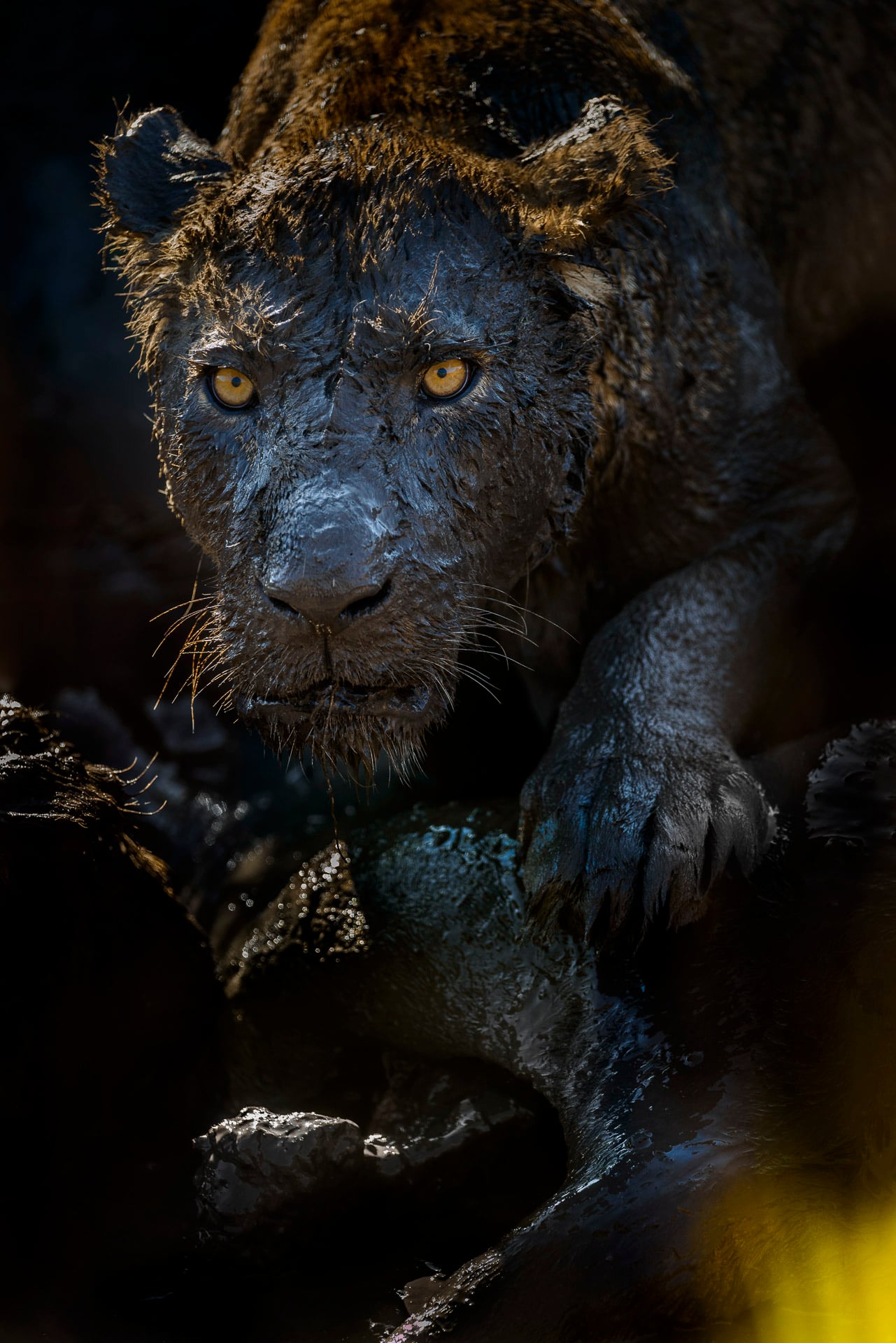
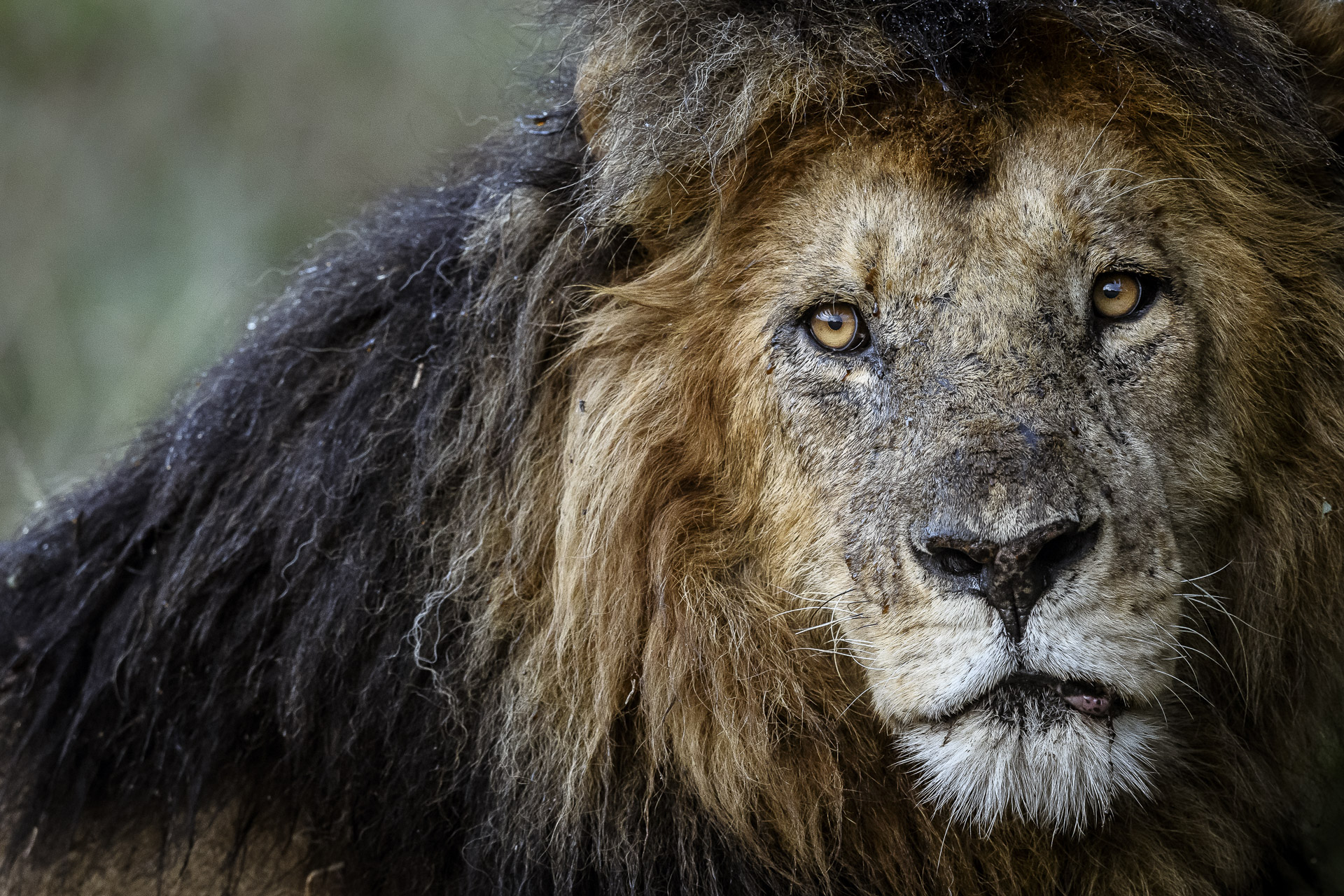
David: I don’t have one particular encounter that stands out above the rest. There are many memorable moments, but often, the memories come from the photos I’ve taken rather than the encounters themselves. Often, I’ll encounter moments that feel completely unique, events that I know I might never witness again. For instance, I once captured a lion covered in mud—an incredible sight. The black mud contrasted beautifully with its eyes, creating a striking image. I don’t expect to see anything like that again anytime soon.
Another memorable moment was when I spotted a baby hippo up in a tree, having been taken there by a leopard. That’s something I certainly didn’t anticipate, and I doubt I’ll see it again. It’s experiences like these that drive my passion for wildlife photography.
Recently, I ended up much closer to a lion than usual. The lion was actually peeking into my vehicle, and it was a moment unlike anything I’d experienced before. It was a young lion, around ten months old, and it felt surreal to be that close.
We were in a situation that thousands of other people could find themselves in—just out there enjoying the wildlife- when suddenly, this young lion popped up. It happened so quickly, and I couldn’t help but think that this kind of behaviour shows how some animals are getting used to human presence. A truly wild lion, one that wasn’t habituated, would have taken off right away.
I recognize that this is becoming more of an issue, and I wasn’t entirely happy about the message that picture might have sent, so I did address it in my response to the post. It’s a reminder that while these situations can arise, we need to be cautious about getting too close, even if the animals themselves appear comfortable. There are ways to manage these encounters responsibly, and it’s important for all of us to be aware of that.
DIYP: On your website, you talk about cutting down the amount of gear you take with you. What was the reason for that?
David: If I take three cameras and 6 lenses with me when I’m out in the field, (and I’m sharing that number just to give you an example) the options can feel overwhelming. There are so many permutations and combinations of settings and gear that it can lead to decision paralysis.
To combat that, I focus on using two identical cameras. By keeping them the same, I eliminate a lot of the complexity. This way, I have a reliable backup, and it simplifies my decision-making process. When I reach for a camera, I know exactly what I’m getting, which makes it easier to just pick one up and start shooting.
Having identical memory cards, batteries, and everything else means I can just grab a camera and go without thinking twice. I remember a time when I was caught up in deciding which camera to use, and by the time I made up my mind, my subject had already moved on. That experience reinforced the importance of keeping things simple, as decision paralysis is a real issue for photographers. So, I always prioritize simplicity to stay focused on capturing the moment.
These days I usually use two camera bodies with just 3 lenses. I do still shoot film and have several film cameras, including a 40-year-old Nikon F3. It’s a film camera first made in 1980 and I think it may be one of the best cameras made. My favourite film camera in 2023 is an all-manual Olympus OM-1.

DIYP: You talk about ‘getting the shot in camera’ and not relying on post-processing, can you expand on this philosophy?
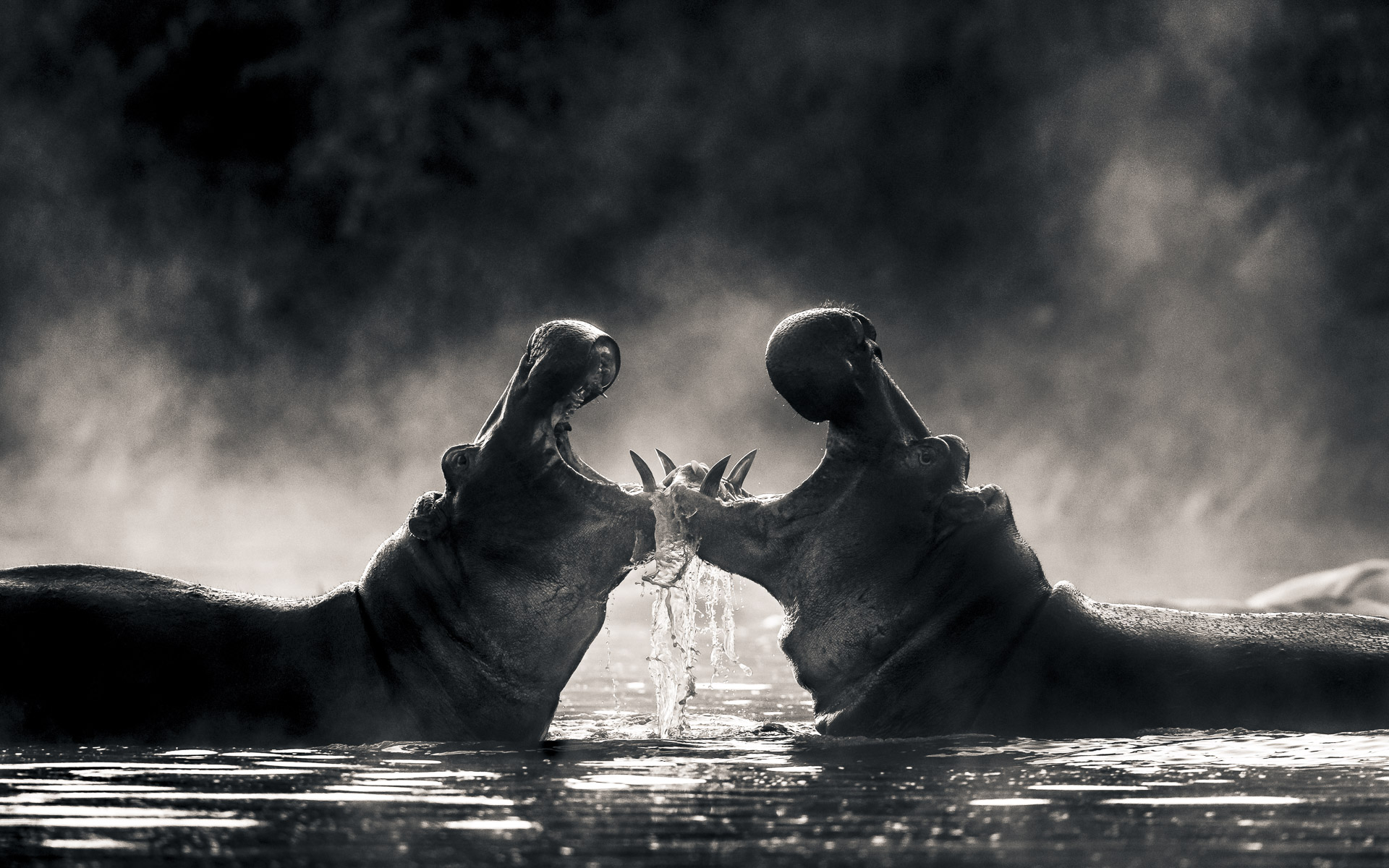
David: No, I don’t engage much in heavy post-production. I’m not really into extensive editing or removing elements from my images. For instance, if I had to adjust a photo, I might convert it to black and white to enhance the contrast and adjust the exposure a bit. Basically, I’m comfortable doing things that you could achieve in a traditional darkroom.
However, I do enter a couple of competitions each year that have very strict rules about editing. For those, I make sure to adhere to their guidelines closely. In some cases, you can’t even remove a leaf from the frame. I believe that if you start altering things, it can lead to a slippery slope. If I were to take out one leaf, what’s to stop me from removing a whole branch next time? That’s not a path I want to go down.
I also feel a strong sense of responsibility, to be honest in my work. It’s important to honour what’s in front of me rather than trying to create something that isn’t there. Misrepresenting nature could give people a false impression of the world around them. There have been instances in high-profile competitions where people have faced scrutiny for manipulating their images, and I want to avoid that.
DIYP: What makes the ultimate animal portrait as opposed to just a great photo of an animal?
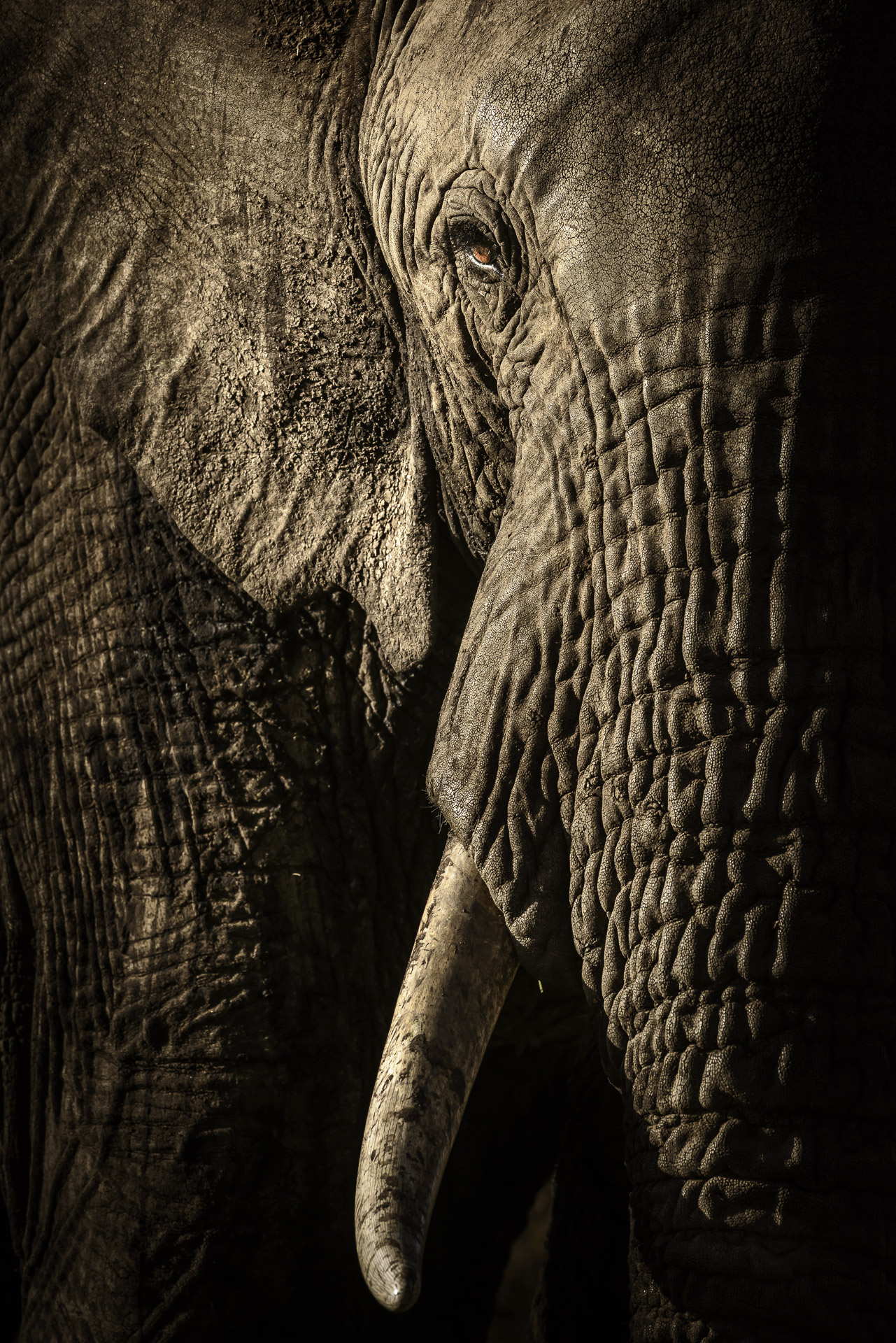
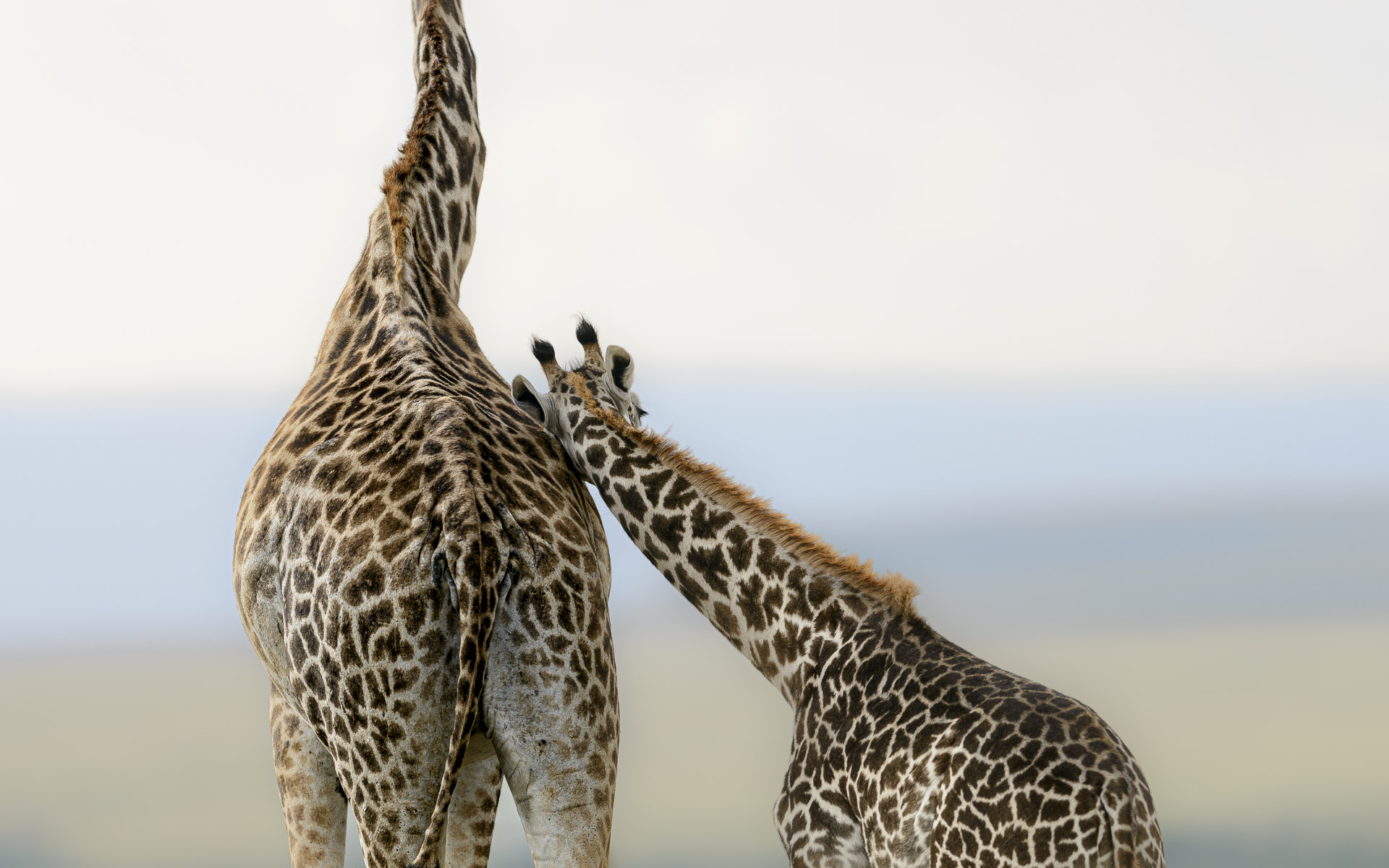
David: What I’m looking for in a good portrait is not just the subject itself, but the personality behind the image. For example, a great lion portrait isn’t just another photo of a lion; it reveals the unique character of that particular lion. Each lion has its own personality, much like us. I aim to convey this individuality in my photographs, helping people realize there’s more to an image than just what it looks like.
It’s not just about the subject; it’s about who they are. The more I observe these animals, the more I understand their distinct traits. I can recall my first encounter with a leopard back in 2011, which left a lasting impression on me. In one of my blog posts, I mentioned a rhino named Karanja, whom I saw around 2010 or 2011. I was awestruck by what I witnessed.
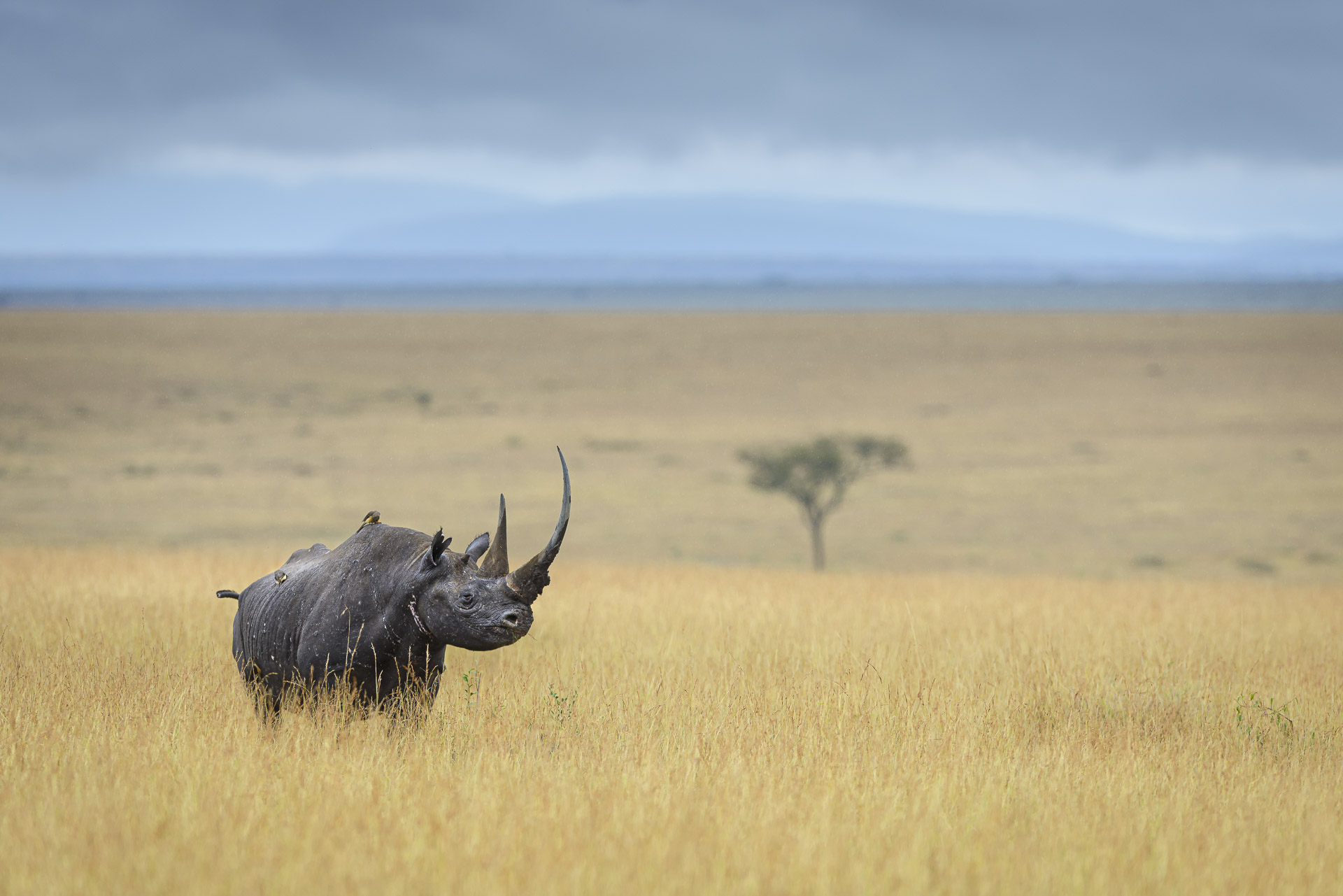
I feel fortunate to have captured some remarkable images of him, and I’m relieved to know that he passed away naturally due to old age. Even with animals like rhinos, I can see their personalities shine through in my photos. Karanja, in particular, was quite placid and would sometimes approach vehicles, which is rare for rhinos. Typically, they wouldn’t behave that way.
What I find fascinating is how each animal has its own unique character, which I strive to capture in my work. While I can’t claim to fully understand these animals, I definitely see their individuality come through.
DIYP: How do you keep it fresh, especially when photographing the same subjects?
David: When I take photos, I often find that the elements I’ve envisioned come together at just the right moment. It’s incredibly satisfying when that happens, especially after waiting for the perfect shot.
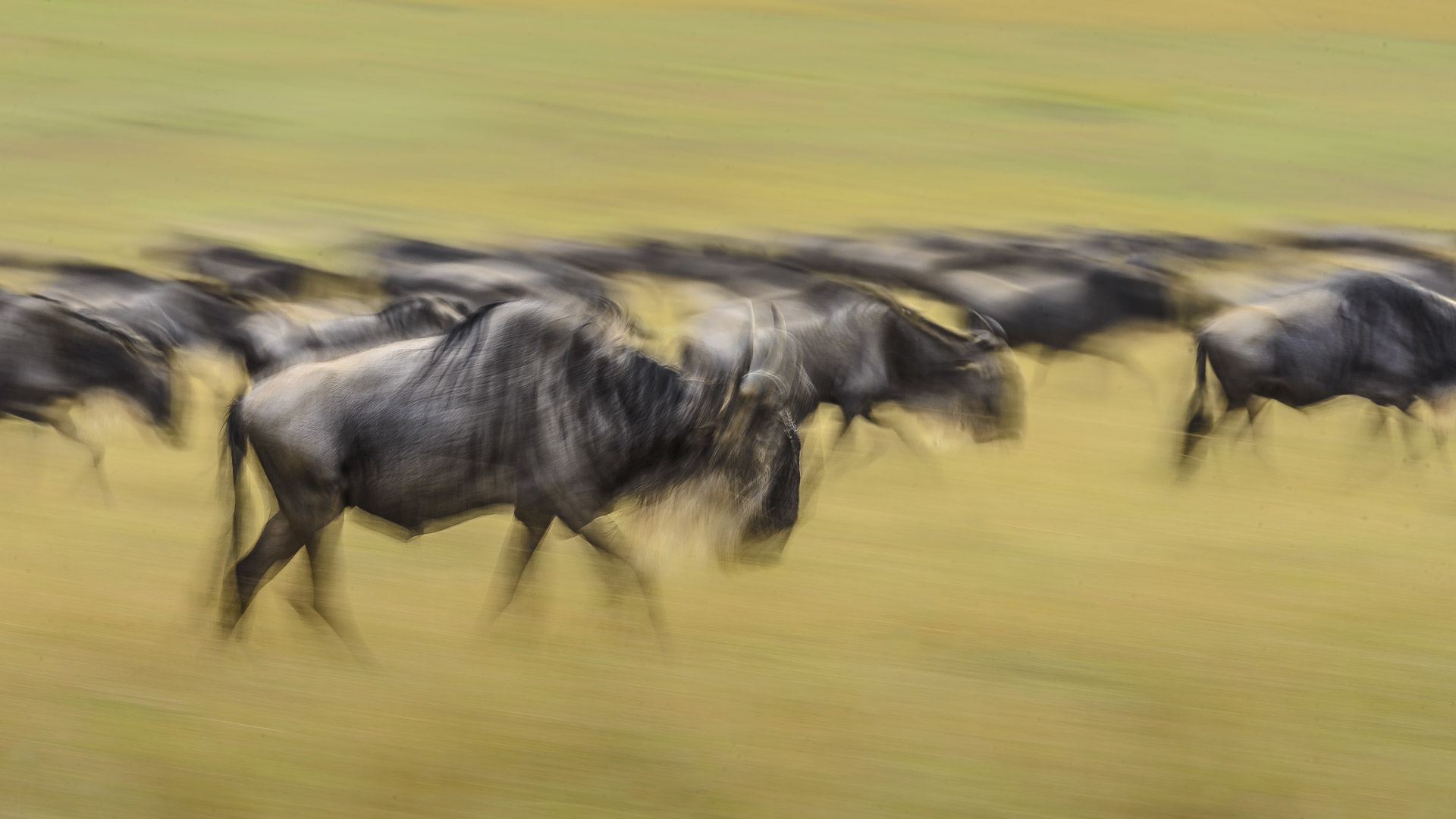
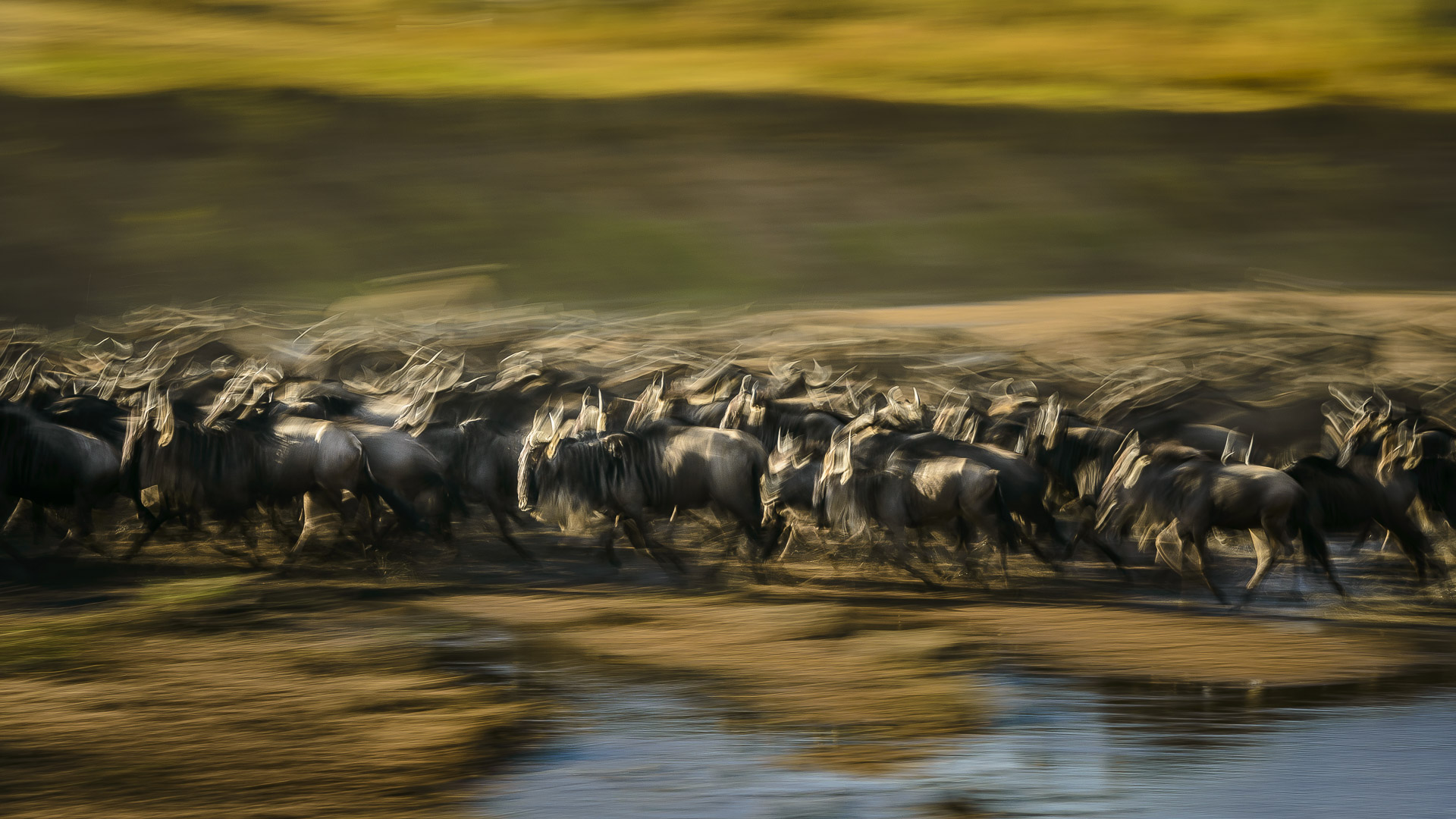
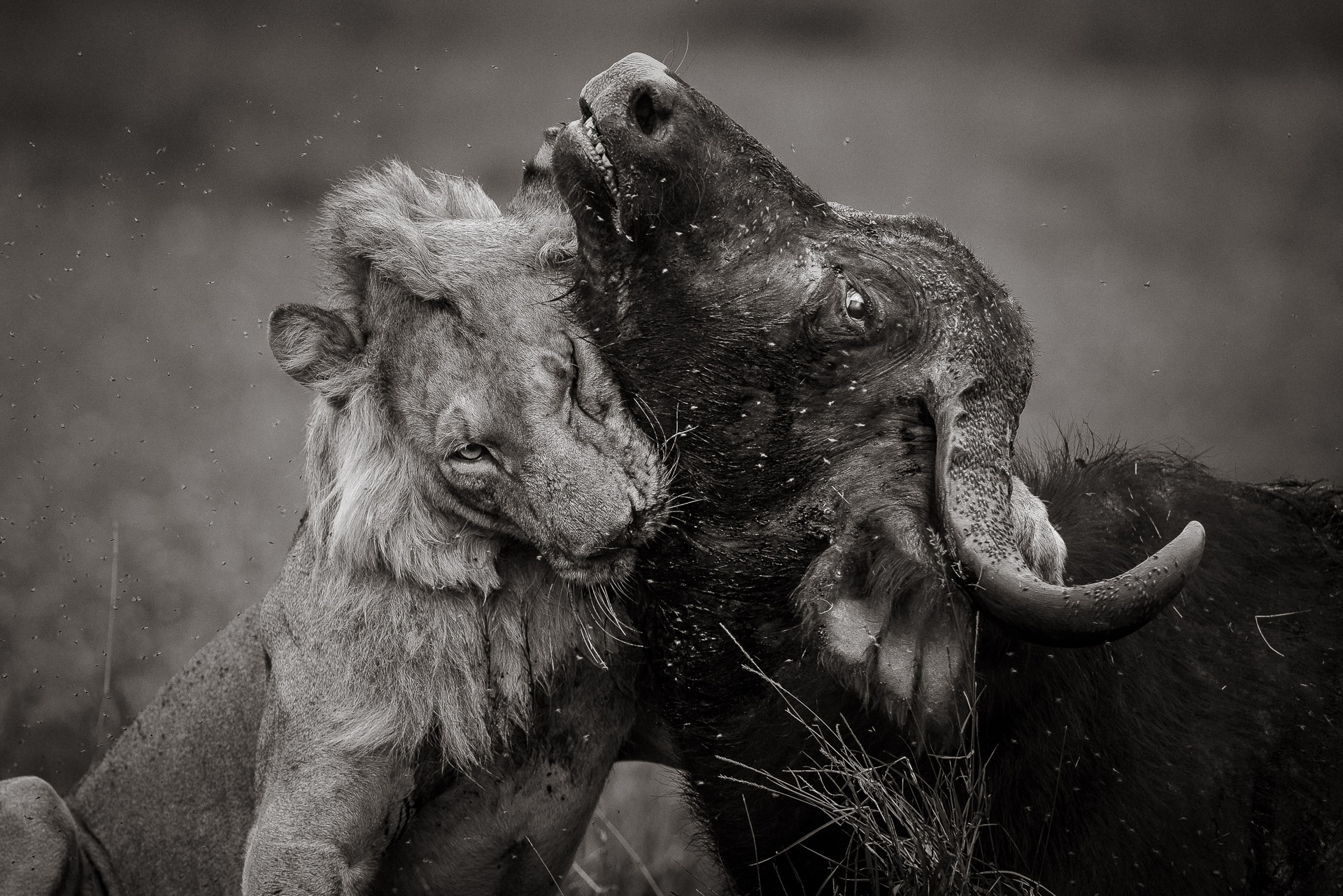
I’ve been experimenting with a lot of camera movement in my recent photos of The Great Migration. I’ve been using slow shutter speeds to create more abstract images. I enjoy capturing the essence of the moment rather than just the subject itself. For example, if a cat moves into an interesting position, I want to be ready for that shot, even if it has a low probability of happening. Preparing for those less likely moments can yield some of the most captivating images.
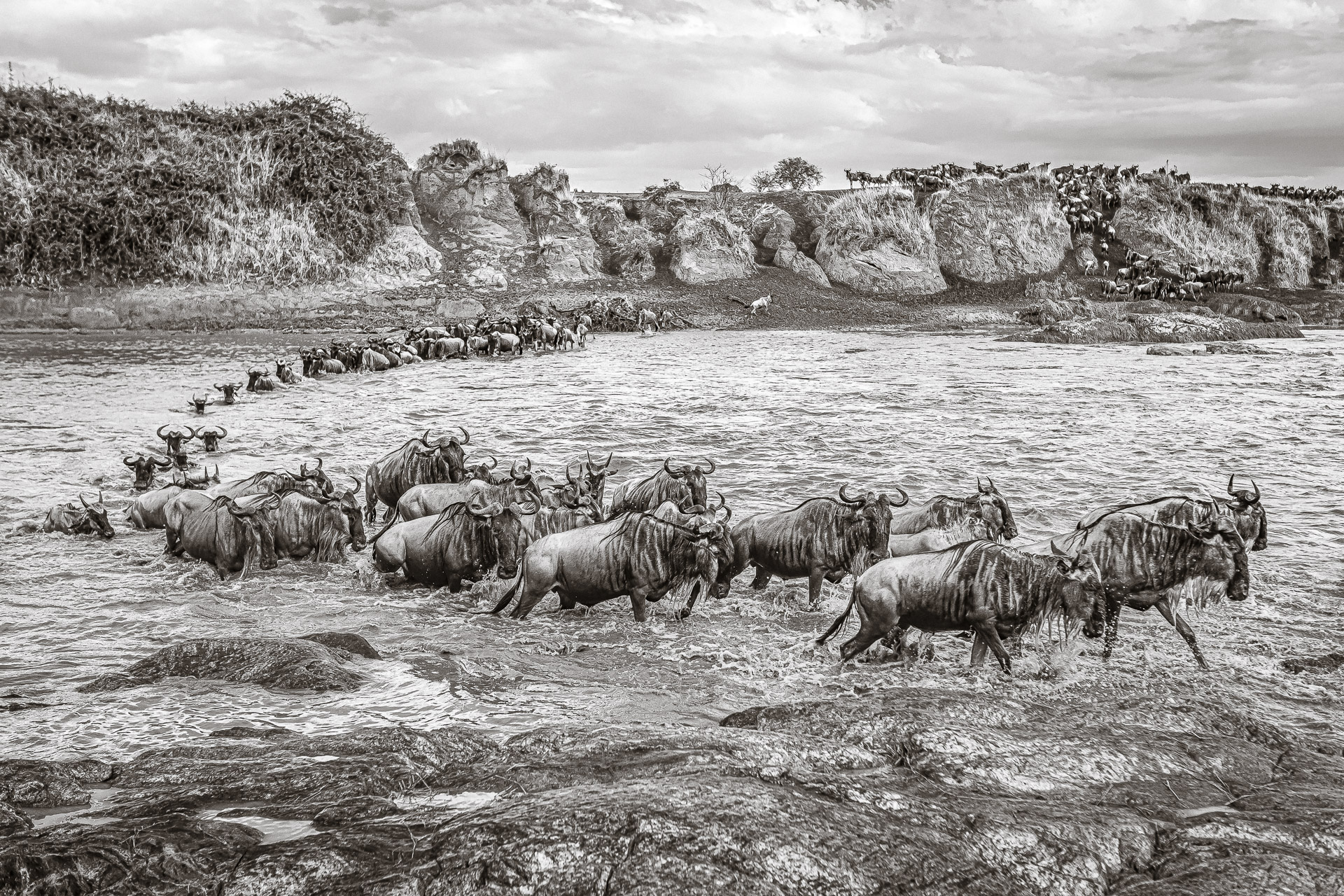
It’s essential to understand the behaviour of the subjects I’m photographing so that I can anticipate their movements. Even though I may be taking pictures of the same animals repeatedly, returning to the same locations allows me to see new perspectives and details that I may have missed before.
I challenge myself to create something different each time I go out. Exploring an image can lead to unexpected results, and even if a particular shot doesn’t work out, it can spark ideas for the next opportunity.
I often feel a friendly, competitive spirit when I’m out shooting alongside others, which inspires me to capture something unique that others may not see. Instead of focusing solely on the subject, I think about composition—lines, shapes, and how they interact. Ultimately, I’m not just trying to take a great picture of a lion cub; I’m seeking to create a compelling image that could be about anything, but still tells a story.
DIYP: Do you have any advice for aspiring wildlife photographers, particularly those who can’t get to these exotic places?
David: My advice is simple: just wait. Whether you’re in a famous location or just your local wildlife area, it’s crucial to take your time and wait for the right moment to unfold instead of constantly moving around.
I often find it more rewarding to spend several hours in one spot, observing the environment, rather than running around looking for something to photograph. Typically, when I go out, I choose a place where something interesting might happen and just wait.
Patience is key. When you find yourself alone with a subject, it can be a bit nerve-wracking at first. However, the longer you stay, the more comfortable the animal becomes, and the easier it is to capture genuine moments. So, embrace the waiting game; it’s often where the magic happens.
You can see more of David’s work on his website, or follow him on Instagram. David’s work is also featured in several photo books and is available as fine art gallery prints.
All photos ©David Lloyd and published with permission.
Featured Photographer of the Week (or FPOTW for short) is where we share amazing talent with our community. If you know of anyone who’d be happy to be a part of our ‘Featured Photographer of the Week Series’, please contact us here.
See more from DIYPhotography.net on Google
Add DIYPhotography.net as a trusted source. This makes
our stories more likely to appear in your Google Search results.
 Add as a preferred source on Google
Alex Baker
Alex Baker is a portrait and lifestyle driven photographer based in Valencia, Spain. She works on a range of projects from commercial to fine art and has had work featured in publications such as The Daily Mail, Conde Nast Traveller and El Mundo, and has exhibited work across Europe
Related Posts
 I Photograph Weddings for a Living, These Are My Tips For Capturing Authentic Unique Moments
 Award winning Photojournalist fined for taking photos of police in Spain
 Capturing Bailey’s Bead: top tips from an award-winning astrophotographer
 Find your happy place in the winning images of the 2021 Landscape Photographer of the Year award
Join the Discussion
DIYP Comment Policy
Be nice, be on-topic, no personal information or flames.