




















Player One Apollo 428M MAX Pro: A Monochrome Astronomy Camera
Dec 27, 2025
Soumyadeep Mukherjee
Soumyadeep Mukherjee is an award-winning astrophotographer from India. He has a doctorate degree in Linguistics. His work extends to the sub-genres of nightscape, deep sky, solar, lunar and optical phenomenon photography. He is also a photography educator and has conducted numerous workshops. His works have appeared in over 40 books & magazines including Astronomy, BBC Sky at Night, Sky & Telescope among others, and in various websites including National Geographic, NASA, Forbes. He was the first Indian to win “Astronomy Photographer of the Year” award in a major category.
Share:

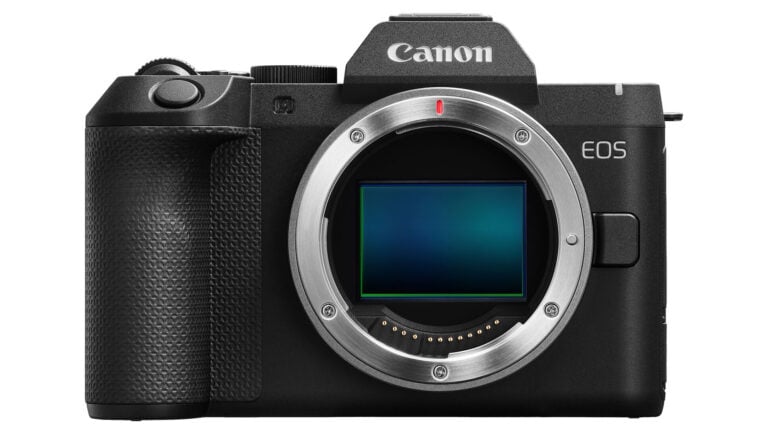
Modern astrophotography cameras increasingly adapt sensor physics rather than consumer imaging trends. The Player One Apollo 428M MAX Pro follows this direction closely. It is built around Sony’s IMX428 monochrome CMOS sensor and is engineered for applications where temporal accuracy, signal stability, and thermal control matter more than automation or convenience. The camera belongs to Player One’s Apollo series, which focuses on mono imaging for solar and scientific astronomy. Unlike hybrid deep-sky cameras, the Apollo 428M MAX Pro prioritises predictable sensor behaviour.
It combines a global shutter architecture with deep thermoelectric cooling and controlled data throughput. At a hardware level, the camera integrates sensor, cooling, memory buffering, and mechanical alignment into a compact platform. Each element supports consistent signal capture across long sessions.
The IMX428 sensor and its operational behaviour
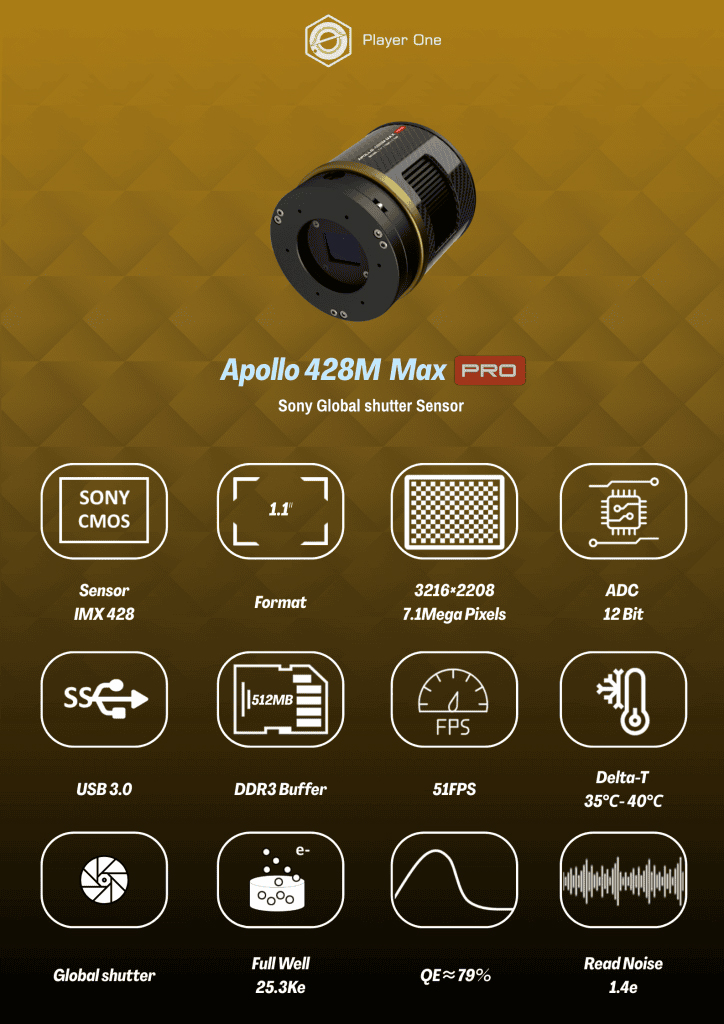
The core of the camera is the Sony IMX428 sensor. It is a 1.1-inch monochrome CMOS device with a resolution of 3216 × 2208 pixels. The total pixel count reaches 7.1 megapixels. The sensor diagonal measures 17.5 mm, which places it between the commonly used 1-inch and APS-C formats. Pixel size is 4.5 microns. This value offers a balanced sampling scale for many optical systems. It suits solar telescopes, refractors, and moderate-focal-length reflectors. The pixel scale remains flexible without demanding extreme focal ratios.
The sensor uses a global shutter. Every pixel is exposed simultaneously. This characteristic eliminates rolling shutter distortions. In solar imaging, this matters greatly. Atmospheric turbulence affects the entire frame uniformly rather than sequentially. The result is cleaner frame selection during lucky imaging.
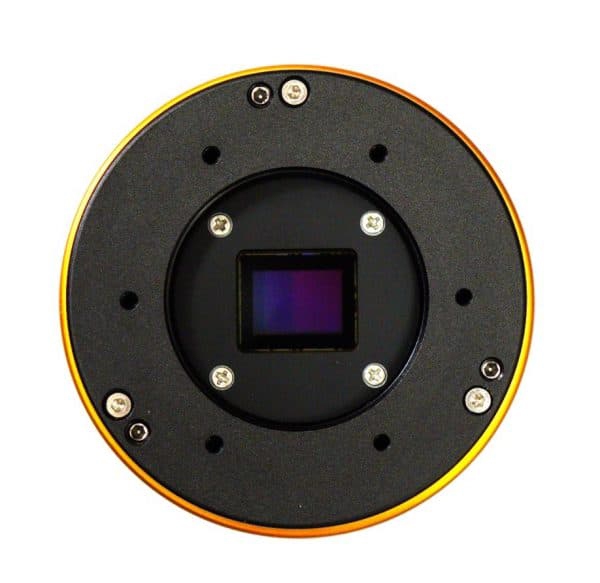
Full well capacity reaches approximately 25,300 electrons. This supports a usable dynamic range across both bright and faint structures. High-contrast targets, such as solar granulation or active regions, benefit from this capacity. The sensor avoids early saturation under proper exposure control. The IMX428 supports hardware binning. BIN2 mode increases the effective pixel size to 9 microns. This improves sensitivity and signal strength. It also increases full well capacity. Users can trade resolution for signal efficiency depending on the target.
Frame rate performance reaches over 50 frames per second at full resolution in RAW8 mode. This throughput enables high-speed capture during moments of stable seeing. The sensor’s linear response remains consistent across gain levels, which supports quantitative imaging.
Thermal regulation and noise performance
Thermal noise defines the lower limit of the useful signal in long exposures. The Apollo 428M MAX Pro uses a two-stage thermoelectric cooling system to manage this factor. Player One rates the cooling delta at 35 to 40 degrees Celsius below ambient temperature.
The cooling system maintains stable sensor temperatures during extended imaging sessions. Users can set a target temperature through software. The camera holds that value with minimal fluctuation. This stability improves calibration accuracy and repeatability. At a sensor temperature of minus 20 degrees Celsius, dark current measures around 0.08 electrons per second per pixel. This low thermal signal allows long exposures without excessive noise buildup. It also reduces reliance on aggressive noise reduction during processing.
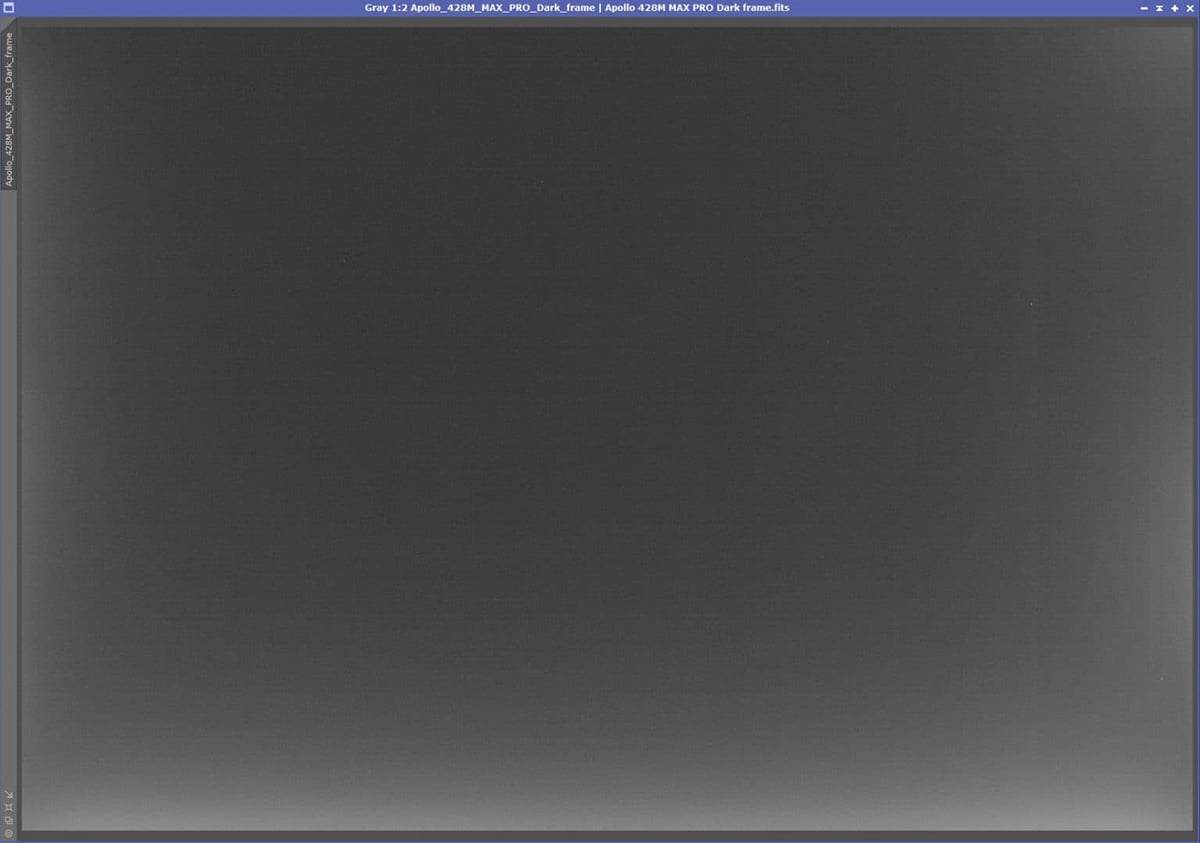
Read noise performance remains competitive across gain settings. At higher gains, the camera enters High Conversion Gain mode. HCG reduces read noise to below 1.5 electrons while preserving dynamic range. This behaviour benefits narrowband and low-signal imaging.
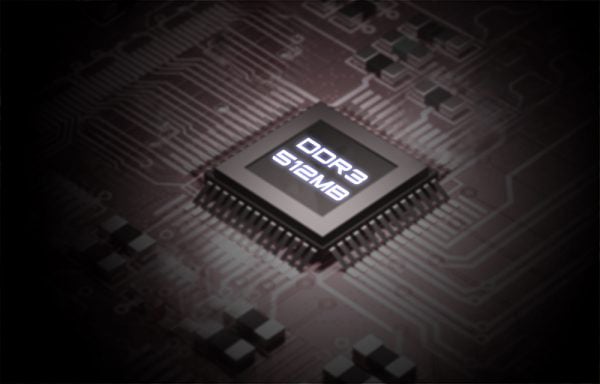
The camera includes a 512 MB DDR3 memory buffer. This buffer stabilises data transfer during high-speed capture. It prevents frame drops when system resources fluctuate. The buffer proves especially useful during solar imaging bursts and rapid frame sequences. Together, cooling, low read noise, and memory buffering produce consistent data quality. The camera favours controlled signal capture over maximum sensitivity claims.
Mechanical design and optical stability
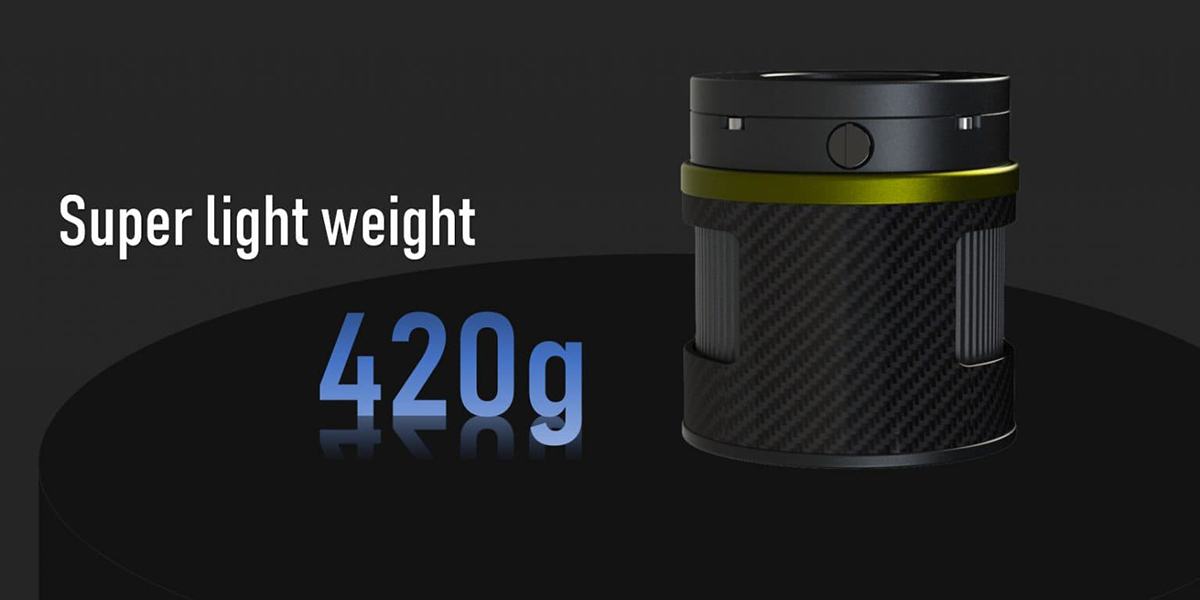
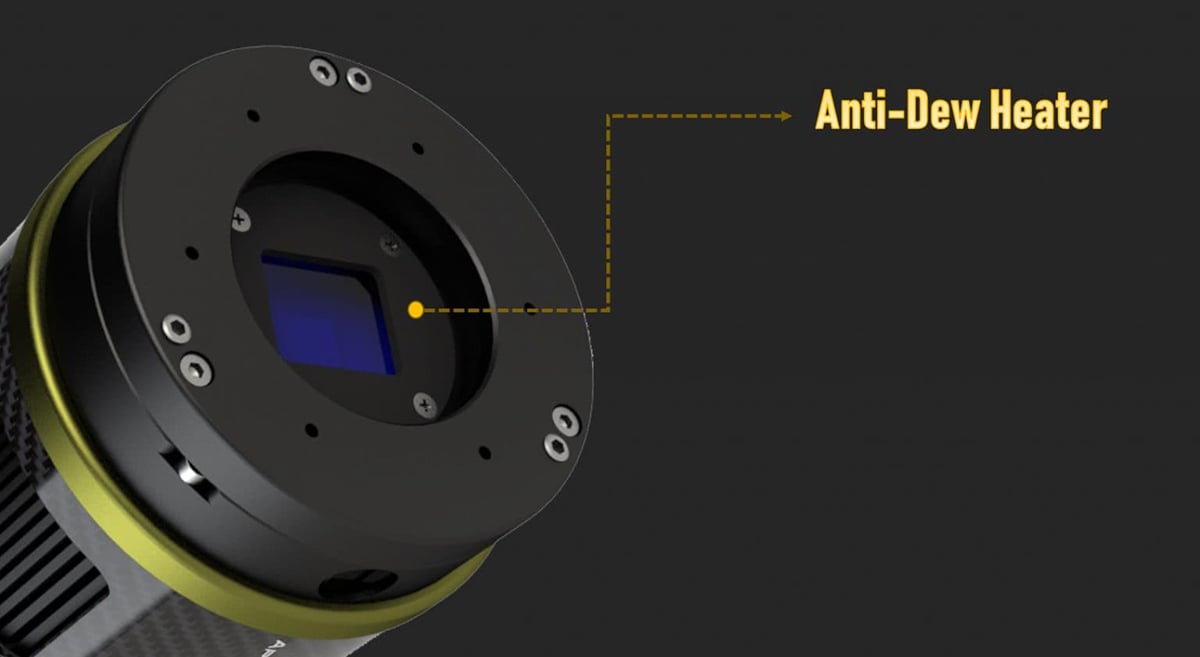
The Apollo 428M MAX Pro uses a rigid aluminium housing designed to maintain sensor alignment. The camera weighs approximately 420 grams. This keeps the load manageable on most focusers. The optical window uses multi-coated glass. This reduces reflections and transmission loss. An integrated anti-dew heater surrounds the window. Dew formation often interrupts night imaging. Integrated heating mitigates this issue without external accessories.
One notable feature is the adjustable sensor tilt mechanism. Minor sensor tilt can distort star shapes across the field. This adjustment allows fine correction at the camera level. It becomes valuable when working with fast optics or wide fields.
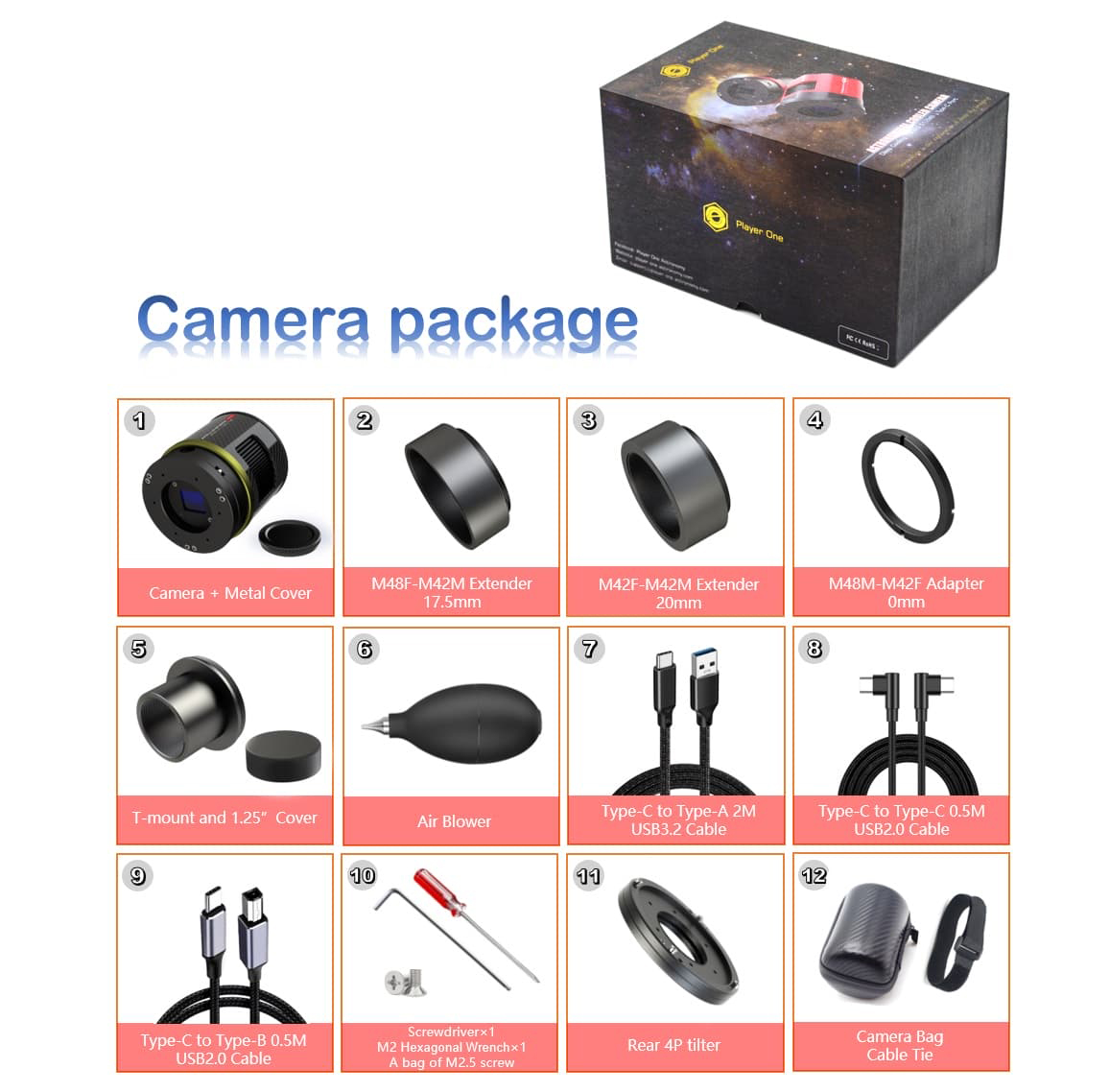
The camera provides a mechanical back-focus distance of 17.5 mm. This spacing integrates well with filter wheels and adapters. Player One supplies extension rings and adapters with the camera. This reduces setup complexity. Internal shading and sealing reduce stray light intrusion. Light leaks affect calibration frames and image contrast. The camera design addresses this through internal baffling rather than software correction.
Data interface, power, and control
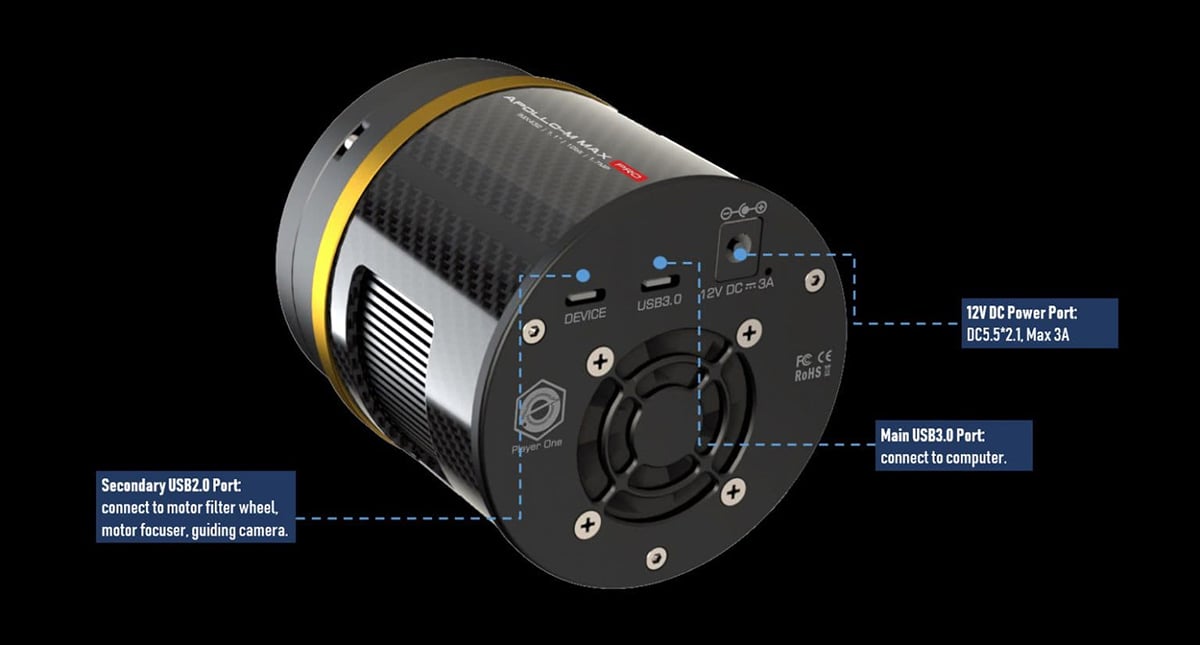
The Apollo 428M MAX Pro connects via a USB 3.0 Type-C interface. This ensures high data throughput during imaging. The camera remains compatible with USB 2.0 systems, though performance decreases accordingly. Cooling requires a 12-volt external power source rated up to 3 amps. When cooling is disabled, the camera can operate through USB alone. This flexibility supports field use and transport scenarios.
The camera supports ASCOM and native drivers. It integrates smoothly with widely used capture software. Temperature control, gain, offset, and fan behaviour remain accessible through software interfaces.
Solar and deep-sky imaging
Solar imaging represents the primary use case for the Apollo 428M MAX Pro. The global shutter architecture ensures uniform exposure across the sensor. High frame rates support lucky imaging techniques. The monochrome sensor pairs well with hydrogen-alpha, calcium, and continuum filters. Narrowband solar imaging benefits from low read noise and consistent sensor response. Short exposures remain uniform across the frame.
The large sensor area allows full-disk capture with appropriate optics. High-resolution mosaics also become practical. The camera handles rapid capture sequences without instability.
Although solar-focused, the Apollo 428M MAX Pro performs effectively on deep-sky targets. Cooling and low noise enable long exposures. The monochrome sensor supports LRGB and narrowband workflows. The sensor size suits medium-field imaging. Wide nebulae and compact galaxies remain within reach. Global shutter sensors often show slightly lower quantum efficiency than rolling shutter designs. That trade-off exists here.
Price and availability
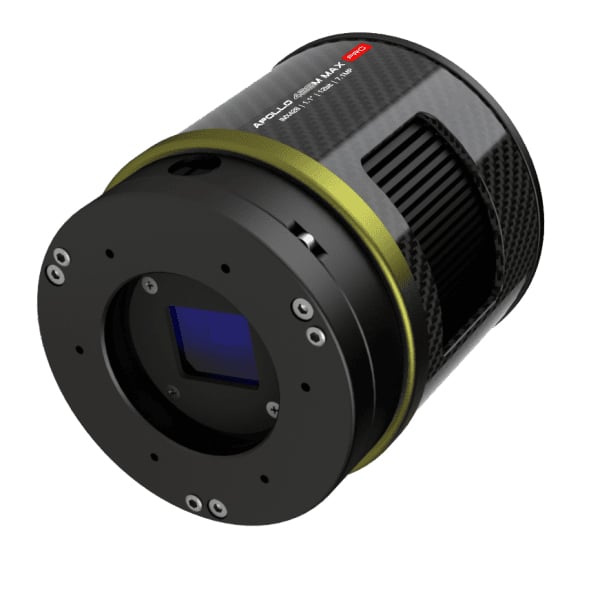
The Player One Apollo 428M MAX Pro is priced at $809. The camera is available via the official website and multiple retailers.
Its design emphasises signal integrity, thermal stability, and mechanical accuracy. Features like sensor tilt adjustment, deep cooling, and memory buffering reflect real-world imaging challenges. For solar astronomers, the camera offers a reliable and consistent imaging platform. For deep-sky users, it provides controlled performance within a mono workflow.
Clear skies!
See more from DIYPhotography.net on Google
Add DIYPhotography.net as a trusted source. This makes
our stories more likely to appear in your Google Search results.
 Add as a preferred source on Google

Soumyadeep Mukherjee
Soumyadeep Mukherjee is an award-winning astrophotographer from India. He has a doctorate degree in Linguistics. His work extends to the sub-genres of nightscape, deep sky, solar, lunar and optical phenomenon photography. He is also a photography educator and has conducted numerous workshops. His works have appeared in over 40 books & magazines including Astronomy, BBC Sky at Night, Sky & Telescope among others, and in various websites including National Geographic, NASA, Forbes. He was the first Indian to win “Astronomy Photographer of the Year” award in a major category.

Join the Discussion
DIYP Comment Policy
Be nice, be on-topic, no personal information or flames.