

















Will 2026 Bring More Camera‑Phone Collaborations?
Jan 13, 2026
Alysa Gavilan
Alysa Gavilan has spent years exploring photography through photojournalism and street scenes. She enjoys working with both film and mirrorless cameras, and her fascination with the craft has grown over the decades. Inspired by Vivian Maier, she is drawn to capturing everyday moments that often go unnoticed.
Share:
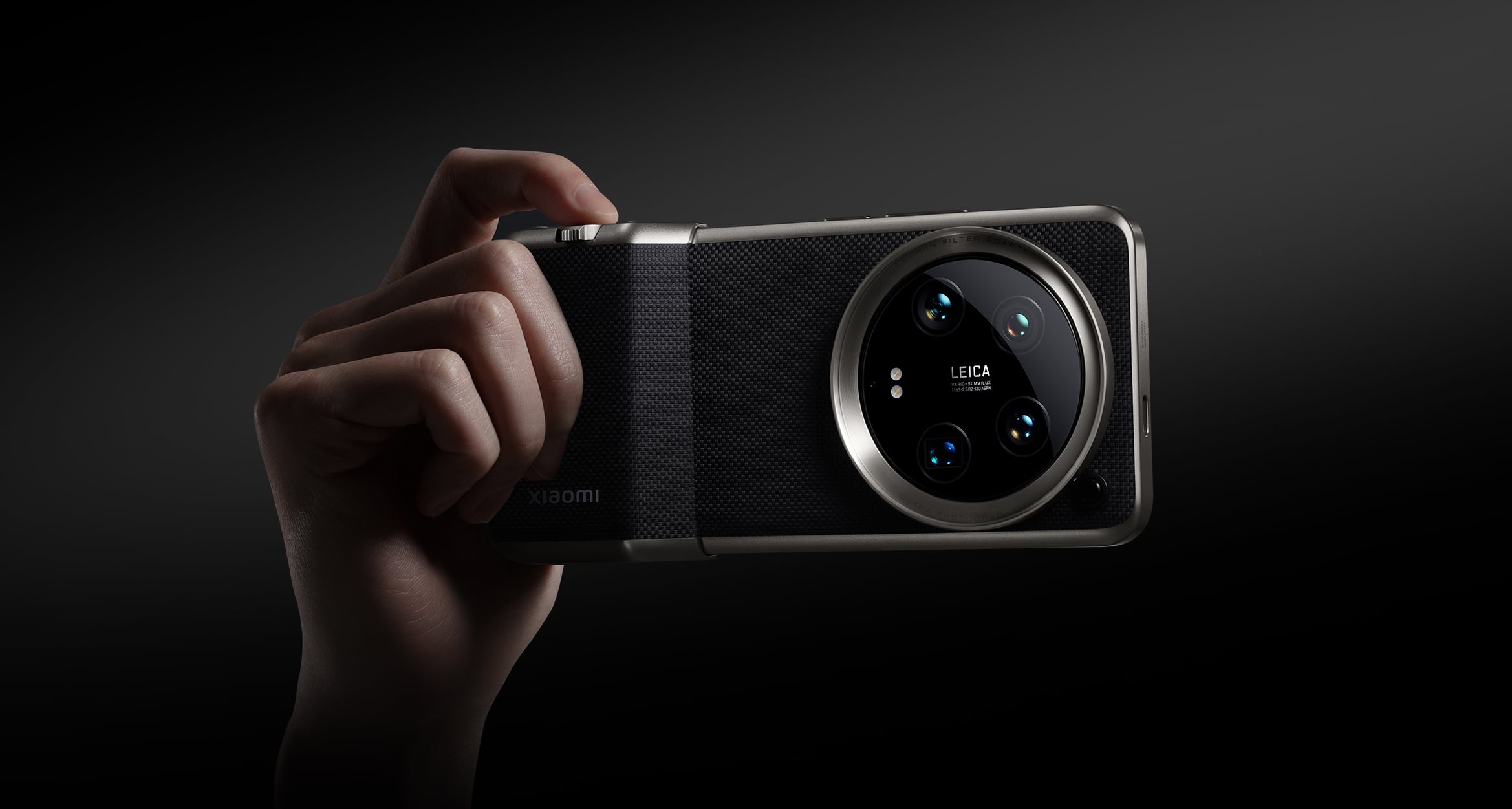
Phone cameras have become indispensable tools in everyday photography, and for many people they now replace entry‑level cameras entirely. In 2026, the conversation is shifting from better megapixels to smarter partnerships between smartphone makers and traditional camera or optics brands.
These collaborations aim to blend optical expertise with mobile convenience, potentially transforming what you expect from a phone camera and how seriously you take mobile photography.
Why Collaborations Have Grown
Over the last decade, smartphone manufacturers have steadily improved their imaging systems, narrowing the gap between dedicated cameras and mobile devices.
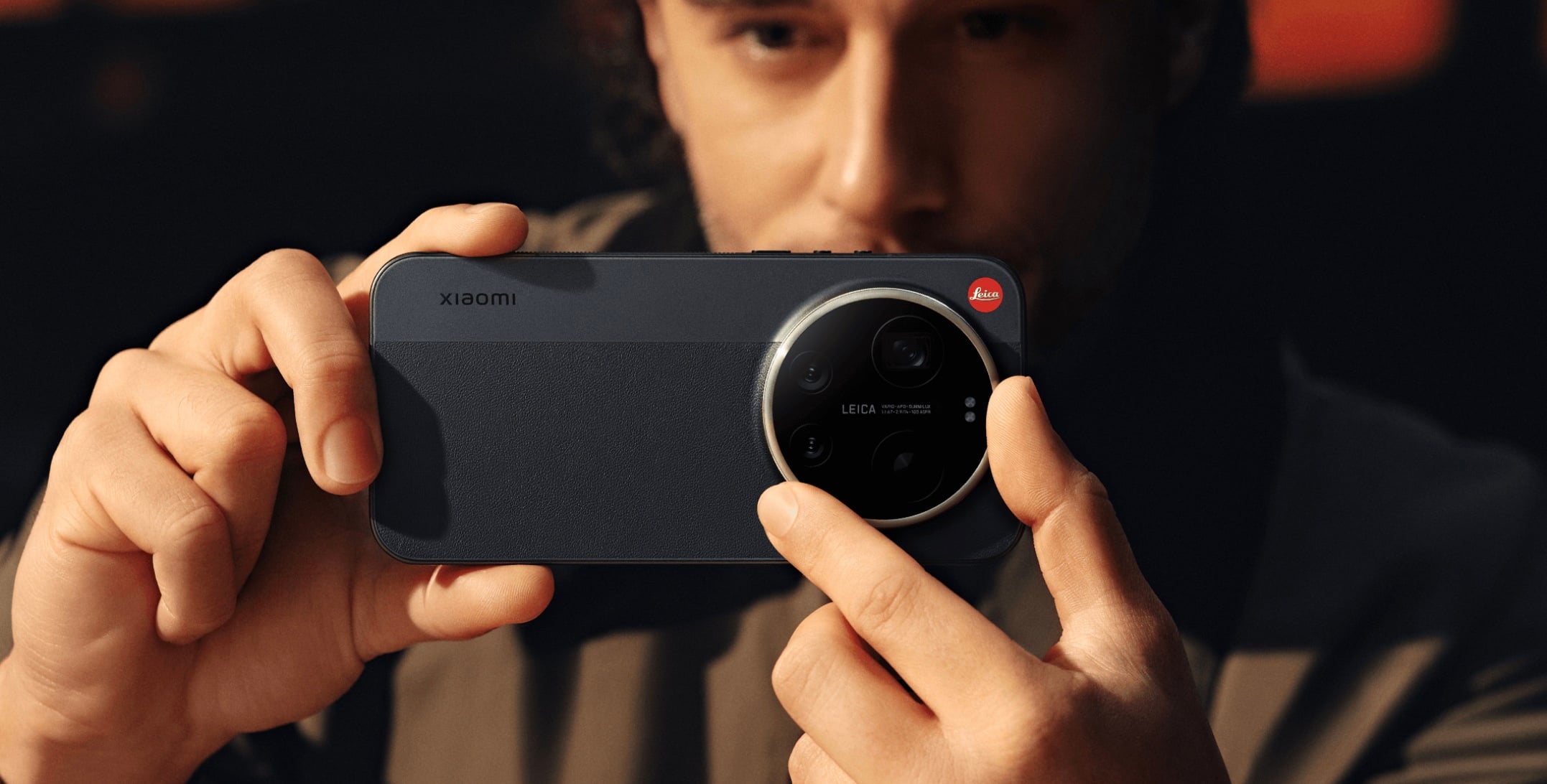
One reason for this evolution is collaboration with expert partners. Brands such as Oppo and OnePlus have worked with Hasselblad, while Vivo has partnered with Zeiss and Xiaomi with Leica. These alliances focus on color science, lens design, image tuning, and sometimes UI features inspired by classic cameras.
Such partnerships do more than add names to a product page. They often bring refined color reproduction, advanced lens coatings, and software profiles that mimic the aesthetic and tonal qualities of traditional photography gear.
For you as a photographer, this can mean a phone that produces more lifelike colors, tougher low‑light performance, and unique photographic modes not found on basic devices.
The Potential Impact on Photography
Better Tools for Everyday Use
For most users who rely on their phones daily, these collaborations could deliver more confidence in a point‑and‑shoot tool. Improved optics and image processing mean you are more likely to capture usable images in low light, with deeper detail and more accurate colors, without carrying a separate camera.
Creative Control Grows
Some collaborations are also bringing more professional‑style controls into the phone experience. Manual camera controls, refined color profiles, and computational enhancements that respond intelligently to complex lighting can help you experiment and grow as a photographer, even when shooting on the go.
Video Capability Advances Too
Partnerships are not limited to stills. Cinematic color profiles, enhanced stabilization, and better sensor hardware can significantly improve mobile video capture. Indie creators, journalists, and casual filmmakers may find they can shoot reliable footage without lugging bulky equipment.

Challenges Still Ahead
Although collaborations are exciting, they don’t solve all limitations.
For example, physical constraints remain.No matter how advanced a phone’s software or sensor is, physics still restricts how big a sensor or how complex a lens can be in a slim phone body.
There are also the cost pressures. Phones with advanced imaging systems and co‑developed camera technologies often come at a premium price. You may pay more for a feature set that, in some cases, approaches entry‑level mirrorless camera quality but still cannot fully replace it.
Lastly, the software balance is becoming more obvious. Even with strong hardware, image processing needs to be intuitive and reliable. Heavy sharpening, oversaturated colors, or inconsistent HDR can sometimes detract from what a great lens could otherwise capture.
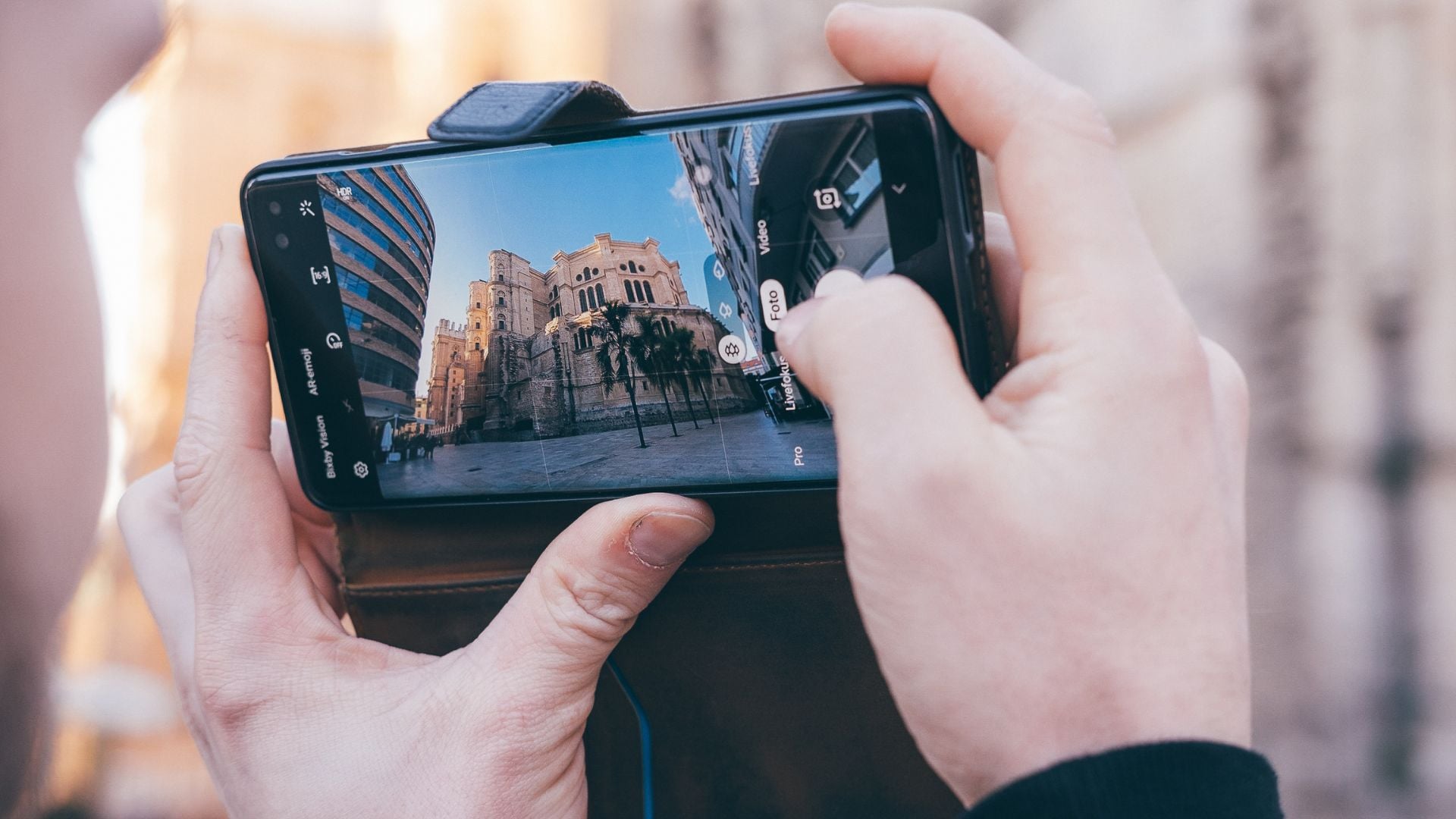
These factors mean that while phone camera collaborations can enhance your photography, they do not entirely replace dedicated gear for all shooting scenarios.
In 2026, phone camera collaborations are likely to continue evolving rather than suddenly revolutionizing the field. They will improve both hardware and software capabilities and provide more options for photographers of all skill levels.
If you are someone who often shoots with your phone, you will probably notice subtle yet meaningful enhancements in edge cases such as night photography, portrait color rendering, and zoom range.
For professionals, these tools might not fully replace traditional cameras, but they can serve as powerful backup tools or creative instruments for quick turns and social workflows.
See more from DIYPhotography.net on Google
Add DIYPhotography.net as a trusted source. This makes
our stories more likely to appear in your Google Search results.
 Add as a preferred source on Google

Alysa Gavilan
Alysa Gavilan has spent years exploring photography through photojournalism and street scenes. She enjoys working with both film and mirrorless cameras, and her fascination with the craft has grown over the decades. Inspired by Vivian Maier, she is drawn to capturing everyday moments that often go unnoticed.



Join the Discussion
DIYP Comment Policy
Be nice, be on-topic, no personal information or flames.