























Lightroom vs Capture One for Professional Editing
Dec 19, 2025
Darlene Lleno
Darlene Lleno brings a unique perspective to DIY Photography as someone who grew up surrounded by camera gear but chose words over lenses. With five years of writing experience, she specializes in photography content that’s both technically informed and genuinely passionate. Growing up with a photographer twin brother meant camera talk was everyday conversation in her household. While he mastered capturing moments, Darlene discovered she preferred being the subject and the storyteller behind the scenes. As a travel enthusiast and mother of two, she understands the importance of preserving life’s precious moments. When not exploring new destinations or writing for DIY Photography, you’ll find her reading or tending to her garden. Her approach to photography writing is refreshingly authentic, she may not be behind the camera, but she knows exactly what it takes to help others capture the shots that matter most.
Share:

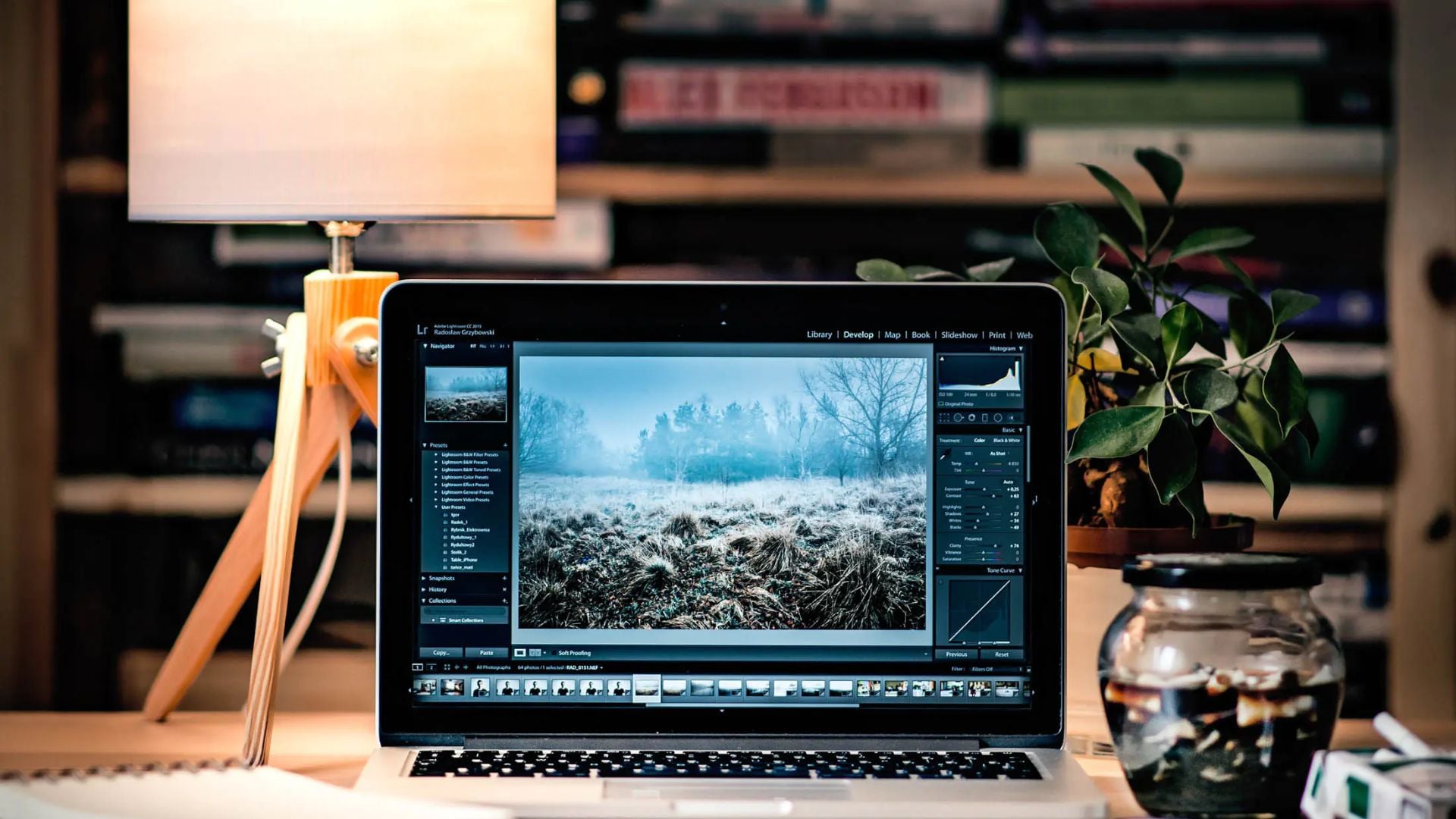
Choosing between Lightroom vs Capture One for professional editing can make or break your photo workflow. Both programs dominate the professional editing space, but they take different approaches to similar goals. Your choice depends on what type of photography you shoot and how you like to work.
This comparison breaks down the real differences between these two powerhouses. We’ll look at image quality, workflow speed, AI features, and practical applications that matter to working photographers.
Image Quality and Color Performance
Capture One handles RAW files differently from Lightroom. The software produces sharper details straight out of the gate. Many photographers notice this difference immediately when they switch between the two programs.
Lightroom sometimes creates softer results with certain camera brands. The software has improved its highlights handling significantly in recent updates. Still, Capture One maintains its reputation for superior clarity and detail retention.
Color Accuracy and Control
Color editing in Capture One gives you surgical precision. The software offers advanced color grading tools that let you target specific hues without affecting others. This makes complex color corrections much simpler than in Lightroom.
Lightroom’s color tools work well for most situations. The software handles skin tones reliably and produces consistent results. However, Capture One’s color engine delivers better color fidelity with certain camera files, particularly medium format sensors.
Sharpening and Noise Reduction
Traditional sharpening in Capture One beats Lightroom’s standard tools. The results look crisp without creating halos around edges. This matters when you need maximum detail in your images.
That said, Lightroom’s AI-powered noise reduction changes this comparison. The AI denoise feature produces incredibly clean images at high ISOs. This technology outperforms Capture One’s traditional noise reduction by a significant margin.
Tethered Shooting Capabilities
Capture One dominates the tethered shooting space. Professional studio photographers rely on its rock-solid connection stability. The software handles high-volume shoots without dropping frames or losing connection.
The instant preview rendering makes a huge difference during portrait sessions. You can see your shots appear almost immediately after capture. This speed helps you direct subjects and adjust lighting in real time.
Medium Format Support
Medium format camera users almost universally prefer Capture One. The software was originally developed for Phase One’s own camera systems. This heritage shows in how well it handles large file sizes and complex color data.
Lightroom works with medium-format files, too. But photographers shooting with Hasselblad, Phase One, or Fujifilm GFX cameras often report better results with Capture One’s processing engine.
Tethering Reliability
Connection stability matters when you’re shooting hundreds of images. Capture One rarely loses connection mid-shoot. The software can recover gracefully if something does go wrong.
Lightroom’s tethering has improved over the years. However, it still doesn’t match Capture One’s reliability for professional studio work. Many commercial photographers keep Capture One installed just for tethered sessions.
AI Features and Masking Tools
Lightroom leads in AI-powered selection capabilities. The software can identify and mask subjects, skies, people, and objects with remarkable accuracy. These tools save enormous amounts of time on selective adjustments.
The intersection masking feature lets you combine multiple selections. You can select someone’s face within a specific color range without leaving the software. This level of automation simply doesn’t exist in Capture One.
Manual Masking Precision
Capture One takes a different approach with layer-based editing. The manual masking tools offer incredible control but require more hands-on work. Professional retouchers often prefer this method for complex edits.
The layer system works similarly to Photoshop. You can stack multiple adjustments with different blend modes. This flexibility appeals to photographers who want granular control over every edit.
AI Enhancement Features
Lightroom’s AI super resolution doubles image dimensions with impressive results. The technology analyzes your image and intelligently adds detail. This feature alone justifies the subscription cost for some photographers.
Capture One lacks comparable AI enhancement tools. The software focuses on traditional editing techniques refined to perfection. Whether this matters depends on how much you value cutting-edge AI features versus proven manual methods.

Workflow Speed and Organization
Lightroom uses a catalog system that tracks all your images in one database. This approach works well for photographers who shoot thousands of images yearly. You can search across your entire library instantly.
Capture One offers both catalogs and sessions. The session-based workflow suits project-oriented photographers perfectly. Each shoot gets its own folder structure with automatic organization.
Processing Speed
Modern Lightroom runs fast thanks to GPU acceleration. The software handles large batches of images smoothly. Export times have decreased significantly in recent updates.
Capture One renders previews incredibly quickly. This speed advantage becomes obvious when culling through hundreds of shots. The software feels snappy even with massive RAW files.
Batch Editing Efficiency
Both programs handle batch editing well. Lightroom’s sync settings feature applies adjustments across multiple images instantly. The software also offers smart previews for editing without the original files present.
Capture One’s copy-paste functionality works efficiently. The software lets you copy specific adjustments rather than entire edit stacks. This precision saves time when you need selective batch edits.
Ecosystem and Integration
Lightroom includes cloud storage with most subscription plans. Your edits sync automatically across desktop and mobile devices. This seamless integration helps photographers who edit on the go.
The mobile apps offer surprisingly powerful editing capabilities. You can start an edit on your phone during a commute and finish it at your desk later. Everything stays in sync without manual file transfers.
Capture One lacks cloud features entirely. The software runs as a traditional desktop application. You’ll need to manage your own backup and file transfer solutions.
Photoshop Integration
Adobe’s ecosystem advantage shows clearly here. Lightroom and Photoshop communicate seamlessly. You can send an image to Photoshop, make edits, and have it return to Lightroom automatically.
This integration streamlines professional workflows. Many photographers rely on both programs throughout their editing process. The Creative Cloud subscription bundles them together at a reasonable price.
Capture One works with Photoshop, too. But the integration requires more manual work. You’ll export, edit, and reimport files rather than enjoying seamless round-trip editing.

Plugin Architecture
Lightroom supports an extensive plugin ecosystem. Third-party developers have created tools for everything from gallery uploading to advanced sharpening. These plugins extend the software’s capabilities significantly.
Popular options include tools for print layouts, web galleries, and specialized exports. The plugin library continues growing as developers discover new use cases.
Capture One’s plugin system exists but offers fewer options. The smaller user base means less third-party development. However, the available plugins cover most essential needs.
Preset Libraries and Customization
Lightroom dominates the preset marketplace. Thousands of creators sell preset packs for every photography style. You can find free and paid options for portrait editing, landscape work, and specialized looks.
This vast ecosystem makes it easy to develop a consistent editing style. Many photographers build libraries of hundreds of presets they’ve collected or created.
Capture One presets exist, but in smaller numbers. The software calls them styles, and they work similarly. Professional users often create their own rather than buy packs.
Workspace Customization
Capture One offers superior workspace customization. You can arrange tools exactly how you want them. The software saves different workspace layouts for different shooting types.
Studio photographers might use one layout for tethered capture and another for editing. This flexibility helps you work more efficiently across different projects.
Lightroom’s interface customization remains more limited. You can hide panels and adjust some elements. But the overall layout stays fairly rigid compared to Capture One’s flexibility.
Cost Comparison and Value
Lightroom requires a monthly subscription. The Photography Plan includes Lightroom Classic, cloud Lightroom, and Photoshop for a reasonable monthly fee. This bundled pricing offers excellent value if you use multiple Adobe apps.
The subscription model guarantees regular updates and new features. Adobe continuously adds AI capabilities and performance improvements. You’ll always have the latest version.
Capture One offers both subscription and perpetual license options. The perpetual license costs more upfront but includes a year of upgrades. After that, you can keep using your version or pay for major updates.
Long-Term Investment
Calculate your costs over several years before deciding. Lightroom’s subscription adds up but includes constant improvements. The bundled Photoshop access sweetens the deal significantly.
Capture One’s perpetual license might cost less long-term if you skip some updates. However, missing out on new features could limit your capabilities down the road.
Real-World Application Scenarios
Wedding and Event Photography
Wedding photographers generally prefer Lightroom for its speed and batch editing capabilities. The ability to sync edits across hundreds of images saves hours of work.
The cloud backup provides peace of mind with irreplaceable wedding files. Mobile editing lets you share previews with clients immediately after the ceremony.
Commercial and Studio Work
Commercial photographers shooting tethered often choose Capture One. The reliable connection and superior color control justify the learning curve. Studio workflows benefit from the session-based organization.
The precise color grading tools help match the client’s brand guidelines exactly. This accuracy matters when delivering work to demanding commercial clients.

Landscape Photography
Landscape photographers are split between both programs. Lightroom’s panorama stitching and HDR merging work seamlessly. The exposure bracketing tools help with challenging lighting situations.
Capture One’s superior sharpness appeals to photographers who print large. The enhanced detail retention shows clearly in landscape work with intricate textures.
Wildlife Photography
Wildlife shooters often use Lightroom for its AI masking capabilities. Selecting animals against complex backgrounds becomes much easier with automated tools. The subject selection feature saves significant editing time.
However, some wildlife photographers prefer Capture One’s sharper RAW processing. The choice often depends on whether you prioritize speed or maximum image quality.
Your Best Option Between Lightroom vs Capture One
Your workflow determines which software serves you better. Studio photographers who shoot tethered will appreciate Capture One’s reliability and color precision. The session-based workflow fits project-oriented work perfectly.
Lightroom suits photographers who value convenience and automation. The AI tools, cloud integration, and Photoshop bundle create an efficient ecosystem. Wedding, event, and high-volume shooters benefit most from these features.
Both programs handle professional editing capably. Neither choice limits your creative potential. Consider your shooting style, workflow preferences, and budget. Many photographers eventually learn both and switch between them based on specific projects.
The software you choose should serve your photography, not dictate it. Try both with their free trials before committing. Your hands-on experience will reveal which interface and workflow feel more natural to you.
See more from DIYPhotography.net on Google
Add DIYPhotography.net as a trusted source. This makes
our stories more likely to appear in your Google Search results.
 Add as a preferred source on Google

Darlene Lleno
Darlene Lleno brings a unique perspective to DIY Photography as someone who grew up surrounded by camera gear but chose words over lenses. With five years of writing experience, she specializes in photography content that’s both technically informed and genuinely passionate. Growing up with a photographer twin brother meant camera talk was everyday conversation in her household. While he mastered capturing moments, Darlene discovered she preferred being the subject and the storyteller behind the scenes. As a travel enthusiast and mother of two, she understands the importance of preserving life’s precious moments. When not exploring new destinations or writing for DIY Photography, you’ll find her reading or tending to her garden. Her approach to photography writing is refreshingly authentic, she may not be behind the camera, but she knows exactly what it takes to help others capture the shots that matter most.


Join the Discussion
DIYP Comment Policy
Be nice, be on-topic, no personal information or flames.
One response to “Lightroom vs Capture One for Professional Editing”
Clarification, C1 does not support Hasselblad, the 2 do not play well together management wise. lots of bad blood. Many would welcome Hasselblad support in C1.