





















JWST’s Grand Cosmic Map: The Largest View of the Universe Ever Made
Jun 10, 2025
Soumyadeep Mukherjee
Soumyadeep Mukherjee is an award-winning astrophotographer from India. He has a doctorate degree in Linguistics. His work extends to the sub-genres of nightscape, deep sky, solar, lunar and optical phenomenon photography. He is also a photography educator and has conducted numerous workshops. His works have appeared in over 40 books & magazines including Astronomy, BBC Sky at Night, Sky & Telescope among others, and in various websites including National Geographic, NASA, Forbes. He was the first Indian to win “Astronomy Photographer of the Year” award in a major category.
Share:
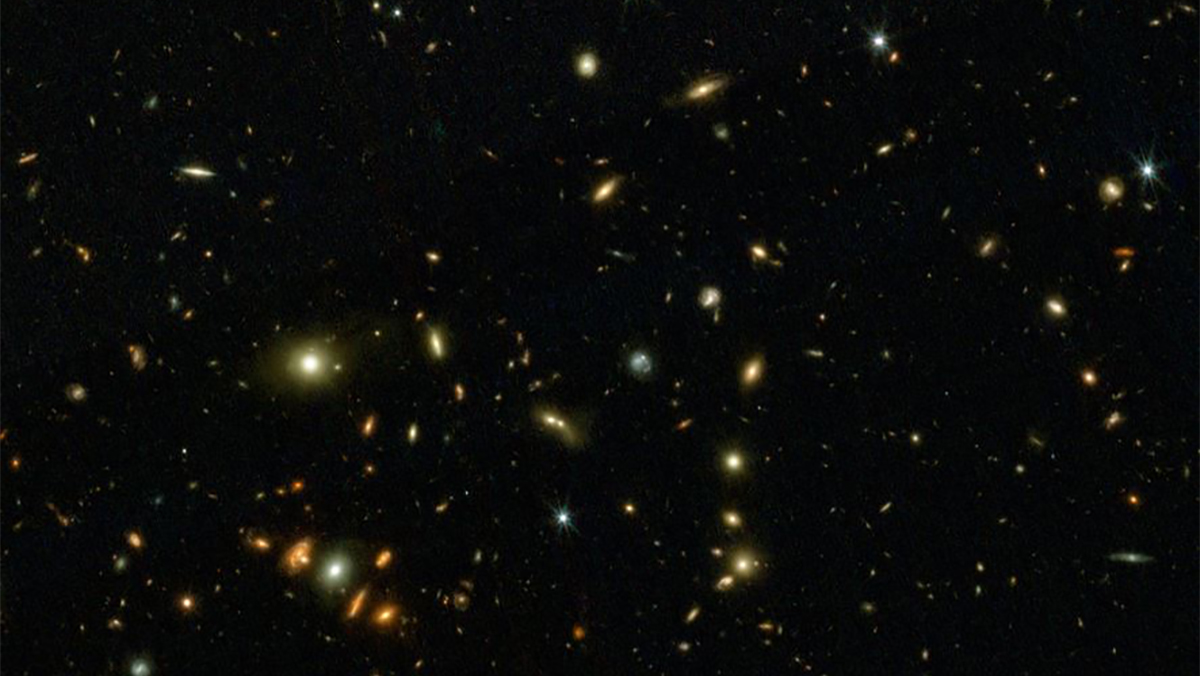
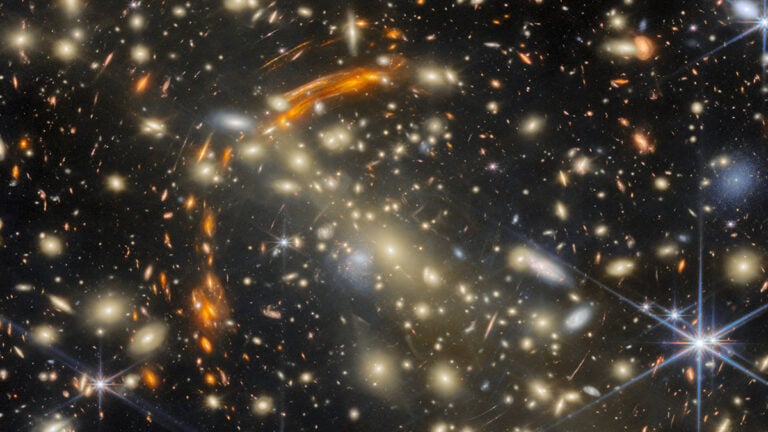
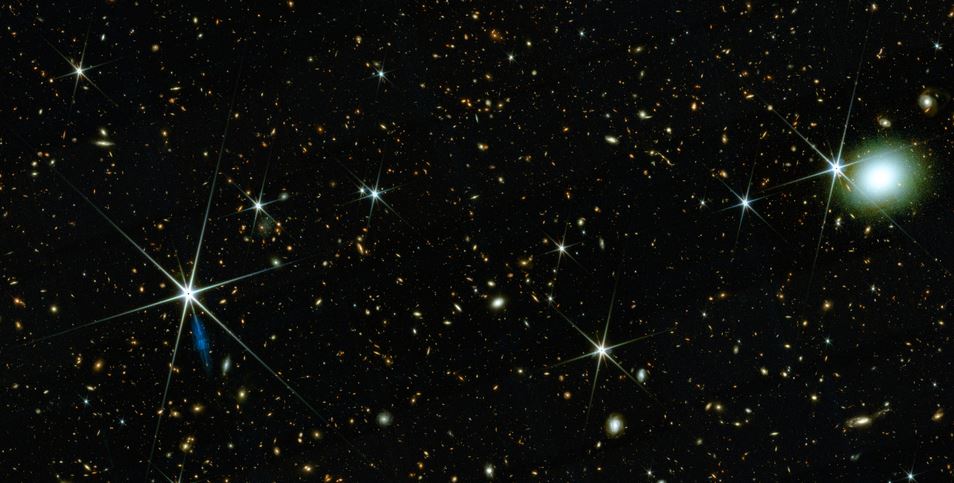
On June 5, 2025, astronomers made a historic announcement. They released the largest infrared map of the universe ever created. This stunning achievement comes from NASA’s James Webb Space Telescope (JWST). The project is called COSMOS-Web. The map covers an area of 0.54 square degrees. That’s about three times the size of the full Moon in the night sky. But more impressively, it peeks into nearly the entire history of the universe. Scientists say it reveals 13.5 billion years of cosmic evolution.
COSMOS-Web project
COSMOS-Web is short for Cosmic Evolution Early Release Science Survey. It’s a large program using JWST’s NIRCam (Near Infrared Camera) and MIRI (Mid-Infrared Instrument). The mission? To explore how the earliest galaxies formed and evolved. The project focuses on a region called the COSMOS field. This is a well-known area in the sky, already studied by Hubble, Spitzer, Subaru, and other observatories. COSMOS-Web adds new layers of detail and depth. The team behind the project includes researchers from over 50 institutions worldwide, led by scientists at the Space Telescope Science Institute (STScI), the University of Arizona, and Leiden University in the Netherlands.
How big is the map?
The COSMOS-Web map covers 0.6 square degrees of sky. That may sound small, but in astronomical terms, it’s huge, especially for an ultra-deep survey. It contains data from 255 hours of JWST observations, taken between January and June 2023.
The final dataset includes:
- Images in six near-infrared filters
- Images in one mid-infrared filter
- 800,000 galaxies detected
- Publicly available interactive maps and catalogs
According to the team, this map is the largest high-resolution, infrared mosaic of the early universe ever made.
Looking back in time
Because light travels at a finite speed, looking far into space means looking back in time. The galaxies in this map are not just far away; they are ancient. Some formed just 300 to 400 million years after the Big Bang.
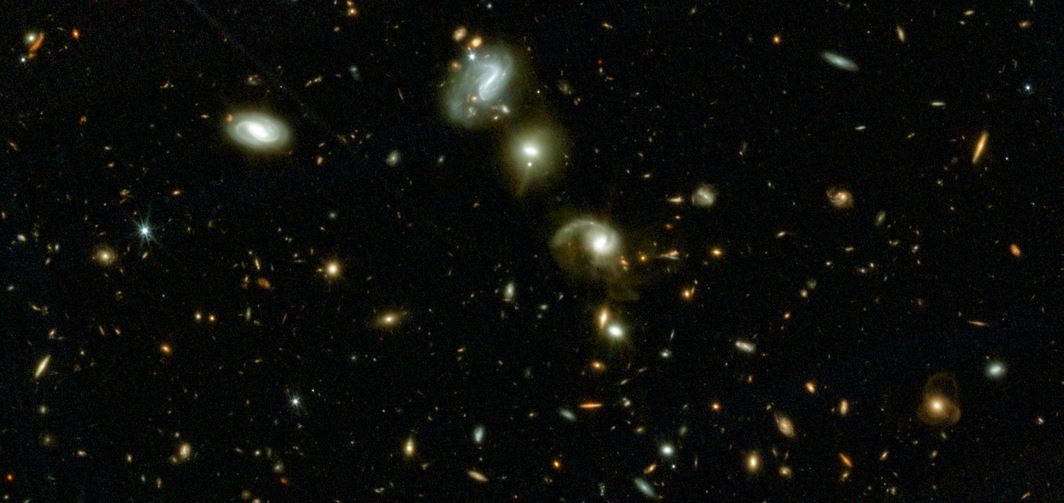
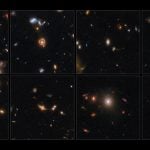
The COSMOS-Web team found more early galaxies than expected. In some parts of the map, galaxy counts are 10 times higher than predicted by existing models. These distant galaxies look different. They are compact, clumpy, and often irregular in shape. Some are red and dusty, while others shine blue with new star formation.
The future of the project
This map is just the beginning. COSMOS-Web will be followed by deeper and wider surveys. Future projects will combine JWST with ground-based telescopes like the Vera C. Rubin Observatory, ALMA, and SKA.
Astronomers hope to:
- Measure star formation across billions of galaxies
- Understand how dark energy shaped cosmic structures
- Study chemical evolution across the cosmos
The JWST team is also planning follow-up observations of some strange galaxies and black holes found in this map. These targets may change our understanding of how the universe matured.
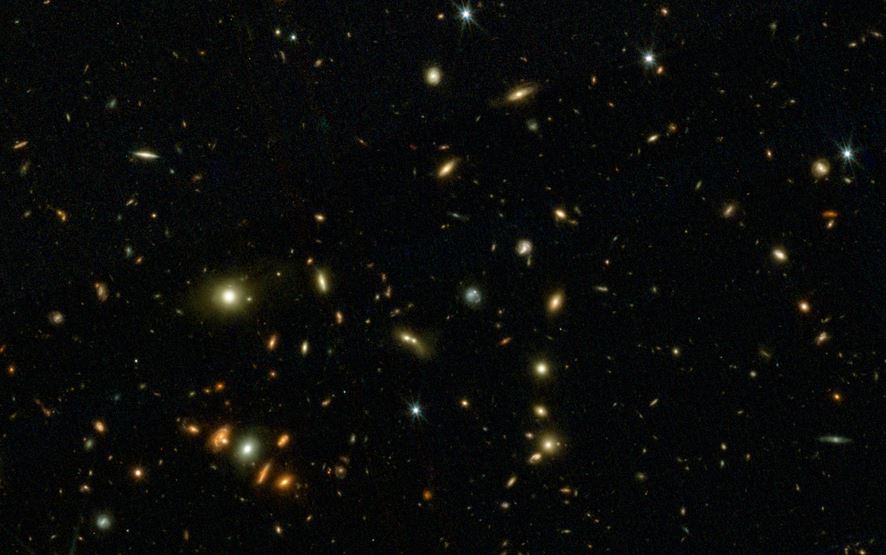
The universe is vast, ancient, and full of surprises. With the COSMOS-Web map, we now have our most detailed view ever of its first galaxies and black holes. This map is more than a scientific tool. It’s a time machine. It’s a way to witness the story of how everything began: galaxies, stars, planets, and maybe life itself.
Clear skies!
See more from DIYPhotography.net on Google
Add DIYPhotography.net as a trusted source. This makes
our stories more likely to appear in your Google Search results.
 Add as a preferred source on Google

Soumyadeep Mukherjee
Soumyadeep Mukherjee is an award-winning astrophotographer from India. He has a doctorate degree in Linguistics. His work extends to the sub-genres of nightscape, deep sky, solar, lunar and optical phenomenon photography. He is also a photography educator and has conducted numerous workshops. His works have appeared in over 40 books & magazines including Astronomy, BBC Sky at Night, Sky & Telescope among others, and in various websites including National Geographic, NASA, Forbes. He was the first Indian to win “Astronomy Photographer of the Year” award in a major category.
Join the Discussion
DIYP Comment Policy
Be nice, be on-topic, no personal information or flames.