



















Why Is Hiring a Photographer So Expensive? Here’s What You’re Really Paying For
Aug 10, 2026
Leonard Skapp

Alex Baker is a portrait and lifestyle driven photographer based in Valencia, Spain. She works on a range of projects from commercial to fine art and has had work featured in publications such as The Daily Mail, Conde Nast Traveller and El Mundo, and has exhibited work across Europe
Share:

You might look at a photographer’s quote and think, “That’s a lot of money for a few hours with a camera.” And if you’ve never worked with a professional photographer, it’s an understandable reaction, especially if you think the job is just ‘pushing a button’.
The problem is that you’re not paying a photographer simply for the time they spend taking photographs. You’re paying for their equipment, experience, preparation, editing, business costs, and all the work that happens before and after you ever see the final images. Here’s what really goes into a ‘simple’ photography shoot.
You’re paying for years of experience
Photography unfortunately falls under the categoriey of things that tend to look more effortless the longer you’ve been doing it. If it looks easy and the photographer delivers stellar images quickly with little fuss then it probably means they have years of experience and hours of practice under their belt. This is why charging by the hour is seldom a good idea for an experienced photographer who then gets penalised for efficiency.
In reality a professional photographer isn’t just charging you for pressing the shutter button, they’re charging for the years they’ve spent learning how to use their equipment, understand light, compose photographs, work with people, solve problems, and get the shot when things don’t go according to plan. Pressing the shutter is actually the least of it all.
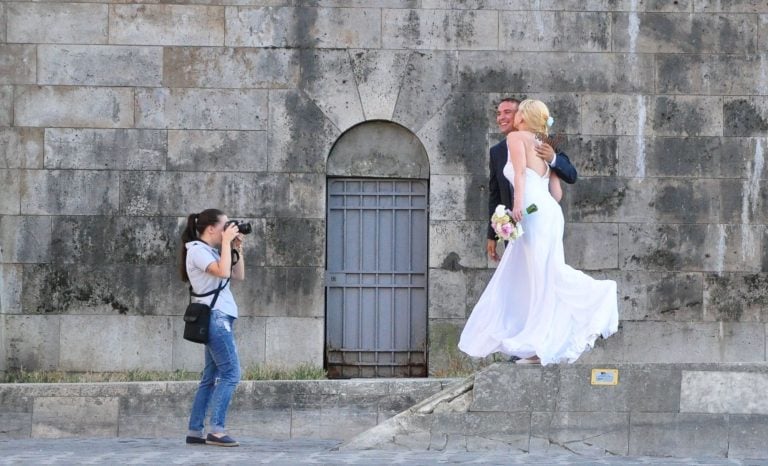
A wedding photographer, for example, might have photographed hundreds of weddings. They know where to stand, when the light will be best, how to organise large groups, and how to keep working when the weather suddenly turns terrible. You’re paying for that experience because you don’t want your photographer learning on your wedding day.
The shoot is only part of the job
One of the biggest misconceptions about professional photography is that the photographer only works while the camera is in their hands.
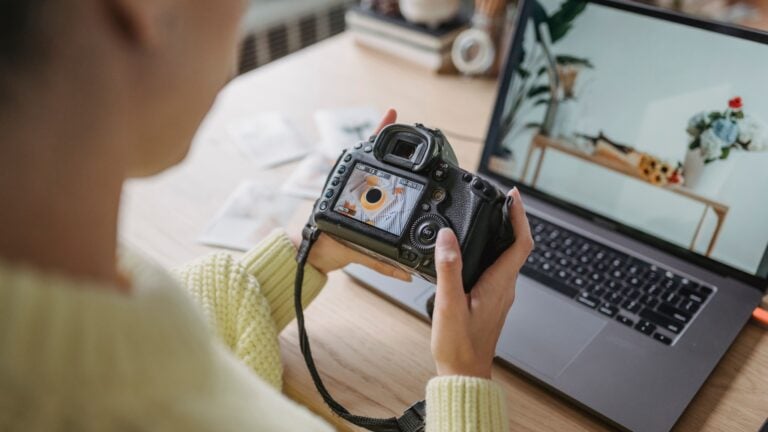
A portrait session might take an hour, but there’s also time spent communicating with the client, planning the shoot, preparing equipment, travelling, backing up files, selecting the best images, editing them, exporting them, and delivering the final gallery. Also running the business side of things, marketing, accounting, doing taxes all take time too.
For a wedding, those hours can multiply very quickly. A photographer might spend several hours preparing before the event and many more hours editing afterwards. A day’s photography can therefore turn into several days of work.
Photography equipment isn’t cheap
Professional photographers need professional equipment, and that equipment gets expensive very quickly. A camera body can cost thousands, while professional lenses can cost just as much or considerably more. Then there are flashes, tripods, memory cards, batteries, computers, software subscriptions, hard drives, lighting equipment, camera bags, and backup equipment.
And backup equipment is particularly important. If a photographer’s camera stops working halfway through your wedding, “Sorry, my camera broke” isn’t an acceptable solution. Professional photographers often carry backup bodies, lenses, batteries, and storage specifically so that equipment failure doesn’t ruin a client’s photographs.
Editing takes time
Taking the photographs is only half the job. Professional images usually need to be culled, selected, colour corrected, cropped, retouched, and exported before they’re ready for the client. A wedding photographer might return with several thousand photographs and need to work through every single one to find the best images.
Even a relatively simple portrait session can take hours to edit. This is one of the reasons professional photographers don’t charge based solely on the number of hours they spend shooting. You’re paying for the finished photographs, not just the time between picking up the camera and putting it back in the bag.
Running a photography business costs money
Photographers don’t get to keep every penny of their fee. A professional business has overheads just like any other business. There may be taxes, insurance, accounting fees, website hosting, gallery software, cloud storage, advertising, equipment maintenance, travel costs, and professional memberships.
Then there’s the cost of replacing equipment as it wears out. If a photographer charges €2,000 for a job, that doesn’t mean they have €2,000 sitting in their bank account afterwards.
You’re also paying for reliability
When you hire a professional, you’re paying for someone to turn up and do the job properly. That might sound obvious, but reliability is particularly important when the photographs can’t be recreated. You only get one wedding day, one product launch, or one chance to photograph an important event.
Professional photographers have systems for backing up images, managing files, communicating with clients, and delivering work on time. Those systems are part of what you’re paying for.
Why are some photographers cheaper?
Photography is a competitive industry, and prices vary enormously. Someone who has just started out may charge considerably less than an established professional. They may have less experience, fewer overheads, older equipment, or simply be trying to build a portfolio.
That doesn’t automatically mean they’re bad. In fact, hiring an emerging photographer can be a great way to get excellent work for less money. However, it’s worth comparing what you’re actually getting rather than looking only at the price. Two photographers might both quote €1,000, but offer very different levels of experience, coverage, editing, products, and service.
Another red flag if prices are too low is that the photographer may not be properly tax registered and is doing the job on the quiet. While this raises a lot of ethical questions about contributing to society, on a more concerning note it also means they probably don’t have public liability insurance which could cause issues if someone gets injured during a shoot.
Are photographers actually overcharging?
Sometimes, yes. Photography is not magically immune to people charging silly prices. But a professional photographer charging several thousand euros for a major assignment isn’t necessarily making several thousand euros in profit.
The best way to judge whether a photographer is expensive is to look at the complete service they’re providing, their experience, the quality of their work, and the amount of time involved. Cheap photography can be excellent, and expensive photography can be terrible. Price alone doesn’t always determine quality (though sometimes it does).
So, what are you actually paying for?
When you hire a professional photographer, you’re buying considerably more than photographs. You’re paying for their time, experience, equipment, creativity, preparation, editing, insurance, business expenses, and the peace of mind that comes with knowing someone experienced is responsible for capturing something important.
Ultimately, you’re paying for something that can’t be recreated later. A camera might cost thousands of euros, but the real value of a professional photographer is knowing where to point it, when to press the button, and what to do when everything goes wrong.
Professional photography can look expensive if you only consider the hours spent taking pictures. Once you include preparation, travel, equipment, editing, business costs, taxes, insurance, and years of experience, the price starts to make considerably more sense.
That doesn’t mean you have to spend a fortune. Shop around, look at photographers’ portfolios, ask what’s included in the price, and choose someone whose work and service match your needs.
See more from DIYPhotography.net on Google
Add DIYPhotography.net as a trusted source. This makes
our stories more likely to appear in your Google Search results.
 Add as a preferred source on Google

About Leonard Skapp
Leonard “Len” Skapp is a photographer with a particular interest in cameras, lenses, accessories, camera bags, lens filters, tripods, camera straps, and, on rare occasions, photography itself. Equal parts reviewer and enthusiast, he enjoys digging into the technical details behind the latest gear and translating them into plain English for fellow photographers. He maintains that every purchase is a carefully considered investment, although his bank account and overflowing camera cupboard continue to dispute this claim.
We love it when our readers get in touch with us to share their stories. This article was contributed to DIYP by a member of our community. If you would like to contribute an article, please contact us here.




Join the Discussion
DIYP Comment Policy
Be nice, be on-topic, no personal information or flames.