






















NASA Satellite Captures a Skull-Shaped Island in Antarctica with Changing Ice
Nov 8, 2026
Soumyadeep Mukherjee
Soumyadeep Mukherjee is an award-winning astrophotographer from India. He has a doctorate degree in Linguistics. His work extends to the sub-genres of nightscape, deep sky, solar, lunar and optical phenomenon photography. He is also a photography educator and has conducted numerous workshops. His works have appeared in over 40 books & magazines including Astronomy, BBC Sky at Night, Sky & Telescope among others, and in various websites including National Geographic, NASA, Forbes. He was the first Indian to win “Astronomy Photographer of the Year” award in a major category.
Share:
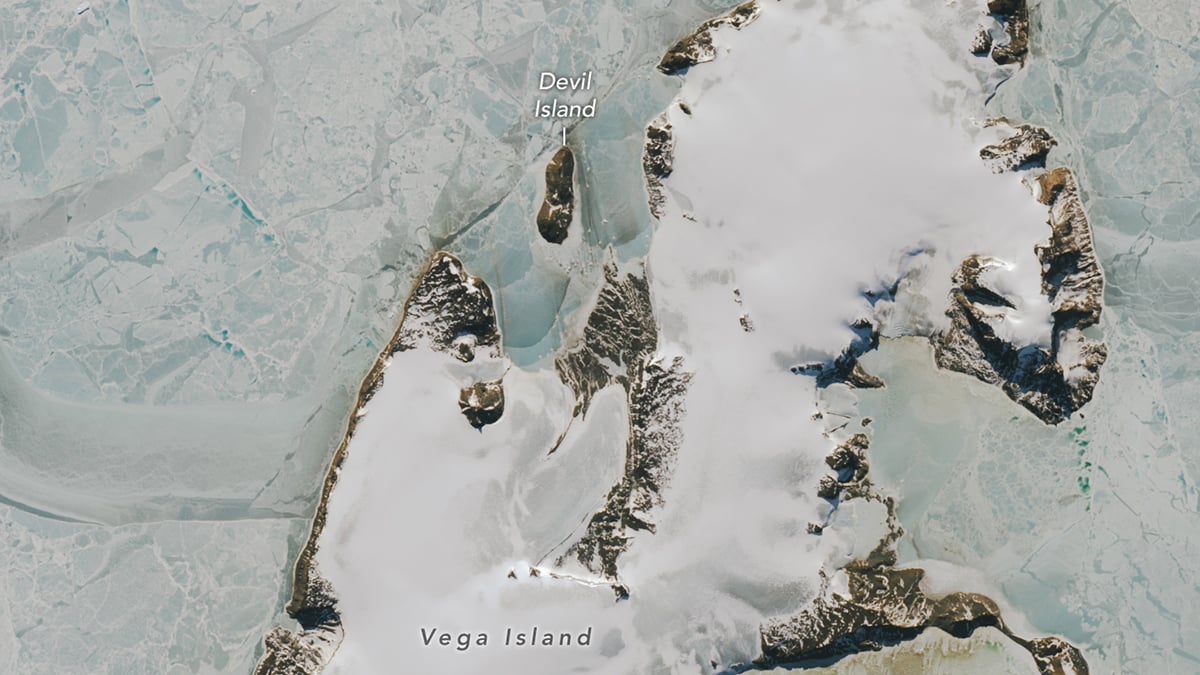
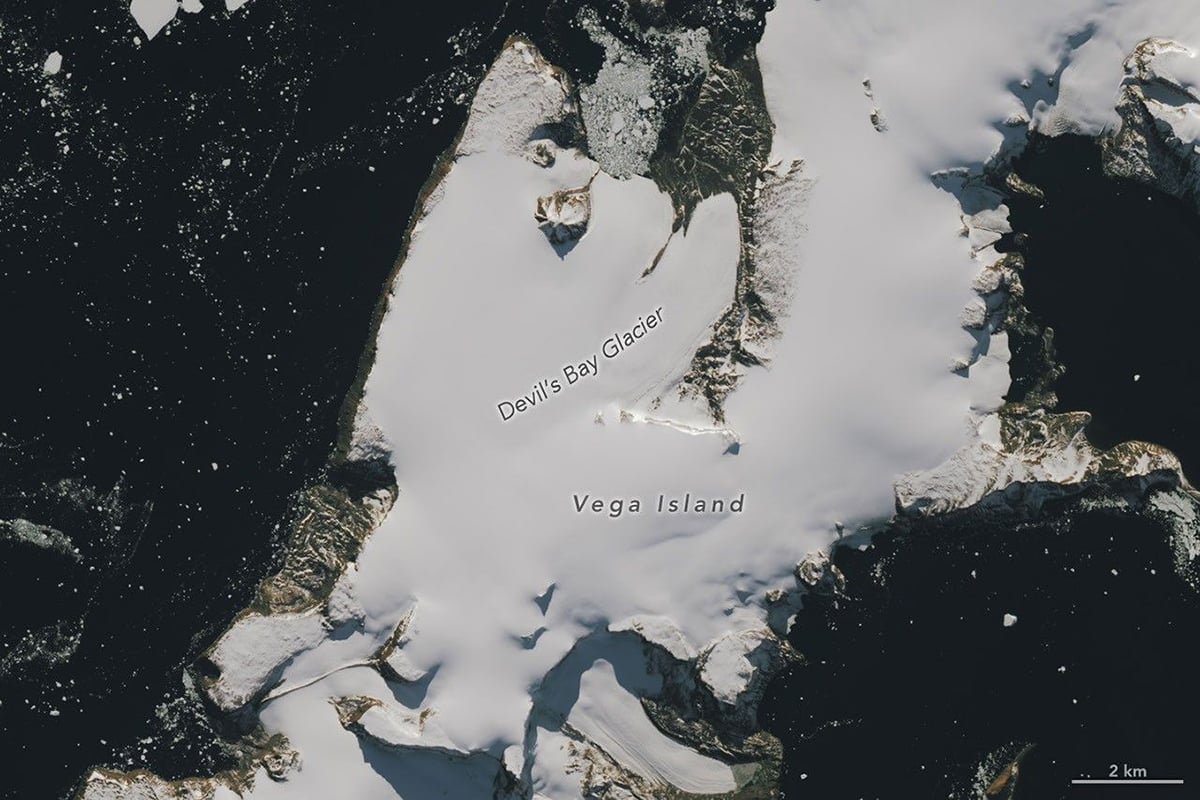
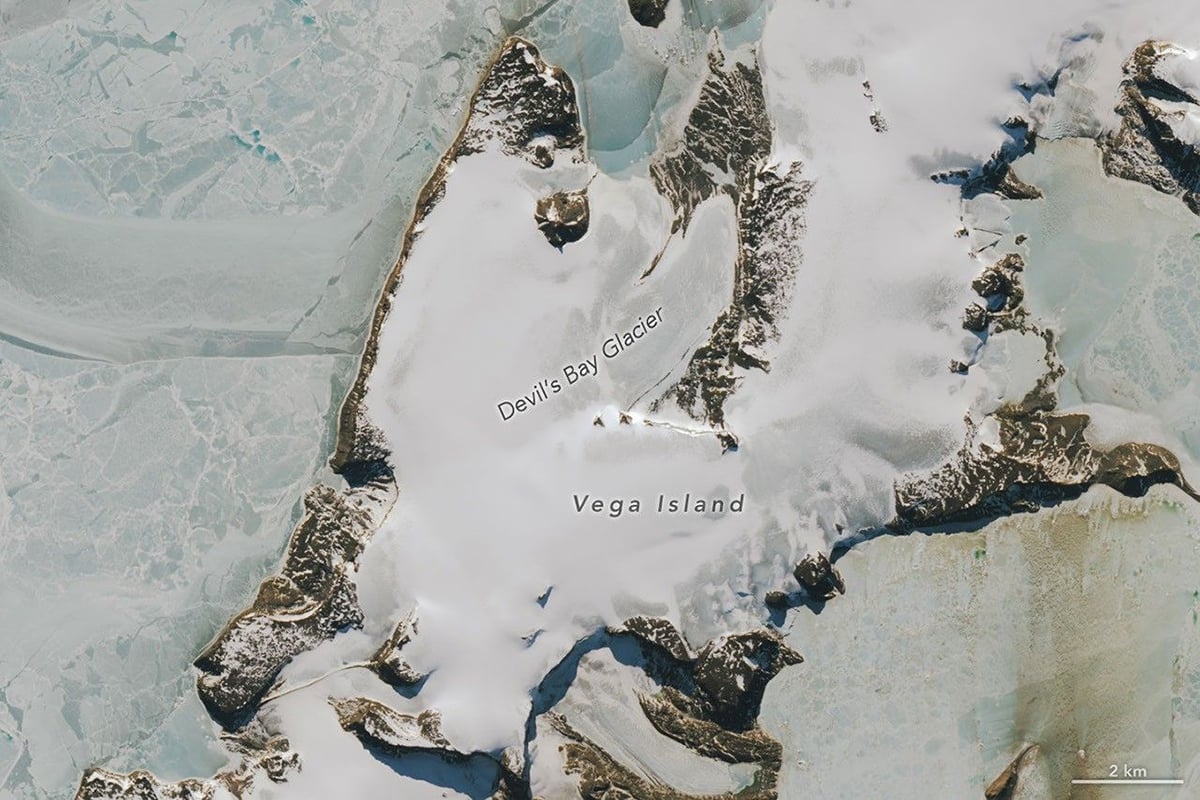
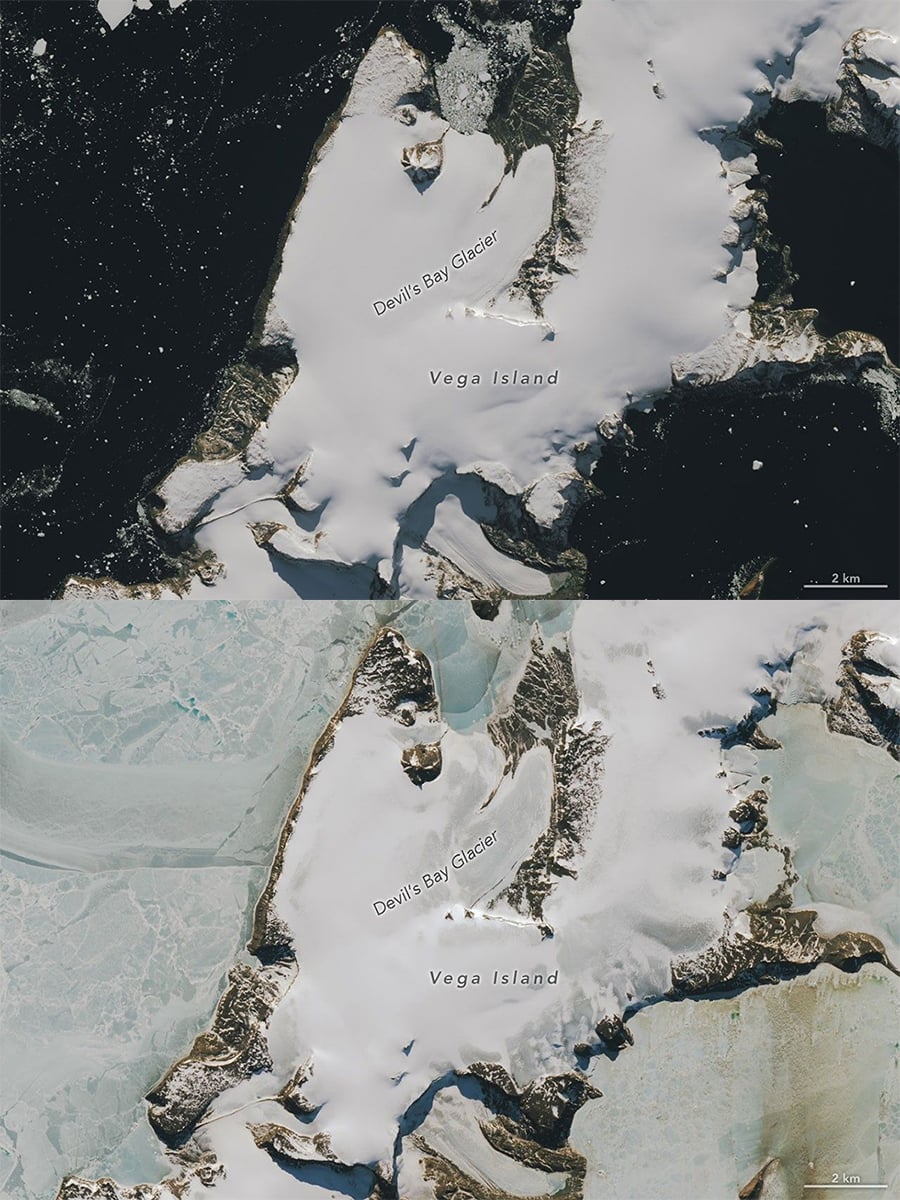
A section of Antarctica‘s Vega Island looks remarkably like a human skull when viewed from space. A rocky outcrop resembles an eye socket, a ridge of glacial debris forms a mouth, and a nearby glacier completes the lower jaw. NASA recently revealed two satellite images showing this unusual formation. The photographs also reveal a significant difference in the island’s snow cover, with large areas of dark ice emerging in the more recent image.
The images were captured by NASA’s Landsat 9 satellite, which photographed the island on March 22, 2025, and October 10, 2026. The first photograph shows a landscape largely covered in snow. In the second, much of that snow has disappeared, exposing the darker ice underneath. An unusually warm Antarctic winter contributed to the change, while limited snowfall, strong winds, and sublimation further reduced the snow cover.
The rocks and glacier behind Antarctica’s skull-shaped island
Vega Island lies in the Weddell Sea, east of the Antarctic Peninsula. Its landscape consists largely of ice, exposed rock, and glaciers. From the ground, these features form an ordinary part of an Antarctic landscape. From above, however, their arrangement creates an unmistakable skull-like profile facing the nearby Devil Island.
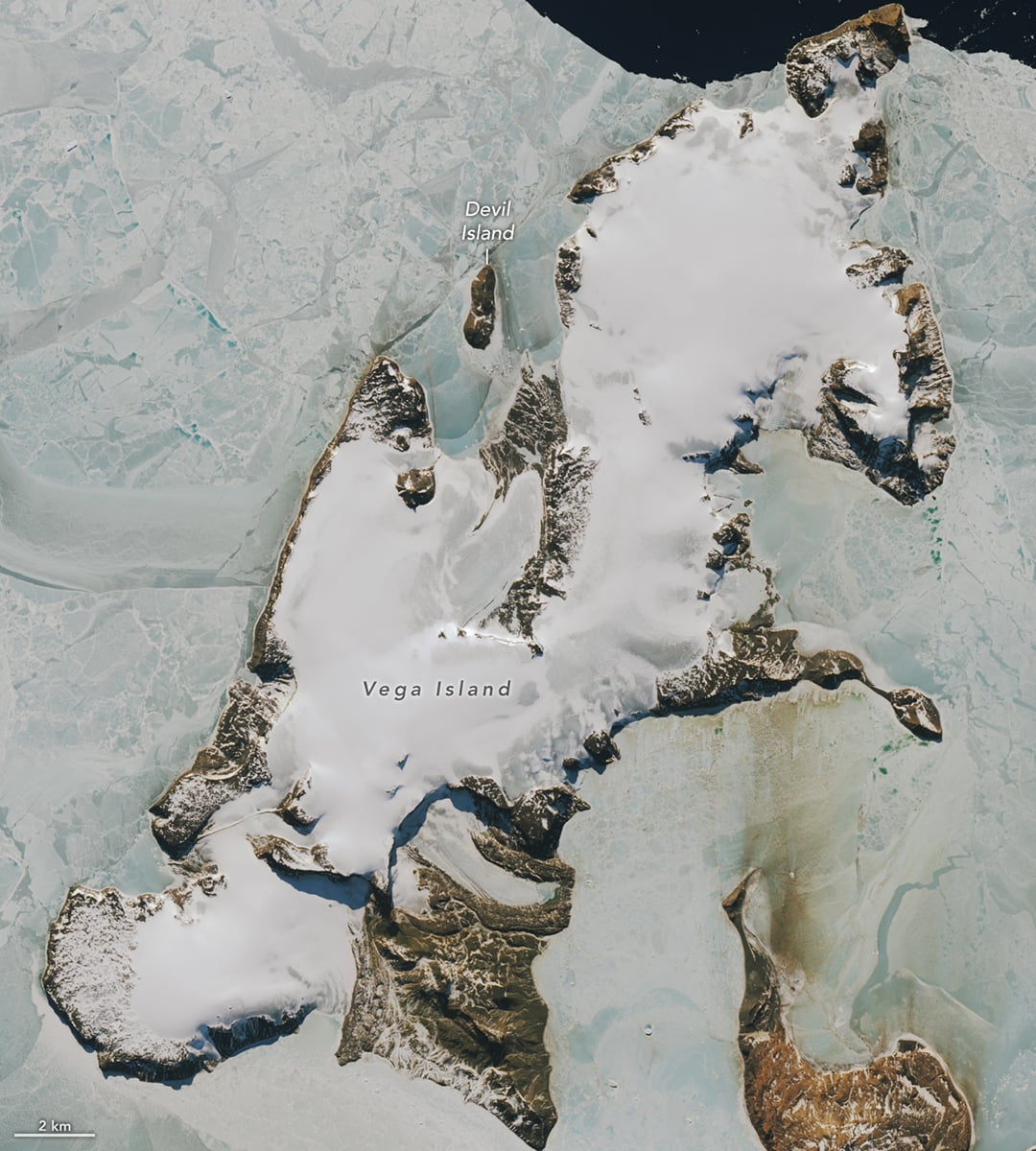
The formation has three main features. A rocky outcrop called a nunatak creates the appearance of an eye socket. Nunataks rise above surrounding glaciers and ice sheets, exposing parts of the underlying rock. They occur in several polar and mountainous regions, where ice covers much of the terrain. On Vega Island, this exposed section of rock provides the most recognizable feature of the skull.
A lateral moraine forms the mouth. As glaciers move, they carry loose rock and sediment and collect debris along their edges. This material eventually creates elongated ridges beside the ice. One of these ridges crosses the landscape on Vega Island, producing the curved line that resembles a grin in the satellite photograph.
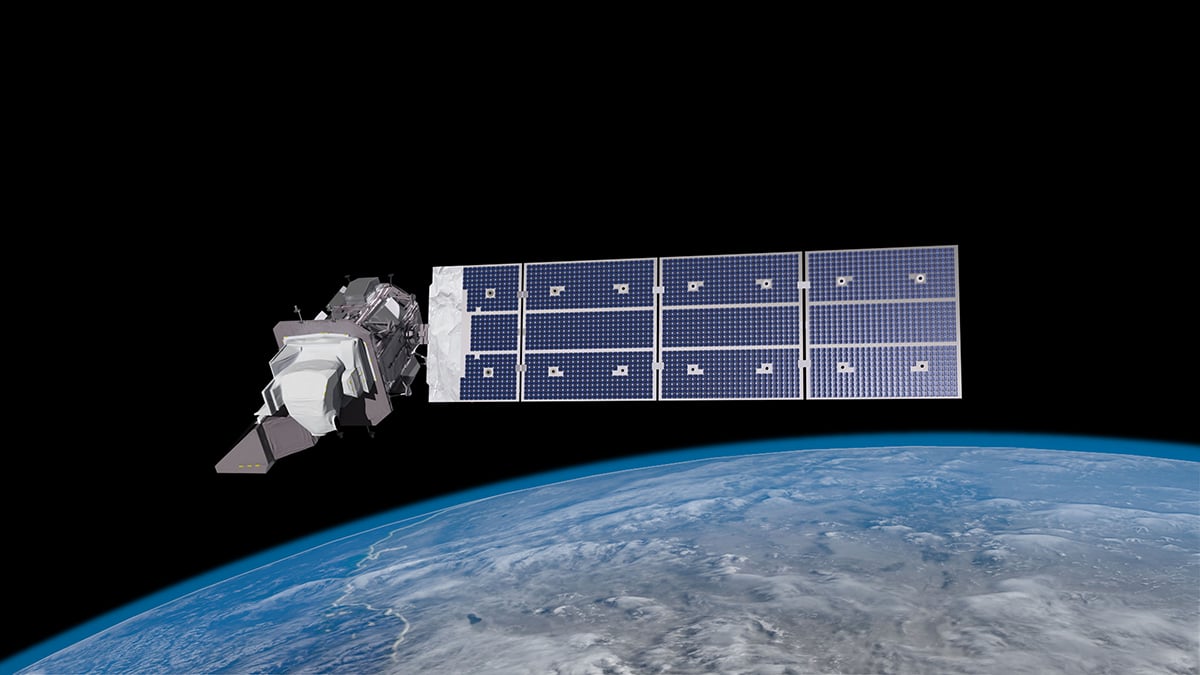
Landsat 9 captures two different views of the island
NASA used images from the Operational Land Imager (OLI) aboard Landsat 9 for its comparison. The instrument recorded the first photograph on March 22, 2025, near the beginning of Antarctic autumn. It captured the second on October 10, 2026, during the Antarctic spring. Both images show the same section of Vega Island, making the differences in surface conditions easy to examine.
The March 2025 photograph shows a layer of snow covering much of the ice. This is typical of the region’s wettest month, when snowfall adds a fresh covering to the glacier surface. The white areas dominate the image, while exposed rock and glacial debris provide darker details.
The October 2026 photograph shows a considerably different surface. Large areas of snow have disappeared, revealing darker ice across the glacier. Some sections that appeared almost completely white in the earlier image now show distinct grey patches. The contrast also makes the rocky outcrop and the moraine easier to distinguish.
An unusually warm winter left the glacier exposed
The Antarctic winter of 2026 brought above-average temperatures to the region, particularly during June. Glaciologist Mauri Pelto of Nichols College discussed these conditions in NASA’s report. He attributed much of the exposed ice to limited snowfall during winter. Sublimation and wind scouring further reduced the snow that accumulated on the island and nearby glaciers.
The lack of snow could affect the glacier as Antarctica moves further into spring and summer. Fresh snow reflects much of the sunlight reaching the surface. Bare ice has a darker appearance and absorbs more solar energy. As daylight hours increase and temperatures rise, this additional absorption can encourage faster surface melting.
Clear skies!
See more from DIYPhotography.net on Google
Add DIYPhotography.net as a trusted source. This makes
our stories more likely to appear in your Google Search results.
 Add as a preferred source on Google

Soumyadeep Mukherjee
Soumyadeep Mukherjee is an award-winning astrophotographer from India. He has a doctorate degree in Linguistics. His work extends to the sub-genres of nightscape, deep sky, solar, lunar and optical phenomenon photography. He is also a photography educator and has conducted numerous workshops. His works have appeared in over 40 books & magazines including Astronomy, BBC Sky at Night, Sky & Telescope among others, and in various websites including National Geographic, NASA, Forbes. He was the first Indian to win “Astronomy Photographer of the Year” award in a major category.



Join the Discussion
DIYP Comment Policy
Be nice, be on-topic, no personal information or flames.